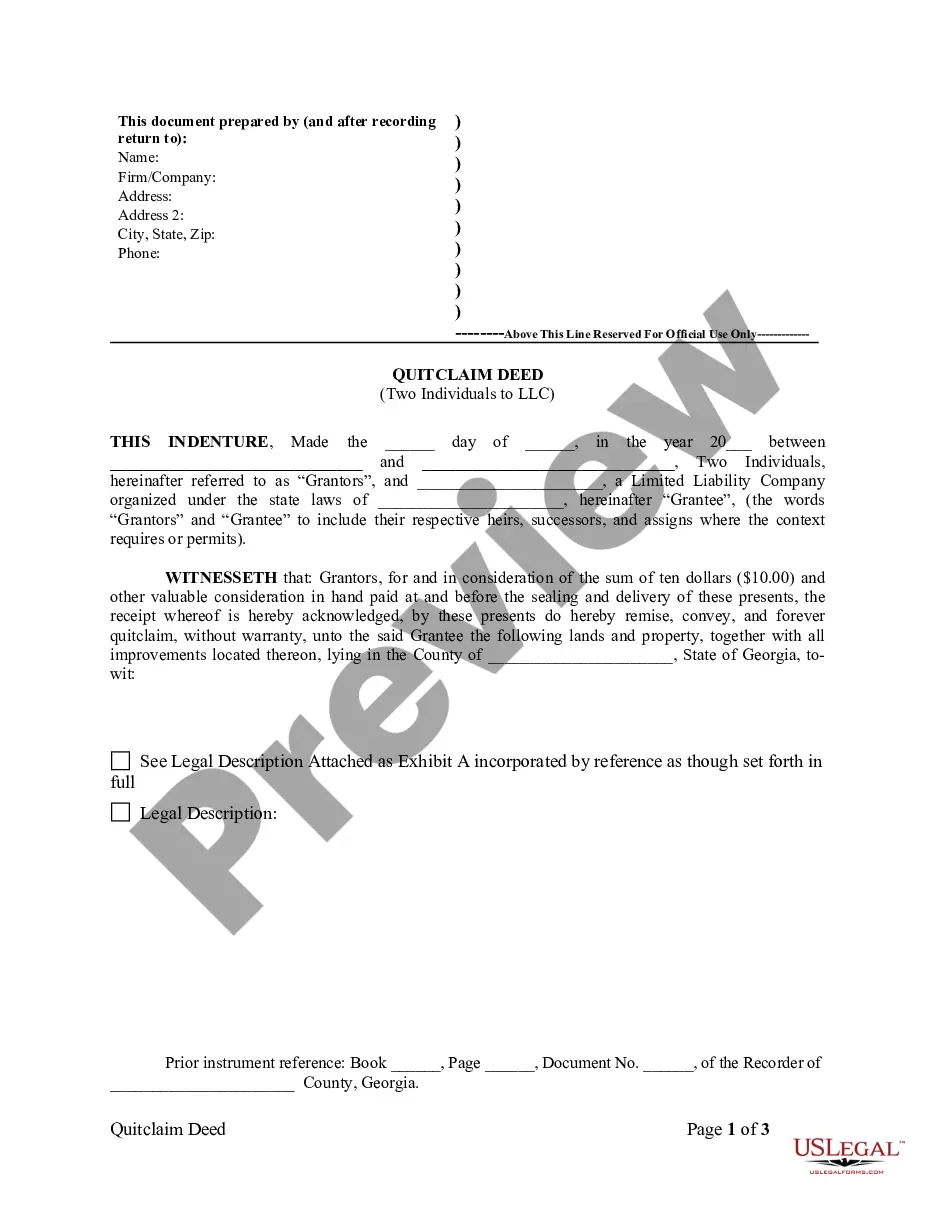
Sample Letter for Collection
About this form
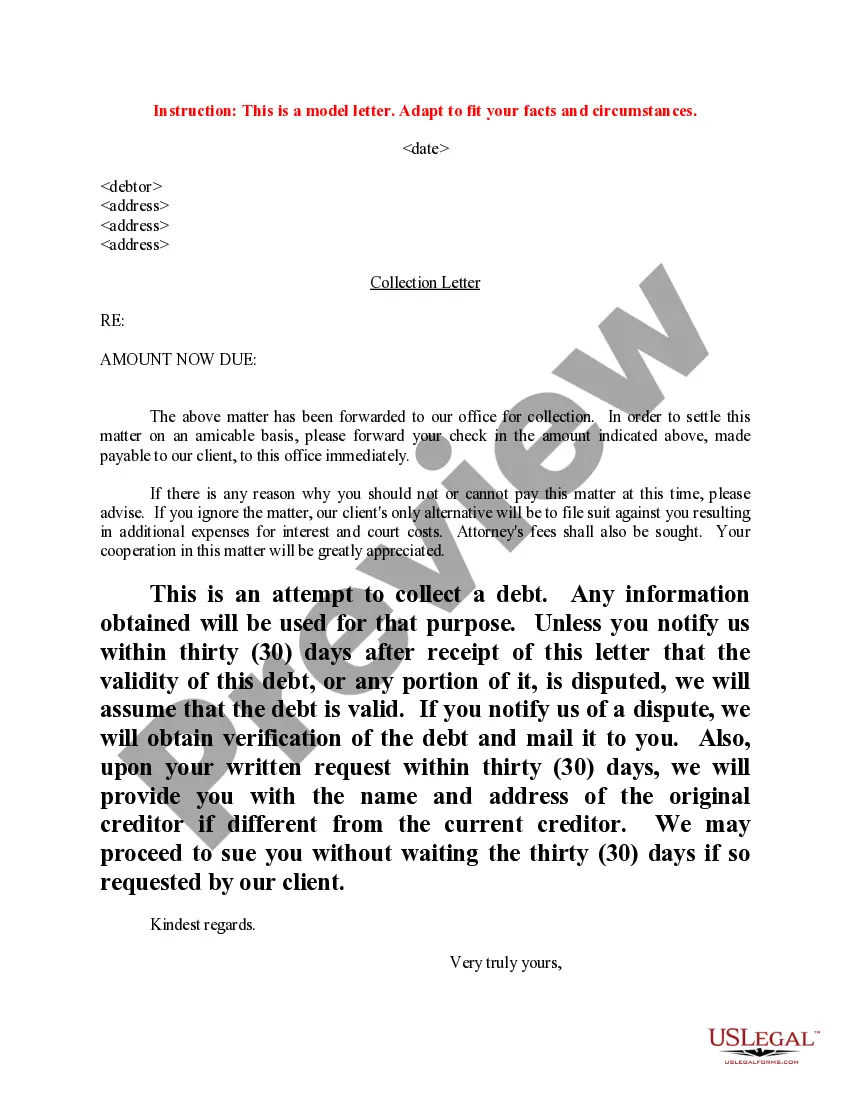
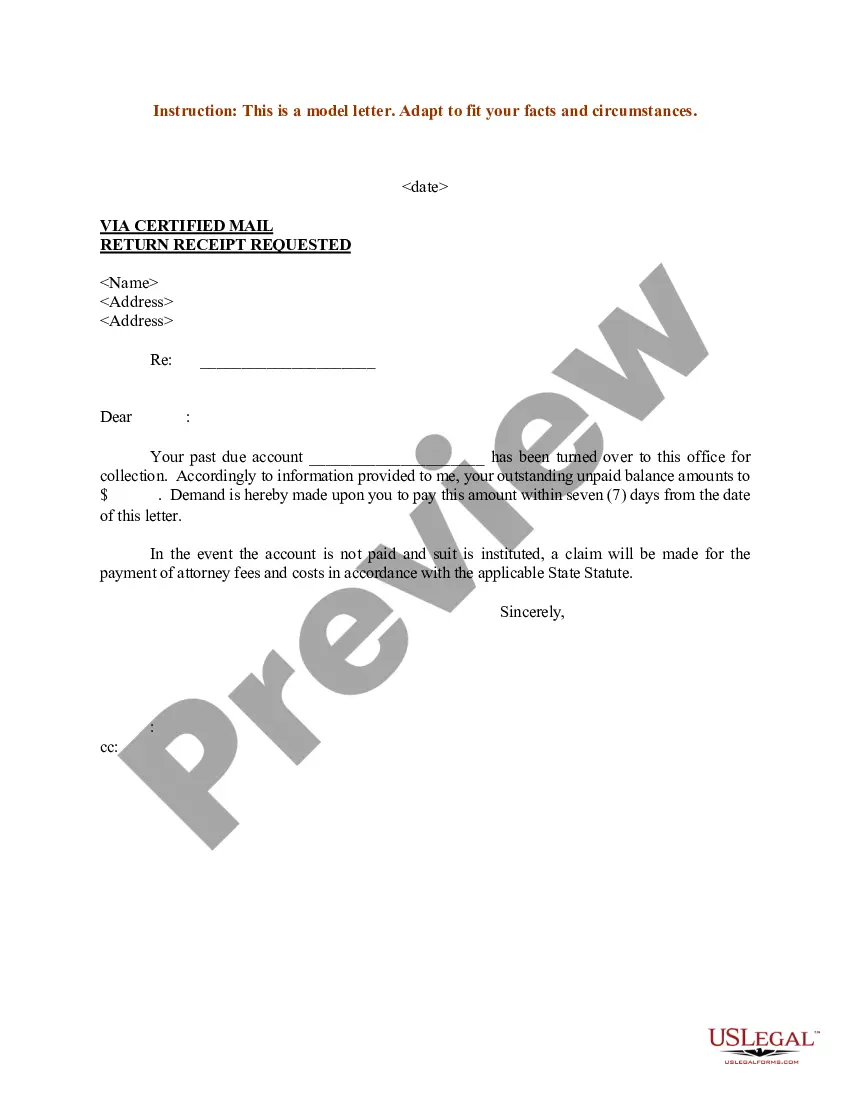
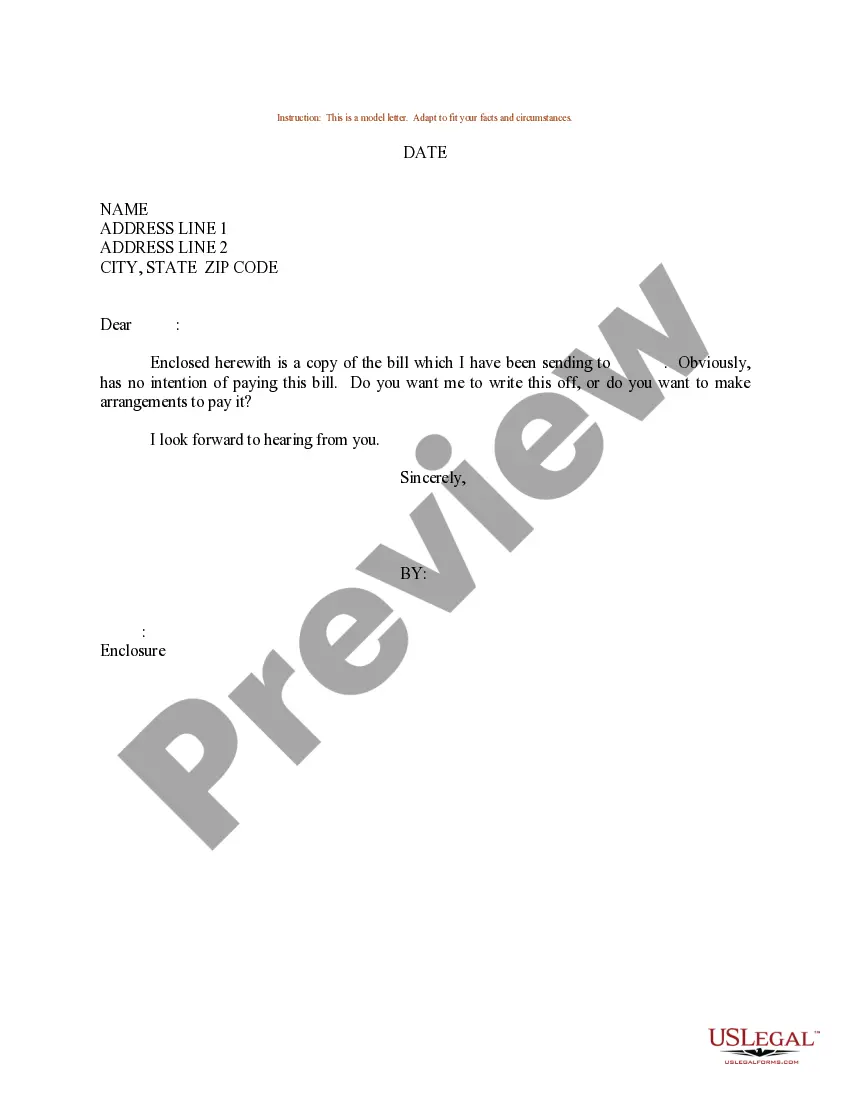
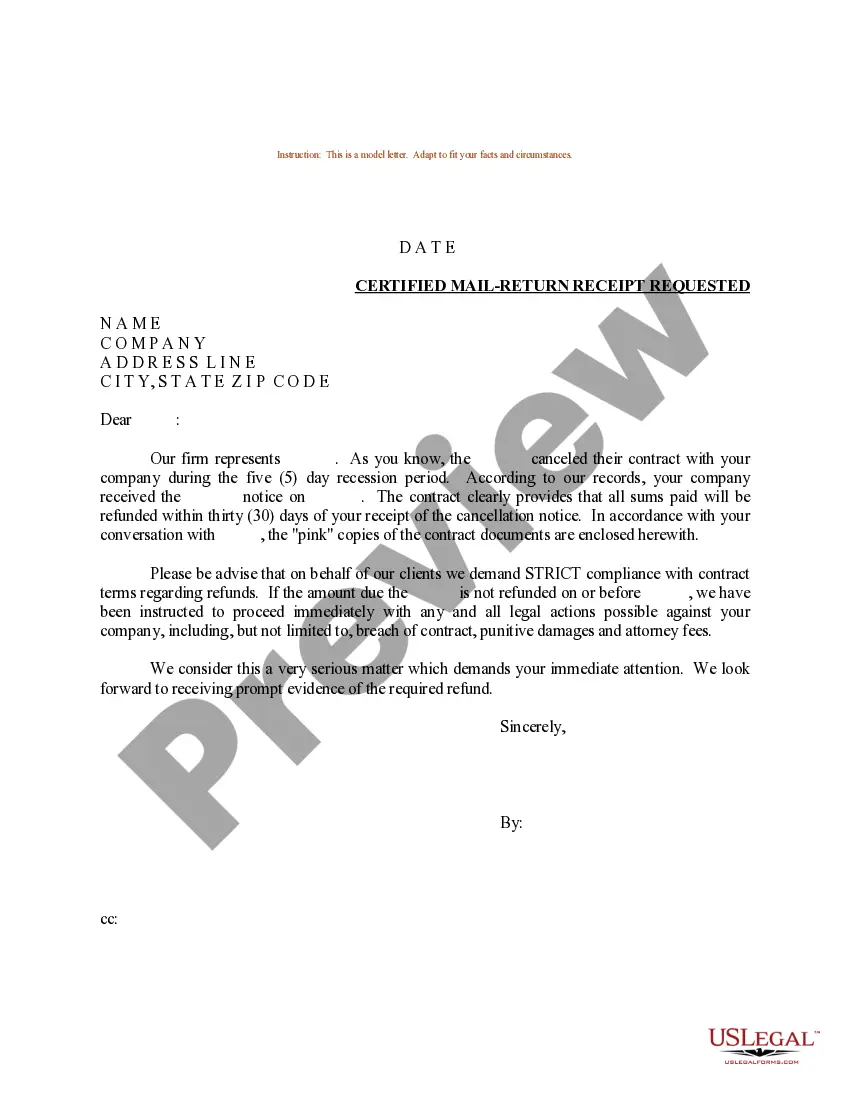
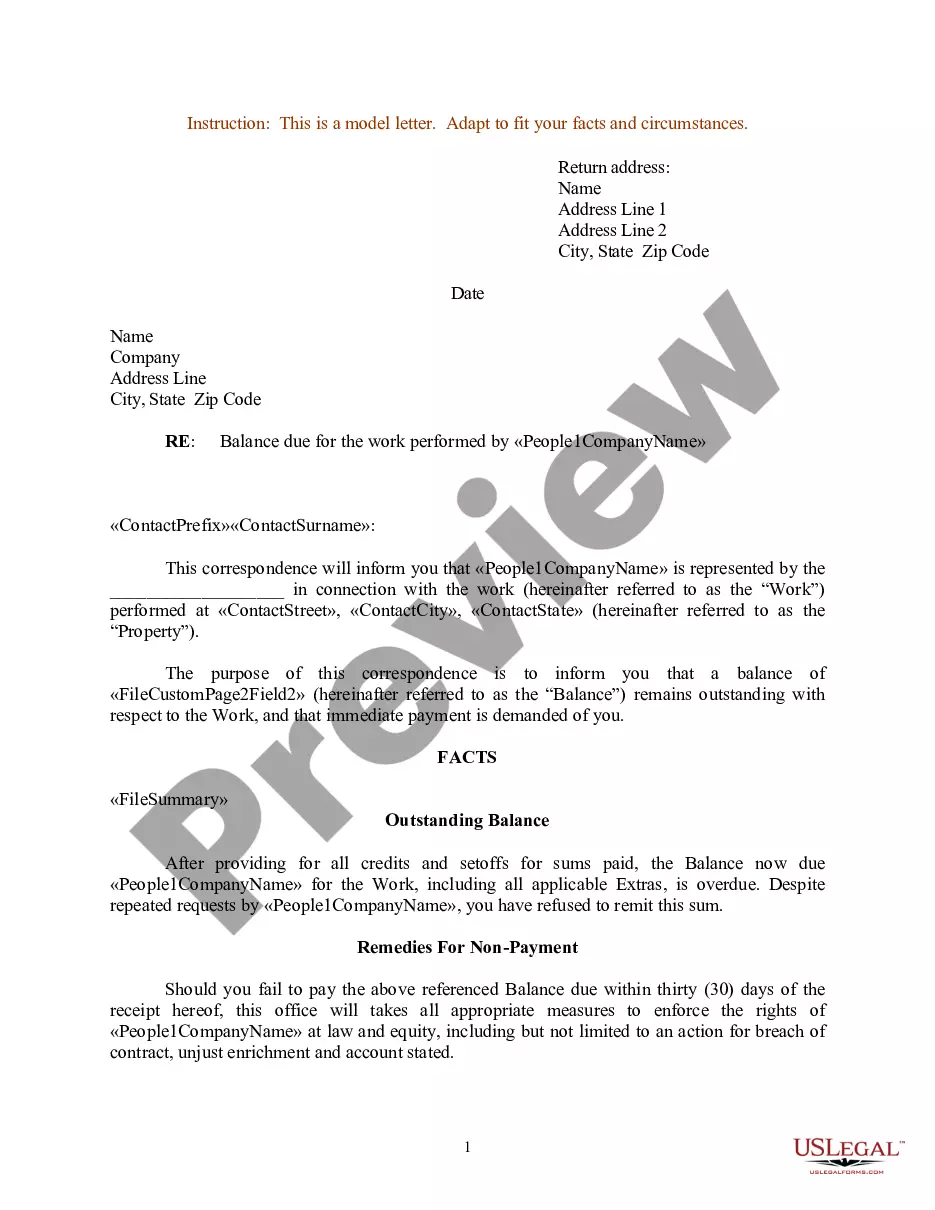
The Sample Letter for Collection is a formal communication used by creditors to request payment of a debt. This letter serves multiple purposes, including notifying the debtor of their outstanding balance and making them aware of potential legal actions that may follow if the debt remains unpaid. Unlike other forms of communication, this letter clearly outlines the next steps and potential consequences for the debtor, thus distinguishing it from more informal requests for payment.
Form components explained
- Creditor details: Name and contact information of the attorney or creditor sending the letter.
- Debtor information: Name and address of the individual or entity being contacted regarding the debt.
- Debt amount: The total amount owed by the debtor, including any applicable interest.
- Dispute instructions: Guidance for the debtor on how to dispute the legitimacy of the debt.
- Legal consequences: An explanation of potential legal actions and additional costs if the debt is not addressed.
Situations where this form applies
This letter should be used when a creditor has attempted to collect a debt but has not received a response or payment from the debtor. It is an essential step in the collections process, often serving as a final notice before further legal action. If a creditor wants to formalize their request for payment and clarify the consequences of non-payment, this letter is appropriate.
Who this form is for
- Creditors seeking repayment of outstanding debts.
- Attorneys representing clients in debt collection cases.
- Businesses attempting to recover overdue invoices.
- Individuals who are owed money and want to initiate formal collection efforts.
How to complete this form
- Identify the parties: Clearly state the names and addresses of both the creditor and debtor.
- Specify the debt amount: Enter the total amount owed, including any interest accrued.
- Outline dispute options: Include instructions for the debtor on how to dispute the debt if they wish to do so.
- State consequences: Clearly articulate any potential legal actions, fees, or consequences for failing to respond.
- Sign the letter: Ensure it is signed by the creditor or their attorney to give it legal weight.
Does this form need to be notarized?
In most cases, this form does not require notarization. However, some jurisdictions or signing circumstances might. US Legal Forms offers online notarization powered by Notarize, accessible 24/7 for a quick, remote process.
Get your form ready online
Our built-in tools help you complete, sign, share, and store your documents in one place.
Make edits, fill in missing information, and update formatting in US Legal Forms—just like you would in MS Word.
Download a copy, print it, send it by email, or mail it via USPS—whatever works best for your next step.
Sign and collect signatures with our SignNow integration. Send to multiple recipients, set reminders, and more. Go Premium to unlock E-Sign.
If this form requires notarization, complete it online through a secure video call—no need to meet a notary in person or wait for an appointment.
We protect your documents and personal data by following strict security and privacy standards.

Make edits, fill in missing information, and update formatting in US Legal Forms—just like you would in MS Word.

Download a copy, print it, send it by email, or mail it via USPS—whatever works best for your next step.

Sign and collect signatures with our SignNow integration. Send to multiple recipients, set reminders, and more. Go Premium to unlock E-Sign.

If this form requires notarization, complete it online through a secure video call—no need to meet a notary in person or wait for an appointment.

We protect your documents and personal data by following strict security and privacy standards.
Typical mistakes to avoid
- Failure to include essential details about the debt.
- Not providing clear instructions for disputing the debt.
- Using ambiguous language that does not clearly outline consequences.
- Omitting contact information for follow-up communication.
Why complete this form online
- Convenience of downloading and customizing the form to suit specific needs.
- Access to legal wording drafted by licensed attorneys to ensure compliance.
- Ability to create a professional, formal letter quickly and efficiently.
Looking for another form?

Form popularity
FAQ
This is not a good time. Please call back at 6. I don't believe I owe this debt. Can you send information on it? I prefer to pay the original creditor. Give me your address so I can send you a cease and desist letter. My employer does not allow me to take these calls at work.
Reference the products or services that were purchased. Make it very clear what you did for your client and how much it costs. Maintain a friendly but firm tone. Remind the payee of their contract or agreement with you. Offer multiple ways the payee can take action. Add a personal touch. Give them a new deadline.
The debt dispute letter should include your personal identifying information; verification of the amount of debt owed; the name of the creditor for the debt; and a request that the debt not be reported to credit reporting agencies until the matter is resolved or have it removed from the report, if it already has been
Mention of all previous attempts to collect. Invoice number and amount. Original invoice due date. Current days past due. Instructions on what they should do next. A warning of the impending consequences.
Know What to Include A demand letter should include the name of the creditor, the amount owed, action required, debt reference, deadline, and the consequences. Ensure you include all these details so your letter is not only compliant with the FDCPA, but also practical.
Your full name and address. The collections agency's name and address. A request for the amount of the debt claimed to be owed. A request for the name of the original creditor. A request for the judgment information (if applicable) A request for proof of the company's license.
Days past due. Amount due. Note previous attempts to collect. Summary of account. Instructions- what would you like them to do next? Due date for payment- it is important to use an actually date, not in the next 7 business days as this can be vauge.
If you pay the collection agency directly, the debt is removed from your credit report in six years from the date of payment. If you don't pay, it purges six years from the last activity date, but you may be at risk for wage garnishment.
Creditors do not have to respond to every debt verification letter sent to them. Under the FDCPA, if a collector contacts you about a debt, you have 30 days to request validation. If you send a verification request within that time, the creditor is legally obligated to respond to you.