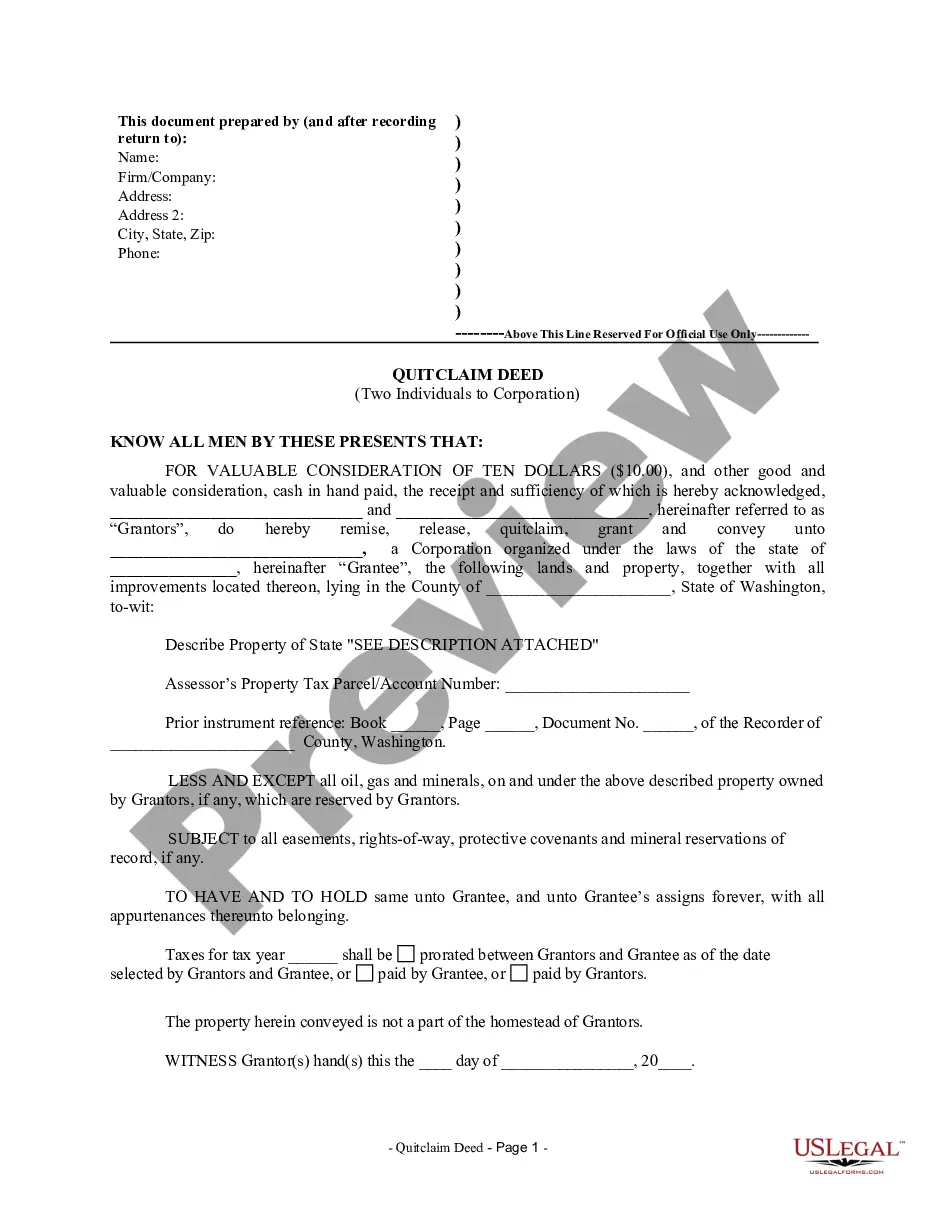
Certificate of Trust for Mortgage
About this form
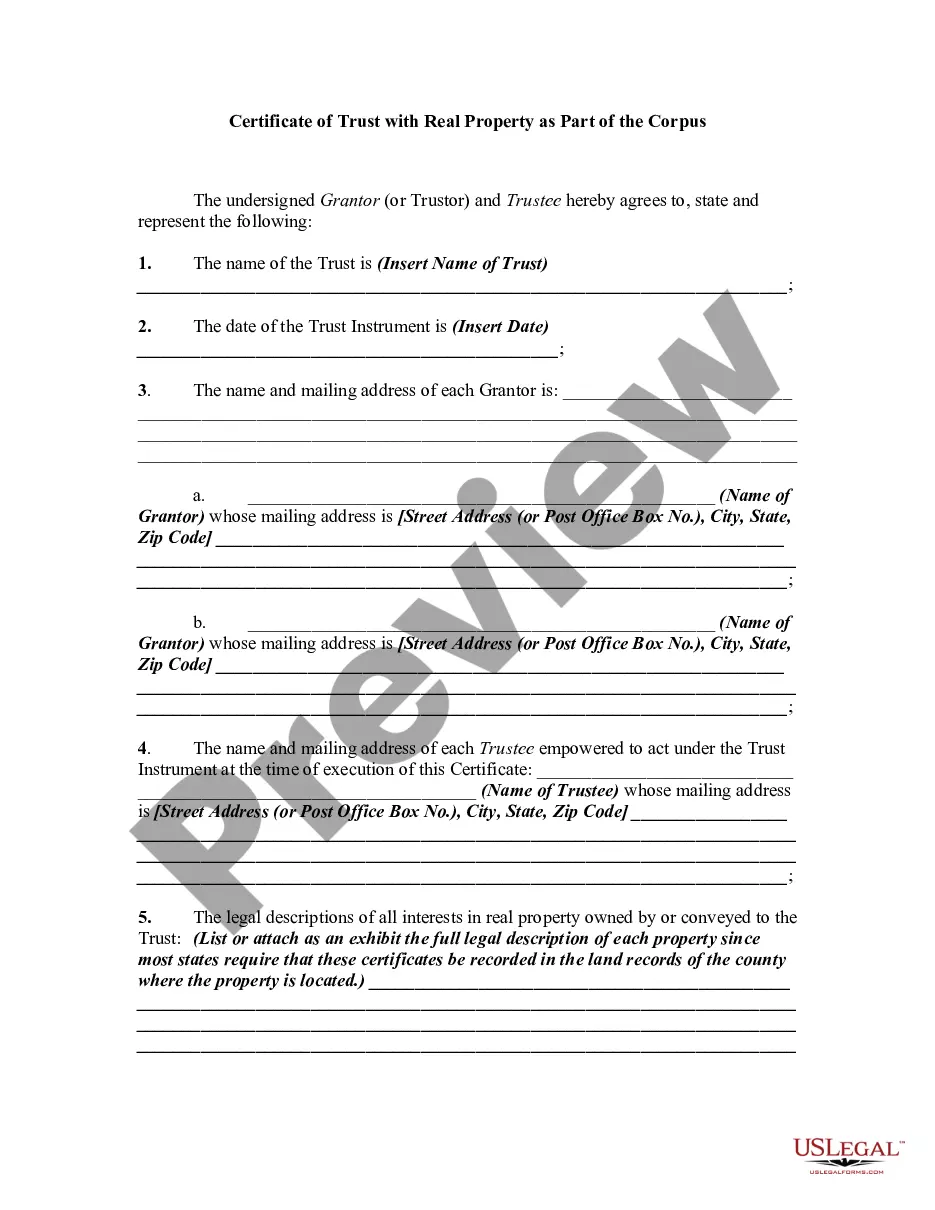
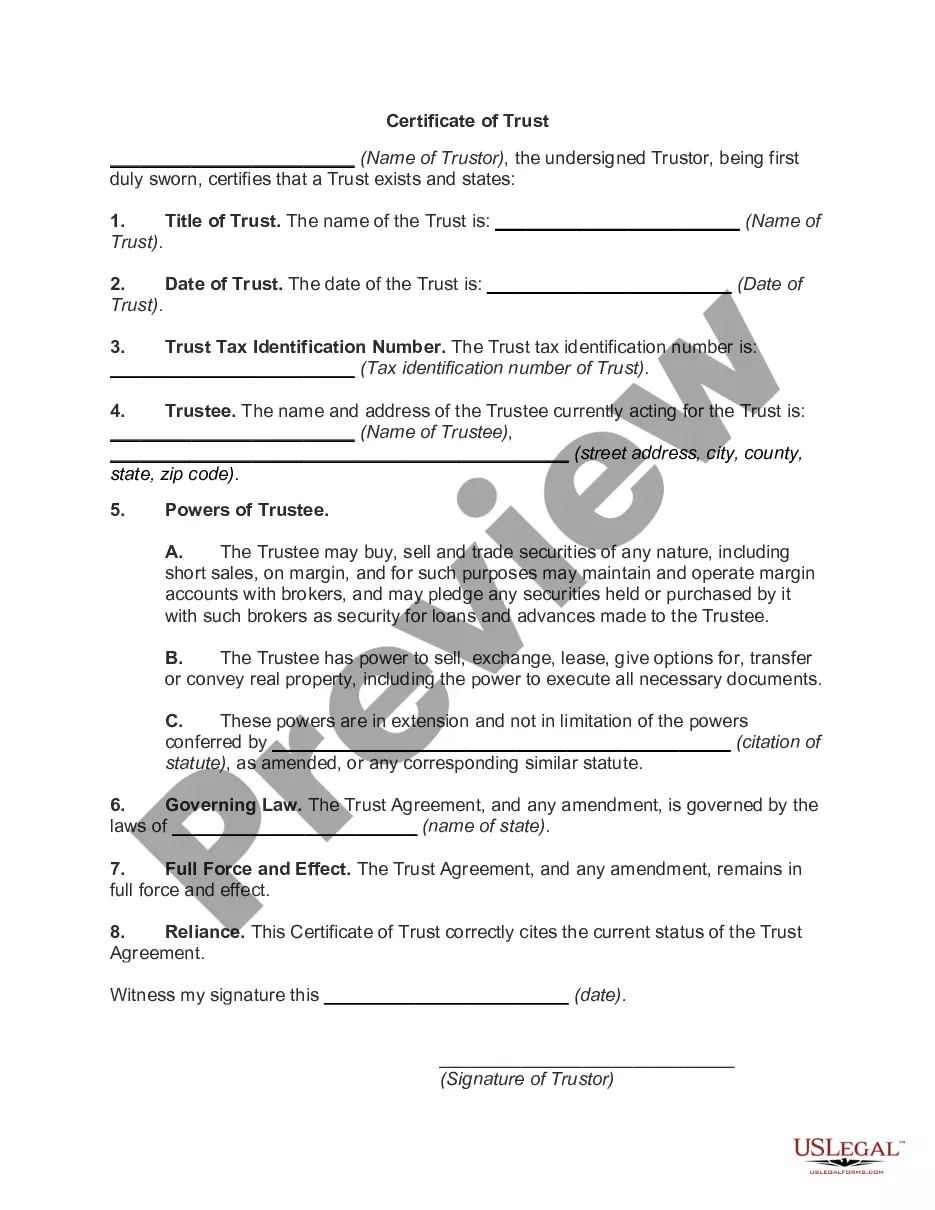
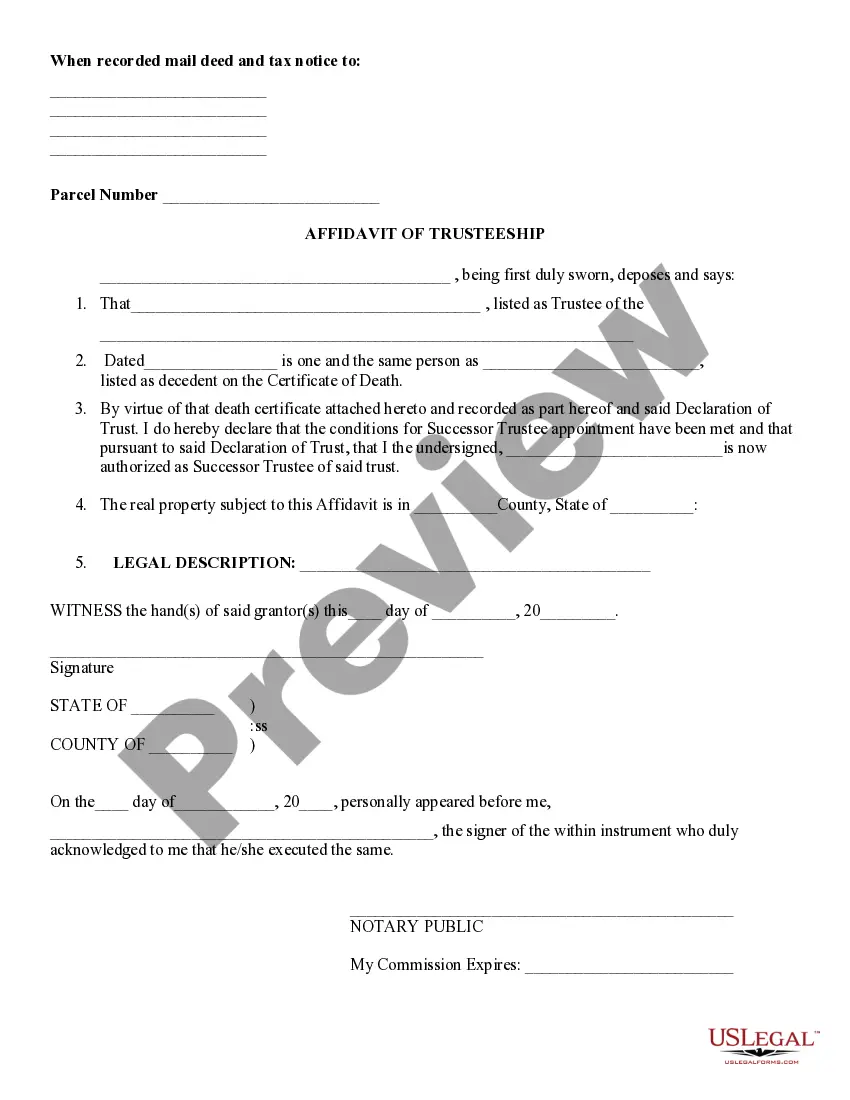
The Certificate of Trust for Mortgage is a legal document that verifies the existence of a trust and outlines the authority of the trustee in relation to the trust property. This form serves to provide essential details about the trust, such as the names and addresses of the grantor and trustee, the legal description of real estate involved, and the powers granted to the trustee. Unlike a full trust document, this certificate is concise and designed specifically for situations involving mortgages and real estate transactions, facilitating trust-related dealings without exposing the entire trust details.
Form components explained
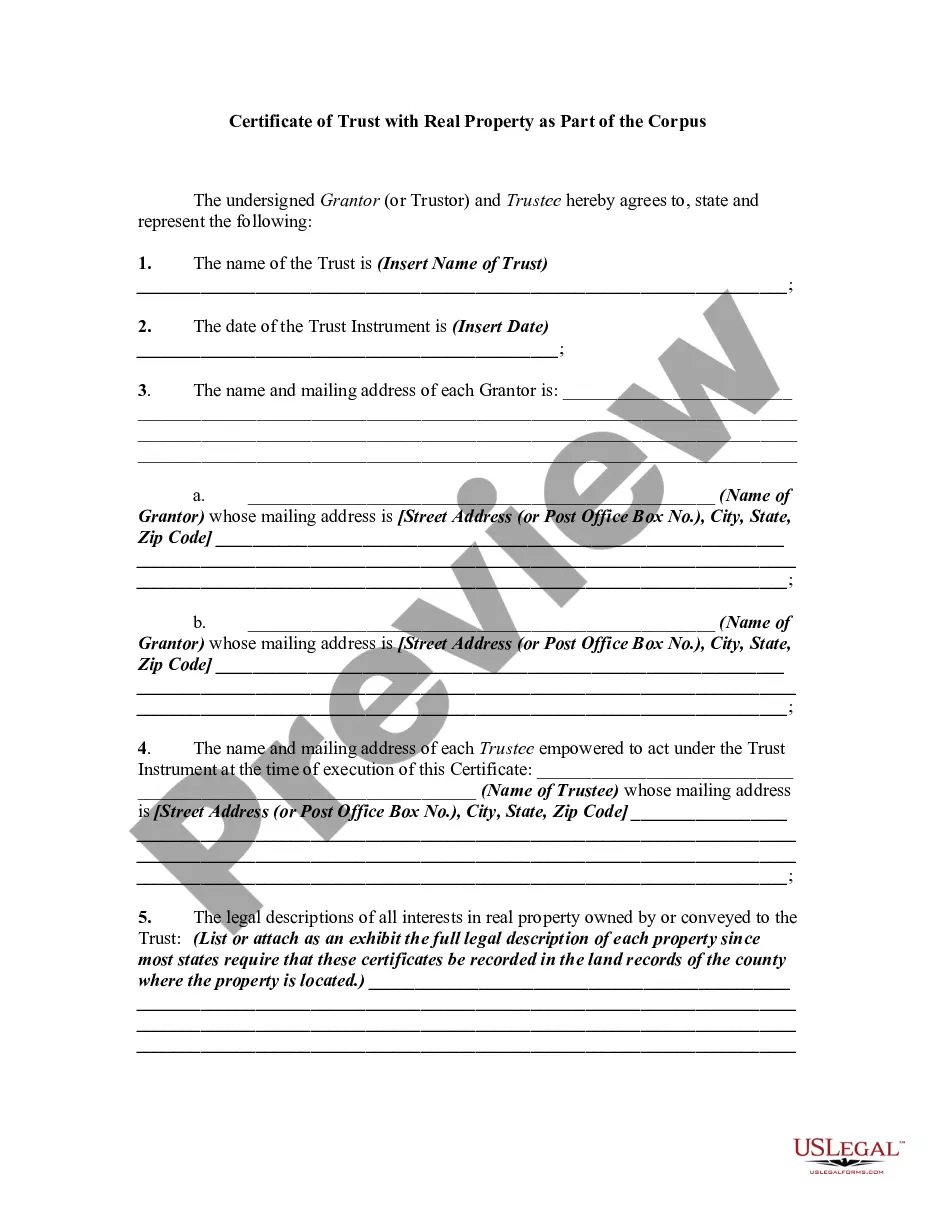
- Name of the Trust and date of the Trust Instrument.
- Details of the Grantor(s), including names and addresses.
- Information about the Trustee(s) empowered to act under the Trust.
- Legal descriptions of the properties owned by the trust.
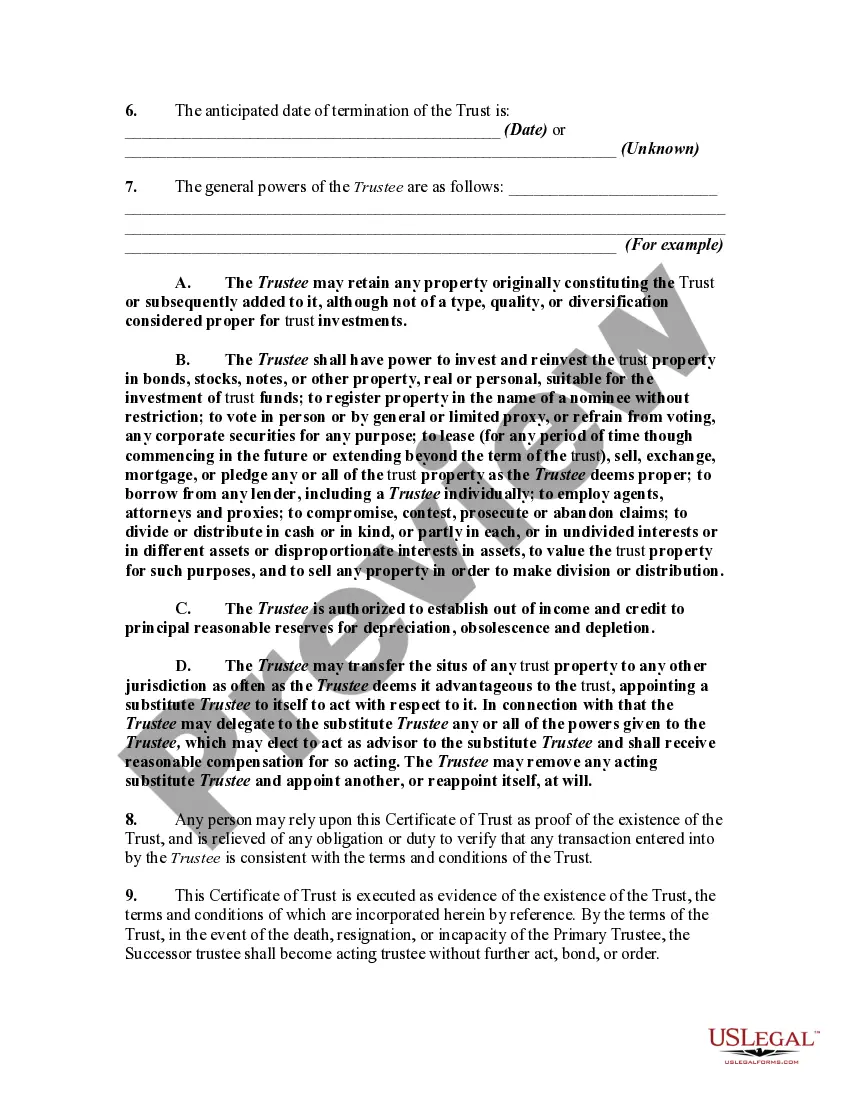
- General powers of the Trustee to manage trust property.
- Identification of the Successor Trustee and provisions for their succession.
When to use this form
This form is commonly used when a trust is involved in property transactions, particularly mortgages or refinancing. If you are a trustee needing to demonstrate authority to manage or encumber trust assets, or if you are a lender or potential buyer wanting to confirm the trust's existence and the trustee's powers, this form provides the necessary legal affirmation.
Who can use this document
This Certificate of Trust is suitable for:
- Trustees managing a trust with real estate assets.
- Grantors who wish to formalize the trust's existence for mortgage purposes.
- Lenders requiring assurance on the trust structure before extending credit.
- Real estate professionals involved in transactions where a trust is a party.
How to complete this form
- Identify and insert the name of the trust and the date of the trust instrument.
- List all grantors with their contact information as required.
- Enter the trustee's information and include their powers to manage trust assets.
- Provide legal descriptions for each property owned by the trust.
- Specify the anticipated termination date of the trust if known.
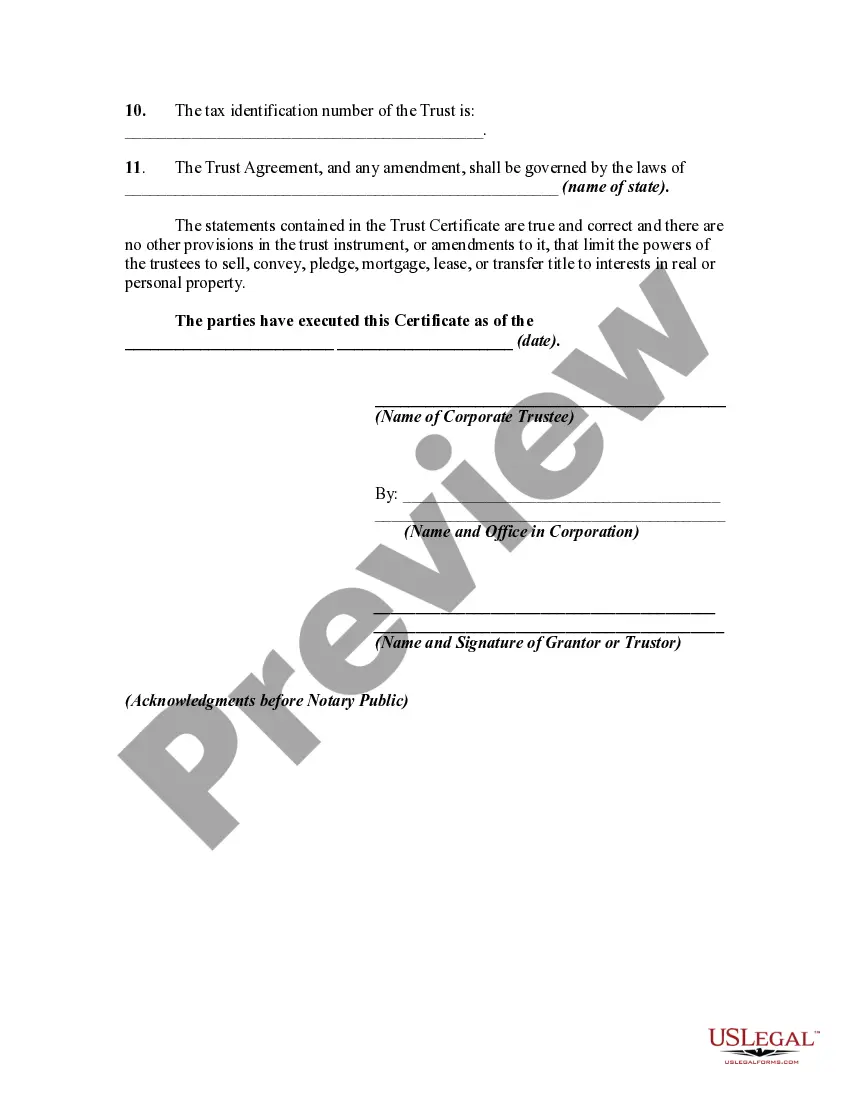
- Sign the form in the presence of a notary public, if required.
Notarization requirements for this form
Yes, this form must be notarized to be legally valid. This step ensures that the identities of the parties involved are verified and the document is properly executed. You can take advantage of US Legal Formsâ online notarization services, available 24/7 through secure video calls, ensuring a smooth and efficient process without the need for physical travel.
Get your form ready online
Our built-in tools help you complete, sign, share, and store your documents in one place.
Make edits, fill in missing information, and update formatting in US Legal Forms—just like you would in MS Word.
Download a copy, print it, send it by email, or mail it via USPS—whatever works best for your next step.
Sign and collect signatures with our SignNow integration. Send to multiple recipients, set reminders, and more. Go Premium to unlock E-Sign.
If this form requires notarization, complete it online through a secure video call—no need to meet a notary in person or wait for an appointment.
We protect your documents and personal data by following strict security and privacy standards.

Make edits, fill in missing information, and update formatting in US Legal Forms—just like you would in MS Word.

Download a copy, print it, send it by email, or mail it via USPS—whatever works best for your next step.

Sign and collect signatures with our SignNow integration. Send to multiple recipients, set reminders, and more. Go Premium to unlock E-Sign.

If this form requires notarization, complete it online through a secure video call—no need to meet a notary in person or wait for an appointment.

We protect your documents and personal data by following strict security and privacy standards.
Avoid these common issues
- Failing to accurately list the grantor or trustee information.
- Neglecting to include legal descriptions of trust properties.
- Omitting signatures or dates on the document.
- Not verifying state-specific requirements for trust documents.
Why use this form online
- Convenience of accessing and downloading the form at any time.
- Editability allows for customization to fit specific trust details.
- Reliability of attorney-approved templates ensuring compliance with legal standards.
Main things to remember
- A Certificate of Trust provides essential information about a trust without revealing the entire document.
- Properly completing this form can expedite property transactions and clarify trustee authority.
- Check state regulations for any additional filing or notarization requirements.
Looking for another form?
Form popularity
FAQ
A Certificate of Trust for Mortgage is a short, formal document that proves a trust exists and who has authority to act for the trust in mortgage transactions. It is used when lenders need evidence of the trust and the trustee’s power to sign loan documents, without requiring the full trust agreement.
Typically you obtain a certificate of trust from the trust's attorney who prepared the trust, or from the trustee who manages the trust. It may be drafted as a short certificate and must be properly executed and notarized before sharing with lenders.
Yes, a trustee can draft a certificate of trust themselves, but accuracy is essential. If the trust's powers or parties are misstated, lenders may reject it. Many people prefer attorney review to ensure the certificate reflects the trust's terms and the trustee's authority for mortgage documents.
The original trust instrument is typically held by the trustee or another designated custodian as specified in the trust. The certificate of trust is a summary used for third parties, such as lenders, while the full trust document remains on file with the trust’s trustee or attorney.
To prove a trust's involvement in a mortgage, provide a certificate of trust to the lender showing the trust exists and the trustee’s authority to sign mortgage documents. If more proof is needed, the lender may request your full trust agreement or related documents, subject to privacy and disclosure norms.
This Certificate of Trust for Mortgage is tailored to mortgage transactions, focusing on who can sign loan documents on behalf of the trust and the specific authority granted to the trustee. A general certificate of trust may describe broader powers and not emphasize mortgage-specific authority.