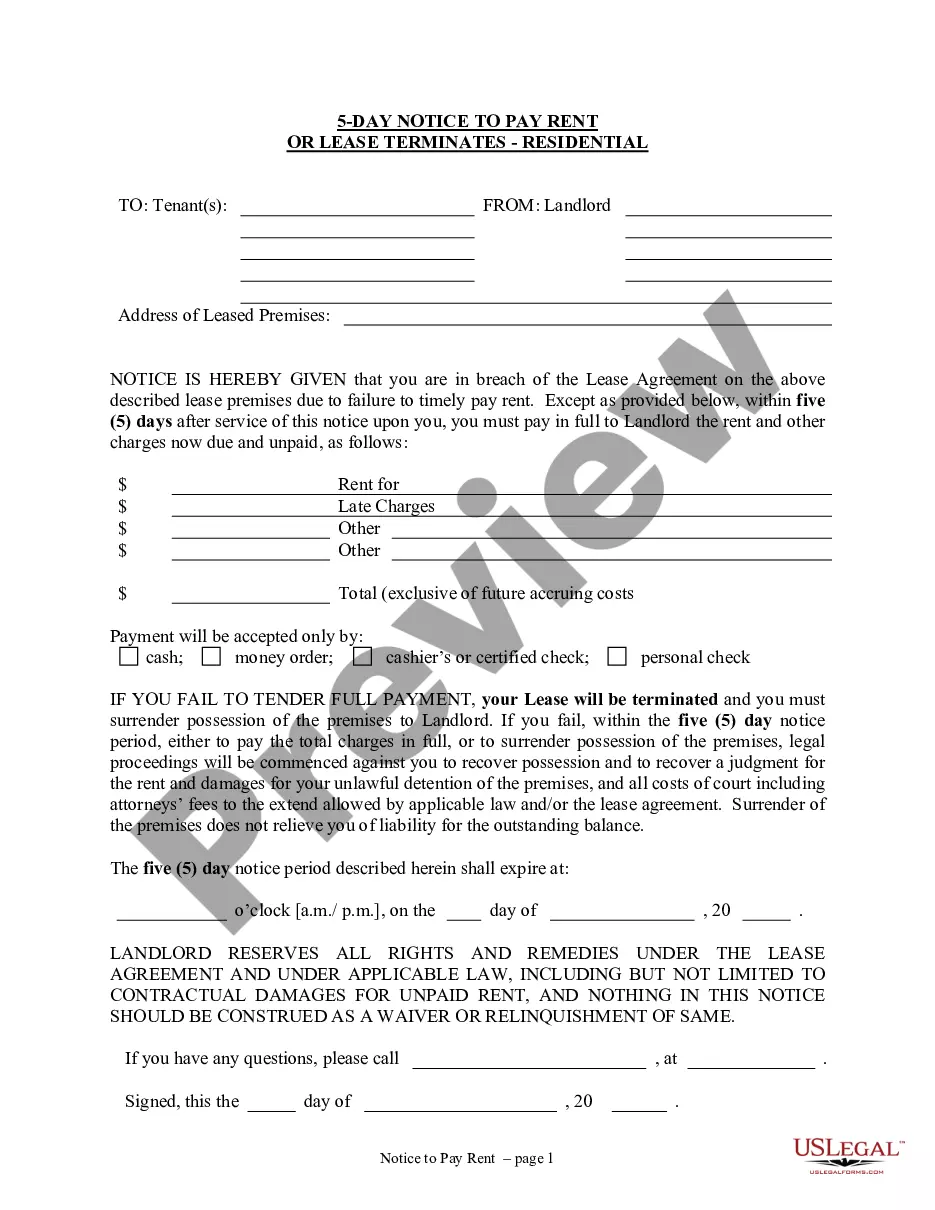
Important Juror Questionnaire
What is this form?
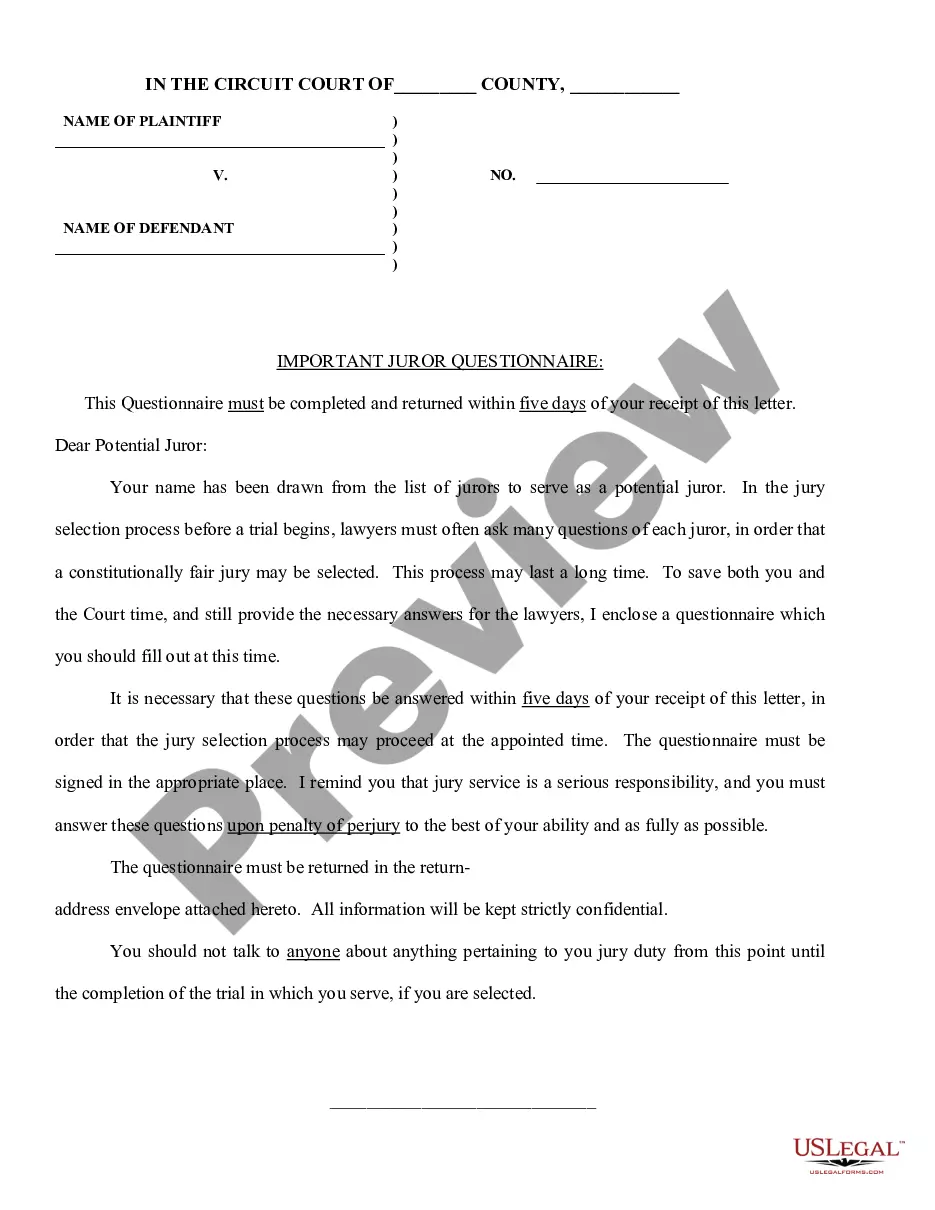
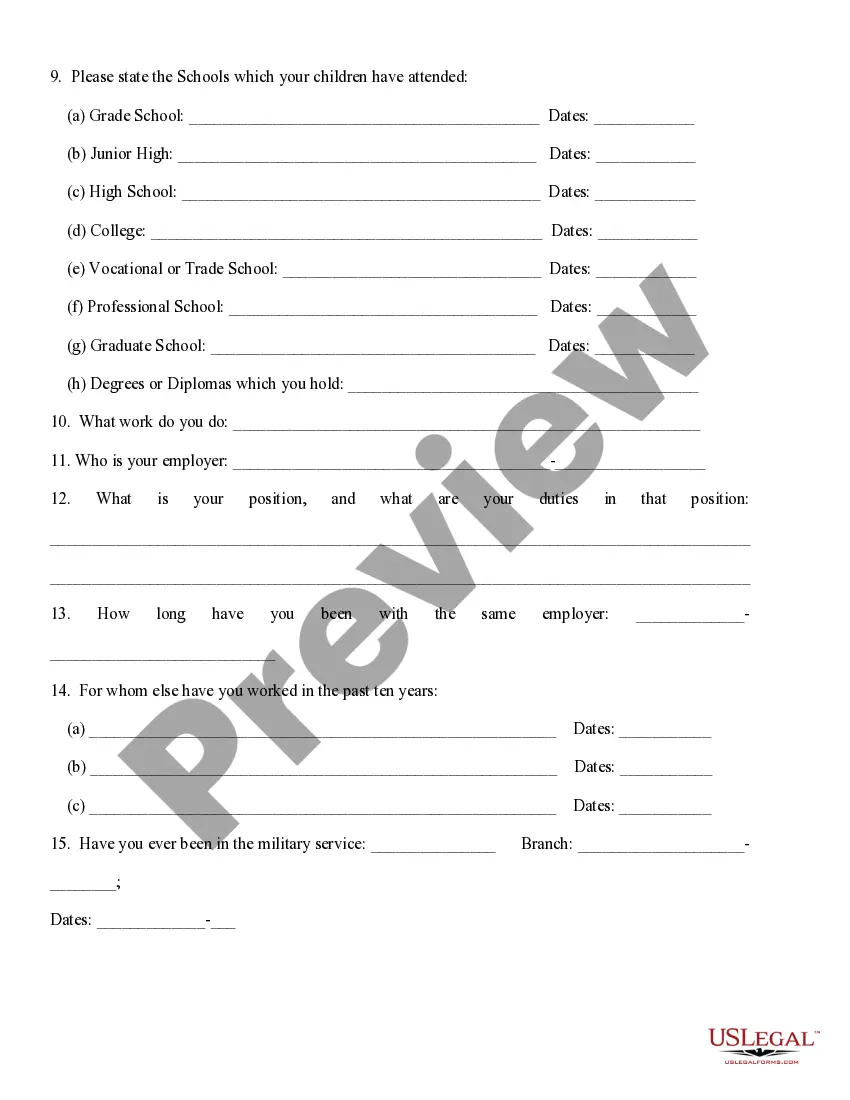
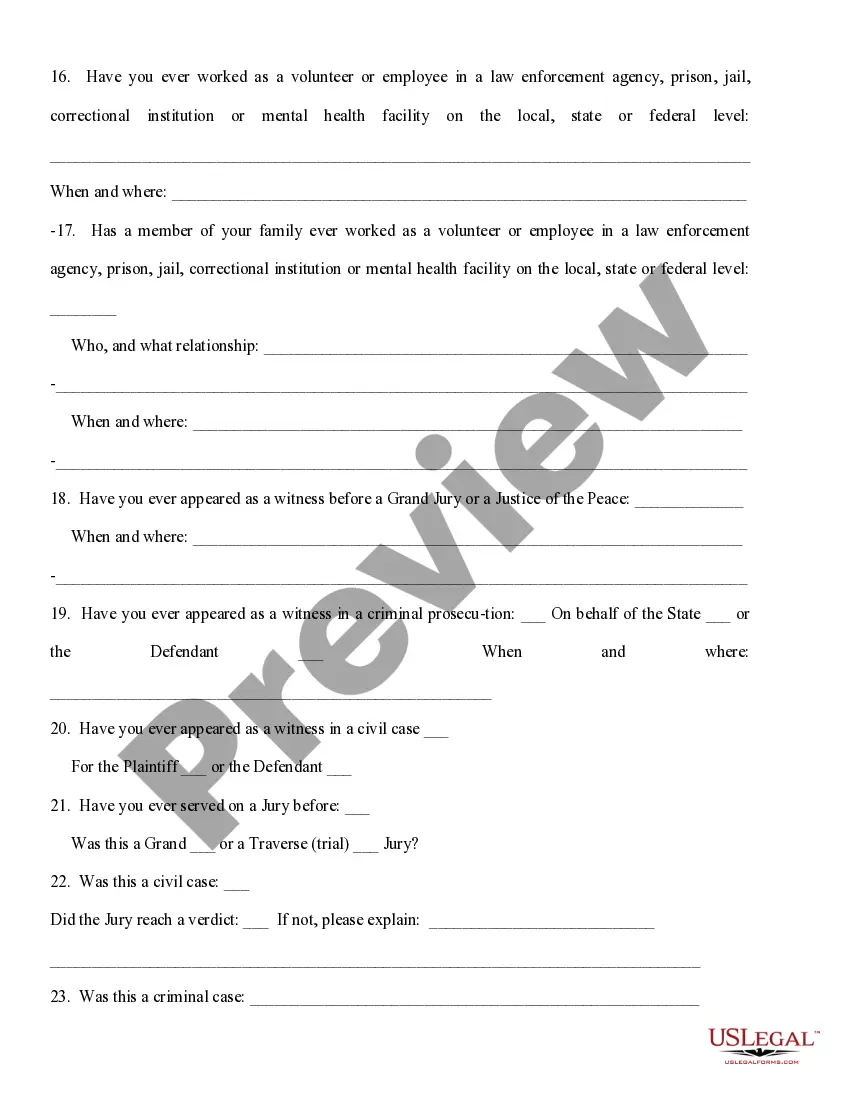
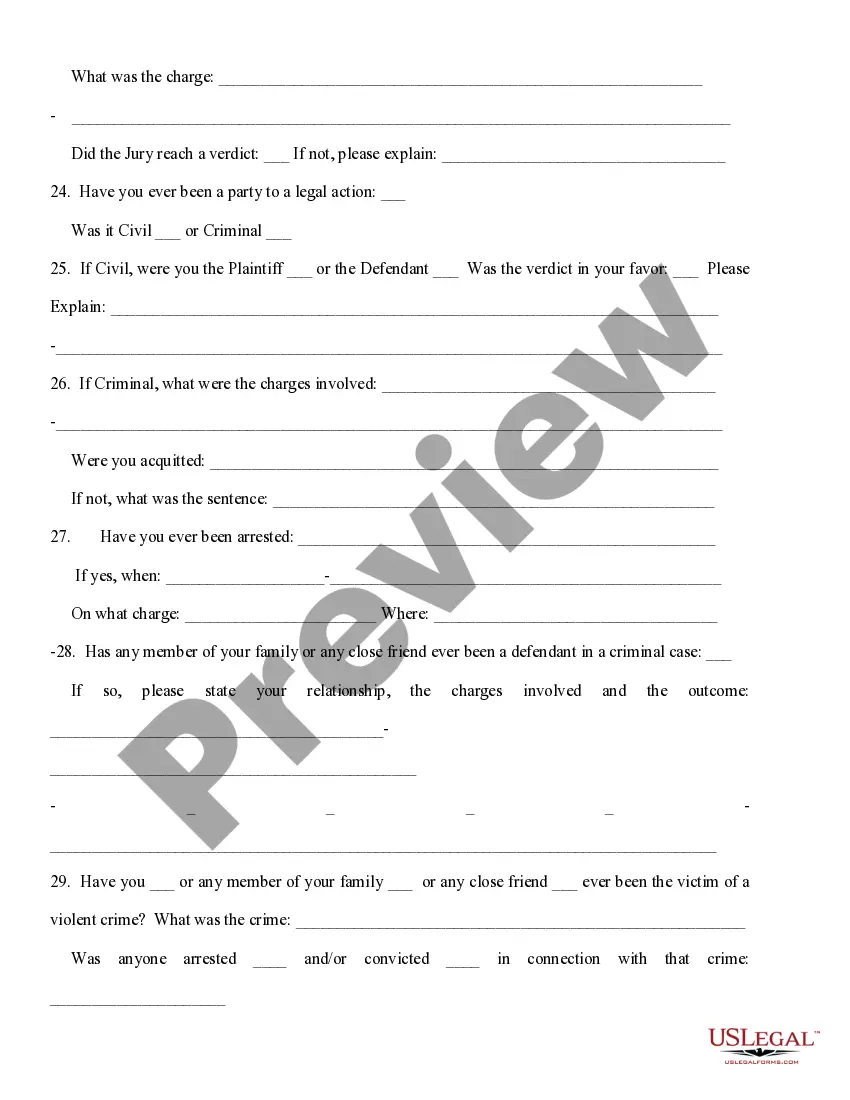
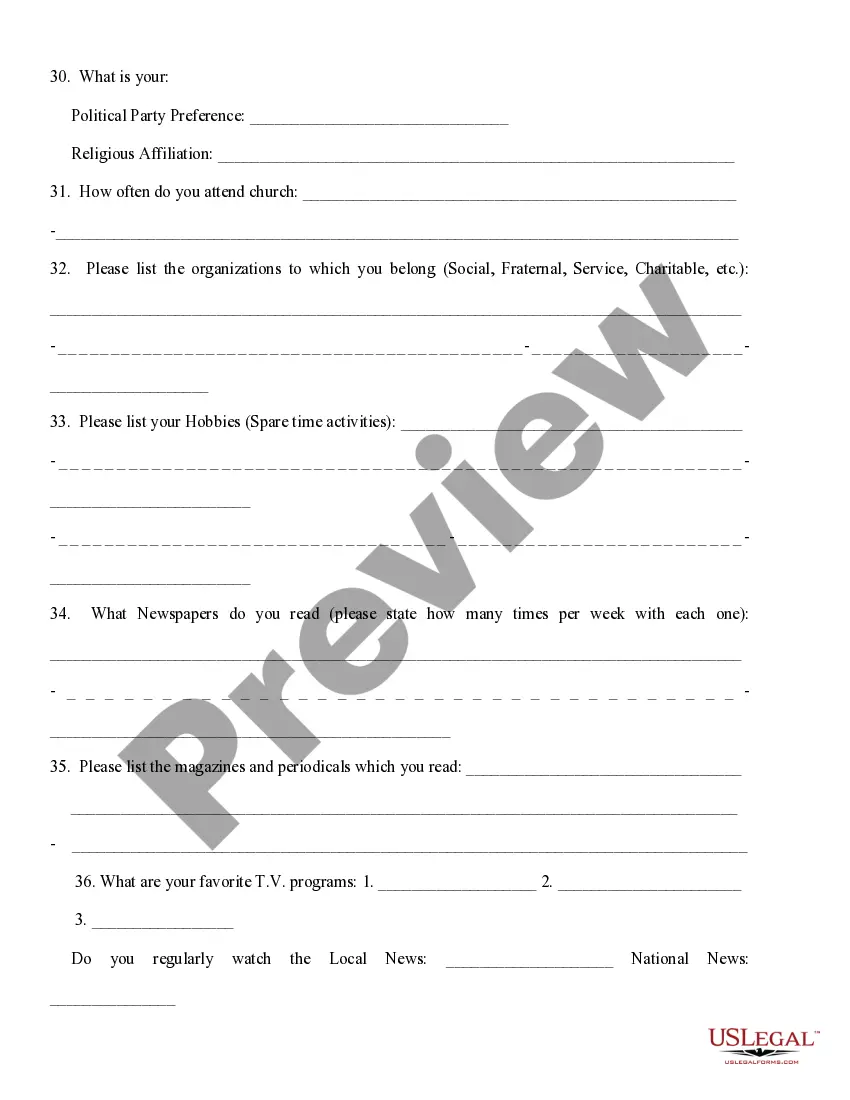
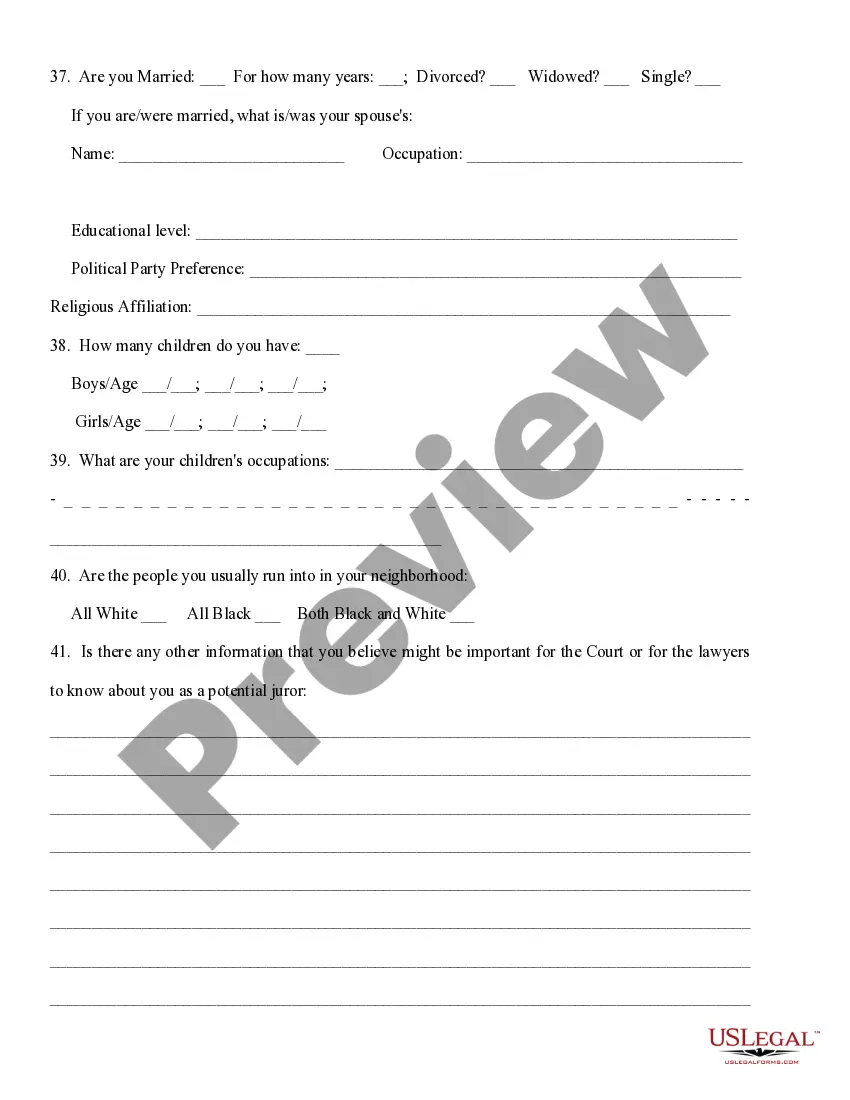
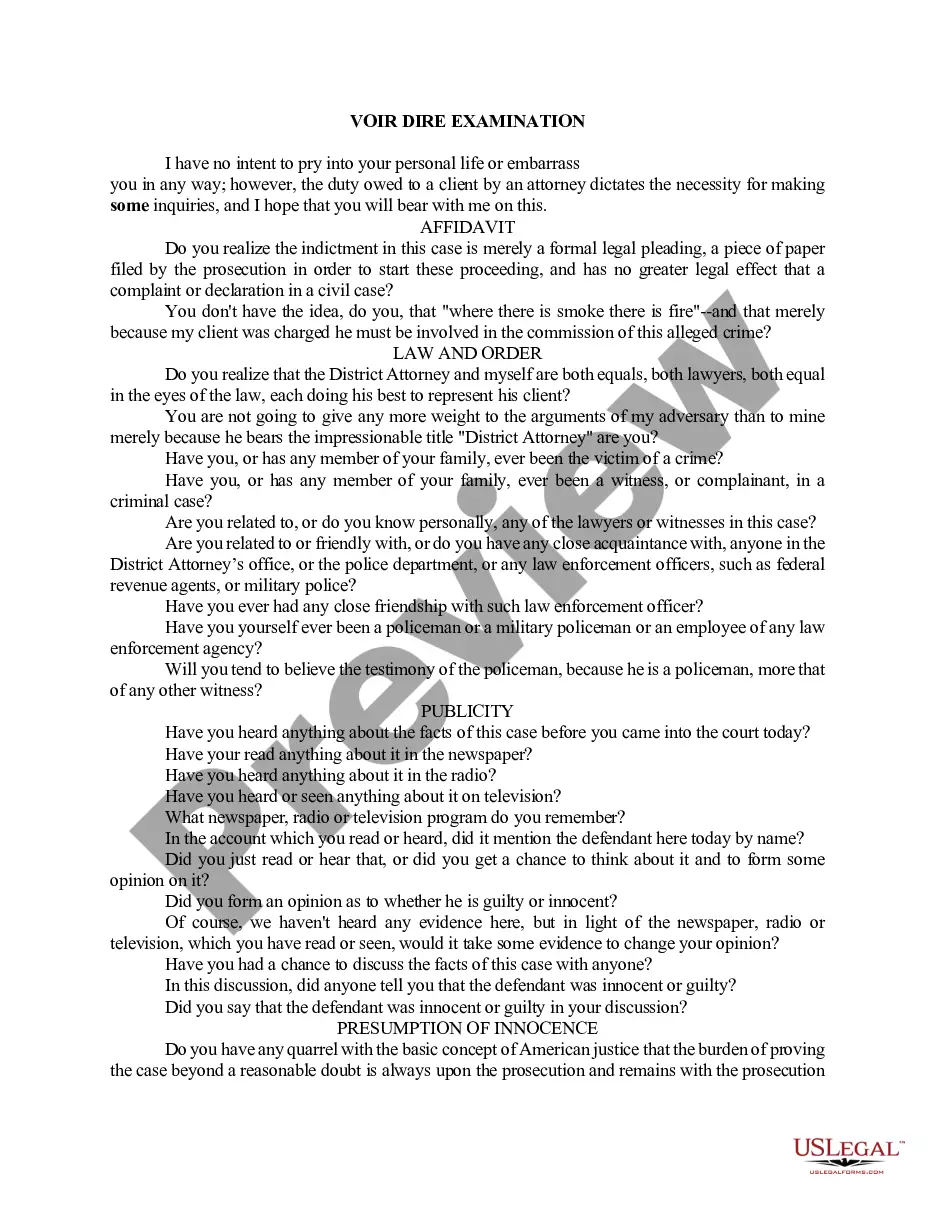
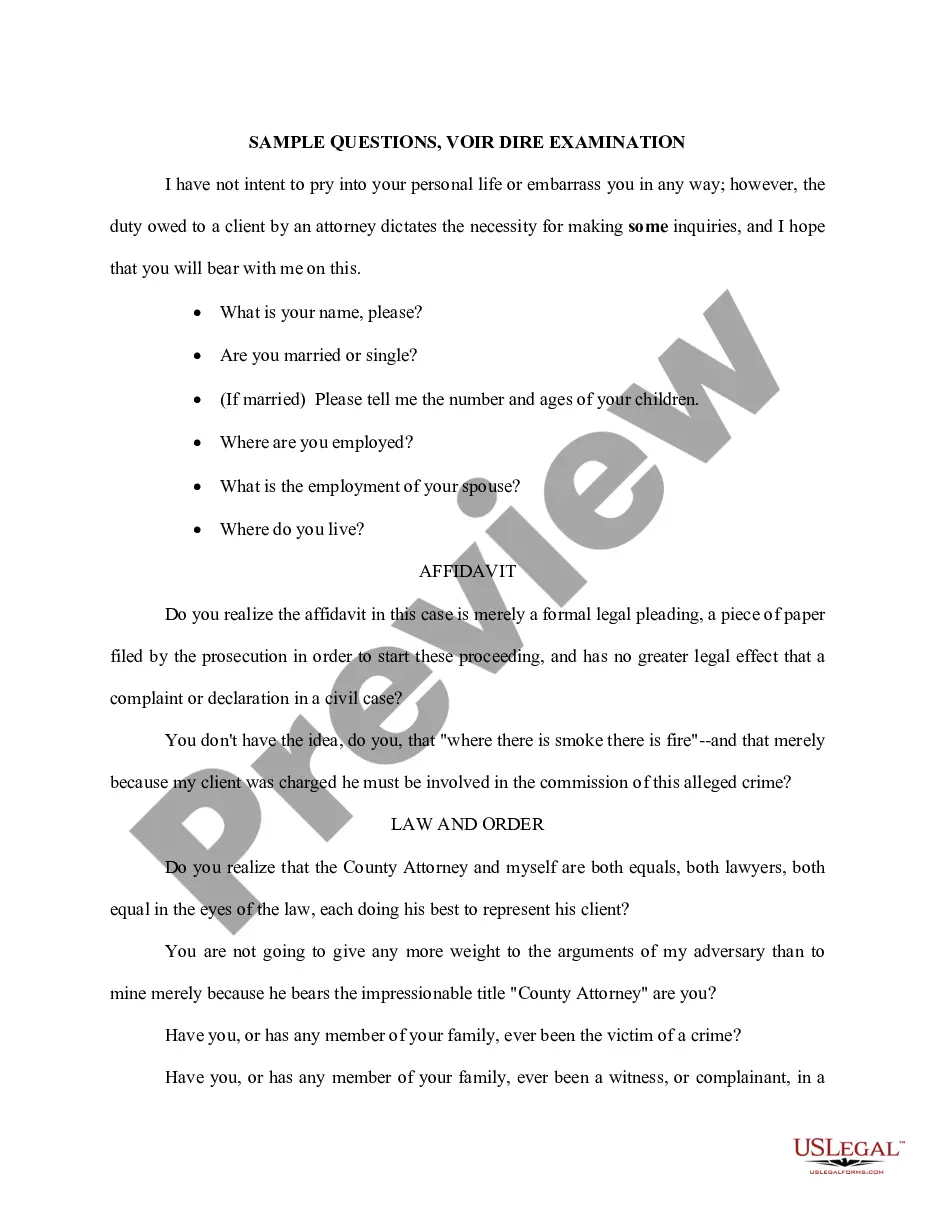
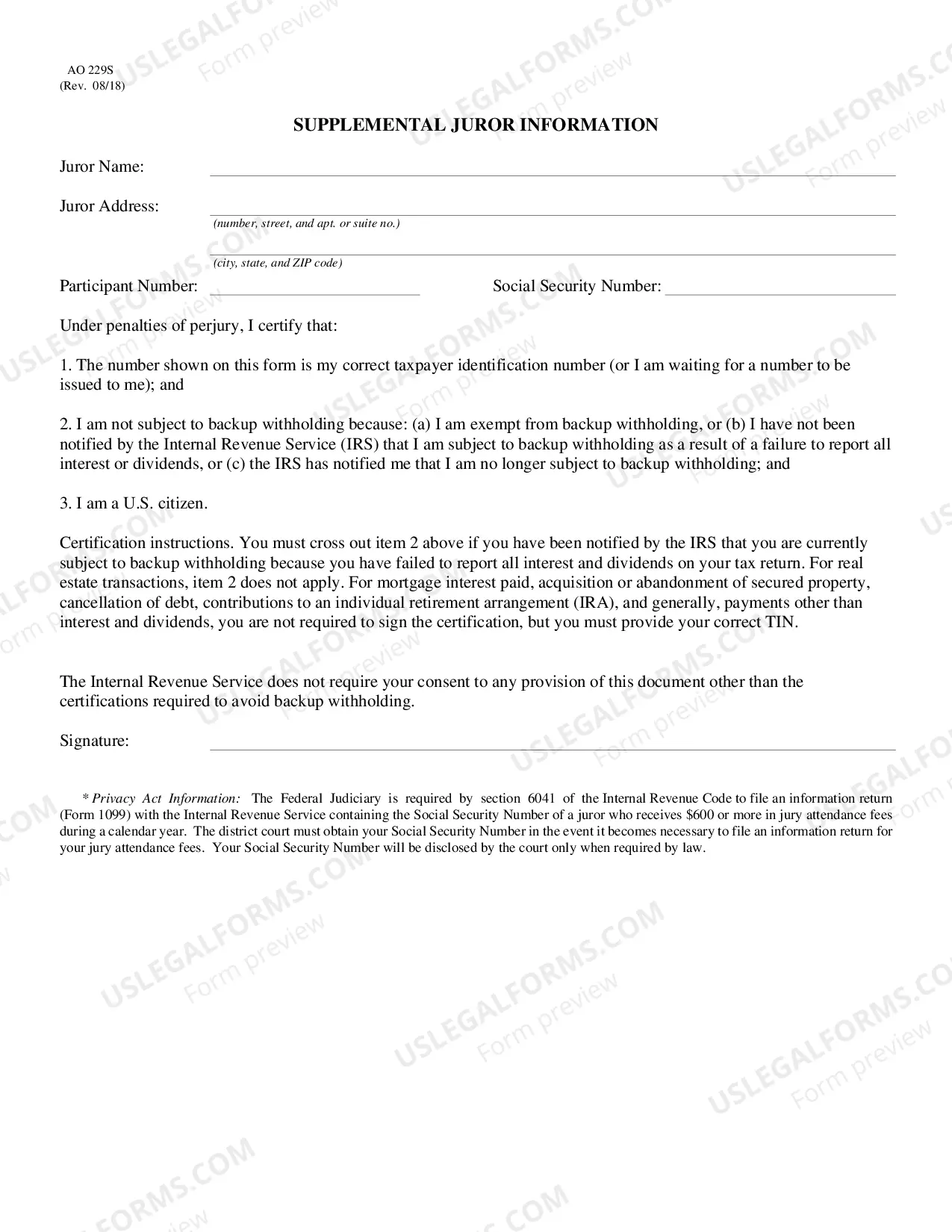
The Important Juror Questionnaire is a legal document designed to collect essential information from potential jurors before the jury selection process. This comprehensive questionnaire, spanning six pages, allows judges and attorneys to gather vital details that can influence jury selection strategies. Unlike generic surveys, this form is specifically tailored for judicial use, ensuring that all responses adhere to legal standards and confidentiality requirements.
Main sections of this form
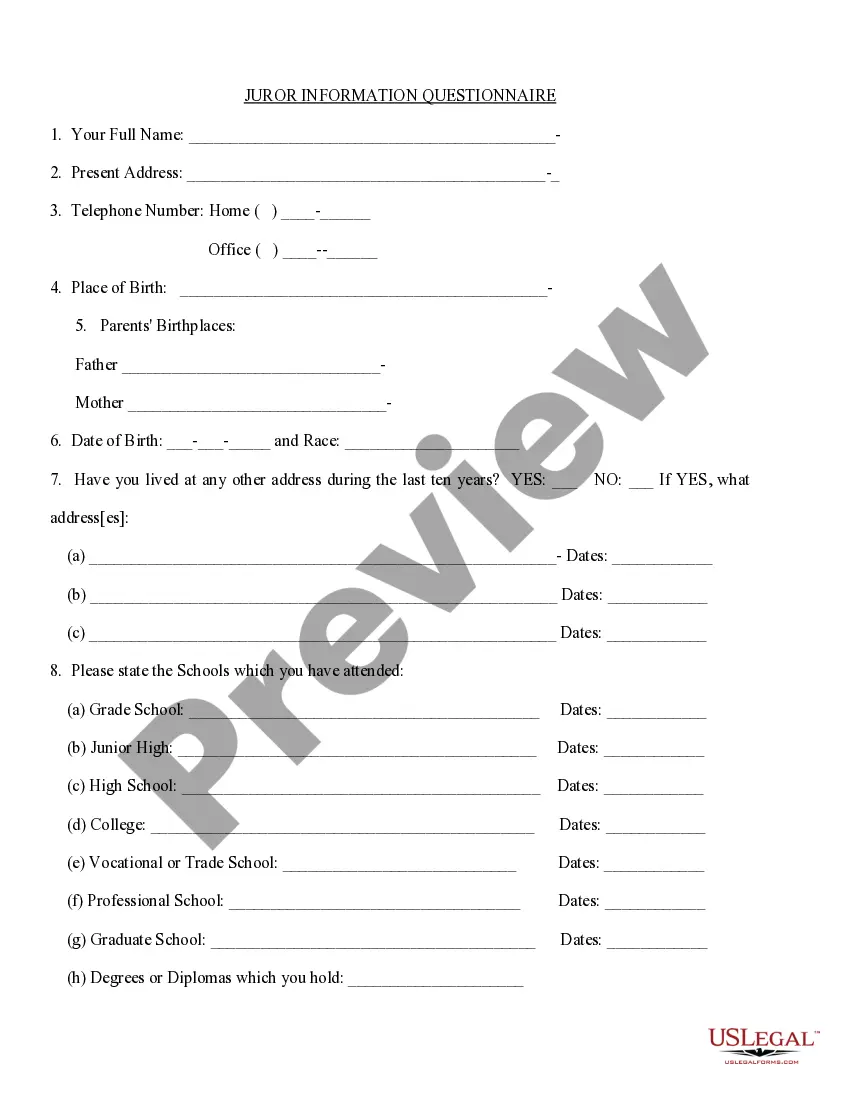
- Personal details: Name, address, and contact information.
- Demographic information: Place and date of birth, race, and education history.
- Employment background: Current and past employers, job duties, and tenure.
- Legal experience: Previous jury service, criminal history, and family connections to law enforcement.
- Personal beliefs: Political affiliation, religious views, and community involvement.
- Questions regarding previous legal actions or experiences in legal settings.

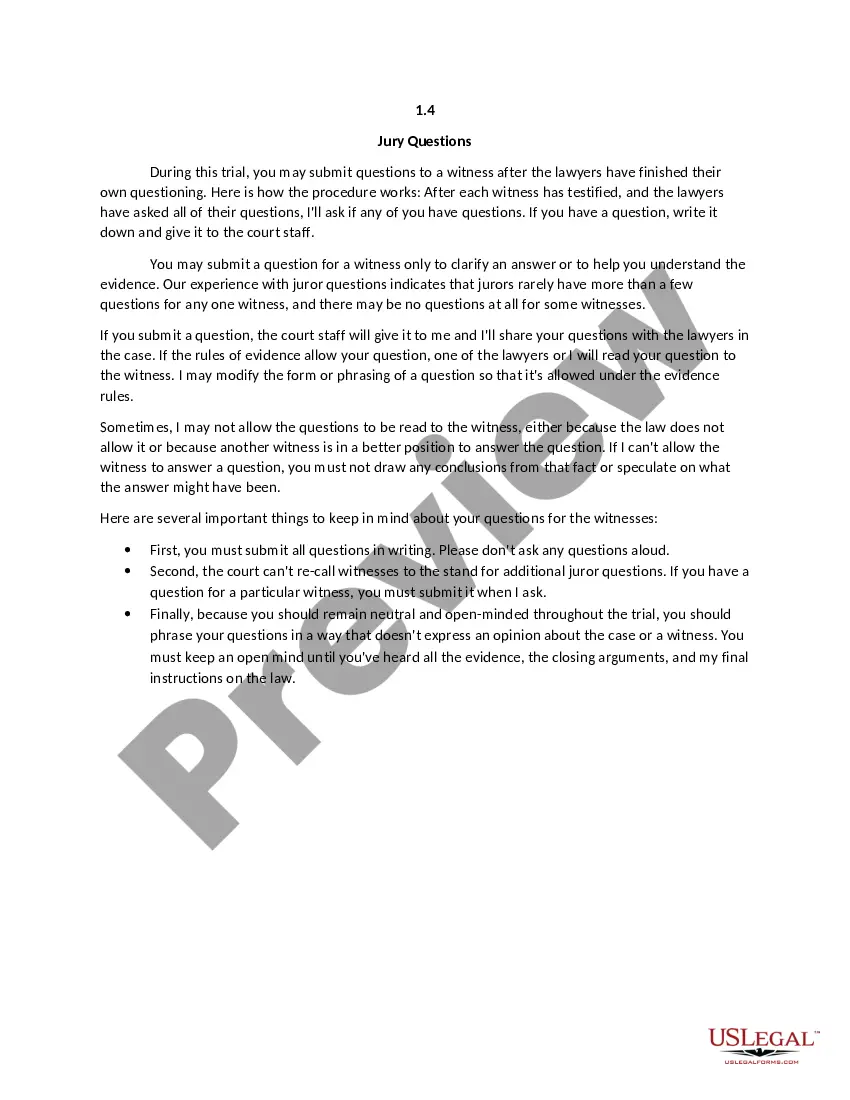
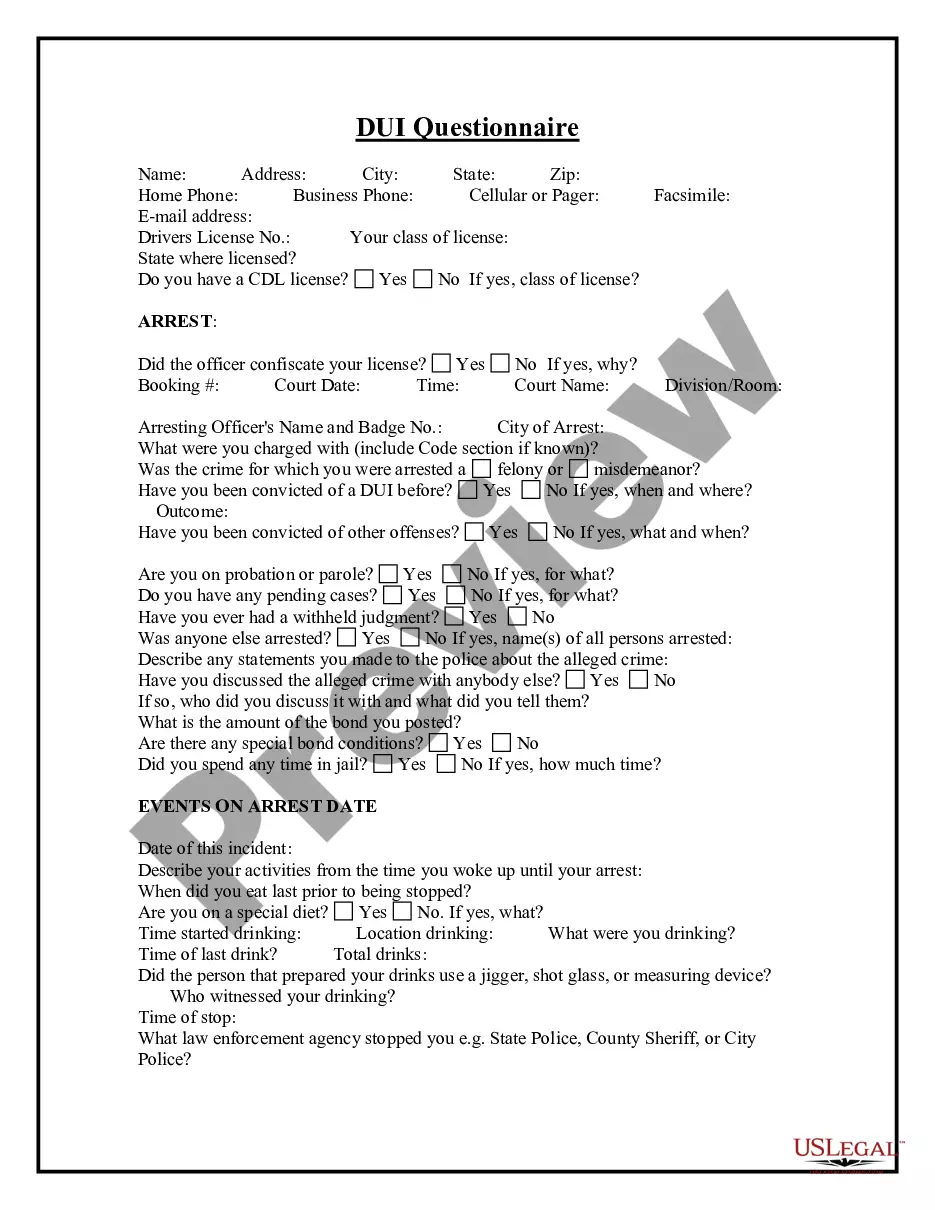
When this form is needed
The Important Juror Questionnaire should be used when you receive a summons for jury duty. This form enables the court to assess your suitability as a juror. Completing the questionnaire promptly ensures that the jury selection process can proceed efficiently, helping to create a fair and impartial jury for the case at hand.
Who can use this document
- Individuals who have been summoned for jury duty.
- Potential jurors required to provide personal information for court proceedings.
- Jurors seeking to ensure their answers comply with legal standards.
Completing this form step by step
- Begin by entering your full name and current address at the top of the form.
- Fill out the demographic and educational sections thoroughly, providing accurate information about your background.
- Detail your employment history and job responsibilities clearly, noting any relevant legal experience.
- Answer all questions regarding your legal history and personal beliefs honestly, as these may affect your eligibility to serve.
- Sign and date the questionnaire in the designated area to affirm the accuracy of your responses.
- Return the completed questionnaire within five days using the provided envelope to ensure timely processing.
Does this form need to be notarized?
This form does not typically require notarization to be legally valid. However, some jurisdictions or document types may still require it. US Legal Forms provides secure online notarization powered by Notarize, available 24/7 for added convenience.
Get your form ready online
Our built-in tools help you complete, sign, share, and store your documents in one place.
Make edits, fill in missing information, and update formatting in US Legal Forms—just like you would in MS Word.
Download a copy, print it, send it by email, or mail it via USPS—whatever works best for your next step.
Sign and collect signatures with our SignNow integration. Send to multiple recipients, set reminders, and more. Go Premium to unlock E-Sign.
If this form requires notarization, complete it online through a secure video call—no need to meet a notary in person or wait for an appointment.
We protect your documents and personal data by following strict security and privacy standards.

Make edits, fill in missing information, and update formatting in US Legal Forms—just like you would in MS Word.

Download a copy, print it, send it by email, or mail it via USPS—whatever works best for your next step.

Sign and collect signatures with our SignNow integration. Send to multiple recipients, set reminders, and more. Go Premium to unlock E-Sign.

If this form requires notarization, complete it online through a secure video call—no need to meet a notary in person or wait for an appointment.

We protect your documents and personal data by following strict security and privacy standards.
Typical mistakes to avoid
- Failing to respond within the five-day deadline.
- Leaving questions unanswered or providing incomplete information.
- Not signing the questionnaire, which could invalidate your submission.
- Discussing your jury duty with others, which is often prohibited until the trial is over.
Why use this form online
- Convenient access allows you to complete the form at your own pace.
- Edit and save your responses to ensure accuracy before submission.
- Standardized format that adheres to legal requirements, minimizing errors.
Quick recap
- The Important Juror Questionnaire is essential for juror selection and fairness in the judicial process.
- Completing the form accurately is crucial for fulfilling your legal duty as a potential juror.
- Timely submission of the questionnaire helps facilitate a smooth jury selection process.
Looking for another form?

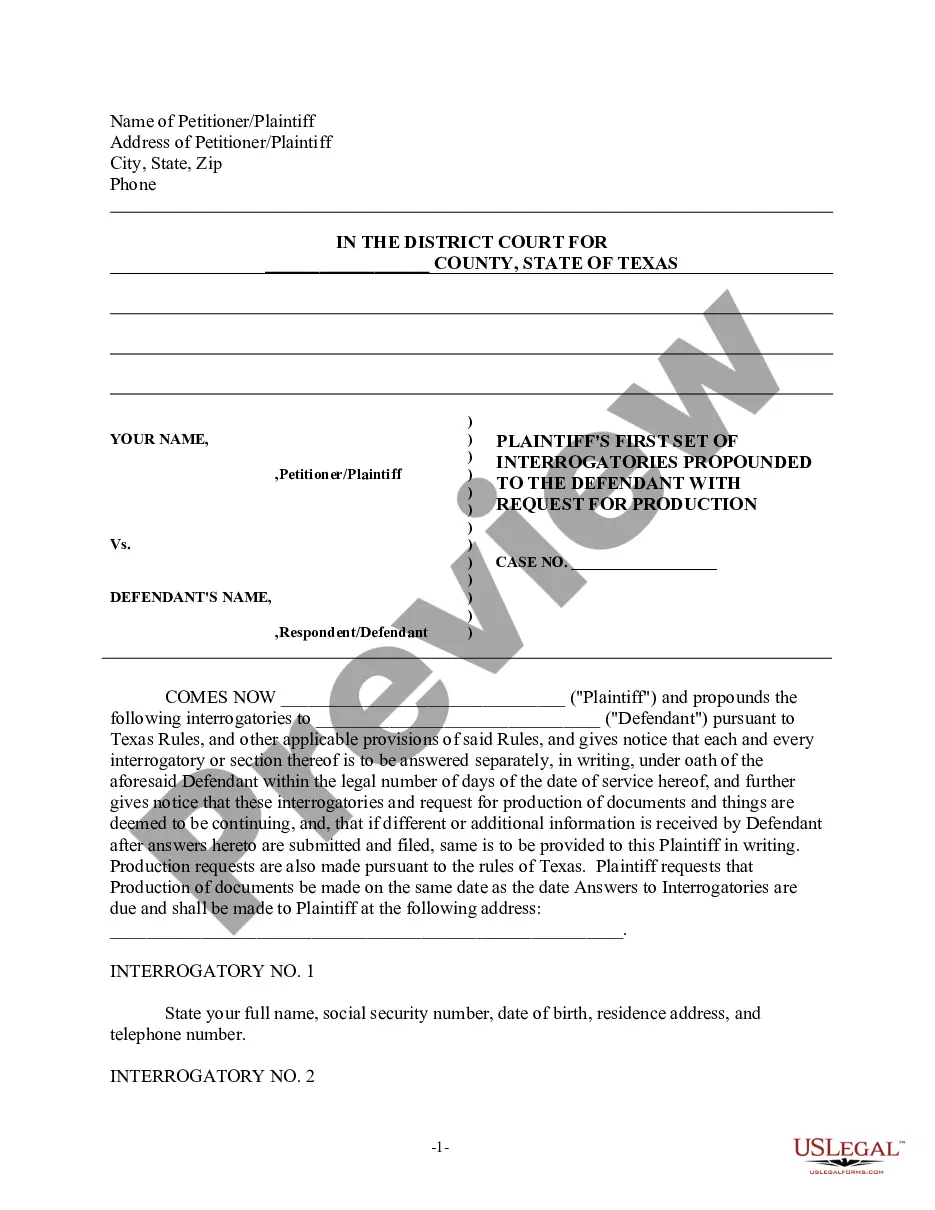
Form popularity
FAQ
X Don't talk about the case, or issues raised by the case with anyone, including other jurors, while the trial is going on, and don't talk to the lawyers, parties, or witnesses about anything. X Don't take notes during the trial unless the judge gives you permission to do so.
X Don't lose your temper, try to bully or refuse to listen to the opinions of other jurors. X Don't draw straws, flip coins or otherwise arrive at your verdict by chance, or the decision will be illegal.
In both cases, jurors are required to pay attention in court, listen to all the evidence presented, and render a verdict at the end of the trial based upon the evidence presented and the law, as instructed by the judge.
Get a doctor's note. A medical condition could work for getting out of jury duty. Postpone your selection. Use school as an excuse. Plead hardship. Admit that you can't be fair. Prove you served recently. Show your stubborn side. Date a convict.
The Court emphasizes that the information compiled from jury questionnaire responses is CONFIDENTIAL. It is used strictly for jury selection; and is not disseminated to any other agencies or parties unless specifically authorized by Federal or State law or by Court order.
Have you or any member of your family, or a close friend, ever made a claim for personal injuries? Have you or any member of your family, or a close friend, ever been a party in a legal proceeding? Do you believe there are too many lawsuits?
The email is fraudulent and has no connection to either the federal courts or to eJuror.Requests by courts to complete a qualification questionnaire would be initiated by formal written correspondence. Such letters tell jury participants how to access an authenticated, secure online connection.
Economic Hardship. One of the more common reasons people are excused from jury duty is because serving on the jury presents that person with an economic hardship. Personal Opinions. Felony Conviction. Family Issues. Physical/Mental Disabilities.
Name, address, age, employment, and education are the questions commonly asked in court-generated questionnaires. That information is better than nothing, but such questionnaires usually leave out questions on relevant attitudes. The juror questionnaire is a commonly neglected tool in trial strategy.