Tips for Off Boarding
Understanding this form
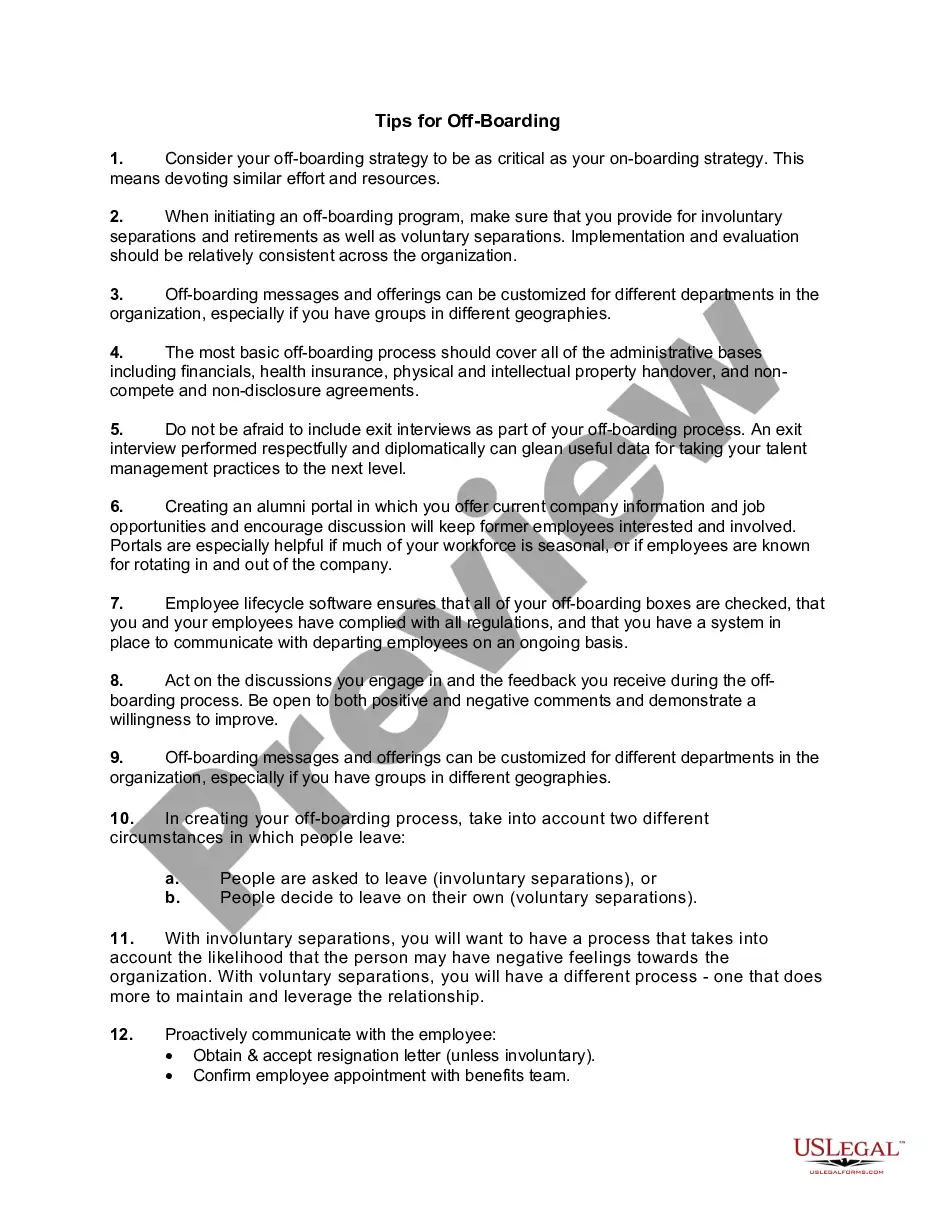
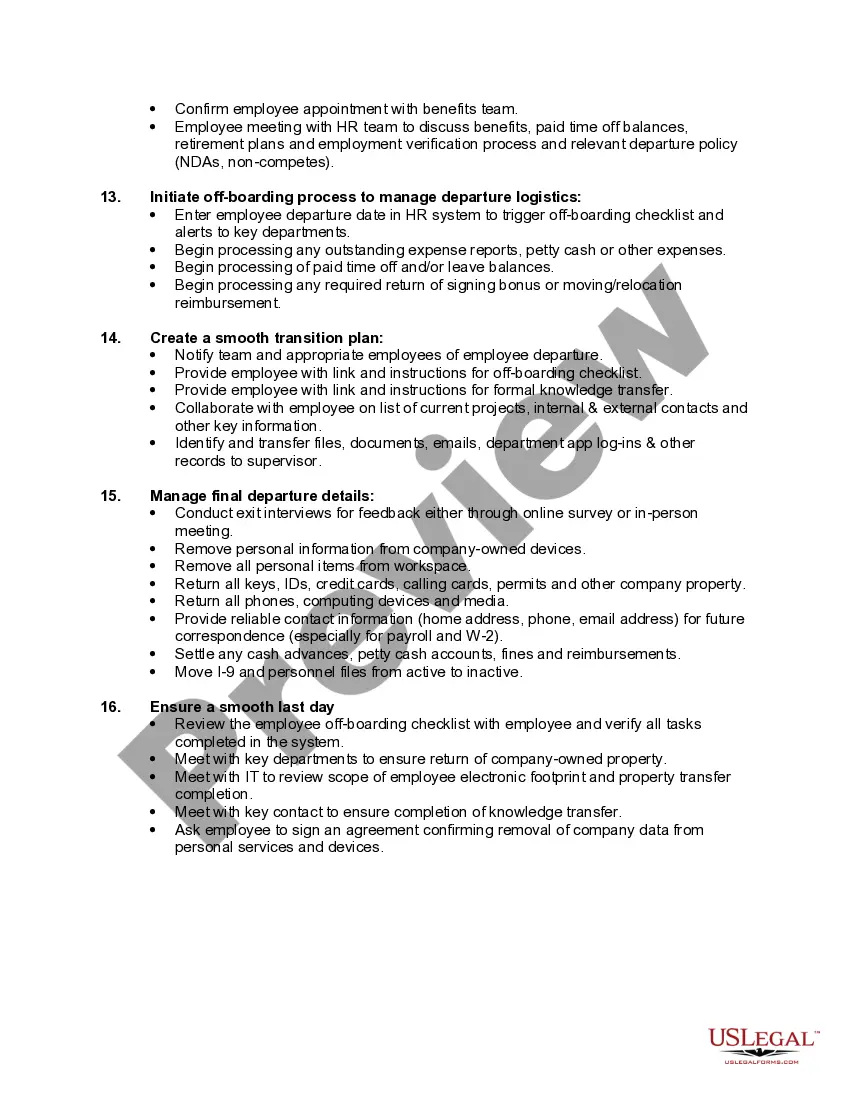
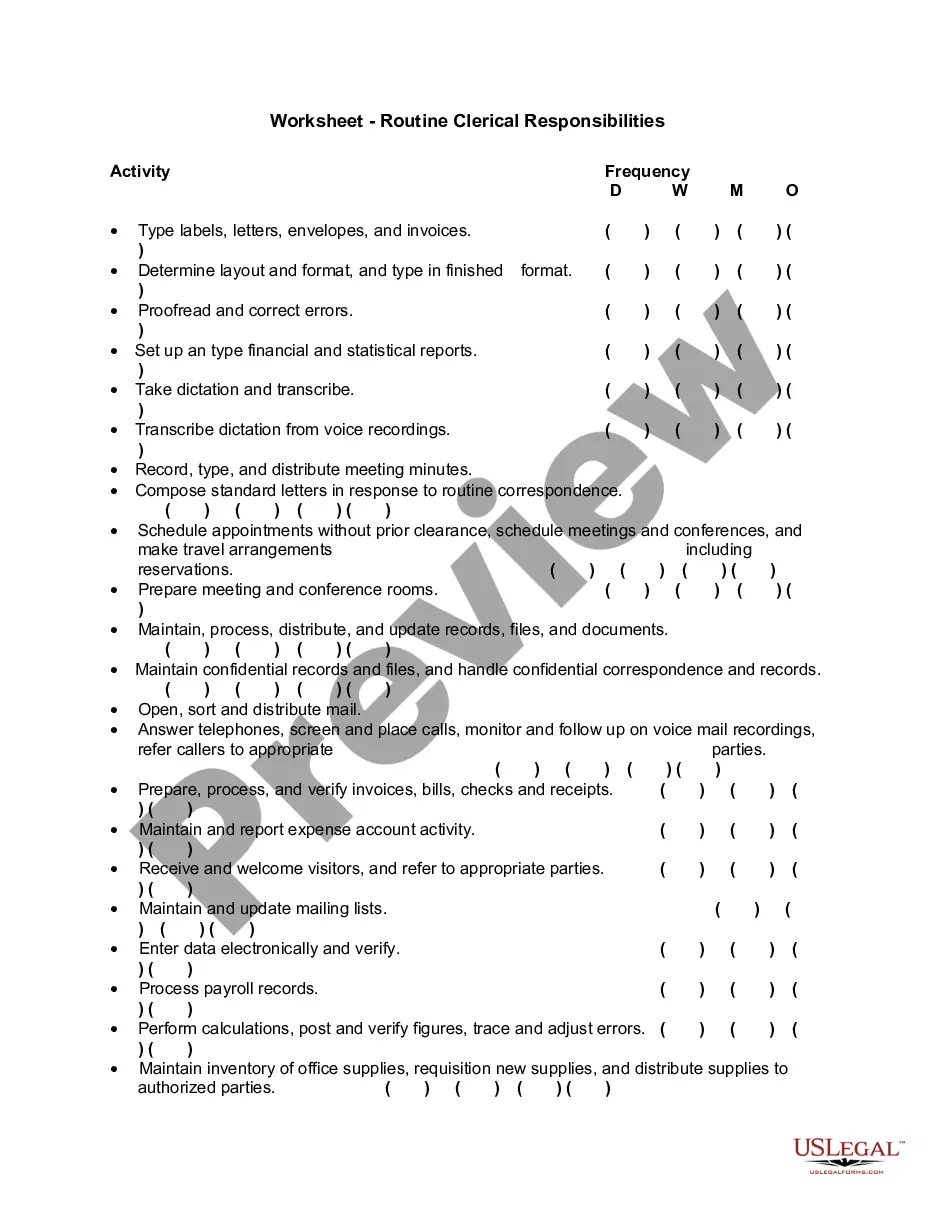
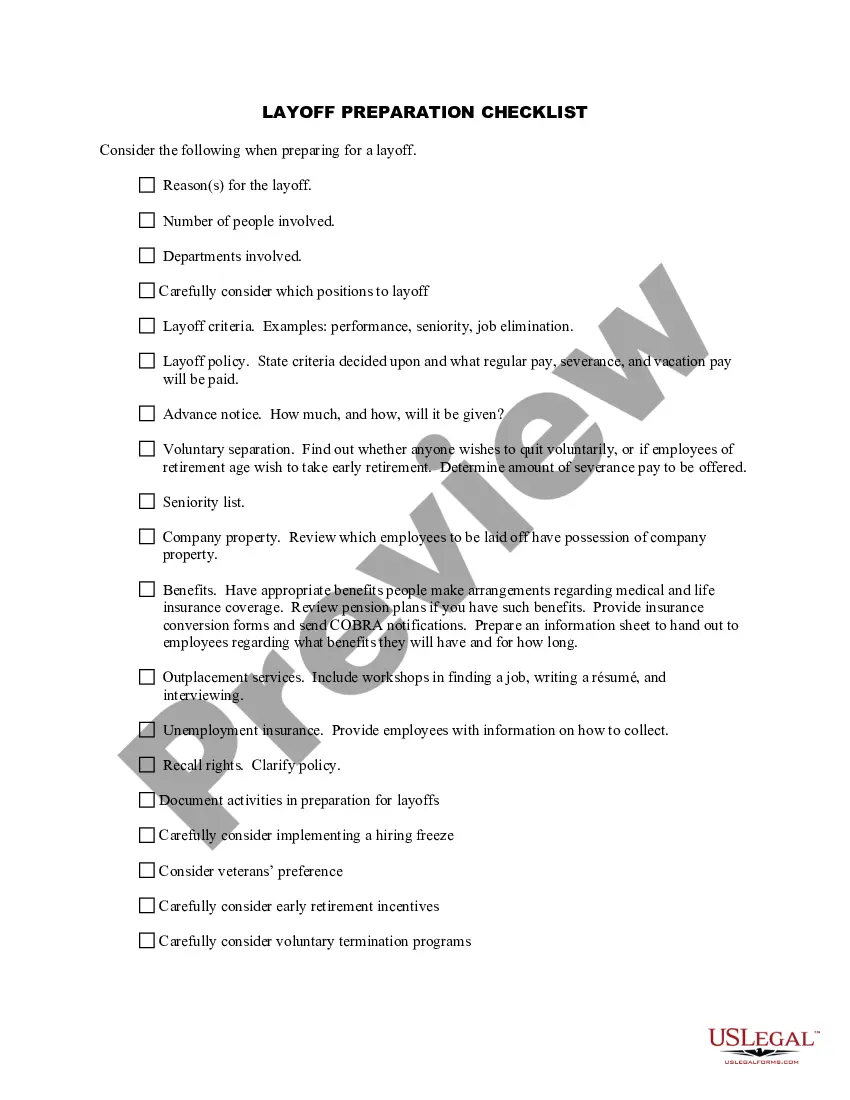
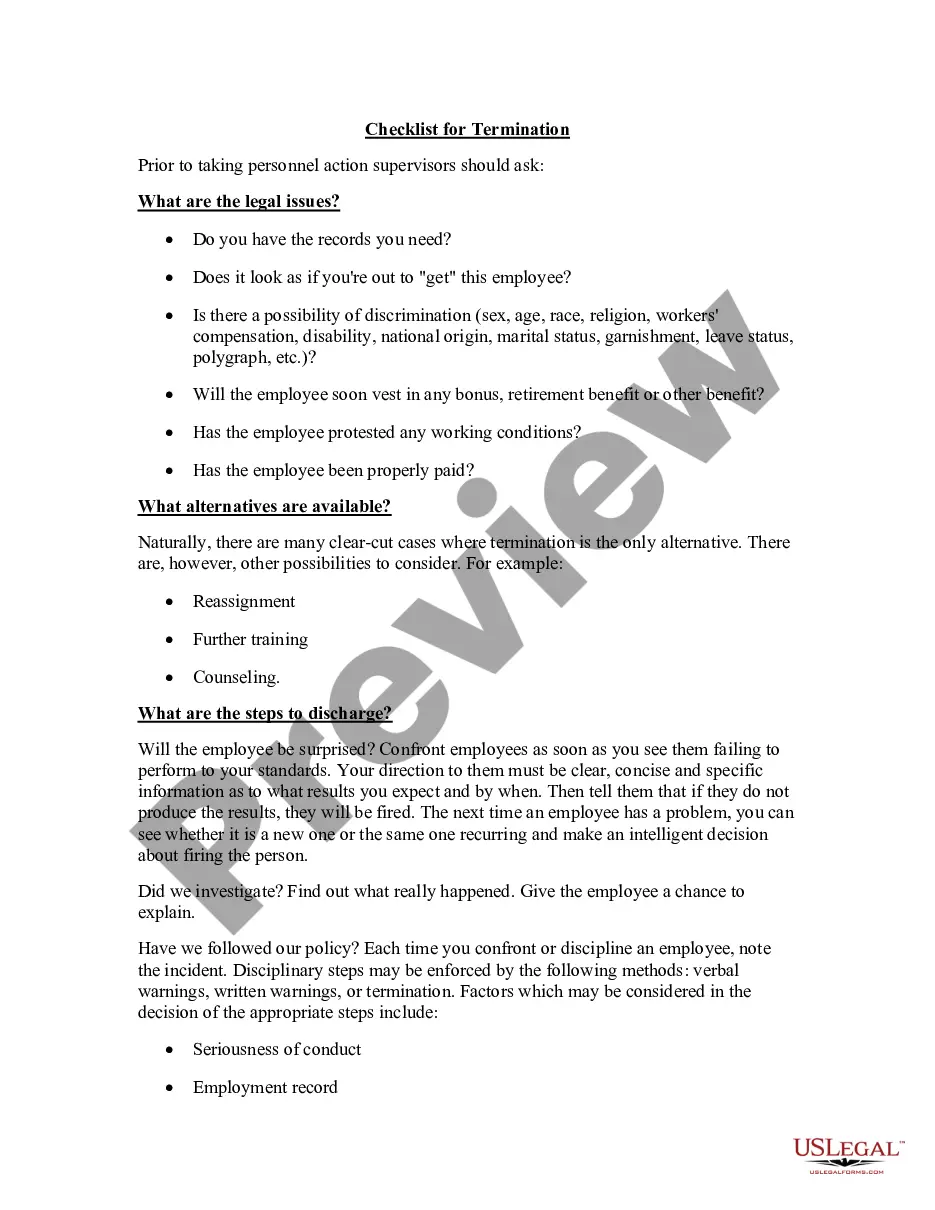
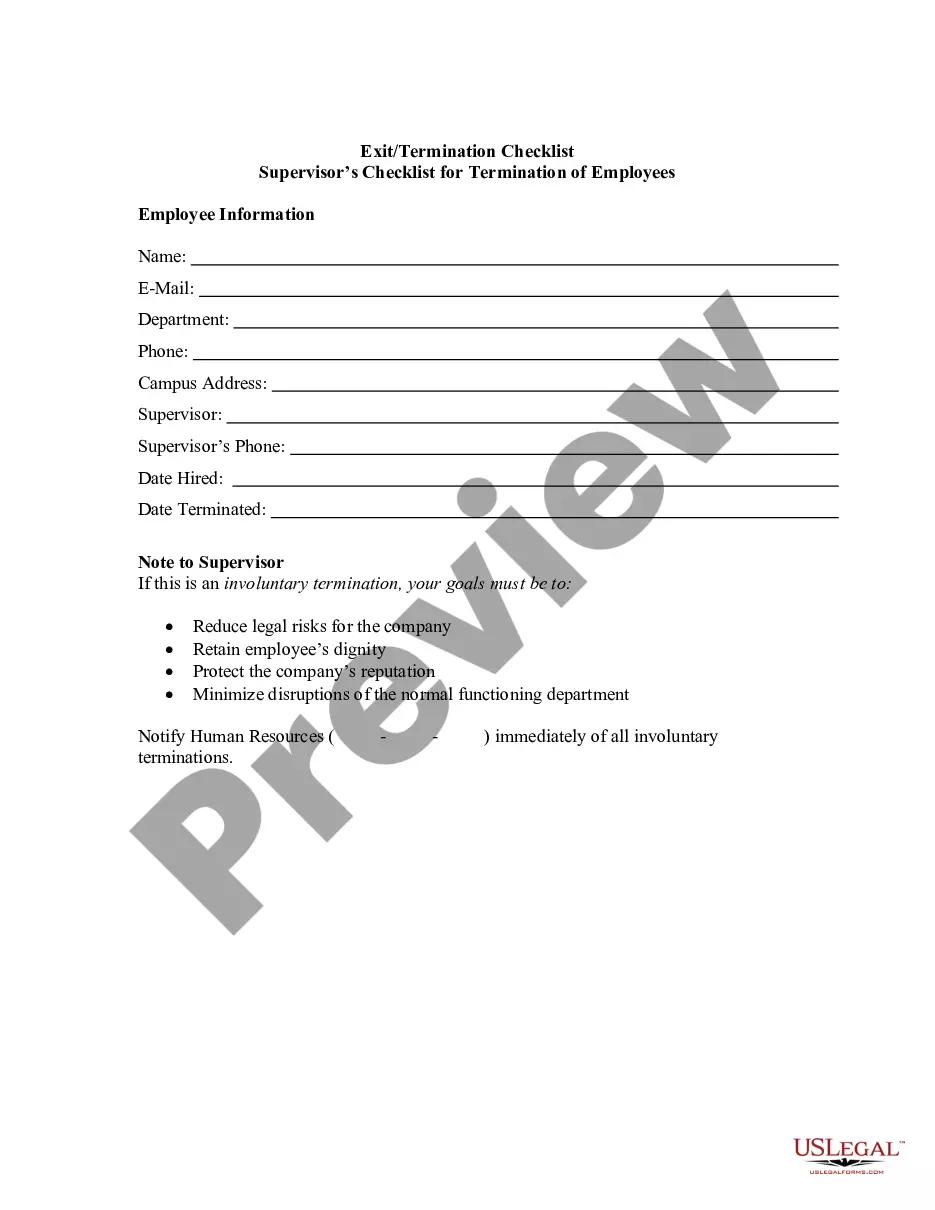
The Tips for Off Boarding form provides guidance on the essential steps and best practices for effectively managing the off-boarding process of employees. This form is distinct from on-boarding forms, as it focuses on the necessary protocols to follow when a worker departs from an organization, whether through resignation, retirement, or termination. It emphasizes the importance of thorough procedures to ensure a smooth transition for both the employee and the employer.
Key parts of this document
- Strategies for a comprehensive off-boarding process
- Consideration of both voluntary and involuntary separations
- Exit interview protocols for gathering feedback
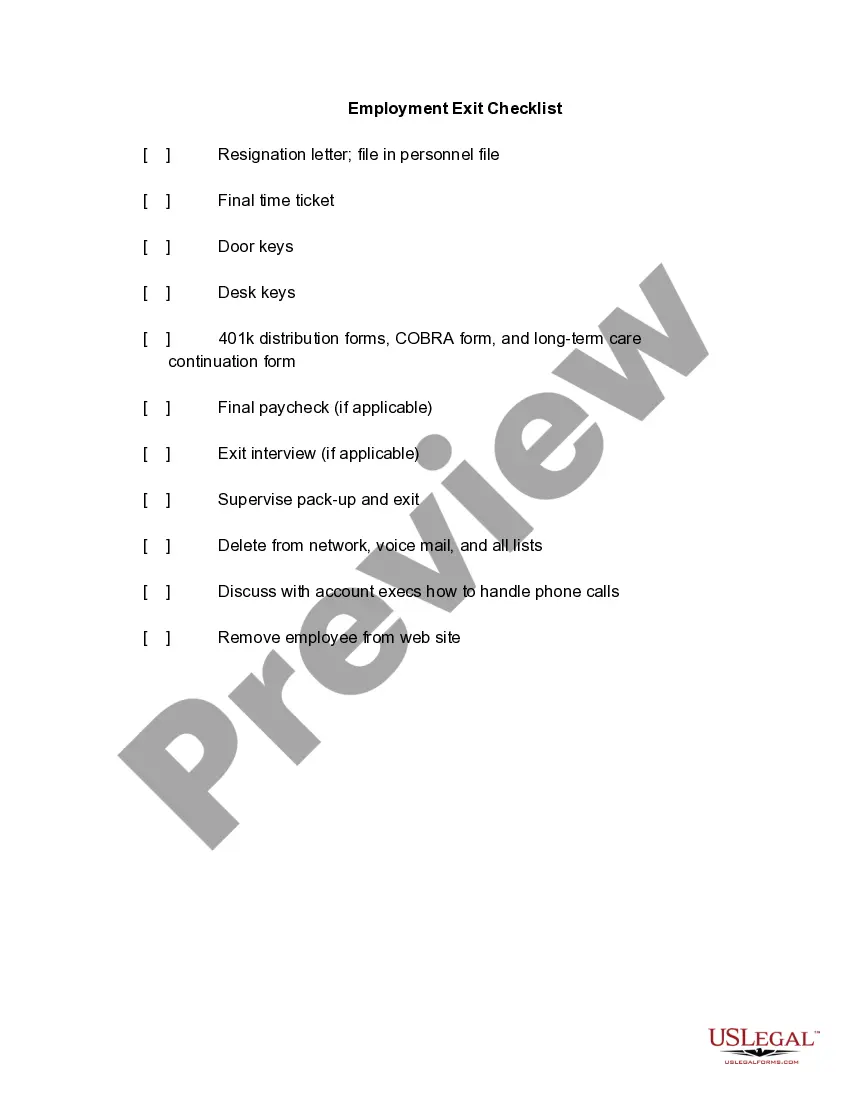
- Administrative tasks including knowledge transfer and asset recovery
- Communication processes with departing employees
- Importance of employee lifecycle software
When to use this document
This form is useful when an employee leaves an organization, whether they voluntarily resign, retire, or are terminated. It applies to both small and large organizations and helps ensure all necessary steps are taken to manage the transition effectively. Proper off-boarding can enhance company culture, provide useful insights through exit interviews, and maintain relationships with former employees.
Who this form is for
- HR professionals tasked with managing employee transitions
- Business owners overseeing off-boarding processes
- Managers responsible for team dynamics during employee departures
- Employees involved in conducting exit interviews
- Organizations of all sizes looking to improve their HR practices
Instructions for completing this form
- Develop a comprehensive off-boarding strategy that mirrors your on-boarding efforts.
- Identify the type of separation (voluntary or involuntary) and tailor the process accordingly.
- Initiate administrative tasks to ensure all logistics are managed, including knowledge transfer and asset recovery.
- Conduct exit interviews to gather feedback from departing employees.
- Communicate effectively with employees, ensuring they are informed about their benefits and final pay.
Does this form need to be notarized?
Notarization is generally not required for this form. However, certain states or situations might demand it. You can complete notarization online through US Legal Forms, powered by Notarize, using a verified video call available anytime.
Get your form ready online
Our built-in tools help you complete, sign, share, and store your documents in one place.
Make edits, fill in missing information, and update formatting in US Legal Forms—just like you would in MS Word.
Download a copy, print it, send it by email, or mail it via USPS—whatever works best for your next step.
Sign and collect signatures with our SignNow integration. Send to multiple recipients, set reminders, and more. Go Premium to unlock E-Sign.
If this form requires notarization, complete it online through a secure video call—no need to meet a notary in person or wait for an appointment.
We protect your documents and personal data by following strict security and privacy standards.

Make edits, fill in missing information, and update formatting in US Legal Forms—just like you would in MS Word.

Download a copy, print it, send it by email, or mail it via USPS—whatever works best for your next step.

Sign and collect signatures with our SignNow integration. Send to multiple recipients, set reminders, and more. Go Premium to unlock E-Sign.

If this form requires notarization, complete it online through a secure video call—no need to meet a notary in person or wait for an appointment.

We protect your documents and personal data by following strict security and privacy standards.
Common mistakes
- Neglecting to customize the off-boarding process for different departments.
- Overlooking administrative tasks like asset recovery and final payments.
- Failing to conduct exit interviews or gather feedback.
- Inadequate communication with departing employees about their benefits.
- Not documenting the off-boarding process, leading to inconsistencies.
Why complete this form online
- Convenient access to comprehensive off-boarding procedures at any time.
- Editability allows for customization to fit organizational policies and procedures.
- Reliable templates ensure legal compliance and best practices are followed.
- Time-saving by reducing the need for manual document creation.
- Access to professional legal advice when required for specific scenarios.
Legal use & context
- This form helps maintain compliance with employment laws related to off-boarding.
- Provides guidance on maintaining employee confidentiality and company property returns.
- Facilitates smoother transitions that can reduce potential legal disputes post-employment.
Key takeaways
- A well-structured off-boarding process is critical for both the departing employee and the organization.
- Customization based on the type of separation can foster better relationships and insights.
- Effective communication and administrative diligence can reduce potential legal liabilities.
Looking for another form?
Form popularity
FAQ
Onboarding begins once a job candidate agrees to accept a job. It involves all the steps needed to get a new employee successfully deployed and productive. Offboarding is the reverse of onboarding, and it involves separating an employee from a firm. This can include a process for sharing knowledge with other employees.
Exit Management or employee offboarding is a process to manage the full and final settlement of employees when they exit from an organization. When an employee resigns, retires or is being terminated from work, the required paperwork and formalities associated with employee exit need to go through a systematic process.
Communicate the departure. Transfer the employee's knowledge. Recover company assets. Update your org charts and company directory. Revoke systems access. Complete final pay process. Perform an exit survey or interview. Provide letters of reference.
Offboarding is the process that leads to the formal separation between an employee and a company through resignation, termination, or retirement. It encompasses all the decisions and processes that take place when an employee leaves. This may include: Transferring that employee's job responsibilities.
Understand the nature of the exit. Offboarding comes with its fair share of complications. Offer a memorable offboarding. Retrieve insights. Ensure compliance. Protect your assets. Prevent productivity drops. Keep the door open.
Acknowledge the resignation. Negotiating with the employee. Notice Period and other formalities. Pending Projects. The handing over process. Notice period formalities. The Exit Interview.
Ensure safety, security and compliance with an automated employee offboarding process. Employee Offboarding Process: A systematic way for organizations to manage the departure of an employee that ensures consistency and reduces risk to the organization. ( Also see: Onboarding Process)