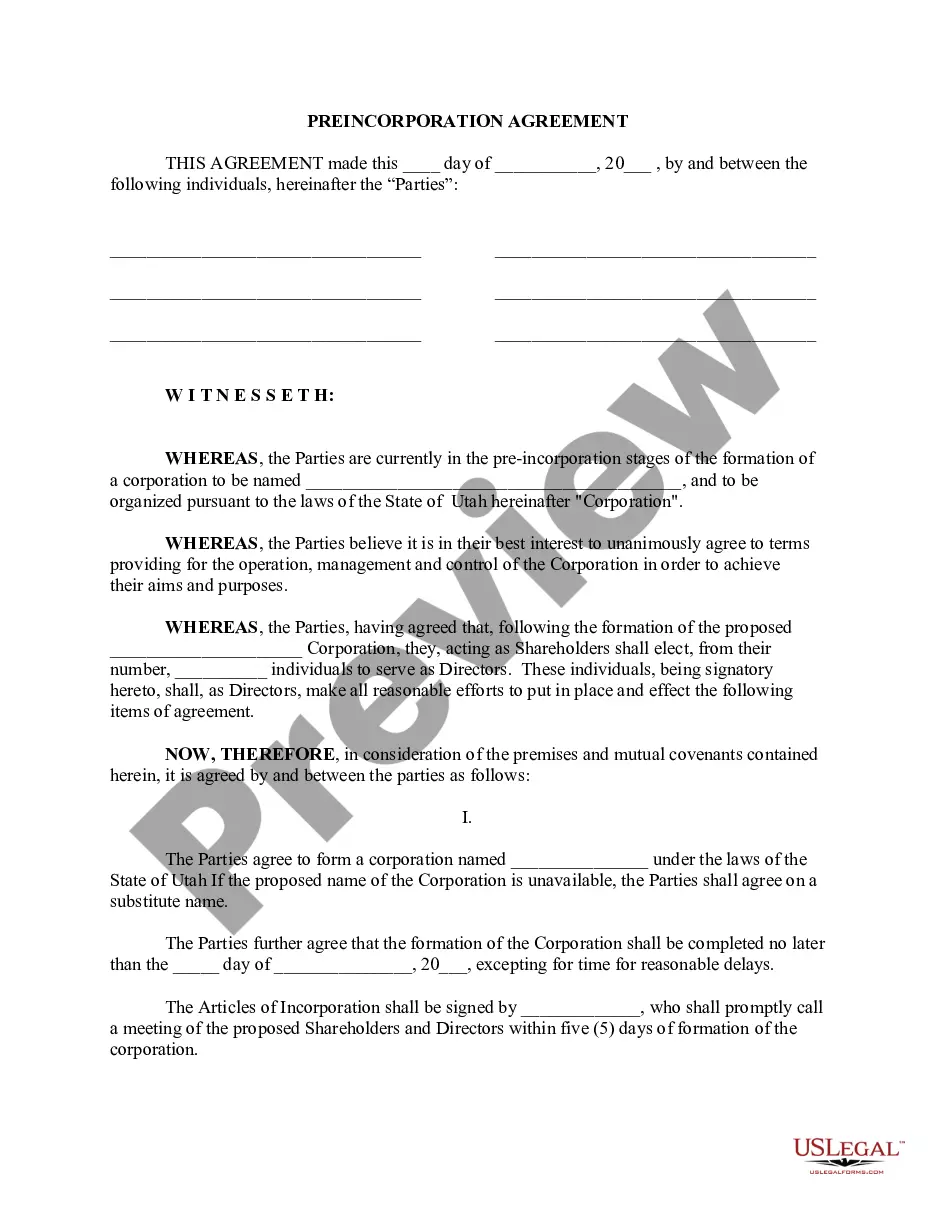
Nondisclosure Agreement in connection with discussion of business plan
Understanding this form
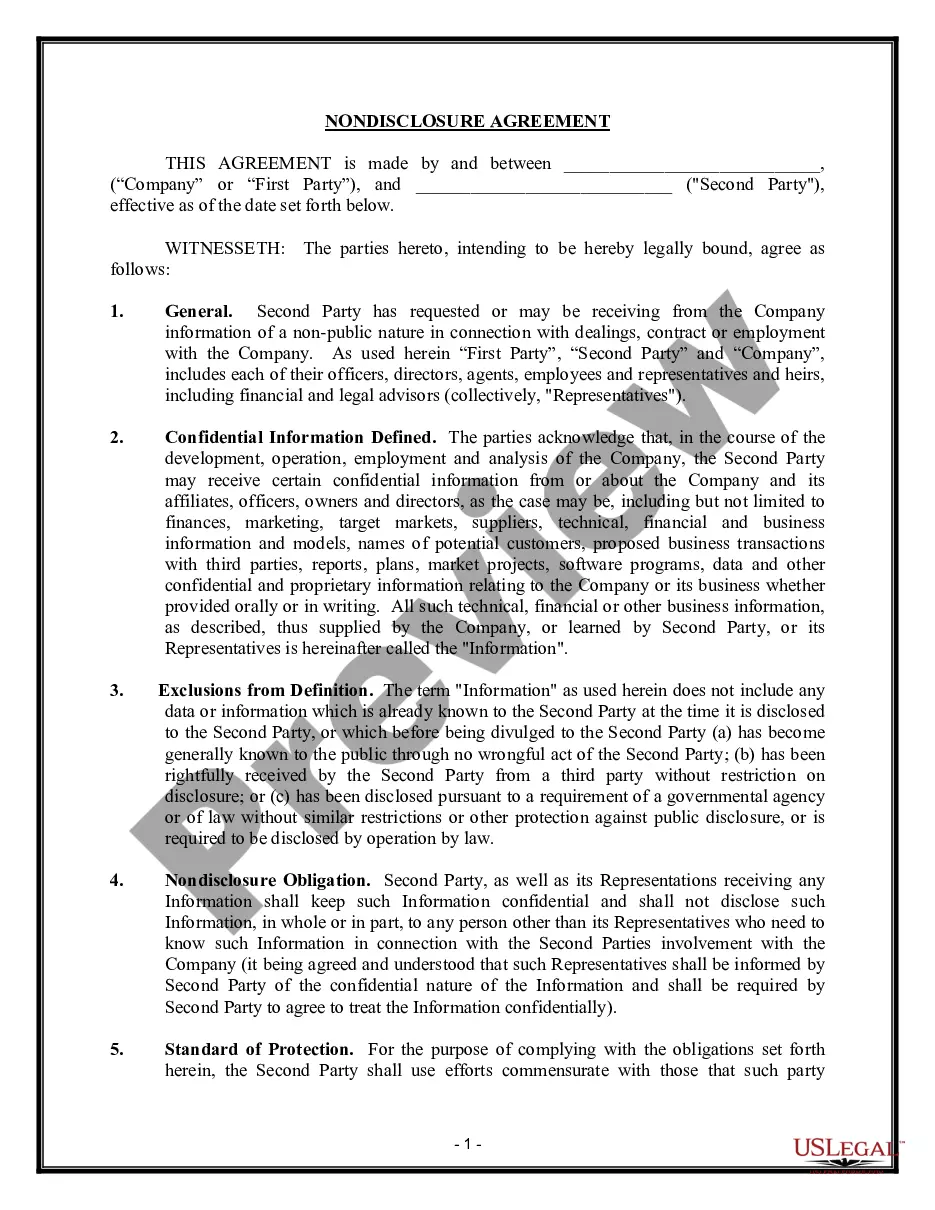
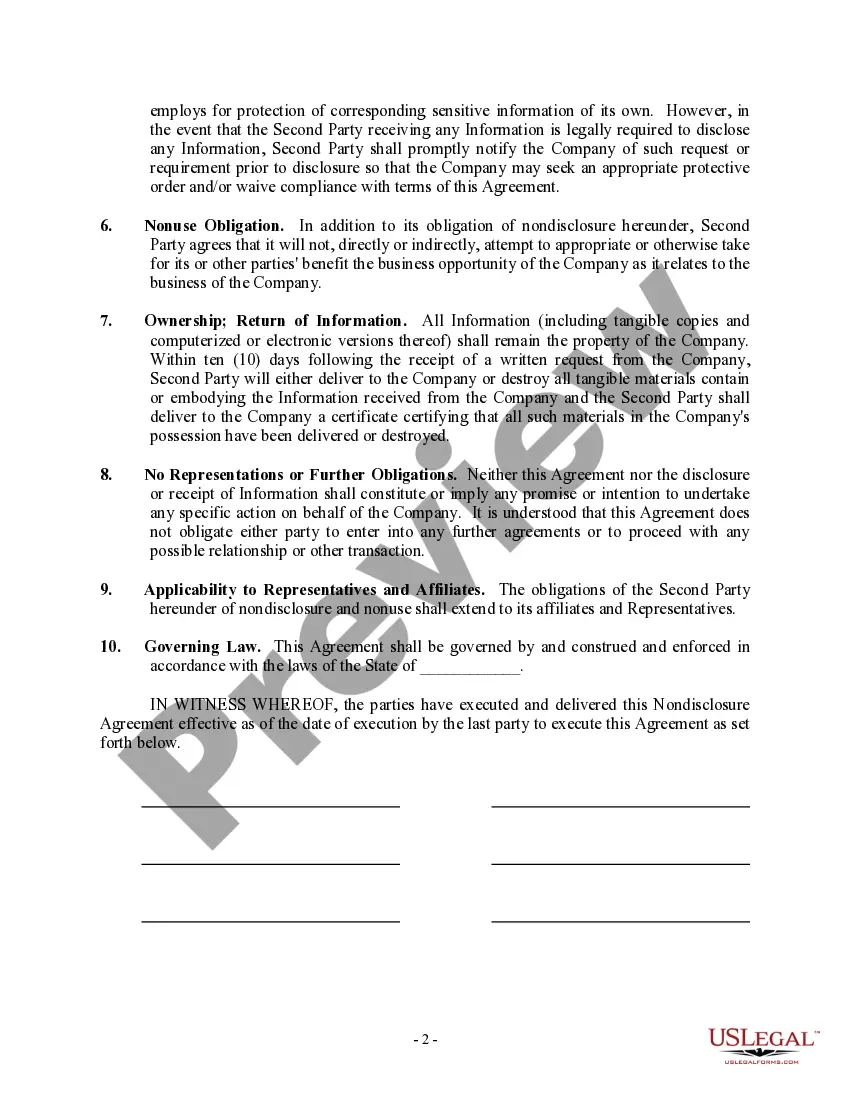
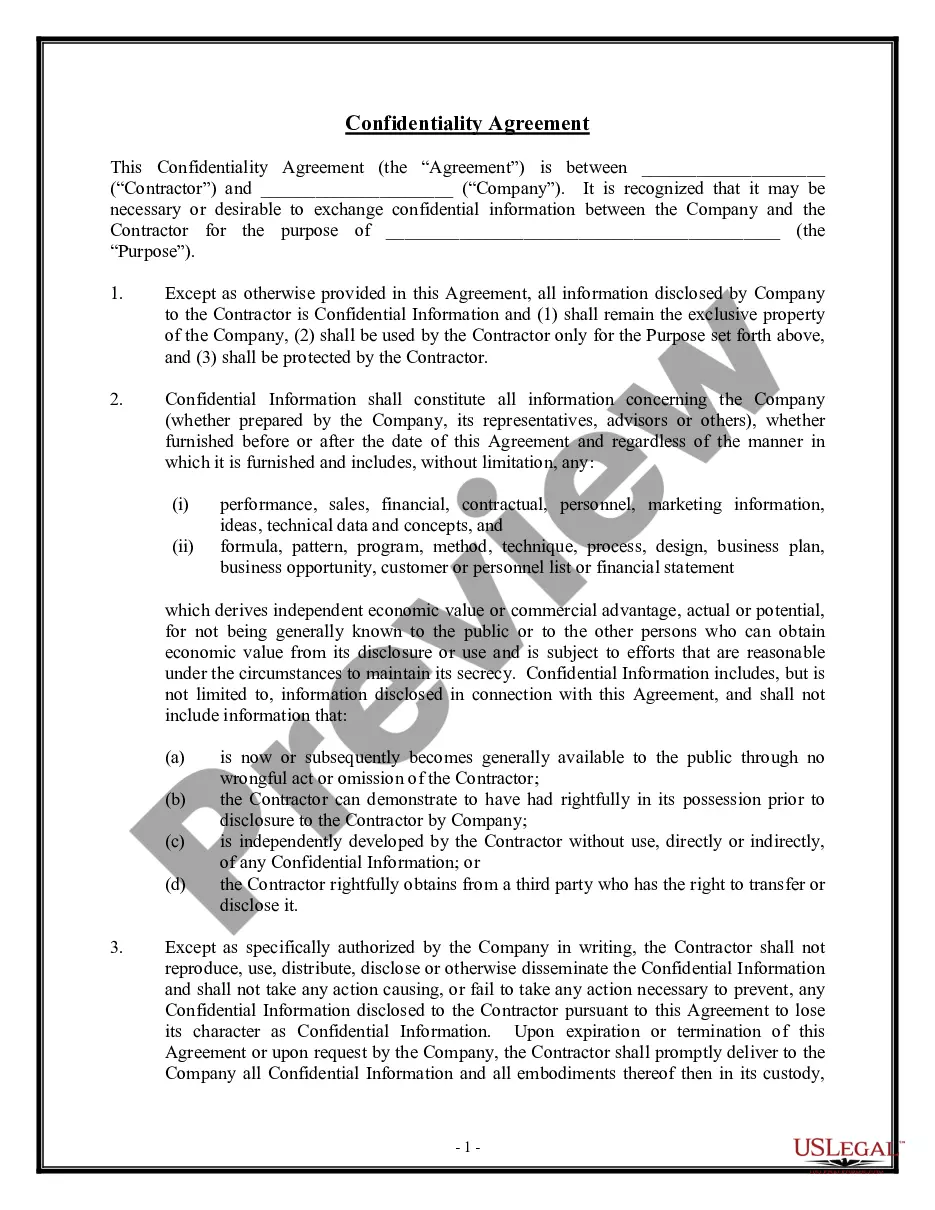
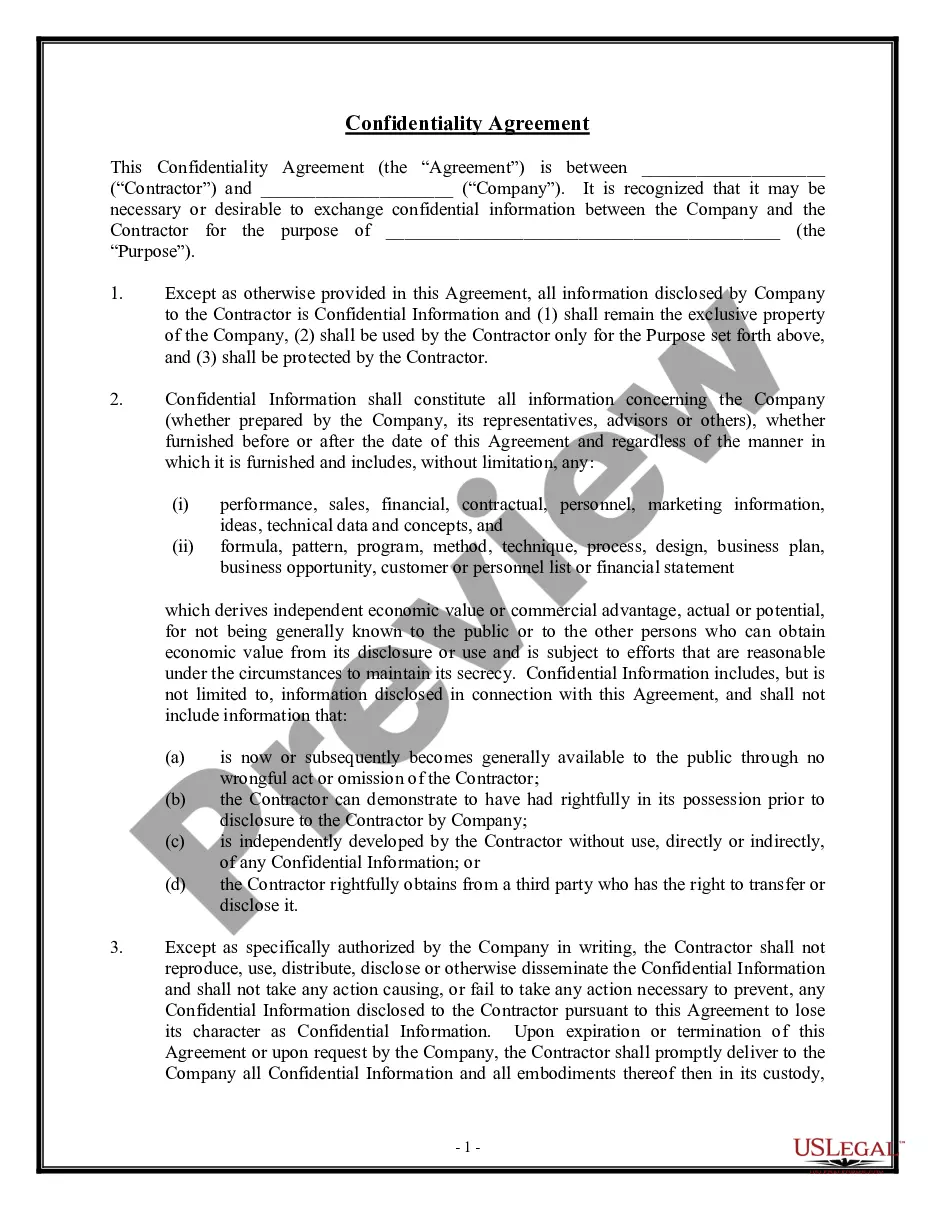
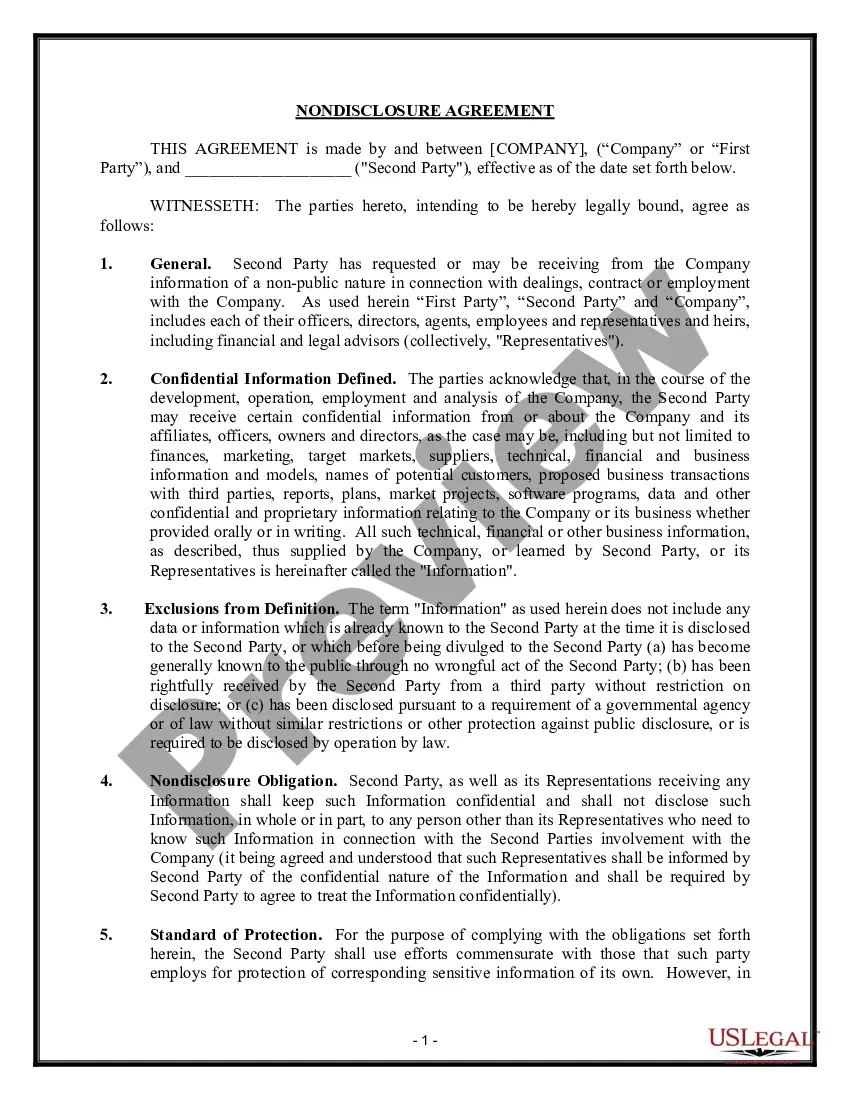
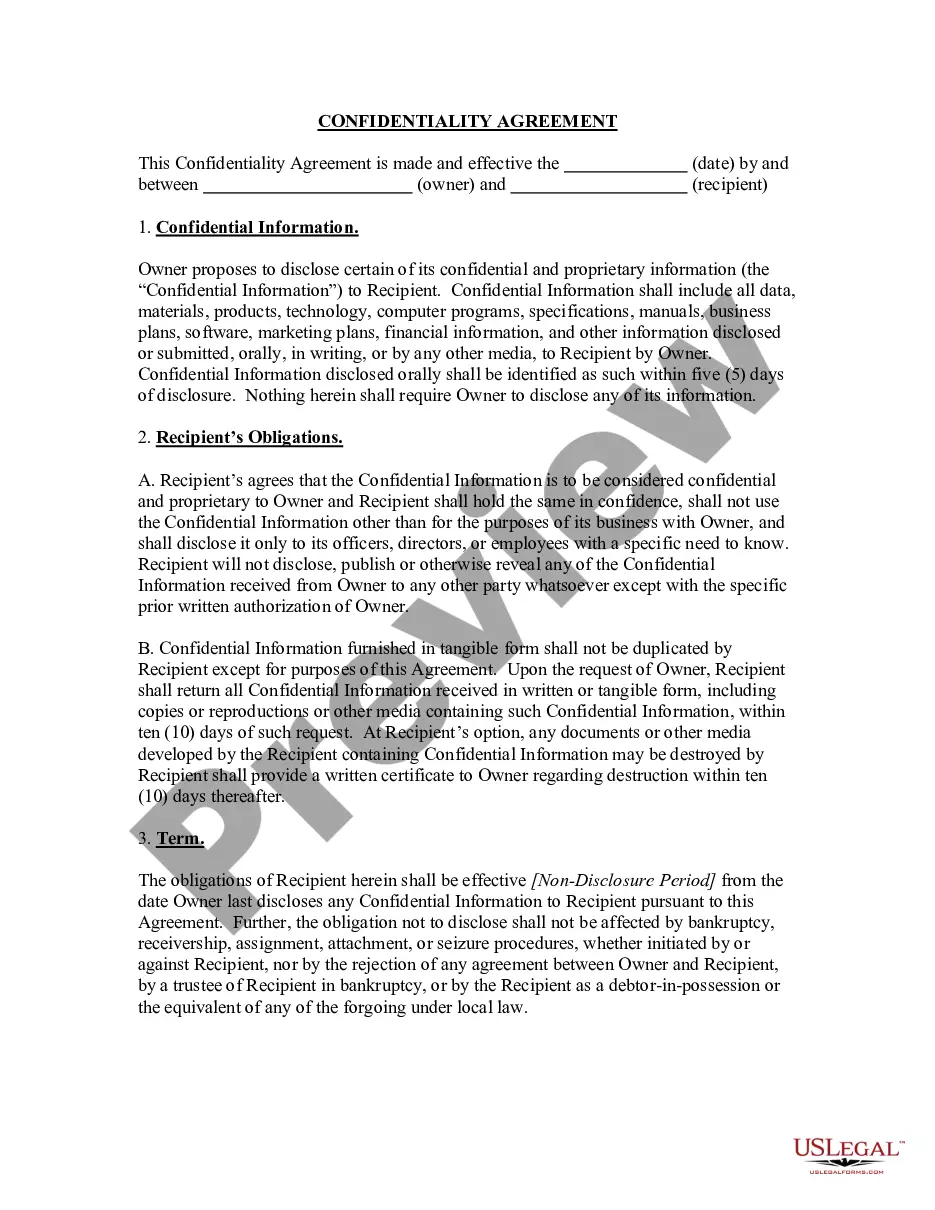
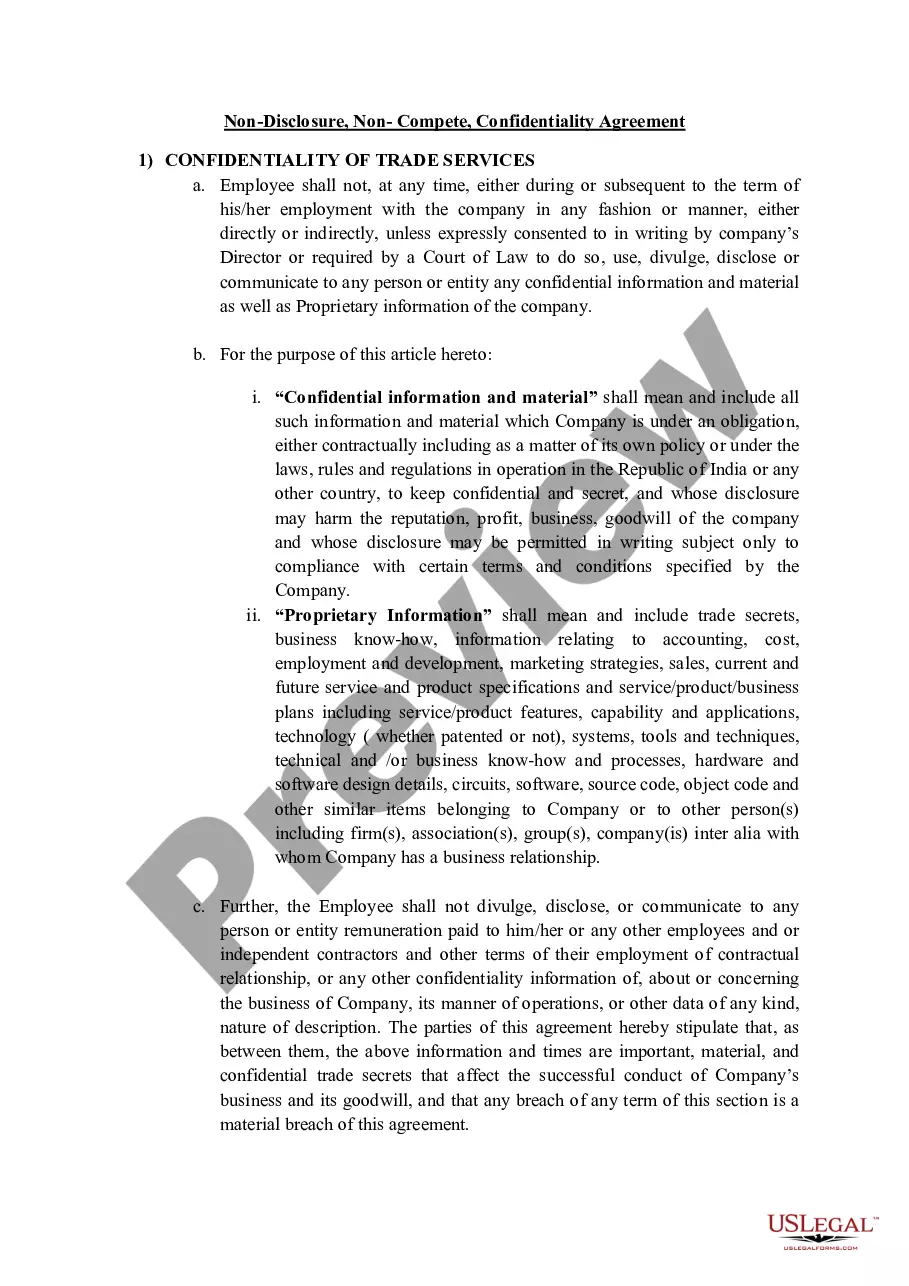
This Nondisclosure Agreement (NDA) is a legal document that establishes a confidential relationship between two parties. It is specifically designed for situations where one party (the Second Party) may receive non-public information from another party (the Company) in relation to discussions about a business plan. The NDA ensures that the Second Party maintains confidentiality regarding this sensitive information and does not disclose it to others. Unlike other forms of release agreements, an NDA focuses on protecting proprietary information rather than allowing its use or exchange.
What’s included in this form
- Identification of the parties: Names and details of the Company and the Second Party.
- Definition of confidential information: Specifies what constitutes confidential information shared between the parties.
- Obligations of non-disclosure: Outlines the Second Party's responsibilities in keeping the information confidential.
- Exclusions from confidentiality: Lists information that is not considered confidential.
- Return of property: Details on how the information must be returned or destroyed once no longer needed.
- Governing law: Specifies the state law that will govern the agreement.
When to use this document
This Nondisclosure Agreement should be used when a company plans to share confidential information with another party for the purpose of discussing a business plan. Typical scenarios include seeking investors, negotiating partnerships, or evaluating potential employment relationships where sensitive information needs to be protected.
Intended users of this form
- Businesses looking to protect proprietary information during discussions with potential partners or investors.
- Individuals presenting a business plan to potential employers or collaborators who will have access to confidential information.
- Legal professionals facilitating confidentiality agreements between companies and external parties.
Completing this form step by step
- Identify the parties involved, including the Company and the Second Party.
- Define the confidential information that will be shared.
- Include any exclusions that clarify what is not regarded as confidential information.
- Specify the governing law applicable to the agreement.
- Both parties should sign and date the agreement to make it legally binding.
Does this form need to be notarized?
In most cases, this form does not require notarization. However, some jurisdictions or signing circumstances might. US Legal Forms offers online notarization powered by Notarize, accessible 24/7 for a quick, remote process.
Get your form ready online
Our built-in tools help you complete, sign, share, and store your documents in one place.
Make edits, fill in missing information, and update formatting in US Legal Forms—just like you would in MS Word.
Download a copy, print it, send it by email, or mail it via USPS—whatever works best for your next step.
Sign and collect signatures with our SignNow integration. Send to multiple recipients, set reminders, and more. Go Premium to unlock E-Sign.
If this form requires notarization, complete it online through a secure video call—no need to meet a notary in person or wait for an appointment.
We protect your documents and personal data by following strict security and privacy standards.

Make edits, fill in missing information, and update formatting in US Legal Forms—just like you would in MS Word.

Download a copy, print it, send it by email, or mail it via USPS—whatever works best for your next step.

Sign and collect signatures with our SignNow integration. Send to multiple recipients, set reminders, and more. Go Premium to unlock E-Sign.

If this form requires notarization, complete it online through a secure video call—no need to meet a notary in person or wait for an appointment.

We protect your documents and personal data by following strict security and privacy standards.
Typical mistakes to avoid
- Failing to clearly define what constitutes confidential information.
- Not specifying the duration of confidentiality obligations.
- Omitting signatures or dates, making the agreement unenforceable.
Why complete this form online
- Convenient access to a professional, legally drafted document.
- Editability allows customization to fit specific business needs.
- Quick download ensures immediate use without delays.
Legal use & context
- The NDA is a legally enforceable agreement designed to protect sensitive information.
- Both parties should thoroughly understand their rights and obligations before signing.
- Failure to comply with the NDA can lead to legal repercussions, including potential lawsuits.
Main things to remember
- Confidentiality is key in maintaining a competitive edge in business.
- This NDA protects both parties involved in sensitive discussions.
- Careful drafting and execution of the NDA ensure its enforceability.
Looking for another form?
Form popularity
FAQ
Confidentiality agreements and NDAs offer the most surefire ways to protect trade secrets and other confidential information meant to be kept under wraps.In most cases, there's nothing wrong with signing an NDA, as long as you understand the terms and rules.
There are many benefits of a confidentiality agreement: Protection from disclosure of intellectual property (including trade secrets, proprietary information, and other confidential information) More legal protections and options if another party does infringe on a patent or otherwise use protected information.
No matter the size of your business, being able to rely on your employees and partners is critical for maintaining peace of mind. Using NDAs to legally ensure that vital information remains private reinforces trust.
Non-disclosure agreements are an important legal framework used to protect sensitive and confidential information from being made available by the recipient of that information. Companies and startups use these documents to ensure that their good ideas won't be stolen by people they are negotiating with.
An NDA creates a confidential relationship between the parties, typically to protect any type of confidential and proprietary information or trade secrets. As such, an NDA protects non-public business information. Like all contracts, they cannot be enforced if the contracted activities are illegal.
Non-disclosure agreements are an important legal framework used to protect sensitive and confidential information from being made available by the recipient of that information. Companies and startups use these documents to ensure that their good ideas won't be stolen by people they are negotiating with.
NDAs are legally enforceable contracts, but they're now coming under increased scrutiny from lawmakers, attorneys and legal experts.Companies often use them as part of an employment contract or settlement agreement to protect sensitive information like trade secrets.
You can use an NDA with your employees to protect your company's confidential data. The NDA requires the Receiving Party of confidential information, in this case your employees, to maintain secrecy and not to misuse the information. Trust is like blood pressure.