Confidentiality Agreement for Business Plan
About this form
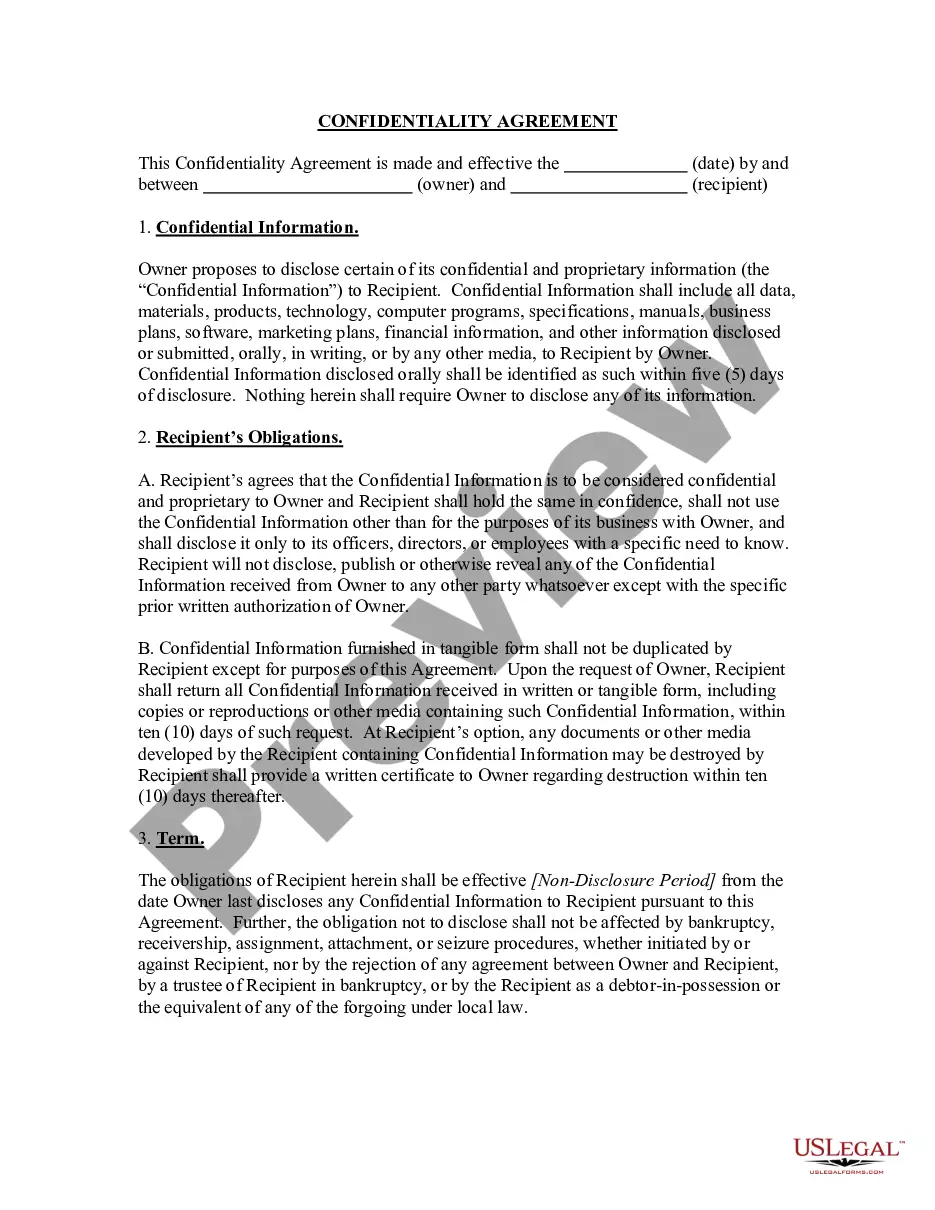
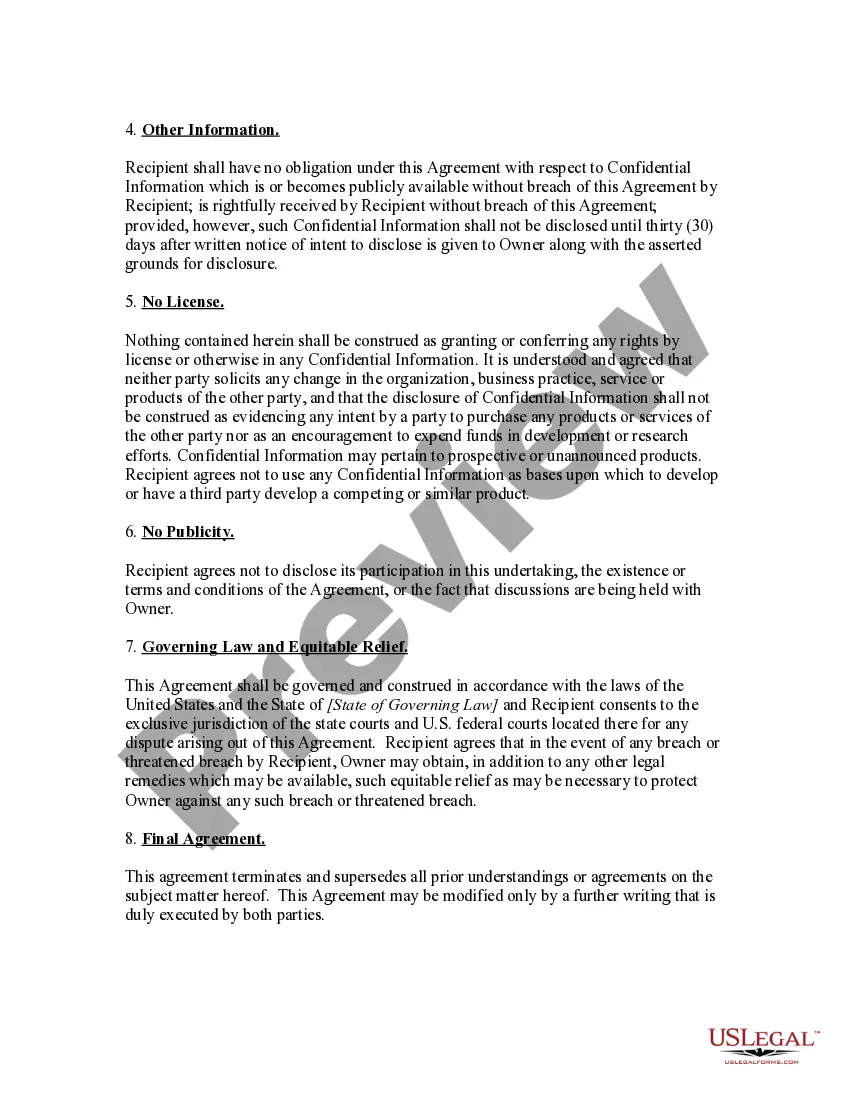
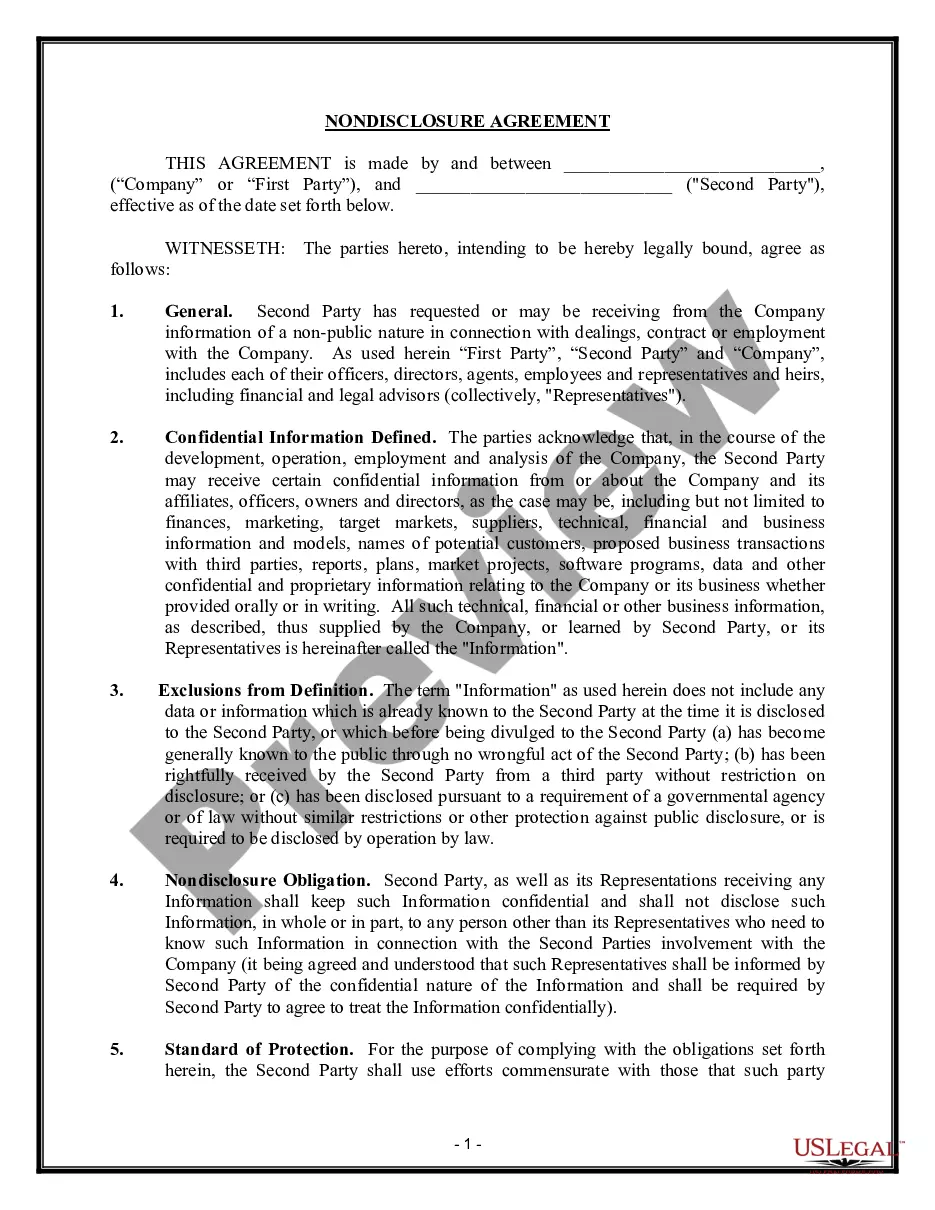
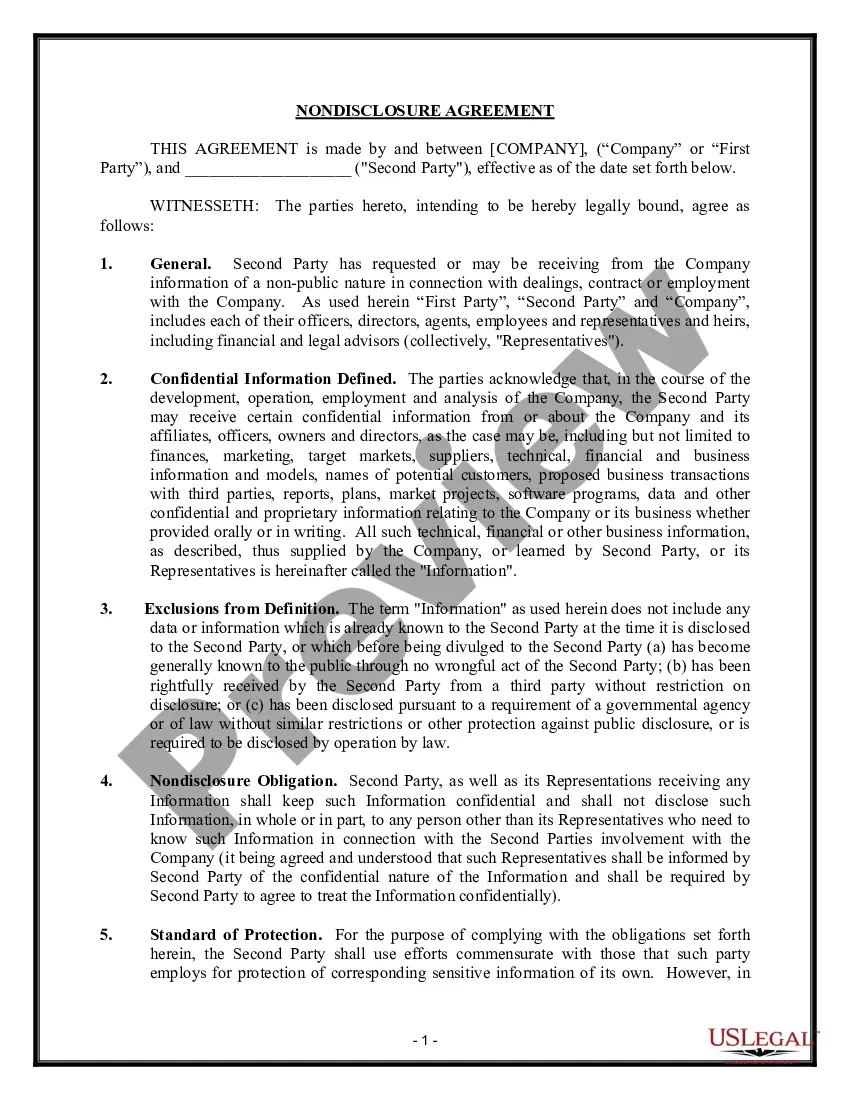
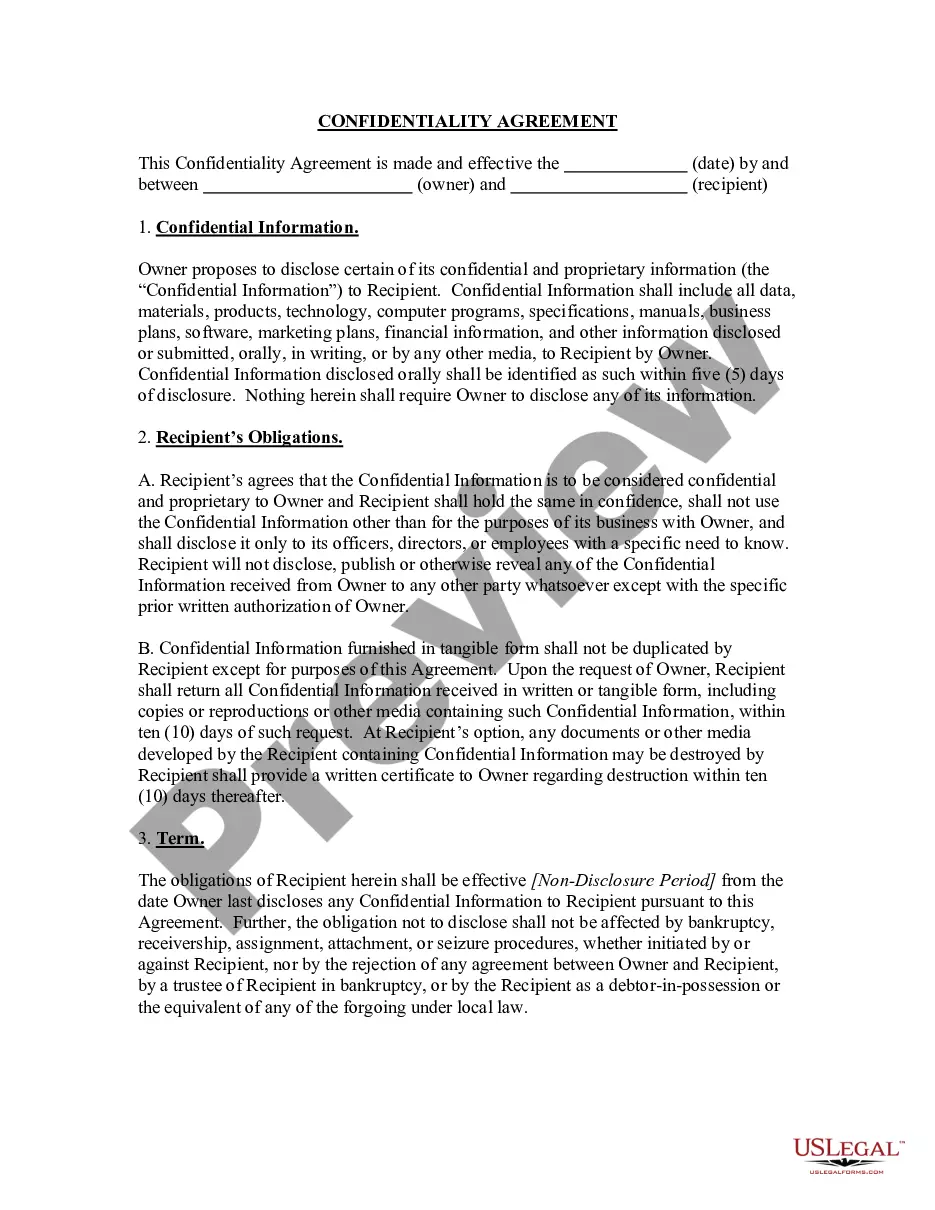
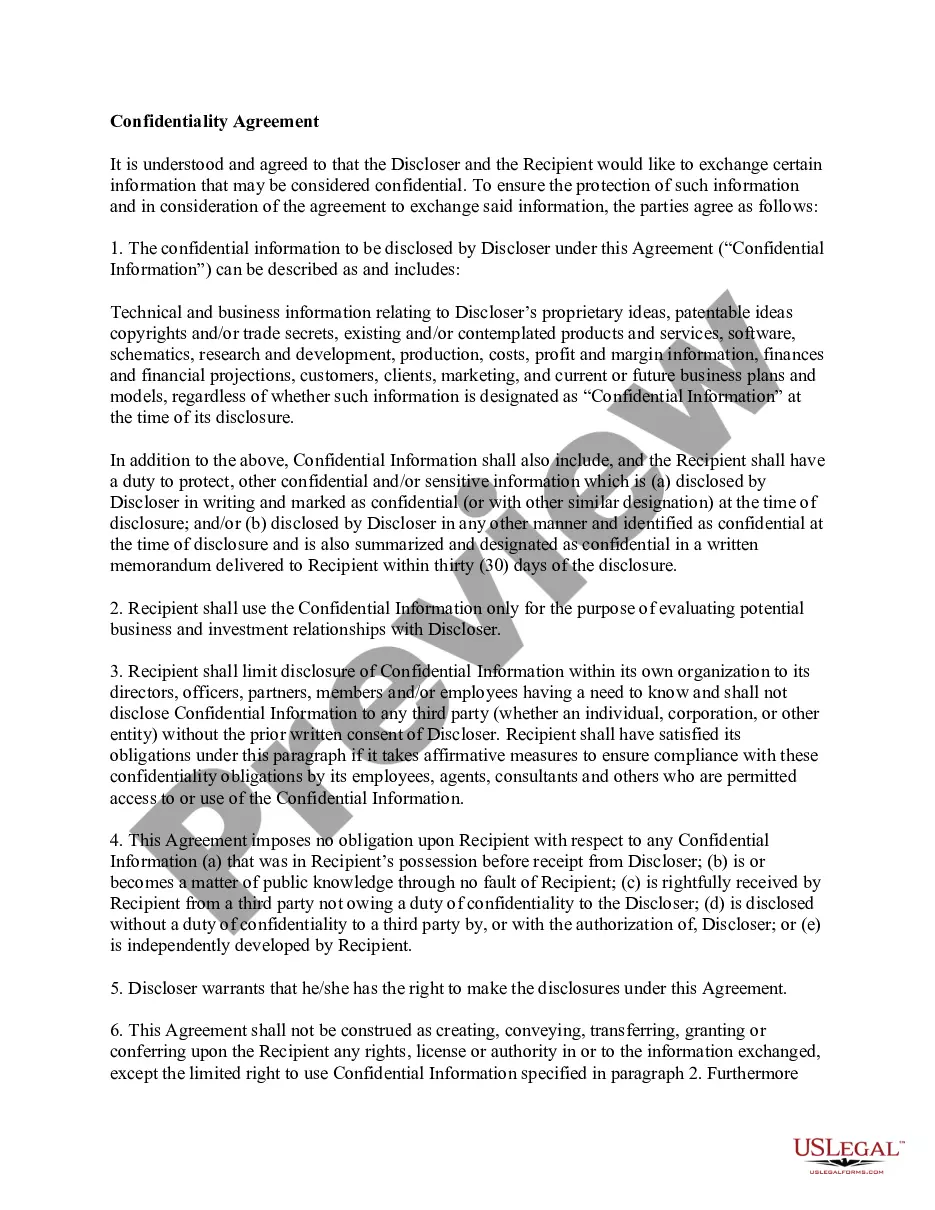
The Confidentiality Agreement for Business Plan is a legal document designed to protect sensitive information shared between parties. When discussing business plans, it is crucial to ensure that proprietary information remains confidential. This form establishes clear obligations for the recipient of the confidential information, ensuring that it is not disclosed or misused. Unlike other generic non-disclosure agreements, this form is specifically tailored for business plan discussions, offering protection against the risks of information leaks that could harm your business interests.
Main sections of this form
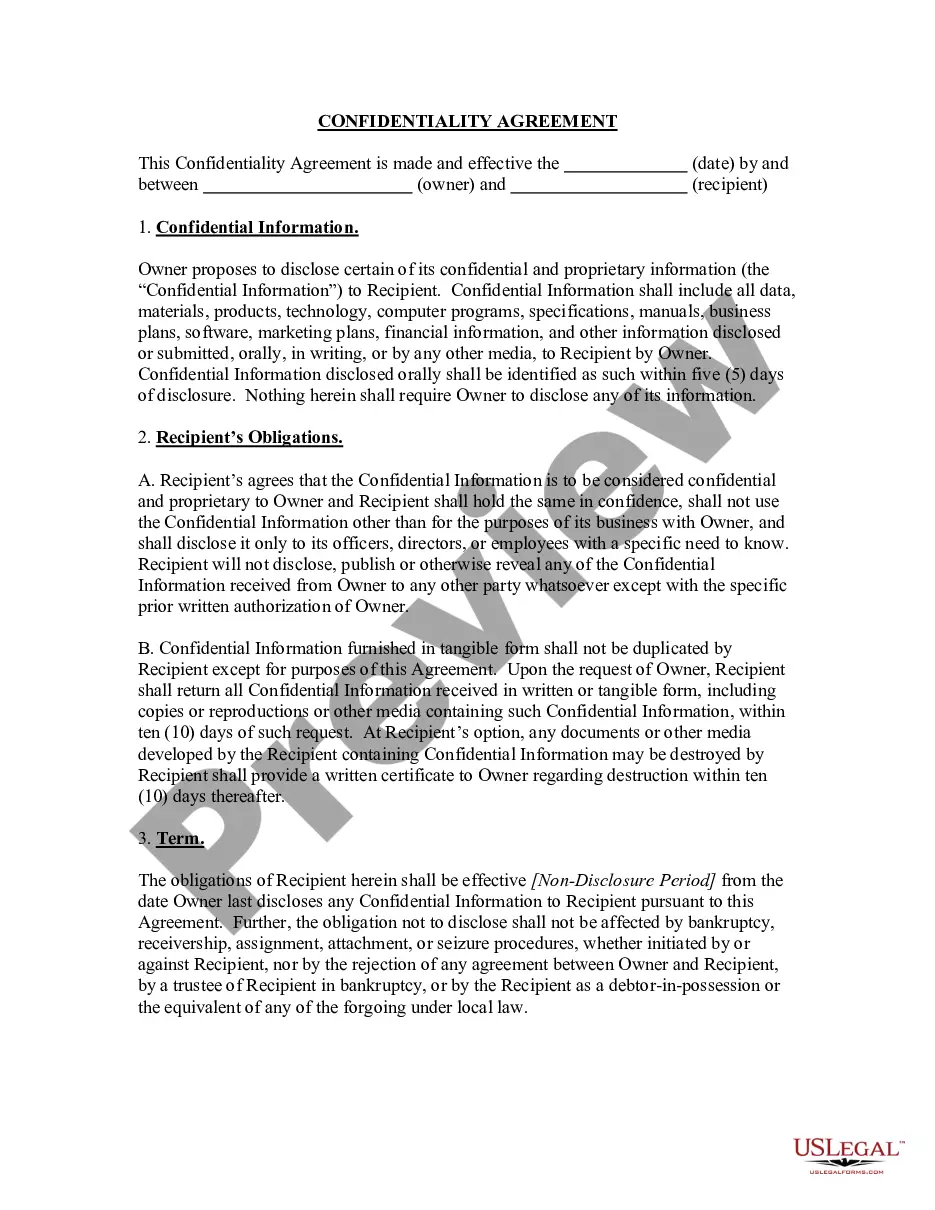
- Definitions of Confidential Information established for clarity between the parties.
- Recipient's obligations, including provisions for confidentiality and limited use of disclosed information.
- Document return or destruction requirements upon request by the owner of the information.
- Specific terms governing the duration of confidentiality obligations.
- Provisions regarding non-disclosure of participation in the agreement.
- Legal jurisdiction clauses that dictate how disputes will be managed.
When this form is needed
This form should be used when two or more parties are discussing a business plan that contains confidential information. It is particularly useful in situations where startups or established companies share proprietary data with potential investors, partners, or employees. By utilizing this form, parties can protect their intellectual property, trade secrets, and sensitive business strategies from unauthorized disclosure, ensuring a secure environment for collaboration.
Who this form is for
This form is intended for:
- Business owners looking to share their business plans with investors or partners.
- Entrepreneurs seeking to protect their proprietary ideas while seeking funding.
- Consultants or advisors who need to access confidential business information to provide services.
- Employees tasked with accessing sensitive business data who require clear confidentiality guidelines.
Steps to complete this form
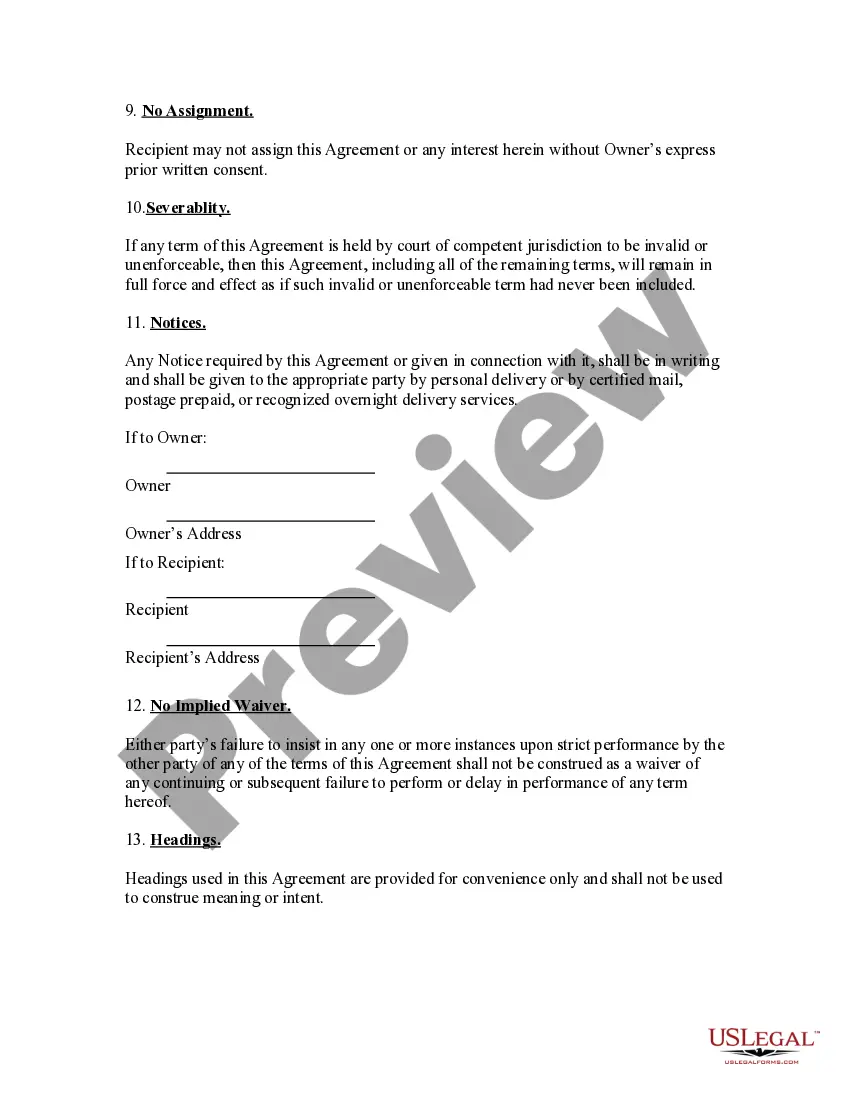
- Identify the parties involved: Clearly state the names and addresses of both the owner and the recipient.
- Define the scope of confidential information: Specify what information is considered confidential.
- Outline the recipient's obligations: Include clauses detailing how the recipient must handle the information.
- Set the duration: Indicate the time period for which the confidentiality obligations apply.
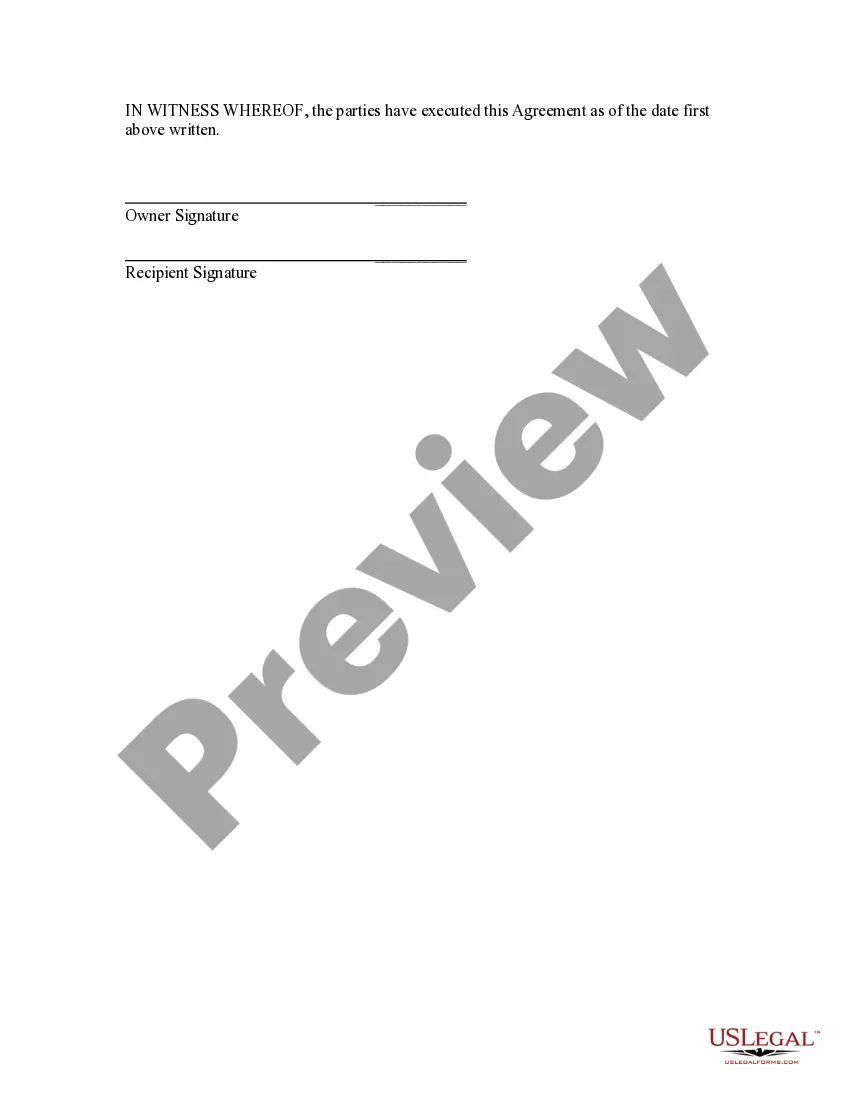
- Sign the agreement: Both parties should sign and date the document to confirm their acceptance of the terms.
Notarization guidance
This form does not typically require notarization unless specified by local law. However, notarization can provide an extra layer of authenticity and may be advisable in certain situations. Always check local jurisdictional requirements to ensure compliance.
Get your form ready online
Our built-in tools help you complete, sign, share, and store your documents in one place.
Make edits, fill in missing information, and update formatting in US Legal Forms—just like you would in MS Word.
Download a copy, print it, send it by email, or mail it via USPS—whatever works best for your next step.
Sign and collect signatures with our SignNow integration. Send to multiple recipients, set reminders, and more. Go Premium to unlock E-Sign.
If this form requires notarization, complete it online through a secure video call—no need to meet a notary in person or wait for an appointment.
We protect your documents and personal data by following strict security and privacy standards.

Make edits, fill in missing information, and update formatting in US Legal Forms—just like you would in MS Word.

Download a copy, print it, send it by email, or mail it via USPS—whatever works best for your next step.

Sign and collect signatures with our SignNow integration. Send to multiple recipients, set reminders, and more. Go Premium to unlock E-Sign.

If this form requires notarization, complete it online through a secure video call—no need to meet a notary in person or wait for an appointment.

We protect your documents and personal data by following strict security and privacy standards.
Typical mistakes to avoid
- Failing to define what constitutes confidential information clearly.
- Not specifying the time frame for confidentiality obligations.
- Overlooking the need for both parties to sign the agreement.
- Not returning or destroying confidential information after termination of the agreement.
Benefits of completing this form online
- Convenience: Download and complete the form from anywhere at any time.
- Editability: Customize the template to fit specific business needs and scenarios.
- Reliability: Access forms drafted by licensed attorneys, ensuring they meet legal standards.
Legal use & context
- Enforceable in a court of law, provided both parties adhere to its terms.
- Confidentiality obligations help protect sensitive business strategies and intellectual property.
- May include limitations and exclusions that dictate the use of disclosed information.
Key takeaways
- A Confidentiality Agreement is essential for protecting sensitive information during business discussions.
- Clearly define confidential information and outline obligations to avoid potential legal issues.
- Ensure both parties sign the document and understand the terms before sharing confidential information.
Looking for another form?
Form popularity
FAQ
2. Clearly label all confidential information as confidential. This means writing confidential on documents or any folder you keep them in. If you are sending an email, make sure the title clearly identifies it as confidential.
Set the date of the agreement. Describe the two parties, sometimes called the Disclosing Party and the Receiving Party.7feff Include names and identification, so there can be no misunderstanding about who signed the agreement.
A definition of confidential information. Who is involved. Why the recipient knows the information. Exclusions or limits on confidential information. Receiving party's obligations. Time frame or term. Discloser to the recipient.
Simply defined, a confidentiality statement for documents is a legally binding document stating that two parties won't profit from or share confidential information.
What is a confidentiality statement? A confidentiality agreement is exactly what it sounds like. In simple terms, it is a document stating that the person you disclose your business plan to will not disclose any of its contents to anyone outside of the agreement.
Set the date of the agreement. Describe the two parties, sometimes called the Disclosing Party and the Receiving Party.7feff Include names and identification, so there can be no misunderstanding about who signed the agreement.
Confidentiality agreements usually allow the recipient to disclose confidential information if required to do so by court order or other legal process.
Business plans are highly confidential, detailing the Company's main competitors, their marketing strategy, and their extremely sensitive financial data.
The business plan non-disclosure agreement is a unilateral agreement between a Company and a secondary party known as the Recipient. Business plans are highly confidential, detailing the Company's main competitors, their marketing strategy, and their extremely sensitive financial data.