Condominium Purchase Agreement
Overview of this form
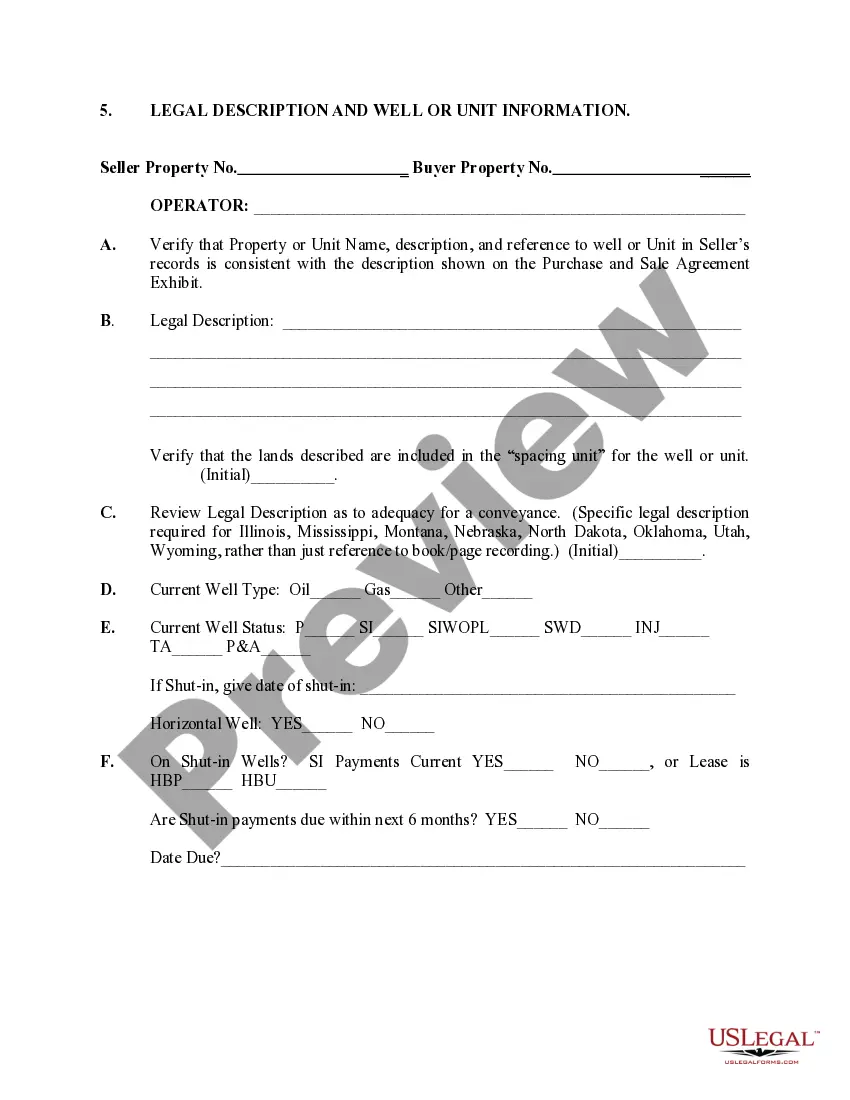
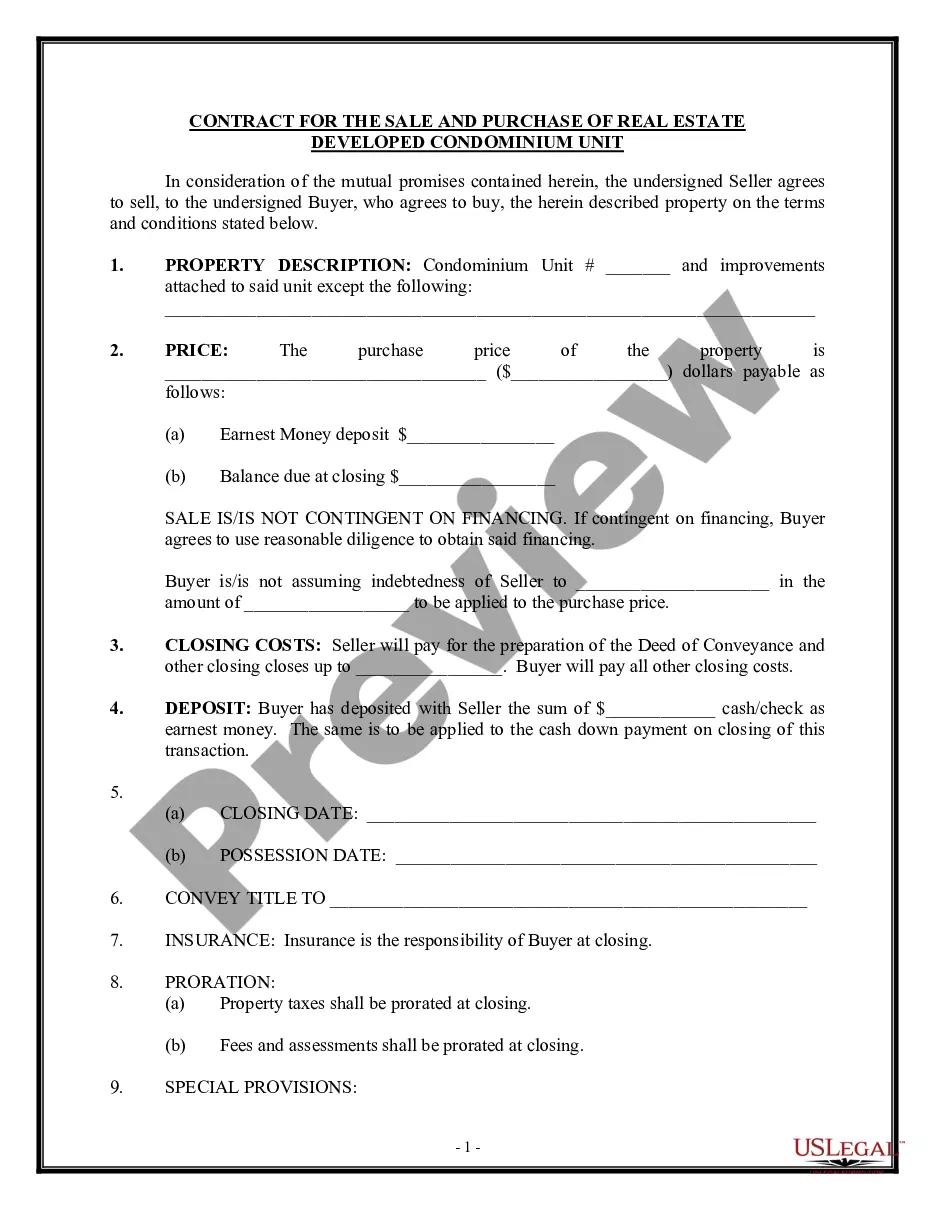
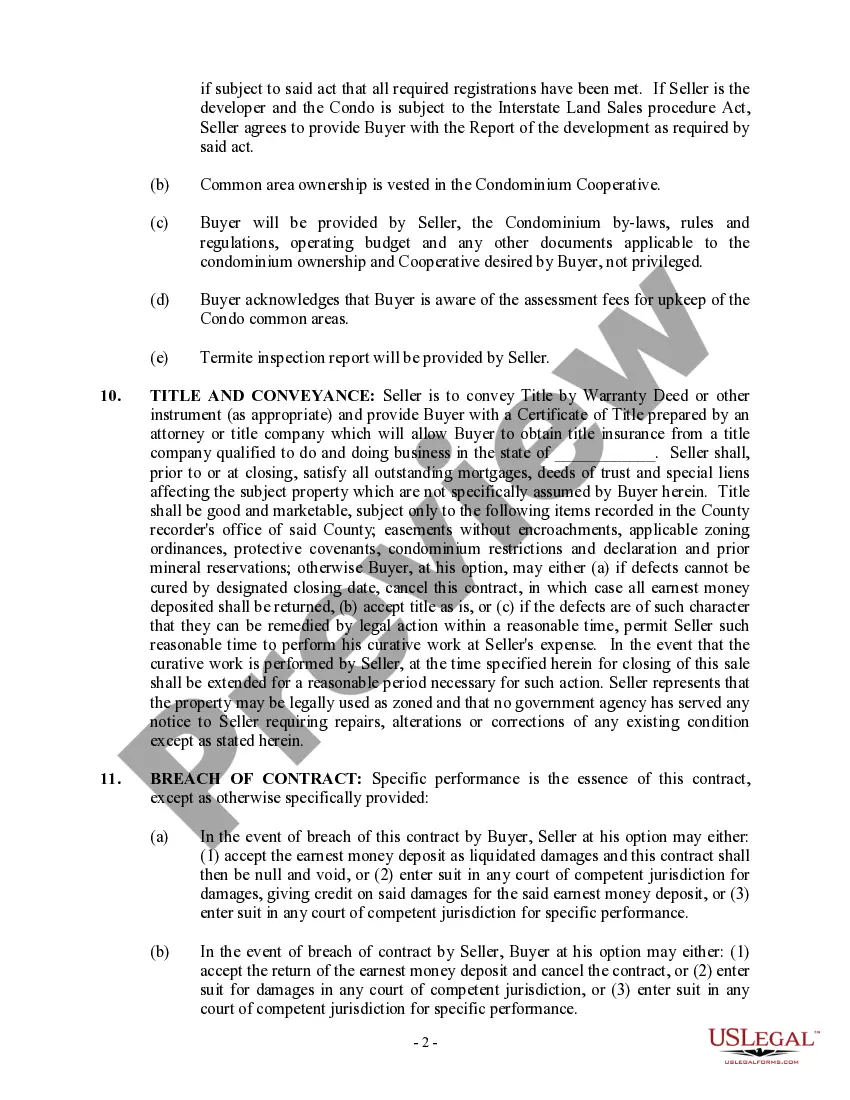
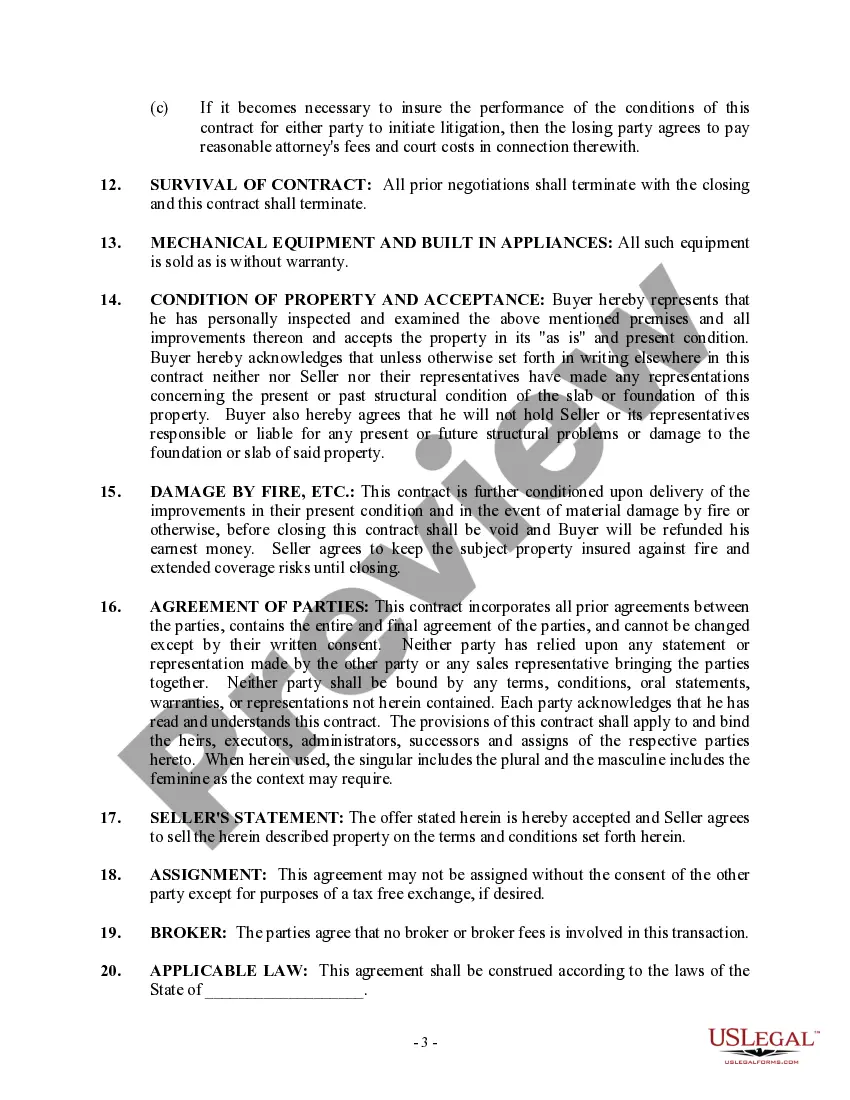
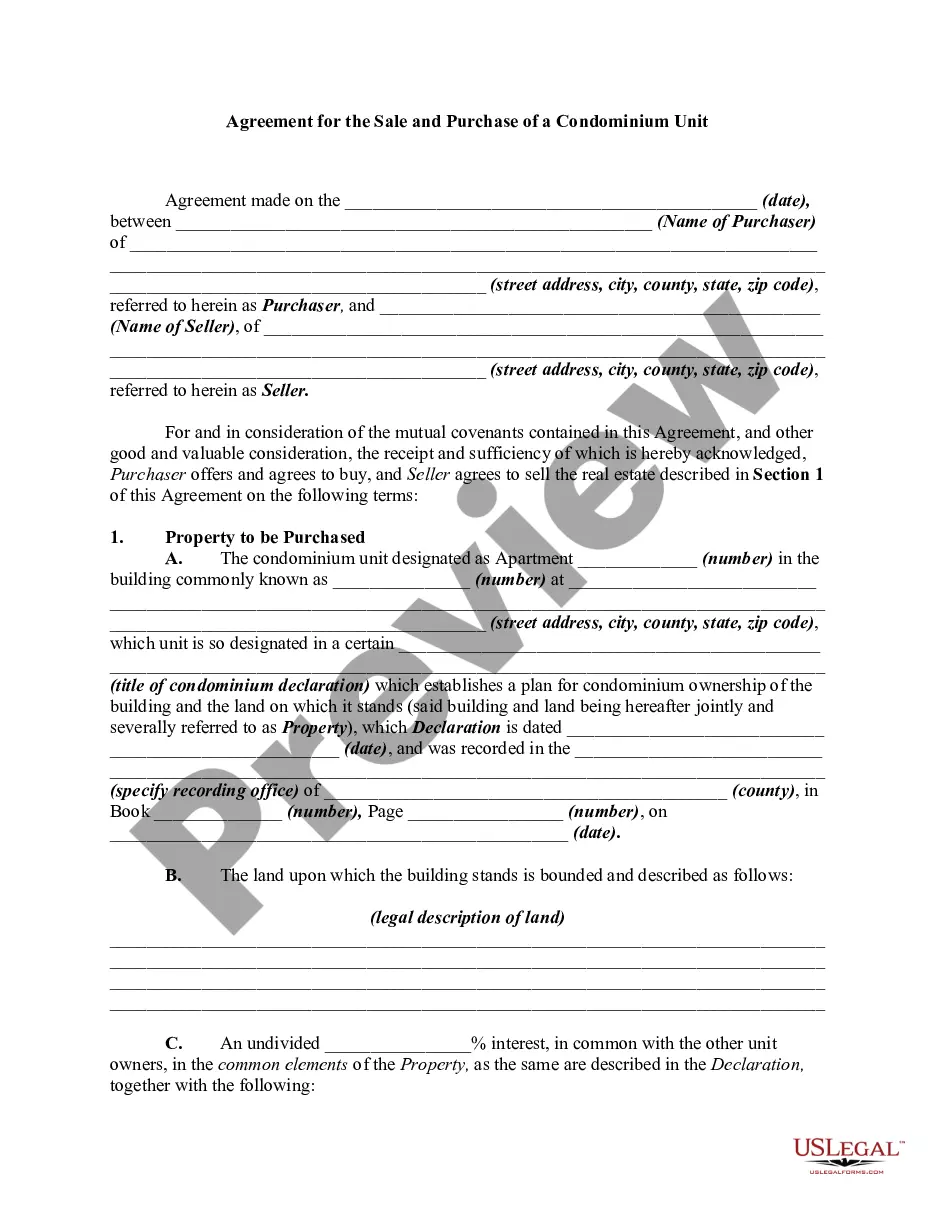
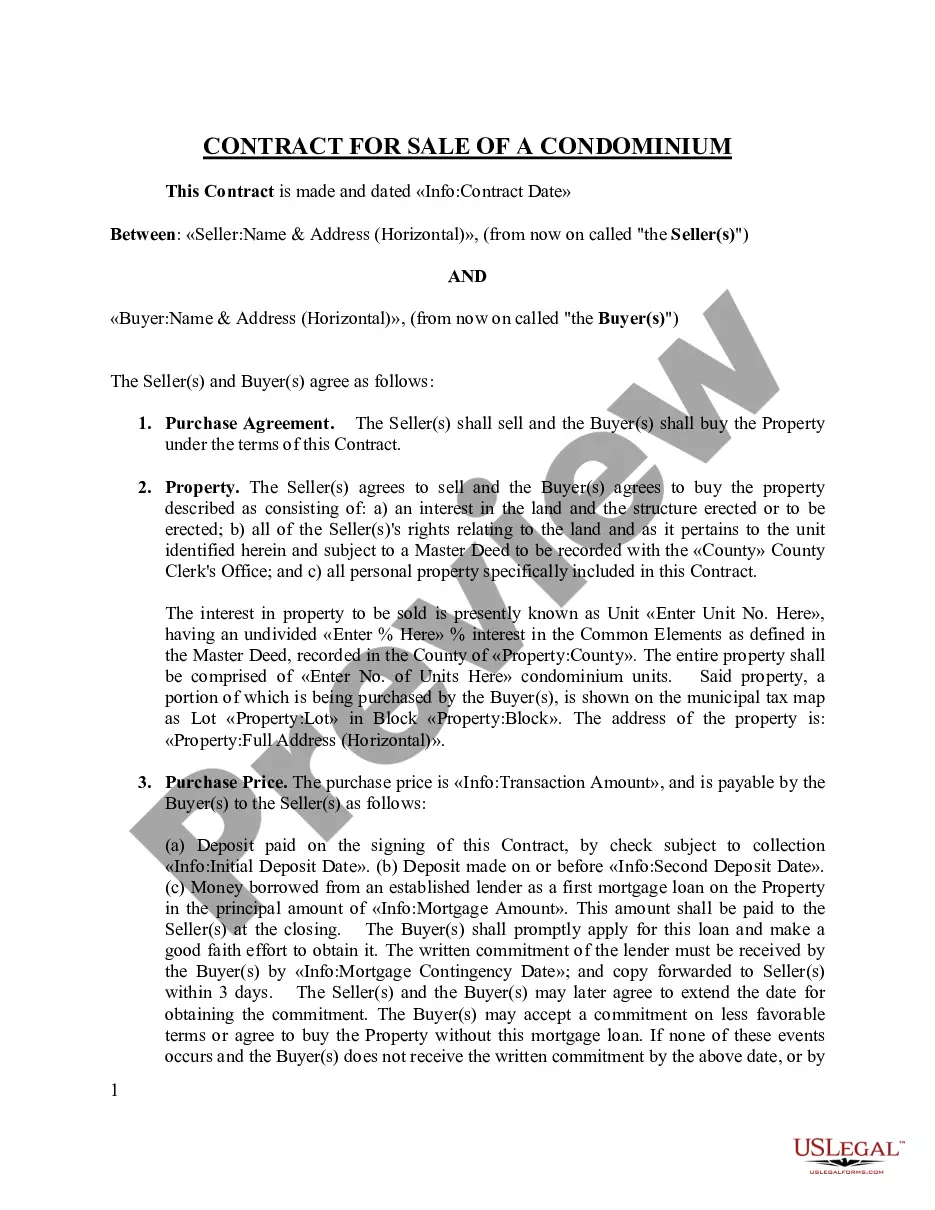
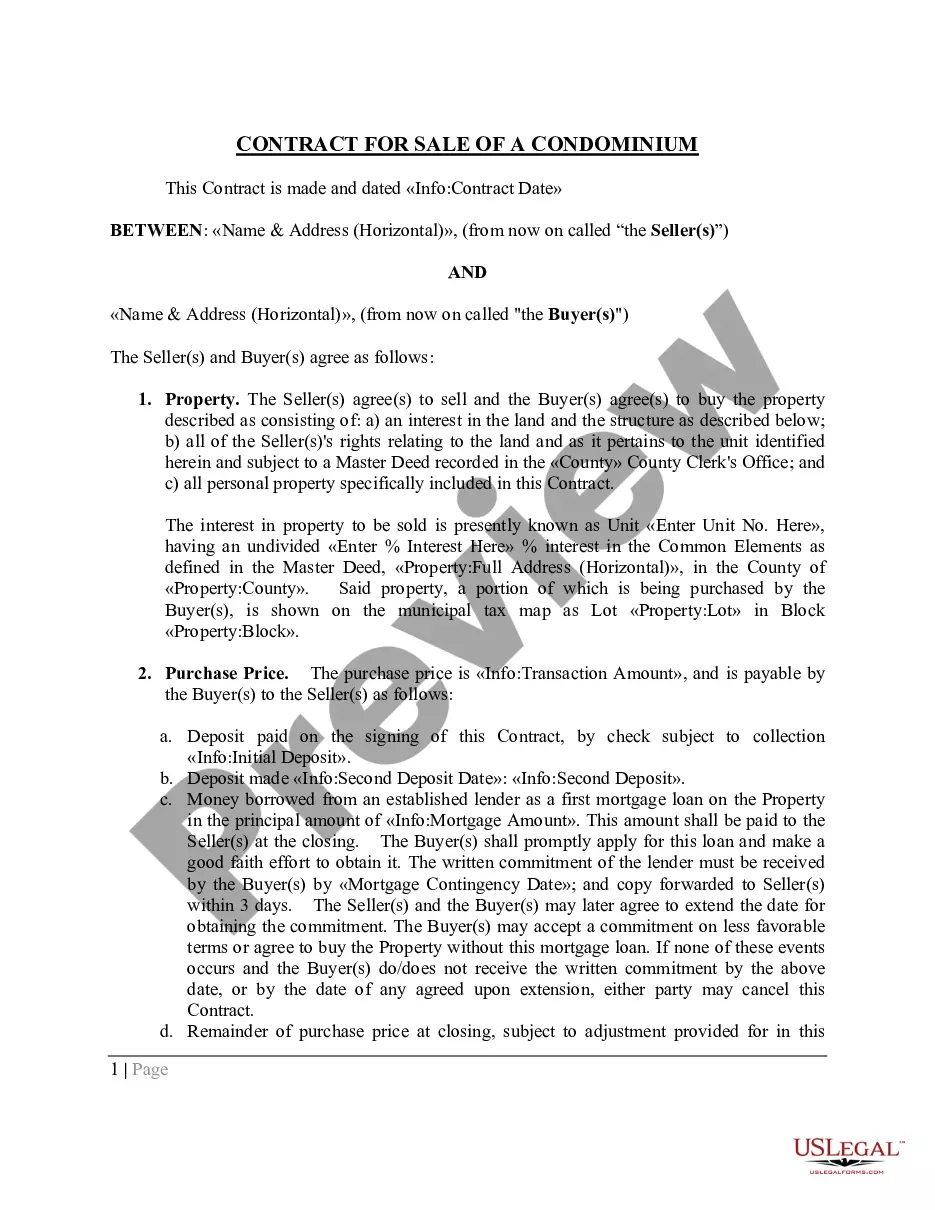
The Condominium Purchase Agreement is a legally binding document in which the seller agrees to sell and the buyer agrees to purchase a condominium unit under specific terms and conditions. This agreement details essential components such as purchase price, closing costs, deposits, insurance, and other necessary provisions, making it distinct from other real estate purchase agreements by focusing specifically on condominium transactions.
Main sections of this form
- Property description including the condominium unit and any exclusions.
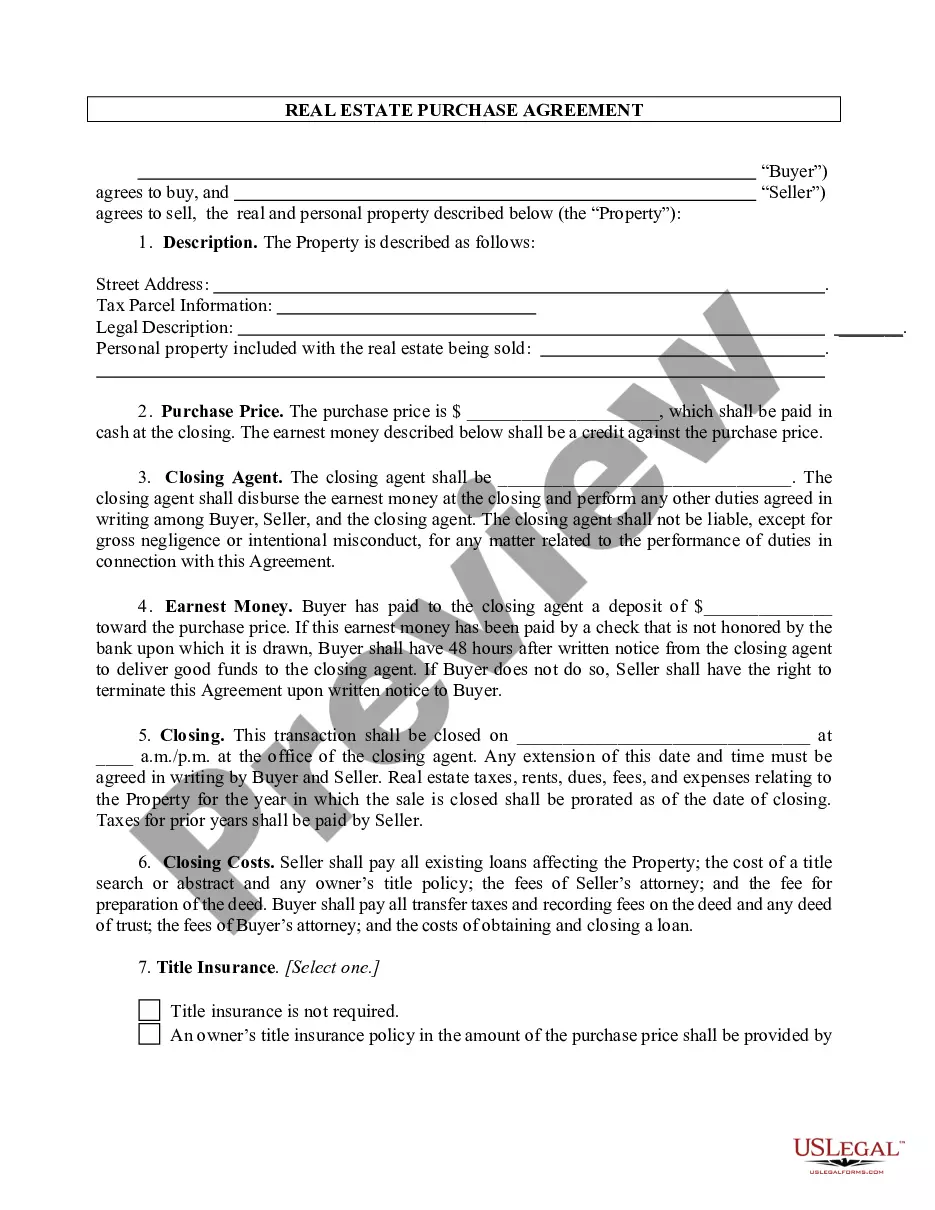
- Purchase price, detailing earnest money and balance due at closing.
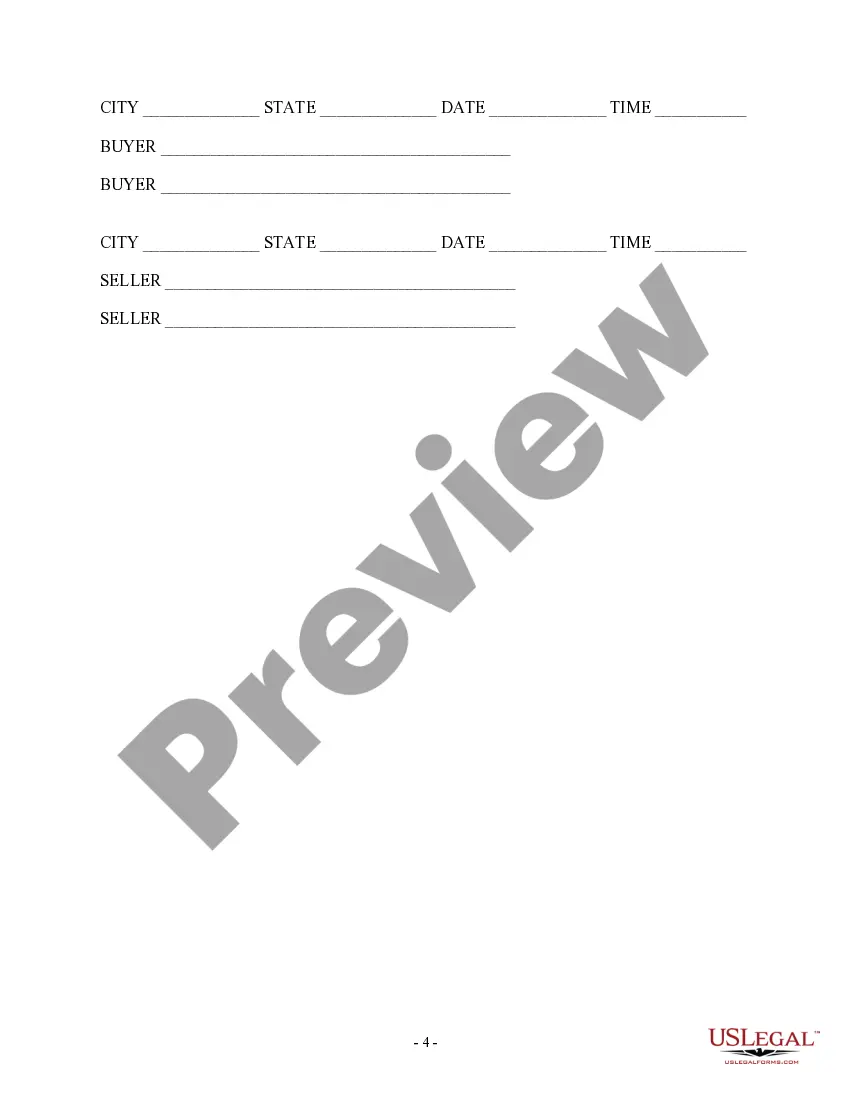
- Closing costs responsibilities divided between buyer and seller.
- Deposit amount specified as earnest money.
- Closing and possession dates outlined clearly.
- Insurance responsibilities assigned to the buyer.
- Provisions for proration of property taxes and fees.
- Details on title conveyance and seller's obligations regarding mortgages and liens.
Situations where this form applies
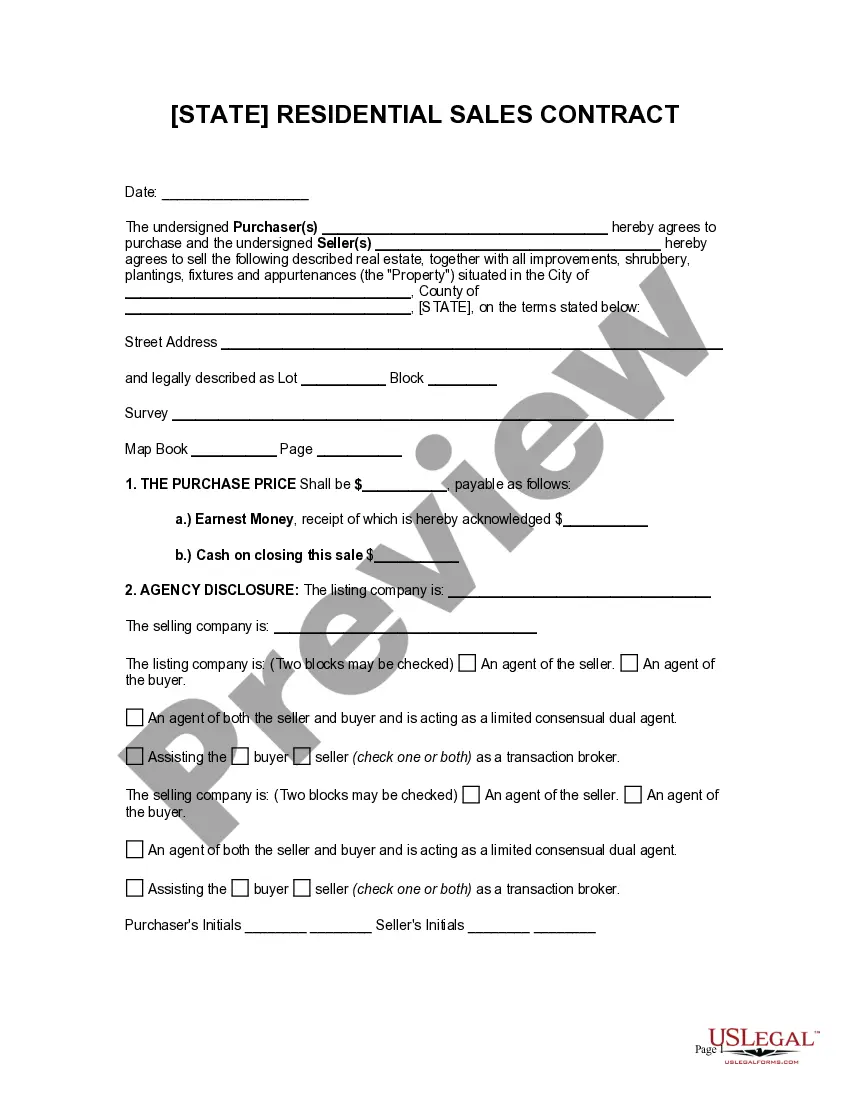
This form is required when a buyer intends to purchase a condominium and wishes to formalize the terms of the sale with the seller. It is appropriate to use when both parties have agreed on the price and other critical elements, and when legal protection is desired to enforce the agreement and outline their rights and responsibilities.
Who needs this form
Eligibility for using this form includes:
- Individuals or entities looking to purchase a condominium unit.
- Real estate agents involved in condominium transactions.
- Sellers who wish to formalize the sale of their condominium unit.
How to complete this form
- Identify the parties involved in the transaction: buyer(s) and seller(s).
- Provide a detailed description of the condominium unit being sold.
- Specify the purchase price and how it will be paid, including earnest money.
- Enter the closing and possession dates to outline when the transaction will occur.
- Ensure signatures and dates are entered correctly to validate the agreement.
Does this document require notarization?
This form must be notarized to be legally valid. US Legal Forms provides secure online notarization powered by Notarize, allowing you to complete the process through a verified video call.
Get your form ready online
Our built-in tools help you complete, sign, share, and store your documents in one place.
Make edits, fill in missing information, and update formatting in US Legal Forms—just like you would in MS Word.
Download a copy, print it, send it by email, or mail it via USPS—whatever works best for your next step.
Sign and collect signatures with our SignNow integration. Send to multiple recipients, set reminders, and more. Go Premium to unlock E-Sign.
If this form requires notarization, complete it online through a secure video call—no need to meet a notary in person or wait for an appointment.
We protect your documents and personal data by following strict security and privacy standards.

Make edits, fill in missing information, and update formatting in US Legal Forms—just like you would in MS Word.

Download a copy, print it, send it by email, or mail it via USPS—whatever works best for your next step.

Sign and collect signatures with our SignNow integration. Send to multiple recipients, set reminders, and more. Go Premium to unlock E-Sign.

If this form requires notarization, complete it online through a secure video call—no need to meet a notary in person or wait for an appointment.

We protect your documents and personal data by following strict security and privacy standards.
Typical mistakes to avoid
- Failing to accurately describe the property, including any exclusions.
- Incorrectly specifying the purchase price or payment terms.
- Not indicating responsibilities for closing costs, which may lead to disputes.
- Overlooking necessary signatures or dates, rendering the agreement unenforceable.
Benefits of completing this form online
- Convenience of accessing and completing the form from anywhere.
- Editability allows for customization to fit specific transaction details.
- Reliable legal templates drafted by licensed attorneys for your protection.
- Immediate access to downloaded forms helps expedite the purchasing process.
Looking for another form?





Form popularity
FAQ
The Condominium Purchase Agreement is a legally binding contract used when a buyer agrees to purchase a condo unit under specific terms. It focuses on condo-specific details like the unit description, purchase price, earnest money, closing costs, closing and possession dates, and how title, liens, and insurance are handled, for multi-state condo transactions.
Contracts can be void if they lack essential terms or involve illegal terms. In the Condominium Purchase Agreement, enforceability relies on clear sections such as the unit’s property description, the purchase price and earnest money, closing costs, a defined closing date, insurance responsibilities for the buyer, and proper provisions for title conveyance and mortgages or liens.
Common issues that can undermine a contract include illegality, lack of capacity, misrepresentation or fraud, mutual mistake, ambiguity of essential terms (like price or unit description), and absence of a required written form. For the Condominium Purchase Agreement, problems with missing or unclear unit details, price, closing date, or title and liens can jeopardize enforceability.
Typically, enforceable contracts rest on offer and acceptance, consideration, legality, capacity, intent to create legal relations, and a written form when required. The Condominium Purchase Agreement reflects these principles by requiring a clear offer and acceptance for the condo unit, defined price and deposits, lawful terms, and a written instrument detailing condo-specific provisions.
Common mistakes include an incomplete property description, not specifying the purchase price or earnest money, failing to outline who pays closing costs, leaving dates ambiguous (closing or possession), neglecting title conveyance and lien obligations, and omitting how taxes and fees are prorated or who insures the property. This form emphasizes these key terms to avoid errors.
It is tailored to condo transactions, with a property description limited to the condominium unit and exclusions and provisions addressing title conveyance and seller obligations regarding mortgages and liens specific to condo ownership. This condo-focused structure distinguishes it from general real estate purchase agreements.