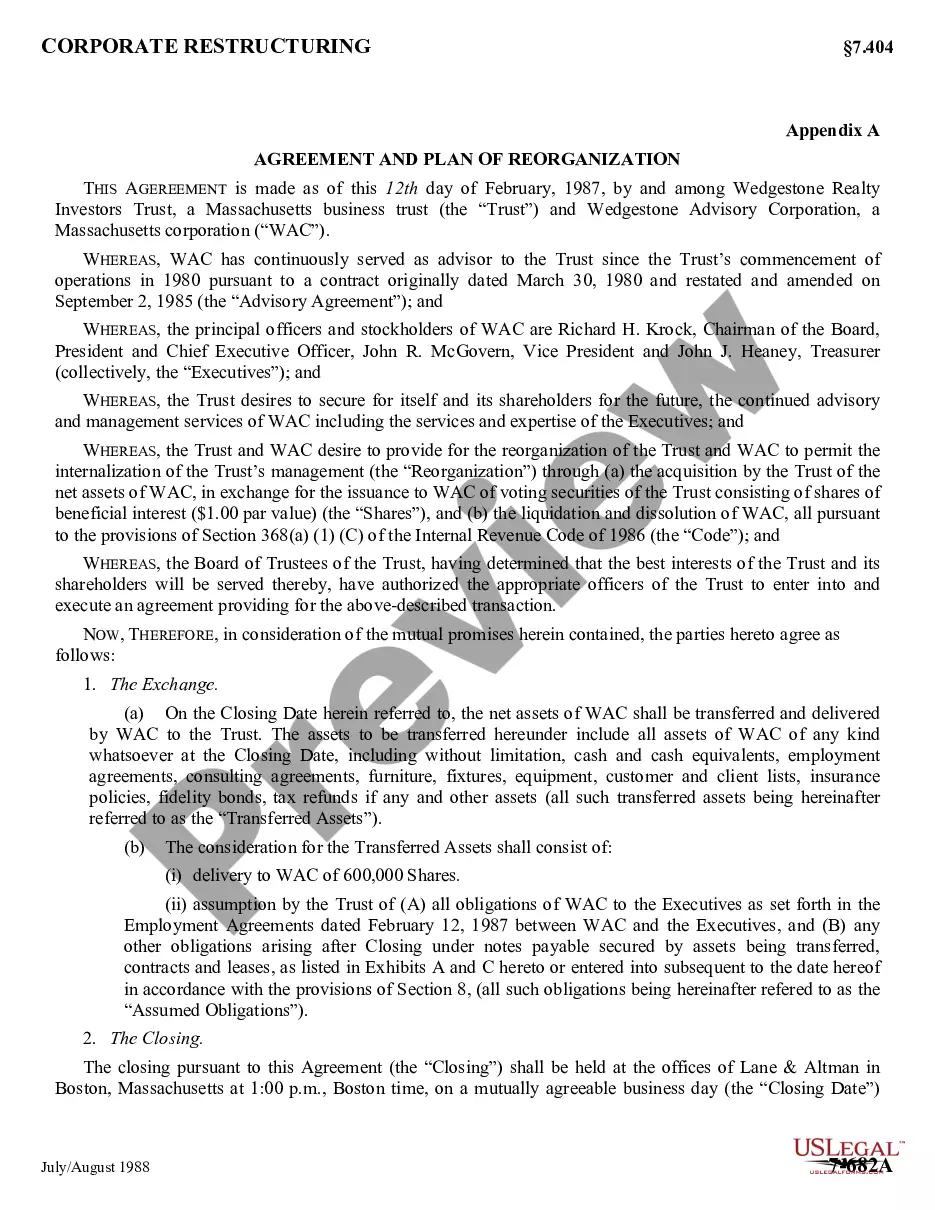
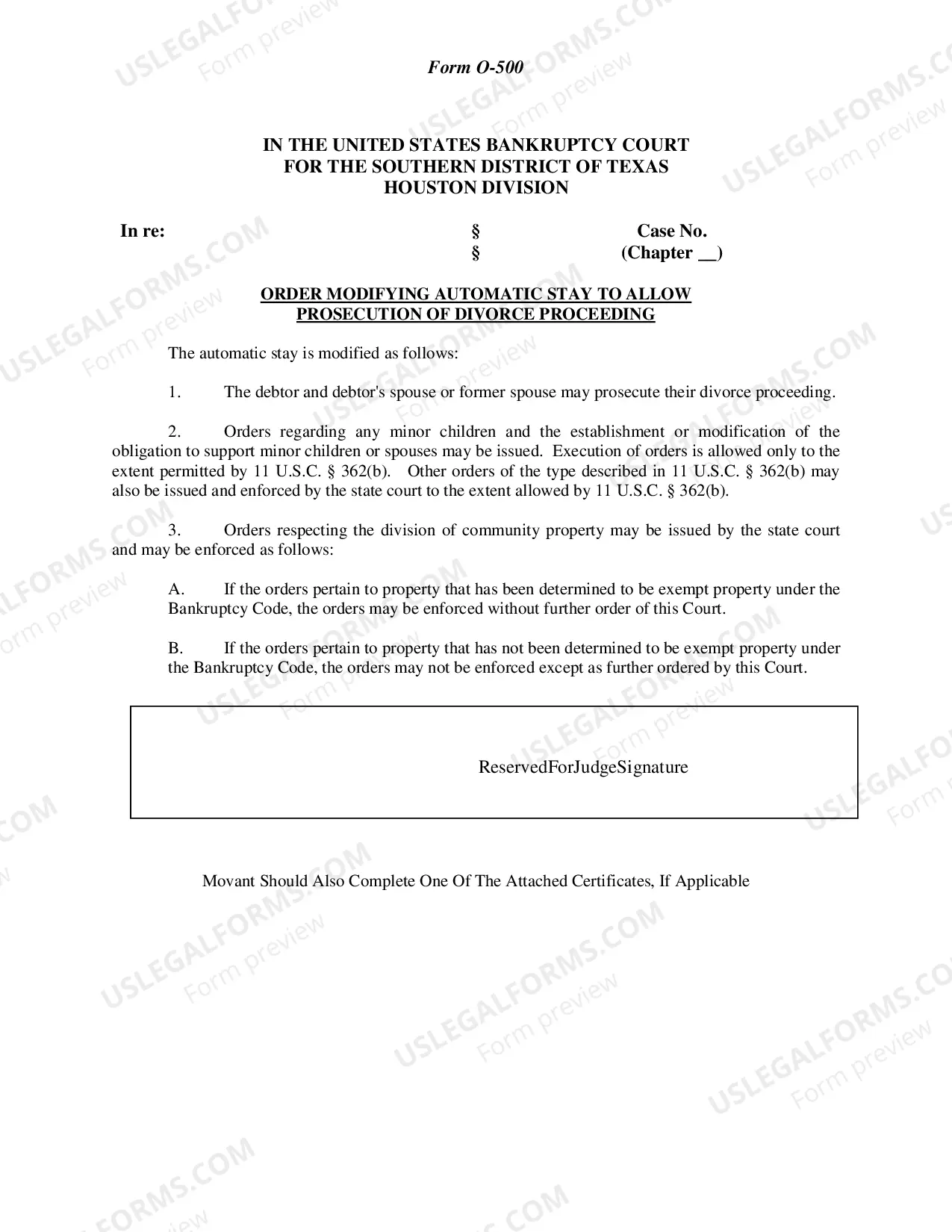
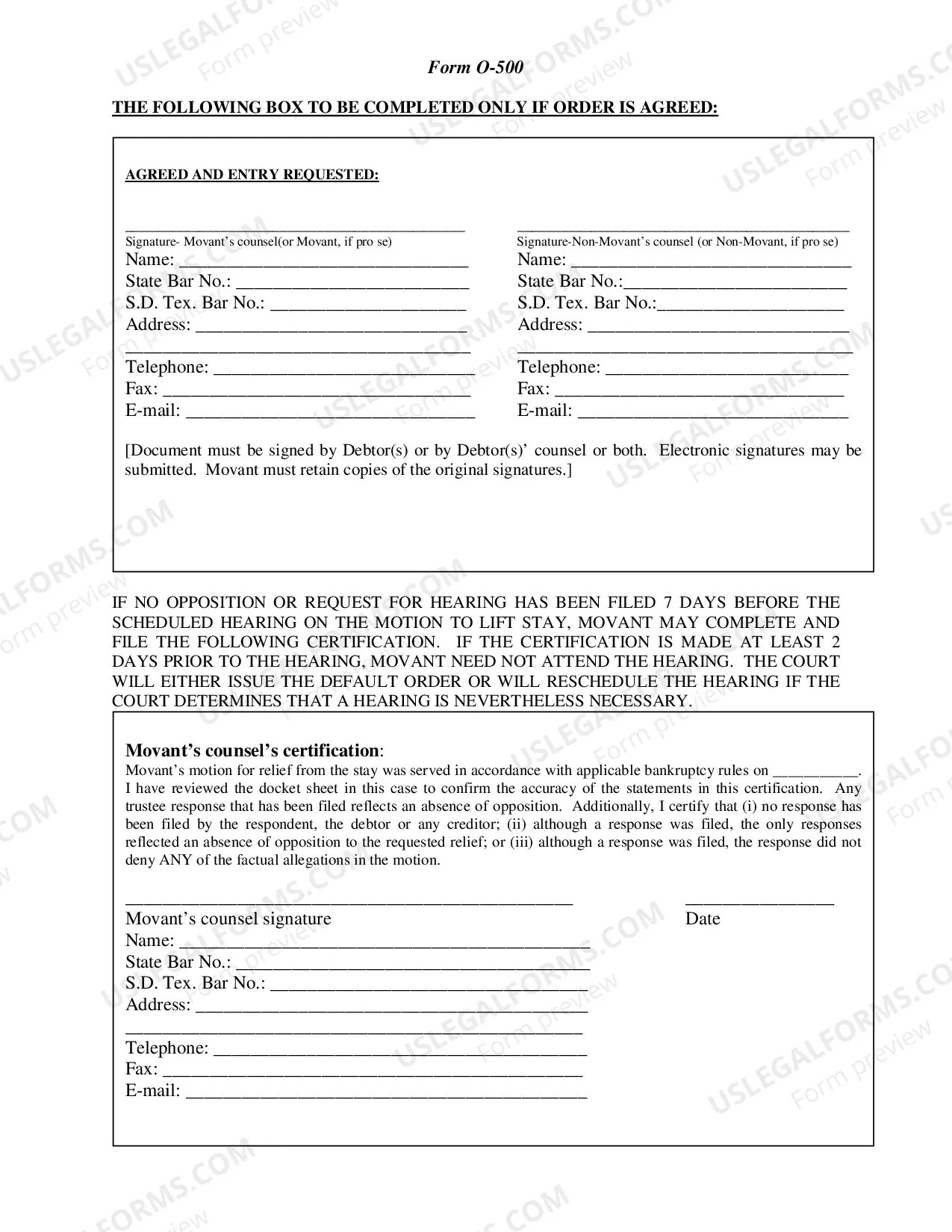
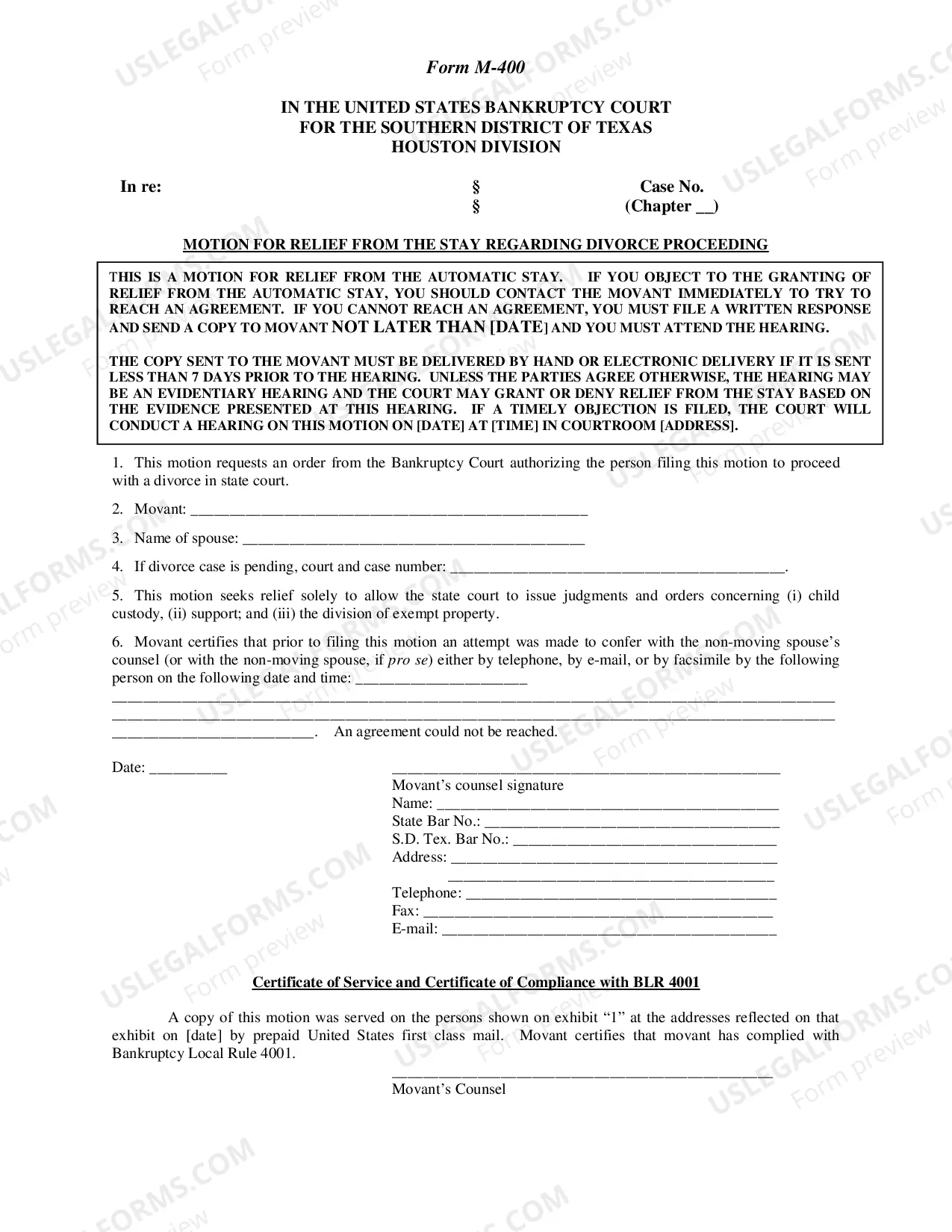
Texas Divorce Omnibus Order (O-500)
Description
Get your form ready online
Our built-in tools help you complete, sign, share, and store your documents in one place.
Make edits, fill in missing information, and update formatting in US Legal Forms—just like you would in MS Word.
Download a copy, print it, send it by email, or mail it via USPS—whatever works best for your next step.
Sign and collect signatures with our SignNow integration. Send to multiple recipients, set reminders, and more. Go Premium to unlock E-Sign.
If this form requires notarization, complete it online through a secure video call—no need to meet a notary in person or wait for an appointment.
We protect your documents and personal data by following strict security and privacy standards.

Make edits, fill in missing information, and update formatting in US Legal Forms—just like you would in MS Word.

Download a copy, print it, send it by email, or mail it via USPS—whatever works best for your next step.

Sign and collect signatures with our SignNow integration. Send to multiple recipients, set reminders, and more. Go Premium to unlock E-Sign.

If this form requires notarization, complete it online through a secure video call—no need to meet a notary in person or wait for an appointment.

We protect your documents and personal data by following strict security and privacy standards.
Looking for another form?
How to fill out Texas Divorce Omnibus Order (O-500)?
Handling legal documentation requires attention, precision, and using well-drafted templates. US Legal Forms has been helping people countrywide do just that for 25 years, so when you pick your Texas Divorce Omnibus Order (O-500) template from our service, you can be sure it meets federal and state regulations.
Working with our service is simple and fast. To obtain the necessary document, all you’ll need is an account with a valid subscription. Here’s a quick guide for you to get your Texas Divorce Omnibus Order (O-500) within minutes:
- Remember to carefully check the form content and its correspondence with general and legal requirements by previewing it or reading its description.
- Search for an alternative formal blank if the previously opened one doesn’t match your situation or state regulations (the tab for that is on the top page corner).
- Log in to your account and download the Texas Divorce Omnibus Order (O-500) in the format you prefer. If it’s your first experience with our service, click Buy now to proceed.
- Create an account, choose your subscription plan, and pay with your credit card or PayPal account.
- Decide in what format you want to obtain your form and click Download. Print the blank or add it to a professional PDF editor to prepare it paper-free.
All documents are created for multi-usage, like the Texas Divorce Omnibus Order (O-500) you see on this page. If you need them one more time, you can fill them out without re-payment - just open the My Forms tab in your profile and complete your document whenever you need it. Try US Legal Forms and prepare your business and personal paperwork rapidly and in full legal compliance!
Form popularity
FAQ
There is no need for a formal trial in an uncontested divorce. Most of the time, the judge will go ahead and grant the divorce under the agreed terms. In Texas, there is a mandatory waiting period until the divorce becomes law. This period is 60 days in most cases.
How long will my divorce take? In almost all cases, you must wait at least 60 days before you can finish your divorce. There are only two exceptions to the 60-day waiting period. Both exceptions involve family violence.
Theoretically, the least amount of time it can take to get divorced in Texas is 61 days. However, even an uncontested divorce typically takes about three to four months to finalize due to the court's docket and the schedules of all the parties involved.
How Much Does an Uncontested Divorce Cost in Texas? The average cost of uncontested divorce in Texas ranges between $300 and $5,000, depending on whether lawyers are involved. In general, it is the cheapest and the quickest option available in any state.
Texas is not a 50/50 community property state. The Texas Family Code requires a just and right division of community property. Judges may divide 55/45 or 60/40 if they see bad behavior on one side, or if there are fault grounds (adultery, cruelty, etc.), or if there is disparity in earning capabilities.
The Hearing The judge will then sign the divorce decree to make the divorce final. Unless there was family violence, the judge can't finalize a divorce at the hearing until 60 days after the petition for divorce was filed. Keep that in mind when "setting," or scheduling, your hearing.
An average divorce in Texas usually takes six months to a year, depending on the complexity of the case. A simple uncontested divorce could take as little as two-to-three months. A contested divorce in Texas, on the other hand, could take anywhere from 9 months to two years.
Step 1: Grounds for Divorce. Step 2: Filing the Petition for Divorce. Step 3: Providing Your Spouse with Notice. Step 4: Your Spouse's Answer and Counterpetition.