Tenant Refitting Escrow Agreement
Overview of this form
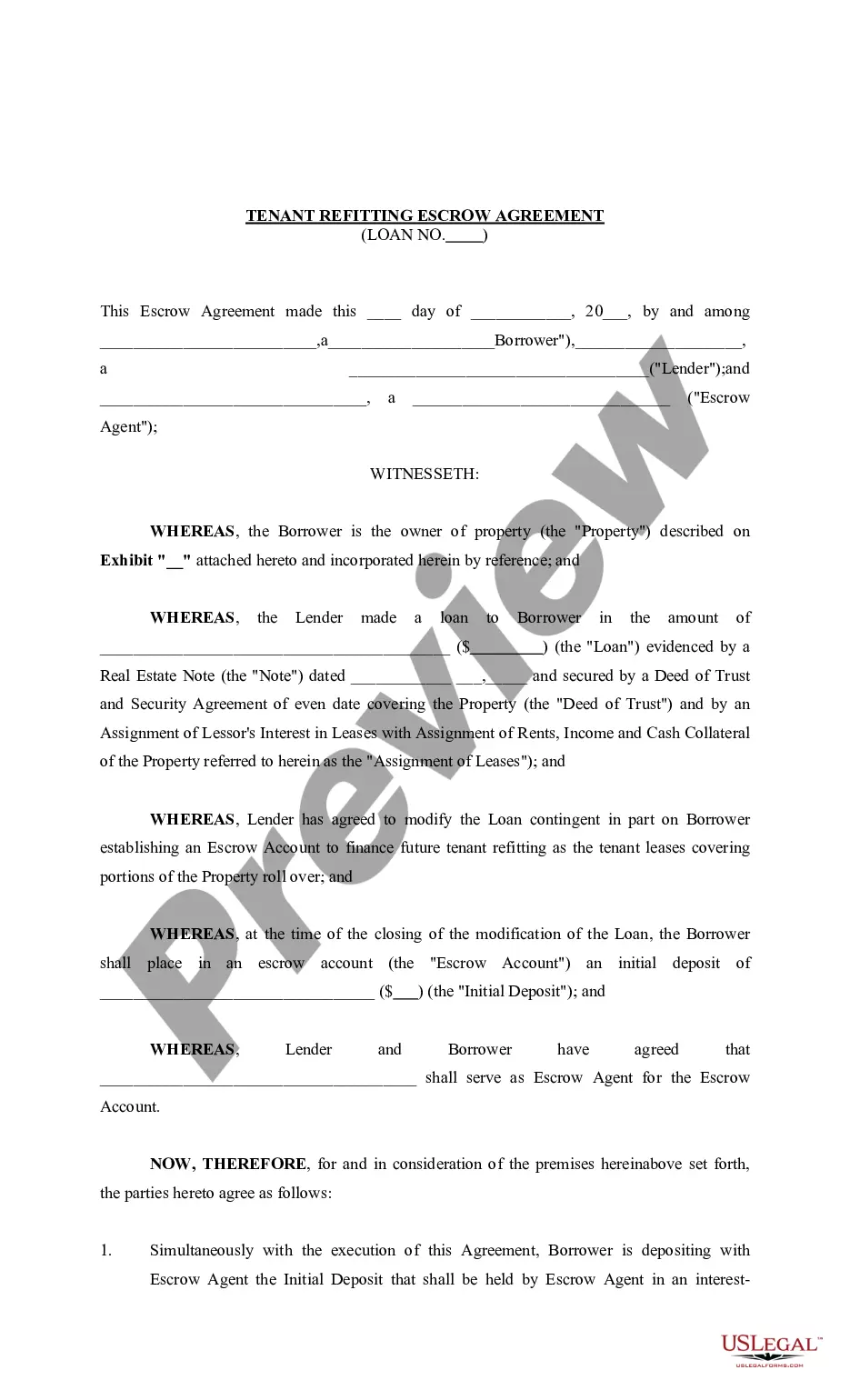
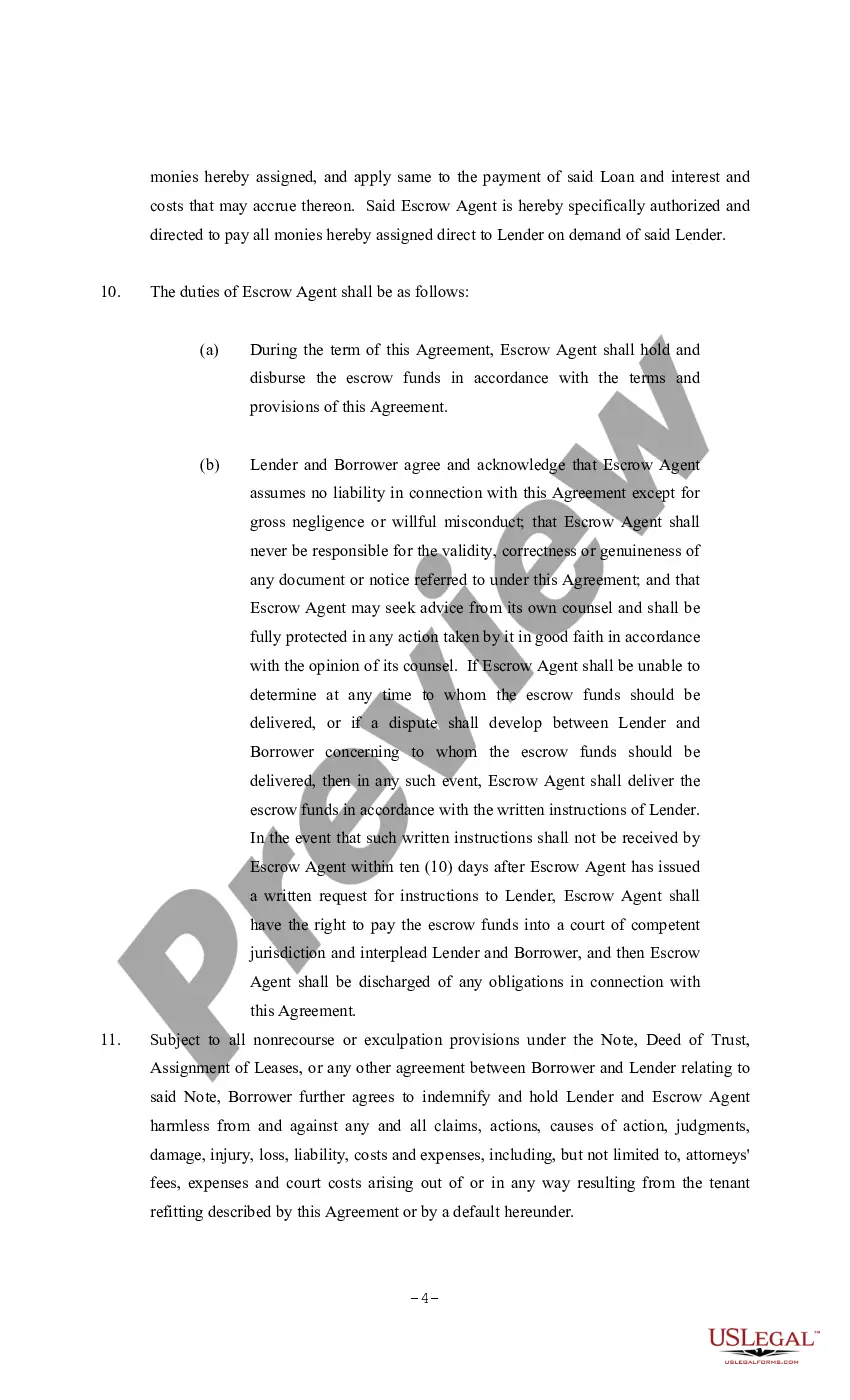
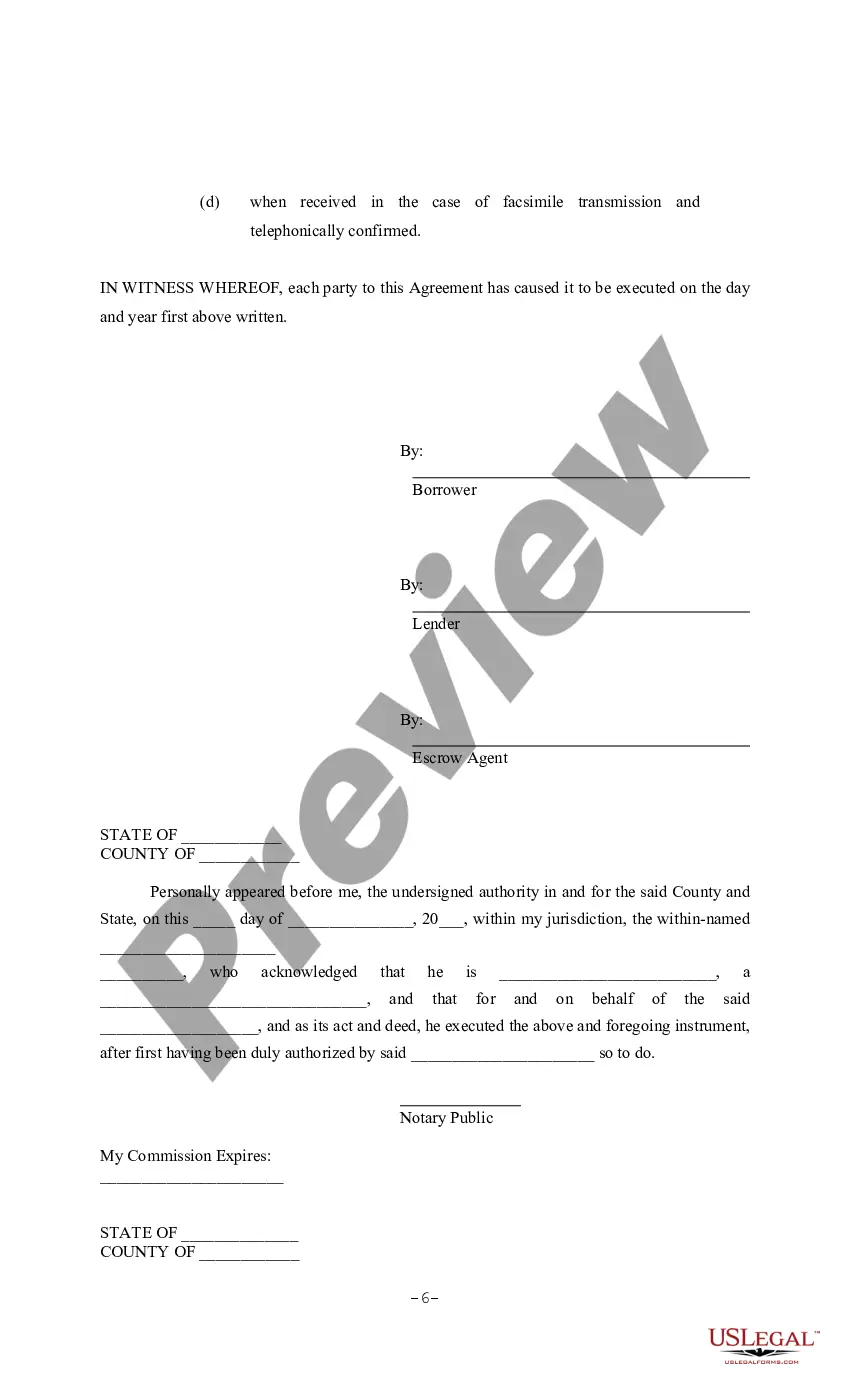
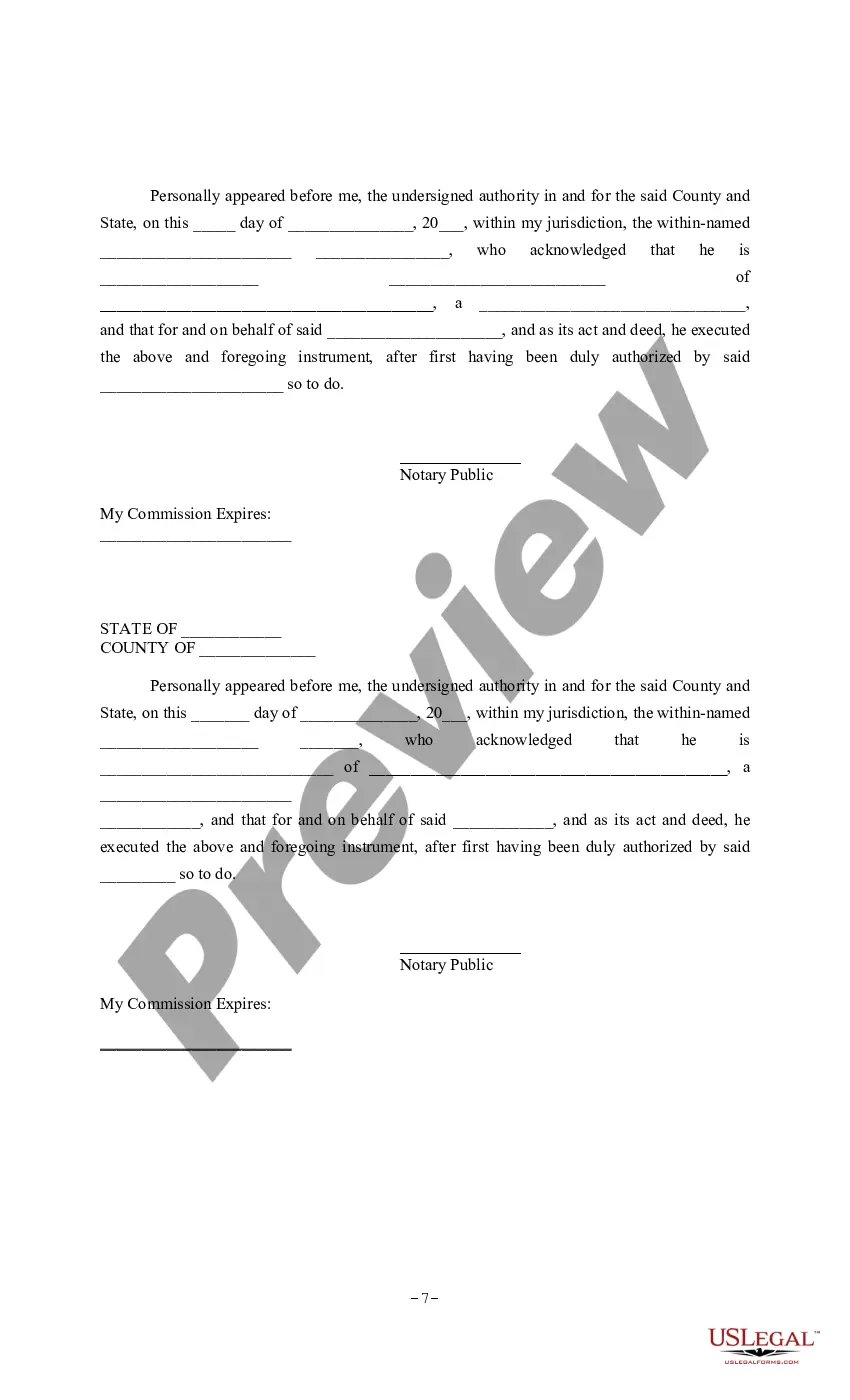
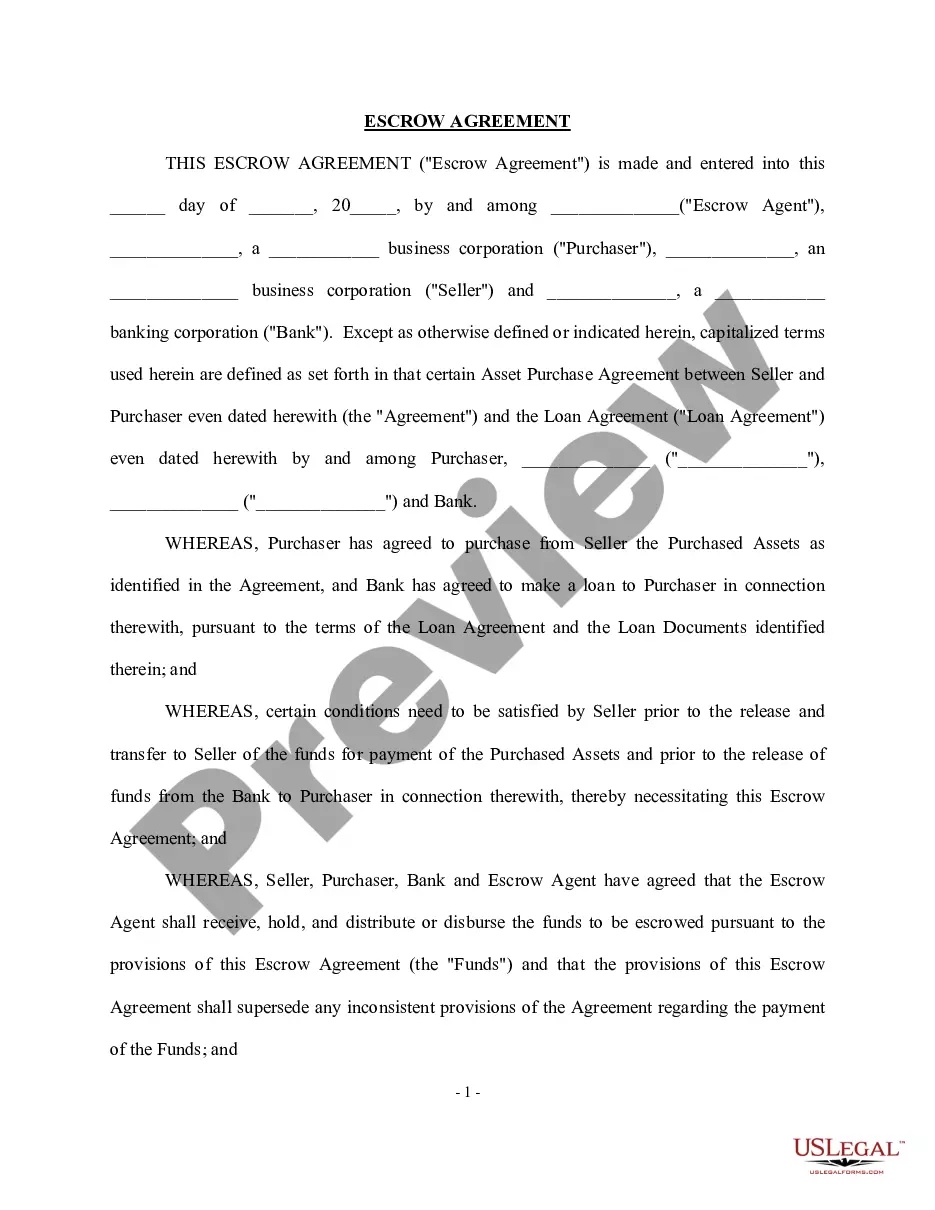
The Tenant Refitting Escrow Agreement is a legal document used in commercial real estate transactions. It establishes an escrow account to manage funds designated for tenant improvements in a leased property. This agreement involves three key parties: the borrower (property owner), the lender, and the escrow agent. It is distinct from other financing agreements as it specifically addresses the allocation of funds for tenant refitting, ensuring both the lender and borrower are protected during the financing process.
Key parts of this document
- Identification of parties: Borrower, lender, and escrow agent are clearly designated.
- Initial deposit requirements: Establishes the funds needed to start the escrow account.
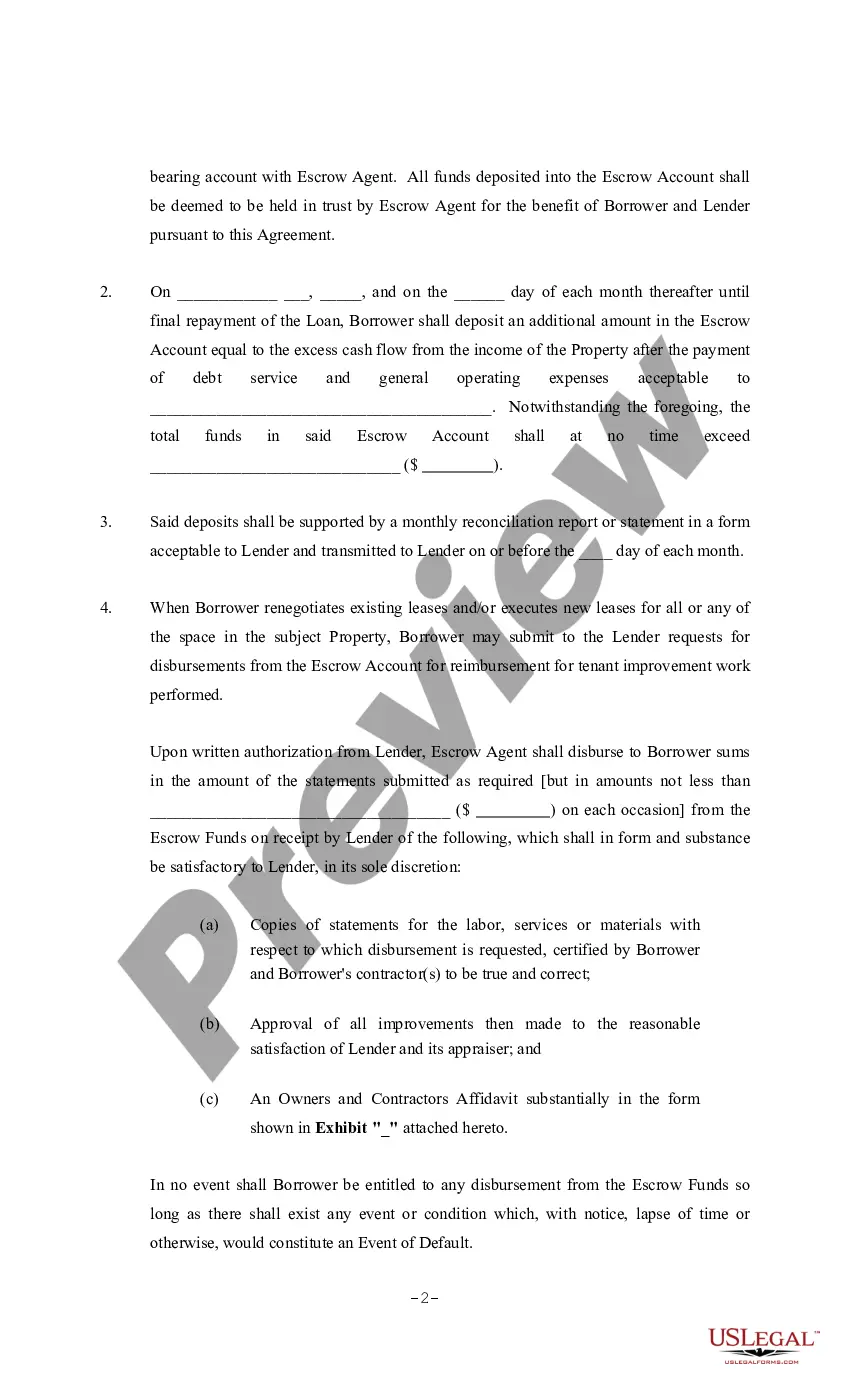
- Conditions for disbursement: Outlines how funds can be accessed for tenant improvements.
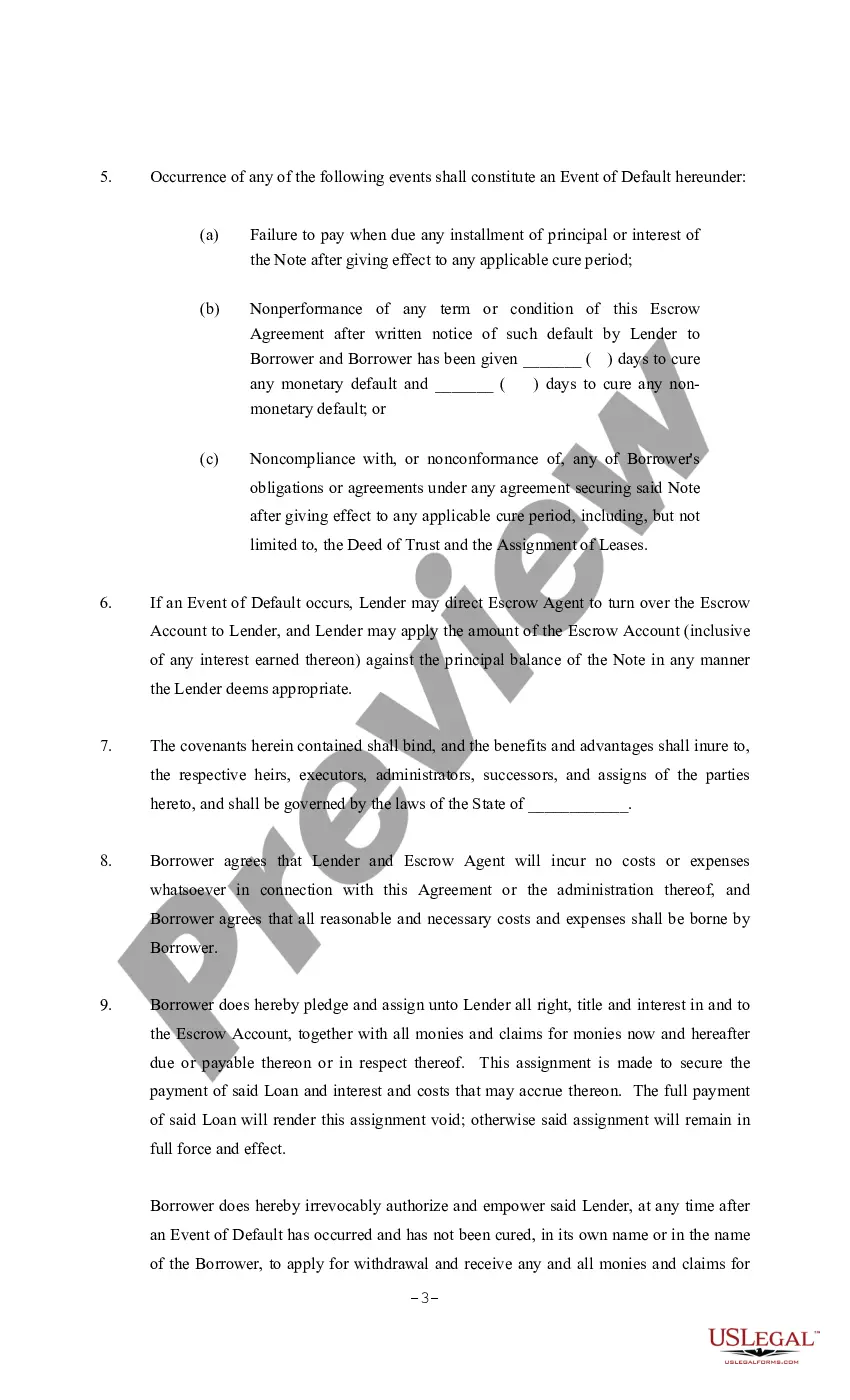
- Events of default: Specifies what constitutes a default and the consequences.
- Monthly reporting obligation: Requires regular account reconciliation to maintain transparency.
- Indemnity provisions: Protects lender and escrow agent from liability related to the agreement.

When to use this document
This form is ideal for property owners who are securing a loan for commercial real estate and need to set aside funds for tenant improvements. It should be used when a borrower renegotiates leases or prepares for new tenants that require upgrades to the leased spaces. When a lender requires collateral in the form of an escrow account for these upgrades, this form becomes essential.
Intended users of this form
This agreement is suitable for:
- Commercial property owners acting as borrowers.
- Lenders providing financing for tenant improvements.
- Escrow agents responsible for managing funds in the escrow account.
Completing this form step by step
- Identify and enter the names and details of all parties involved: borrower, lender, and escrow agent.
- Specify the amount of the initial deposit to be placed in the escrow account.
- Outline the conditions under which disbursement from the escrow account will occur.
- Set the timetable for monthly deposits based on property cash flow.
- Adjust the form to include any specific state laws or requirements as needed.
- Ensure all parties sign the agreement to validate its terms.
Notarization requirements for this form
This form does not typically require notarization unless specified by local law. However, it is advisable to check state-specific regulations to ensure compliance.
Get your form ready online
Our built-in tools help you complete, sign, share, and store your documents in one place.
Make edits, fill in missing information, and update formatting in US Legal Forms—just like you would in MS Word.
Download a copy, print it, send it by email, or mail it via USPS—whatever works best for your next step.
Sign and collect signatures with our SignNow integration. Send to multiple recipients, set reminders, and more. Go Premium to unlock E-Sign.
If this form requires notarization, complete it online through a secure video call—no need to meet a notary in person or wait for an appointment.
We protect your documents and personal data by following strict security and privacy standards.

Make edits, fill in missing information, and update formatting in US Legal Forms—just like you would in MS Word.

Download a copy, print it, send it by email, or mail it via USPS—whatever works best for your next step.

Sign and collect signatures with our SignNow integration. Send to multiple recipients, set reminders, and more. Go Premium to unlock E-Sign.

If this form requires notarization, complete it online through a secure video call—no need to meet a notary in person or wait for an appointment.

We protect your documents and personal data by following strict security and privacy standards.
Avoid these common issues
- Failing to accurately identify all parties involved in the agreement.
- Neglecting to specify conditions for the use of escrow funds.
- Ignoring state-specific regulations that may apply to the escrow agreement.
Why complete this form online
- Convenience: Access and complete the form from anywhere.
- Editable: Easily customize the terms and details as needed.
- Reliable: Ensure accuracy with professionally drafted legal content.
Legal use & context
- The Tenant Refitting Escrow Agreement is legally binding upon execution by all parties.
- It outlines financial responsibilities and obligations that must be adhered to by the borrower and lender.
- Noncompliance with the terms can result in default, affecting property financing and ownership rights.
Main things to remember
- The form establishes a clear framework for managing funds for tenant improvements.
- It protects the interests of all parties involved in the property management and lending process.
- Proper completion and adherence to the agreement are crucial for legal enforceability.
Legal terms and meanings
- Escrow Account: A third-party account where funds are held until specific conditions are met.
- Tenant Improvement: Modifications made to rental spaces to meet the needs of tenants.
- Event of Default: An occurrence that allows the lender to take action against the borrower due to failure to meet obligations.
Looking for another form?
Form popularity
FAQ
A landlord's escrow account is a bank account that holds security deposits in a neutral location so that the funds are accessible when tenants move out.States that don't require a separate escrow account often require landlords to place security deposits in a regulated financial institution.
When you have a problem with an apartment or home you are renting, and your landlord refuses to address it, you can put your rent payments in escrow until the problem is fixed. Putting rent into escrow means that you pay your rent to the clerk of court or some other government agency.
To use the escrow procedure, you pay your full rent into court within 5 days of the date the rent first comes due. You fill out a "Tenant's Assertion and Complaint" form, #DC-429, at the General District Court for the county or city where you live.
Your tenancy is your home, so you're allowed to have other people live with you. You should let your landlord know if someone is going to be moving into your home, but you don't need permission.If you want to add a person to your tenancy, you need your landlord's permission.
If the landlord refuses to make repairs, or fails to make repairs within a reasonable time, the tenant may bring an action of rent escrow, asking to be allowed to pay the rent into court, or may withhold rent from the landlord and wait to be sued.
In general, tenants do not have the right to withhold rent if the landlord does not carry out repairs. Doing so could jeopardise the tenant's right to remain in the accommodation. In certain circumstances, however, a tenant can pay for repairs and deduct the cost from future rent.
Yes, someone can live with the tenant without being on the lease.
Step 1: Obtain a Written Request. Invite the tenant to submit in writing the request to add another person to the lease. Step 2: Check the Property's Occupancy Limit. Step 3: Acquire a Completed Rental Application. Step 4: Make a Decision. Step 5: Review the Details With the Tenants.
Putting rent into escrow means that you pay your rent to the clerk of court or some other government agency. Under this system, the clerk of court releases the rent money to the landlord after the home or apartment is repaired.