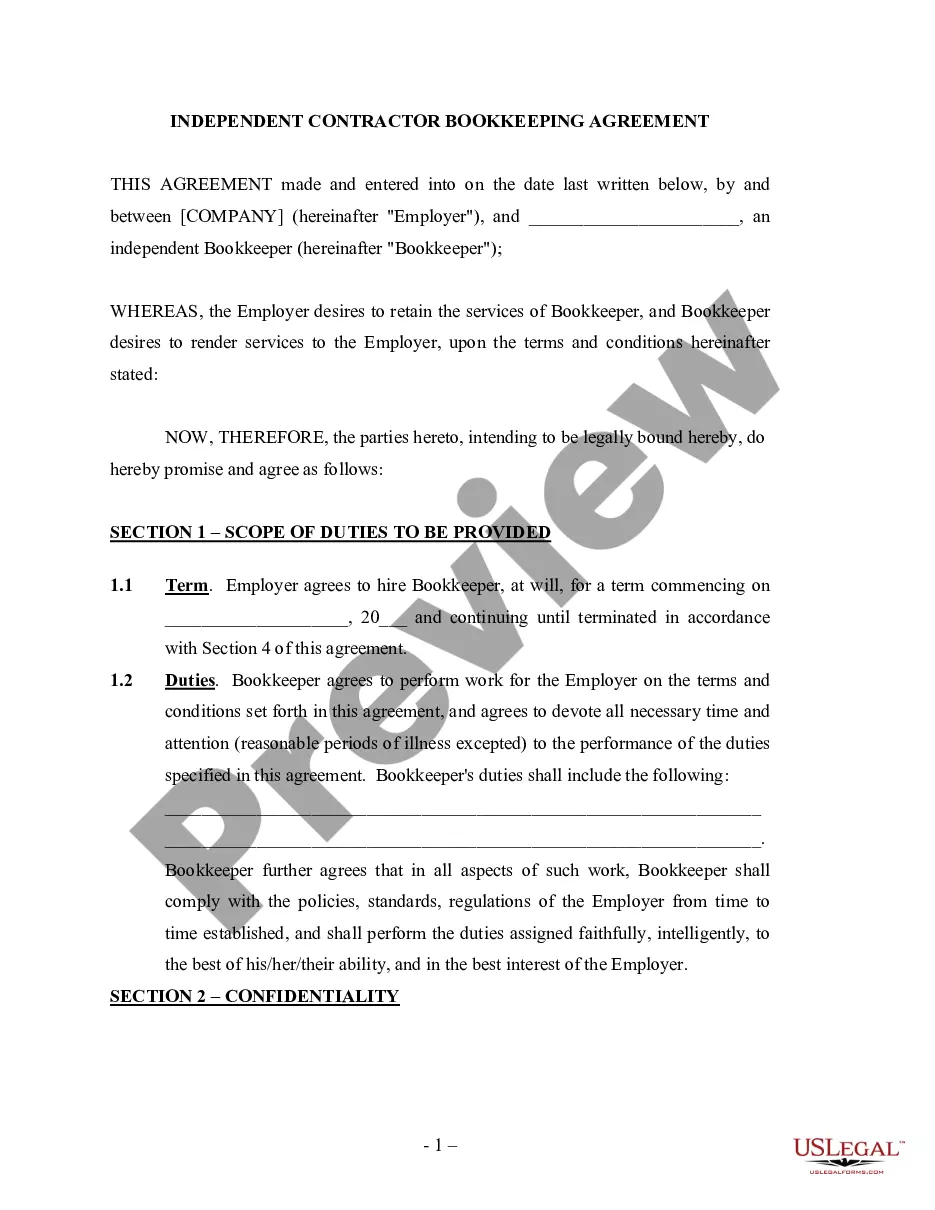
Texas Covenant Running with the Land
What is this form?
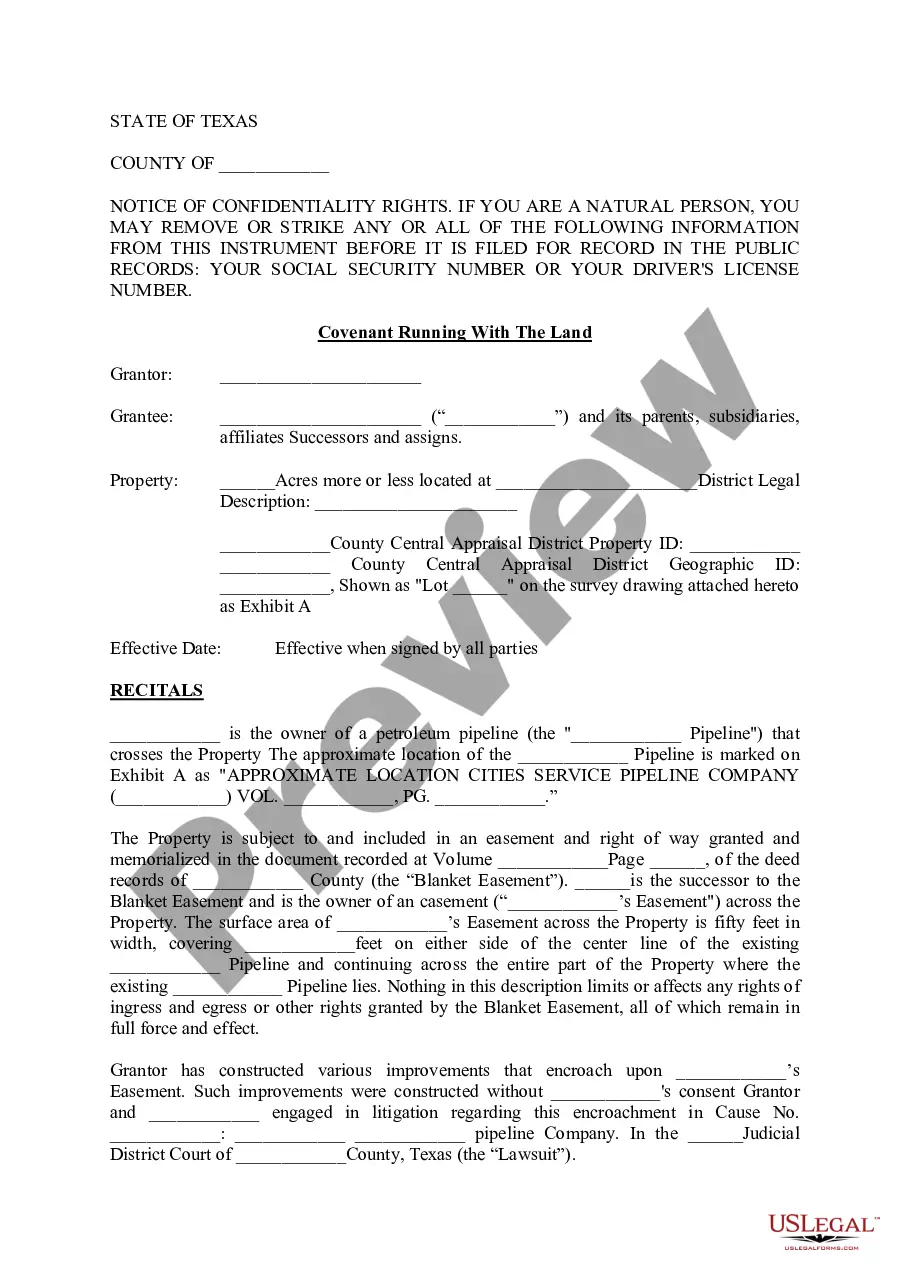
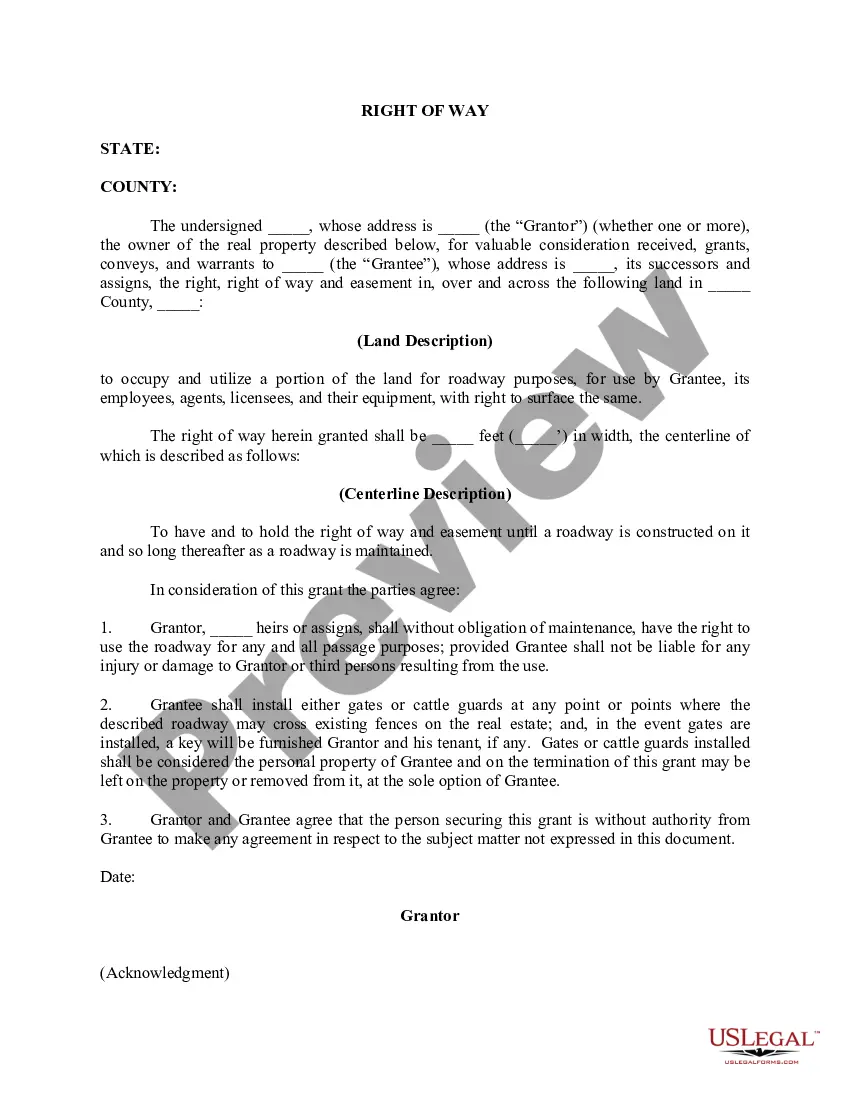
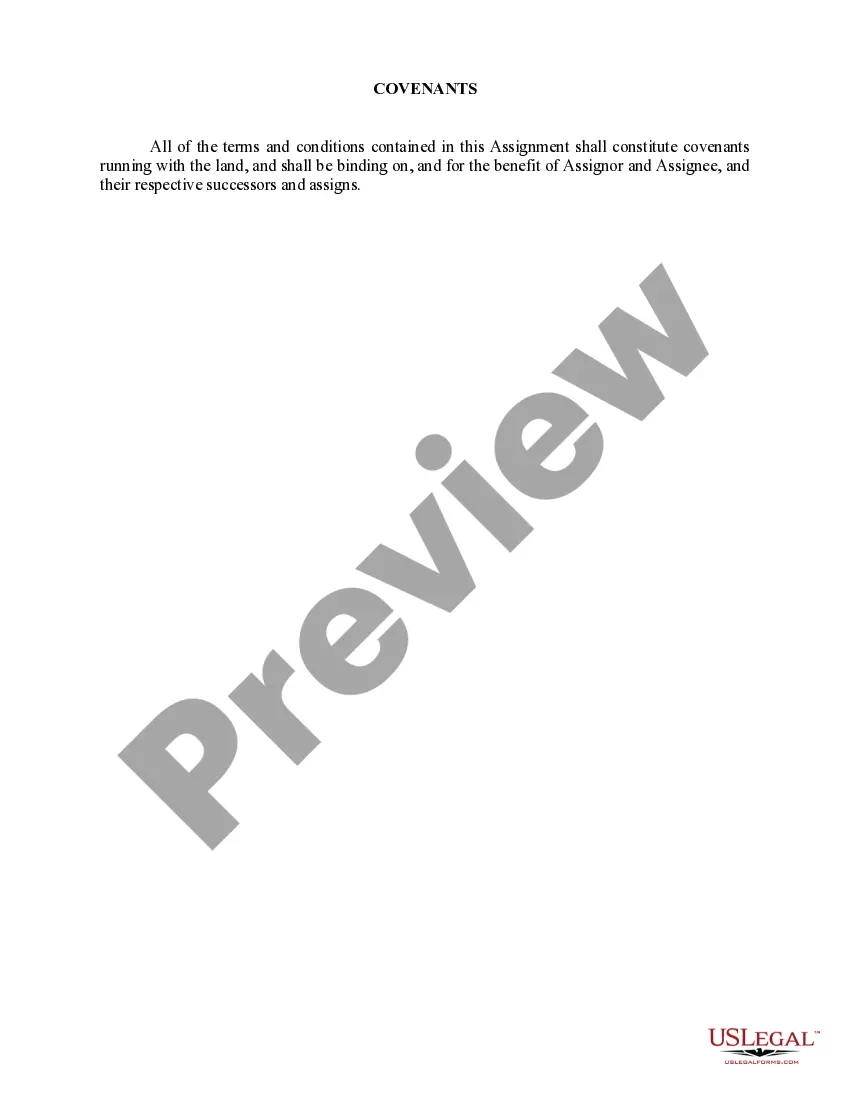
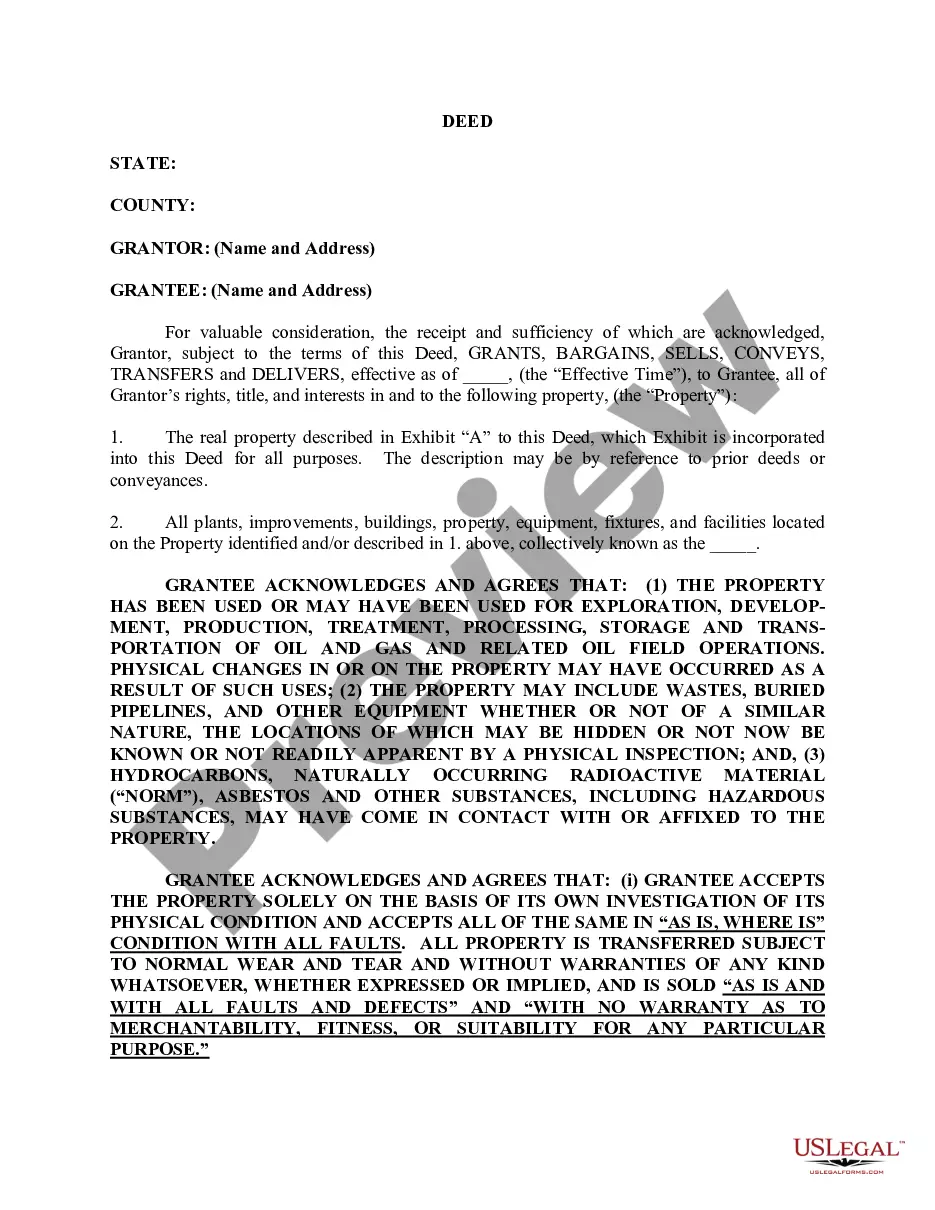
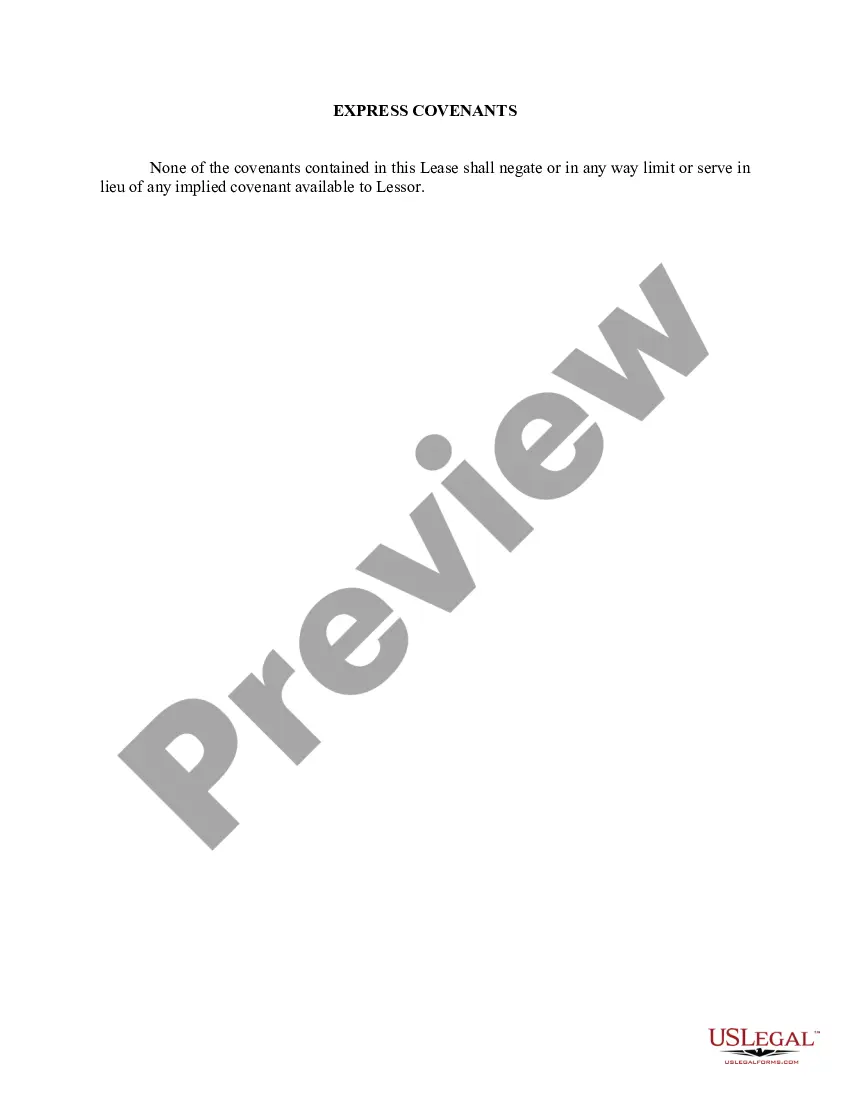
The Covenant Running With the Land is a legal agreement between parties regarding the rights to use a specific piece of real property for a pipeline. Unlike other agreements, this covenant remains valid even if the property is sold or transferred. This form clarifies the responsibilities and rights of the property owner and the entity operating the pipeline, making it vital for real estate transactions involving easements and underground utilities.
Main sections of this form
- Identifies the grantor and grantee involved in the agreement.
- Describes the specific property affected by the covenant.
- Contains recitals documenting the background and context of the covenant.
- Outlines obligations related to construction and use of the easement area.
- Includes clauses for indemnification and liability of the parties involved.
- States the effective date of the agreement once signed by all parties.


Situations where this form applies
This form should be used when there is a need to establish or formalize the rights of parties regarding a pipeline crossing a property. This includes scenarios where a property owner seeks to clarify their responsibilities regarding existing pipelines, or when new construction or activities may affect an existing easement. It is particularly relevant in situations involving legal disputes over property use or when transferring property with existing pipeline easements.
Who should use this form
- Property owners who need to manage existing or potential easements within their land.
- Entities operating pipelines that require legal acknowledgment of their rights.
- Real estate professionals involved in transactions of properties with easement rights.
- Attorneys representing clients in disputes related to land and easements.
Completing this form step by step
- Identify the parties involved by filling in the names of the grantor and grantee.
- Specify the exact property location, including legal descriptions and appraisal district information.
- Document the effective date, ensuring it reflects when all parties have signed.
- Review the recitals and obligations sections thoroughly for accuracy and completeness.
- All parties must sign the document in the presence of a notary public if applicable.
Does this form need to be notarized?
Yes, this form must be notarized to be legally valid. US Legal Forms offers integrated online notarization, allowing you to complete the process securely via video call, eliminating the need for travel and ensuring legal equivalency.
Get your form ready online
Our built-in tools help you complete, sign, share, and store your documents in one place.
Make edits, fill in missing information, and update formatting in US Legal Forms—just like you would in MS Word.
Download a copy, print it, send it by email, or mail it via USPS—whatever works best for your next step.
Sign and collect signatures with our SignNow integration. Send to multiple recipients, set reminders, and more. Go Premium to unlock E-Sign.
If this form requires notarization, complete it online through a secure video call—no need to meet a notary in person or wait for an appointment.
We protect your documents and personal data by following strict security and privacy standards.

Make edits, fill in missing information, and update formatting in US Legal Forms—just like you would in MS Word.

Download a copy, print it, send it by email, or mail it via USPS—whatever works best for your next step.

Sign and collect signatures with our SignNow integration. Send to multiple recipients, set reminders, and more. Go Premium to unlock E-Sign.

If this form requires notarization, complete it online through a secure video call—no need to meet a notary in person or wait for an appointment.

We protect your documents and personal data by following strict security and privacy standards.
Typical mistakes to avoid
- Failing to accurately describe the property in the legal description.
- Not including all parties involved, which can lead to legal disputes.
- Overlooking necessary signatures or notary requirements for the form's validity.
- Ignoring to clarify obligations regarding existing improvements on the easement.
Benefits of using this form online
- Convenient access to professionally drafted legal forms at any time.
- Edit and customize the form easily to fit specific circumstances.
- Reliable templates that adhere to current legal standards.
- Ability to complete and store documents electronically for future reference.
Looking for another form?


Form popularity
FAQ
(a) Notwithstanding Section 1468 or any other provision of law, a covenant made by an owner of land or by the grantee of land to do or refrain from doing some act on his or her own land, which doing or refraining is expressed to be for the benefit of the covenantee, regardless of whether or not it is for the benefit of
Can a restrictive covenant be removed? For prospective land or property purchasers, it may be possible to speak to the vendor or 'successor in title' with a view to having any restriction lifted. In other words, you may be able to remove your restrictive covenant- but there are no guarantees.
However before taking legal action it is important to establish that you do have the right to enforce the covenant. Generally only the owner of land which was, or was part of, the land intended to be benefited by the covenant, can enforce it.
When the title is transferred, the easement typically remains with the property.This type of easement "runs with the land," which means that if the property is bought or sold, it is bought or sold with the easement in place. The easement essentially becomes part of the legal description.
"Running with the land" refers to the rights and covenants in a real estate deed that remain with the land regardless of ownership. When rights and covenants run with the land when the property changes hands.
An easement which passes (or runs) with land so as to benefit successors can only exist where a number of requirements are satisfied: The land must benefit one piece of land which is in different ownership from another piece of land over which the rights are exercised; and.
A restrictive covenant is a private agreement between land owners where one party will restrict the use of its land in some way for the benefit of another's land.In other words, the restrictive covenant 'runs with the land'.
An easement is said to "run with the land", i.e. it cannot be sold separately from the land but must be passed on with the land whenever the land is transferred to a new owner.
The important thing to remember about restrictive covenants is that they 'run with the land'. This means that they are applicable to all future purchasers of the property and not just the original purchaser.