Covenants
Understanding this form
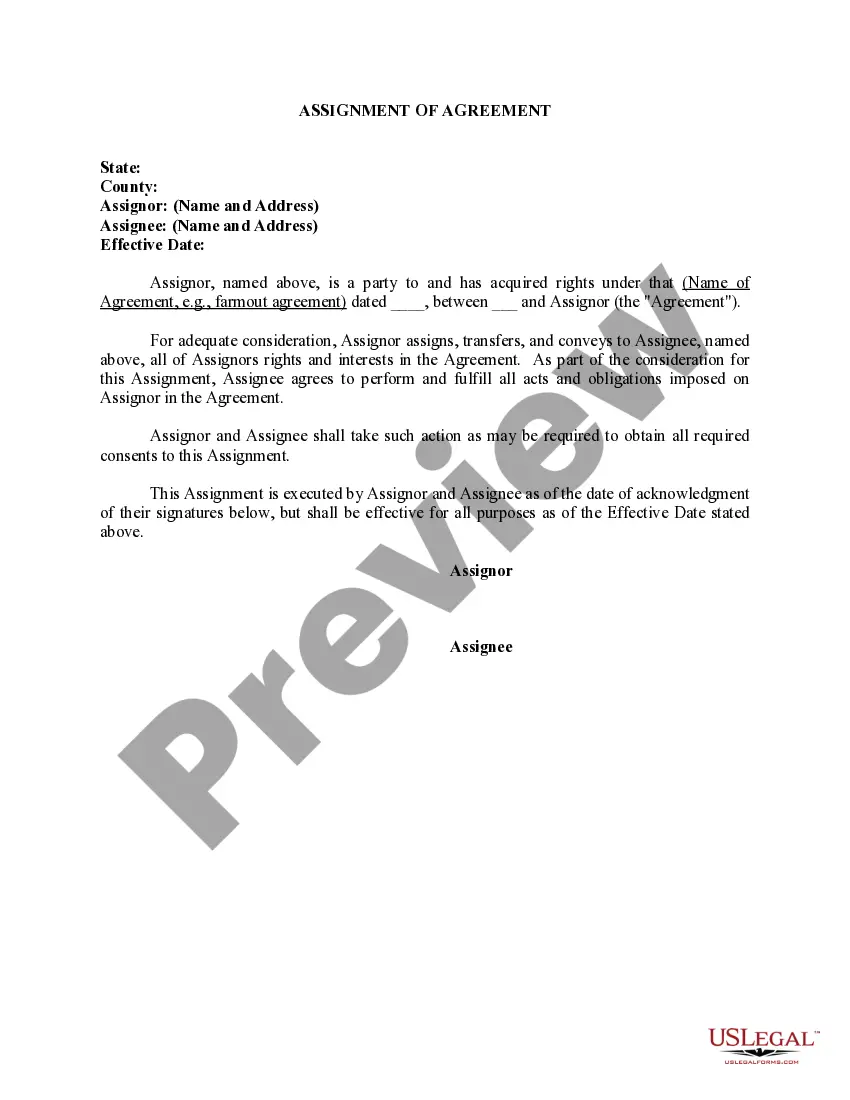
The Covenants form outlines the terms and conditions that create binding obligations on the parties involved in a property assignment. This legal document ensures that both the assignor and assignee, along with their successors, adhere to the specified covenants associated with the land. Unlike general property agreements, this form specifically focuses on the enforceability of these covenants, making it crucial for property transactions and transfers.
Key parts of this document
- Identification of Assignor and Assignee: Clearly states the parties involved in the assignment.
- Terms of Assignment: Details the obligations and rights both parties must uphold.
- Covenants Running with the Land: Specifies how the covenants are attached to the property and bind successors.
- Successors and Assigns Clause: Clarifies the extendable nature of the covenants to future owners.
When this form is needed
You should use the Covenants form in situations where you are transferring property rights and want to ensure that specific conditions or limitations are upheld by both the current and future owners. This is applicable during property sales, leases, or any transaction that involves the conveyance of interest in a property where ongoing obligations need to be clearly defined and enforceable.
Who needs this form
- Property owners who are assigning their interest in real estate.
- Individuals or businesses involved in property transactions.
- Real estate attorneys or agents preparing documentation for clients.
- Investors looking to clarify obligations when buying property.
How to prepare this document
- Identify the parties: Specify the names of the assignor and assignee.
- Define the property: Clearly describe the property involved in the assignment.
- Outline the terms: Include any specific covenants that apply to the property.
- Enter dates: Provide the effective date of the assignment.
- Signatures: Ensure both parties sign the document to validate the agreement.
Does this form need to be notarized?
To make this form legally binding, it must be notarized. Our online notarization service, powered by Notarize, lets you verify and sign documents remotely through an encrypted video session.
Get your form ready online
Our built-in tools help you complete, sign, share, and store your documents in one place.
Make edits, fill in missing information, and update formatting in US Legal Forms—just like you would in MS Word.
Download a copy, print it, send it by email, or mail it via USPS—whatever works best for your next step.
Sign and collect signatures with our SignNow integration. Send to multiple recipients, set reminders, and more. Go Premium to unlock E-Sign.
If this form requires notarization, complete it online through a secure video call—no need to meet a notary in person or wait for an appointment.
We protect your documents and personal data by following strict security and privacy standards.

Make edits, fill in missing information, and update formatting in US Legal Forms—just like you would in MS Word.

Download a copy, print it, send it by email, or mail it via USPS—whatever works best for your next step.

Sign and collect signatures with our SignNow integration. Send to multiple recipients, set reminders, and more. Go Premium to unlock E-Sign.

If this form requires notarization, complete it online through a secure video call—no need to meet a notary in person or wait for an appointment.

We protect your documents and personal data by following strict security and privacy standards.
Typical mistakes to avoid
- Failing to include all parties involved in the assignment.
- Not clearly describing the property, leading to disputes.
- Overlooking specific covenants that should have been included.
- Missing signatures or dates, which may render the document invalid.
Why complete this form online
- Convenient access: Download and complete the form at your own pace.
- Editability: Tailor the document to meet specific needs easily.
- Reliability: Receive forms drafted by licensed attorneys, ensuring legal compliance.
Legal use & context
- Covenants are enforceable legal obligations that bind property successors.
- Understanding these covenants is crucial to preventing future disputes over property use.
Summary of main points
- The Covenants form ensures that specific obligations regarding property run with the land.
- It is important for anyone involved in property transfers to understand these covenants.
- Consulting a legal professional can help navigate state-specific requirements and language.
Looking for another form?
Form popularity
FAQ
Covenants usually arise in a contractual agreement between the buyer and seller of the land. So long as the covenant is correctly worded to 'attach' to the land itself, it continues to apply if the land is sold on, unless it has been modified or discharged. Covenants are legally binding and enforceable by the court.
Baptism/sacraments. Marriage. Ordination. Oath of loyalty to state/ oath of allegiance. Trade agreements/ treaties. Peace treaties. Land buying contracts. Employment contracts.
2.1 Number of biblical covenants. 2.2 Edenic covenant. 2.3 Noahic covenant. 2.4 Abrahamic covenant. 2.5 Mosaic covenant. 2.6 Priestly covenant. 2.7 Davidic covenant. 2.7.1 Christian view of Davidic covenant. 2.8 New covenant (Christian)
Bible. the conditional promises made to humanity by God, as revealed in Scripture. the agreement between God and the ancient Israelites, in which God promised to protect them if they kept His law and were faithful to Him.
Creating a Covenant Typically they will be imposed by the developer when a property is built or by a seller who is selling part of his land and retaining the remainder but can be imposed at any time. A covenant can be created by separate deed (a Deed of Covenant).
The definition of a covenant is an agreement between members to do a specific thing. An example of covenant is a peace treaty among multiple countries.A covenant that requires one party to fulfill her promise to do or not do something at the same time the other party to the covenant has to fulfill his promise.
Examples in U.S. Palos Verdes, Los Angeles, California covenants forbade an owner to sell or rent a house to anyone not of the white or Caucasian race or to permit African Americans on their property with the exception of chauffeurs, gardeners, and domestic servants.
A restrictive covenant is an agreement that restricts a company or other party to a contract from engaging in certain actions. For example, a restrictive covenant entered into with a public company might limit the amount of dividends the firm can pay its shareholders.
If a neighbour threatens to breach a restrictive covenant binding on them you will probably want to obtain an injunction to prevent breach rather than simply claim monetary compensation.Generally only the owner of land which was, or was part of, the land intended to be benefited by the covenant, can enforce it.