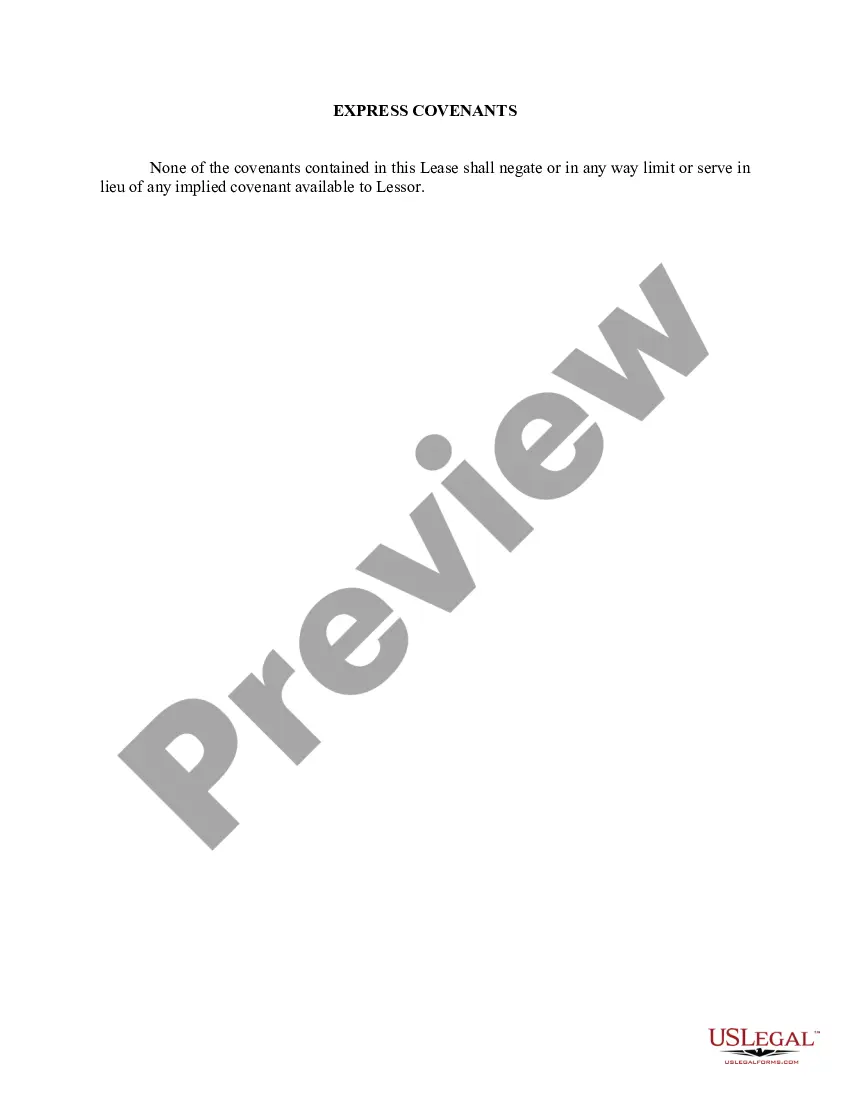
Express Covenants
Overview of this form
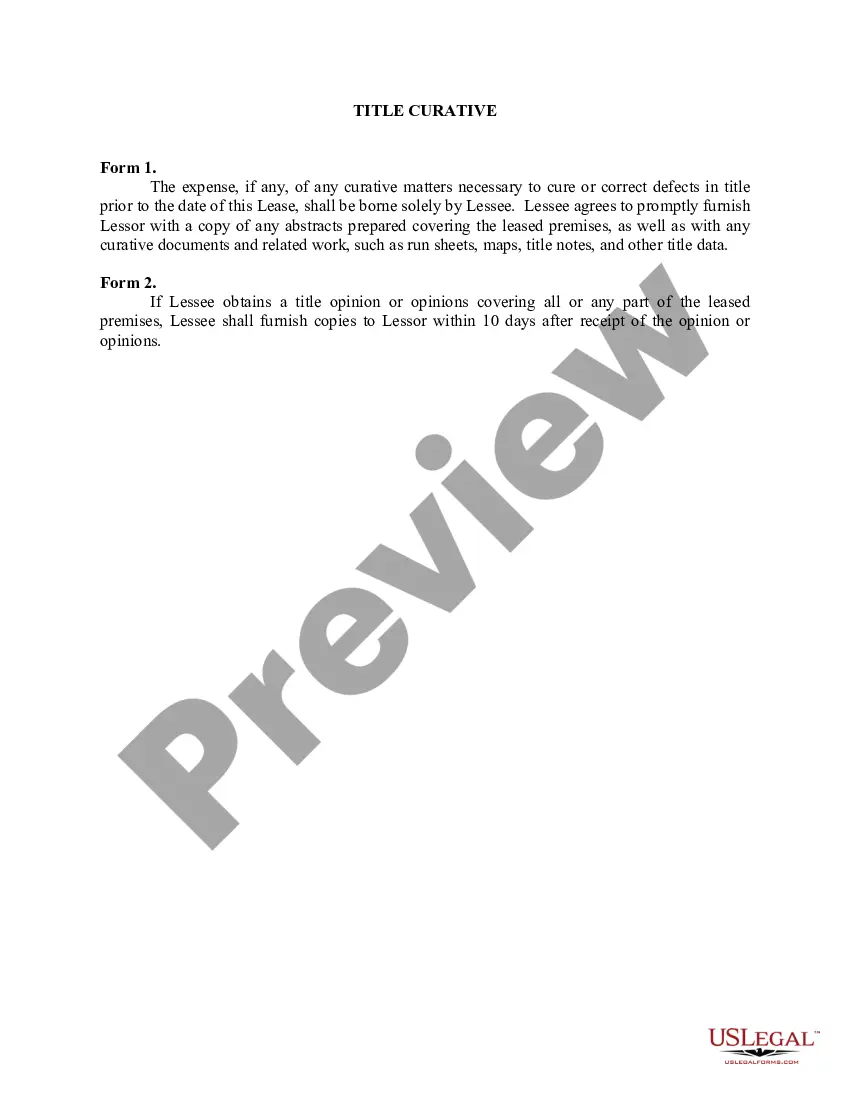
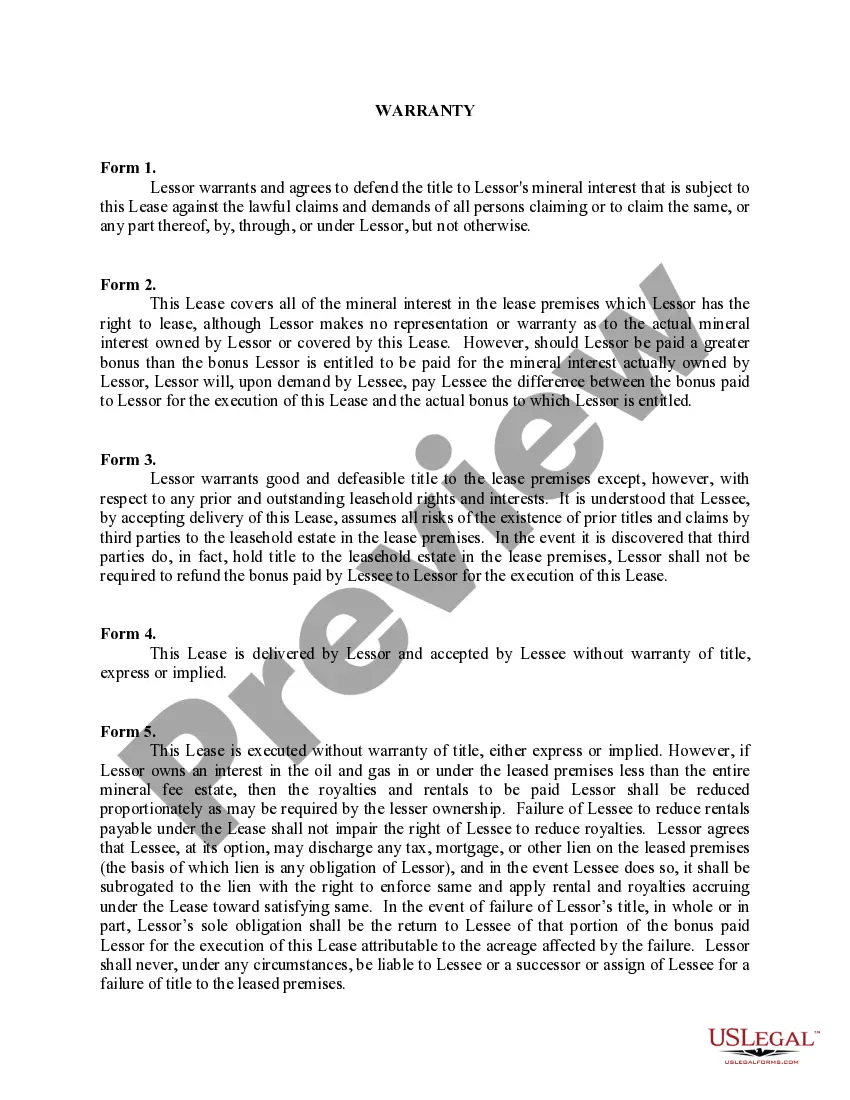
The Express Covenants form is a lease rider that allows lessors to add specific provisions to an Oil and Gas Lease. This form is useful when you are negotiating terms with the lessee and want to tailor the lease conditions to better address your concerns. Compared to standard lease agreements, this form provides flexibility by permitting additional covenants and limitations on lessee rights, making it an essential tool for property owners involved in leasing arrangements.
Main sections of this form
- Introduction to express covenants and their legal impact.
- Specification of additional provisions tailored to the lessor's needs.
- Clauses that clarify limitations on the lessee's rights within the lease.
- Stipulation that fewer implied covenants do not diminish the lessorâs rights.
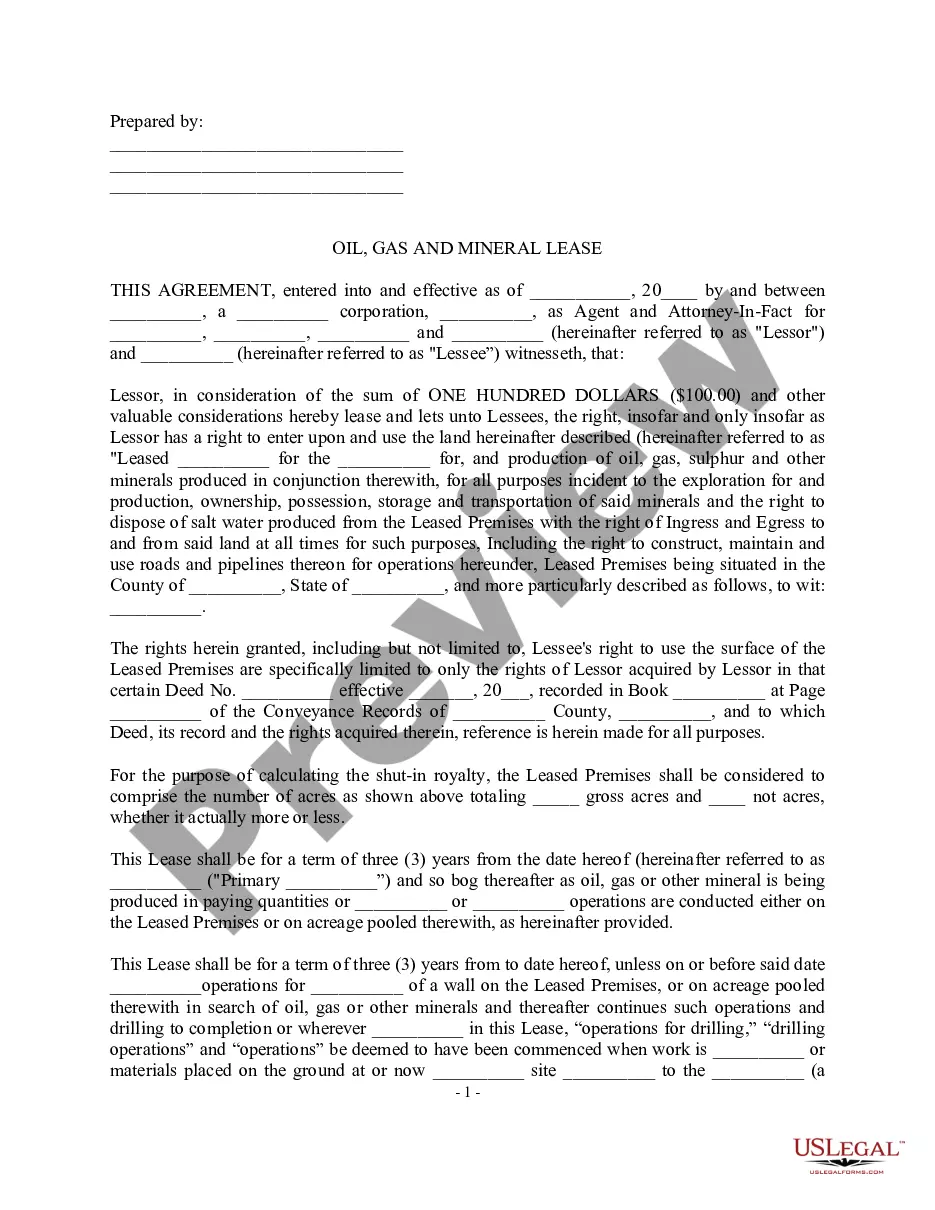
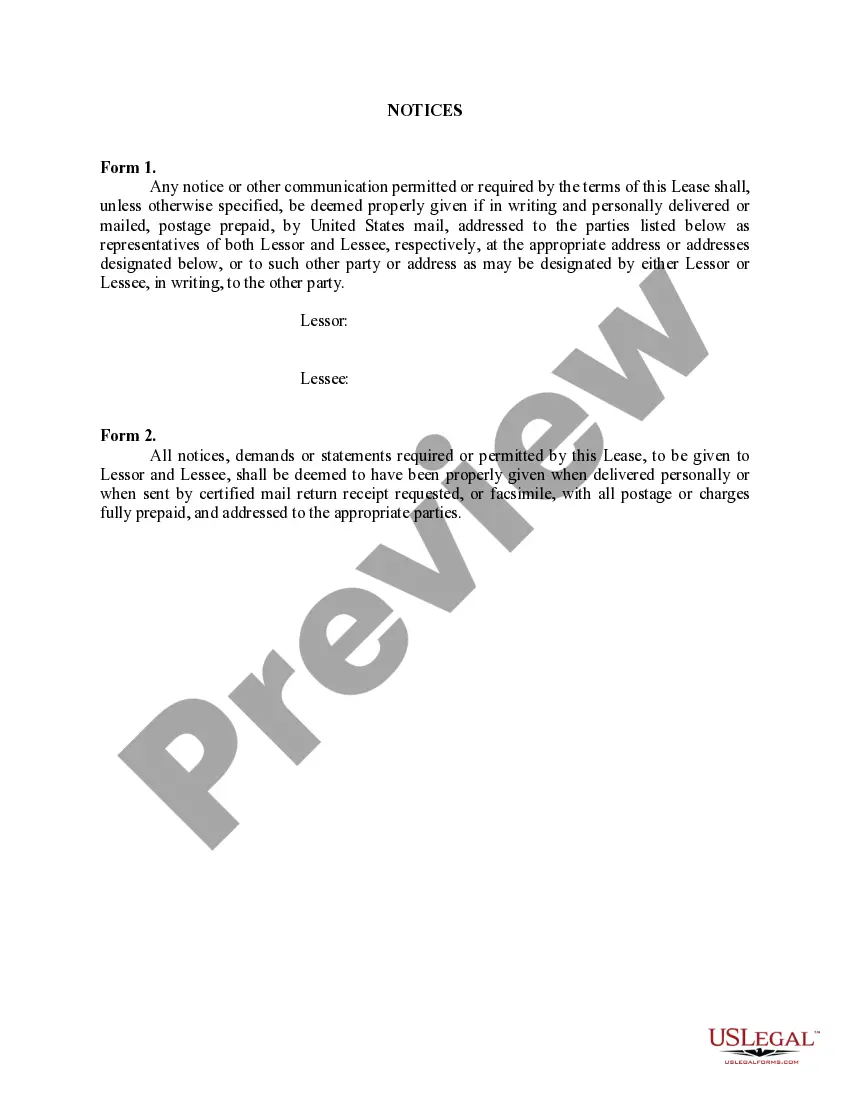
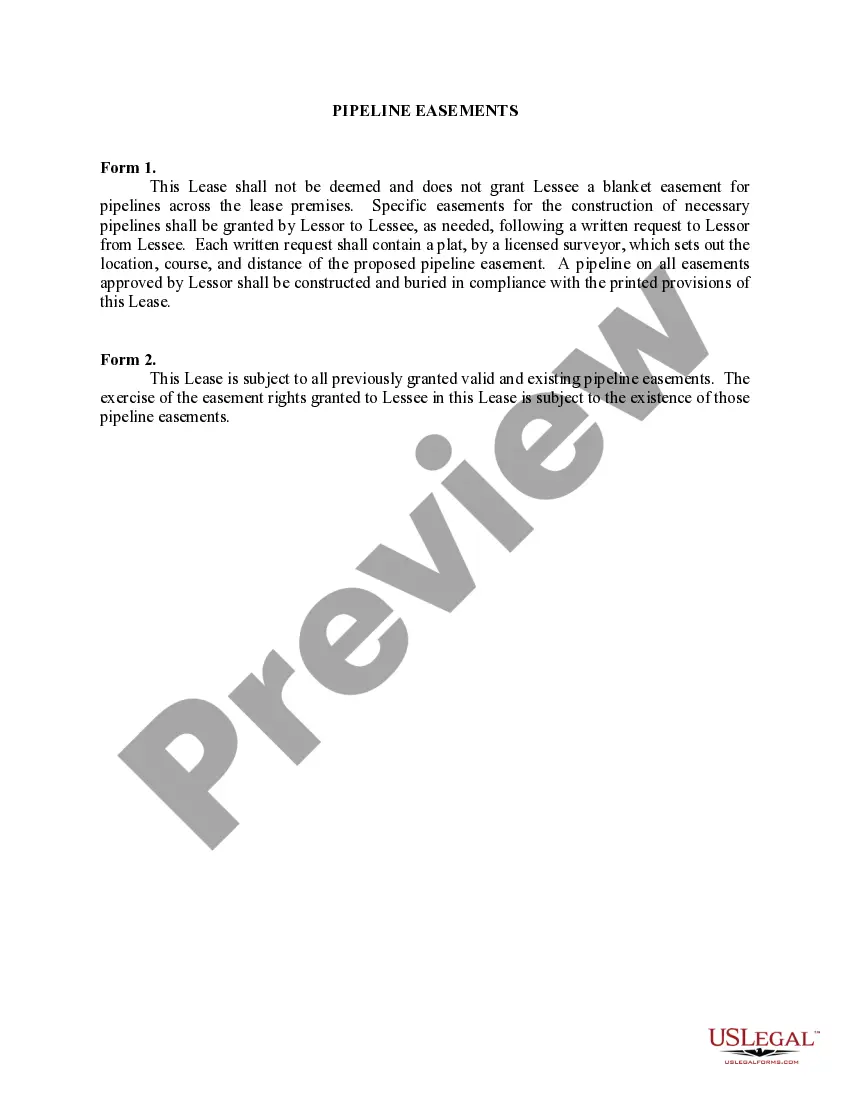
Situations where this form applies
This form is typically used during lease negotiations when a property owner wishes to include specific terms that are not covered by standard oil and gas lease agreements. It is particularly relevant if there are unique concerns about property rights, environmental issues, or operational restrictions that the lessor wants to ensure are formally documented within the lease.
Who should use this form
- Property owners entering an oil and gas lease.
- Lessors looking to add specific covenants to a lease agreement.
- Individuals or businesses that wish to clarify rights and obligations within oil and gas leasing.
Steps to complete this form
- Identify the parties involved in the lease (lessor and lessee).
- Review the standard Oil and Gas Lease form provided by the lessee.
- Add any specific covenants that address your concerns.
- Specify limitations on lessee rights as needed.
- Sign and date the completed form to finalize the agreement.
Does this form need to be notarized?
This form does not typically require notarization unless specified by local law. However, notarization can add an extra layer of security and validation to the leasing process.
Get your form ready online
Our built-in tools help you complete, sign, share, and store your documents in one place.
Make edits, fill in missing information, and update formatting in US Legal Forms—just like you would in MS Word.
Download a copy, print it, send it by email, or mail it via USPS—whatever works best for your next step.
Sign and collect signatures with our SignNow integration. Send to multiple recipients, set reminders, and more. Go Premium to unlock E-Sign.
If this form requires notarization, complete it online through a secure video call—no need to meet a notary in person or wait for an appointment.
We protect your documents and personal data by following strict security and privacy standards.

Make edits, fill in missing information, and update formatting in US Legal Forms—just like you would in MS Word.

Download a copy, print it, send it by email, or mail it via USPS—whatever works best for your next step.

Sign and collect signatures with our SignNow integration. Send to multiple recipients, set reminders, and more. Go Premium to unlock E-Sign.

If this form requires notarization, complete it online through a secure video call—no need to meet a notary in person or wait for an appointment.

We protect your documents and personal data by following strict security and privacy standards.
Common mistakes to avoid
- Failing to clearly define additional covenants.
- Neglecting to review the standard lease terms before adding provisions.
- Overlooking state-specific requirements or regulations.
Benefits of using this form online
- Convenient access to customizable legal templates.
- Edit and download the form at your convenience.
- Templates are drafted by licensed attorneys, ensuring legal compliance.
What to keep in mind
- The Express Covenants form is critical for lessors wanting to modify standard lease agreements.
- It allows for the inclusion of custom terms while protecting implied covenants.
- Ensure all necessary details are provided to avoid common pitfalls in lease agreements.
Looking for another form?

Form popularity
FAQ
Covenants usually arise in a contractual agreement between the buyer and seller of the land. So long as the covenant is correctly worded to 'attach' to the land itself, it continues to apply if the land is sold on, unless it has been modified or discharged. Covenants are legally binding and enforceable by the court.
What Is A Restrictive Covenant? A restrictive covenant is a document registered at the Alberta Land Titles Office. Essentially, the document includes an agreement between the owners of two or more properties. In some instances, the same person or company owns all the pieces of land to which the restriction is applied.
Limitations On Home Color. Rent And Lease Restrictions. Restrictions On Business Usage. Limitations On Permissible Pets. Requirements For Exterior Maintenance. Restrictions On Exterior Constructions.
Restrictive covenants may contain 4 different types of promises: (1) a promise not to compete with one's former employer; (2) a promise not to solicit or accept business from customers of the former employer; (3) a promise not to recruit or hire away employees of the former employer; and (4) the promise not to use or
An agreement, contract, or written promise between two individuals that frequently constitutes a pledge to do or refrain from doing something. There are two major categories of covenants in the law governing real property transactions: covenants running with the land and covenants for title.
A restrictive covenant is an agreement that restricts a company or other party to a contract from engaging in certain actions. For example, a restrictive covenant entered into with a public company might limit the amount of dividends the firm can pay its shareholders.
A restrictive covenant creates a deed restricted community. It is an agreement that states what a homeowner can or cannot do with their house or land. They are binding legal obligations which sellers write into the deed or contract of the property, and they can have penalties against buyers who fail to follow them.
Requirements in US Law The covenant will typically be written in the deed, and must be in writing due to the statute of frauds.The covenant must be in writing to satisfy the Statute of Frauds. The original parties to the agreement must have intended that successors be bound by the agreement.
How long do covenants last? Most covenants will remain on the land forever however it is becoming more common now to see a date (say 10 years) after which certain covenants will no longer apply. A covenant can normally only be removed with the consent of the land owner(s) having the benefit of the covenant.