Texas Motion To Access Confidential Sealed Records
About this form
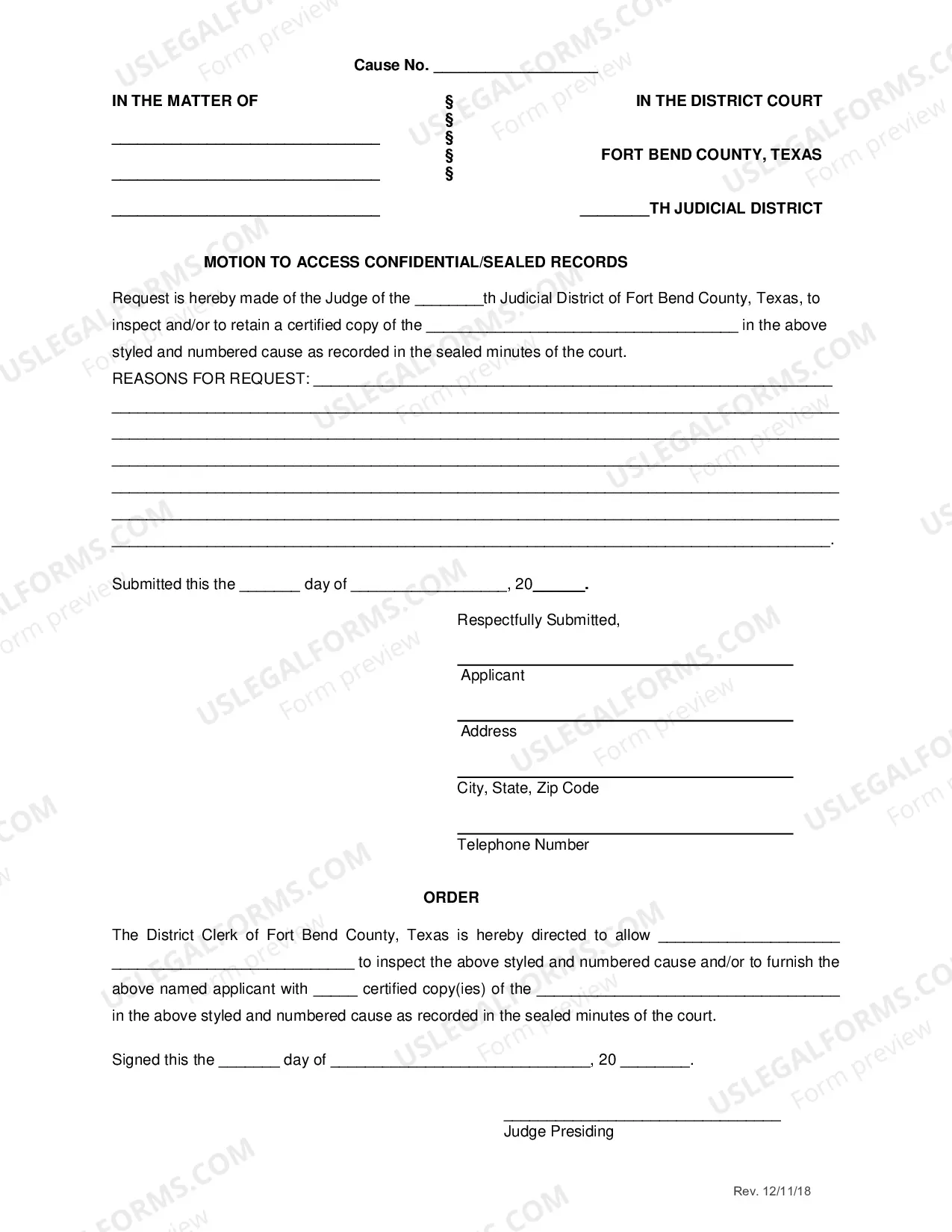
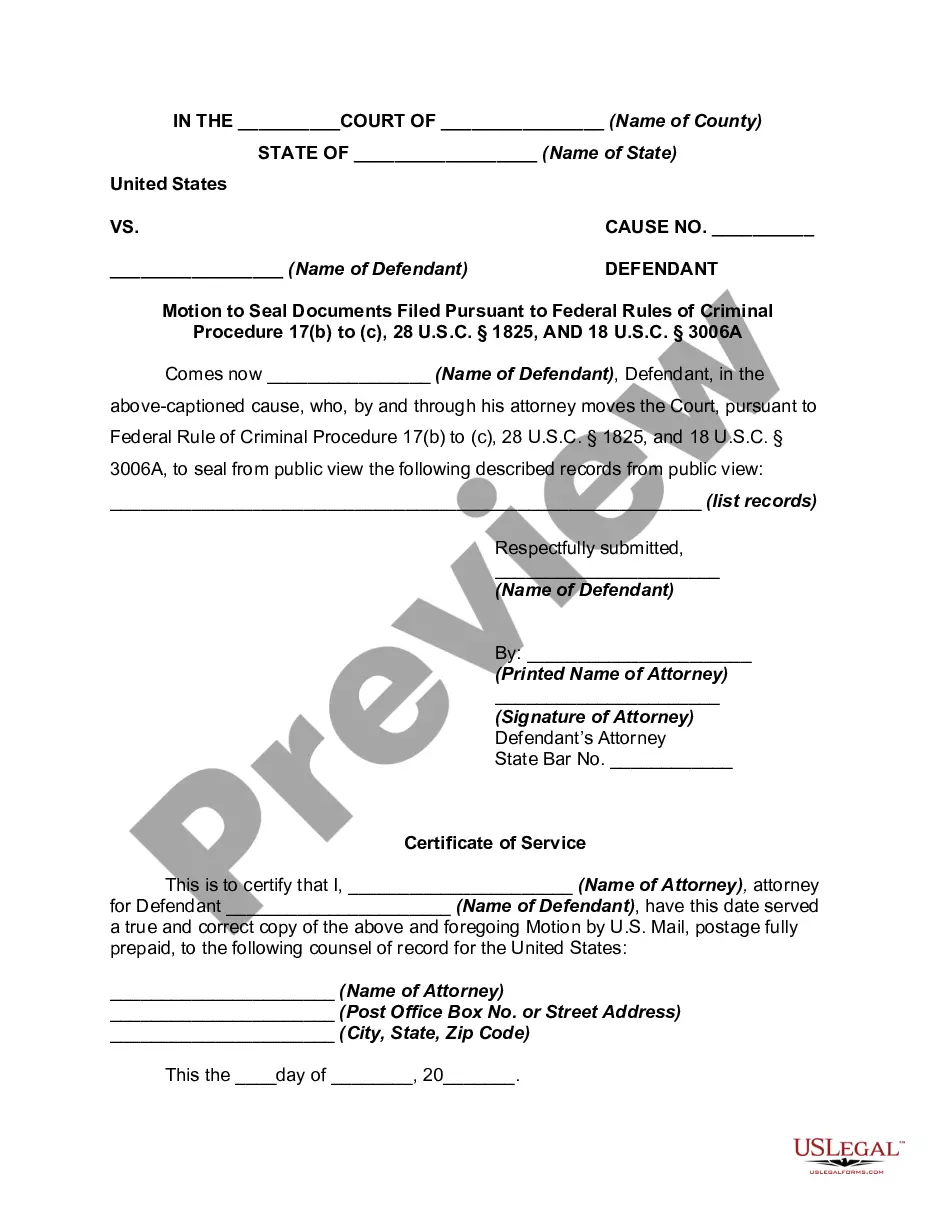
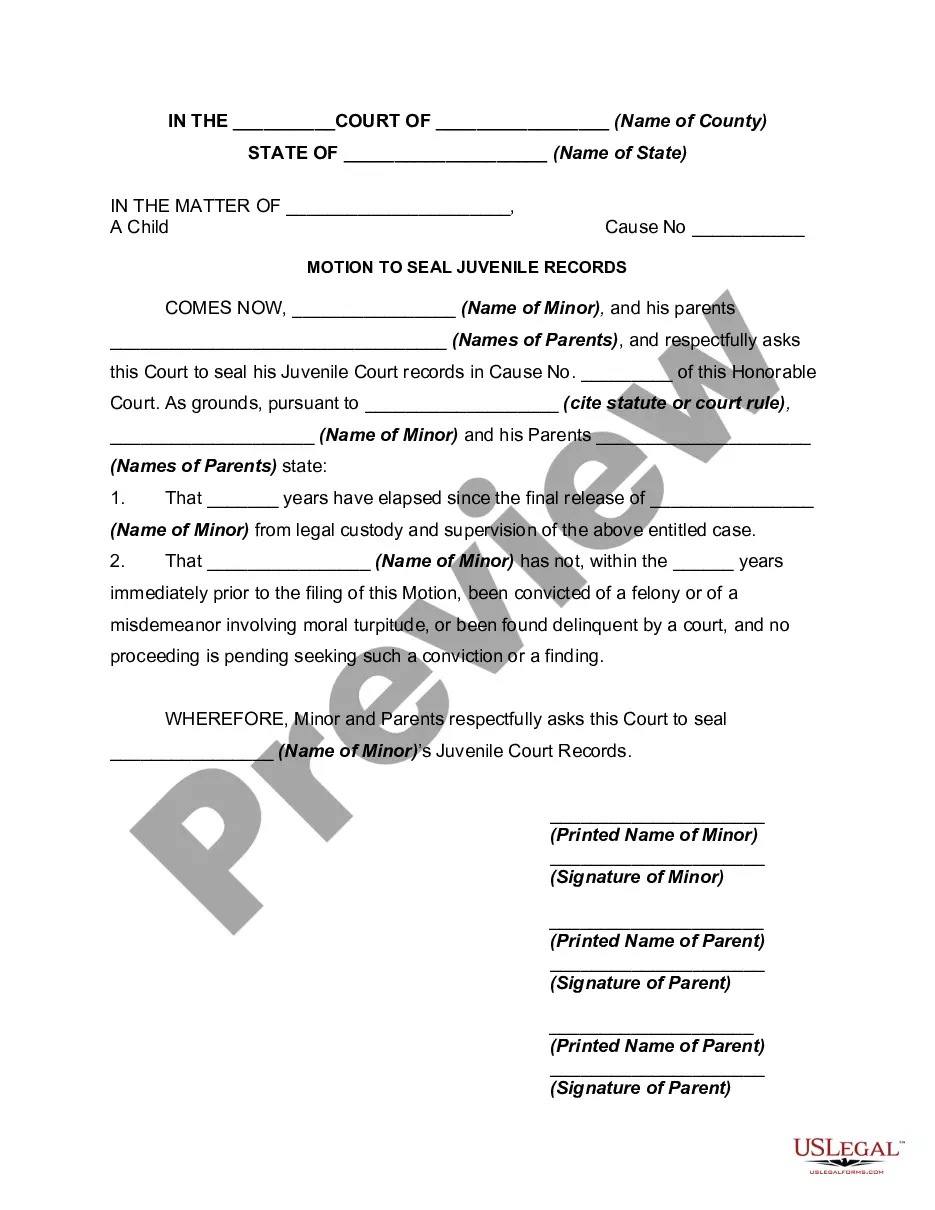
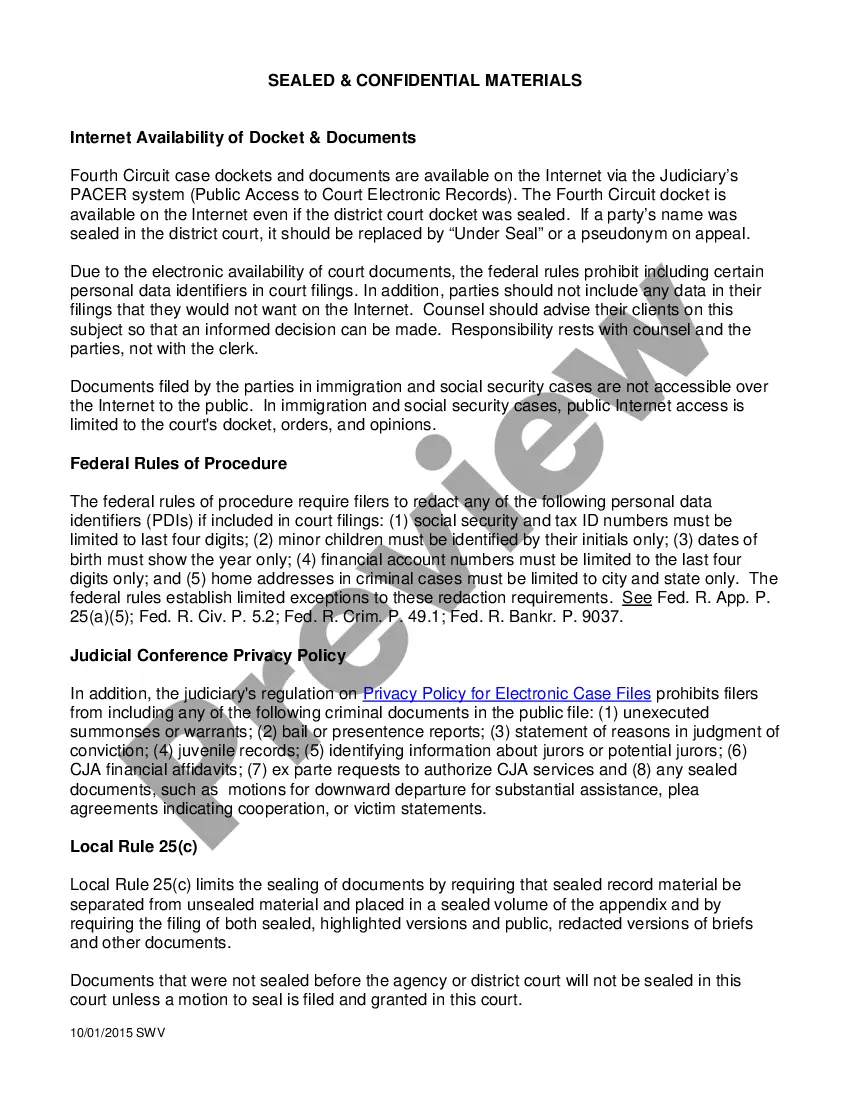
The Motion To Access Confidential Sealed Records is a legal document filed in court to request inspection or a certified copy of records that are otherwise sealed or kept confidential. This form is specific to Fort Bend County, Texas, and is necessary for individuals or parties seeking to gain access to court documents that are typically not available to the public. It serves a distinct purpose compared to other legal motions by focusing on accessing sealed records instead of filing for new information or claims.
Form components explained
- Cause number: Identifies the case in which access to records is being requested.
- Request details: Specifies the type of records you wish to inspect or obtain.
- Reasons for request: Outlines the justification for accessing the sealed records.
- Submission date: The date when the motion is filed with the court.
- Applicant information: Includes the name, address, and contact details of the individual making the request.
- Judgeâs order: Provides a space for the judge's signature and directive to the District Clerk.
When to use this document
This form is used when an individual or party believes they have a legitimate need to access records that are sealed for confidentiality. Common scenarios may include cases involving legal disputes, seeking historical information for personal matters, or representing a client who requires access to specific court records for their legal efforts. It is important to demonstrate a valid reason for accessing sealed records, as the court evaluates each request on a case-by-case basis.
Who should use this form
- Individuals seeking personal access to sealed court records.
- Attorneys representing clients who require access to specific confidential information.
- Parties involved in a legal matter where the case records are sealed and access is essential.
Instructions for completing this form
- Enter the cause number relating to your case at the top of the form.
- Provide your name and the names of any other parties involved in the matter.
- Clearly state the records you wish to access, specifying their type and context.
- Detail the reasons for your request, ensuring they are relevant and justifiable.
- Add your contact information at the end of the form.
- Date and sign the motion before submission to the court.
Notarization requirements for this form
This form does not typically require notarization unless specified by local law. It is advisable to verify any additional requirements with the Fort Bend County court to ensure full compliance before submission.
Get your form ready online
Our built-in tools help you complete, sign, share, and store your documents in one place.
Make edits, fill in missing information, and update formatting in US Legal Forms—just like you would in MS Word.
Download a copy, print it, send it by email, or mail it via USPS—whatever works best for your next step.
Sign and collect signatures with our SignNow integration. Send to multiple recipients, set reminders, and more. Go Premium to unlock E-Sign.
If this form requires notarization, complete it online through a secure video call—no need to meet a notary in person or wait for an appointment.
We protect your documents and personal data by following strict security and privacy standards.

Make edits, fill in missing information, and update formatting in US Legal Forms—just like you would in MS Word.

Download a copy, print it, send it by email, or mail it via USPS—whatever works best for your next step.

Sign and collect signatures with our SignNow integration. Send to multiple recipients, set reminders, and more. Go Premium to unlock E-Sign.

If this form requires notarization, complete it online through a secure video call—no need to meet a notary in person or wait for an appointment.

We protect your documents and personal data by following strict security and privacy standards.
Common mistakes
- Failing to provide a clear and detailed reason for the request.
- Omitting the cause number or relevant case information.
- Not following the correct format for the submission as required by local court rules.
- Leaving out personal contact information, which can delay processing.
Advantages of online completion
- Convenience of completing and filing the motion from home or office.
- Immediate access to template forms drafted by licensed attorneys.
- Easy editing and customization to fit specific case needs.
- Secure and reliable process for obtaining necessary legal documents.
Legal use & context
Accessing sealed records through this motion is critical for ensuring that individuals have the information necessary to pursue their legal rights. However, not all requests may be granted, as courts may weigh privacy concerns against the reasons provided. It is important to submit a well-justified request.
What to keep in mind
- The Motion to Access Confidential Sealed Records is essential for accessing sensitive court documents.
- Clear reasons and accurate details will enhance the chances of approval.
- This form is specifically designed for use in Fort Bend County, Texas.
Looking for another form?

Form popularity
FAQ
Rule 60 of the Texas Rules of Civil Procedure provides ?Any party may intervene by filing a pleading, subject to being stricken out by the court for sufficient cause on the motion of a party.? Tex. R. Civ.
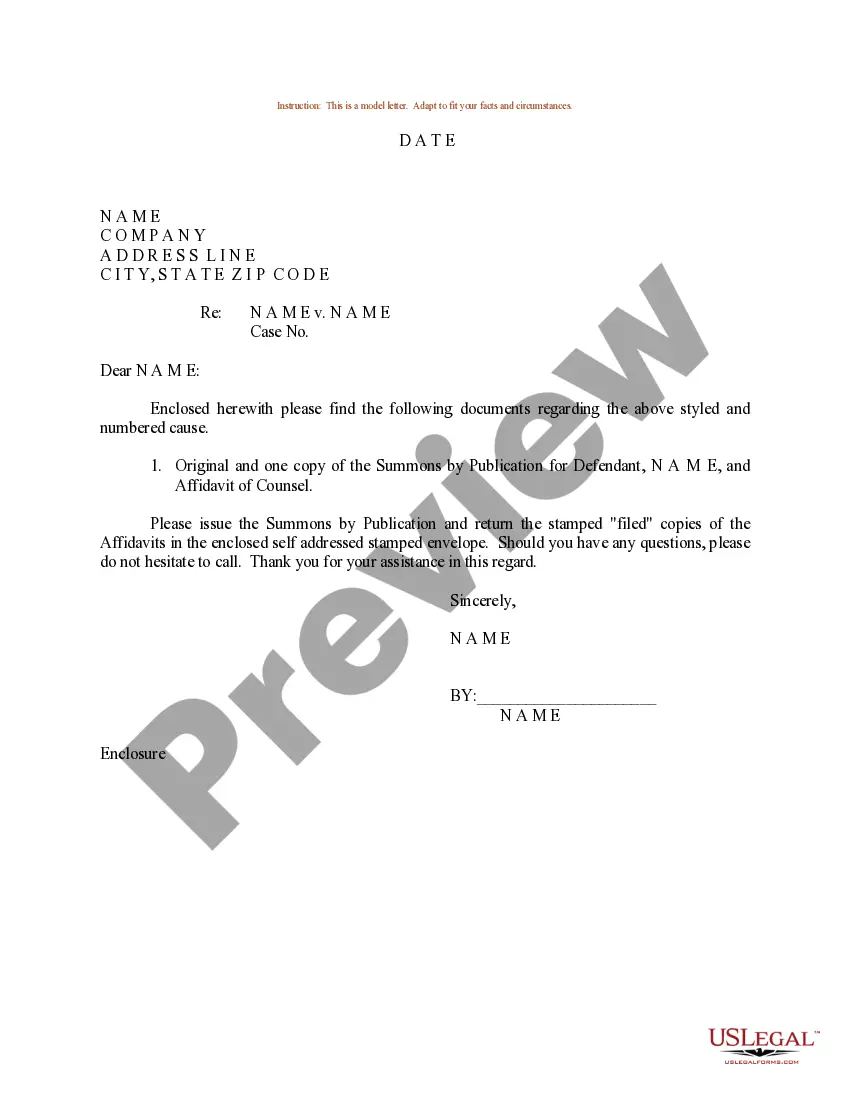
To submit a civil complaint for filing under seal, present the motion for leave to file under seal (See LR 79.3(b)), complaint, and all subsequent filings to the Clerk's Office on paper. (A case filed pursuant to the False Claims Act 31, U.S.C. § 3730(b) does not require a motion for leave to file under seal.)
When either a supplemental or amended pleading is of such character and is presented at such time as to take the opposite party by surprise, the court may charge the continuance of the cause, if granted, to the party causing the surprise if the other party satisfactorily shows that he is not ready for trial because of
There are legitimate reasons to file documents, or portions of documents, under seal, as some of the cases suggest: Some documents are filed under seal to protect people in the federal witness protection program, and others redact the names of juveniles convicted of crimes or the identities of government informants.
Filing or Accessing a Sealed Document in a Public Civil Case If no statute, rule, or court order requires or permits your document to be filed under seal, you may file it under seal only on motion and by permission of the presiding judge. See LR 79.3(b).
76. Each attorney at law practicing in any court shall be allowed at all reasonable times to inspect the papers and records relating to any suit or other matter in which he may be interested.