The Employee Proprietary Rights Acknowledgment
Overview of this form
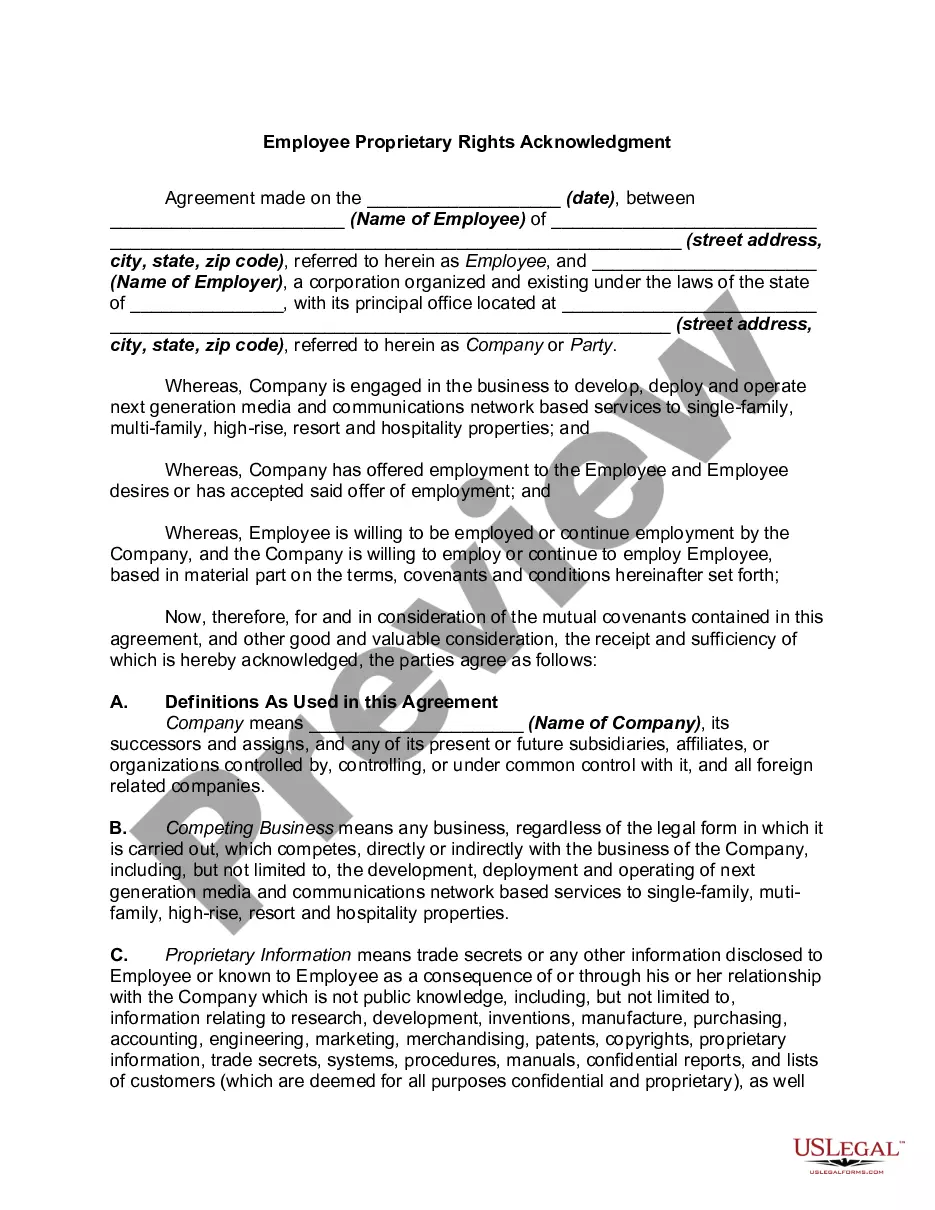
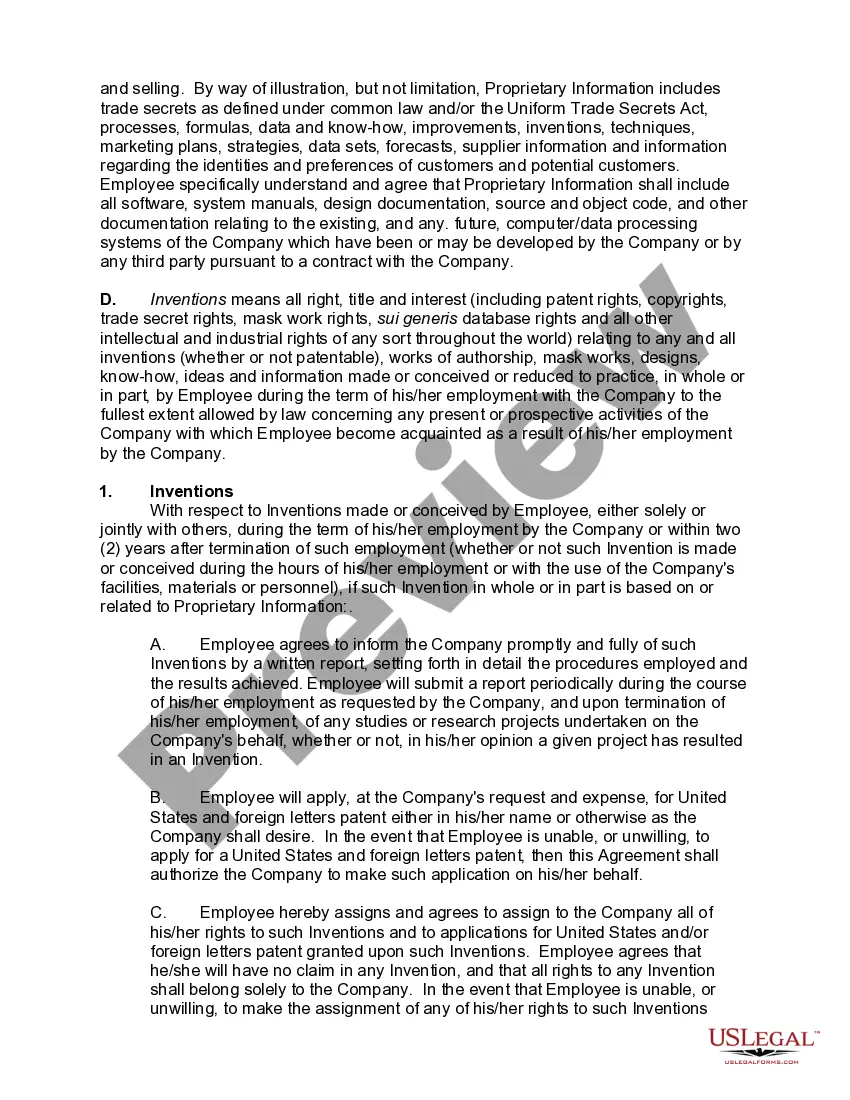
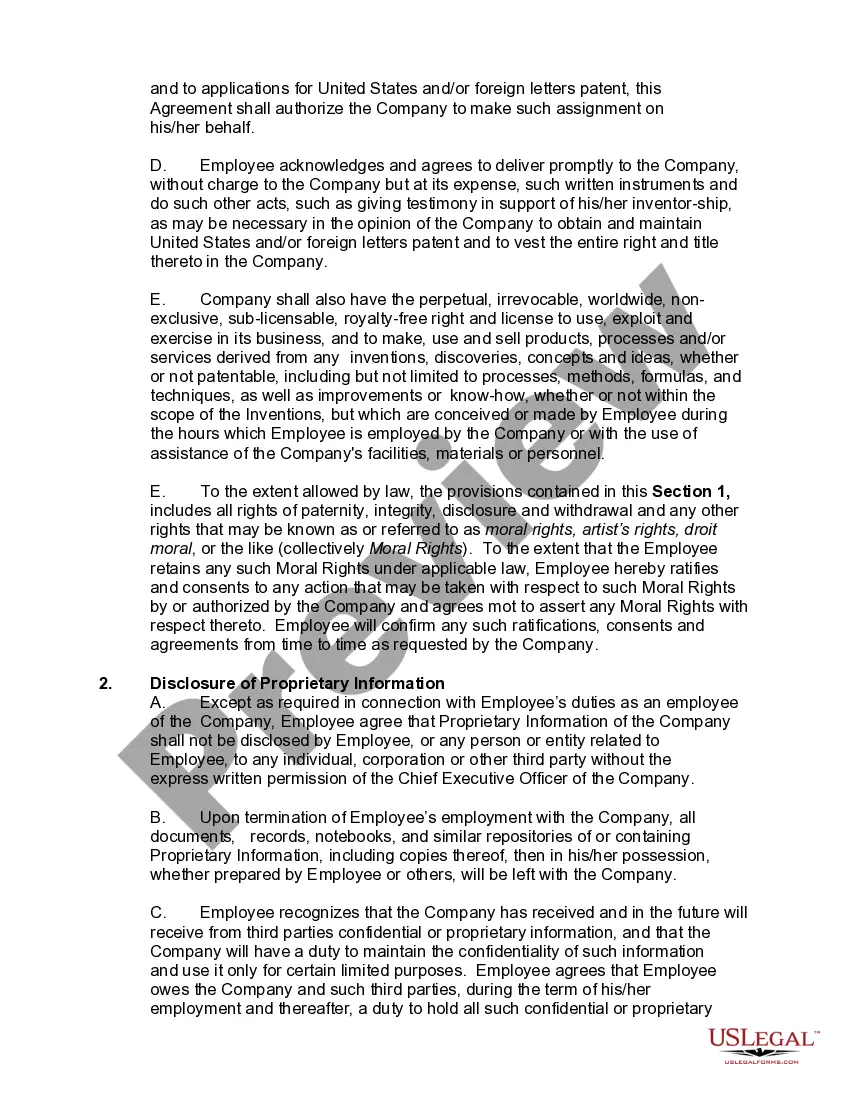
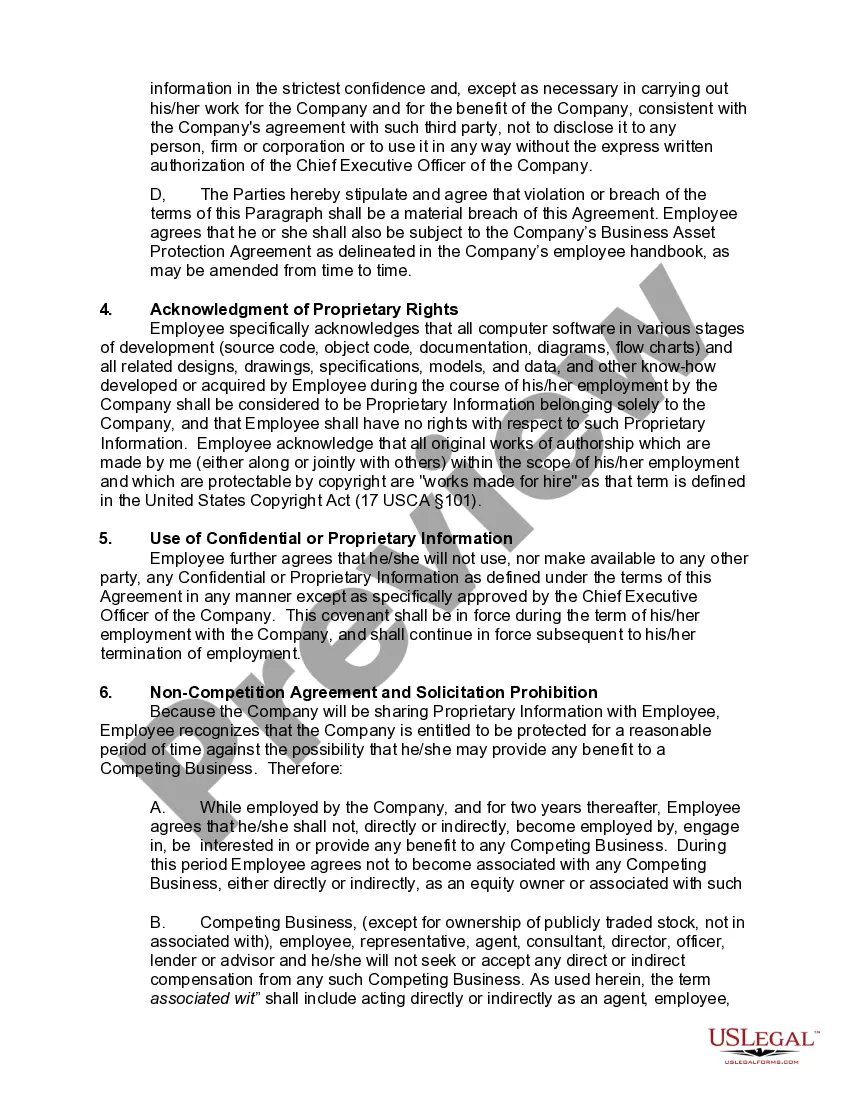
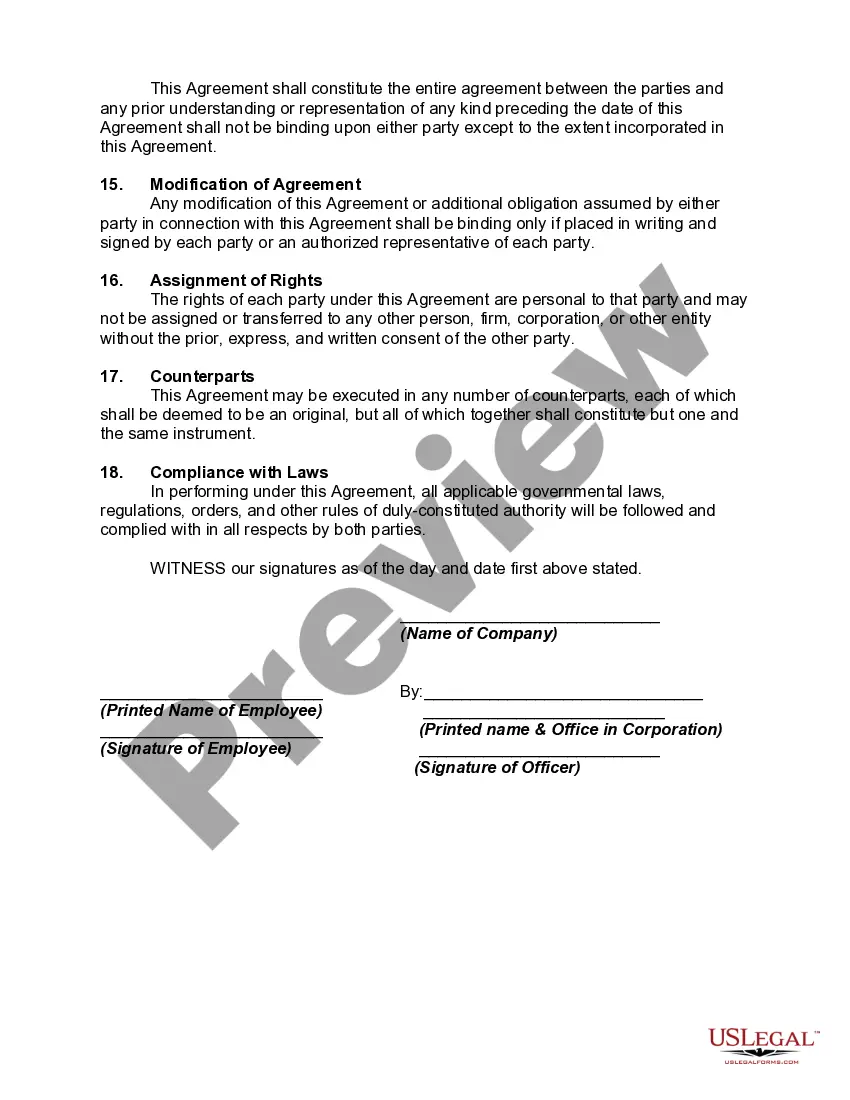
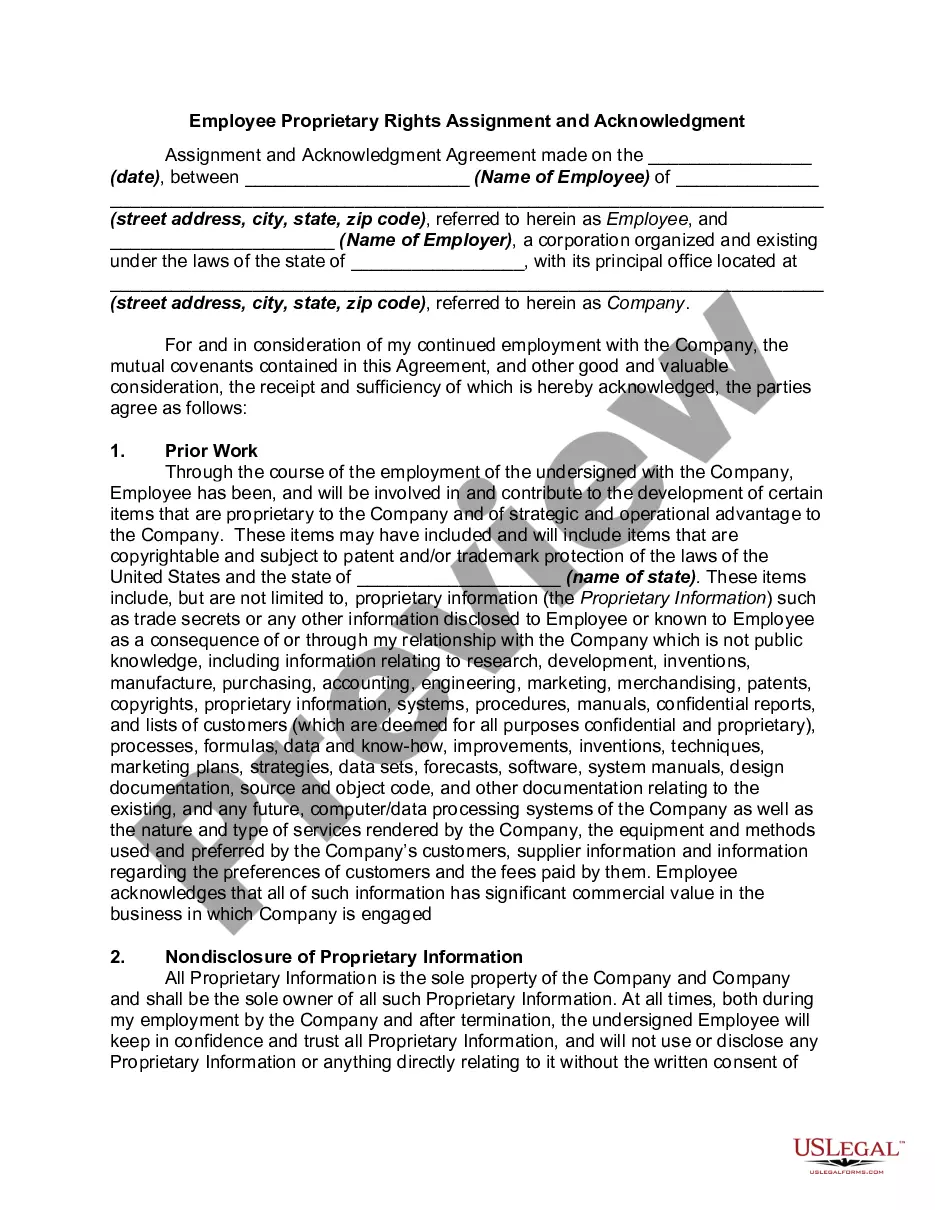
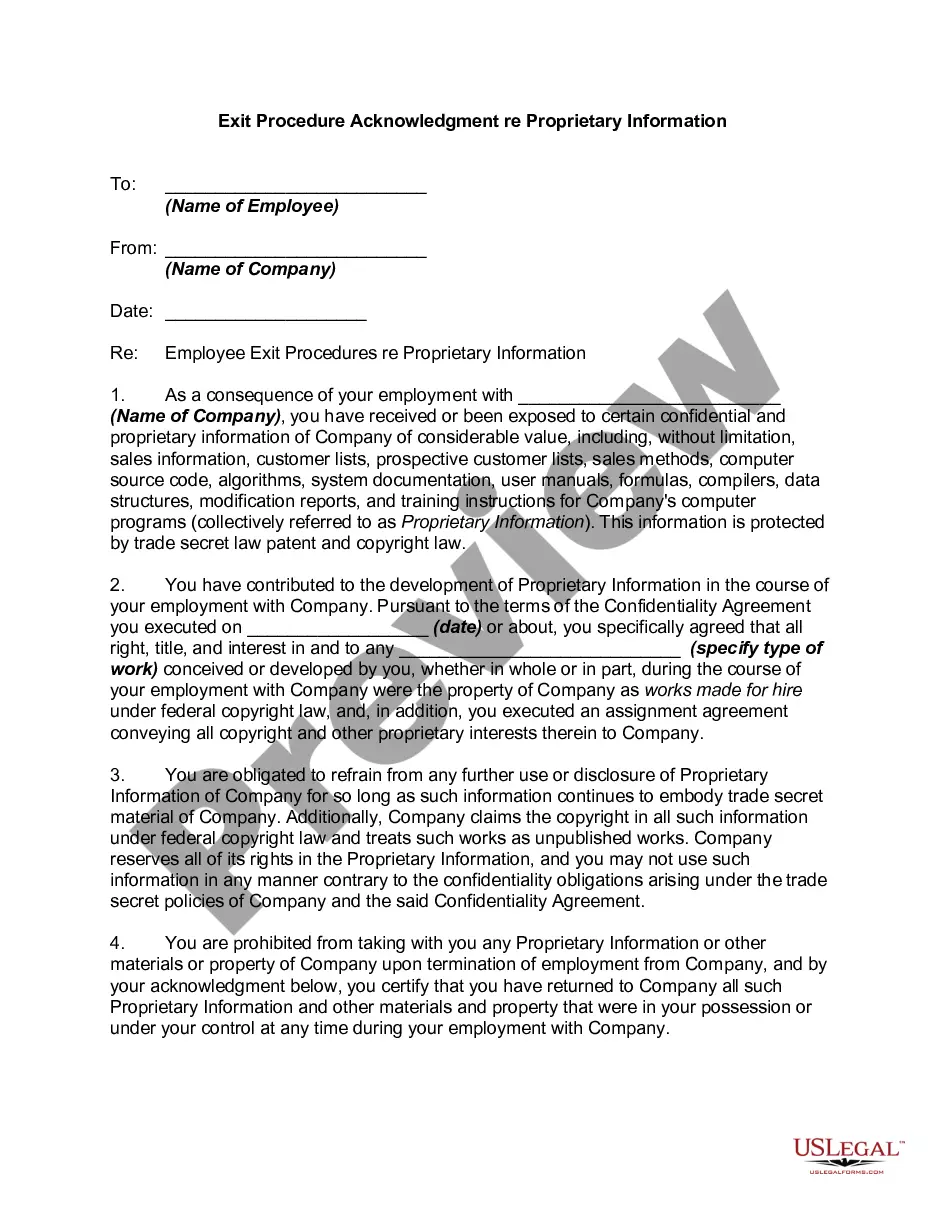
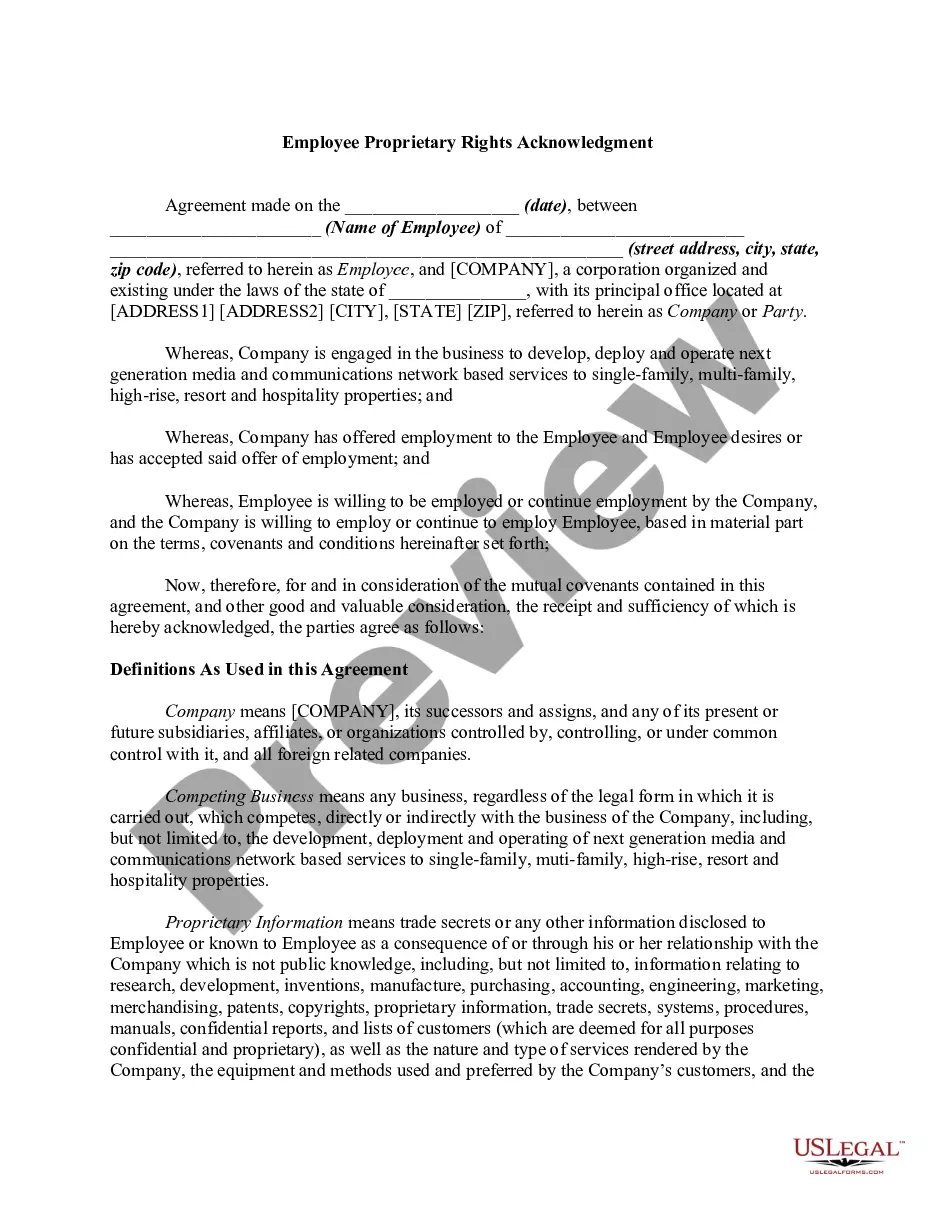
The Employee Proprietary Rights Acknowledgment is a legal contract that establishes the proprietary rights of an employee regarding confidential information and inventions related to their work. This form protects the company's interests by ensuring that employees understand and agree not to disclose or misuse company proprietary information. It differs from other employment agreements by specifically addressing the handling of proprietary rights and information, making it crucial for businesses that rely on sensitive data and intellectual property.
What’s included in this form
- Definitions: Clarifies important terms such as "Company," "Proprietary Information," and "Inventions."
- Employee Obligations: Outlines the employee's responsibilities regarding proprietary information and inventions.
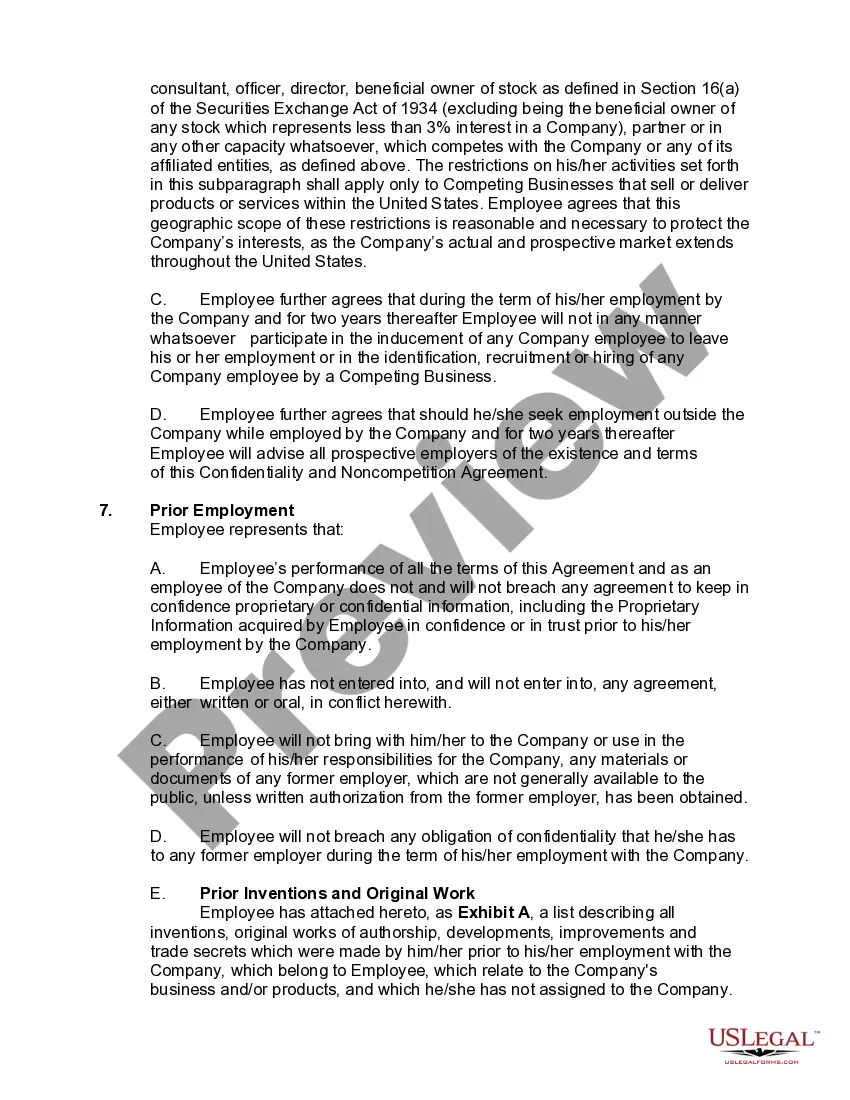
- Non-Competition Clause: Prevents employees from joining competing businesses for a specific period after leaving the company.
- Disclosure Requirements: Specifies conditions under which proprietary information may or may not be disclosed by the employee.
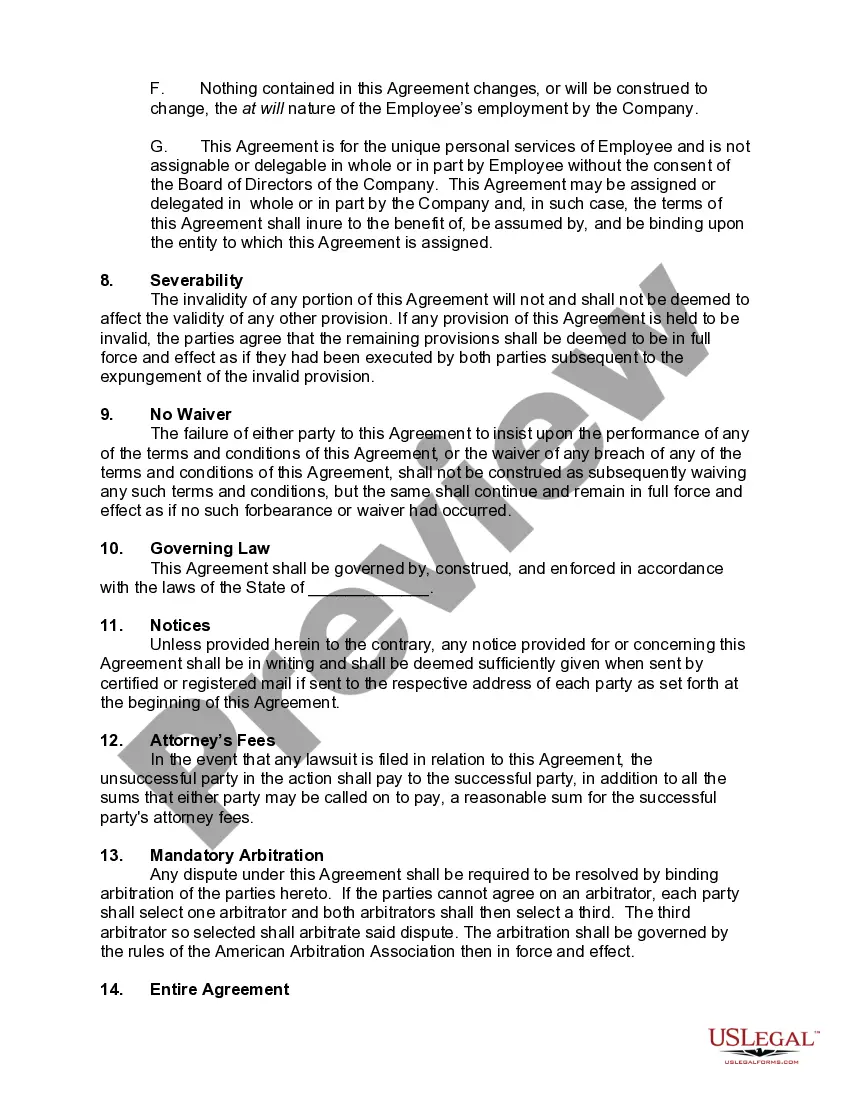
- Governing Law: Details the laws under which the agreement is construed and enforced.
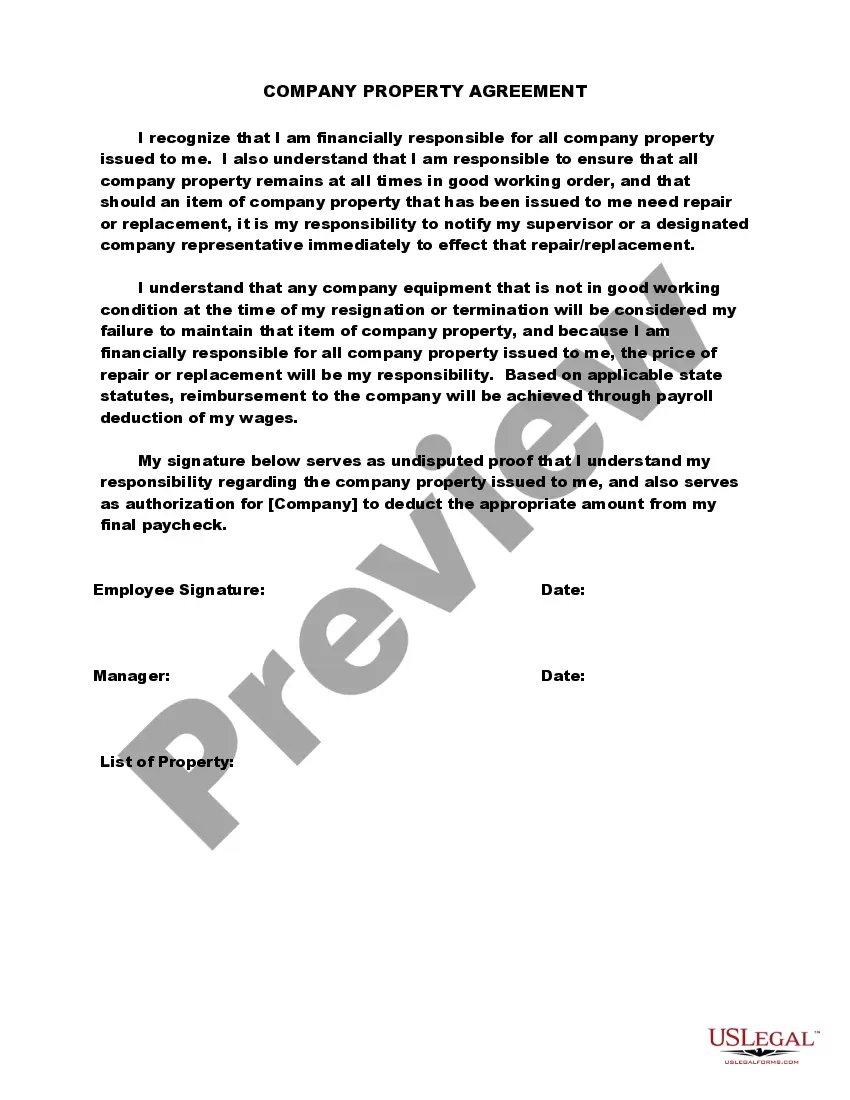
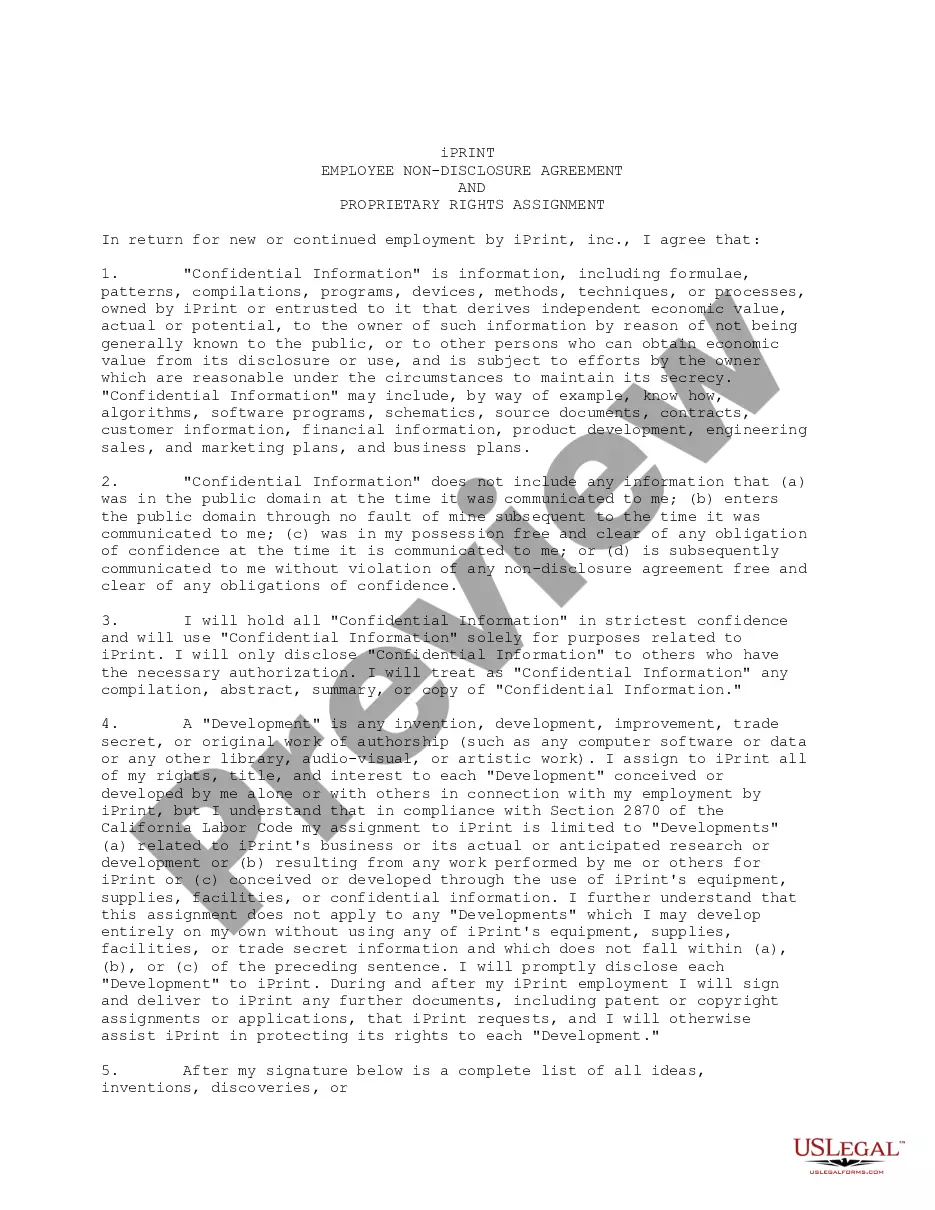
When to use this form
This form should be used when hiring new employees, especially in industries where proprietary information and intellectual property are significant business assets. It is essential during the onboarding process to ensure employees understand their confidentiality obligations and the ownership rights regarding any inventions or discoveries made during their employment.
Who can use this document
This form is intended for:
- Employers looking to protect their proprietary information and innovations.
- HR departments responsible for drafting and implementing employment contracts.
- New employees of companies engaged in technology, media, or other sensitive sectors.
Instructions for completing this form
- Identify the parties: Enter the names and addresses of both the employee and the employer.
- Define proprietary information: Clearly outline what constitutes proprietary information for the company.
- Specify inventions: Include terms regarding ownership rights for any inventions made by the employee during their employment.
- Fill in dates: Provide the date when the agreement is made and any relevant employee start dates.
- Review and sign: Ensure both parties read the agreement thoroughly, then sign and date it to make it legally binding.
Notarization requirements for this form
This form does not typically require notarization unless specified by local law. It is important to check state regulations to ensure compliance with any specific requirements.
Get your form ready online
Our built-in tools help you complete, sign, share, and store your documents in one place.
Make edits, fill in missing information, and update formatting in US Legal Forms—just like you would in MS Word.
Download a copy, print it, send it by email, or mail it via USPS—whatever works best for your next step.
Sign and collect signatures with our SignNow integration. Send to multiple recipients, set reminders, and more. Go Premium to unlock E-Sign.
If this form requires notarization, complete it online through a secure video call—no need to meet a notary in person or wait for an appointment.
We protect your documents and personal data by following strict security and privacy standards.

Make edits, fill in missing information, and update formatting in US Legal Forms—just like you would in MS Word.

Download a copy, print it, send it by email, or mail it via USPS—whatever works best for your next step.

Sign and collect signatures with our SignNow integration. Send to multiple recipients, set reminders, and more. Go Premium to unlock E-Sign.

If this form requires notarization, complete it online through a secure video call—no need to meet a notary in person or wait for an appointment.

We protect your documents and personal data by following strict security and privacy standards.
Typical mistakes to avoid
- Not clearly defining proprietary information, leading to ambiguity.
- Failing to specify the duration of the non-competition clause.
- Not having both parties sign the agreement, which can lead to unenforceability.
- Assuming verbal agreements are sufficient; always document agreements in writing.
Why use this form online
- Convenience to access and download the form at any time.
- Editability to customize the agreement as per company requirements.
- Ensures compliance with legal standards by providing templates created by licensed attorneys.
Legal use & context
This agreement is enforceable in most jurisdictions, provided it meets the local legal requirements. Employers should ensure that the clauses within the agreement comply with state laws, especially regarding non-competition and intellectual property provisions.
Key takeaways
- The Employee Proprietary Rights Acknowledgment safeguards company proprietary information.
- It clarifies employee obligations regarding confidentiality and ownership of inventions.
- Filling out the form accurately is crucial to enhancing its legal enforceability.
Looking for another form?

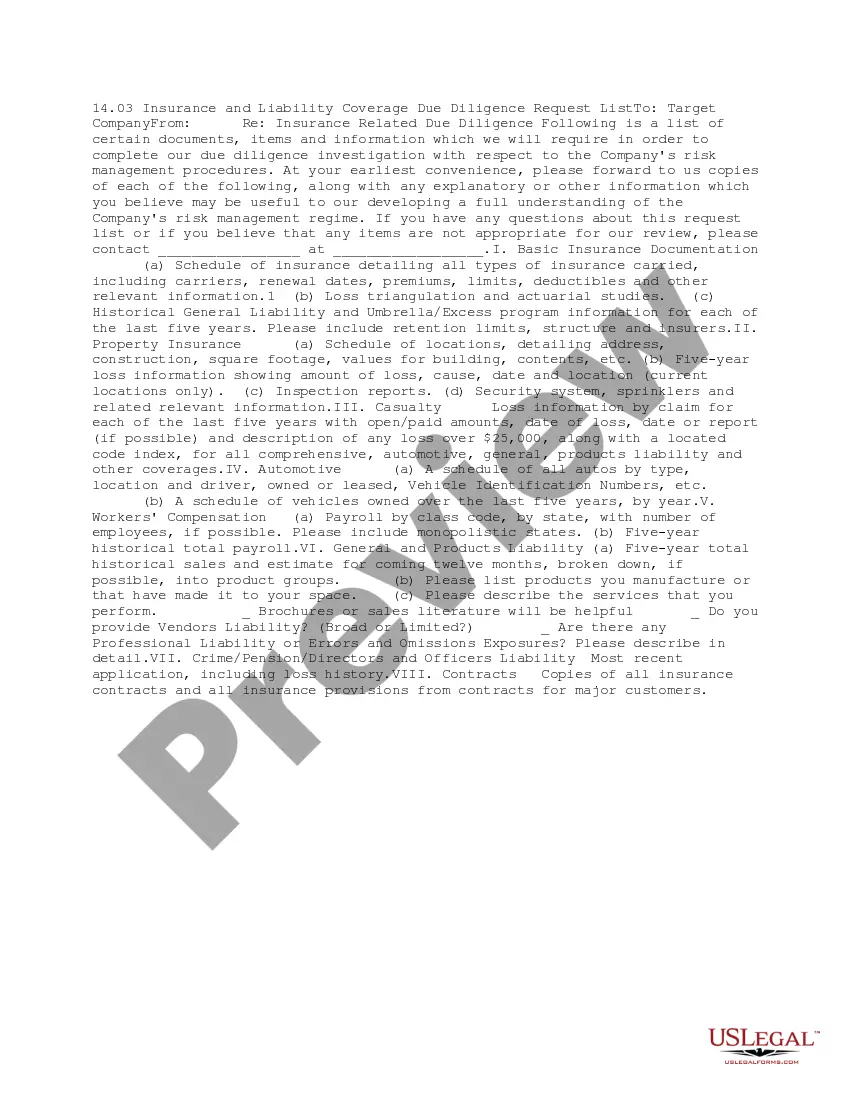
Form popularity
FAQ
It is understood that all Inventions, if any, patented or unpatented, which Employee made prior to the date that the Company and Employee entered into this Agreement, are excluded from the scope of this Agreement.
First, if you're in California, Labor Code § 2870 puts significant limits on what your employer can claim, regardless of the contract. Basically, they can't claim anything you developed before you arrived or anything that's unrelated to their business (unless you used their facilities to develop it).
VIA EPIA (VIA Embedded Platform Innovative Architecture) is a series of mini-ITX, em-ITX, nano-ITX, pico-ITX and pico-ITXe motherboards with integrated VIA processors. They are small in size and consume less power than computers of comparable capabilities.
Proprietary information is confidential information that a company owns and safeguards to protect itself. When any of an organization's intellectual property is recorded on paper, it becomes a proprietary document.
A Proprietary Information Agreement is a legally binding contract that stipulates that a number of parties must not disclose confidential supplies, data, or information as outlined by the contract to a different third party.
Also known as Proprietary Information and Inventions Assignment Agreements (or PIIAAs), Confidential Information and Inventions Assignment Agreements ensure that intellectual property and other proprietary rights created by employees during the course of their employment are assigned to the employer.
An invention assignment agreement is a contract that gives the employer certain rights to inventions created or conceptualized by the employee during the employment relationship.In other words, all inventions not listed are assumed to be the property of the employer.
Proprietary Information shall include, but not be limited to, domain names, trade secrets, copyrights, ideas, techniques, know-how, inventions (whether patentable or not), and/or any other information of any type relating to designs, configurations, toolings, documentation, recorded data, schematics, circuits, mask
Proprietary information, also known as a trade secret, is information a company wishes to keep confidential. Proprietary information can include secret formulas, processes, and methods used in production.