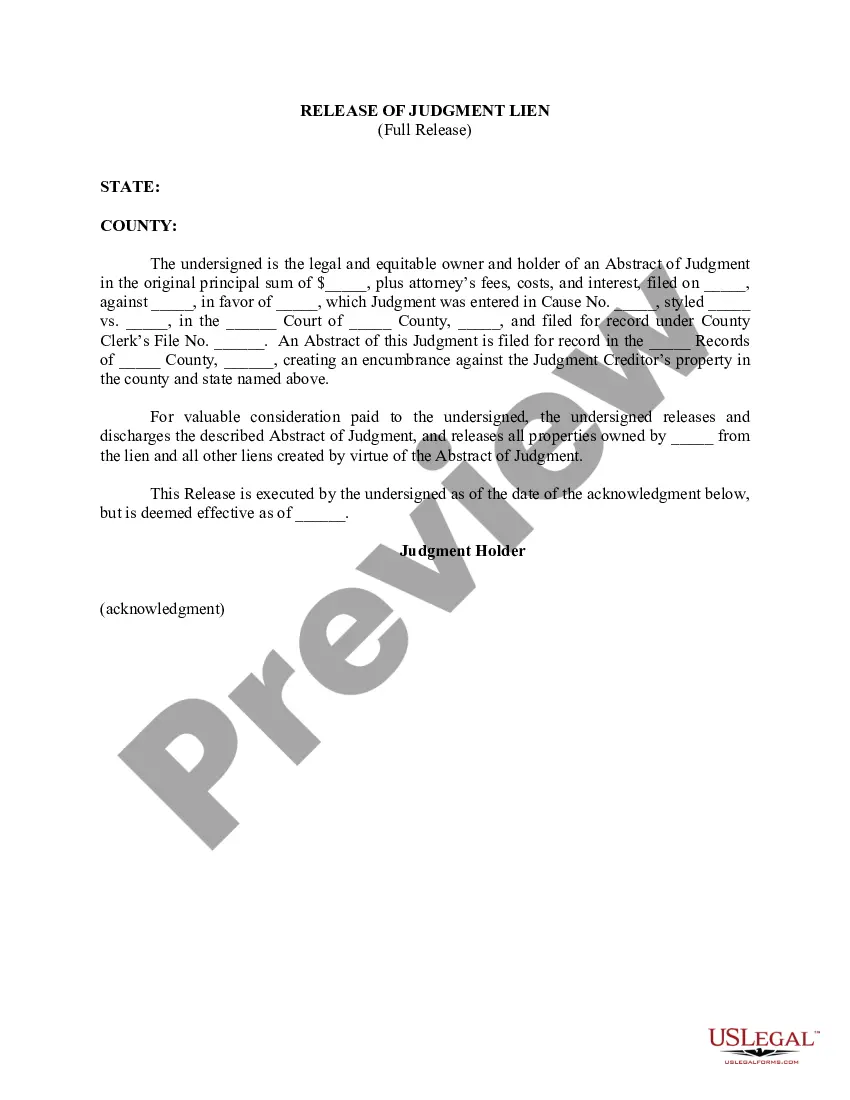
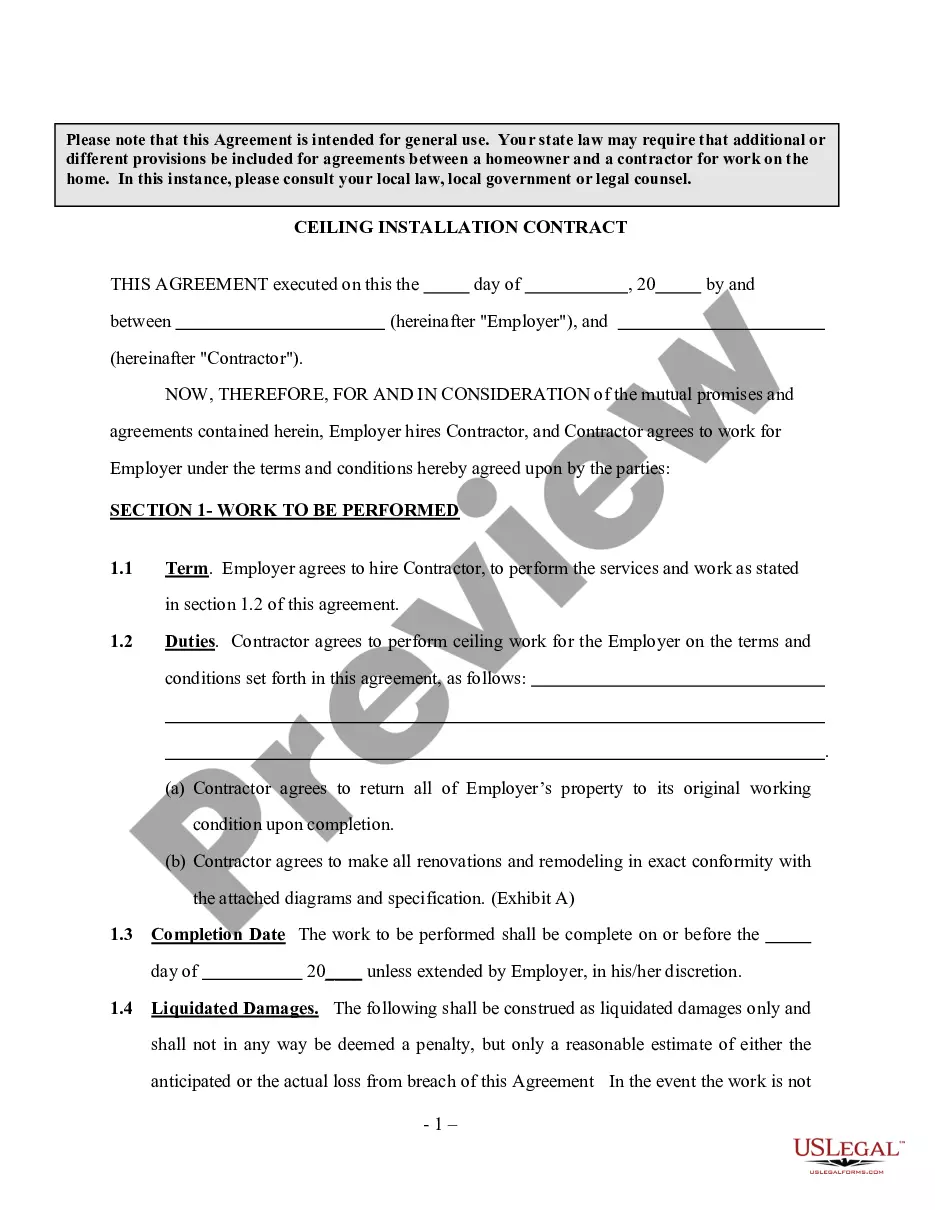
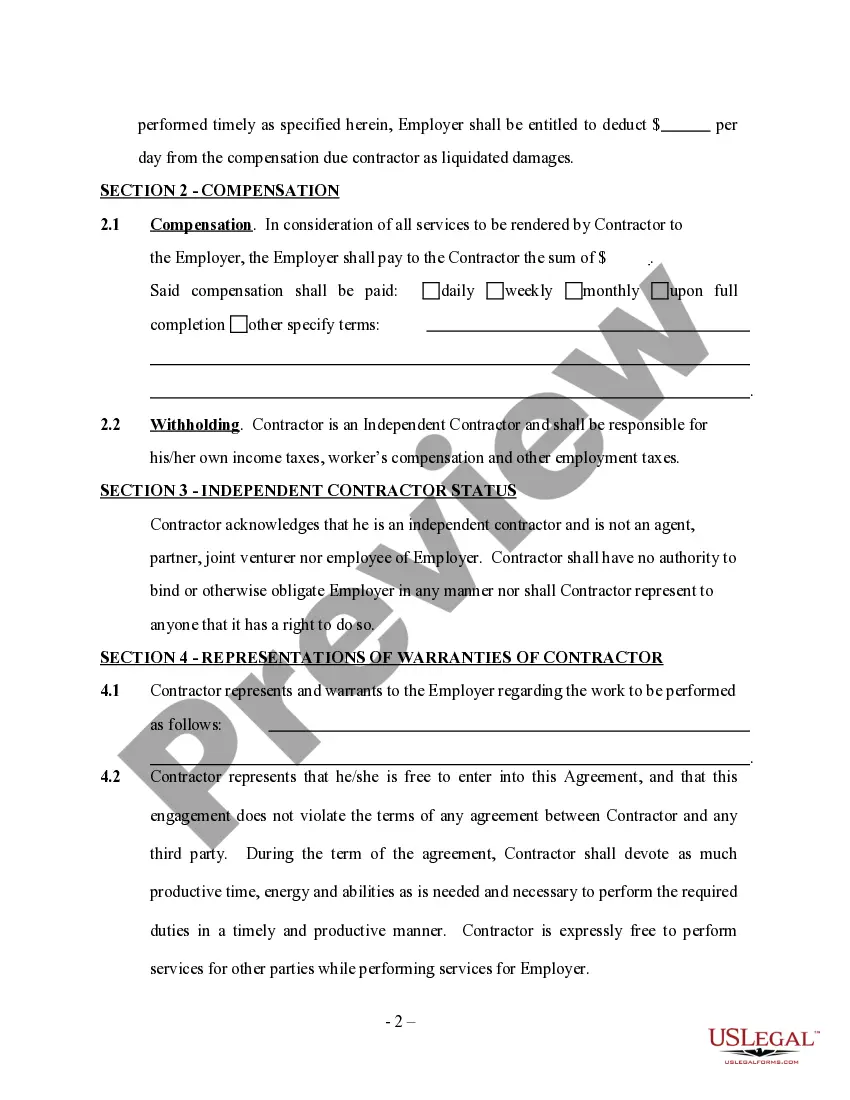
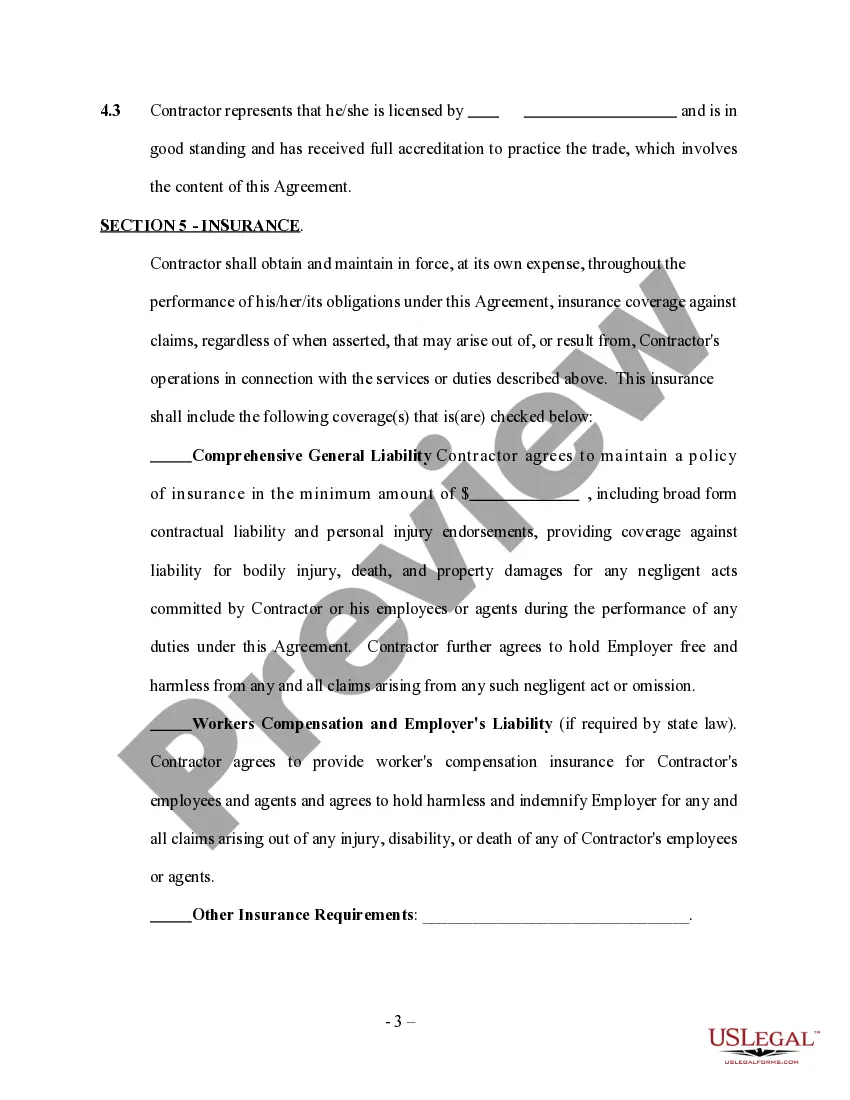
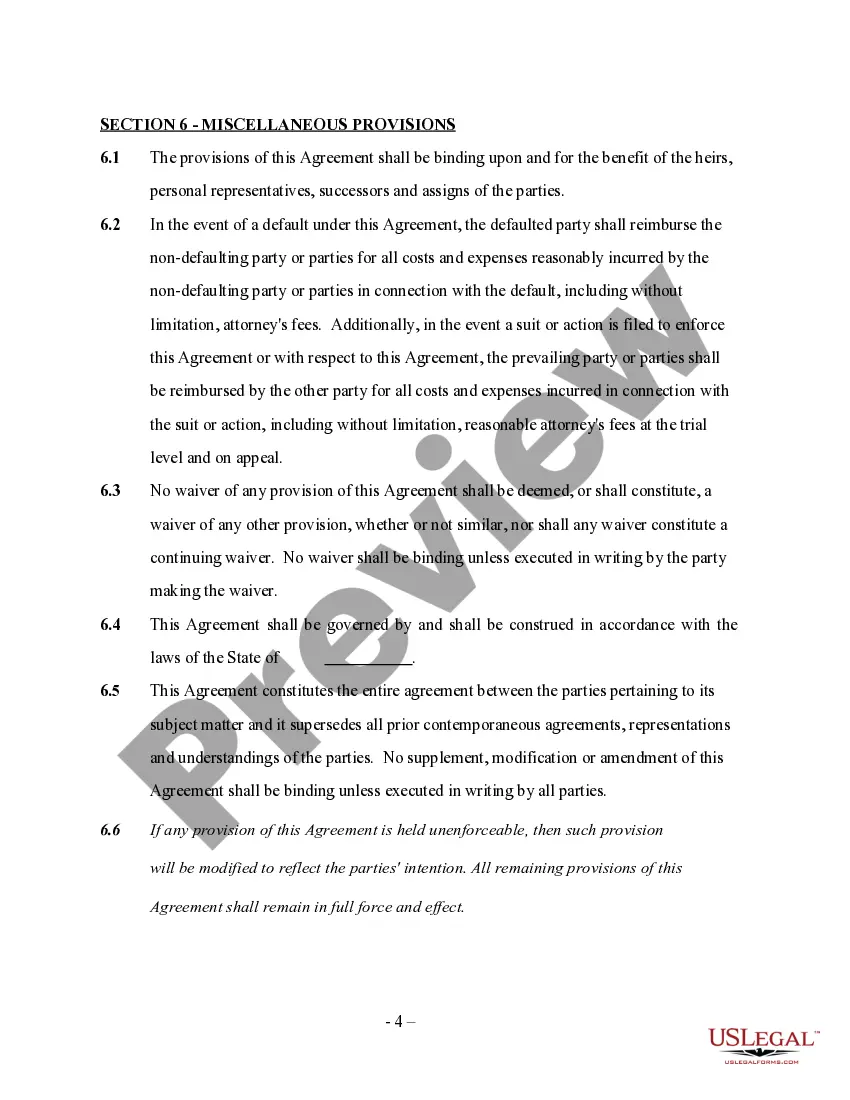
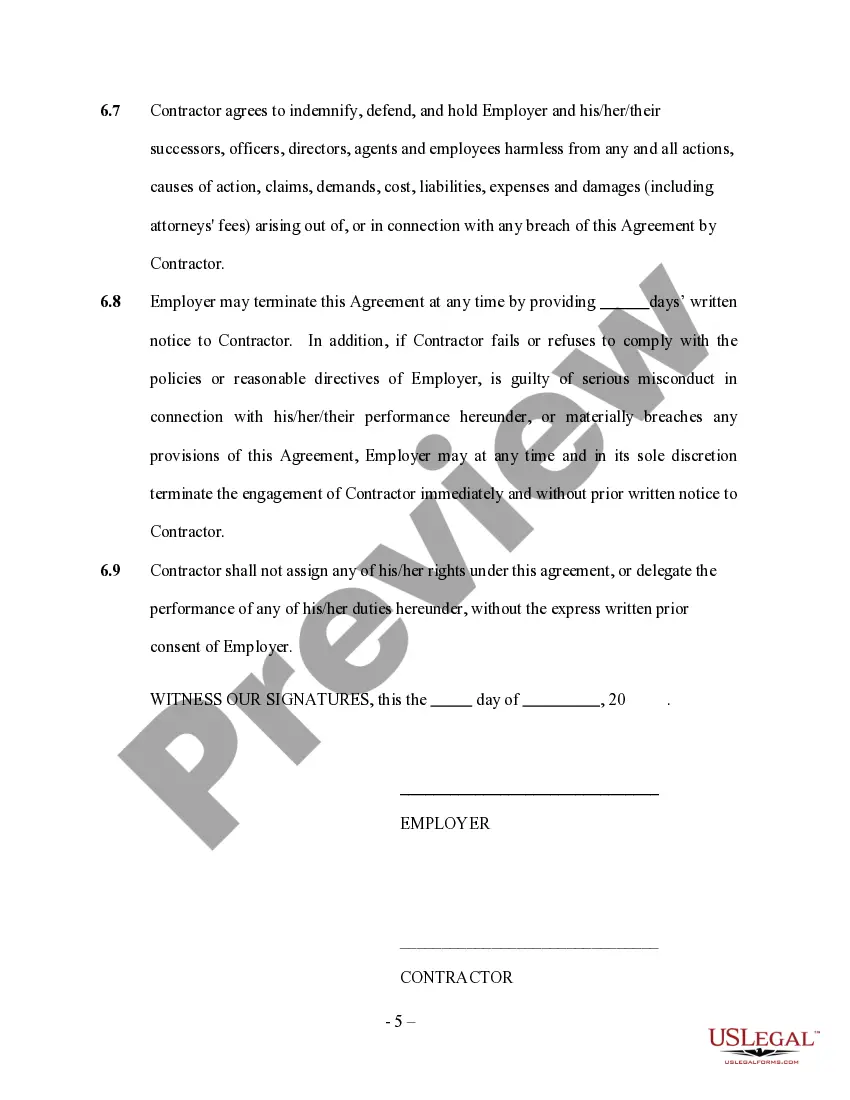
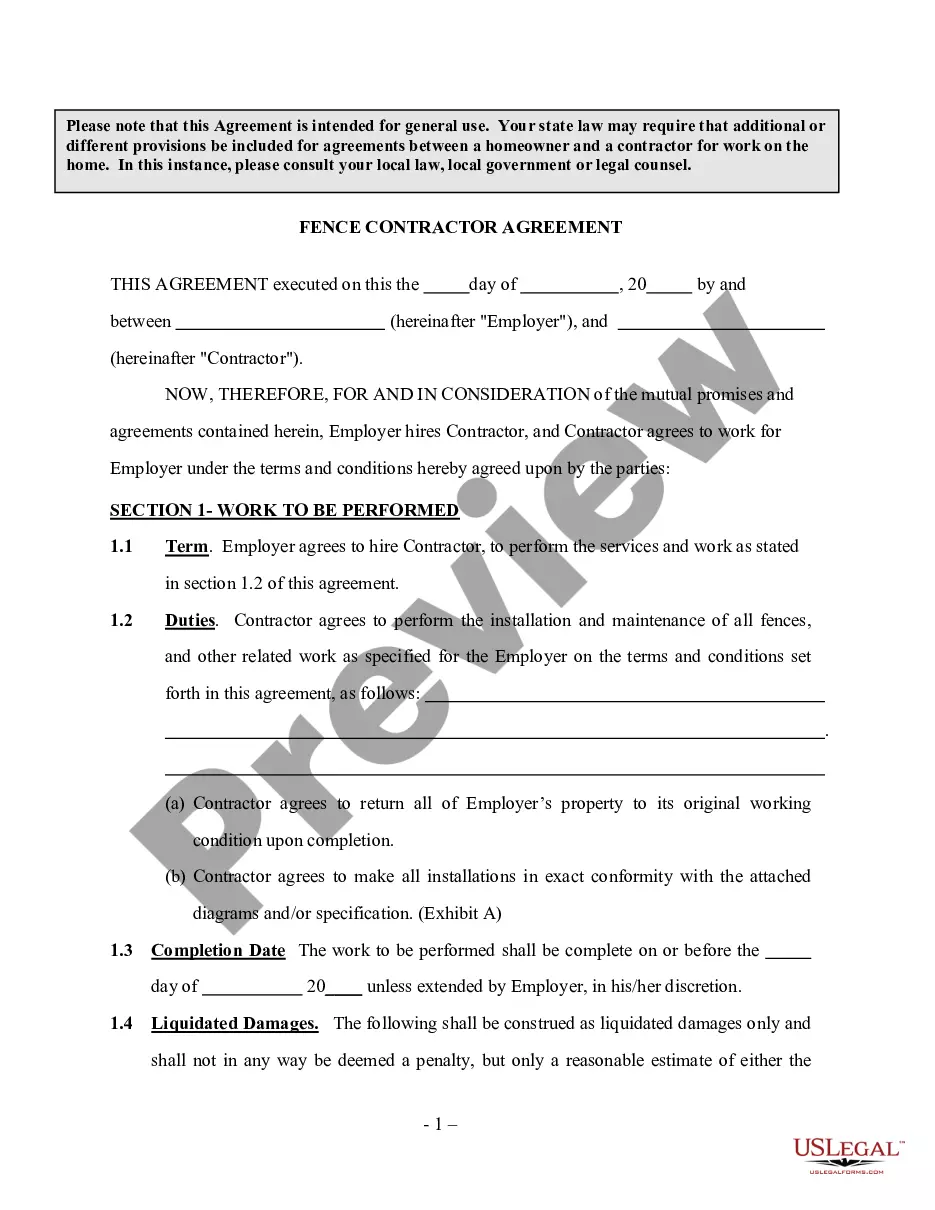
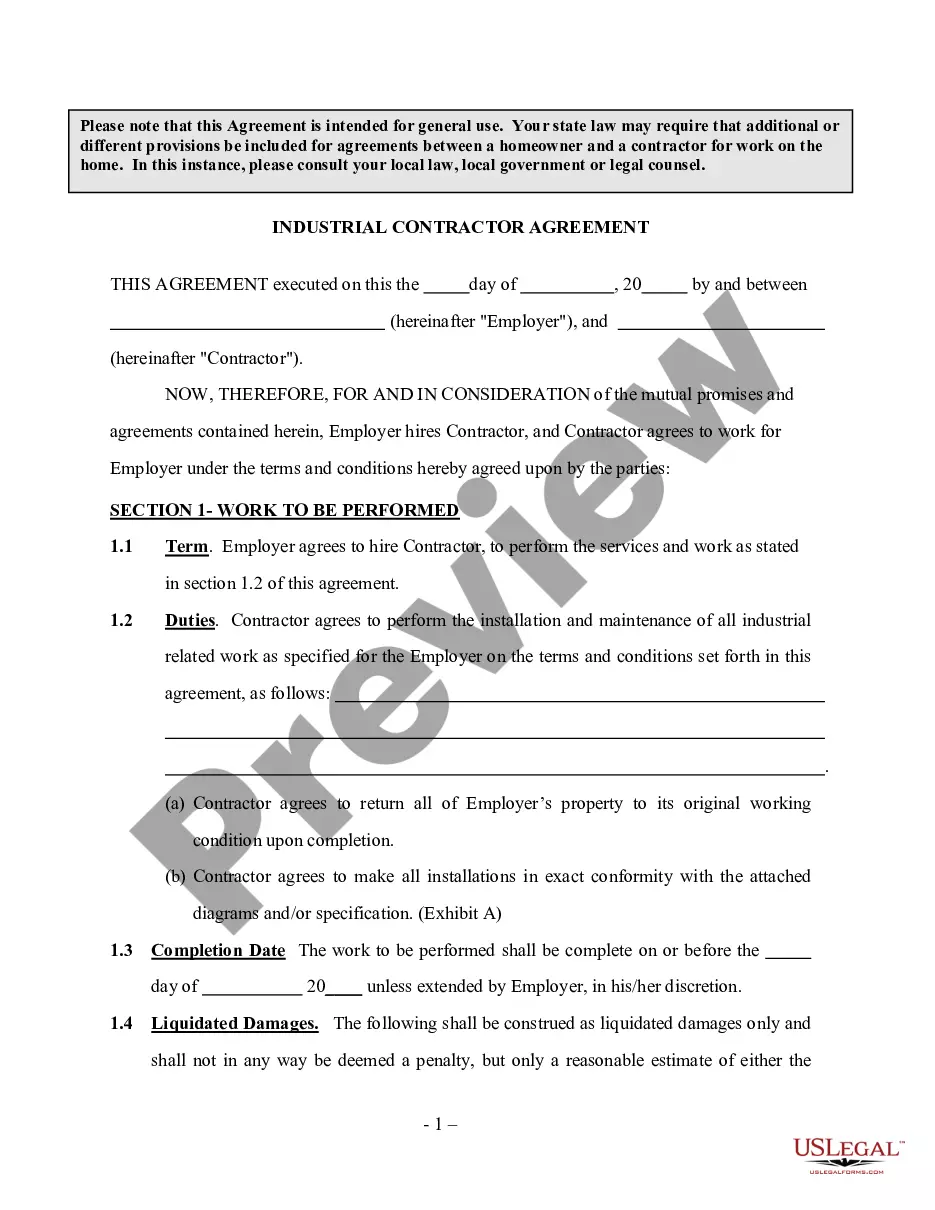
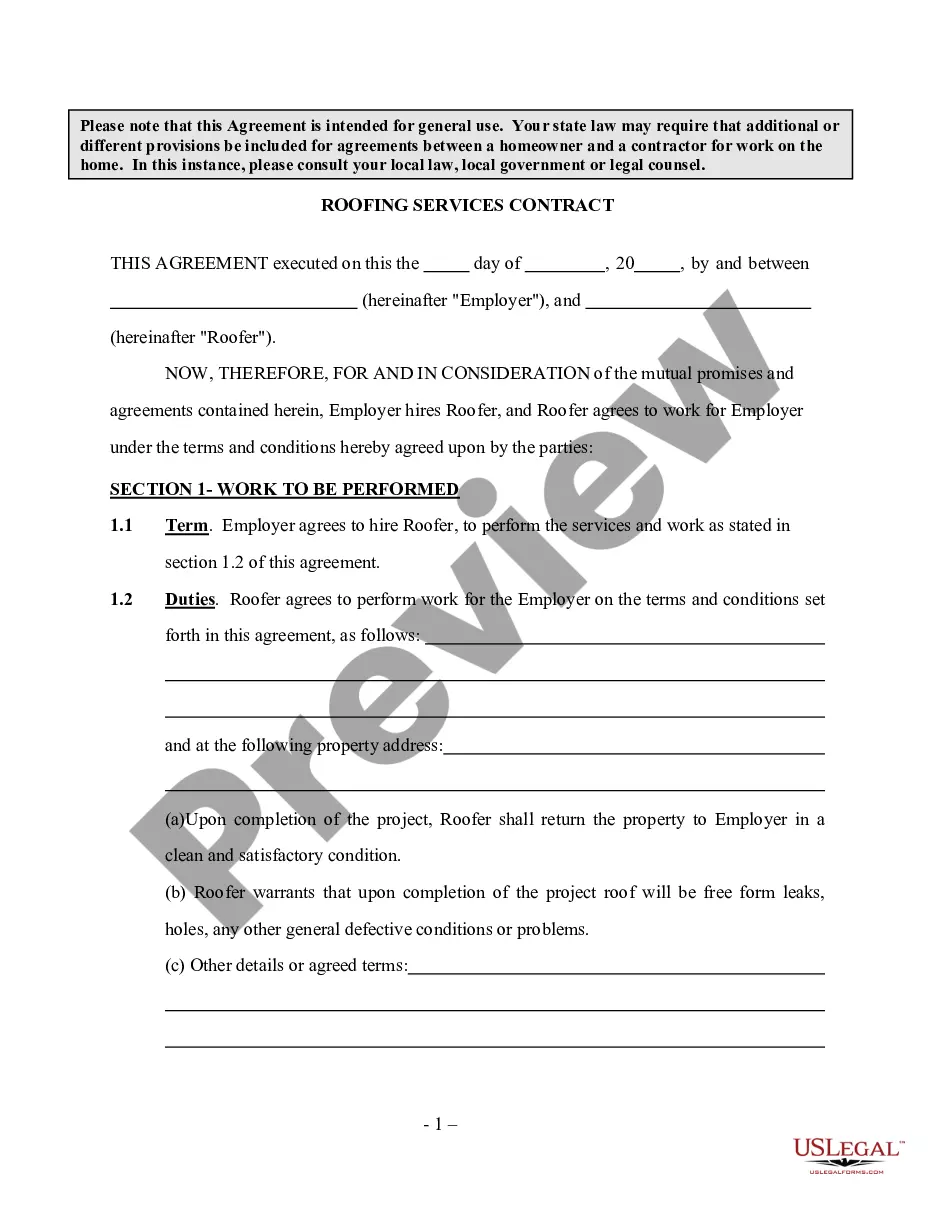
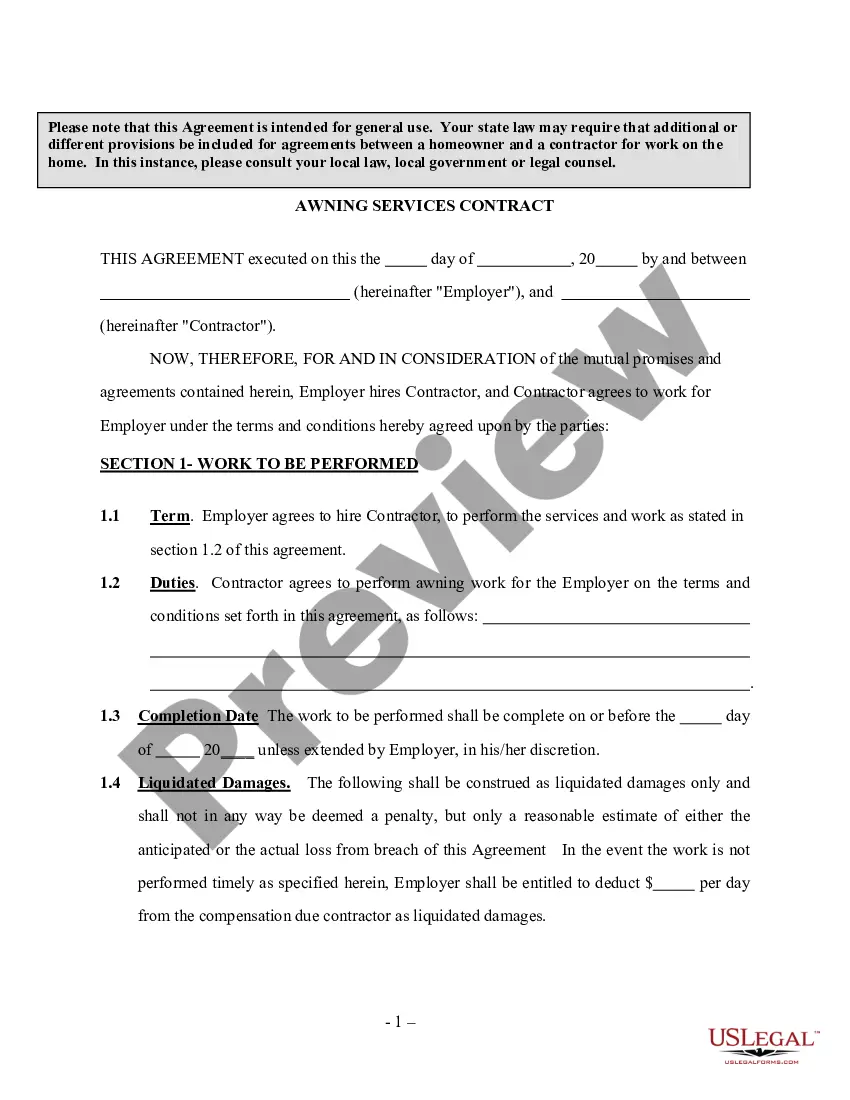
Employer contracts with an independent contractor to install or construct a ceiling as specified and agreed upon in the contract. Please note that this Agreement is intended for general use. Your state law may require that additional or different provisions be included for agreements between a homeowner and a contractor for work on the home. In this instance, please consult your local law, local government or legal counsel.
Tennessee Self-Employed Ceiling Installation Contract
State:
Multi-State
Control #:
US-INDC-90
Format:
Word;
Rich Text
Instant download
Description
Free preview
Get your form ready online
Our built-in tools help you complete, sign, share, and store your documents in one place.
Built-in online Word editor
Make edits, fill in missing information, and update formatting in US Legal Forms—just like you would in MS Word.
Export easily
Download a copy, print it, send it by email, or mail it via USPS—whatever works best for your next step.
E-sign your document
Sign and collect signatures with our SignNow integration. Send to multiple recipients, set reminders, and more. Go Premium to unlock E-Sign.
Notarize online 24/7
If this form requires notarization, complete it online through a secure video call—no need to meet a notary in person or wait for an appointment.
Store your document securely
We protect your documents and personal data by following strict security and privacy standards.
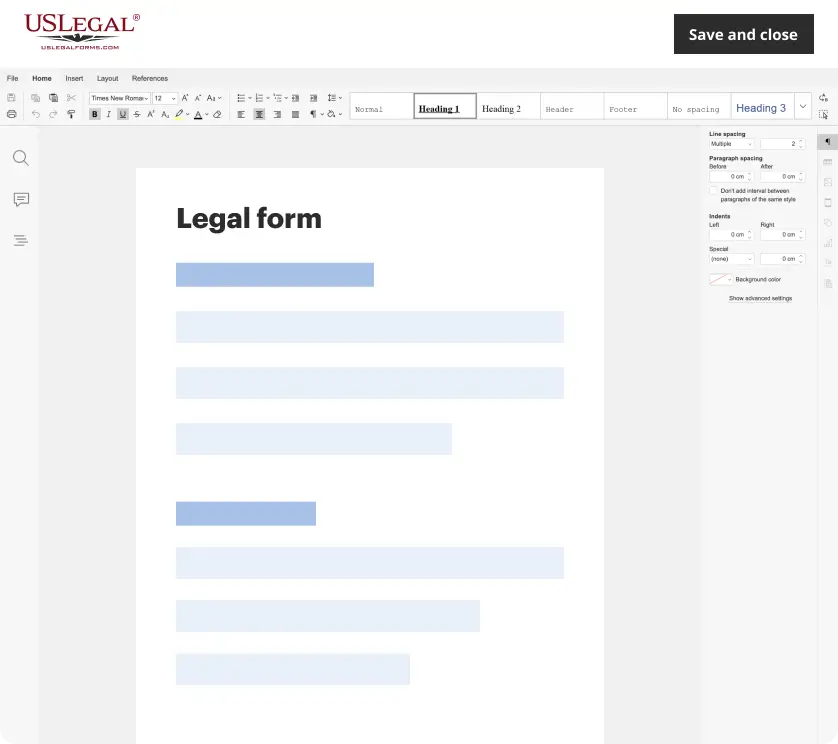
Make edits, fill in missing information, and update formatting in US Legal Forms—just like you would in MS Word.
Download a copy, print it, send it by email, or mail it via USPS—whatever works best for your next step.
Sign and collect signatures with our SignNow integration. Send to multiple recipients, set reminders, and more. Go Premium to unlock E-Sign.

If this form requires notarization, complete it online through a secure video call—no need to meet a notary in person or wait for an appointment.
We protect your documents and personal data by following strict security and privacy standards.
Looking for another form?



How to fill out Self-Employed Ceiling Installation Contract?
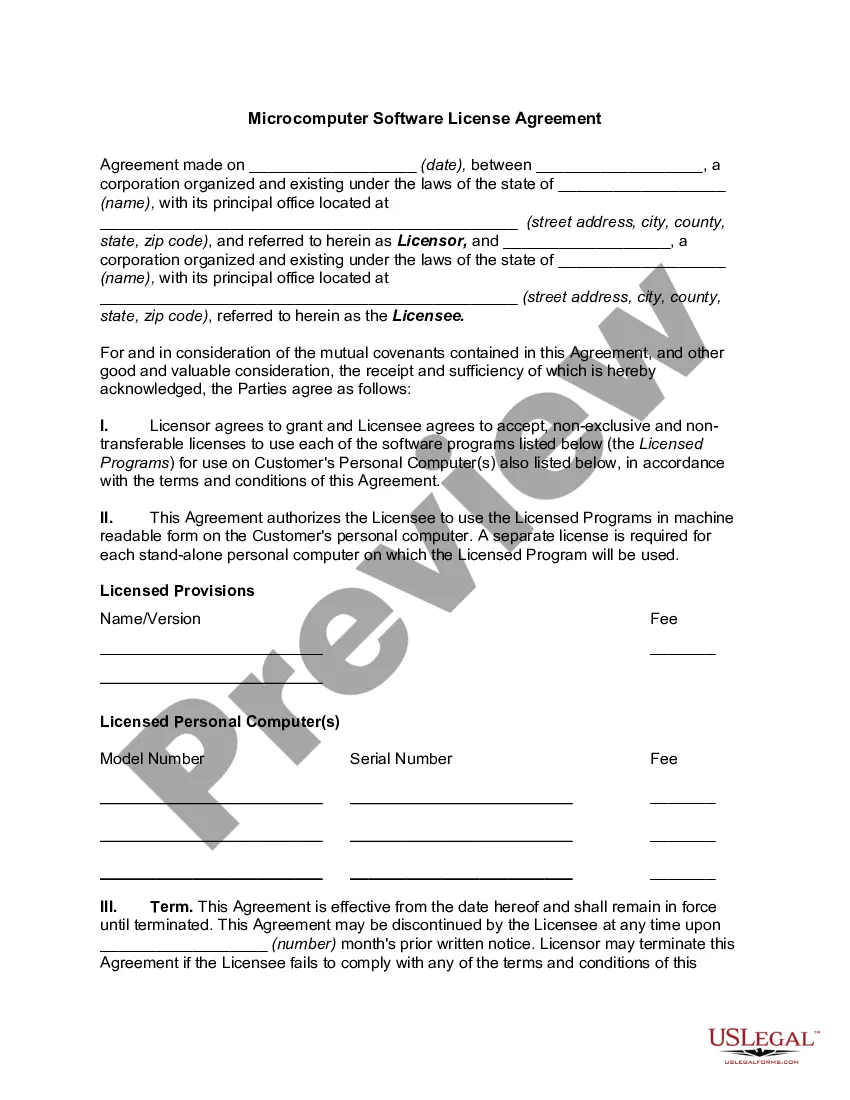
If you need to finish, obtain, or print legal document templates, utilize US Legal Forms, the most significant collection of legal forms available online.
Take advantage of the site's simple and user-friendly search feature to find the documents you require.
Various templates for business and personal applications are categorized by types and states, or by keywords.
Once you have found the form you need, select the Acquire now button. Choose the pricing plan you prefer and enter your information to create an account.
Complete the transaction. You can use your Visa or Mastercard or PayPal account to finalize the deal.
- Utilize US Legal Forms to obtain the Tennessee Self-Employed Ceiling Installation Contract in just a few clicks.
- If you are already a US Legal Forms user, Log In to your account and click the Download button to retrieve the Tennessee Self-Employed Ceiling Installation Contract.
- You can also access forms you previously downloaded from the My documents tab in your account.
- If this is your first time using US Legal Forms, follow the instructions below.
- Make sure you have chosen the form for the correct state/territory.
- Use the Preview option to check the form’s details. Don’t forget to read the description.
- If you are not satisfied with the form, use the Search field at the top of the screen to find other forms in the legal template.
Form popularity
FAQ
In Tennessee, you can perform up to $25,000 worth of work on a project without needing a contractor's license. However, if your ceiling installation projects exceed this amount, you must obtain the appropriate licensing. Using a Tennessee Self-Employed Ceiling Installation Contract can guide you through the requirements and help you operate within legal limits, ensuring a smooth workflow.
No, you do not need to have an LLC to work as a contractor in Tennessee. While forming an LLC offers benefits such as liability protection, many self-employed contractors operate as sole proprietors. With a Tennessee Self-Employed Ceiling Installation Contract, you can successfully manage your projects and maintain compliance without forming an LLC, if that suits your business model.
The independent contractor agreement in Tennessee outlines the terms and conditions between a business and a self-employed individual. This document specifies the scope of work, payment structure, and responsibilities of each party. By utilizing a Tennessee Self-Employed Ceiling Installation Contract, you can ensure clear expectations and legal protection for your ceiling installation projects.
To perform roofing work in Tennessee, a license is generally necessary. This requirement applies to both residential and commercial roofing projects. If you are planning to engage in a Tennessee Self-Employed Ceiling Installation Contract, being aware of the licensing laws can save you from potential legal issues. You can find resources and forms through platforms like uslegalforms to assist you in meeting these requirements.
Yes, roofing contractors in Tennessee are required to be licensed for most projects. This requirement helps ensure that roofing work meets safety and quality standards. If you are considering entering into a Tennessee Self-Employed Ceiling Installation Contract, understanding the licensing requirements is essential. It not only protects your investment but also enhances your credibility in the industry.
In Tennessee, you can perform certain construction work without a contractor license, but it is limited. For example, if your project is under $25,000 and does not require a building permit, you may proceed without a license. However, for more substantial projects, including those related to a Tennessee Self-Employed Ceiling Installation Contract, obtaining a license is crucial. This ensures that you meet state regulations and maintain high standards of quality.
In Tennessee, certain services such as medical and legal services are not taxable. However, installation services, including those provided through a Tennessee Self-Employed Ceiling Installation Contract, do incur sales tax. Familiarizing yourself with taxable and non-taxable services can aid in better financial planning for your business.
Installation is indeed subject to sales tax in Tennessee. This tax applies to services rendered under a Tennessee Self-Employed Ceiling Installation Contract. Keeping accurate records of the sales tax collected ensures compliance and smooth operations for your business.
Yes, installation services are taxable in Tennessee. When you provide services under a Tennessee Self-Employed Ceiling Installation Contract, you must collect sales tax from your customers. Understanding the tax obligations helps avoid unexpected liabilities.
Contracting without a license in Tennessee can lead to significant penalties, including fines and potential legal action. If you are operating under a Tennessee Self-Employed Ceiling Installation Contract, it's crucial to obtain the necessary licensing. Non-compliance can harm your business reputation and financial standing.