Tennessee Newly Widowed Individuals Package
About this form package
The Tennessee Newly Widowed Individuals Package is designed to assist those who have recently lost a spouse in organizing their legal affairs. This package includes essential state-specific legal documents that protect your interests and help manage your personal and financial responsibilities during a challenging time. Unlike general legal form packages, this one specifically addresses the needs of newly widowed individuals, providing clear guidance on managing inheritance, health care decisions, and personal planning.
Documents contained in this package
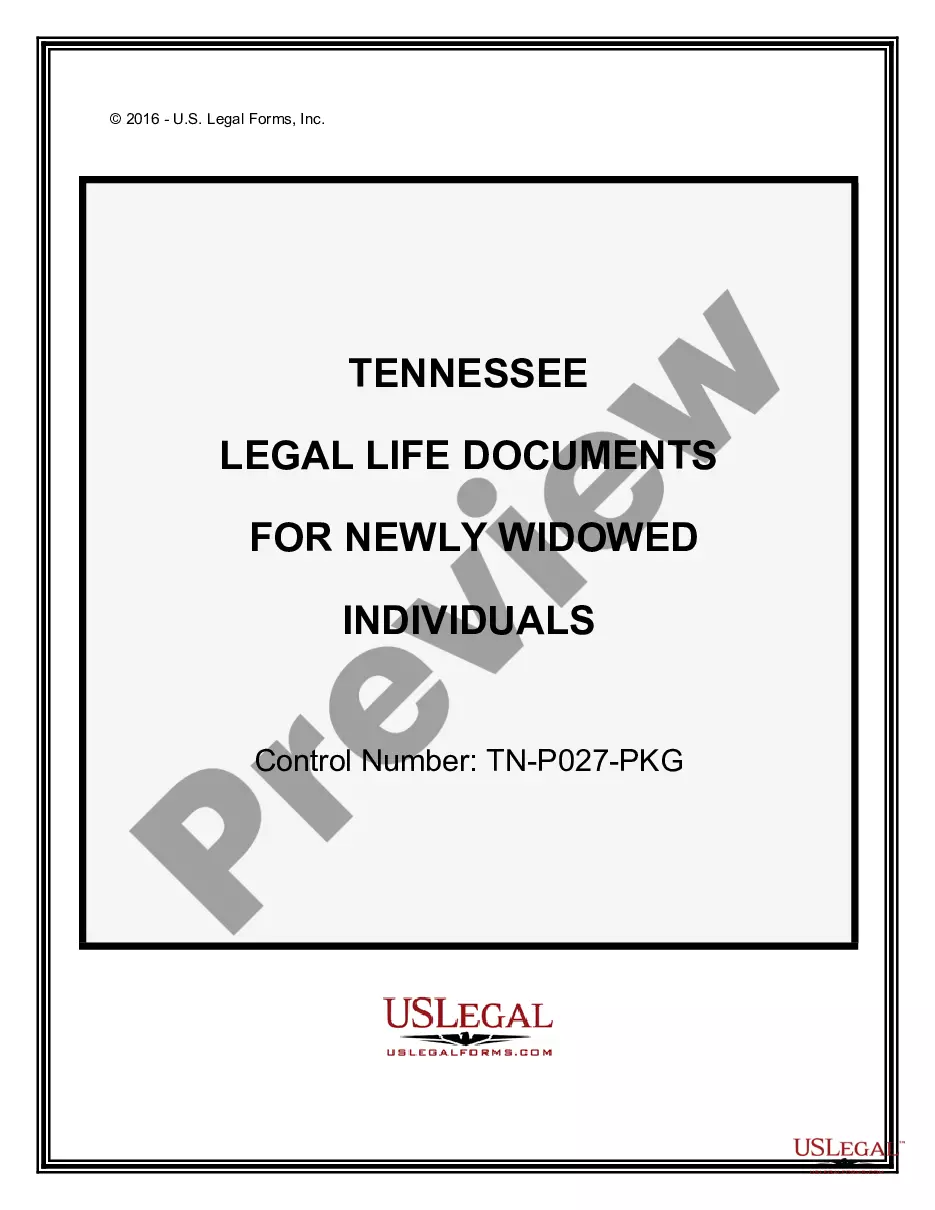
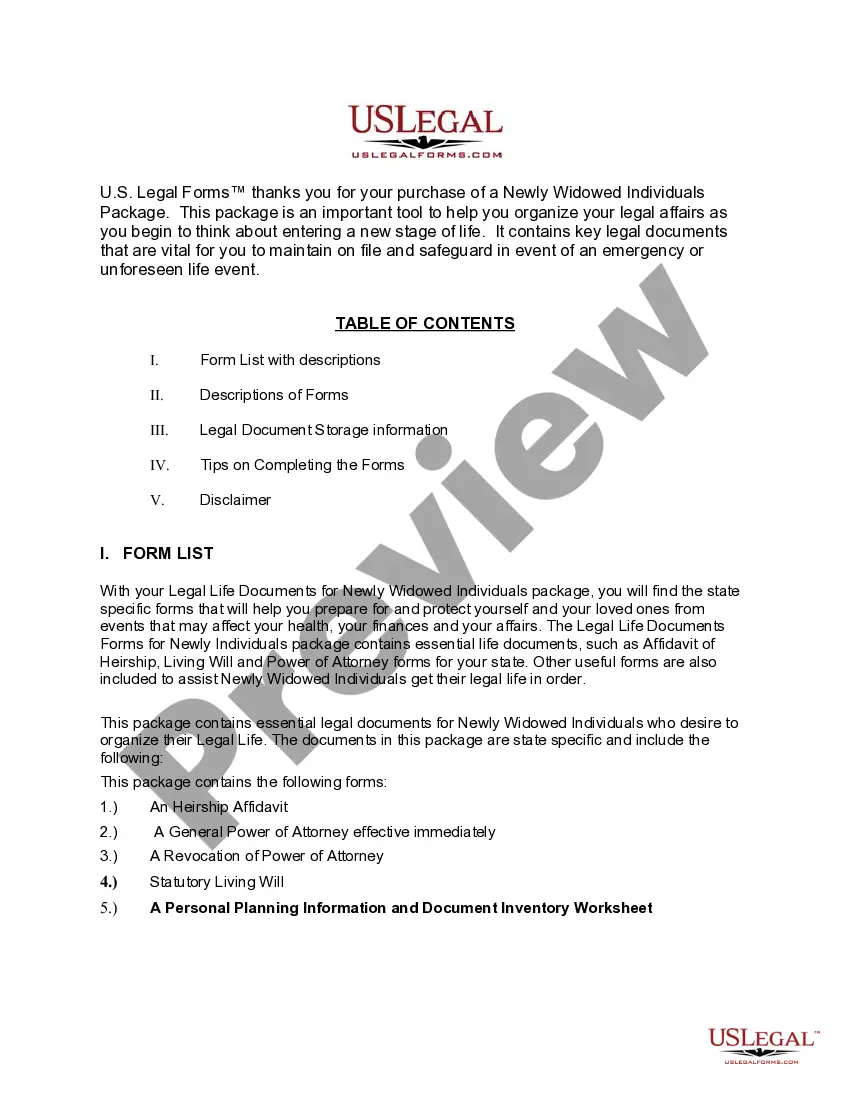
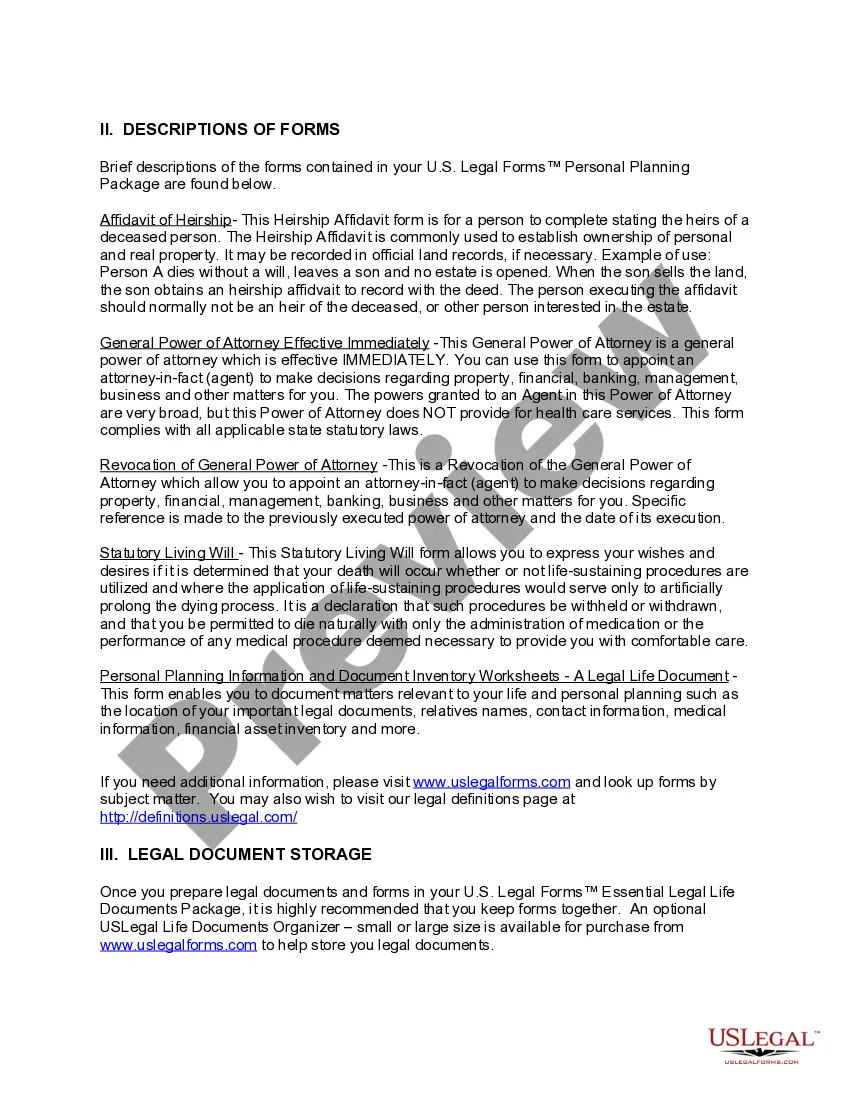
- Last Will and Testament
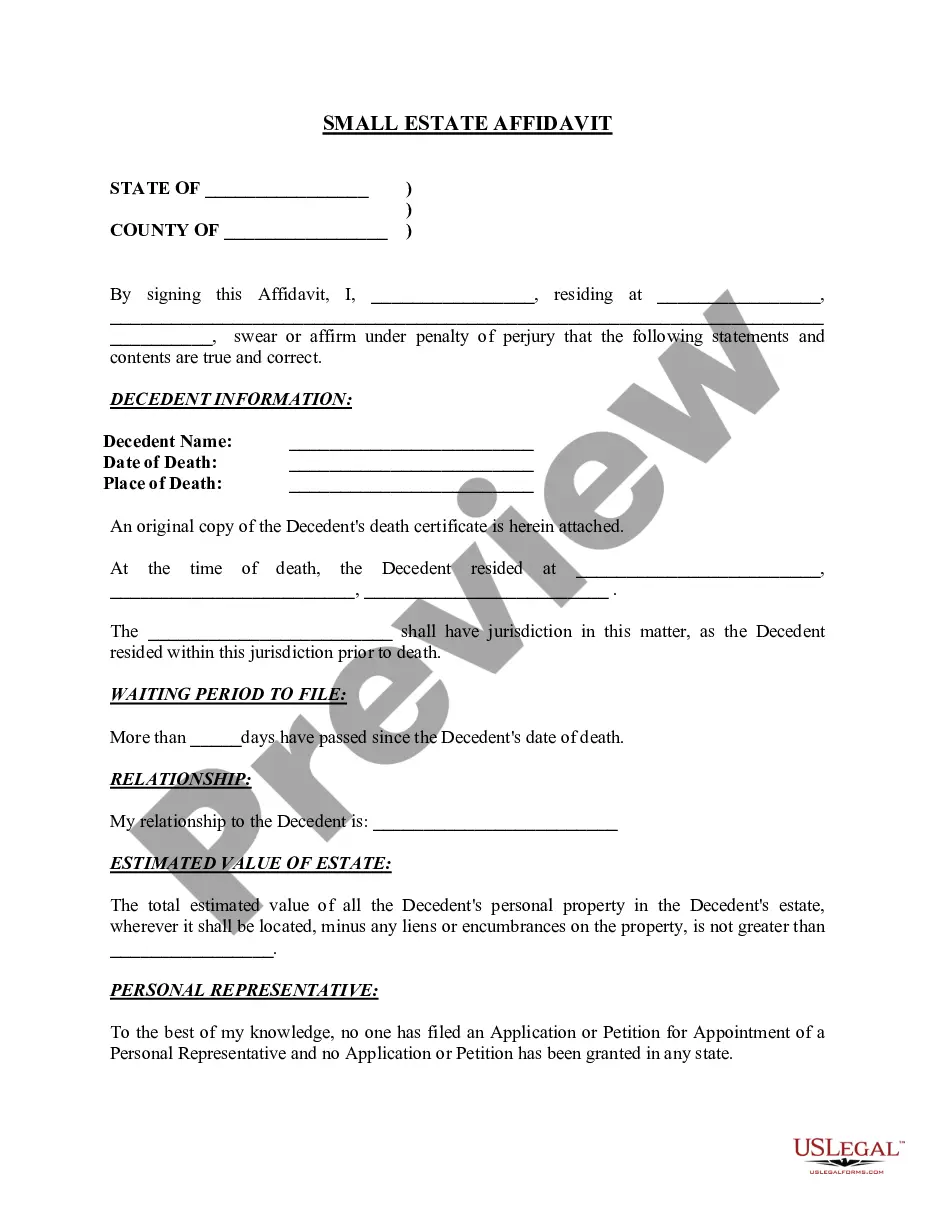
- Heirship Affidavit - Descent
- General Durable Power of Attorney for Property and Finances or Financial Effective Immediately
- Revocation of General Durable Power of Attorney
- Statutory Living Will
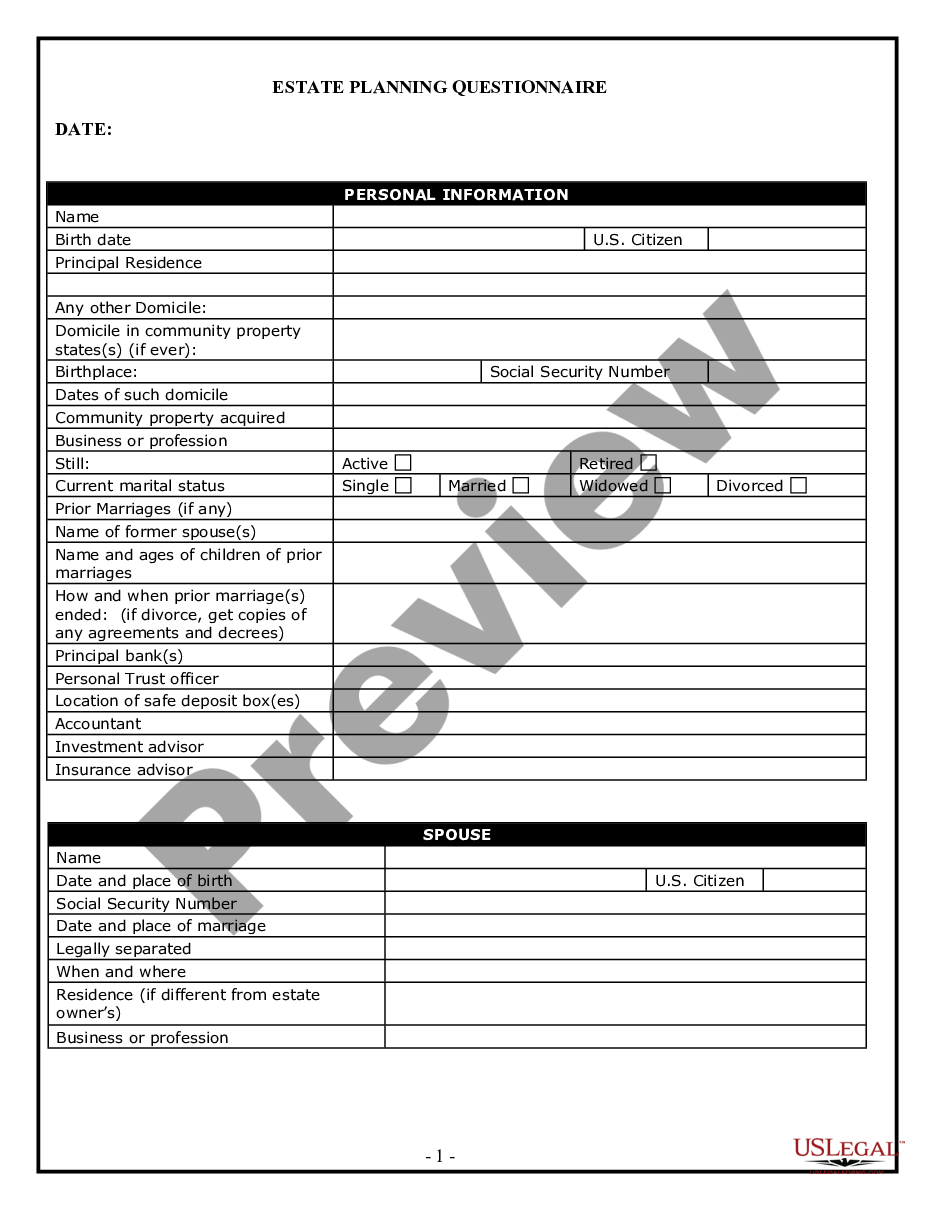
- Personal Planning Information and Document Inventory Worksheets - A Legal Life Document

Common use cases
This package is useful in the following situations:
- After the death of a spouse to manage financial and legal affairs.
- When needing to designate someone to make important decisions on your behalf.
- If you want to ensure your healthcare wishes are respected and documented.
- To organize important personal documents and information in one place.
Who needs this form package
- Newly widowed individuals in Tennessee.
- Those seeking to establish a clear plan for their affairs post-loss.
- Individuals who want to ensure their healthcare wishes are documented.
- Anyone needing to simplify the management of inherited assets.
Completing these forms step by step
- Review all included forms carefully to understand their purpose and instructions.
- Fill in the necessary fields with accurate personal information.
- Sign the relevant forms where indicated, ensuring compliance with Tennessee's requirements.
- Store the completed forms in a secure location, such as a safe deposit box.
- Inform a family member or attorney of the location of these documents for easy access.
Do documents in this package require notarization?
Notarization is required for one or more forms in this package. US Legal Forms provides secure online notarization powered by Notarize, allowing you to complete the process through a verified video call.
Get your form ready online
Our built-in tools help you complete, sign, share, and store your documents in one place.
Make edits, fill in missing information, and update formatting in US Legal Forms—just like you would in MS Word.
Download a copy, print it, send it by email, or mail it via USPS—whatever works best for your next step.
Sign and collect signatures with our SignNow integration. Send to multiple recipients, set reminders, and more. Go Premium to unlock E-Sign.
If this form requires notarization, complete it online through a secure video call—no need to meet a notary in person or wait for an appointment.
We protect your documents and personal data by following strict security and privacy standards.

Make edits, fill in missing information, and update formatting in US Legal Forms—just like you would in MS Word.

Download a copy, print it, send it by email, or mail it via USPS—whatever works best for your next step.

Sign and collect signatures with our SignNow integration. Send to multiple recipients, set reminders, and more. Go Premium to unlock E-Sign.

If this form requires notarization, complete it online through a secure video call—no need to meet a notary in person or wait for an appointment.

We protect your documents and personal data by following strict security and privacy standards.
Common mistakes
- Not reading through the forms before completing them, leading to errors in information.
- Failing to sign or date the forms where necessary.
- Ignoring state-specific requirements, which can render the documents invalid.
- Not keeping the forms in a secure location accessible to trusted individuals.
Why use this package online
- Convenient access to essential legal documents from the comfort of your home.
- Editable forms that save time and allow for quick customization.
- Reliable support from licensed attorneys who have prepared the forms.
- Immediate downloads, so you can start organizing your affairs right away.
Key takeaways
- The Tennessee Newly Widowed Individuals Package provides essential legal documents to help newly widowed individuals manage their affairs.
- It is specifically designed to meet the needs of those dealing with the loss of a spouse.
- Understanding and correctly completing these forms can ease the transition during a difficult time.
- Each form is tailored to comply with Tennessee state law, ensuring validity and enforceability.
Looking for another form?

Form popularity
FAQ
Widows and widowers Generally, spouses and ex-spouses become eligible for survivor benefits at age 60 50 if they are disabled provided they do not remarry before that age. These benefits are payable for life unless the spouse begins collecting a retirement benefit that is greater than the survivor benefit.
The earliest a widow or widower can start receiving Social Security survivors benefits based on age will remain at age 60. Widows or widowers benefits based on age can start any time between age 60 and full retirement age as a survivor.
There are two kinds of benefits that loved ones left behind may be entitled to receive after the death of a spouse. These are: Widowed parent's allowance. Bereavement allowance and bereavement payment.
Widows can claim benefits at any time between 60 and their survivor full retirement age.
These are examples of the benefits that survivors may receive: Widow or widower, full retirement age or older 100 percent of the deceased worker's benefit amount. Widow or widower, age 60 full retirement age 71½ to 99 percent of the deceased worker's basic amount.
For Your Widow Or WidowerWidows and widowers can receive: Reduced benefits as early as age 60 or full benefits at full retirement age or older. If widows or widowers qualify for retirement benefits on their own record, they can switch to their own retirement benefit as early as age 62.
A surviving spouse can collect 100 percent of the late spouse's benefit if the survivor has reached full retirement age, but the amount will be lower if the deceased spouse claimed benefits before he or she reached full retirement age.
Be at least age 60. Be the widow or widower of a fully insured worker. Meet the marriage duration requirement. Be unmarried, unless the marriage can be disregarded.