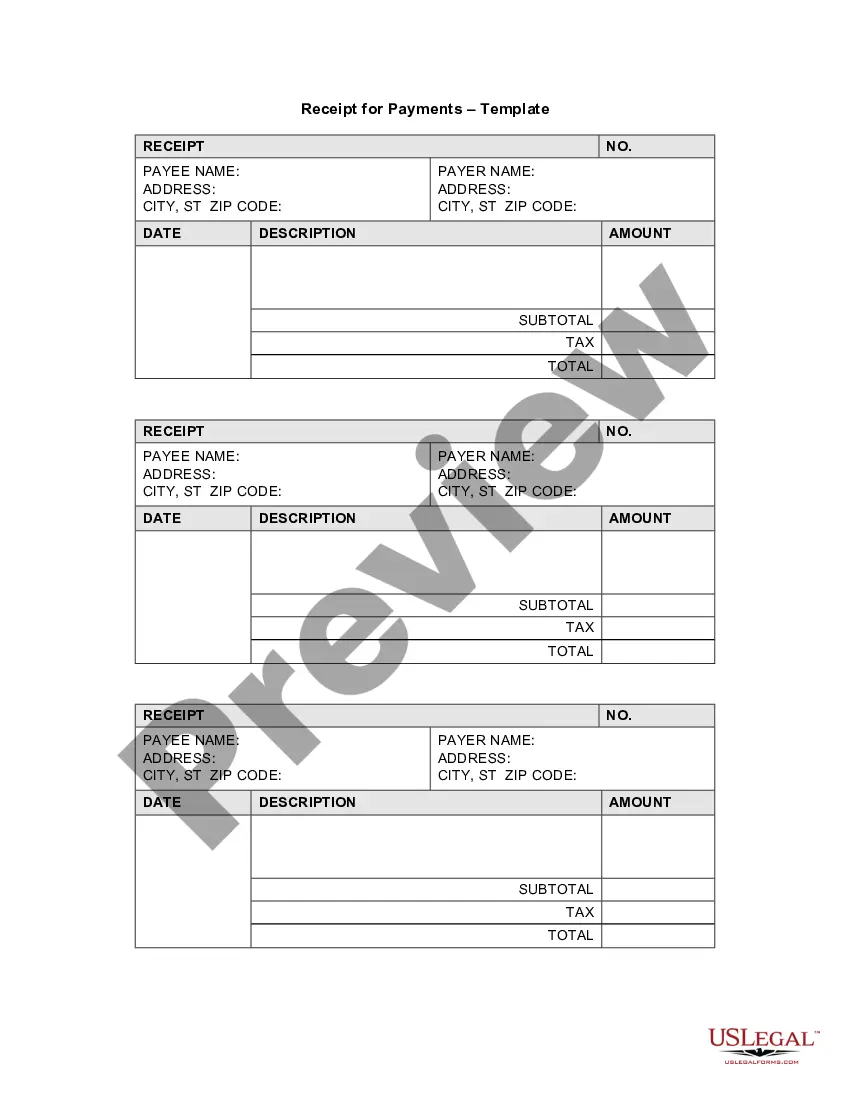
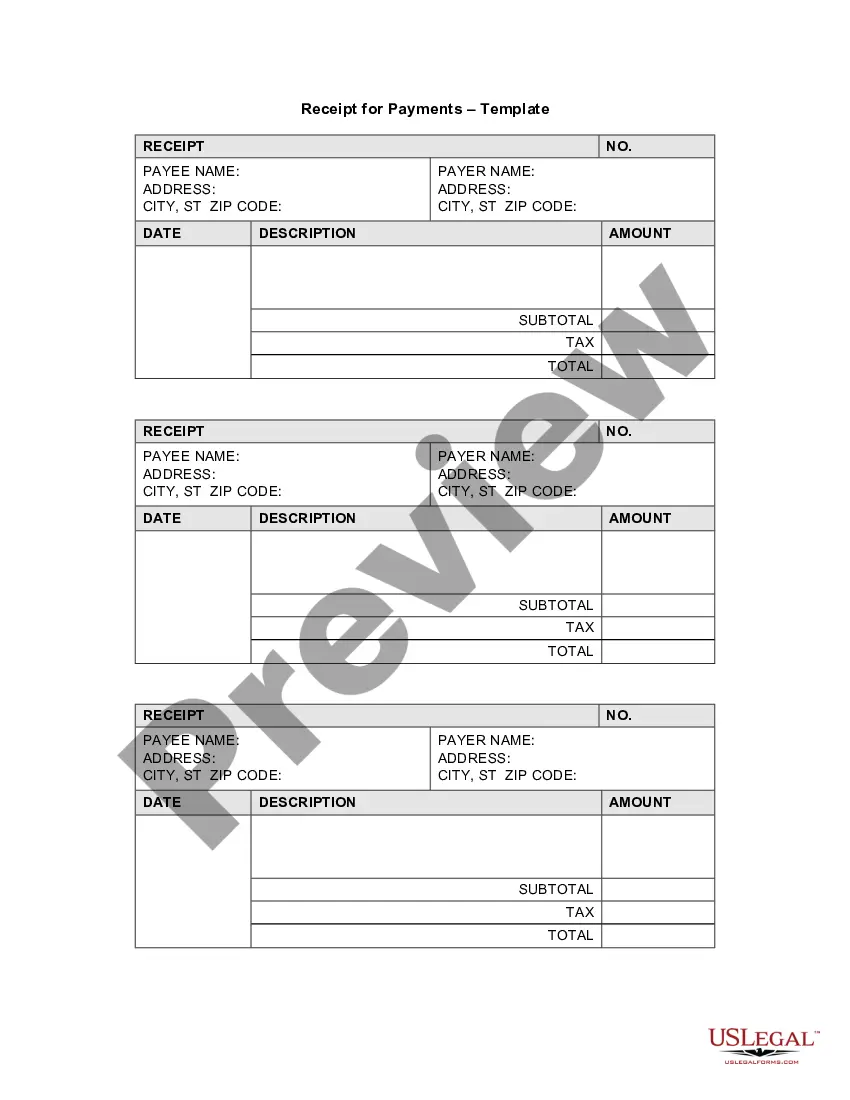
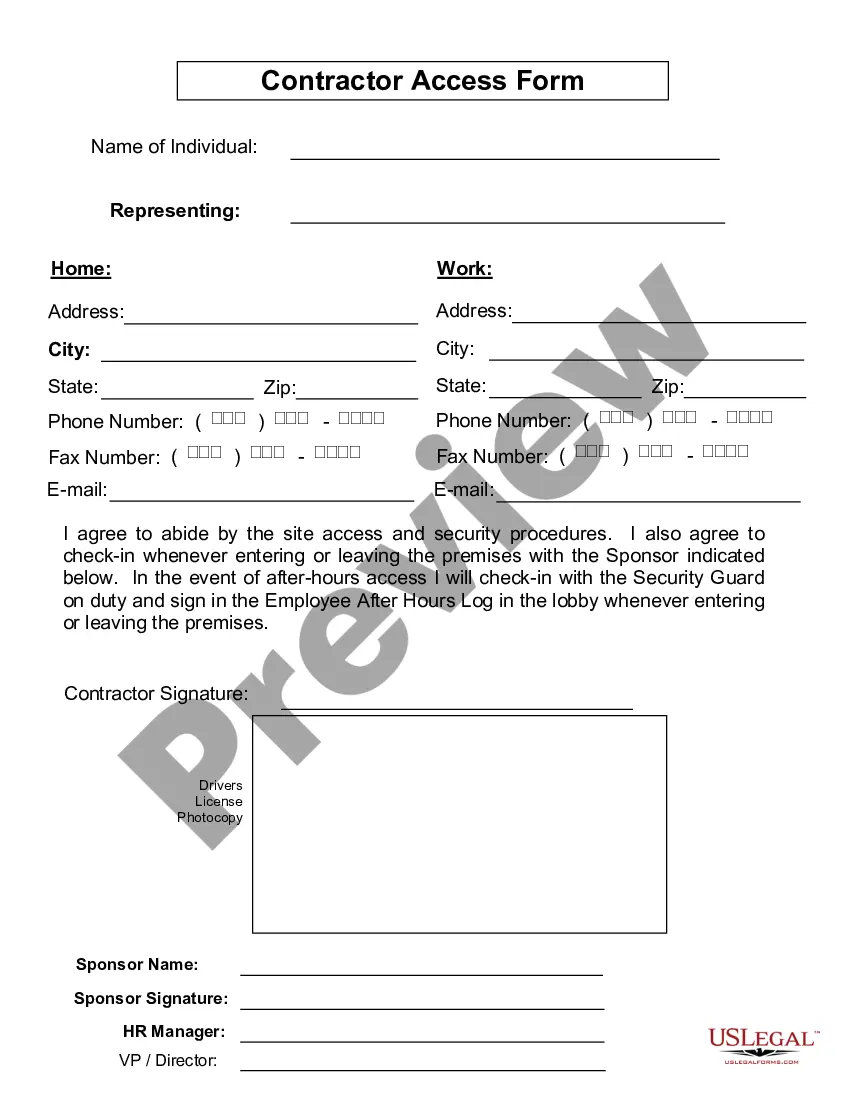
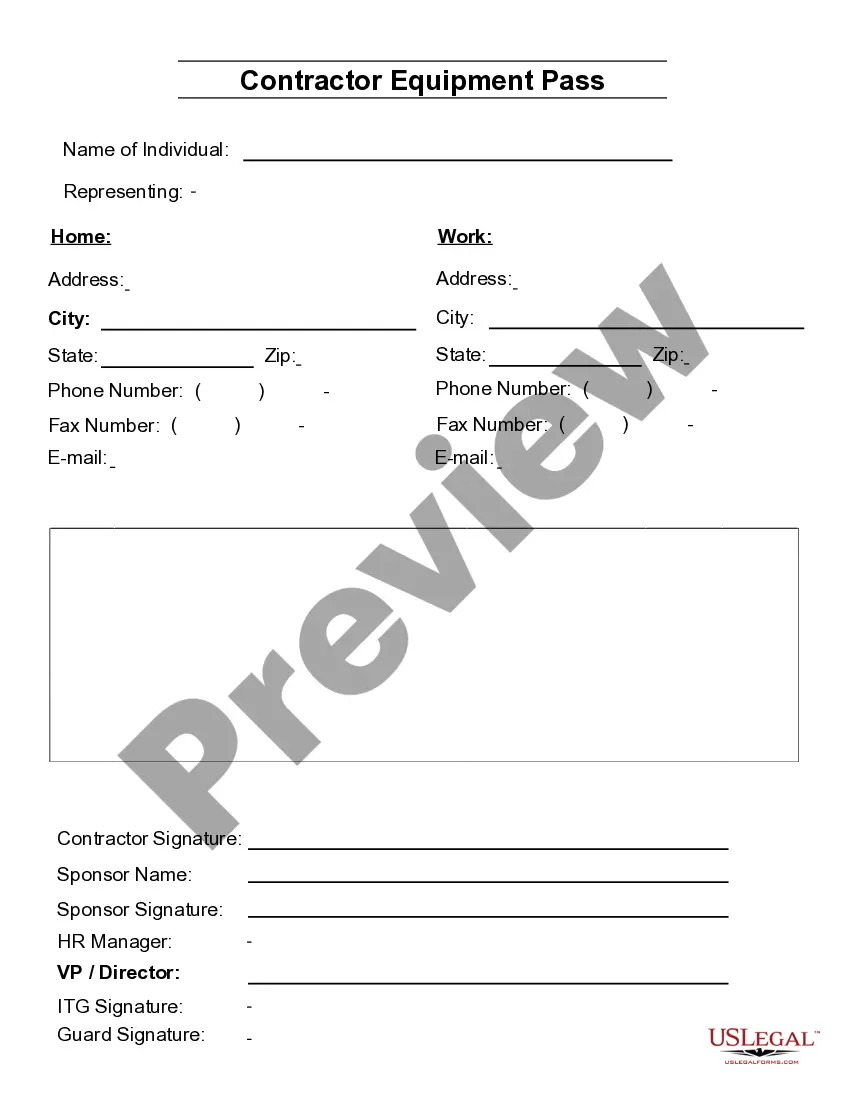
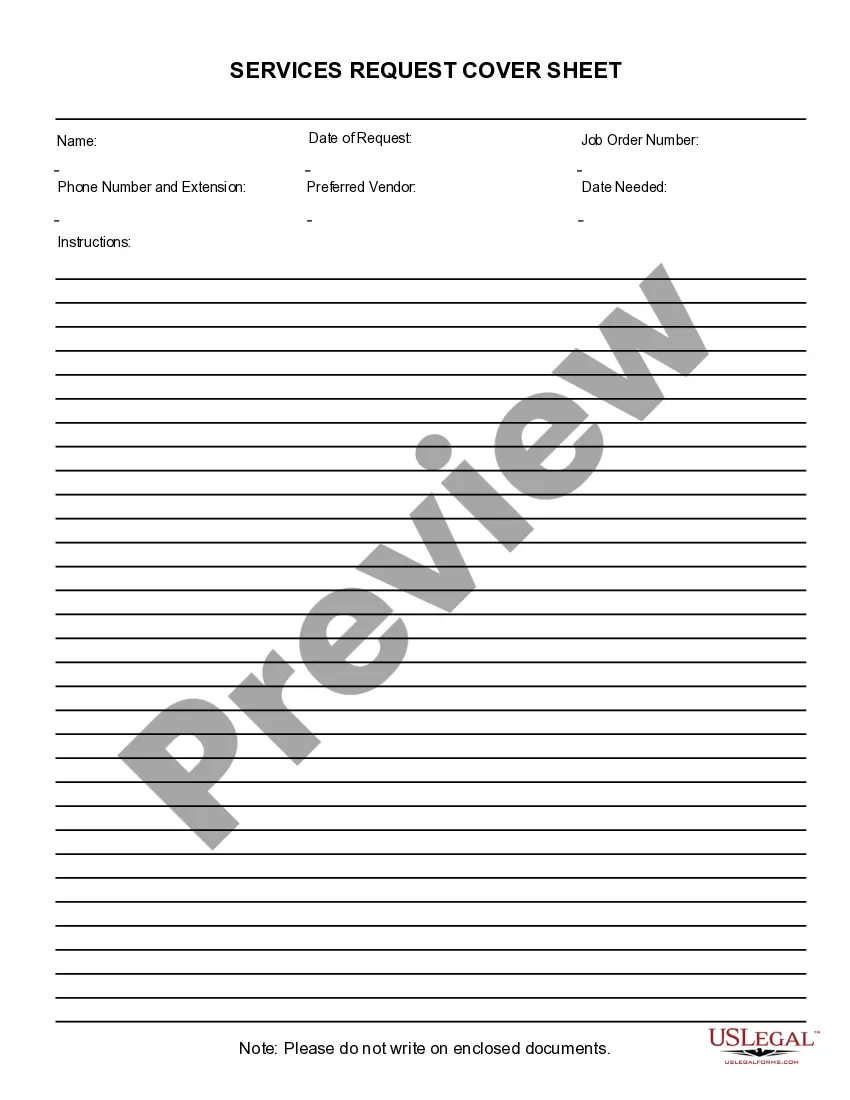
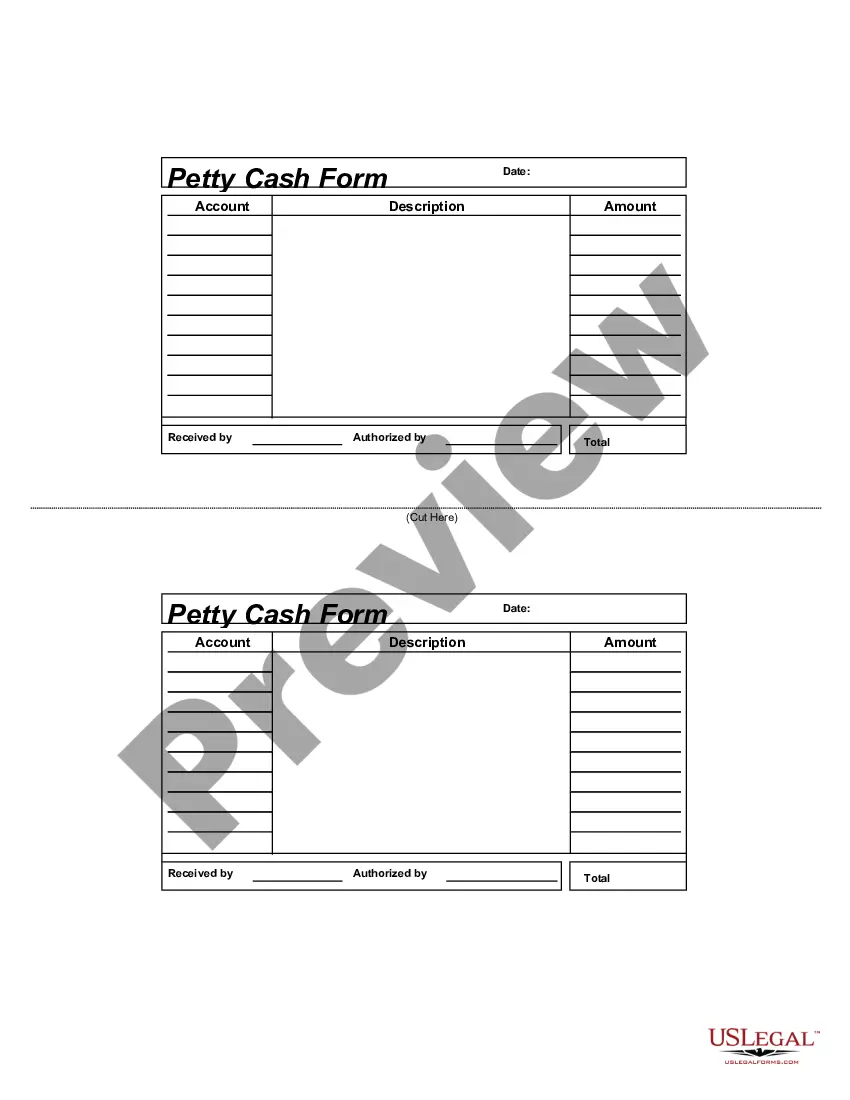
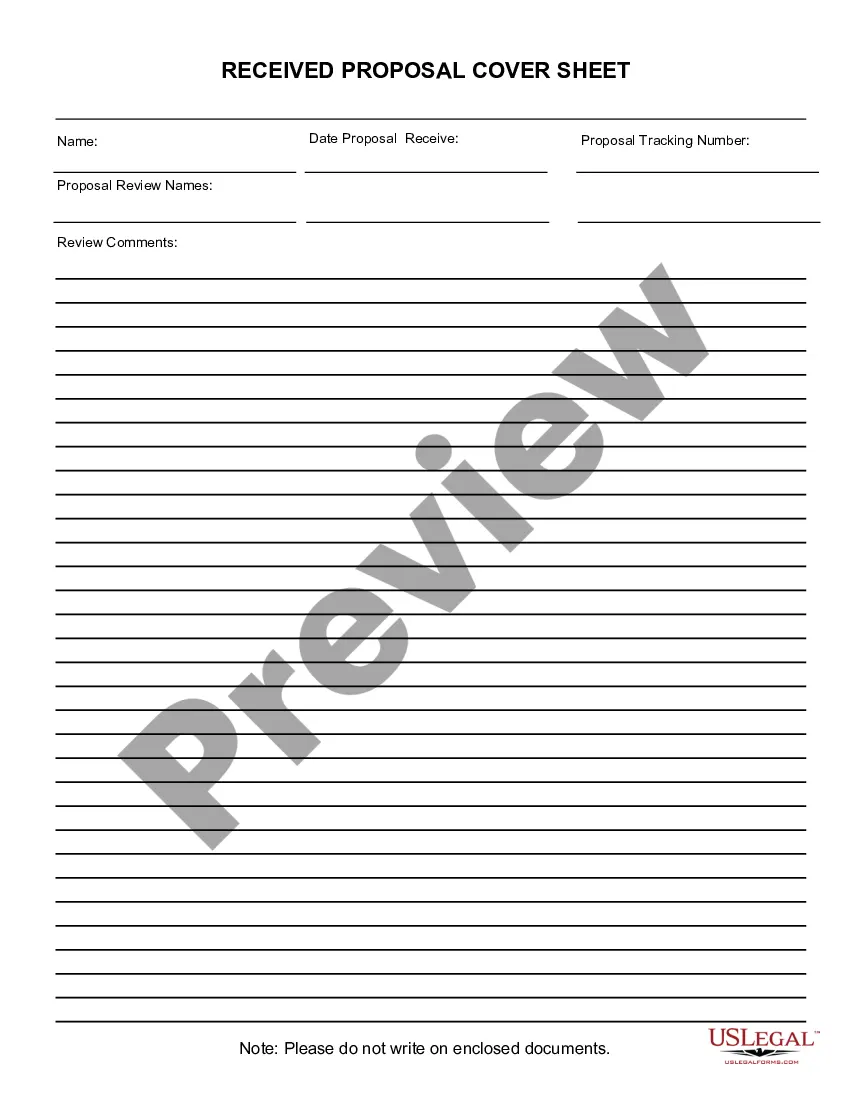
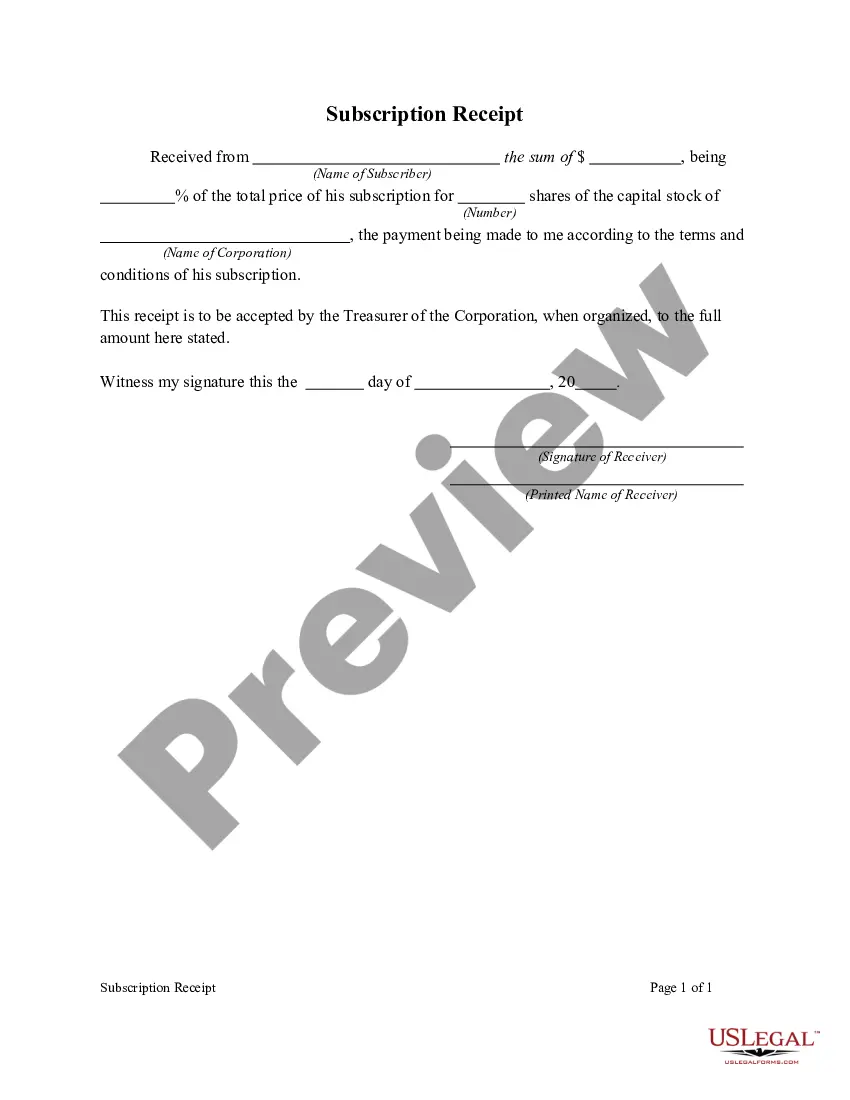
This form is a business type form that is formatted to allow you to complete the form using Adobe Acrobat or Word. The word files have been formatted to allow completion by entry into fields. Some of the forms under this category are rather simple while others are more complex. The formatting is worth the small cost.
South Carolina Contractor Access Form
Category:
State:
Multi-State
Control #:
US-132-AZ
Format:
Word;
PDF;
Rich Text
Instant download
Description

Get your form ready online
Our built-in tools help you complete, sign, share, and store your documents in one place.
Built-in online Word editor
Make edits, fill in missing information, and update formatting in US Legal Forms—just like you would in MS Word.
Export easily
Download a copy, print it, send it by email, or mail it via USPS—whatever works best for your next step.
E-sign your document
Sign and collect signatures with our SignNow integration. Send to multiple recipients, set reminders, and more. Go Premium to unlock E-Sign.
Notarize online 24/7
If this form requires notarization, complete it online through a secure video call—no need to meet a notary in person or wait for an appointment.
Store your document securely
We protect your documents and personal data by following strict security and privacy standards.

Make edits, fill in missing information, and update formatting in US Legal Forms—just like you would in MS Word.

Download a copy, print it, send it by email, or mail it via USPS—whatever works best for your next step.

Sign and collect signatures with our SignNow integration. Send to multiple recipients, set reminders, and more. Go Premium to unlock E-Sign.

If this form requires notarization, complete it online through a secure video call—no need to meet a notary in person or wait for an appointment.

We protect your documents and personal data by following strict security and privacy standards.
Looking for another form?

How to fill out Contractor Access Form?
You have the ability to spend time online searching for the legal format that meets the federal and state requirements you require.
US Legal Forms offers a plethora of legal templates that are vetted by experts.
You can effortlessly obtain or print the South Carolina Contractor Access Form from my service.
If available, use the Review option to browse through the format as well.
- If you possess a US Legal Forms account, you can sign in and select the Download option.
- Subsequently, you can complete, modify, print, or sign the South Carolina Contractor Access Form.
- Every legal format you purchase is yours to keep for a long time.
- To obtain an additional copy of the purchased form, visit the My documents section and choose the appropriate option.
- If this is your first time using the US Legal Forms site, adhere to the straightforward instructions below.
- First, ensure you have chosen the correct format for the region/city you select.
- Review the form description to confirm you have selected the right form.
Form popularity
FAQ
For general residential work exceeding $200 but less than $5000, one of the following State of South Carolina certifications or licenses is required: SC Registered Residential Specialty Contractor. SC Residential Builder License. SC General Contractor License.
A handyman, under the classification of Residential Specialty Contractor, does not need a license to work in South Carolina. However, you will need to register with the South Carolina Department of Labor, Licensing and Regulation.
You'll need a general contractor license from the South Carolina Contractor's Licensing Board to work on most residential, commercial and industrial construction projects over $5,000, although there are a few exceptions.
In South Carolina, the South Carolina Department of Labor, Licensing and Regulations is responsible for the licensing of all contractors. General, mechanical, specialty and manufactured housing contractors must be licensed in order to work in the state.
South Carolina This allows you to work in carpentry, drywalling, wallpaper, painting, sidings, insulation, floor covering, masonry, concrete and roofing.
State law requires residential construction to be done by licensed residential builders and specialty contractors. You have applied for a permit under an exemption to that law. The exemption allows you, as the owner of your property, to act as your own builder even though you do not have a license.
(B) An entity or individual engaging in general or mechanical construction on a project without the required license or certificate must immediately withdraw from the construction project and may not act as a subcontractor on that construction project.
In South Carolina, the South Carolina Department of Labor, Licensing and Regulations is responsible for the licensing of all contractors. General, mechanical, specialty and manufactured housing contractors must be licensed in order to work in the state.