South Carolina Residential Real Estate Sales Disclosure Statement
Understanding this form
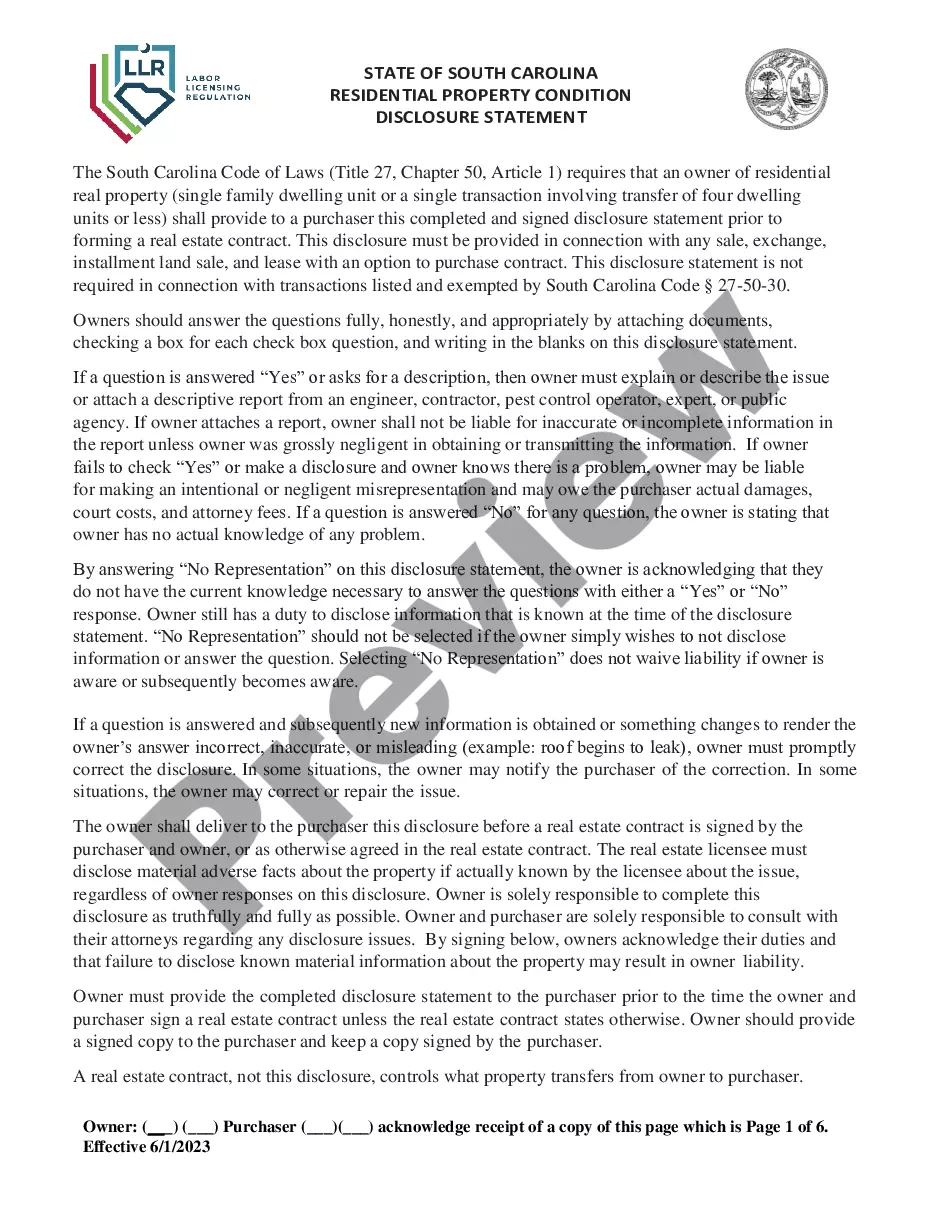
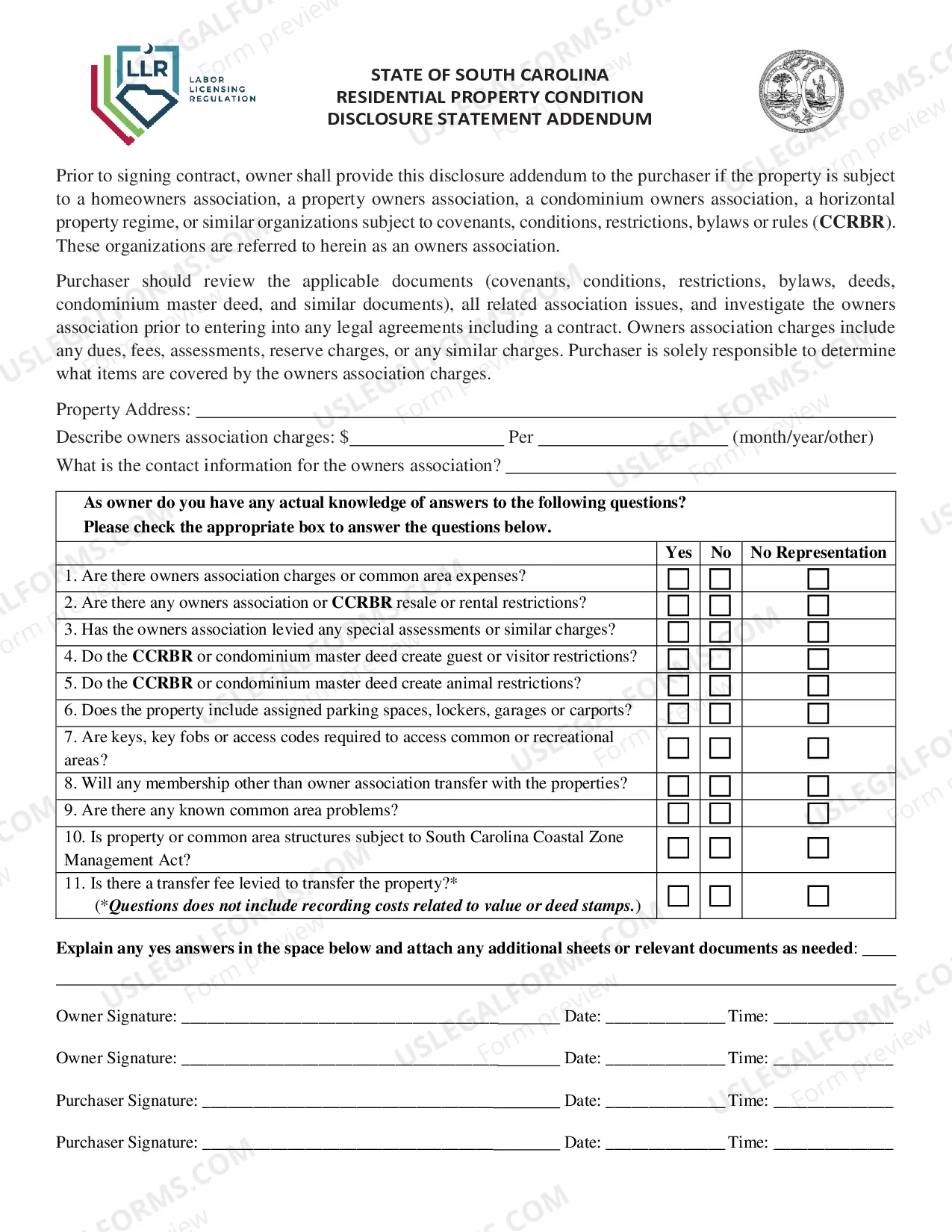
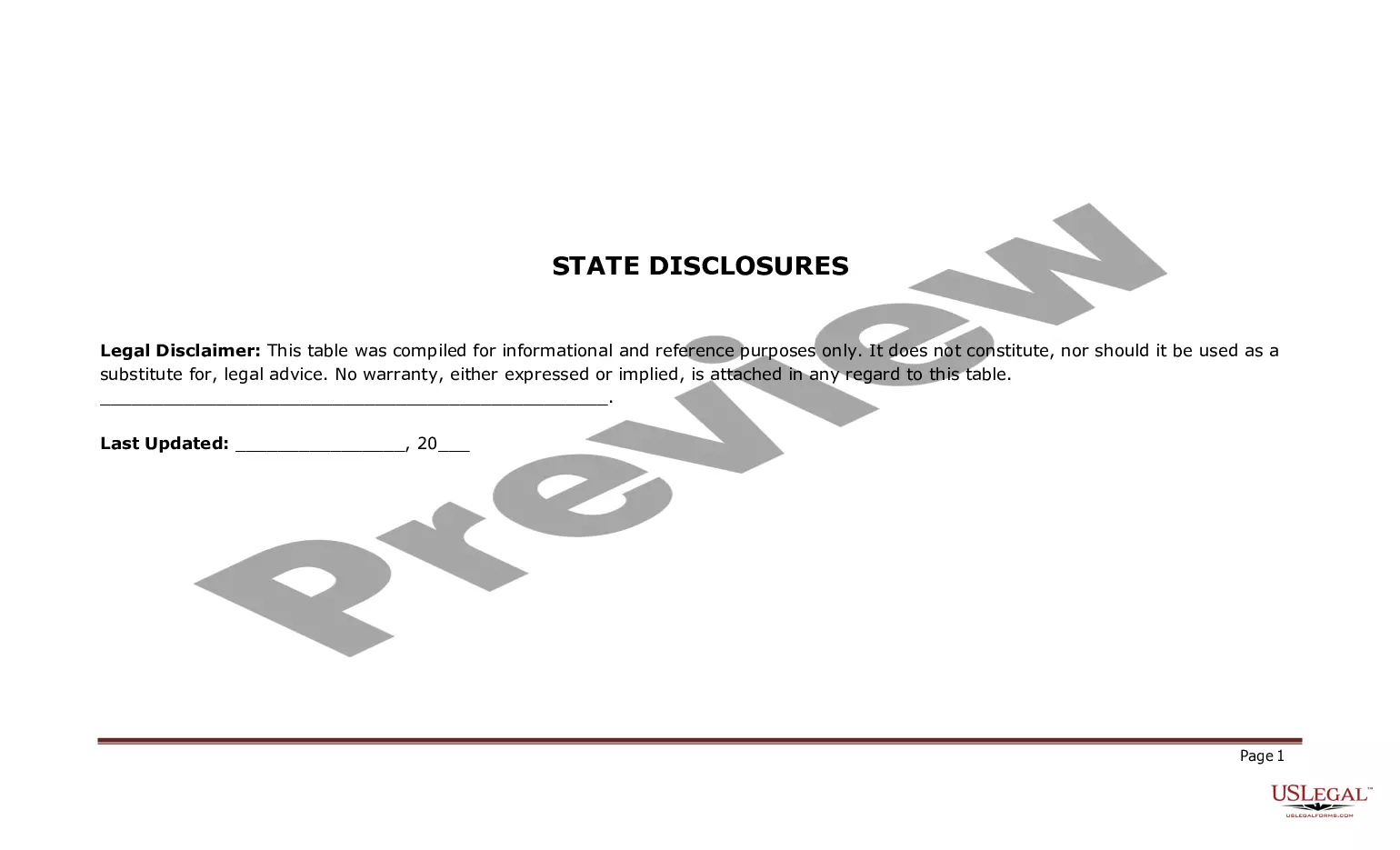
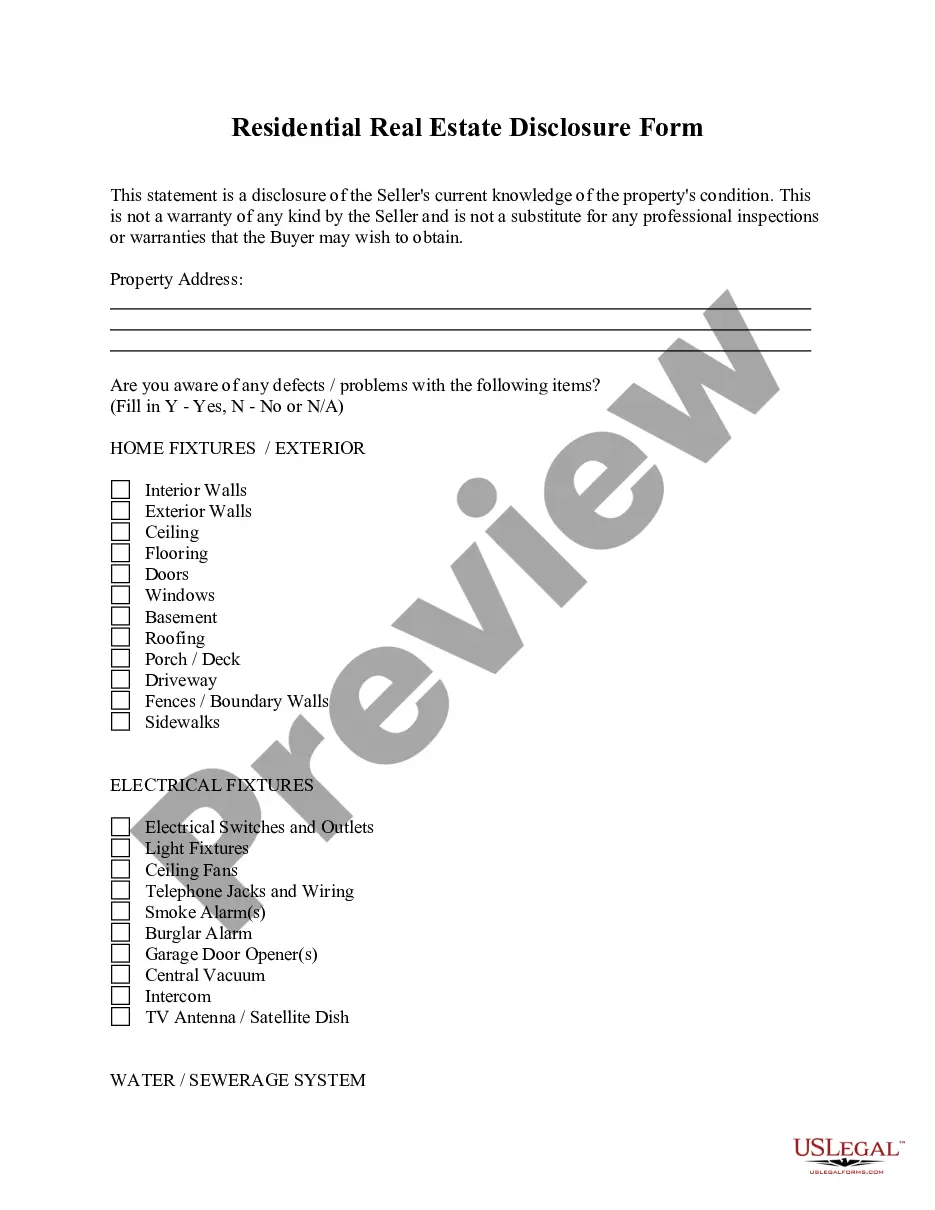
The Residential Real Estate Sales Disclosure Statement is a legally required document in South Carolina that sellers must provide to prospective buyers when selling a residential property. This form outlines the propertyâs condition and any known issues, helping buyers make informed decisions. Unlike other real estate forms, this statement specifically addresses the sellerâs knowledge of the property and is crucial for transparency in residential transactions.
Key components of this form
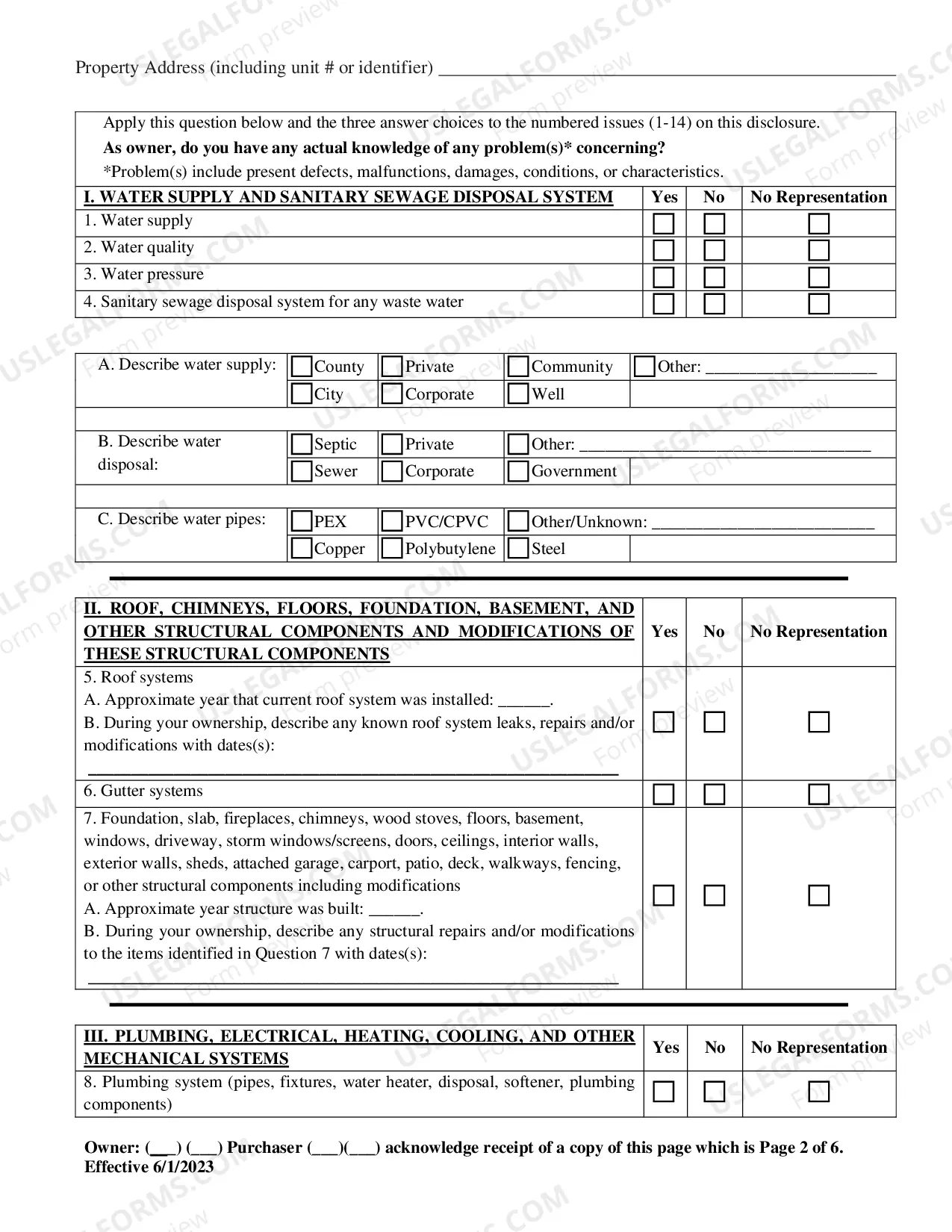
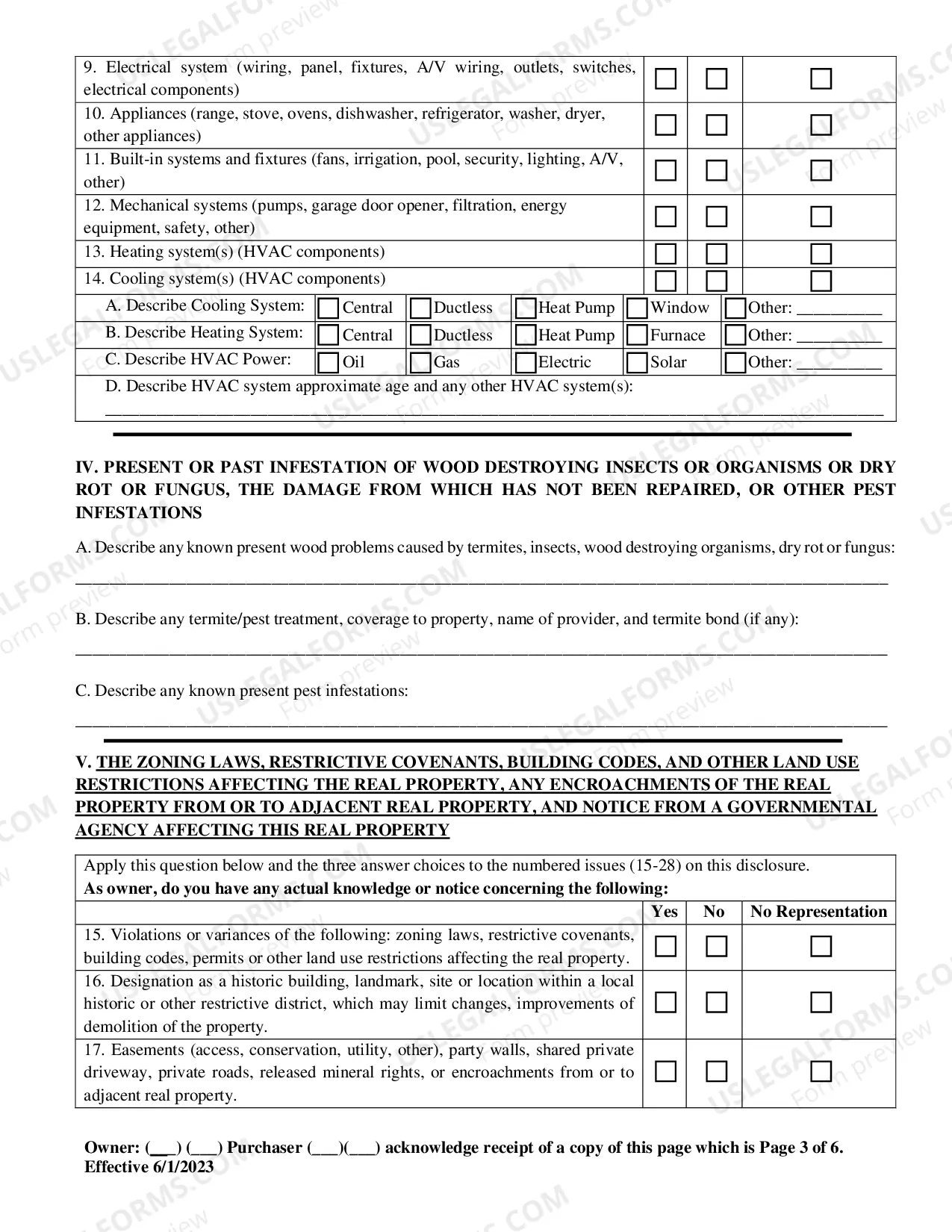
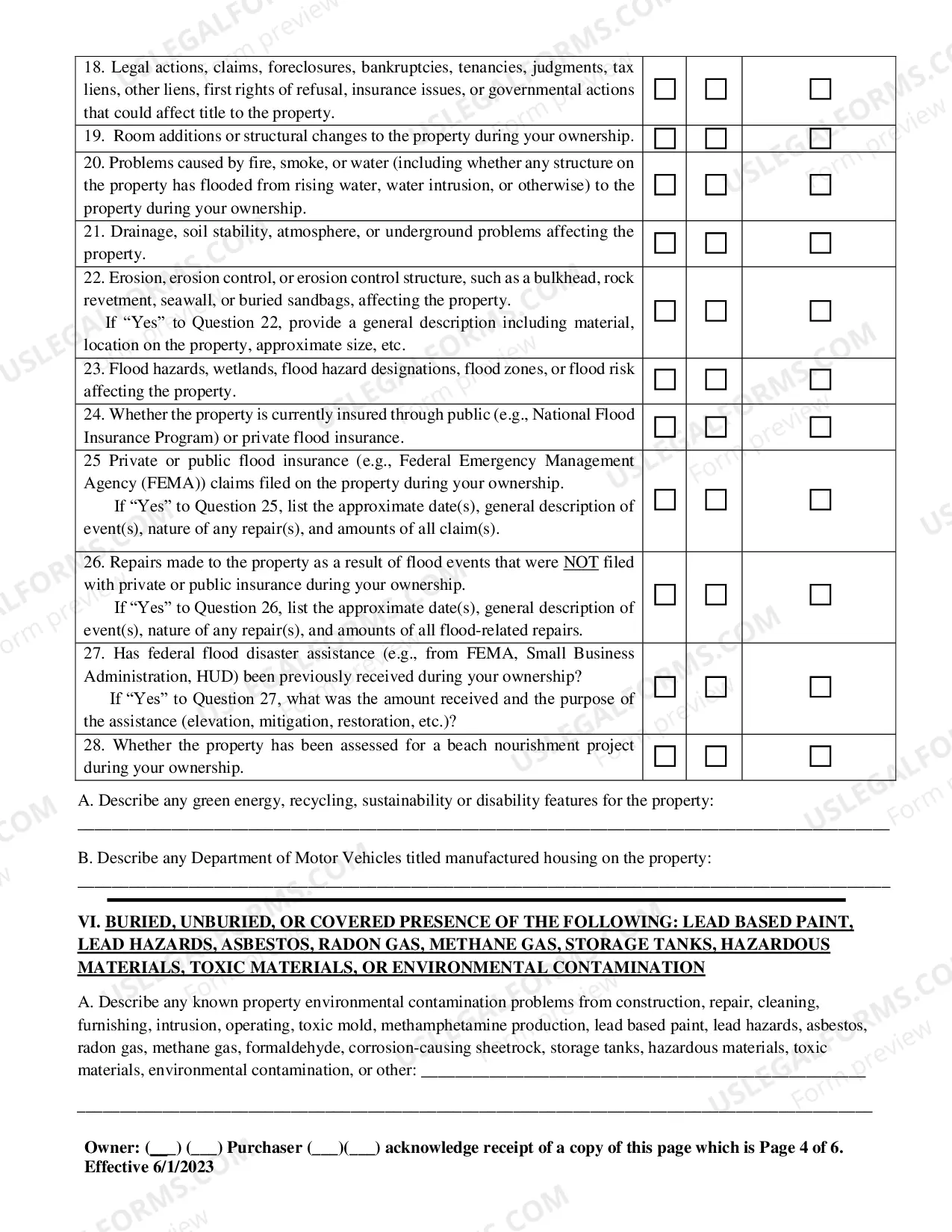
- Property condition disclosure: Sellers must answer questions regarding the property's condition and any known defects.
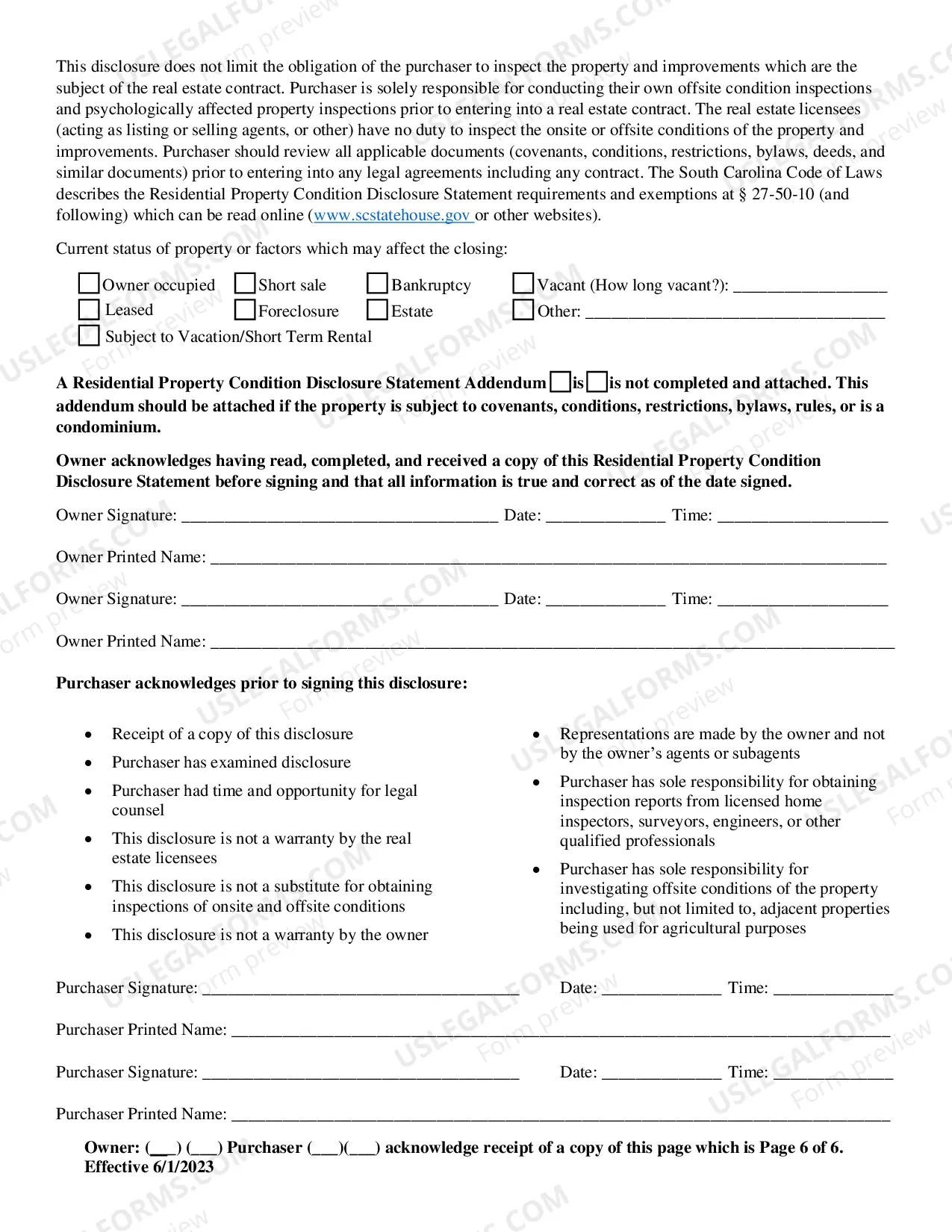
- Owner's responsibilities: The form highlights the legal obligations of sellers to disclose material information.
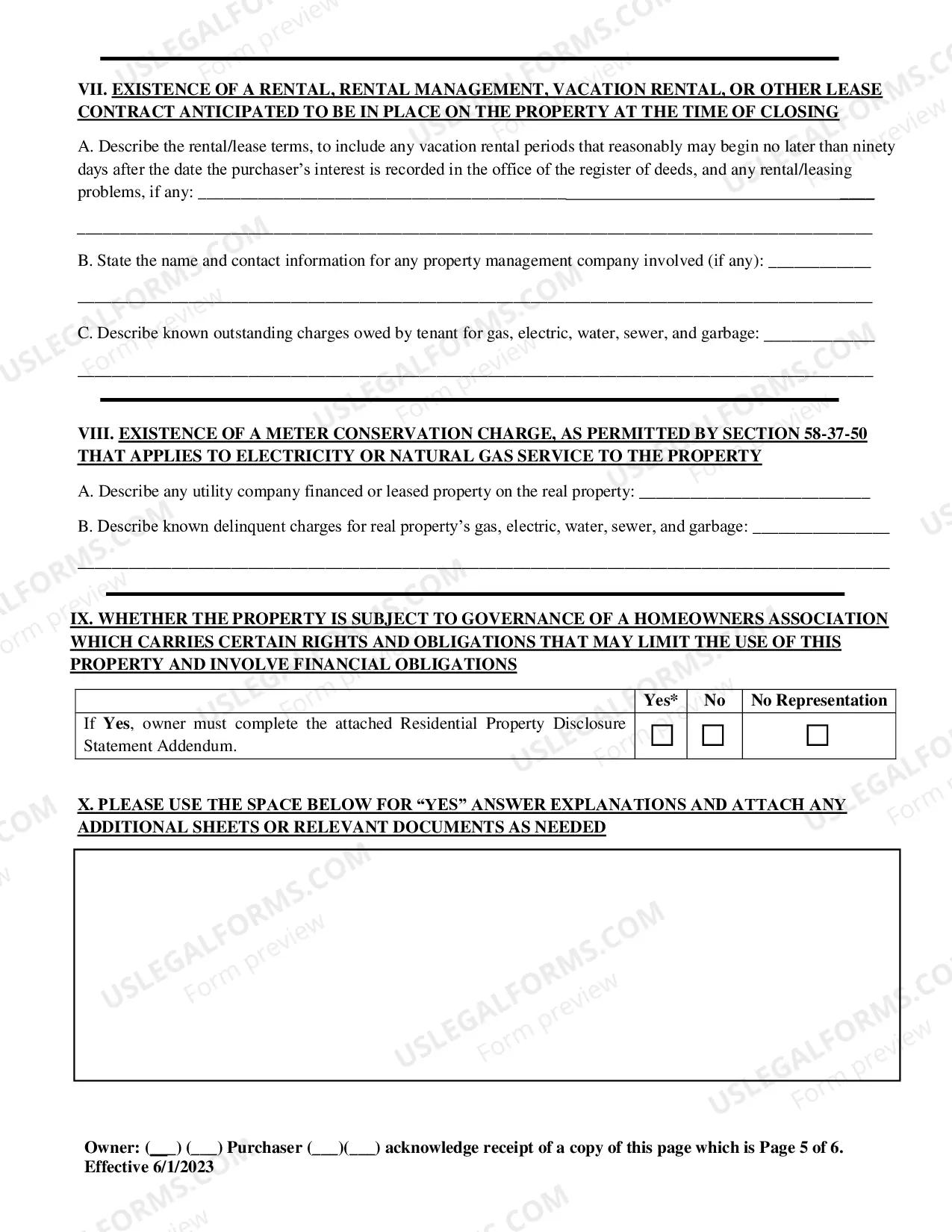
- Disclosure about known issues: Sections covering water supply, roof condition, pest infestations, and mechanical systems.
- Homeowners association information: If applicable, disclosure of any fees or restrictions imposed by the association.
- Legal consequences: Statements regarding liability for incomplete or inaccurate disclosures.
Common use cases
This form should be used in residential real estate transactions in South Carolina when a seller intends to sell a property. It is necessary before entering into a purchase agreement, ensuring that the buyer is aware of the property's condition and any potential issues. Sellers should complete this form to avoid legal complications in case of disputes regarding undisclosed problems.
Who should use this form
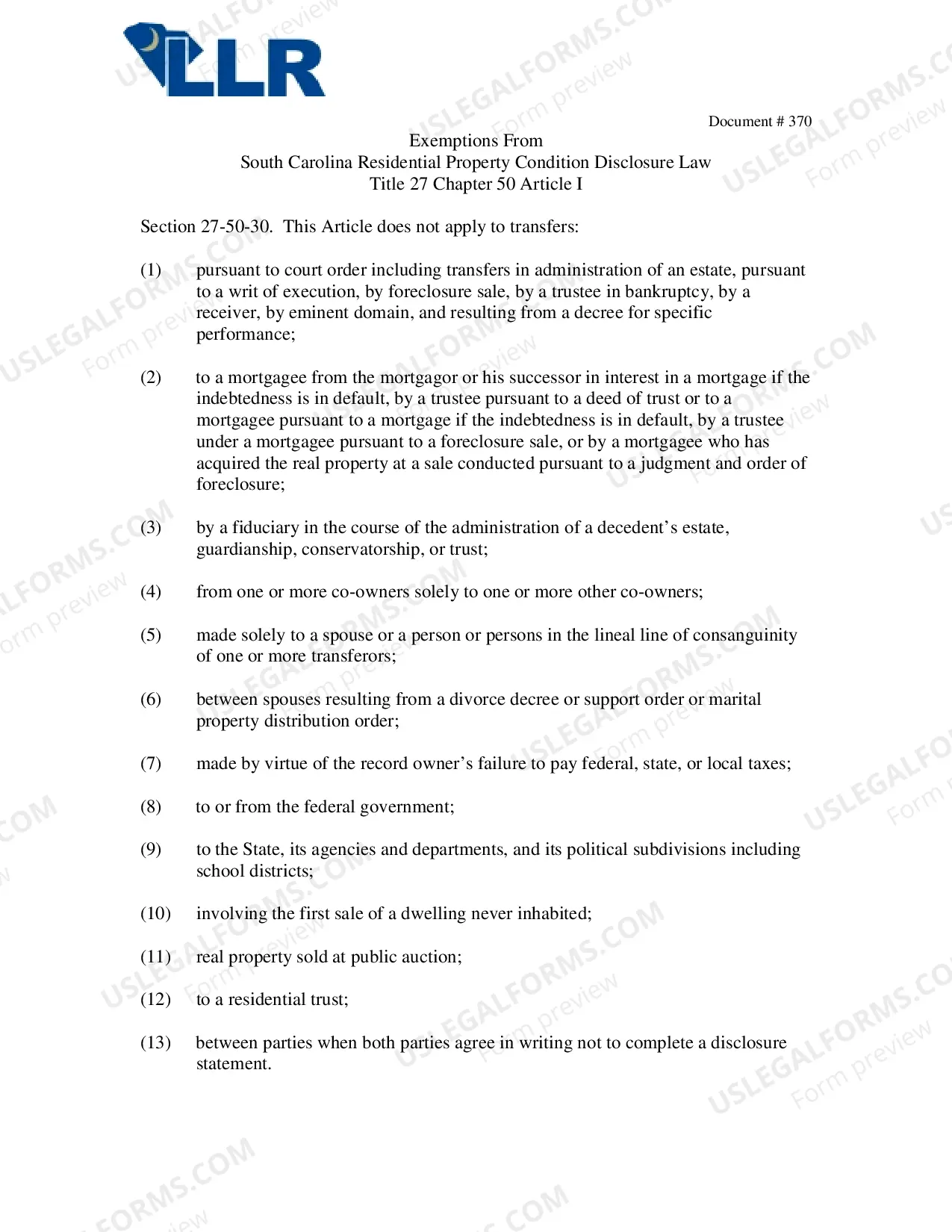
- Homeowners selling a single-family residence or a property with four units or less.
- Real estate agents representing sellers in residential property transactions.
- Buyers looking to understand the conditions of a residential property before completing a purchase.
- Attorneys advising clients on property sales in South Carolina.
Instructions for completing this form
- Identify the parties involved: Clearly state the seller and purchaser names at the beginning of the document.
- Provide the property address: Include the complete address of the property being sold.
- Answer the disclosure questions: For each question, indicate whether the seller has actual knowledge of any issues regarding the property.
- Describe specific conditions: Fill in detailed descriptions for any âYesâ answers regarding problems identified in the property.
- Sign and date the form: Both the seller and purchaser need to sign this document to acknowledge receipt and acceptance of the disclosures.
Is notarization required?
This form does not typically require notarization unless specified by local law. However, both parties should retain signed copies for their records.
Get your form ready online
Our built-in tools help you complete, sign, share, and store your documents in one place.
Make edits, fill in missing information, and update formatting in US Legal Forms—just like you would in MS Word.
Download a copy, print it, send it by email, or mail it via USPS—whatever works best for your next step.
Sign and collect signatures with our SignNow integration. Send to multiple recipients, set reminders, and more. Go Premium to unlock E-Sign.
If this form requires notarization, complete it online through a secure video call—no need to meet a notary in person or wait for an appointment.
We protect your documents and personal data by following strict security and privacy standards.

Make edits, fill in missing information, and update formatting in US Legal Forms—just like you would in MS Word.

Download a copy, print it, send it by email, or mail it via USPS—whatever works best for your next step.

Sign and collect signatures with our SignNow integration. Send to multiple recipients, set reminders, and more. Go Premium to unlock E-Sign.

If this form requires notarization, complete it online through a secure video call—no need to meet a notary in person or wait for an appointment.

We protect your documents and personal data by following strict security and privacy standards.
Common mistakes
- Failing to disclose known issues, which could lead to liability for misrepresentation.
- Leaving sections incomplete, which may void the disclosure.
- Not providing a signed copy to both parties for their records.
- Using vague descriptions for disclosed issues that could mislead potential buyers.
Why complete this form online
- Convenience: Easily complete and download the form from anywhere at any time.
- Editability: Make necessary adjustments before finalizing the document.
- Reliability: Use templates drafted by licensed attorneys to ensure legal compliance.
Looking for another form?
Form popularity
FAQ
Sellers have to disclose any occupants (ie boyfriend, grandparent), who should also sign the contract. Sellers must disclose any official letters that have been received. And it is advisable to disclose any planning matters relating to the house or the neighbourhood.
If a seller fails to disclose, or actively conceals, problems that affect the value of the property; they are violating the law, and may be subject to a lawsuit for recovery of damages based on claims of fraud and deceit, misrepresentation and/or breach of contract.
In general, if the defect existed before you bought the home and the seller failed to disclose the defect, and you incurred monetary damages as a result, you can sue the seller or another party for breach of contract. A successful lawsuit could result in payment for the cost of repairs.
A seller is supposed to be truthful when answering the disclosure statement for the buyer.And, if a seller lies, the buyer is entitled to go after the seller for damages sustained because of an omission in the disclosure statement given to the buyer.
Property disclosure statements essentially outline any flaws that the home sellers (and their real estate agents) are aware of that could negatively affect the home's value. These statements are required by law in most areas of the country so buyers can know a property's good and bad points before they close the deal.
A real estate disclosure statement is a legally binding document in which the seller comes clean about any potential flaws and issues the buyer needs to know about.
The Virginia Residential Property Disclosure act is a statutory scheme enacted by the General Assembly of Virginia that requires a seller of real estate in Virginia to furnish to a purchaser a residential property disclosure statement for the buyer to beware of certain matters that may affect the buyer's decision to
If a seller fails to disclose, or actively conceals, problems that affect the value of the property; they are violating the law, and may be subject to a lawsuit for recovery of damages based on claims of fraud and deceit, misrepresentation and/or breach of contract.
As a last resort, a homeowner may file a lawsuit against the seller within a limited amount of time, known as a statute of limitations. Statutes of limitations are typically two to 10 years after closing. Lawsuits may be filed in small claims court relatively quickly and inexpensively, and without an attorney.