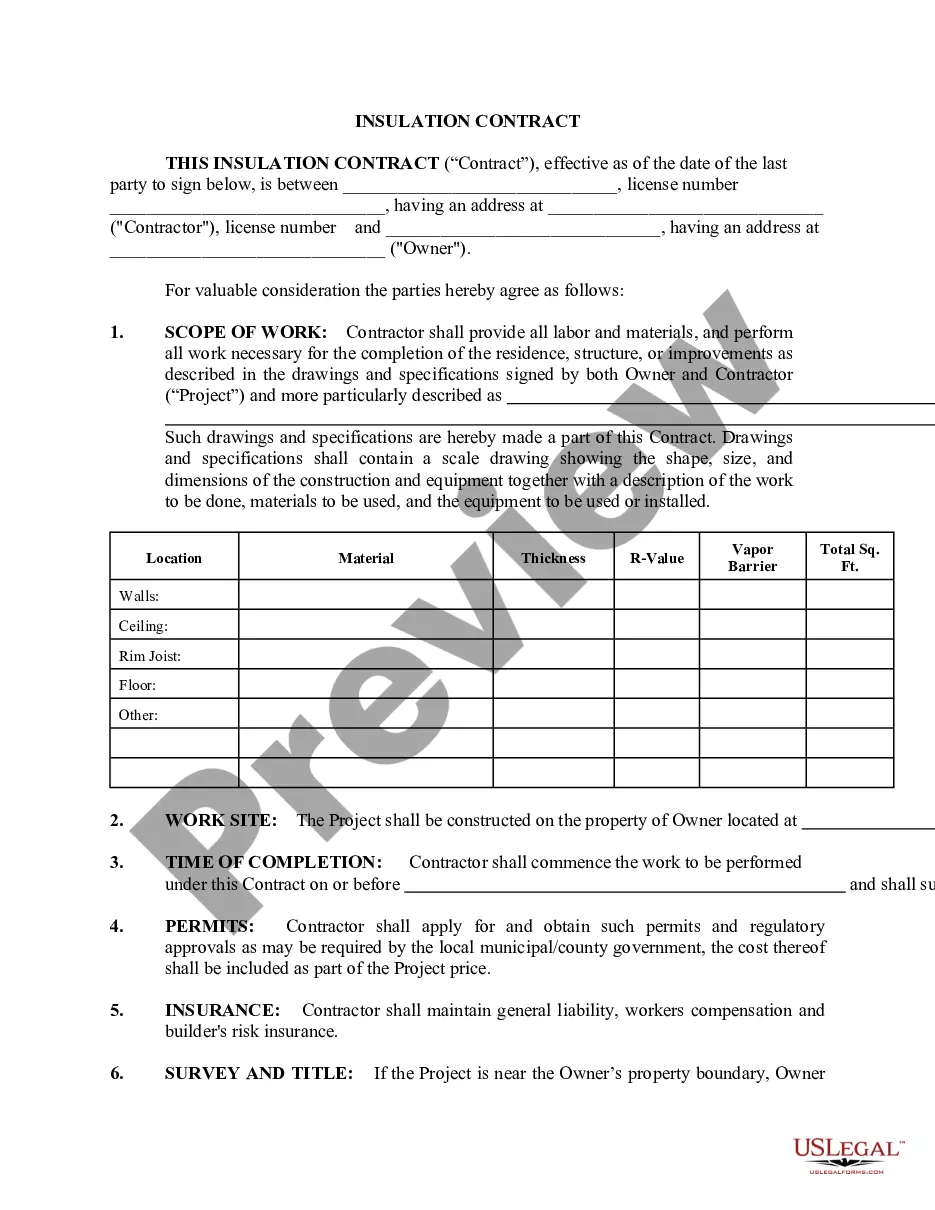
Mississippi Assignment to Living Trust
What is this form?
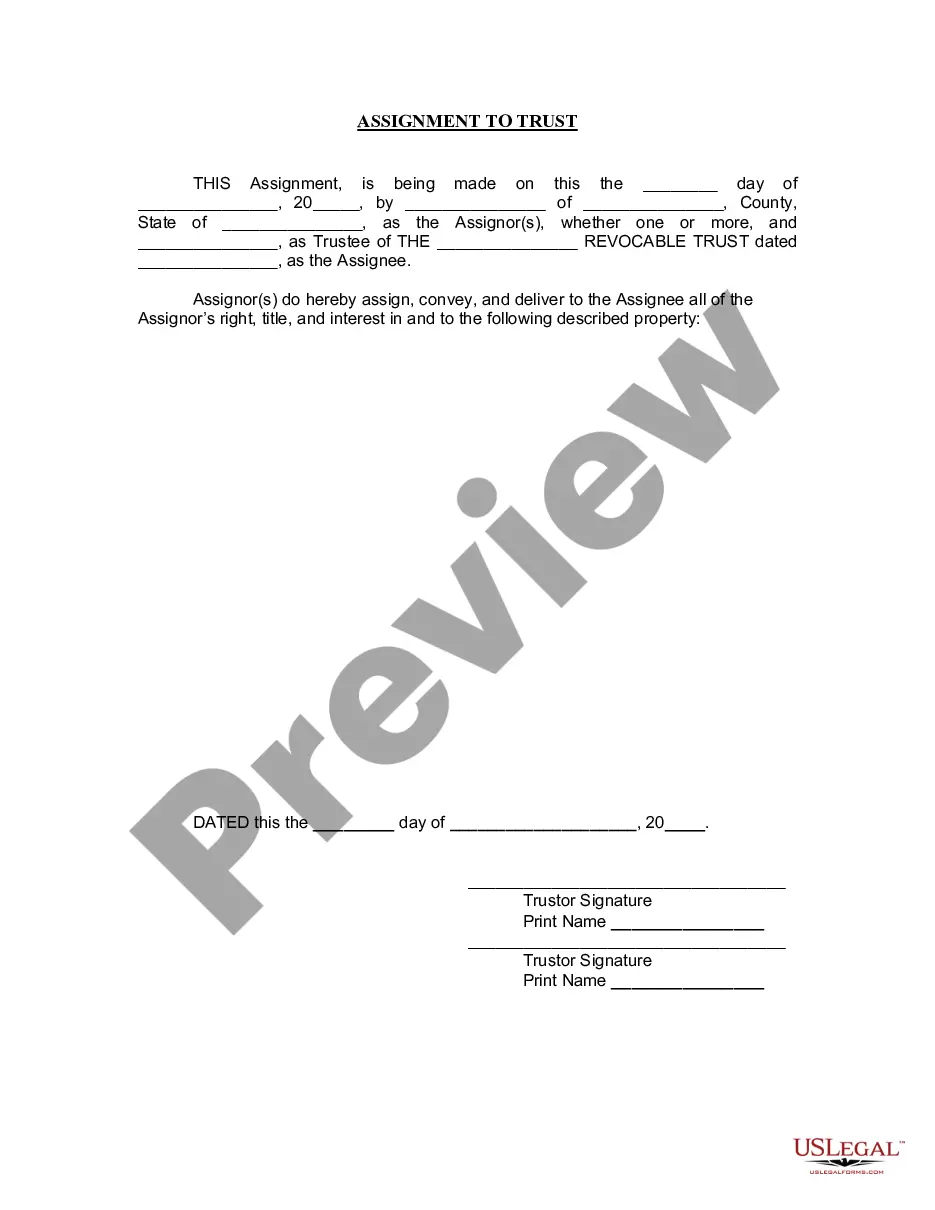
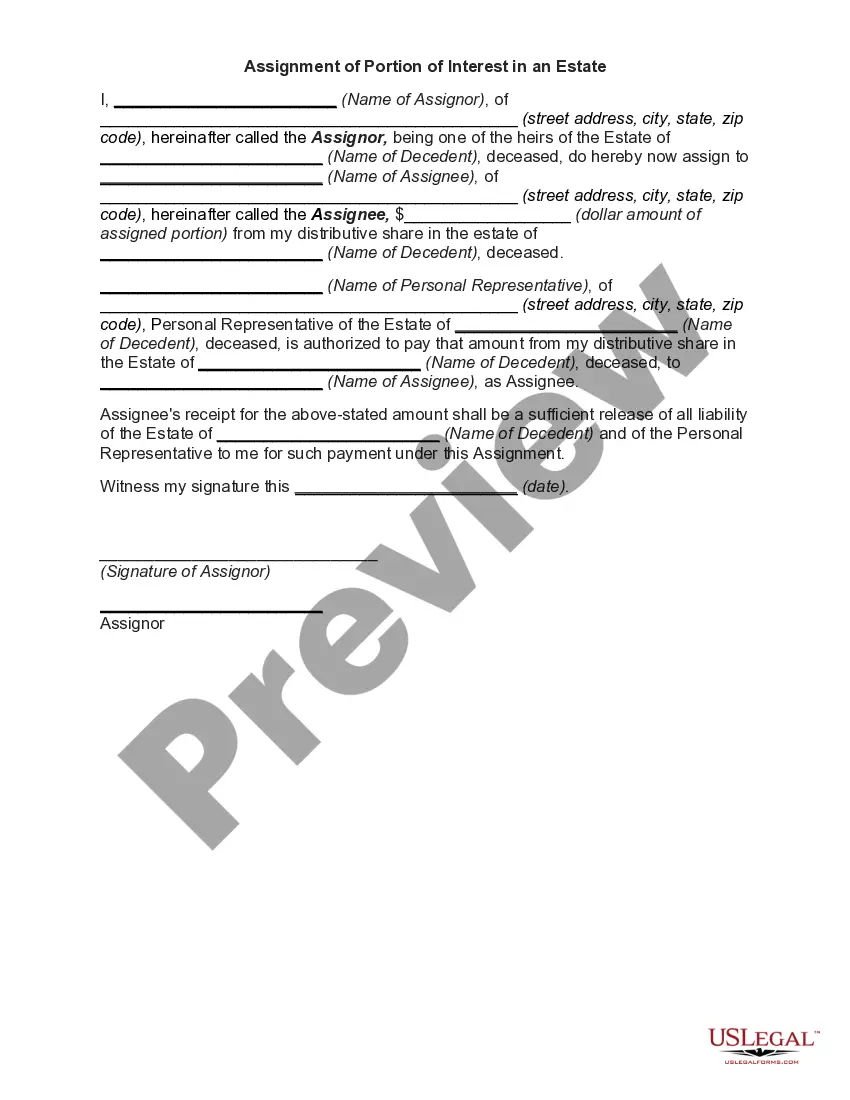
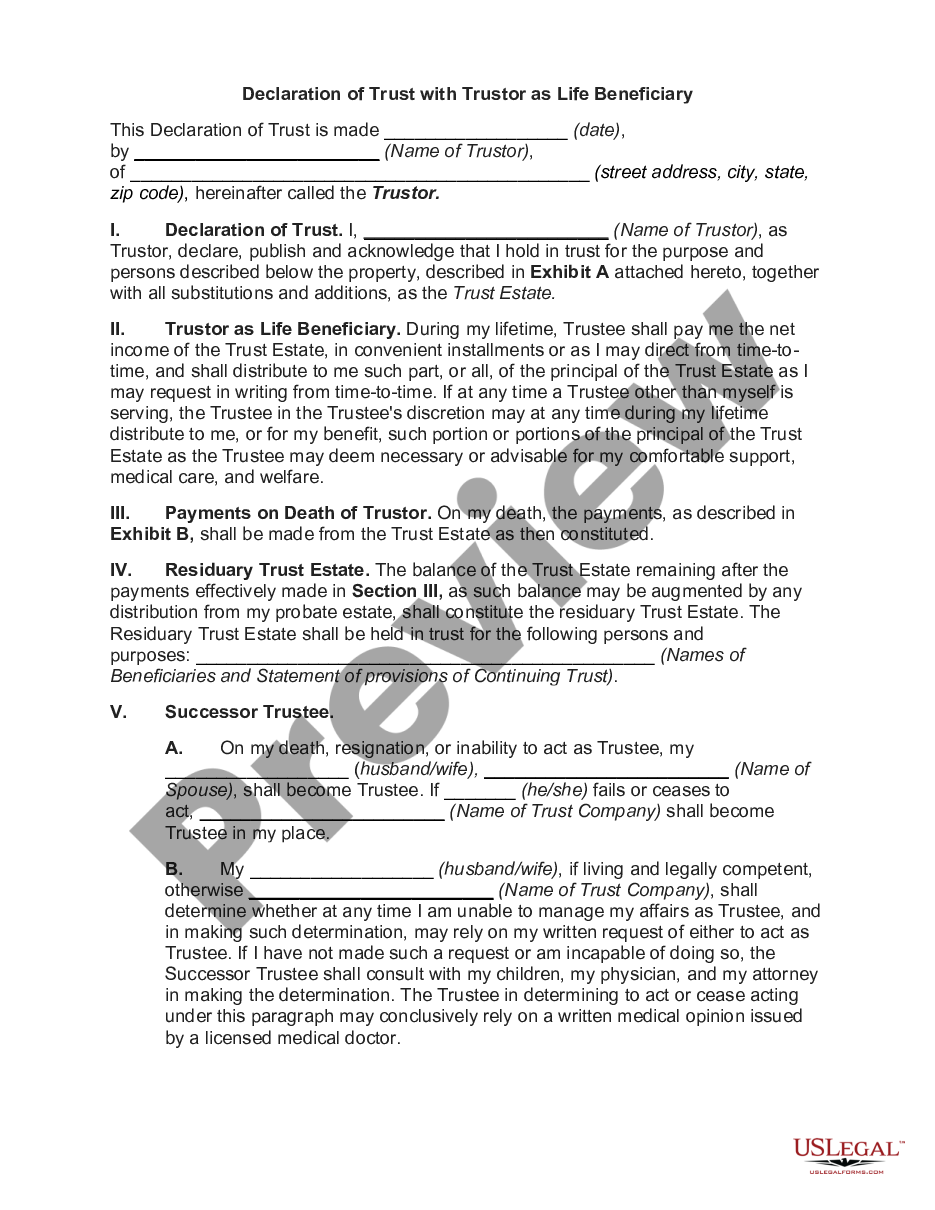
The Assignment to Living Trust is a legal document used to transfer property ownership into a living trust. A living trust is created during a person's lifetime and allows for efficient management of assets for estate planning purposes. This form is distinct from other property transfer documents as it specifically assigns rights and interests in property to a trust, facilitating a smoother transition of assets upon the trustor's passing.
Key parts of this document
- Date of assignment
- Names of the assignor(s) and trustee
- Description of the property being transferred
- Signatures of the assignor(s)
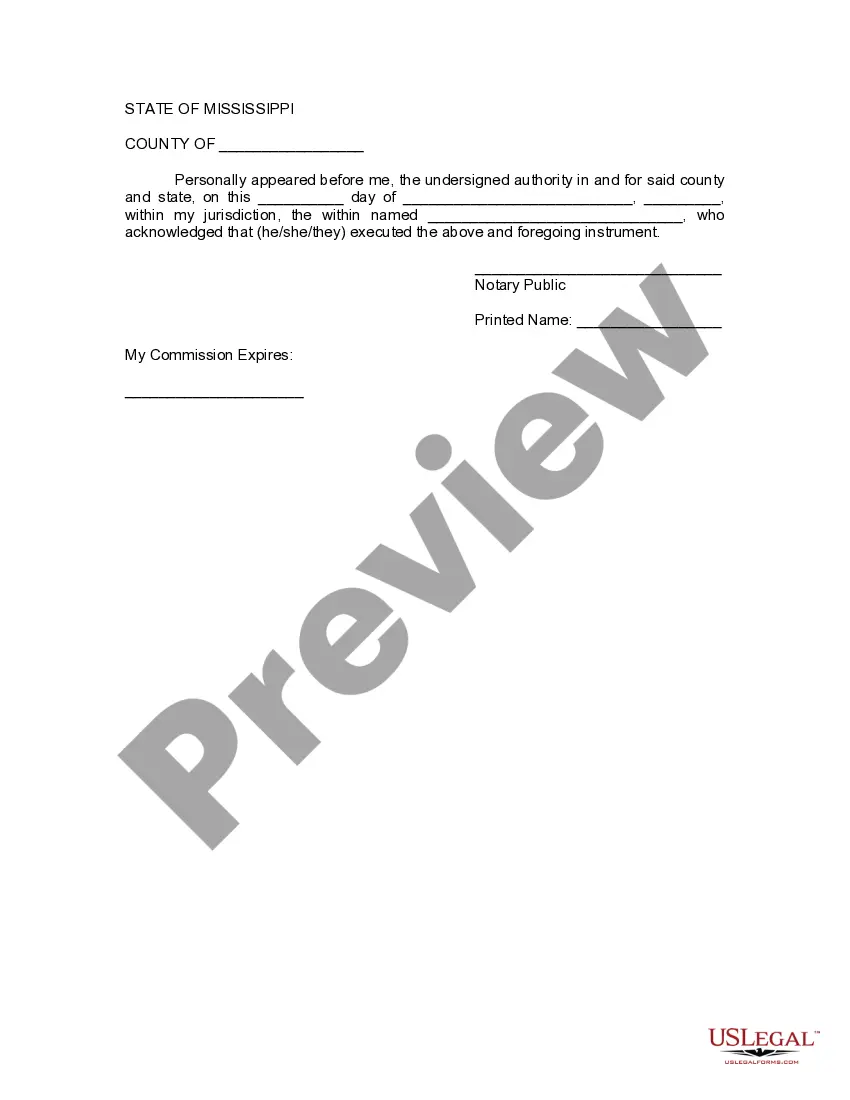
- Notary acknowledgment section

Common use cases
You should use the Assignment to Living Trust form when you want to place your assets into a living trust. This is important for managing your estate effectively and ensuring that your assets are distributed according to your wishes after your death. Typical situations include transferring real estate, bank accounts, or personal property into a trust as part of estate planning.
Who this form is for
This form is intended for:
- Individuals setting up a living trust
- Trustors needing to transfer assets into a trust
- Estate planners and attorneys assisting clients with property assignments
How to prepare this document
- Identify the date of the assignment.
- Enter the names and addresses of the assignor(s) and the trustee.
- Specify the property being assigned to the trust.
- Have the assignor(s) sign the document in the presence of a notary public.
- Ensure the notary public completes their section after witnessing the signature.
Is notarization required?
To make this form legally binding, it must be notarized. Our online notarization service, powered by Notarize, lets you verify and sign documents remotely through an encrypted video session.
Get your form ready online
Our built-in tools help you complete, sign, share, and store your documents in one place.
Make edits, fill in missing information, and update formatting in US Legal Forms—just like you would in MS Word.
Download a copy, print it, send it by email, or mail it via USPS—whatever works best for your next step.
Sign and collect signatures with our SignNow integration. Send to multiple recipients, set reminders, and more. Go Premium to unlock E-Sign.
If this form requires notarization, complete it online through a secure video call—no need to meet a notary in person or wait for an appointment.
We protect your documents and personal data by following strict security and privacy standards.

Make edits, fill in missing information, and update formatting in US Legal Forms—just like you would in MS Word.

Download a copy, print it, send it by email, or mail it via USPS—whatever works best for your next step.

Sign and collect signatures with our SignNow integration. Send to multiple recipients, set reminders, and more. Go Premium to unlock E-Sign.

If this form requires notarization, complete it online through a secure video call—no need to meet a notary in person or wait for an appointment.

We protect your documents and personal data by following strict security and privacy standards.
Mistakes to watch out for
- Failing to accurately describe the property being assigned.
- Not having the form notarized when required.
- Rushing to sign without verifying all information is correct.
- Omitting the date of the assignment.
Benefits of using this form online
- Convenient access to a legally vetted template, drafted by licensed attorneys.
- Easy to download and fill out at your own pace.
- Edit, review, and save copies securely before finalizing.
- Provides peace of mind knowing you are using a reliable legal form.
What to keep in mind
- The Assignment to Living Trust is essential for effective estate planning.
- Proper completion and notarization are crucial for the form's validity.
- Consultation with legal professionals is advisable for complex asset transfers.
Looking for another form?
Form popularity
FAQ
Pick a type of living trust. If you're married, you'll first need to decide whether you want a single or joint trust. Take stock of your property. Choose a trustee. Draw up the trust document. Sign the trust. Transfer your property to the trust.
You can change your living trust, usually without incurring lawyer bills.Because you and your spouse made the trust together, you should both sign the amendment, and when you sign it, get your signatures notarized, just like the original. Another way to go is to create a "restatement" of your trust.
No, you don't need a lawyer to set up a trust, but it might be a good idea to seek legal advice to ensure the trust is set up correctly and that you have considered all long-term financial and estate planning aspects of the trust.Some living trusts are revocable, which means the trust can be changed at any time.
The process of funding your living trust by transferring your assets to the trustee is an important part of what helps your loved ones avoid probate court in the event of your death or incapacity. Qualified retirement accounts such as 401(k)s, 403(b)s, IRAs, and annuities, should not be put in a living trust.
You don't need a lawyer to complete most of your tasks during the first few months of a trust administration.If you'll be distributing all the trust property to beneficiaries quickly, you'll probably get most of your work done in about six months.
The average cost for an attorney to create your trust ranges from $1,000 to $1,500 for an individual and $1,200 to $1,500 for a couple. Legal fees vary by location, so your costs could be much higher or slightly lower.
Locate the original trust. The grantor must locate the original trust documents and identify the specific provisions that require amendment. Prepare an amendment form. Get the amendment form notarized. Attach amendment form to original trust.
Trusts Are Not Public Record. Most states require a last will and testament to be filed with the appropriate state court when the person dies. When this happens, the will becomes a public record for anyone to read. However, trusts aren't recorded.
Assuming you decide you want a revocable living trust, how much should you expect to pay? If you are willing to do it yourself, it will cost you about $30 for a book, or $70 for living trust software. If you hire a lawyer to do the job for you, get ready to pay between $1,200 and $2,000.