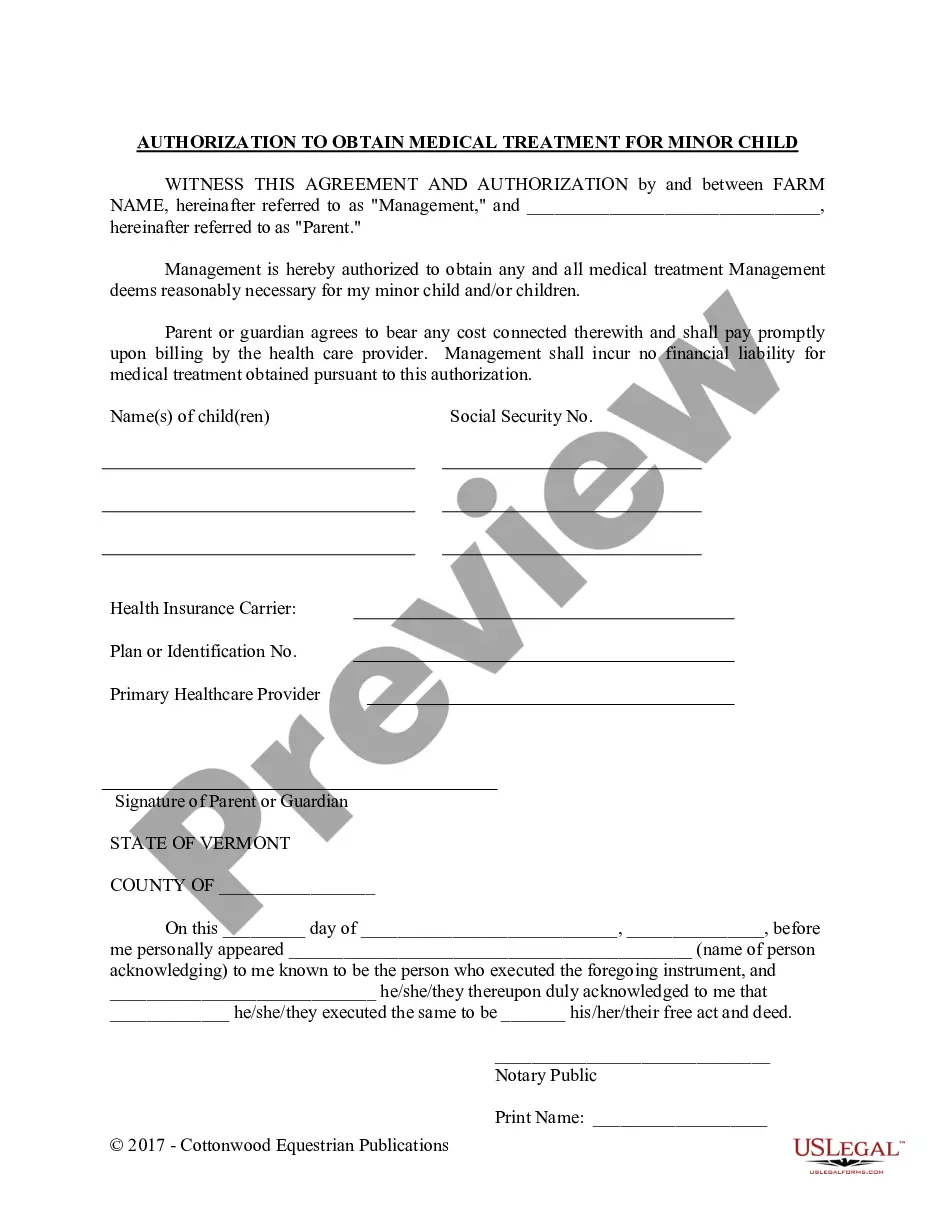
Notification of Lease Transfer
About this form
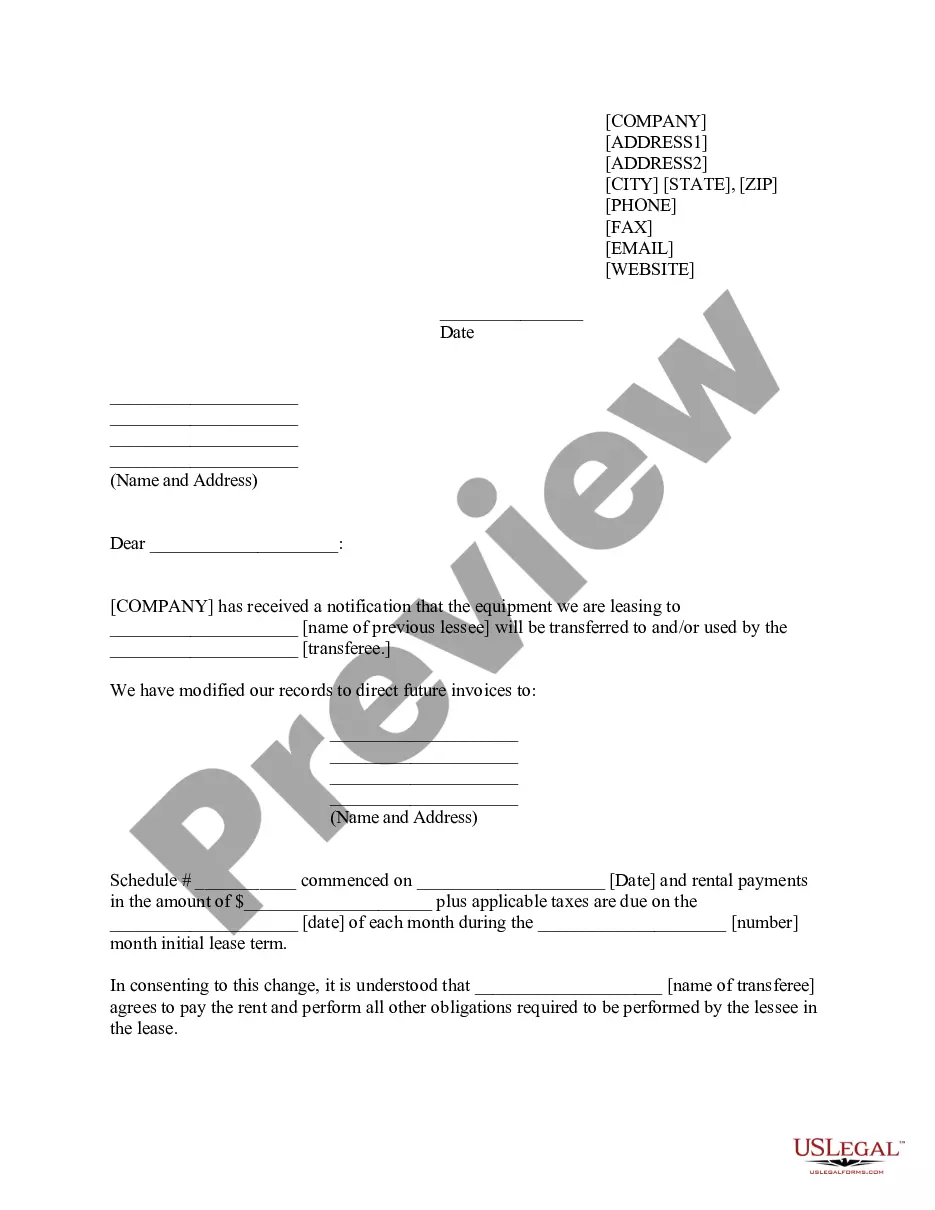
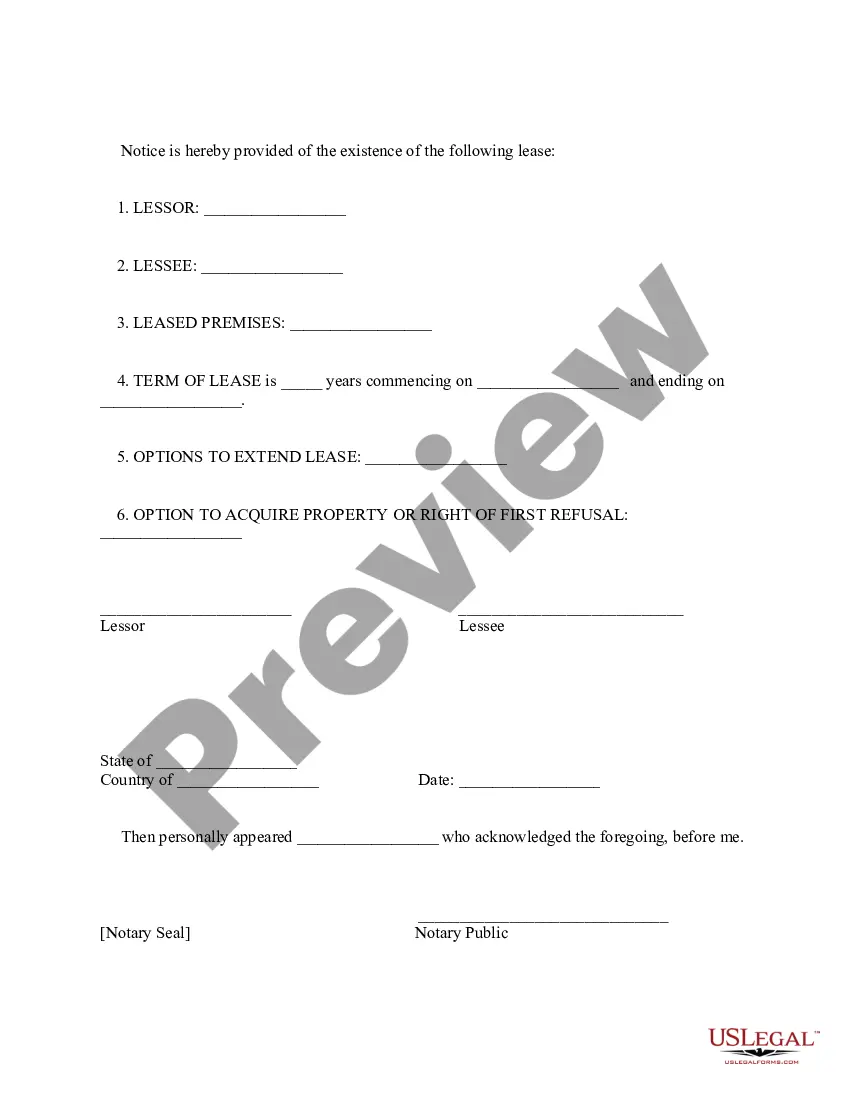
The Notification of Lease Transfer is a legal document used to inform relevant parties about the transfer of a lease from one lessee to another. This form ensures that the obligations and rights under the original lease are passed to the new lessee, thereby maintaining clarity and continuity in the lease agreement. It differs from other lease forms by specifically addressing the transfer of lease rights and responsibilities without requiring a new lease to be created.
Key components of this form
- Lessee and transferee information: Includes names and addresses of both parties involved in the lease transfer.
- Notification details: Date of the notification and description of the lease being transferred.
- Lease specifics: Details on rental payments, due dates, and the lease term.
- Obligations of the transferee: Clauses outlining the responsibilities of the new lessee to ensure they understand their commitments.
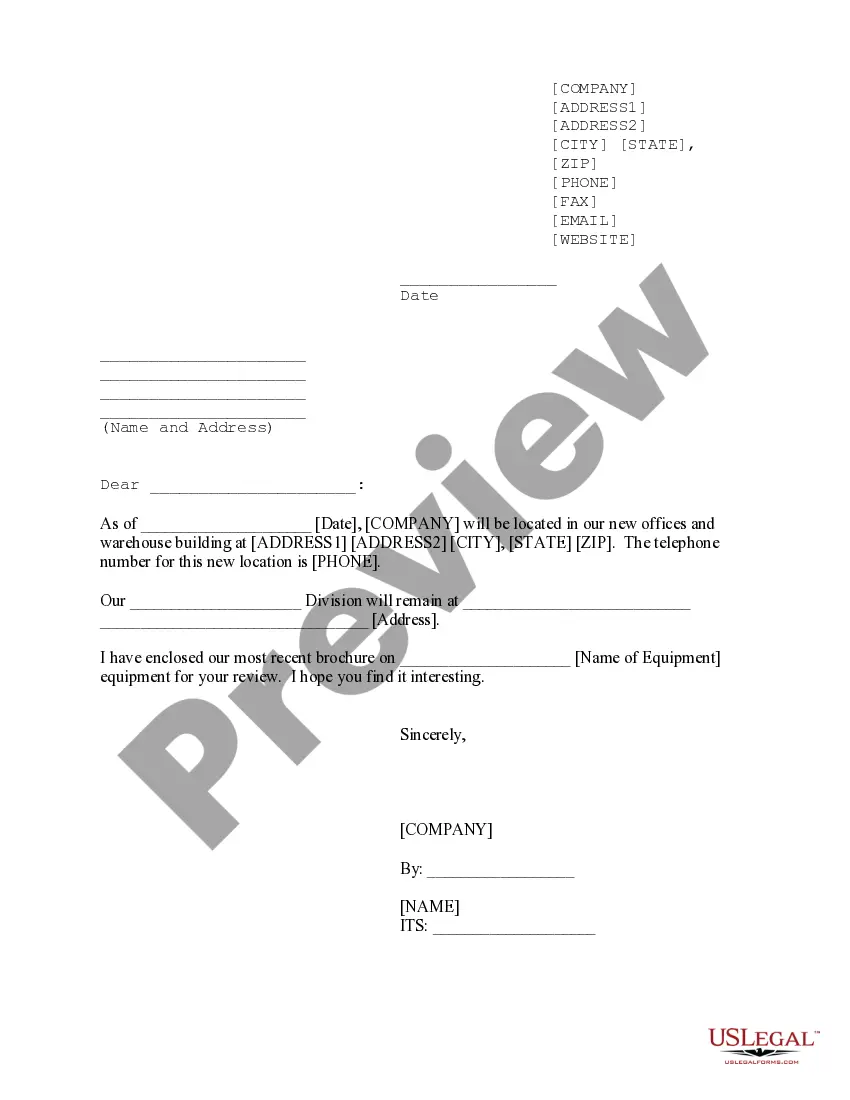
- Company information: Contact details for the leasing company for any queries or correspondence.

When this form is needed
This form should be used when a lessee wishes to transfer their lease obligations to another party. Common scenarios include: - When a lessee sells or transfers assets that include leased equipment. - When a business needs to reassign leases due to changes in operations or ownership. - If a lessee is unable to continue meeting their lease obligations and wants to transfer the lease to ensure compliance with contractual terms.
Who should use this form
This form is intended for:
- Current lessees who wish to transfer their lease rights to another party.
- Transferees who are assuming the lease from the current lessee.
- Leasing companies or lessors that need to formally document the transfer for their records.
How to complete this form
- Identify the parties: Fill in the names and addresses of the current lessee and the new transferee.
- Enter the effective date: Specify the date when the lease transfer will take effect.
- Detail the lease terms: Include relevant details like rental payment amounts and due dates.
- Obtain consent: Ensure that the transferee agrees to undertake all obligations of the lease.
- Finalize the document: Sign and date the form, ensuring all parties have copies for their records.
Notarization guidance
Notarization is not commonly needed for this form. However, certain documents or local rules may make it necessary. Our notarization service, powered by Notarize, allows you to finalize it securely online anytime, day or night.
Get your form ready online
Our built-in tools help you complete, sign, share, and store your documents in one place.
Make edits, fill in missing information, and update formatting in US Legal Forms—just like you would in MS Word.
Download a copy, print it, send it by email, or mail it via USPS—whatever works best for your next step.
Sign and collect signatures with our SignNow integration. Send to multiple recipients, set reminders, and more. Go Premium to unlock E-Sign.
If this form requires notarization, complete it online through a secure video call—no need to meet a notary in person or wait for an appointment.
We protect your documents and personal data by following strict security and privacy standards.

Make edits, fill in missing information, and update formatting in US Legal Forms—just like you would in MS Word.

Download a copy, print it, send it by email, or mail it via USPS—whatever works best for your next step.

Sign and collect signatures with our SignNow integration. Send to multiple recipients, set reminders, and more. Go Premium to unlock E-Sign.

If this form requires notarization, complete it online through a secure video call—no need to meet a notary in person or wait for an appointment.

We protect your documents and personal data by following strict security and privacy standards.
Common mistakes
- Failing to notify all relevant parties of the lease transfer.
- Not clearly stating the responsibilities of the transferee.
- Leaving out critical lease details, such as rental amounts or payment due dates.
- Not signing the document or failing to have all parties sign.
- Using outdated contact information for the leasing company.
Advantages of online completion
- Convenience: Access and complete the form from anywhere, eliminating the need for in-person visits.
- Editability: Tailor the form to meet your specific needs before finalizing it.
- Time efficiency: Quickly fill out the form without bureaucratic delays.
- Legal assurance: Ensure the form meets legal standards as it is drafted by licensed attorneys.
What to keep in mind
- The Notification of Lease Transfer is essential for transferring lease obligations legally.
- Clearly outline all necessary information and responsibilities of the parties involved.
- Use this form to maintain continuity in leasing arrangements without creating a new lease.
Looking for another form?


Form popularity
FAQ
There are no state laws limiting the amount of a rent increase. If you are renting by the month, the landlord may terminate the rental agreement by giving you a written termination notice at least 28 days before the next rent due date.
When a lease is sold or passed to someone else, it's known as an assignment to the new owner or owners. The lease says that the council must be told about this.
Because the landlord has the right to withhold its consent to a Transfer, it is a good and common practice to specify in the lease agreement the circumstances when it will be deemed reasonable for the landlord to withhold its consent.
A lease transfer is effectively changing that lease from your name and transferring all those rights and obligations to another person who will be taking over the lease. But be mindful of when the lease transfer begins. Generally, tenants are required to pay their rent a month in advance.
When a tenant with no written lease pays rent on a monthly basis, the tenant and the landlord must meet two requirements in terminating tenancy. First, the notice must be in writing. Second, you must give notice at least 28 days before the end of the rent-paying period.
Technically speaking, tenants can break a lease early in Wisconsin. However, they will be responsible for paying rent until the lease expires. There are some exceptions that may allow a tenant to move out of the rental property without paying penalties or legal fees, and we'll review those in the section below.
Generally, when a landlord sells a commercial property, Wisconsin law requires a landlord to keep the current leases and tenants in place. A new owner must thereby abide by the terms and conditions of the leases that are in effect at the time of the sale.
Landlords may not advertise or rent condemned property. Landlords must disclose housing code violations they have been notified of but have not corrected. They must also reveal structural defects, a lack of hot or cold running water, serious plumbing, or electrical problems, and other hazards.