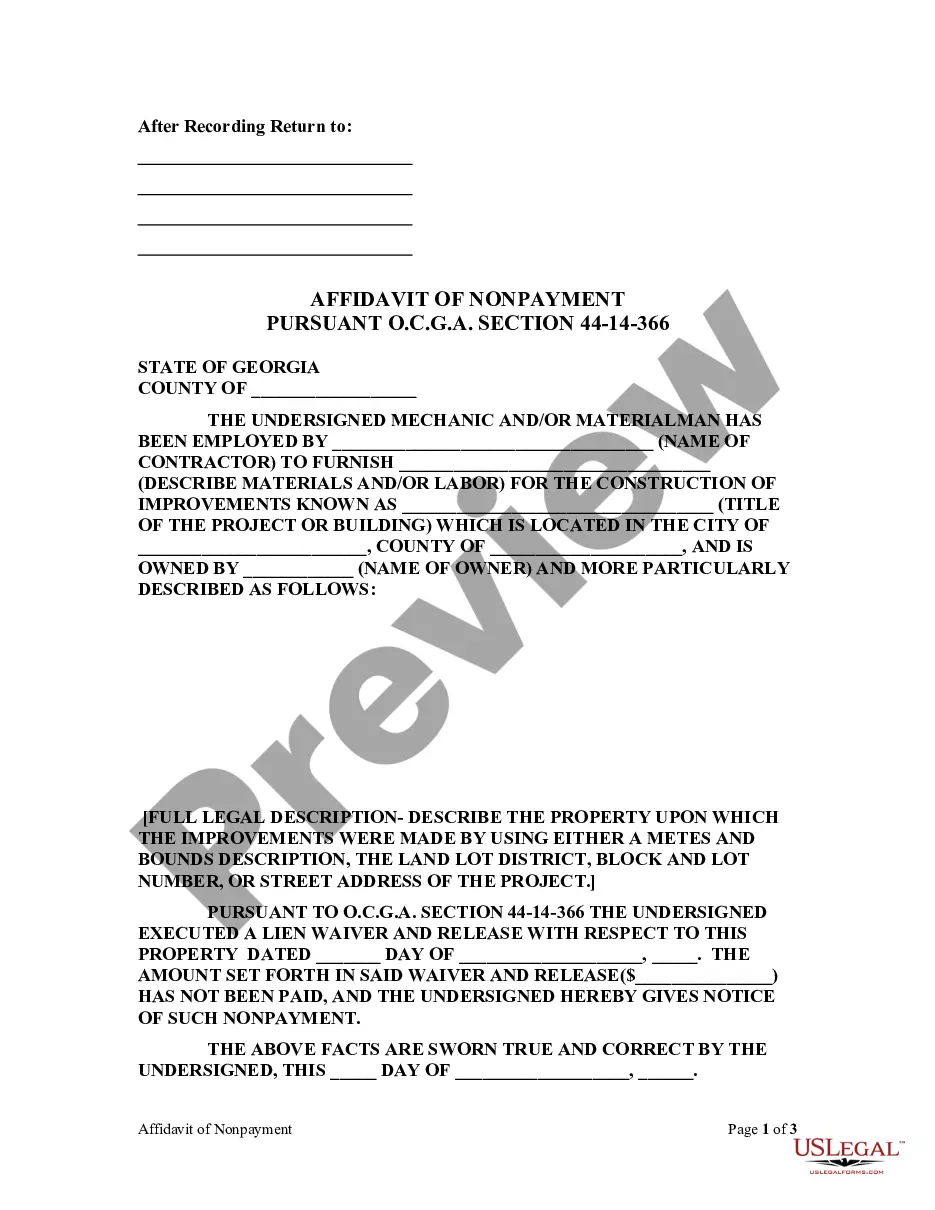
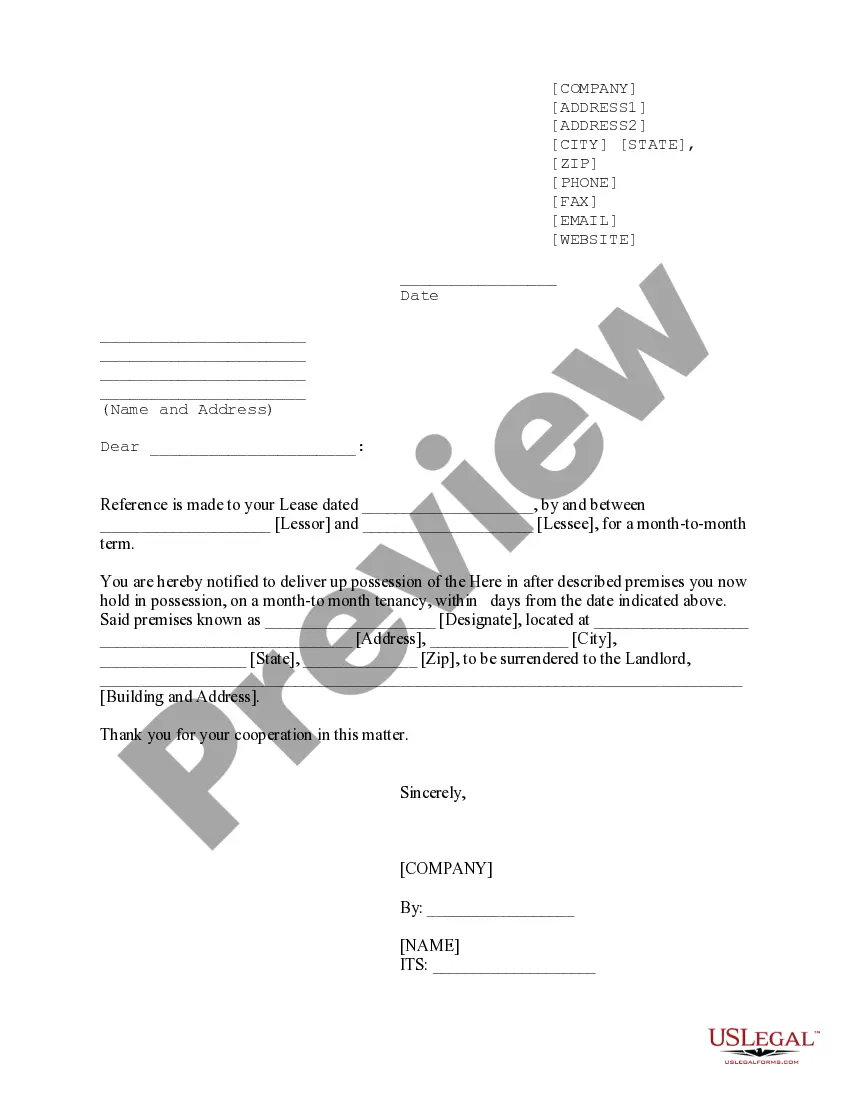
Notice to Deliver Possession
Understanding this form
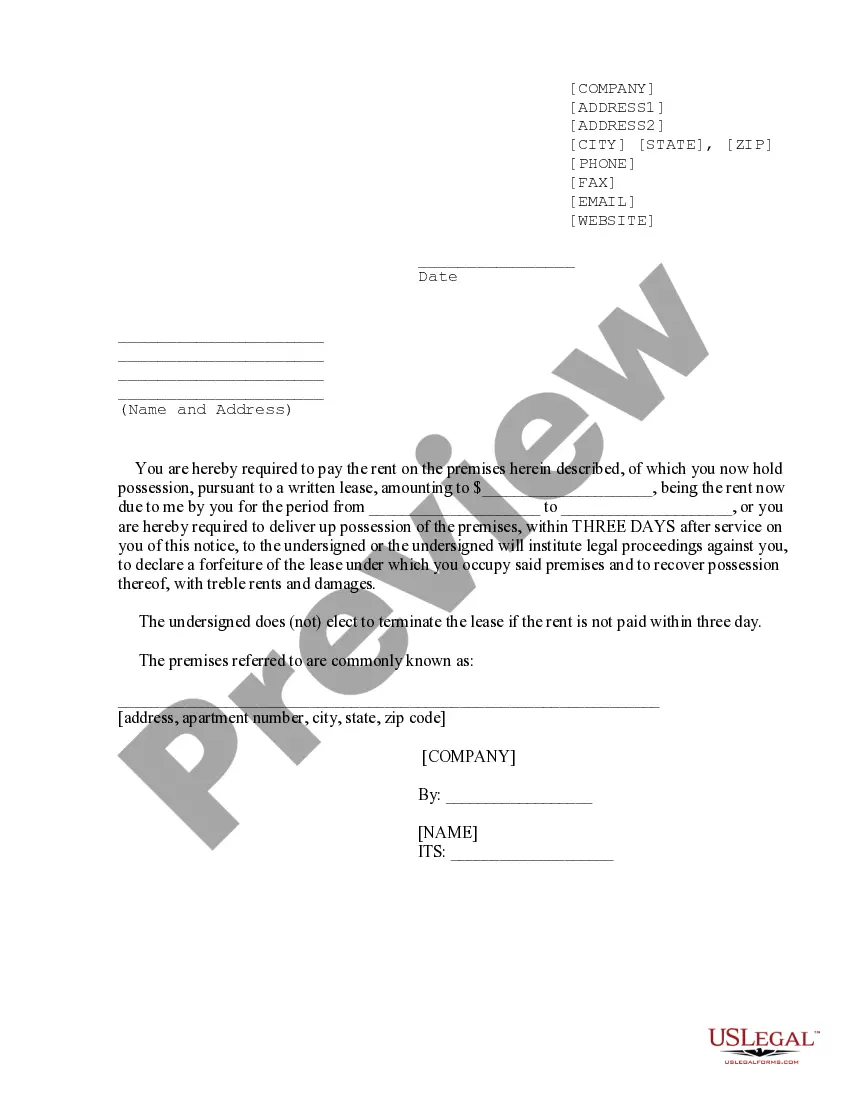
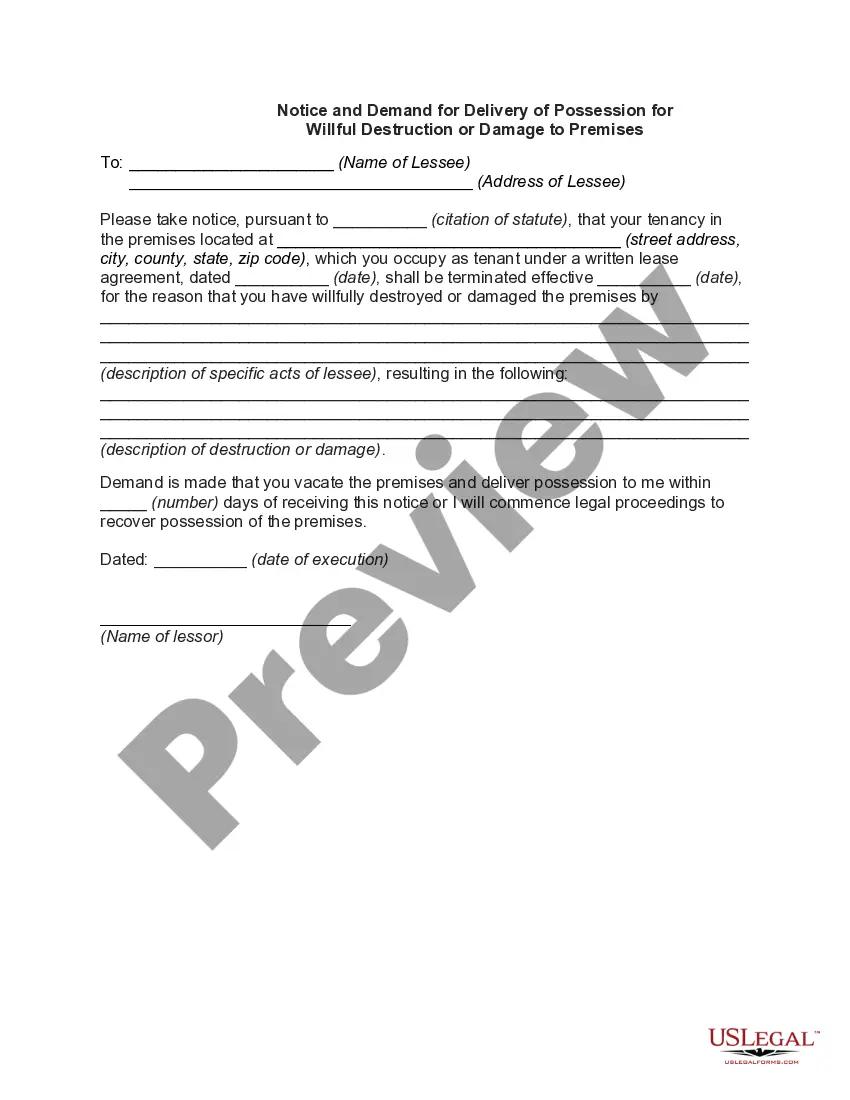
The Notice to Deliver Possession is a legal document used by landlords to formally request that a tenant vacate a rental property. This form is typically utilized in situations where a landlord wishes to regain control of the property after terminating a month-to-month lease. Unlike other eviction notices, this form focuses specifically on the request for possession rather than outlining termination or eviction proceedings.
Key components of this form
- Addresses of both the landlord and tenant.
- Date of notice issuance.
- Reference to the lease agreement, including the lease date.
- Specific location of the premises to be vacated.
- Deadline for the tenant to vacate the property.
- Signature of the landlord or authorized agent.
Common use cases
This form should be used when a landlord needs to notify a tenant to vacate the property due to the conclusion of a month-to-month tenancy. It is appropriate in scenarios such as non-payment of rent, lease termination, or personal use of the property by the landlord. Using this notice helps clarify the landlord's intent and establishes a formal record of the request for possession.
Who can use this document
- Landlords who have a month-to-month rental agreement with their tenants.
- Property managers acting on behalf of landlords.
- Real estate professionals assisting landlords in managing rental properties.
Completing this form step by step
- Identify the parties involved by filling in the landlord's and tenant's names and addresses.
- Enter the date the notice is being issued.
- Reference the original lease agreement date to establish context.
- Specify the location of the property to be vacated.
- Indicate the number of days the tenant has to vacate the premises.
- Sign the document with the landlord's or authorized agent's name and title.
Does this document require notarization?
This form does not typically require notarization unless specified by local law. It is important to check your jurisdiction's requirements before submission to ensure compliance.
Get your form ready online
Our built-in tools help you complete, sign, share, and store your documents in one place.
Make edits, fill in missing information, and update formatting in US Legal Forms—just like you would in MS Word.
Download a copy, print it, send it by email, or mail it via USPS—whatever works best for your next step.
Sign and collect signatures with our SignNow integration. Send to multiple recipients, set reminders, and more. Go Premium to unlock E-Sign.
If this form requires notarization, complete it online through a secure video call—no need to meet a notary in person or wait for an appointment.
We protect your documents and personal data by following strict security and privacy standards.

Make edits, fill in missing information, and update formatting in US Legal Forms—just like you would in MS Word.

Download a copy, print it, send it by email, or mail it via USPS—whatever works best for your next step.

Sign and collect signatures with our SignNow integration. Send to multiple recipients, set reminders, and more. Go Premium to unlock E-Sign.

If this form requires notarization, complete it online through a secure video call—no need to meet a notary in person or wait for an appointment.

We protect your documents and personal data by following strict security and privacy standards.
Typical mistakes to avoid
- Failing to provide the correct number of days for the tenant to vacate.
- Not providing enough identifying information about the property.
- Neglecting to sign the document, which may render it invalid.
- Using an outdated lease reference that doesn't match the current agreement.
Why complete this form online
- Convenience of immediate access to legally drafted documents.
- Editability to tailor the form to specific needs without hassle.
- Reliable templates developed by licensed attorneys ensuring compliance with legal standards.
Legal use & context
- The Notice to Deliver Possession is legally binding and provides proof of the landlord's intent to reclaim the property.
- It ensures that tenants are aware of their obligations and provides a timeline for compliance.
- Failure to deliver the notice correctly may affect the landlordâs ability to proceed with eviction processes if necessary.
Key takeaways
- The Notice to Deliver Possession is essential for landlords wishing to reclaim property from tenants.
- Ensure to observe the proper notice period as required by law in your state.
- Completing the form accurately helps avoid misunderstandings and potential disputes.
Looking for another form?


Form popularity
FAQ
Your landlord must give you a notice in one of three ways: Your landlord can mail the eviction notice to you by certified mail with a return receipt; Your landlord can give the eviction notice to you personally; or. The landlord can give the eviction notice to someone over the age of 13 living in your house.
Your landlord must give you a notice in one of three ways: Your landlord can mail the eviction notice to you by certified mail with a return receipt; Your landlord can give the eviction notice to you personally; or. The landlord can give the eviction notice to someone over the age of 13 living in your house.
The landlord must give the tenant a 30 day written notice of eviction which must (1) state specifically what the tenant has done that is a breach of the lease or the landlord-tenant act; (2) state that the lease will terminate in 30 days if the tenant has not remedied the breach in some way.
There is no clear timeframe for when the tenant has to move out once the Writ or court order is issued. At best, they have a maximum of 5 to 8 days to move out of the rental property. However, if it was an eviction about failure to pay rent, they must immediately move out.
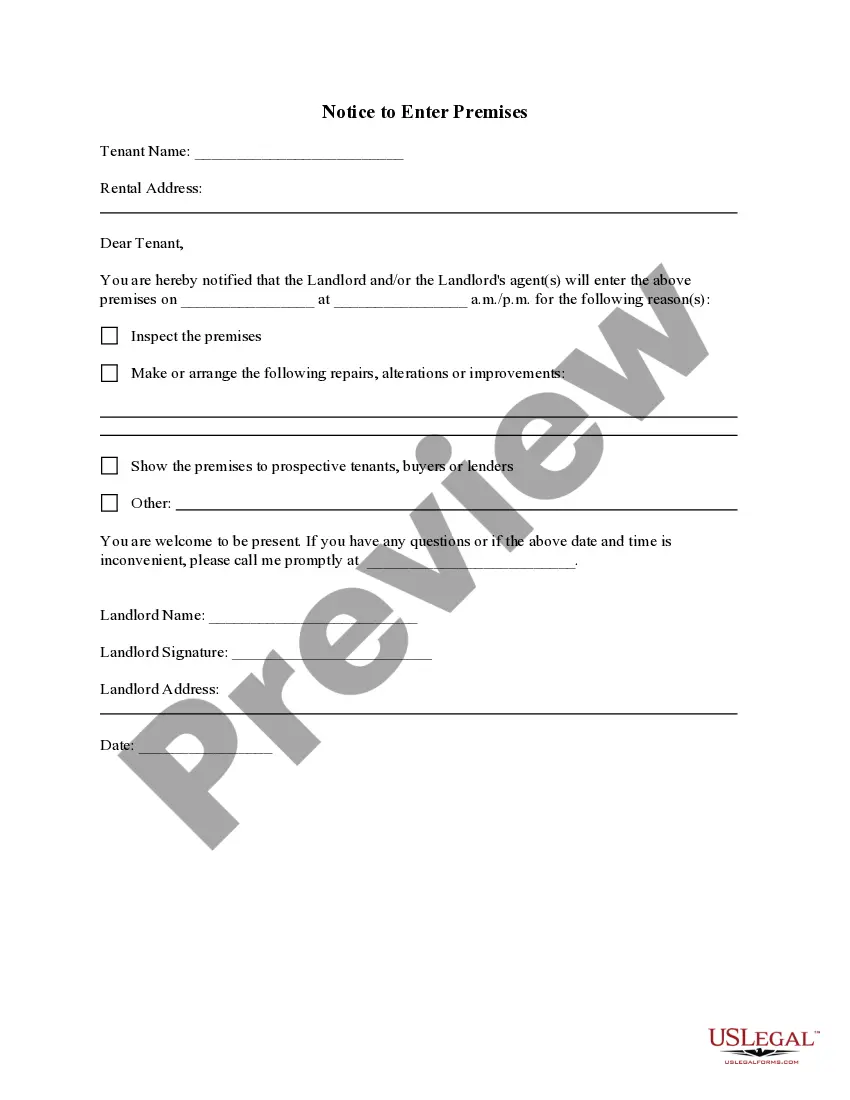
A landlord should give a tenant advance notice of intent to enter the unit to conduct an inspection, make repairs or supply services. Only in an emergency can a landlord enter the residence without consent. Consent to enter may be granted within the terms of the lease.
Delivery of possession means returning dwelling unit keys to the landlord and vacating the premises.
Talk to Your Landlord You may be able to come to an agreement without going to court. An eviction will cost both of you money (as well as time), and your landlord may be willing to stop the eviction if you agree to certain terms, such as paying rent you owe or stopping behavior that violates the lease.
An eviction may take anywhere from a few weeks to a few months, depending on factors such as local and state landlord-tenant laws and backlog on a housing court's docket. A landlord may be able to collect from an evicted tenant by requesting a money judgment in the initial eviction complaint.