Rhode Island Last Will and Testament Package
What is this form package?
The Rhode Island Last Will and Testament Package includes essential legal documents to help you create a valid and enforceable last will. This package is tailored to meet the specific legal requirements of Rhode Island, ensuring that your wishes regarding asset distribution are honored after your passing. Unlike generic will templates, this package includes a variety of complementary forms, allowing for comprehensive estate planning.
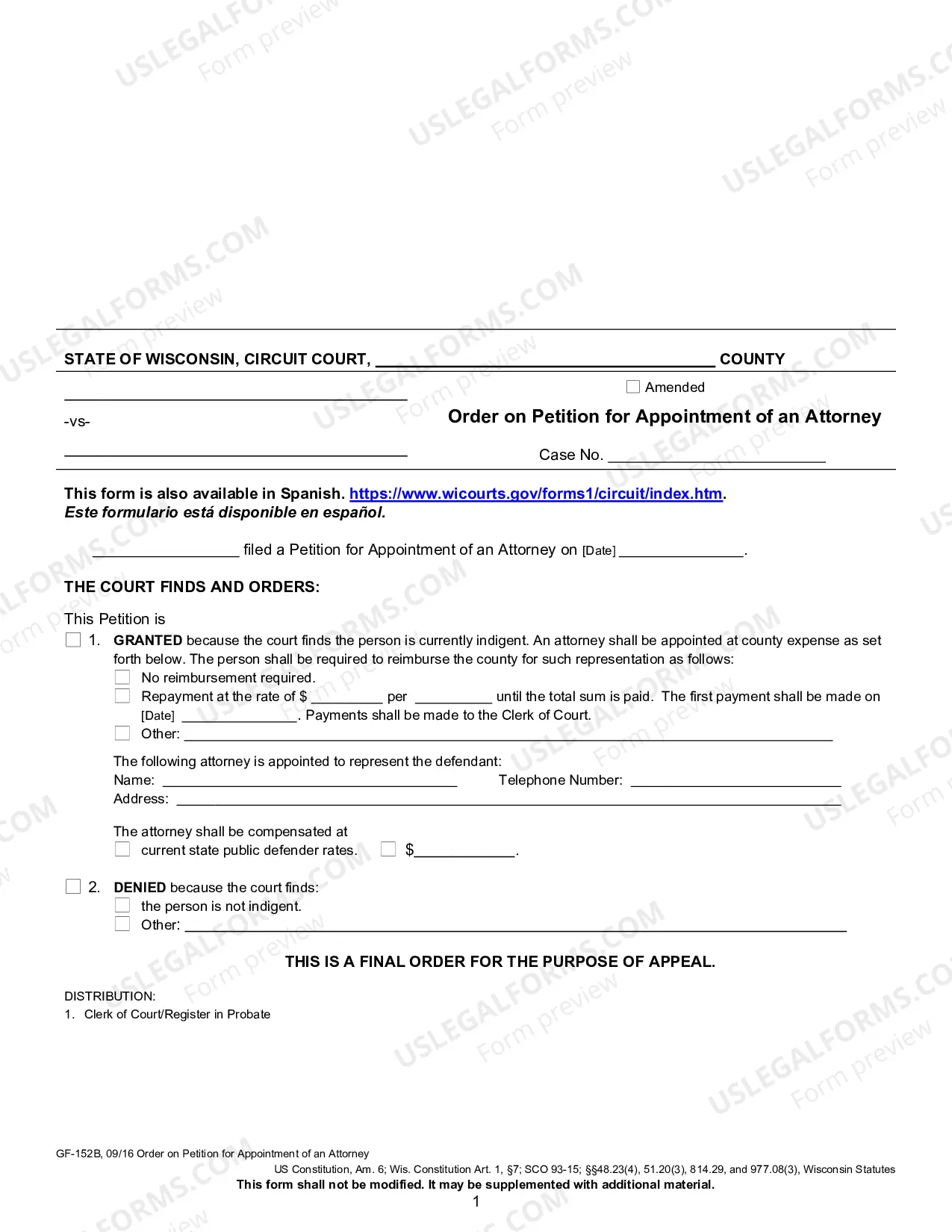
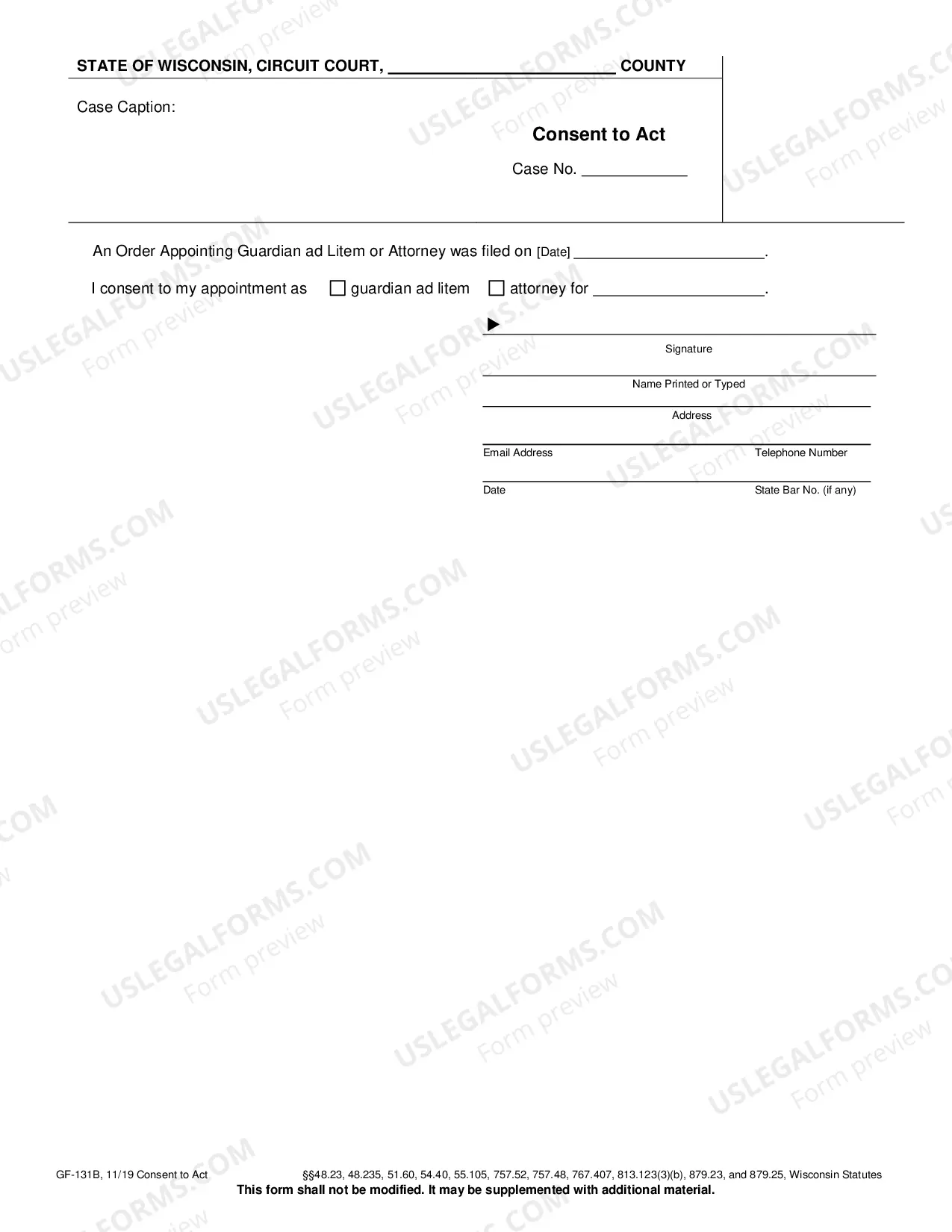
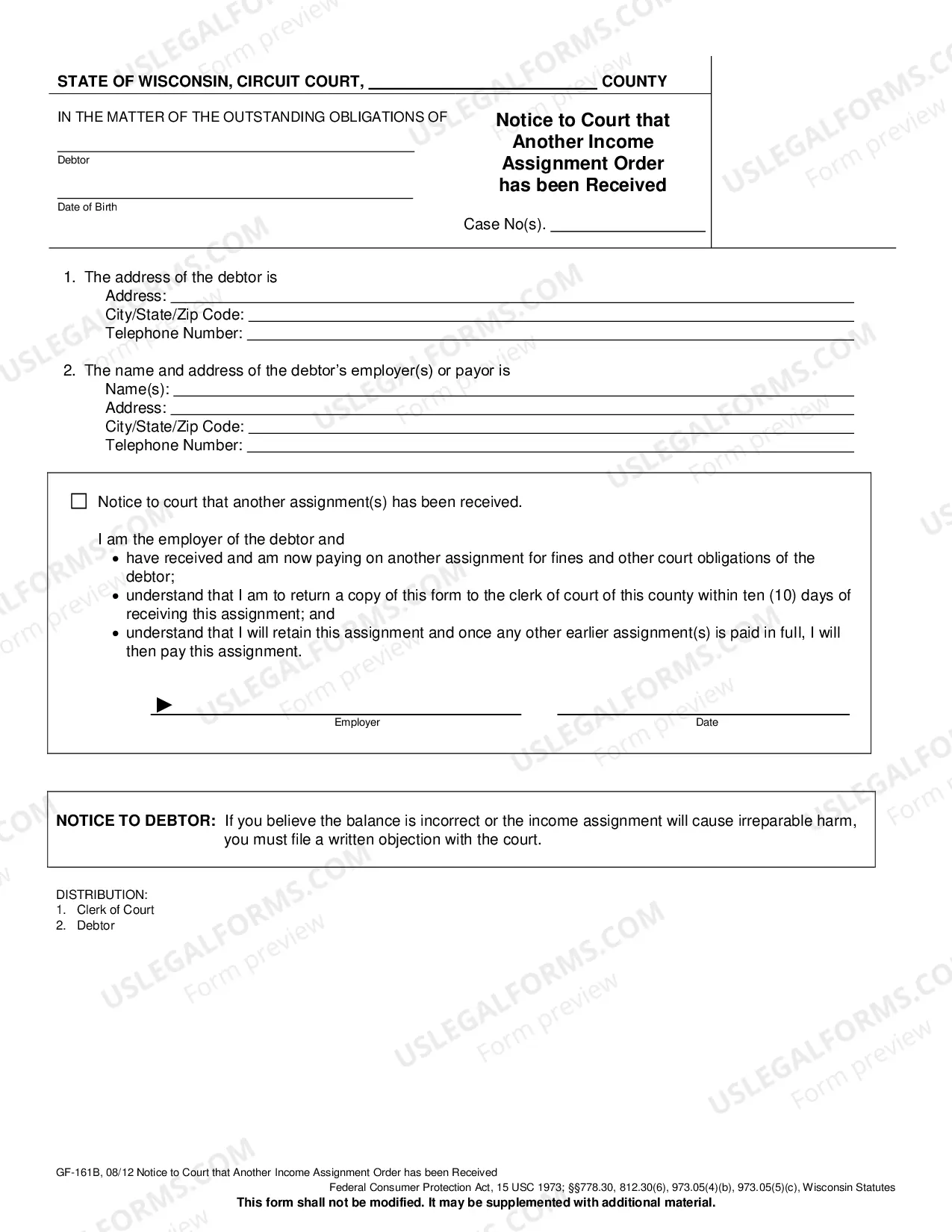
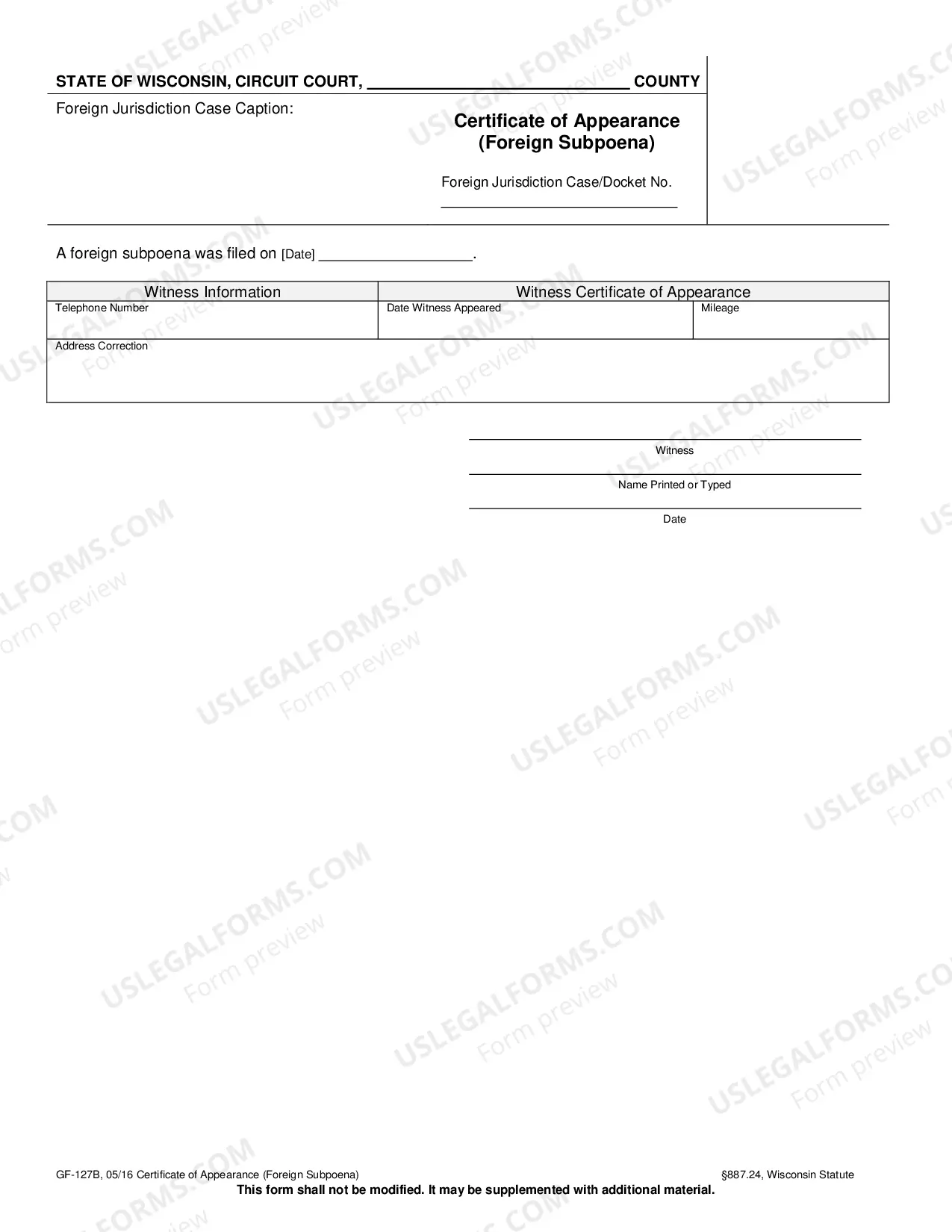
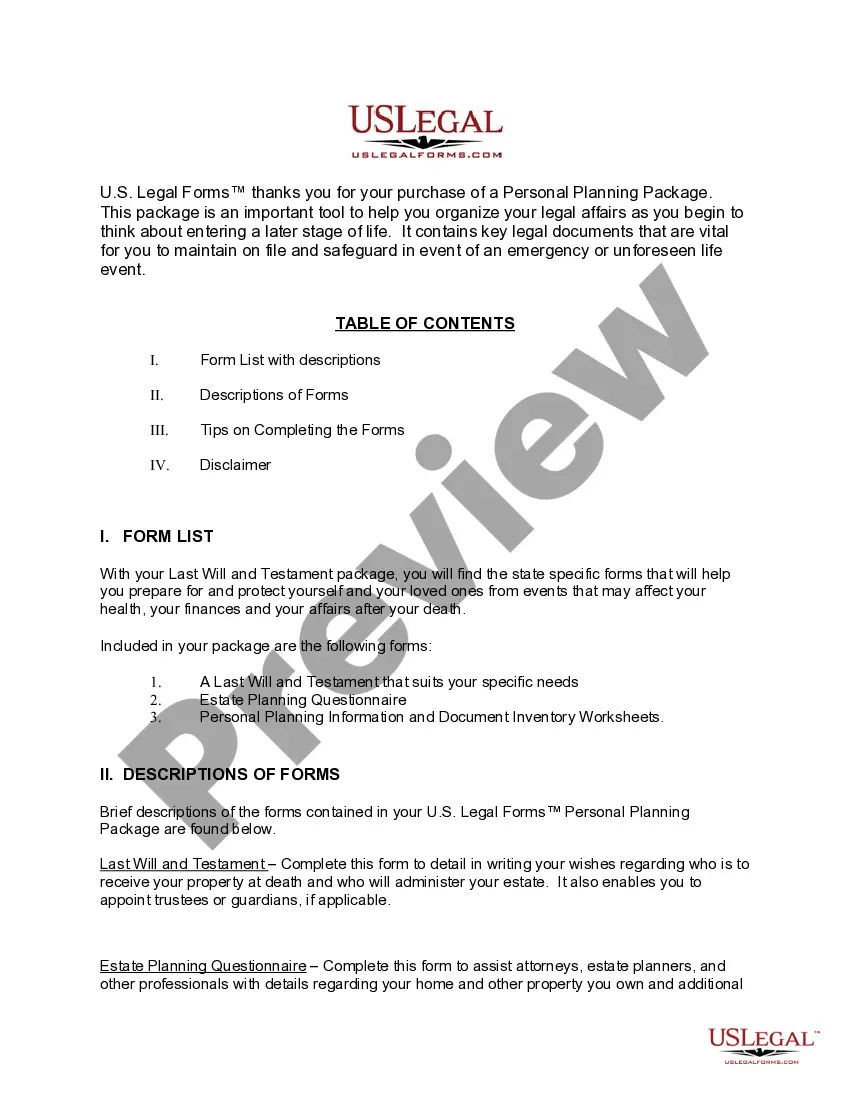
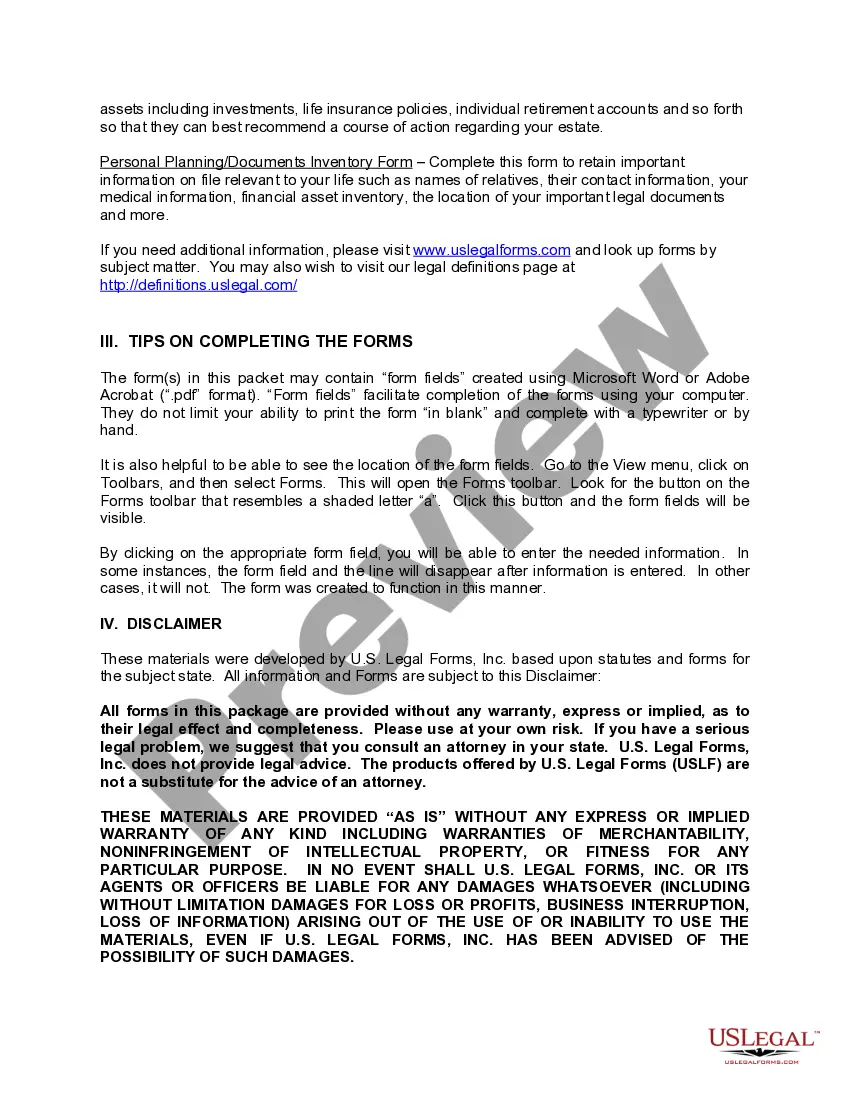
Forms included in this package
Situations where these forms applies
This package is necessary when you need to establish a last will and testament, particularly if:
- You are a Rhode Island resident and wish to specify how your assets will be distributed upon your death.
- You want to ensure that your dependents are cared for according to your wishes.
- You have recently experienced significant life changes, such as marriage, divorce, or the birth of a child.
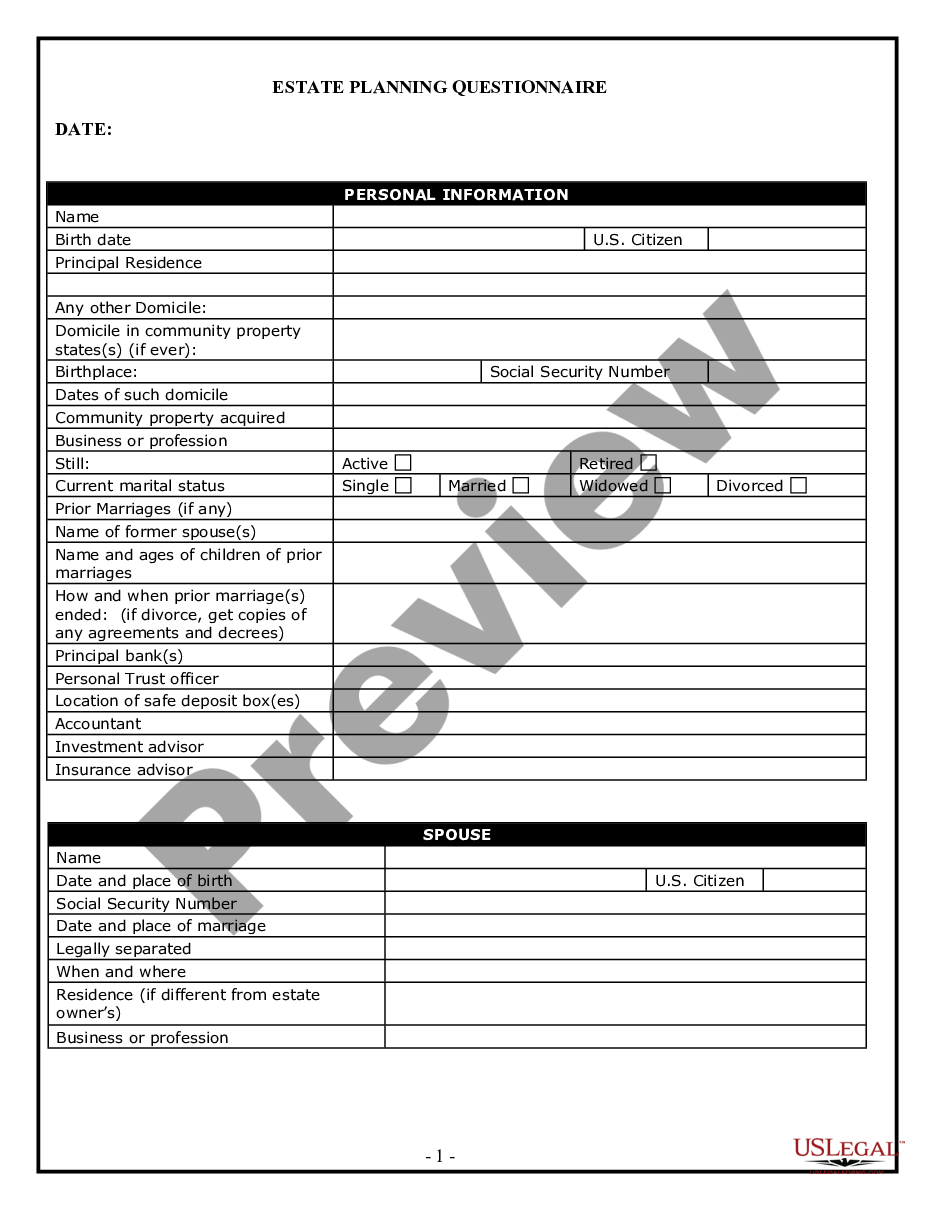
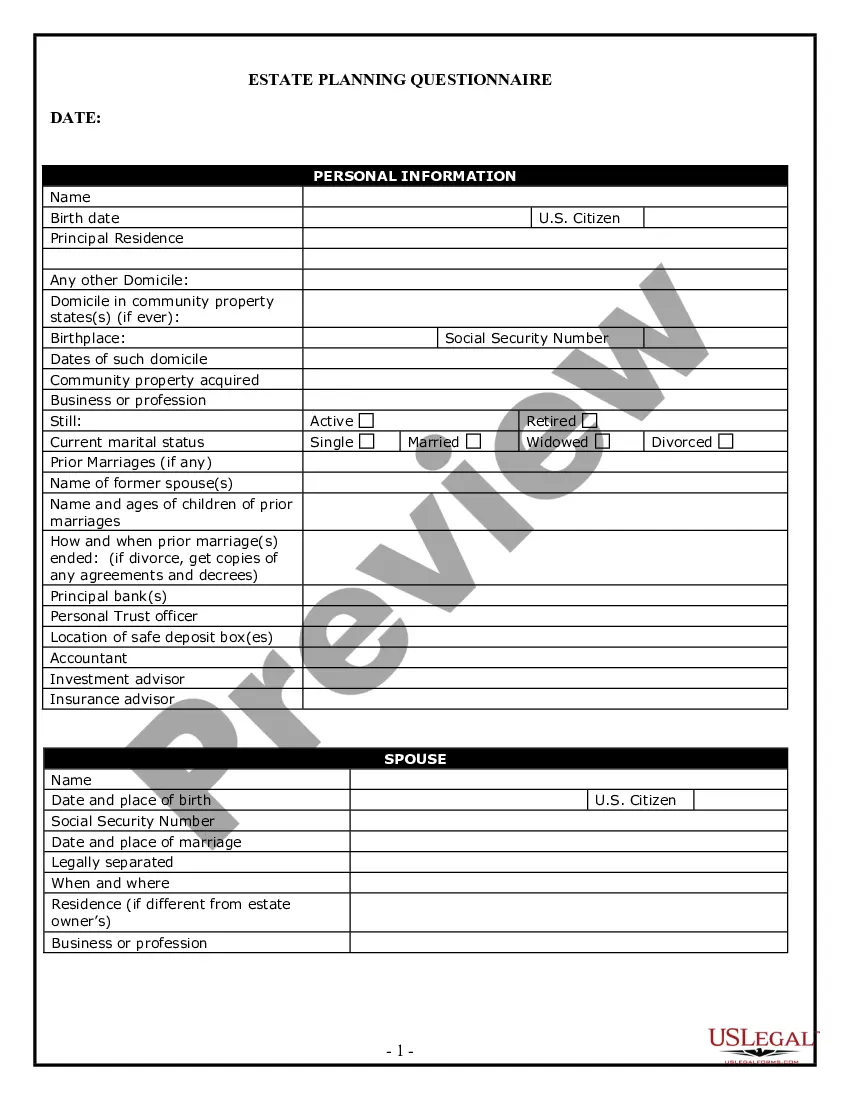
- You need a structured approach to estate planning that includes a will, inventory of assets, and estate planning questionnaire.
Who needs this form package
- Individuals and families residing in Rhode Island.
- People with children or dependents needing care provisions in a will.
- Anyone who owns property, assets, or investments.
- Individuals who want to plan for the future and ensure their affairs are managed according to their desires.
Completing these forms step by step
- Download the forms included in the package after checkout.
- Review each form, including the last will and testament, estate planning questionnaire, and personal planning information worksheet.
- Fill out the estate planning questionnaire to gather necessary information regarding your assets and personal wishes.
- Complete your last will and testament by specifying beneficiaries and other wishes.
- Ensure you sign your will according to Rhode Island's legal requirements to make it valid.
Notarization details for included forms
Some forms in this package require notarization to be legally valid. US Legal Forms provides secure online notarization powered by Notarize, allowing you to complete the process through a verified video call, available 24/7.
Get your form ready online
Our built-in tools help you complete, sign, share, and store your documents in one place.
Make edits, fill in missing information, and update formatting in US Legal Forms—just like you would in MS Word.
Download a copy, print it, send it by email, or mail it via USPS—whatever works best for your next step.
Sign and collect signatures with our SignNow integration. Send to multiple recipients, set reminders, and more. Go Premium to unlock E-Sign.
If this form requires notarization, complete it online through a secure video call—no need to meet a notary in person or wait for an appointment.
We protect your documents and personal data by following strict security and privacy standards.

Make edits, fill in missing information, and update formatting in US Legal Forms—just like you would in MS Word.

Download a copy, print it, send it by email, or mail it via USPS—whatever works best for your next step.

Sign and collect signatures with our SignNow integration. Send to multiple recipients, set reminders, and more. Go Premium to unlock E-Sign.

If this form requires notarization, complete it online through a secure video call—no need to meet a notary in person or wait for an appointment.

We protect your documents and personal data by following strict security and privacy standards.
Common mistakes
- Failing to update the will after major life events like marriage or divorce.
- Not properly signing or witnessing the will as required by state law.
- Leaving out important details about assets or beneficiaries.
- Ignoring the need for an executor to manage the estate.
Benefits of completing this package online
- Convenience of downloading and completing forms at your own pace.
- Editable formats allow for personalization and easy updates.
- Reliable and professionally drafted documents ensure compliance with Rhode Island law.
- Access to a completed sample will guide you in filling out your own forms correctly.
Key takeaways
- This package provides individualized legal documentation for wills in Rhode Island.
- It includes essential forms that streamline the estate planning process.
- Users should ensure the forms are signed in accordance with state laws for validity.
Looking for another form?


Form popularity
FAQ
A common question asked by individuals with a Last Will and Testament is whether or not their will is respected across state lines and can be transported to a different state if they relocate. The short answer is generally yes.
While your will should still be valid in the new state, there may be differences in the new state's laws that may make certain provisions of the will invalid. In addition, moving is a good excuse to consult an attorney to make sure your estate plan in general is up to date.
Drafting the will yourself is less costly and may put you out about $150 or less. Depending on your situation, expect to pay anywhere between $300 and $1,000 to hire a lawyer for your will. While do-it-yourself will kits may save you time and money, writing your will with a lawyer ensures it will be error-free.
No state requires you to register your will (last will and testament) after you write it. However a few states and some online companies allow you to register basic information about your will, including its location. Additionally, in some counties, you can store the will itself with the probate court.
A last will and testament basically has the same function no matter where you live, but there may be state variations. That's why it's important to abide by state regulations when filling out your will or you may have an invalid will.
There are certain types of property that legally cannot be included in a person's will. Depending on state laws, these may include: Any Property that is Co-Owned with Someone Else Through Joint-Tenancy: Married couples typically own the marital home in joint tenancy.Property being held in a living trust.
Age: The testator must be at least 18 years old. Capacity: The testator must be of sane mind. Signature: The will must be signed by the testator or by someone else in the testator's name in his presence, by his express direction.
A properly drafted will that you have executed under the laws of one state will generally be valid under the laws of any other state.
A will can also be declared invalid if someone proves in court that it was procured by undue influence. This usually involves some evil-doer who occupies a position of trust -- for example, a caregiver or adult child -- manipulating a vulnerable person to leave all, or most, of his property to the manipulator instead