Pennsylvania Newly Widowed Individuals Package
Overview of this form package
The Pennsylvania Newly Widowed Individuals Package is a comprehensive collection of essential legal documents designed specifically for individuals navigating life after the loss of a spouse. This package contains important forms crafted by licensed attorneys to help newly widowed individuals organize their legal affairs, ensuring that their wishes are honored and their loved ones are protected. Unlike other legal form packages, this one is tailored to meet the specific needs of those in Pennsylvania facing significant life changes.
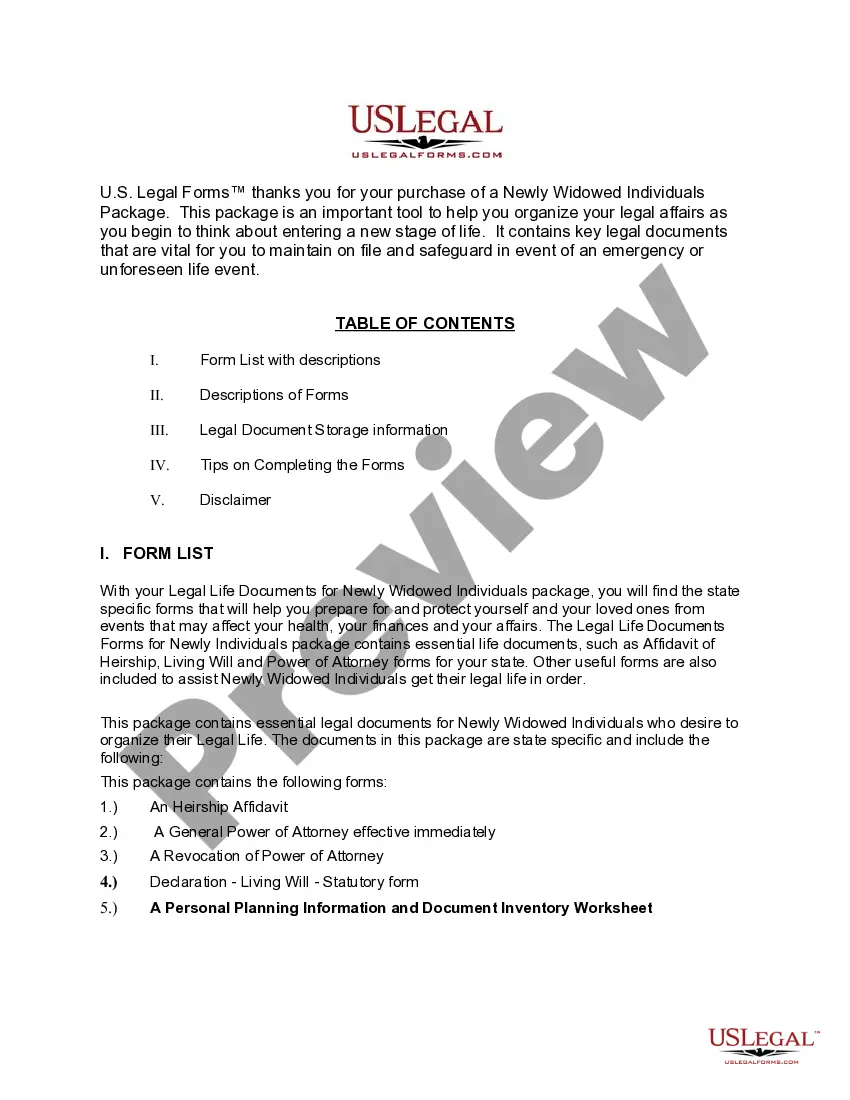
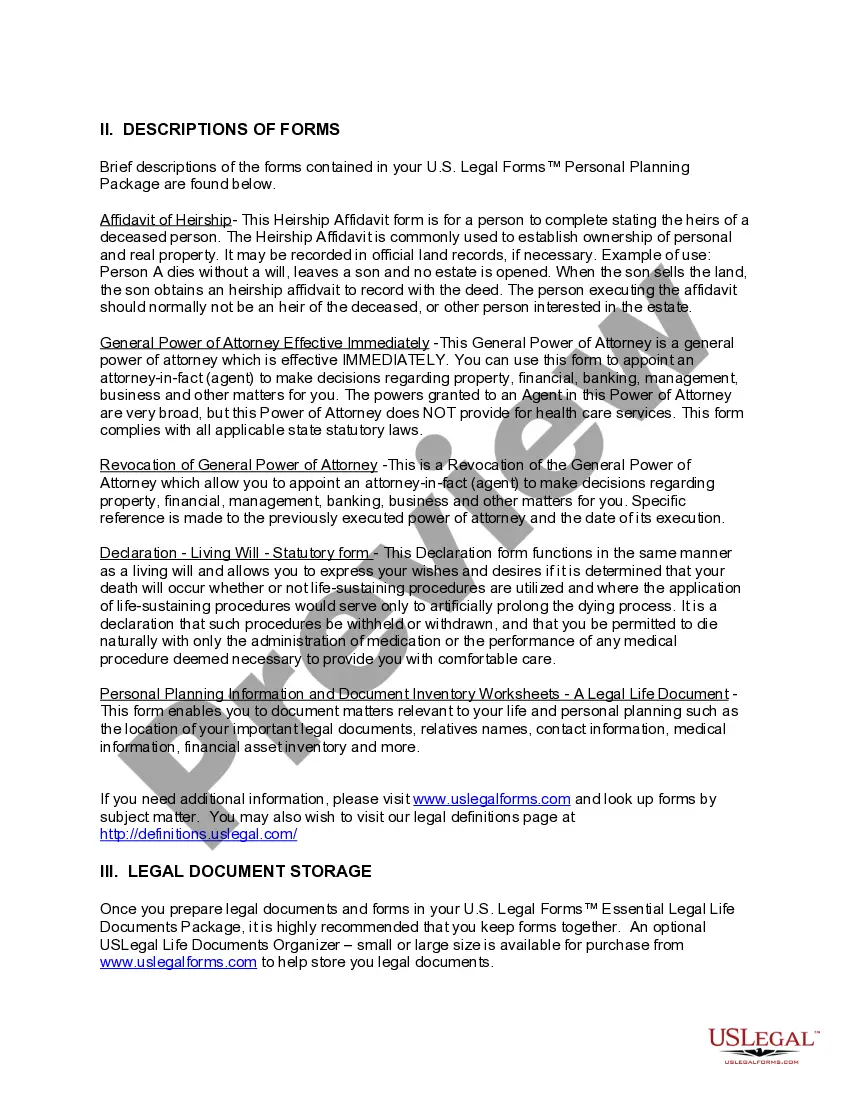
Forms you’ll find in this package
- Last Will and Testament
- Heirship Affidavit - Descent
- General Durable Power of Attorney for Property and Finances or Financial Effective Immediately
- Revocation of General Durable Power of Attorney
- Statutory Living Will - Advance Directive for Healthcare - Statutory form
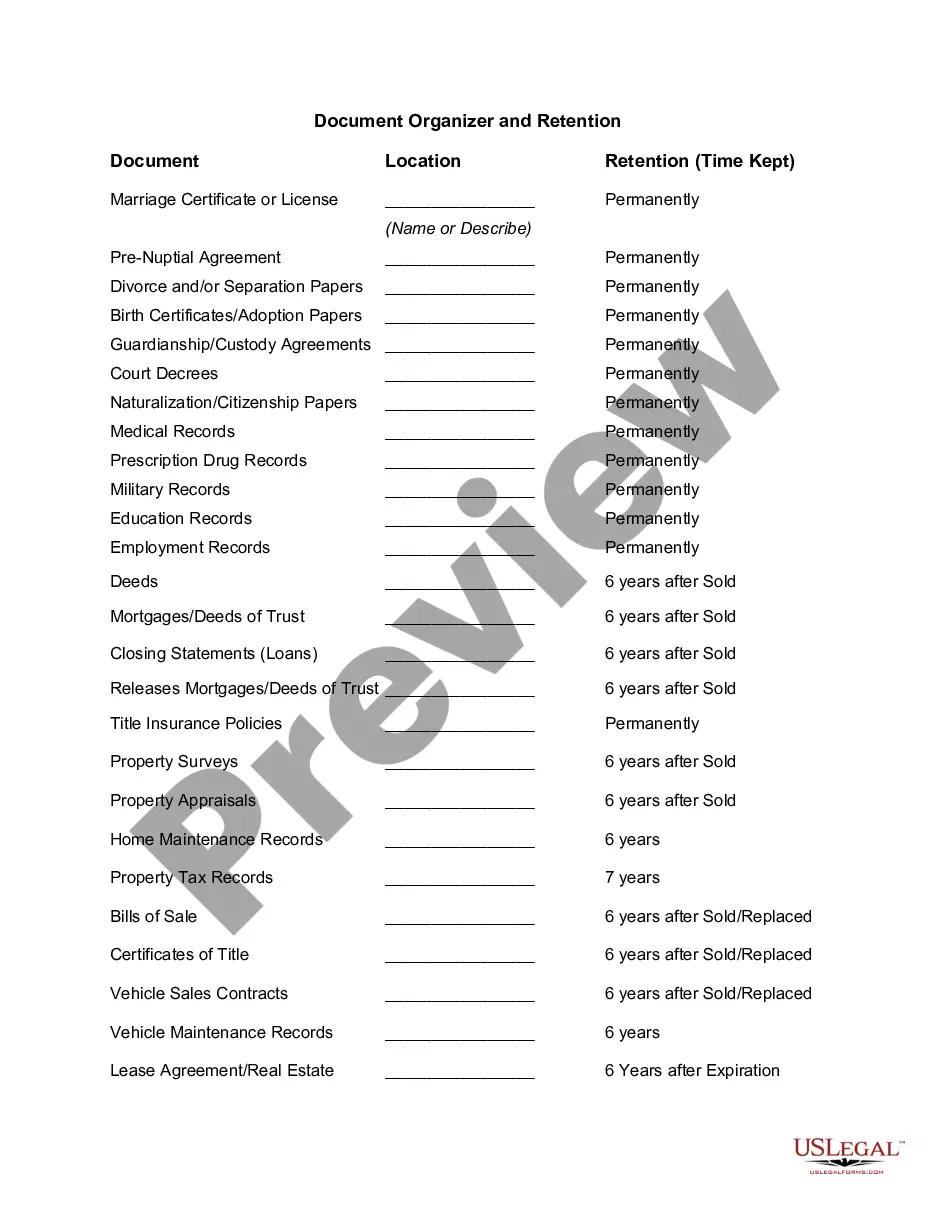
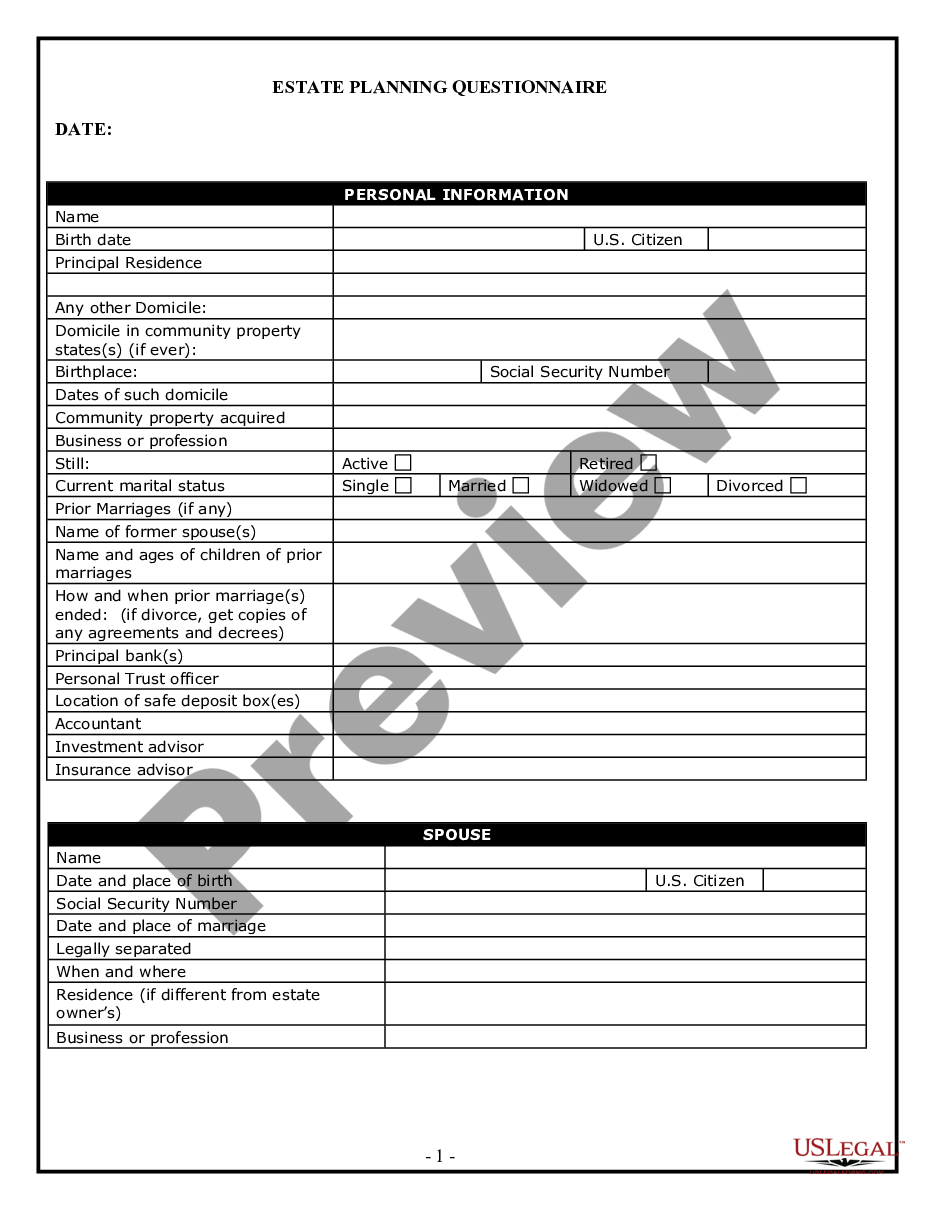
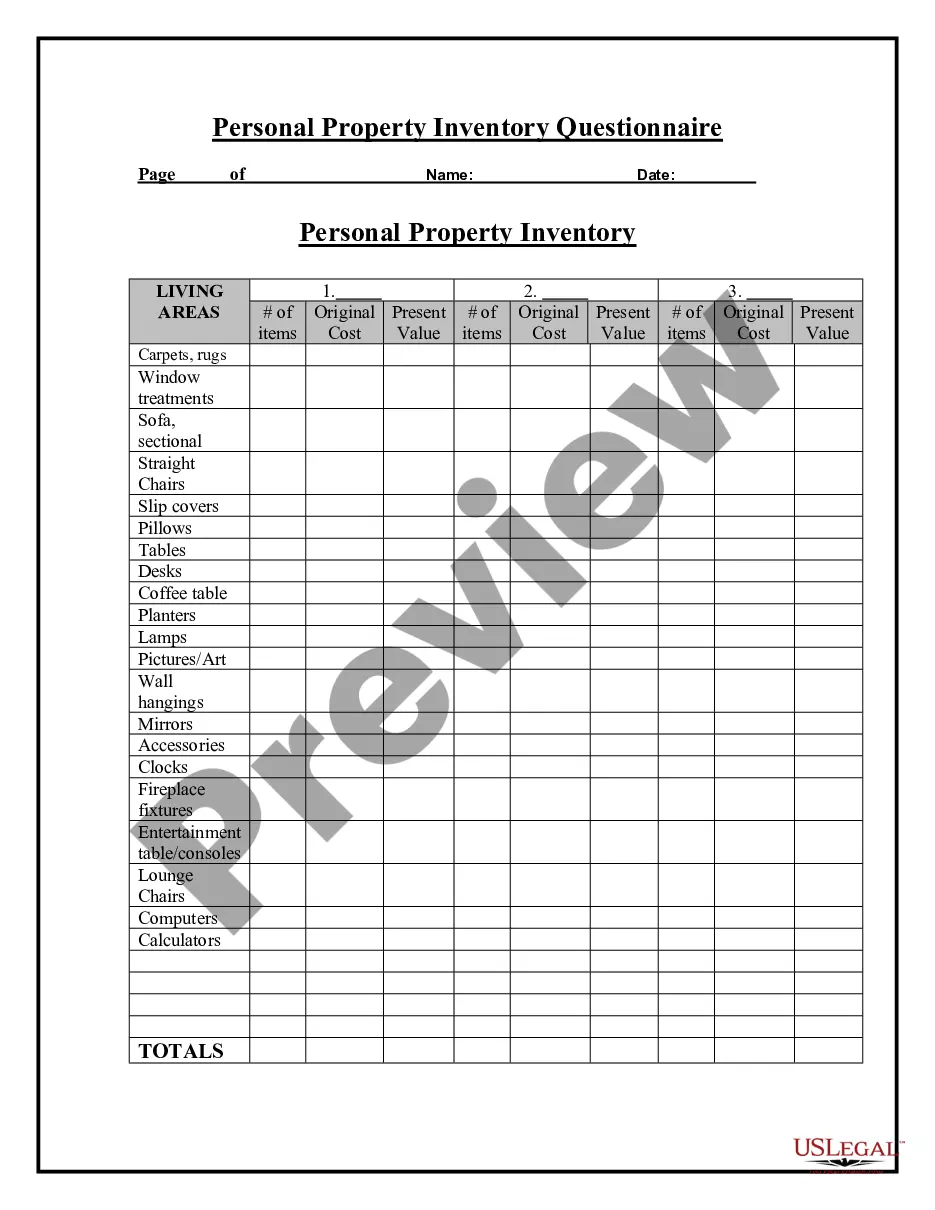
- Personal Planning Information and Document Inventory Worksheets - A Legal Life Document
When to use this document
This form package is valuable in various situations, such as:
- When you need to address the distribution of assets following the death of a spouse.
- When you want to document your healthcare preferences and decisions.
- When you need to appoint someone to manage your financial and legal matters.
- When you intend to clarify your wishes regarding life-sustaining treatment.
- When you wish to create an inventory of your important documents and contacts.
Intended users of this form package
- Newly widowed individuals in Pennsylvania.
- Family members of newly widowed individuals assisting with legal matters.
- Any person who wants to organize their legal documentation post-spouse's death.
Instructions for completing these forms
- Review the included forms to understand their purposes and requirements.
- Fill in your personal information, ensuring accuracy and completeness.
- Clearly specify the details related to asset distribution, healthcare preferences, and attorney-in-fact appointments.
- Sign the documents in the presence of a witness or notary if required.
- Store the completed forms in a secure location and inform a trusted individual about their whereabouts.
Do documents in this package require notarization?
Forms in this package typically do not require notarization unless mandated by local law. However, some forms may necessitate a witness signature. It is essential to follow state-specific requirements to ensure validity.
Get your form ready online
Our built-in tools help you complete, sign, share, and store your documents in one place.
Make edits, fill in missing information, and update formatting in US Legal Forms—just like you would in MS Word.
Download a copy, print it, send it by email, or mail it via USPS—whatever works best for your next step.
Sign and collect signatures with our SignNow integration. Send to multiple recipients, set reminders, and more. Go Premium to unlock E-Sign.
If this form requires notarization, complete it online through a secure video call—no need to meet a notary in person or wait for an appointment.
We protect your documents and personal data by following strict security and privacy standards.

Make edits, fill in missing information, and update formatting in US Legal Forms—just like you would in MS Word.

Download a copy, print it, send it by email, or mail it via USPS—whatever works best for your next step.

Sign and collect signatures with our SignNow integration. Send to multiple recipients, set reminders, and more. Go Premium to unlock E-Sign.

If this form requires notarization, complete it online through a secure video call—no need to meet a notary in person or wait for an appointment.

We protect your documents and personal data by following strict security and privacy standards.
Avoid these common issues
- Failing to complete all necessary fields on the forms.
- Not signing the documents where required.
- Neglecting to keep a copy of the completed forms.
- Forgetting to communicate the location of the documents to trusted individuals.
Why complete this package online
- Easy access to state-specific legal forms tailored for your needs.
- The ability to edit and customize documents from the comfort of your home.
- Reliable forms created by licensed attorneys, ensuring legal compliance.
- Immediate downloads for quick use without waiting for delivery.
Looking for another form?


Form popularity
FAQ
Your options for your tax filing status if your spouse dies will change depending on how long ago they passed away. For example, you can generally use married filing jointly in the year your spouse passes. Then in the next two years, you can file as a qualifying widow(er) if you meet certain requirements.
Although there are no additional tax breaks for widows, using the qualifying widow status means your standard deduction will be double the single status amount. Unless you qualify for something else, you'll usually file as single in the year after your spouse dies.
Just select the filing status on the Name & Address screen in your 1040.com return, then provide your spouse's name, SSN and date of death. And remember, for the year your spouse died, use the married filing joint filing status. Then for two years after, you can use the qualifying widow(er) filing status.
Just select the filing status on the Name & Address screen in your 1040.com return, then provide your spouse's name, SSN and date of death. And remember, for the year your spouse died, use the married filing joint filing status. Then for two years after, you can use the qualifying widow(er) filing status.
The deceased spouse's filing status becomes Married Filing Separately. Surviving spouses who have a dependent child may be able to use the Qualifying Widow(er) status in the two tax years following the year of the spouse's death.
Write the word "Deceased" and the date of death across the top of Form 1040. This is to be done whether you file jointly or separately. It alerts the IRS to the taxpayer's demise. Write the word "Deceased" after your spouse's name on Line 1 of Form 1040.
Qualifying widow(er) status is a special filing status available to surviving spouses for two years following the year in which their spouse died. The married filing jointly and qualifying widow(er) statuses have the same applicable tax rates and tax brackets.
Married filing jointly: You can usually file a joint return for the year your spouse died. Generally, you'll have to file in cooperation with the executor or administrator of your spouse's estate. If you remarry before year-end, you cannot file a joint return with your deceased spouse for that year.
The deceased spouse's filing status becomes Married Filing Separately. Surviving spouses who have a dependent child may be able to use the Qualifying Widow(er) status in the two tax years following the year of the spouse's death.