Oregon Estate Planning Questionnaire and Worksheets
What is this form?
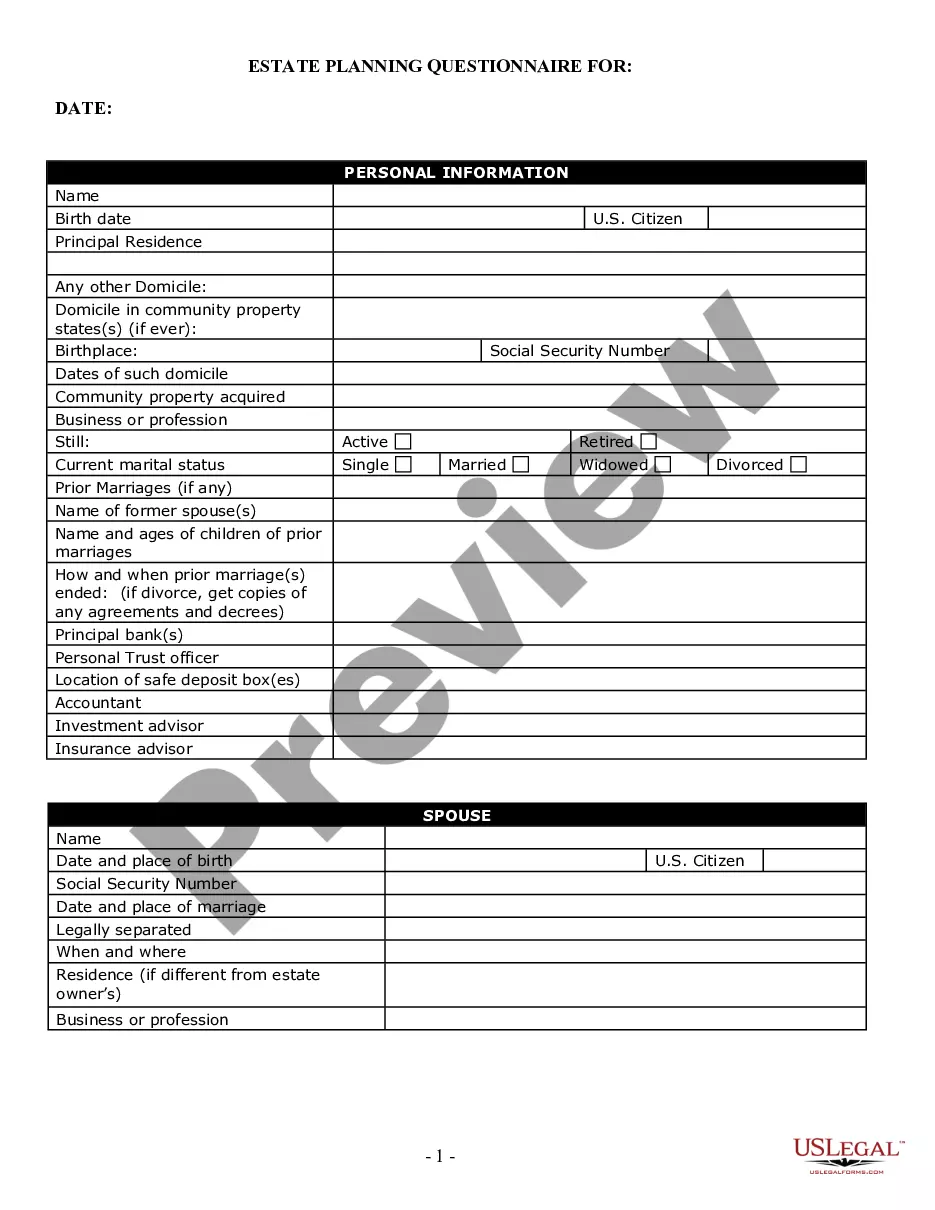
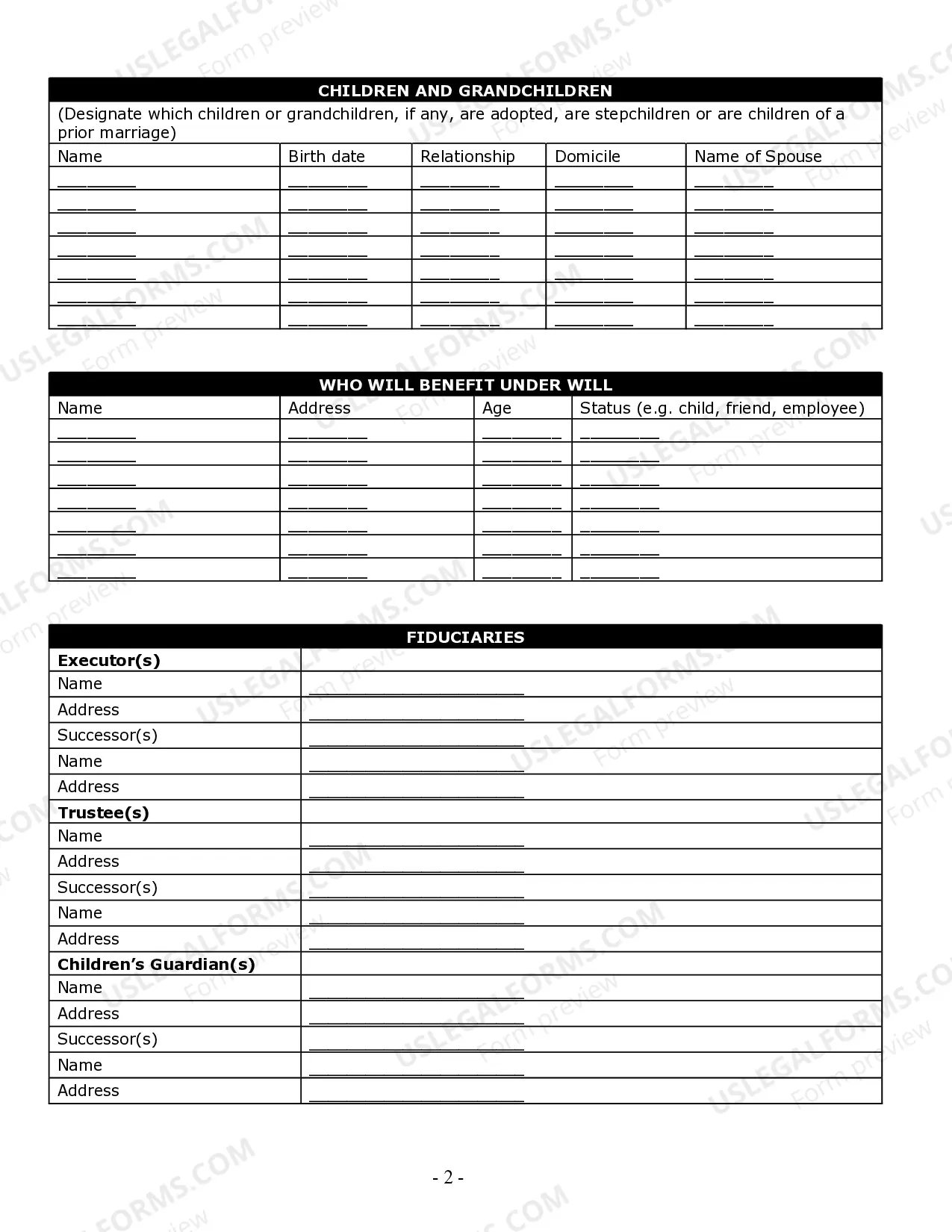
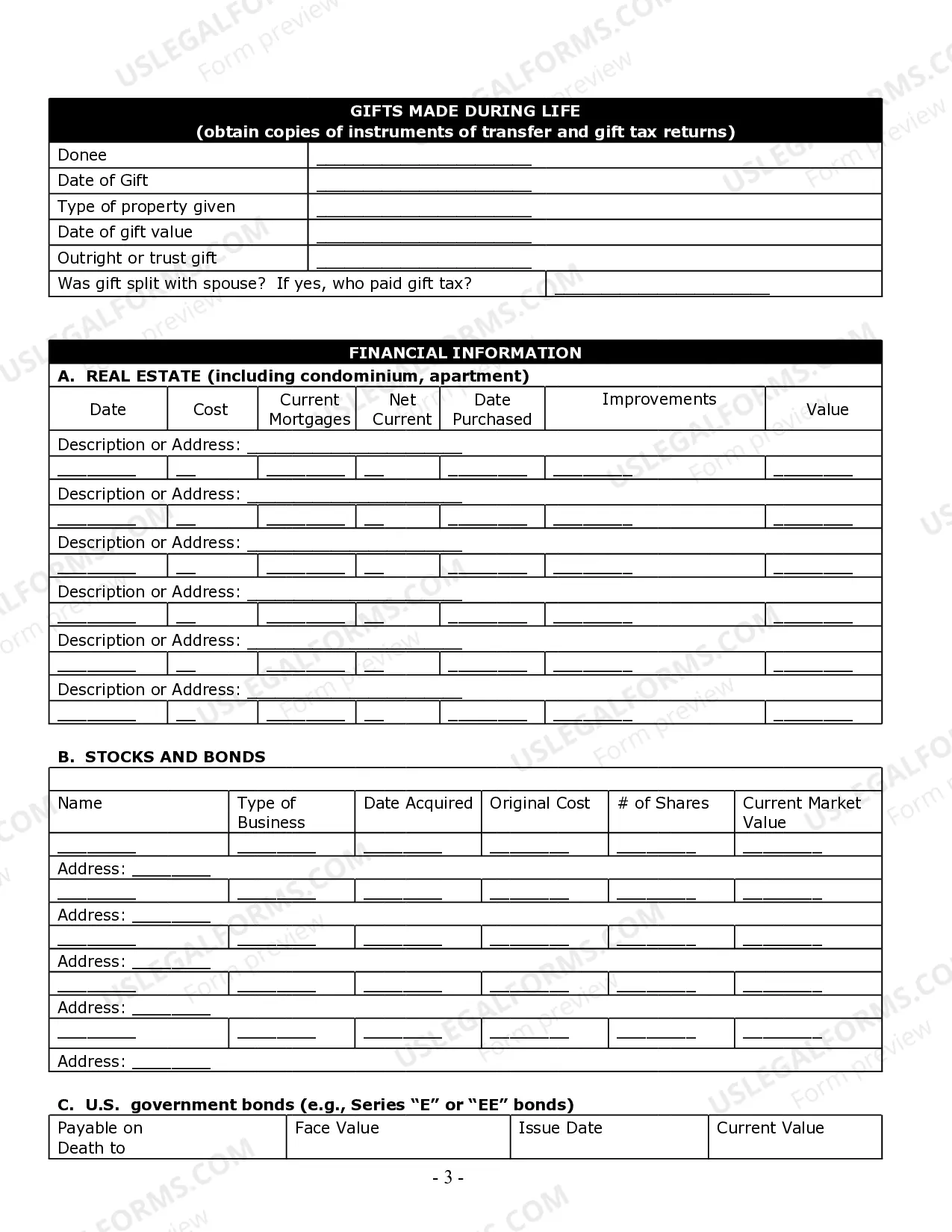
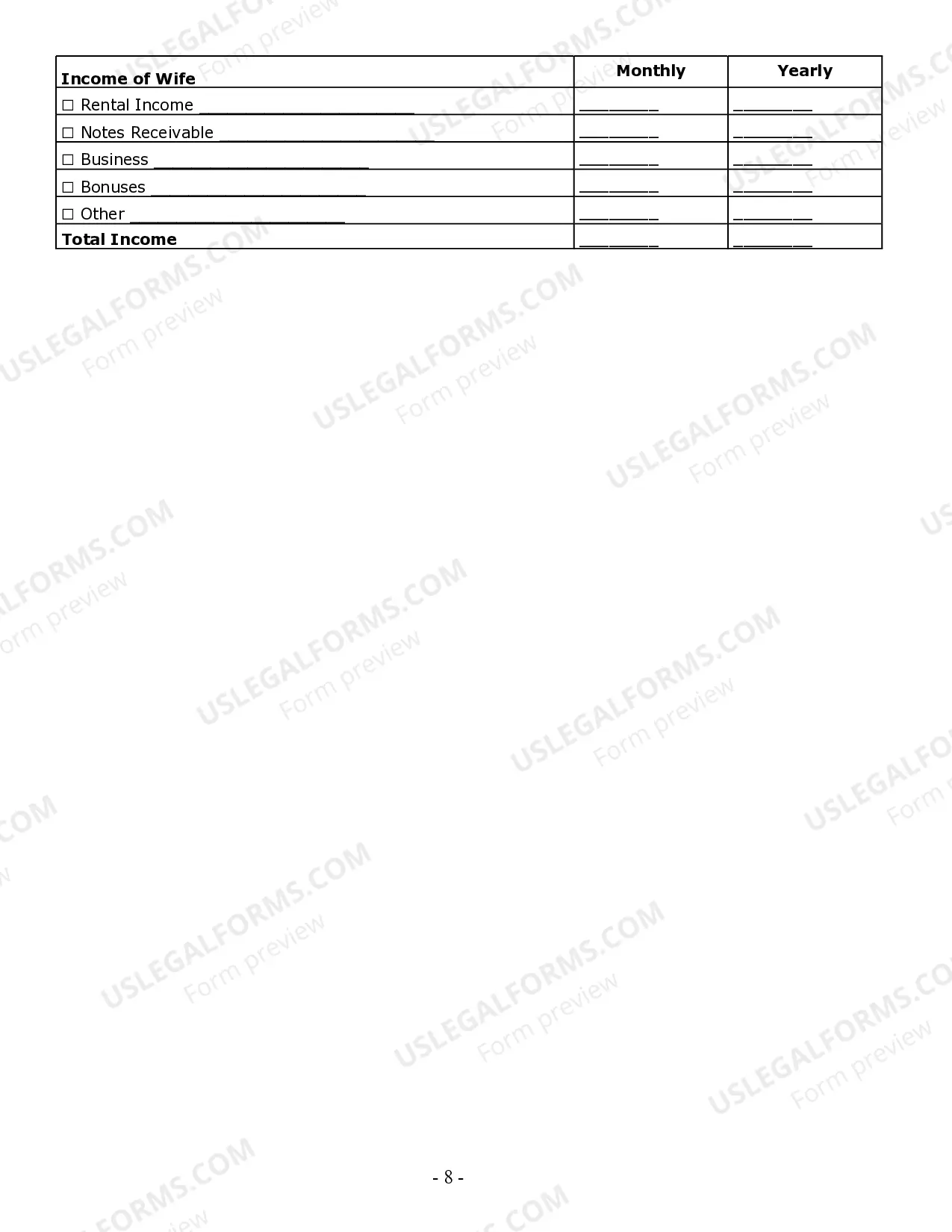
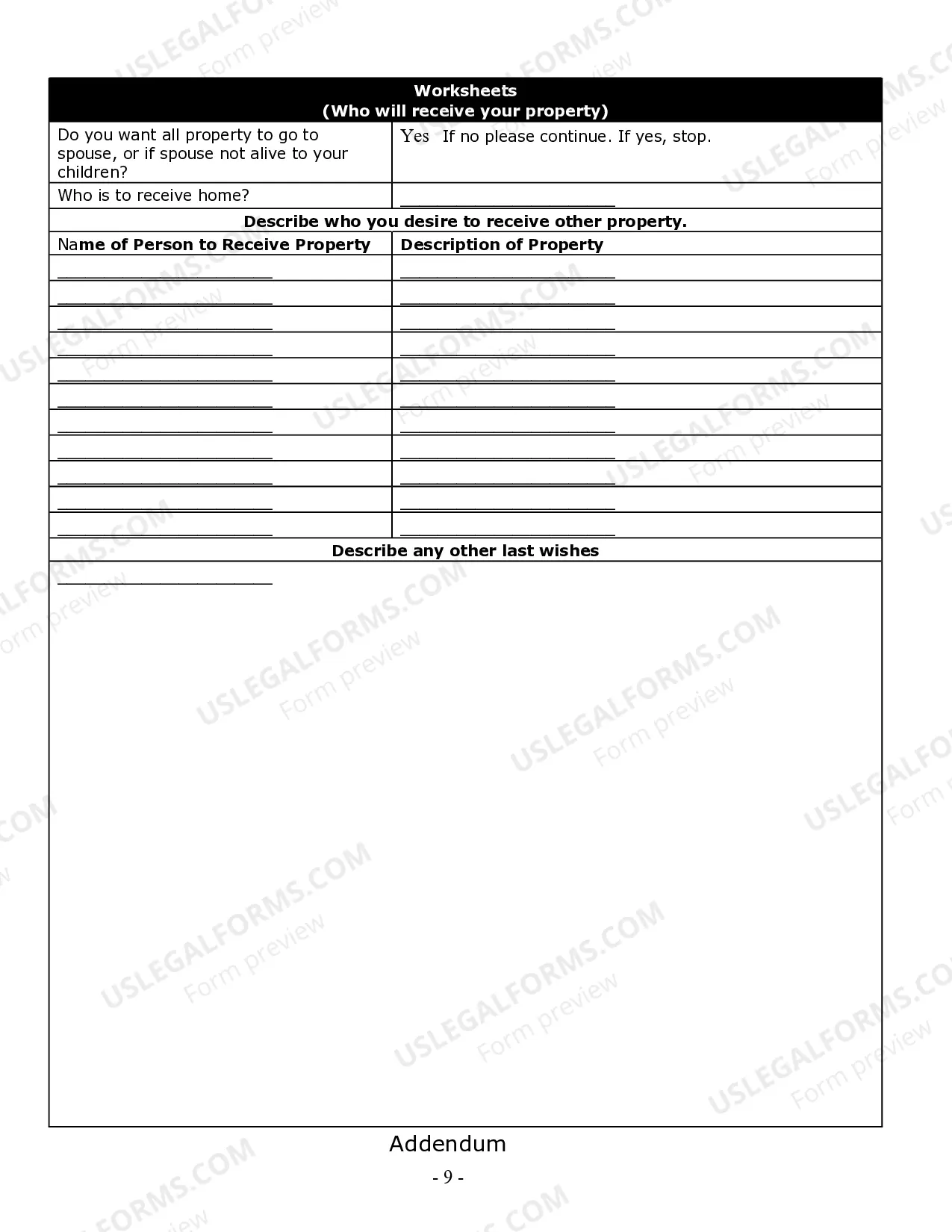
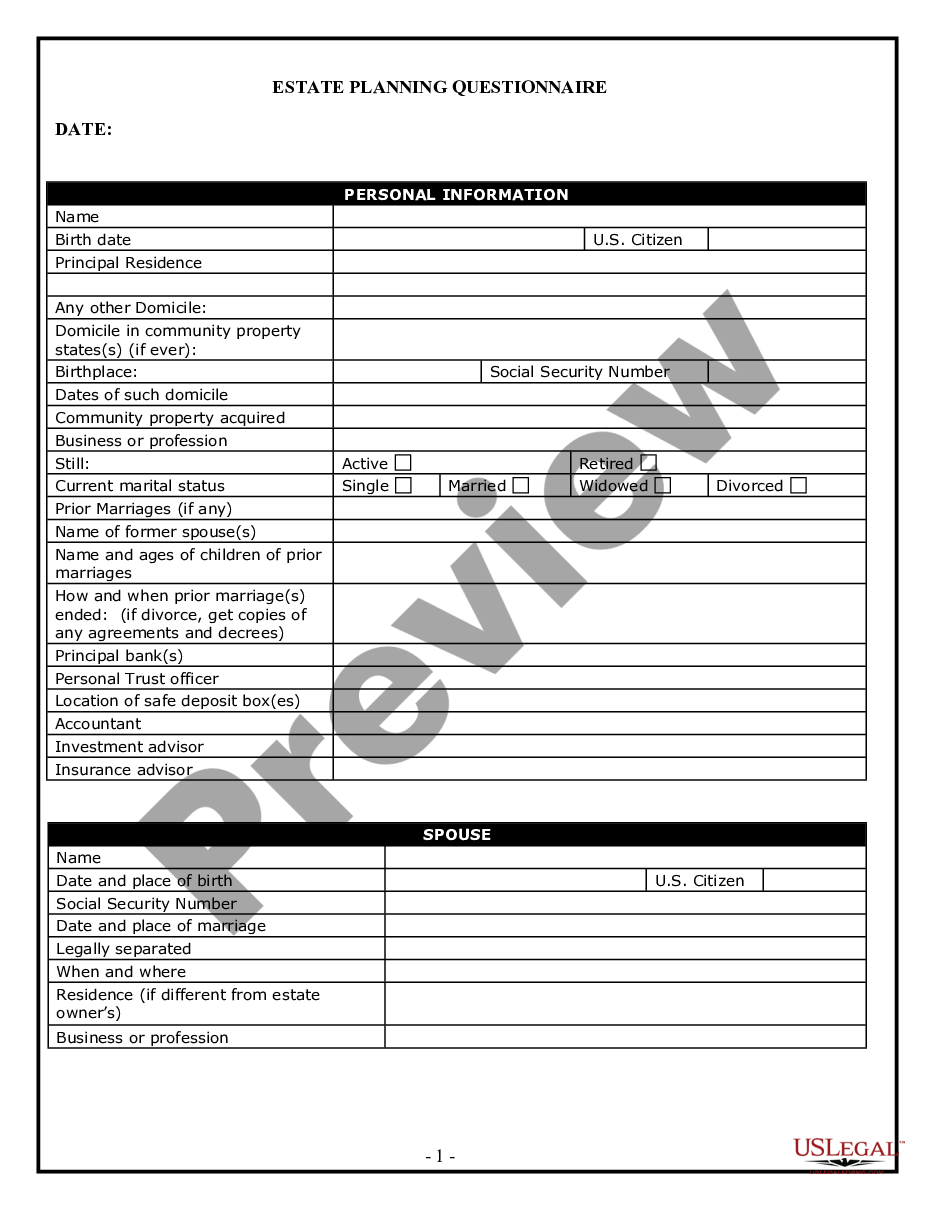
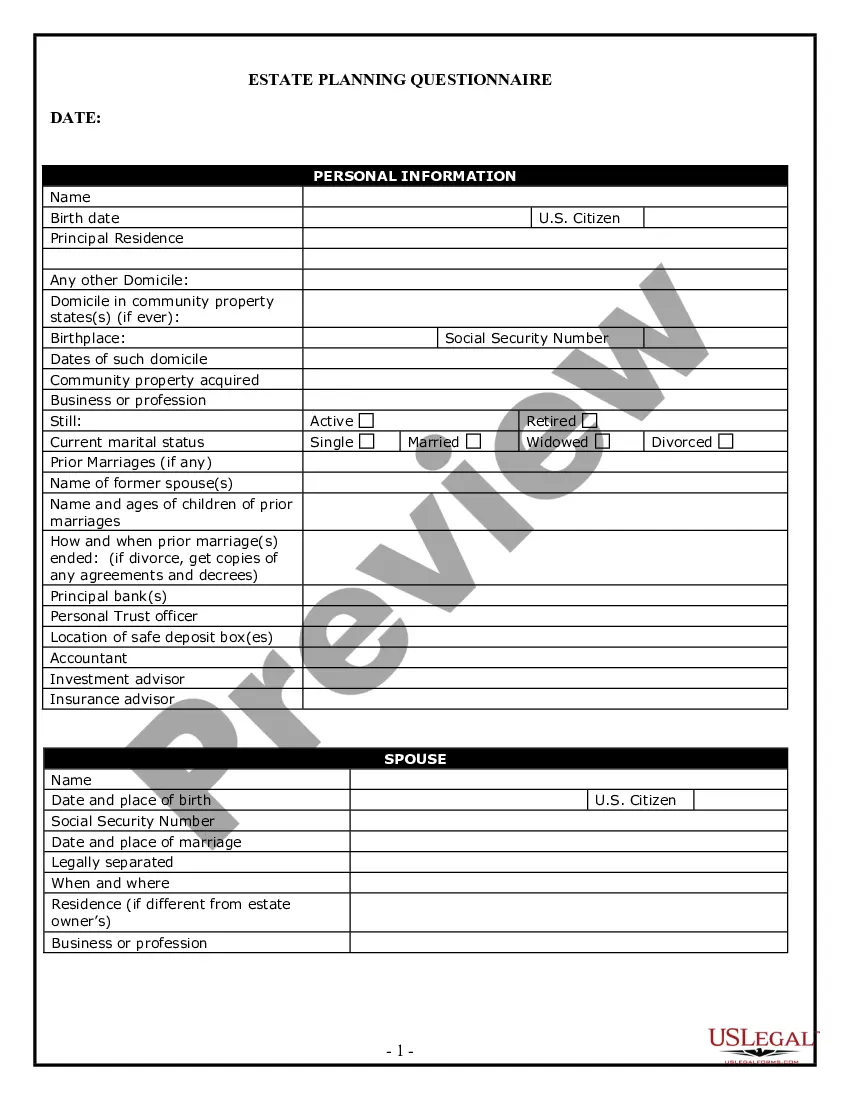
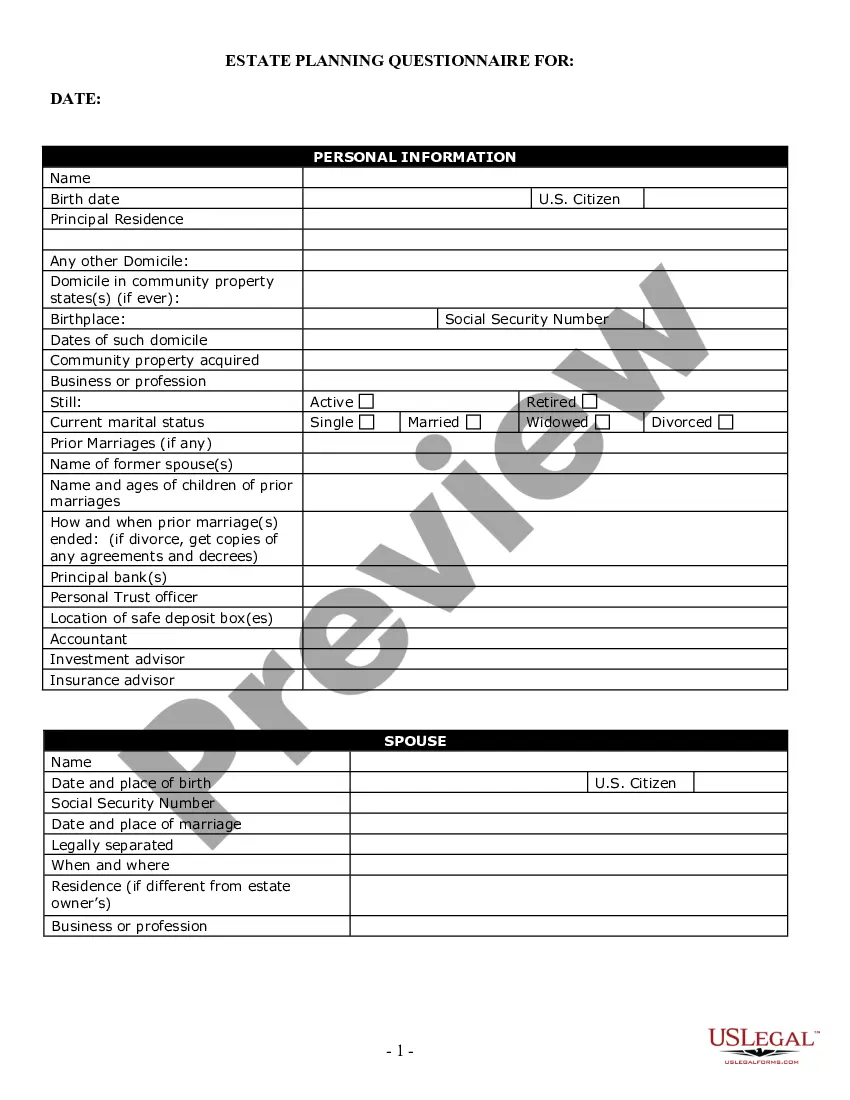
The Estate Planning Questionnaire and Worksheets is a tool designed to gather information relevant to an individual's estate. This form consists of questions that cover personal and financial details. It serves two main purposes: to facilitate client interviews for legal professionals and to enable individuals to assess their overall financial situation for better estate planning. Unlike other estate planning documents, this questionnaire focuses on collecting necessary information rather than establishing legal directives.
Form components explained
- Personal information section: Collects data such as full name, address, and contact details.
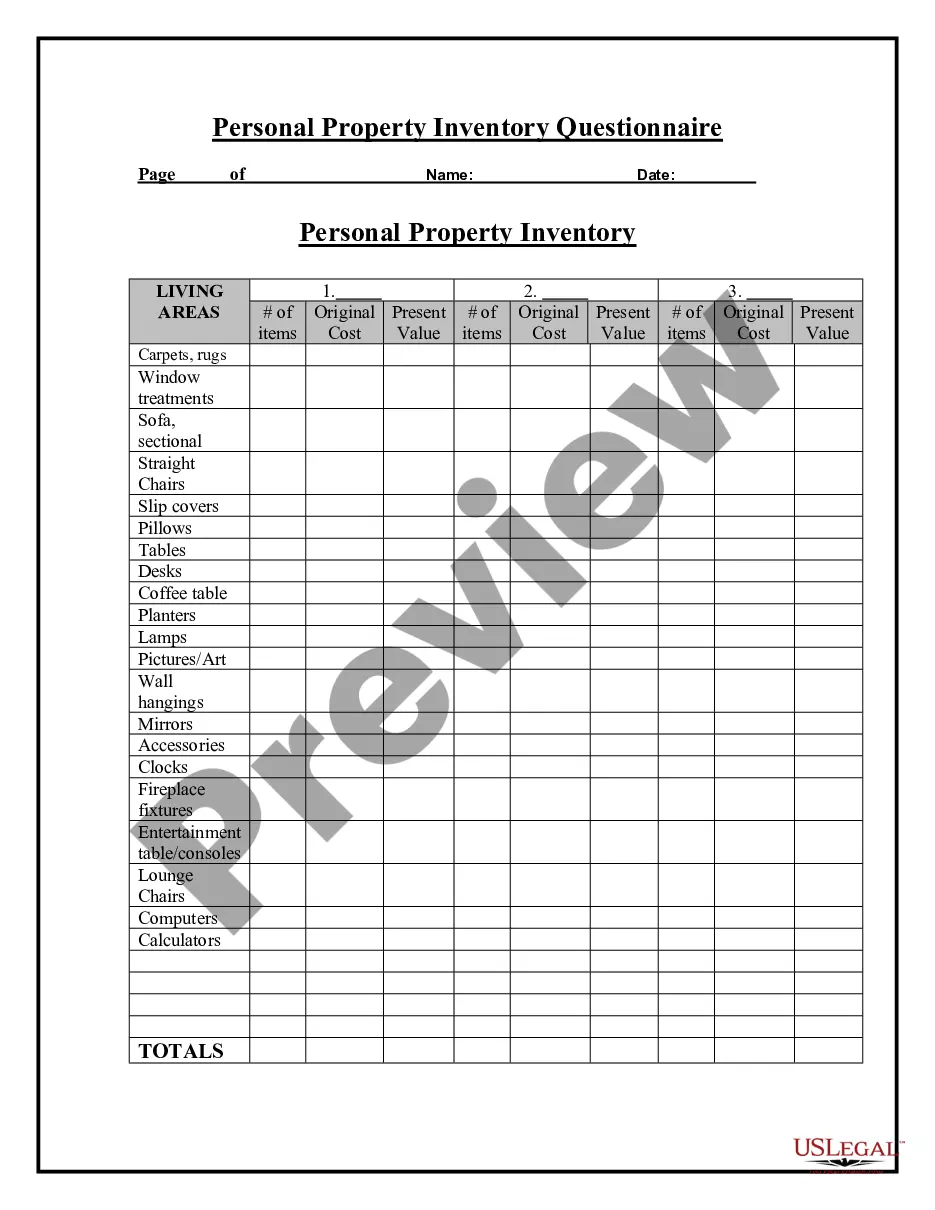
- Financial overview: Gathers information about assets, liabilities, and sources of income.
- Family details: Includes questions about dependents, beneficiaries, and their contact information.
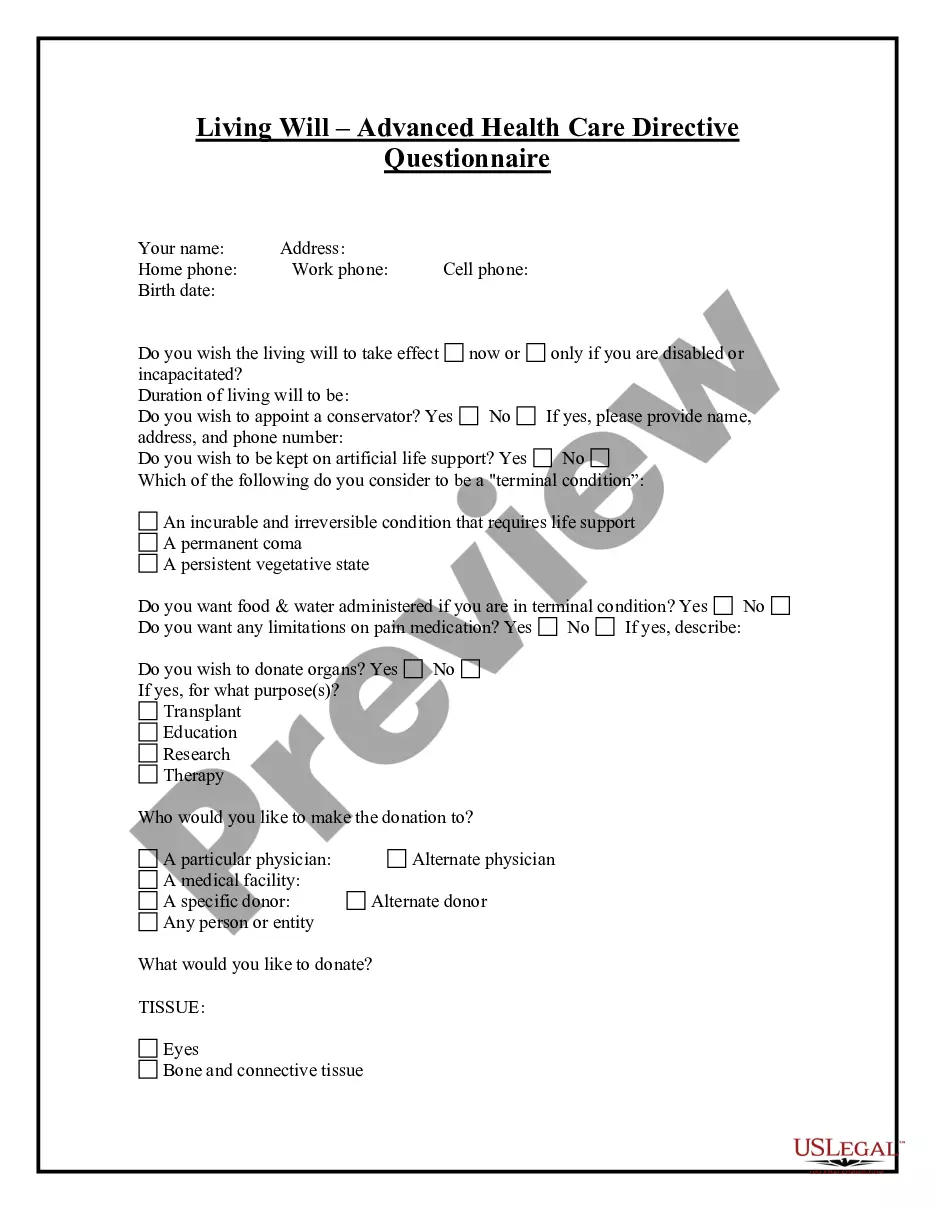
- Healthcare preferences: Addresses end-of-life wishes and healthcare decision-making.
- Legal documents checklist: Provides an area to note existing wills, trusts, or powers of attorney.
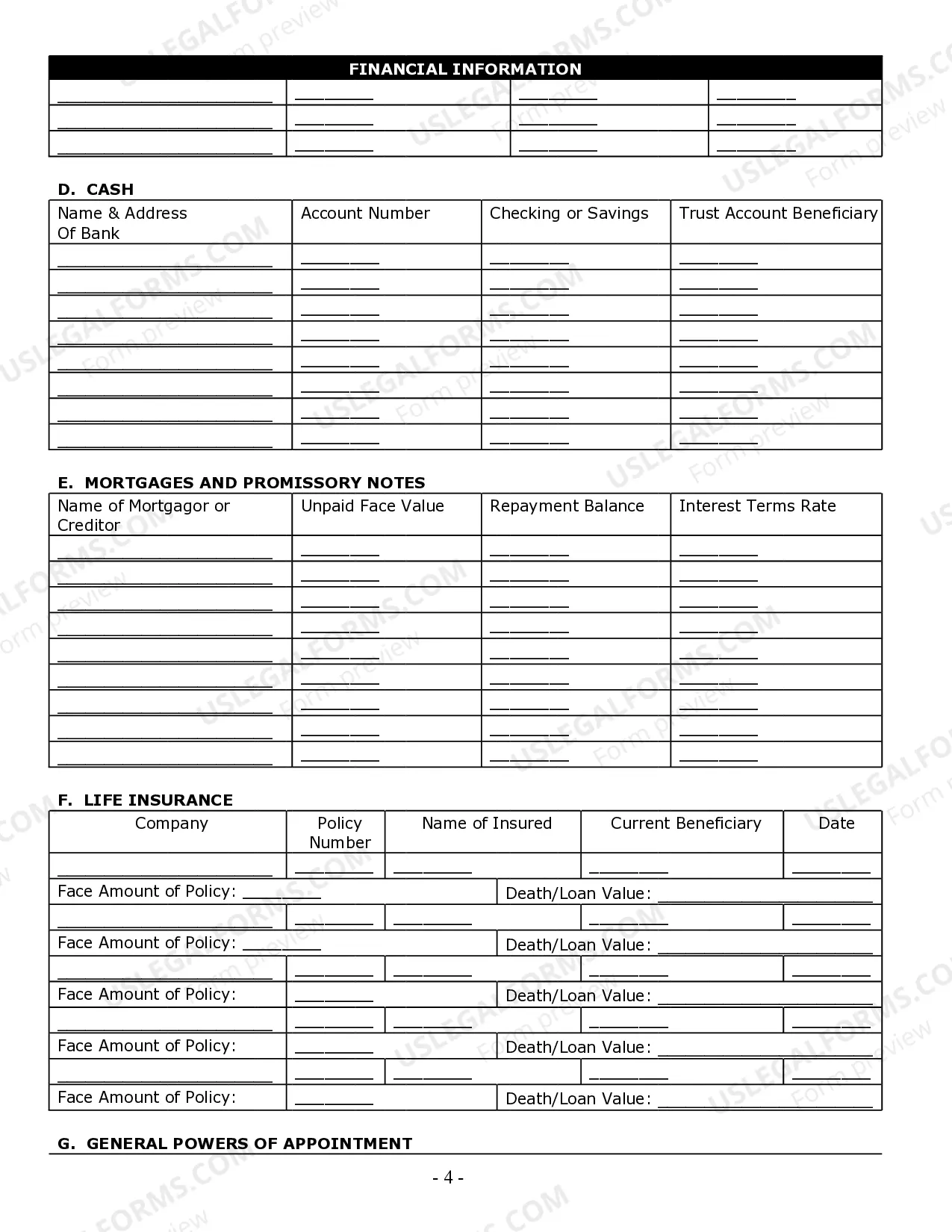
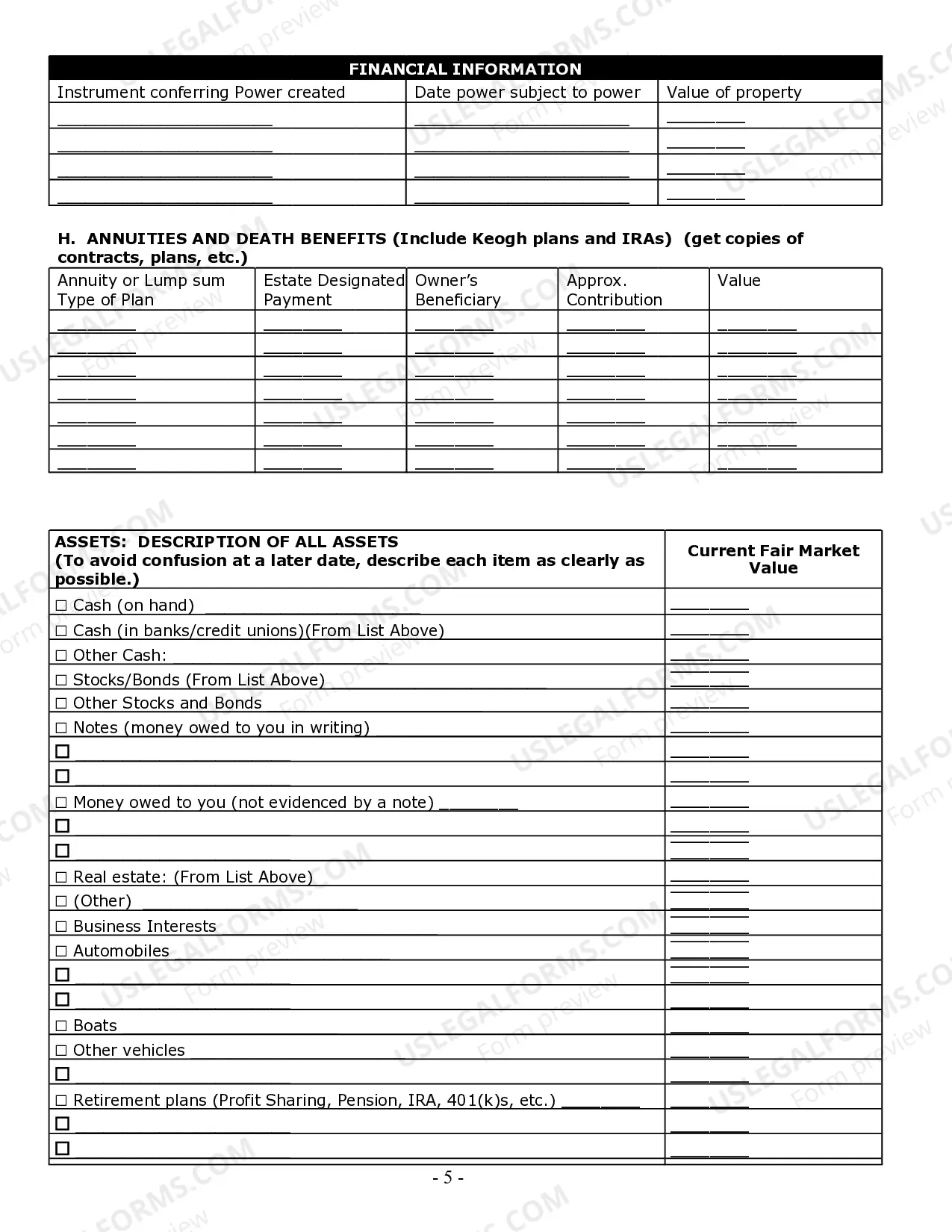
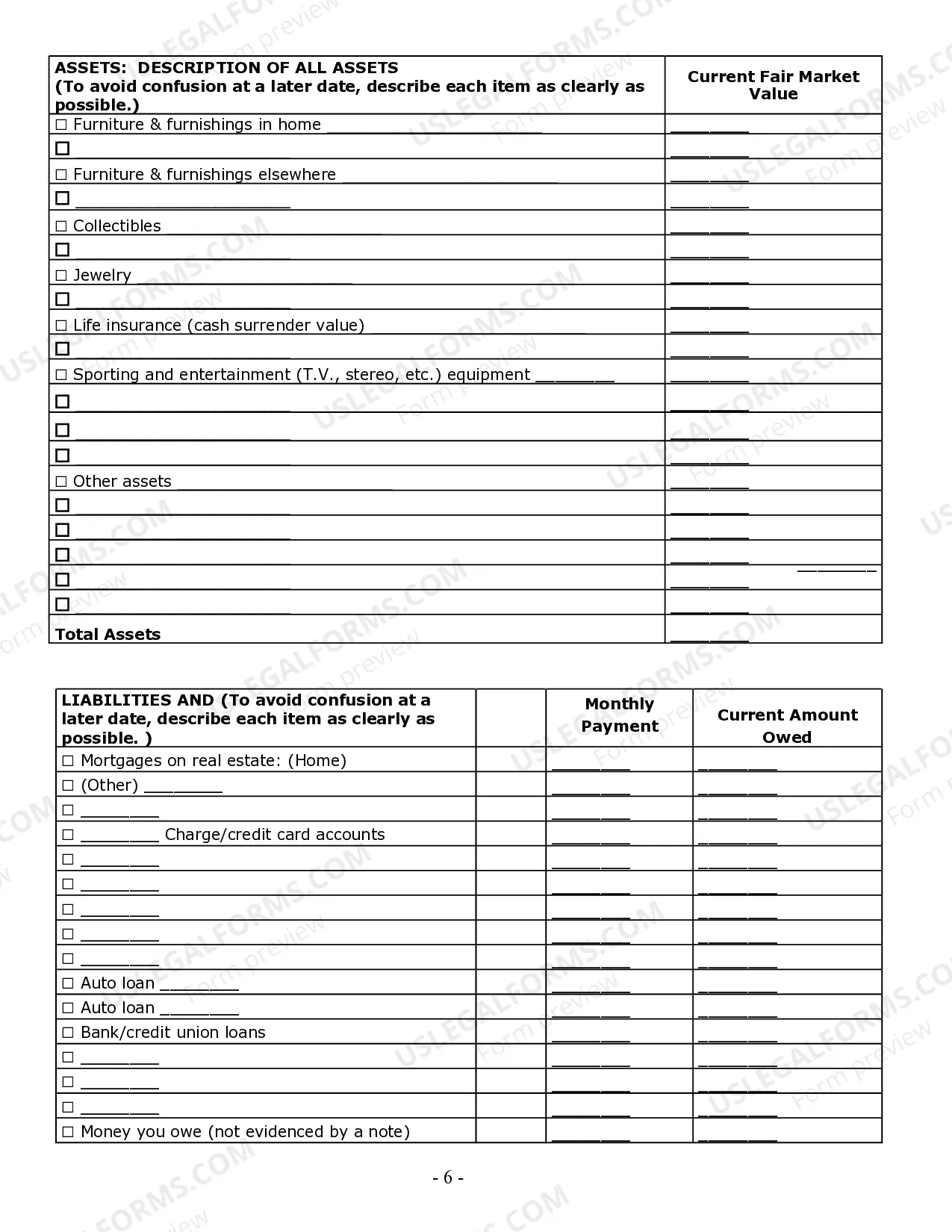
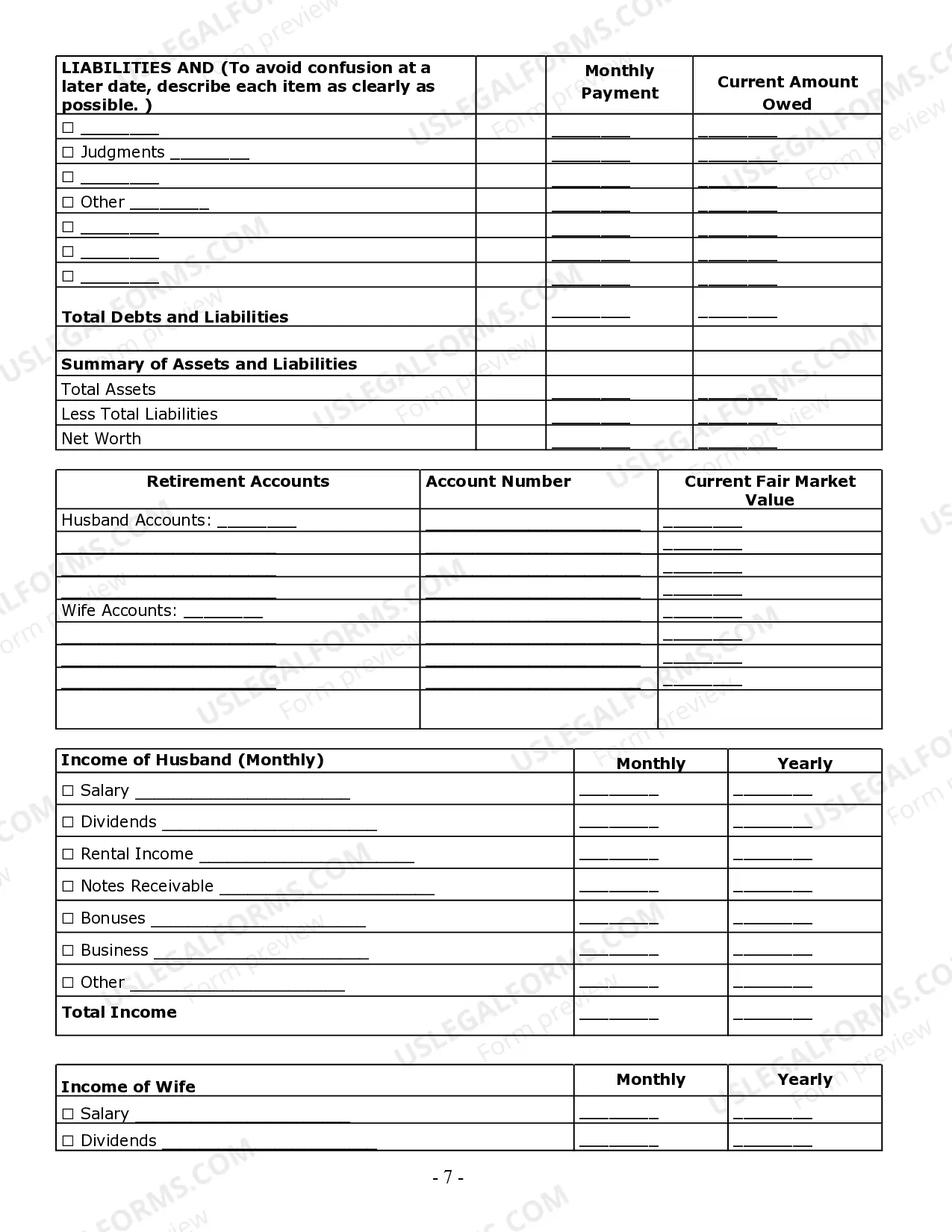


When to use this document
This form should be used when an individual is beginning the estate planning process or when an attorney needs to collect comprehensive details from a client. It is especially useful during client interviews to ensure all critical information is recorded. Additionally, those looking to understand their financial standing in preparation for creating estate plans will benefit from completing this questionnaire.
Who should use this form
- Individuals planning their estate and wanting to understand their financial situation.
- Attorneys conducting client interviews related to estate planning.
- Financial advisors assisting clients with estate-related financial planning.
- Anyone who wants to ensure they have organized all necessary information before creating estate documents.
Completing this form step by step
- Begin by entering your full name and contact information in the designated section.
- Detail your financial situation by listing all assets and liabilities.
- Fill out information about your family, including dependents and planned beneficiaries.
- Provide preferences regarding healthcare decisions and end-of-life care.
- Review the checklist to identify any existing estate planning documents you currently have.
Notarization guidance
Notarization is generally not required for this form. However, certain states or situations might demand it. You can complete notarization online through US Legal Forms, powered by Notarize, using a verified video call available anytime.
Get your form ready online
Our built-in tools help you complete, sign, share, and store your documents in one place.
Make edits, fill in missing information, and update formatting in US Legal Forms—just like you would in MS Word.
Download a copy, print it, send it by email, or mail it via USPS—whatever works best for your next step.
Sign and collect signatures with our SignNow integration. Send to multiple recipients, set reminders, and more. Go Premium to unlock E-Sign.
If this form requires notarization, complete it online through a secure video call—no need to meet a notary in person or wait for an appointment.
We protect your documents and personal data by following strict security and privacy standards.

Make edits, fill in missing information, and update formatting in US Legal Forms—just like you would in MS Word.

Download a copy, print it, send it by email, or mail it via USPS—whatever works best for your next step.

Sign and collect signatures with our SignNow integration. Send to multiple recipients, set reminders, and more. Go Premium to unlock E-Sign.

If this form requires notarization, complete it online through a secure video call—no need to meet a notary in person or wait for an appointment.

We protect your documents and personal data by following strict security and privacy standards.
Mistakes to watch out for
- Leaving sections incomplete, which can lead to an inaccurate financial overview.
- Not updating personal and financial information regularly as life circumstances change.
- Forgetting to discuss healthcare wishes with family members or to document them.
Why complete this form online
- Convenience: Access the form anytime and complete it at your own pace.
- Editability: Easily modify entries to reflect any updates in your financial situation.
- Reliability: Based on templates drafted by licensed attorneys, ensuring legal accuracy.
Legal use & context
- This form is designed to assist individuals in organizing their estate planning information.
- While not a legally binding document on its own, it serves as a vital preliminary step toward creating enforceable estate planning documents.
Main things to remember
- The Estate Planning Questionnaire helps in gathering vital personal and financial information.
- It is essential for both individuals and legal professionals involved in estate planning.
- Accurate and complete entries can facilitate smoother estate planning processes.
Looking for another form?
Form popularity
FAQ
There are four main elements of an estate plan; these include a will, a living will and healthcare power of attorney, a financial power of attorney, and a trust.
Creating an estate plan is a lot like getting into better shape. Step 1: Sign a will. Step 2: Name beneficiaries. Step 3: Dodge estate taxes. Step 4: Leave a letter. Step 5: Draw up a durable power of attorney. Step 6: Create an advance health care directive.
More Than a Last Will. Itemize Your Inventory. Follow with Non-Physical Assets. Assemble a List of Debts. Make a Memberships List. Make Copies of Your Lists. Review Your Retirement Account. Update Your Insurance.
Will/trust. Durable power of attorney. Beneficiary designations. Letter of intent. Healthcare power of attorney. Guardianship designations.
Bank accounts. Brokerage or investment accounts. Retirement accounts and pension plans. A life insurance policy.
Lay out Your Assets & Think About Final Wishes. Consider Your Digital Assets. Gather Documents Needed for Will Preparation. Choose Your Executor & Beneficiaries. Nominate Guardians. Sign Your Will. Store Your Will. Update or Amend Your Will.
A will may be a relatively simple document that sets forth your wishes regarding the distribution of property; it may also include instructions regarding the care of minor children. An estate plan goes much further than a will.
A Last Will and Testament. When it comes to estate planning, having a last will and testament is likely the first thing that will come to mind. A Document Granting Power of Attorney. An Advance Medical Directive. Revocable Living Trust.