Letter of Understanding
Understanding this form
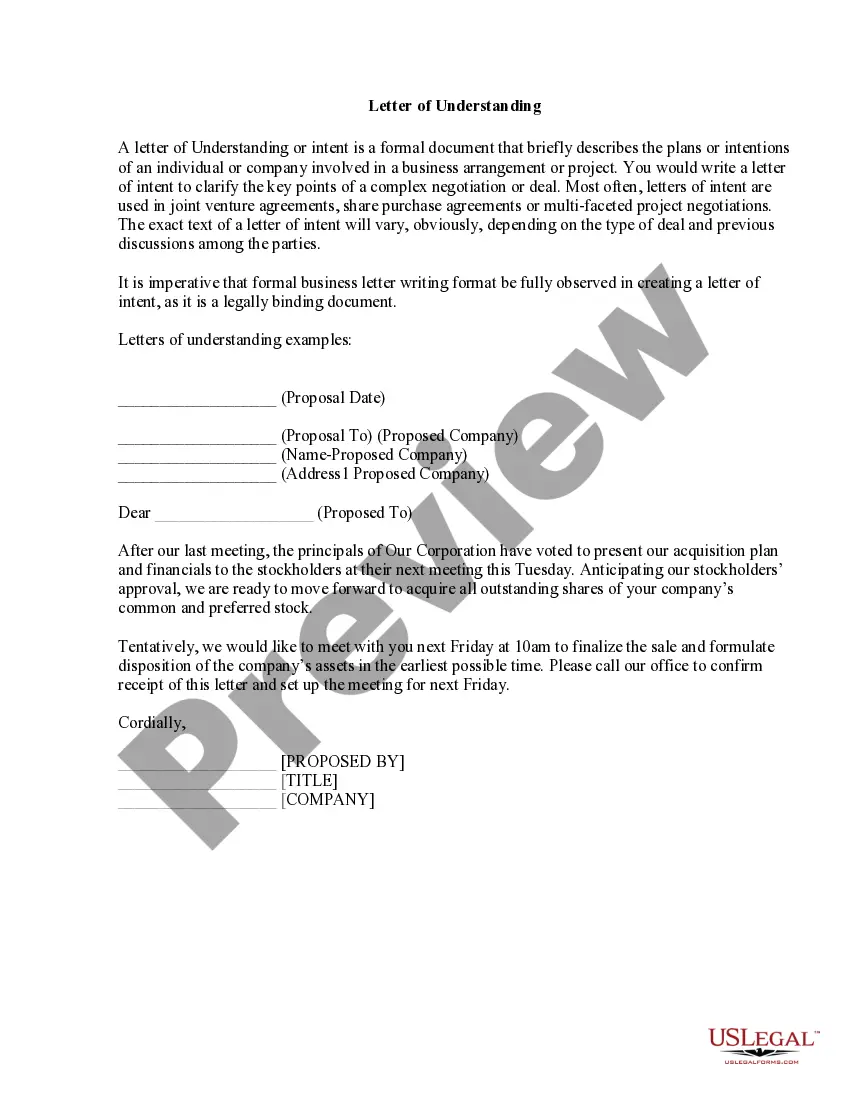
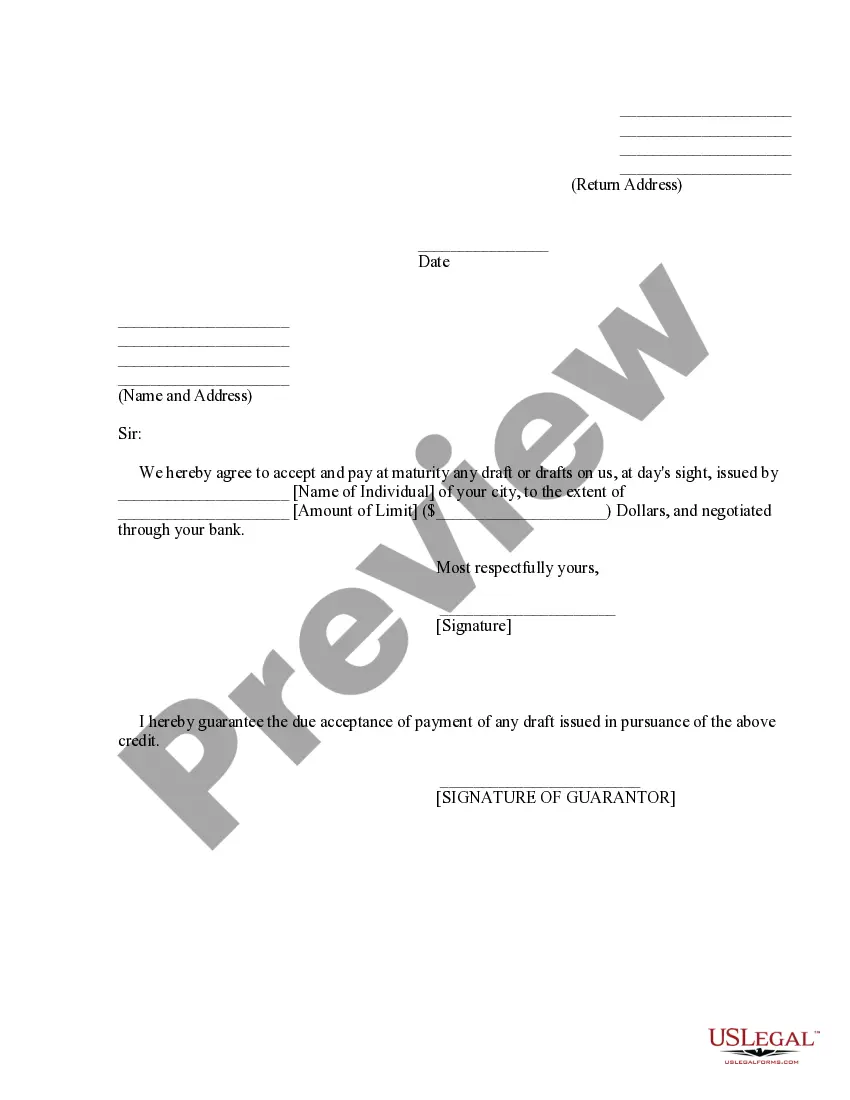
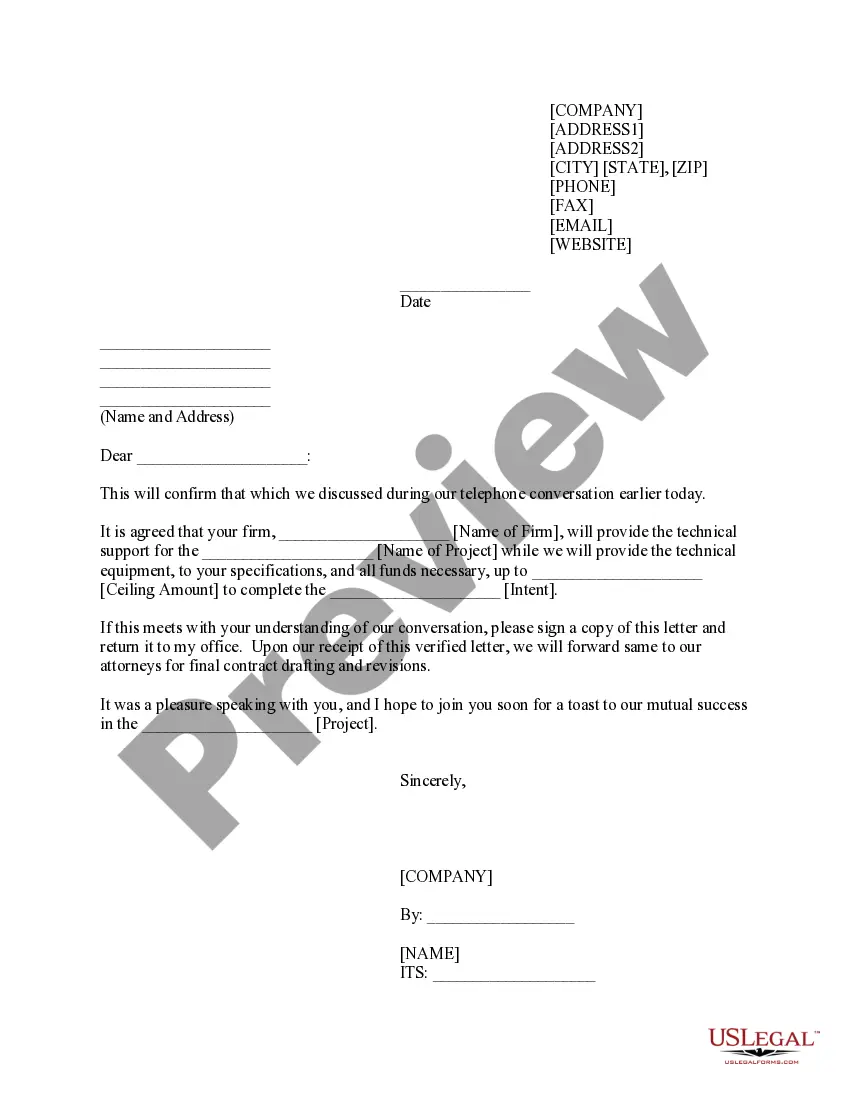
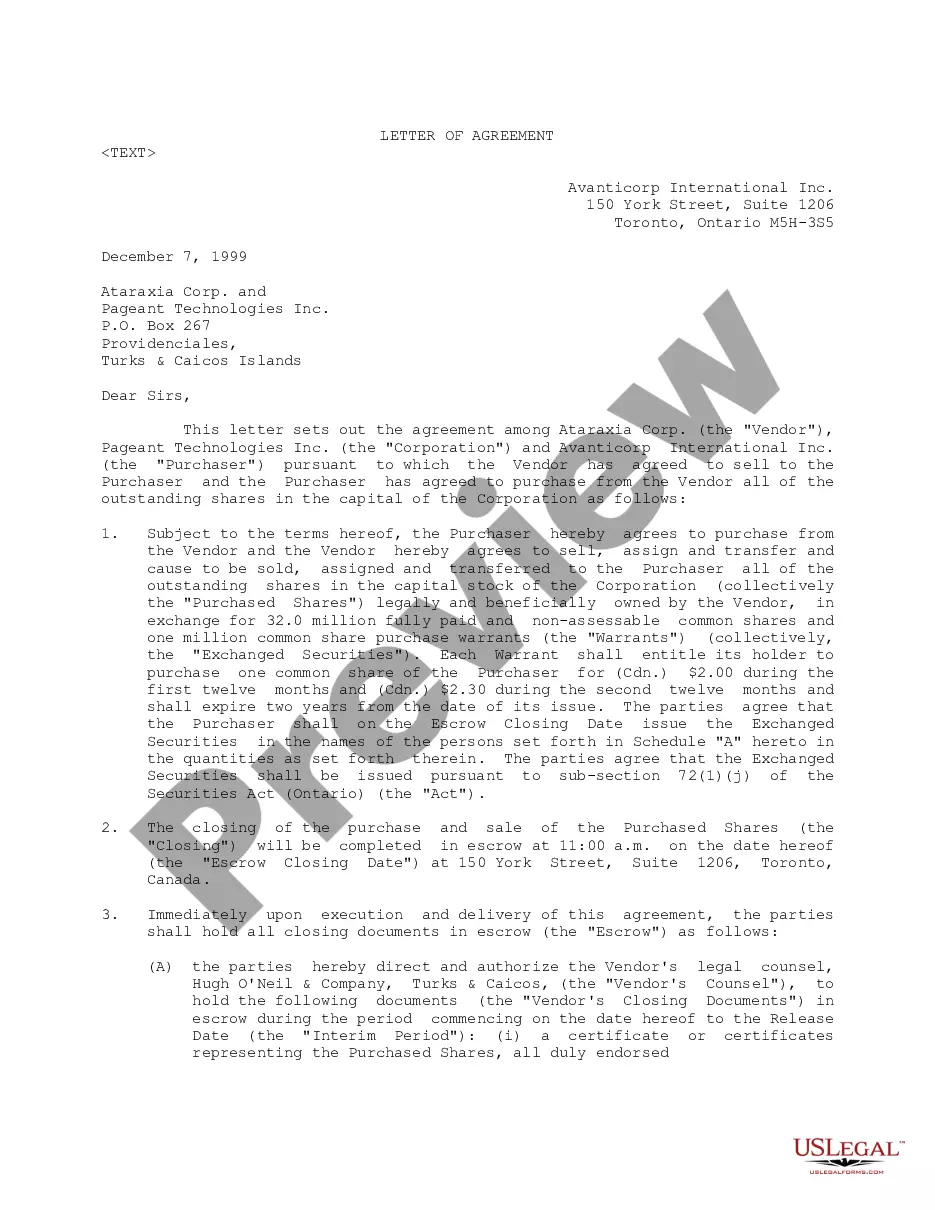
A Letter of Understanding is a formal document that outlines the intentions of an individual or company regarding a business arrangement or project. It serves to clarify critical points in complex negotiations, often used in joint ventures or share purchase agreements. Unlike contracts that establish binding commitments, this letter primarily conveys intent and outlines preliminary discussions. It is a significant tool in business dealings, providing structure and clarity to the negotiation process.
Main sections of this form
- Date of the proposal.
- Name and address of the proposed company.
- Recipientâs name and title.
- Details of the meeting proposal and acquisition plan.
- Signature of the proposing party along with their title and company name.
When to use this document
This form is utilized in various scenarios, including but not limited to the following:
- Clarifying intentions before finalizing agreements in joint ventures.
- Documenting the terms discussed in preliminary meetings before a formal contract is drafted.
- Facilitating communication between parties involved in potential mergers or acquisitions.
Intended users of this form
This form is intended for:
- Business owners seeking to outline intentions for collaboration.
- Companies involved in negotiations for mergers or acquisitions.
- Investors looking to clarify the terms before making commitments.
- Legal professionals assisting clients in preliminary negotiation stages.
Steps to complete this form
- Identify the involved parties by including their names and addresses.
- Clearly state the purpose of the letter, outlining key points discussed in previous meetings.
- Specify the date and time for any proposed follow-up meetings.
- Include a respectful closing statement encouraging the recipient to confirm receipt of the letter.
- Sign the document with your name, title, and company to formalize it.
Notarization guidance
This form does not typically require notarization unless specified by local law. However, for added legal weight, obtaining notarization may be beneficial in certain contexts.
Get your form ready online
Our built-in tools help you complete, sign, share, and store your documents in one place.
Make edits, fill in missing information, and update formatting in US Legal Forms—just like you would in MS Word.
Download a copy, print it, send it by email, or mail it via USPS—whatever works best for your next step.
Sign and collect signatures with our SignNow integration. Send to multiple recipients, set reminders, and more. Go Premium to unlock E-Sign.
If this form requires notarization, complete it online through a secure video call—no need to meet a notary in person or wait for an appointment.
We protect your documents and personal data by following strict security and privacy standards.

Make edits, fill in missing information, and update formatting in US Legal Forms—just like you would in MS Word.

Download a copy, print it, send it by email, or mail it via USPS—whatever works best for your next step.

Sign and collect signatures with our SignNow integration. Send to multiple recipients, set reminders, and more. Go Premium to unlock E-Sign.

If this form requires notarization, complete it online through a secure video call—no need to meet a notary in person or wait for an appointment.

We protect your documents and personal data by following strict security and privacy standards.
Typical mistakes to avoid
- Failing to clearly outline the intentions or plans discussed.
- Not including a specific date and time for follow-up communication.
- Neglecting to sign the letter, rendering it less formal.
Benefits of completing this form online
- Conveient access to templates drafted by licensed attorneys.
- Quick and easy editing to fit specific needs.
- Downloadable for immediate use, saving time on formalities.
Legal use & context
- A Letter of Understanding can serve as a legally binding document if drafted correctly.
- Parties must ensure all terms are explicit to avoid enforceability issues later.
- This document is often used as a precursor to more detailed contracts.
Looking for another form?
Form popularity
FAQ
An Agreement is legally binding on the parties, whereas a Memorandum of Understanding is only legally binding on the parties if it is signed in exchange for financial consideration.
Similar to a contract, a memorandum of understanding is an agreement between two or more parties. Unlike a contract, however, an MOU need not contain legally enforceable promises. While the parties to a contract must intend to create a legally binding agreement, the parties to an MOU may intend otherwise.
Key Takeaways. A letter of intent is a document declaring the preliminary commitment of one party to do business with another. A memorandum of understanding (MOU) is a document that describes the broad outlines of an agreement that two or more parties have reached.
A memorandum of understanding (MOU) is a legal document but it is not necessarily legally binding, although it usually signals a contract is imminent. The specific intent and language of the agreement will determine whether it is actually binding or not.
An agreement is a document in which two parties agreed upon to work together for a common objective. A Memorandum of Understanding or MoU is a legal document which describes the terms of an arrangement between the two or more parties forming a bilateral or multilateral agreement. Offer, Acceptance.
A Memorandum of Understanding (MoU), or a Letter of Understanding (LoU) contract, explains an agreement made between two or more parties. It outlines the understanding all sides have regarding a specific situation. Think of it as a formal version of a gentlemen's agreement.
A memorandum of understanding (MOU) is a formal agreement that outlines plans for a common line of action between two or more parties. An MOU is used when companies plan to work together or partner on a project or similar venture. In government, these agreements are used to coordinate interagency work.
The MOU is often seen as a 'gateway' document, in that it indicates willingness/intent from all sides to move towards a contract. It is not legally binding, as long as it is drafted correctly, but it is a recognised declaration that a contract will follow in the near future.