Oklahoma Newly Divorced Individuals Package
What is this form package?
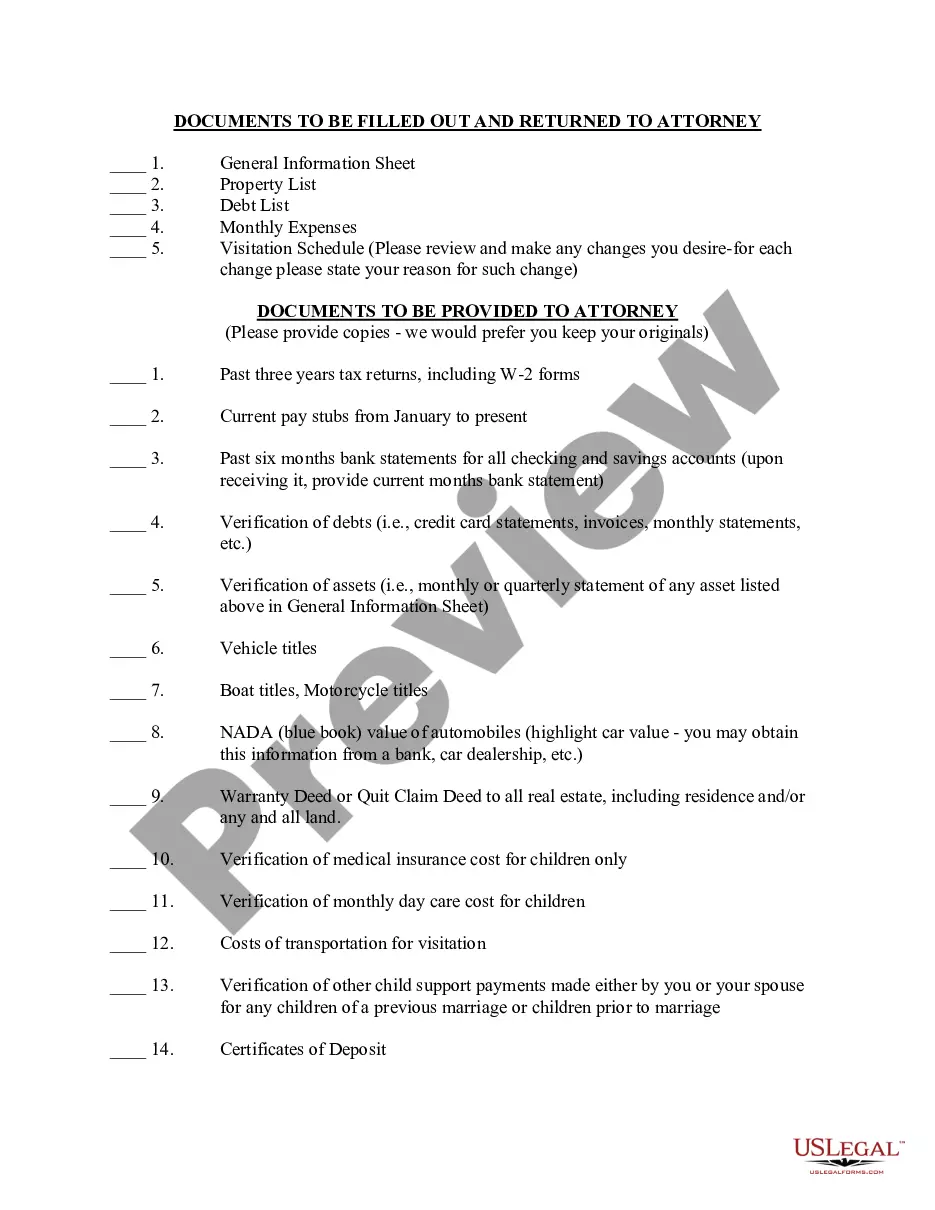
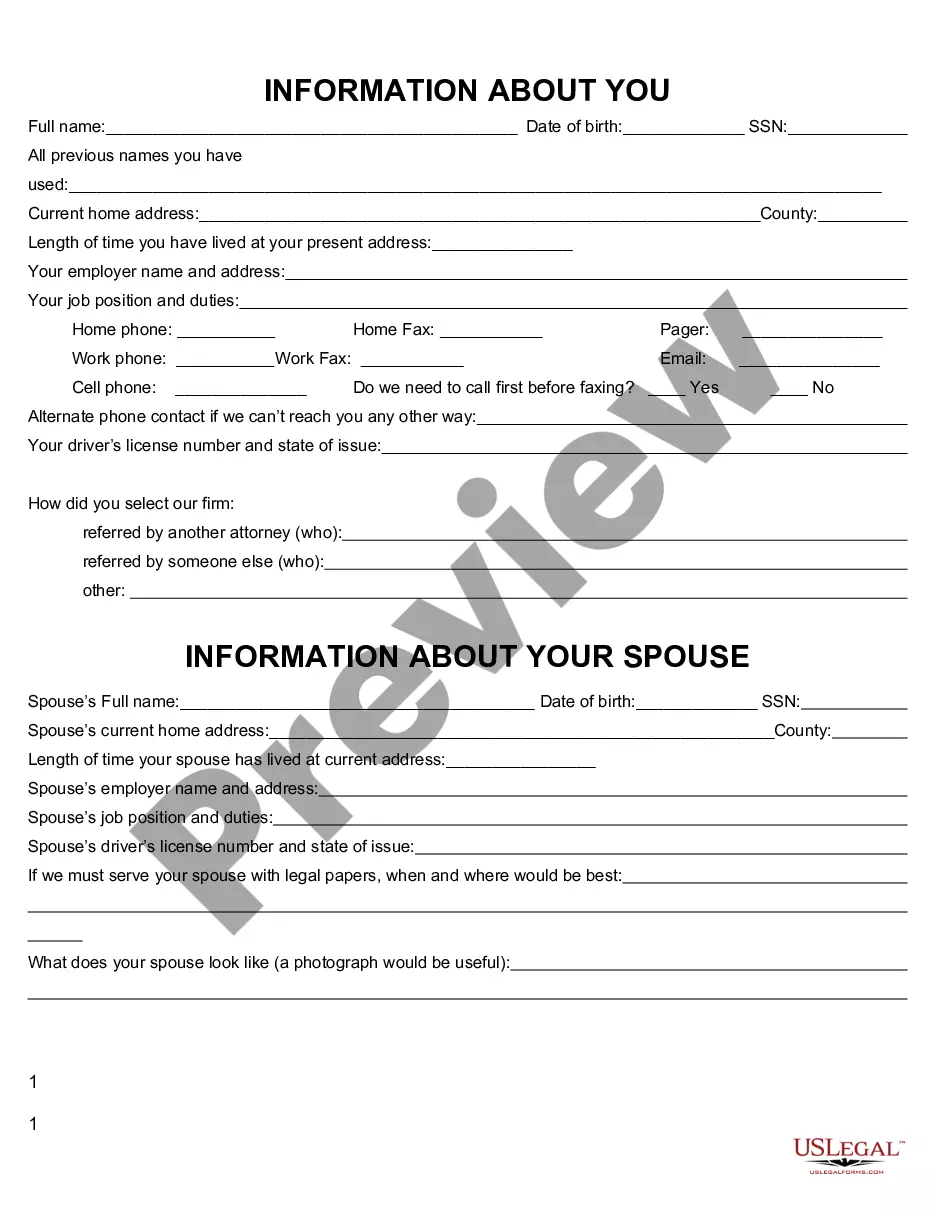
The Oklahoma Newly Divorced Individuals Package is a comprehensive set of legal documents specifically designed to help newly divorced individuals organize their legal affairs. Unlike other general legal form packages, this package includes state-specific documents crafted by licensed attorneys to address the unique needs that arise after a divorce. It includes essential tools such as a Will, a General Power of Attorney, and an Advance Health Care Directive, ensuring that you have everything needed to manage your new legal situation effectively.
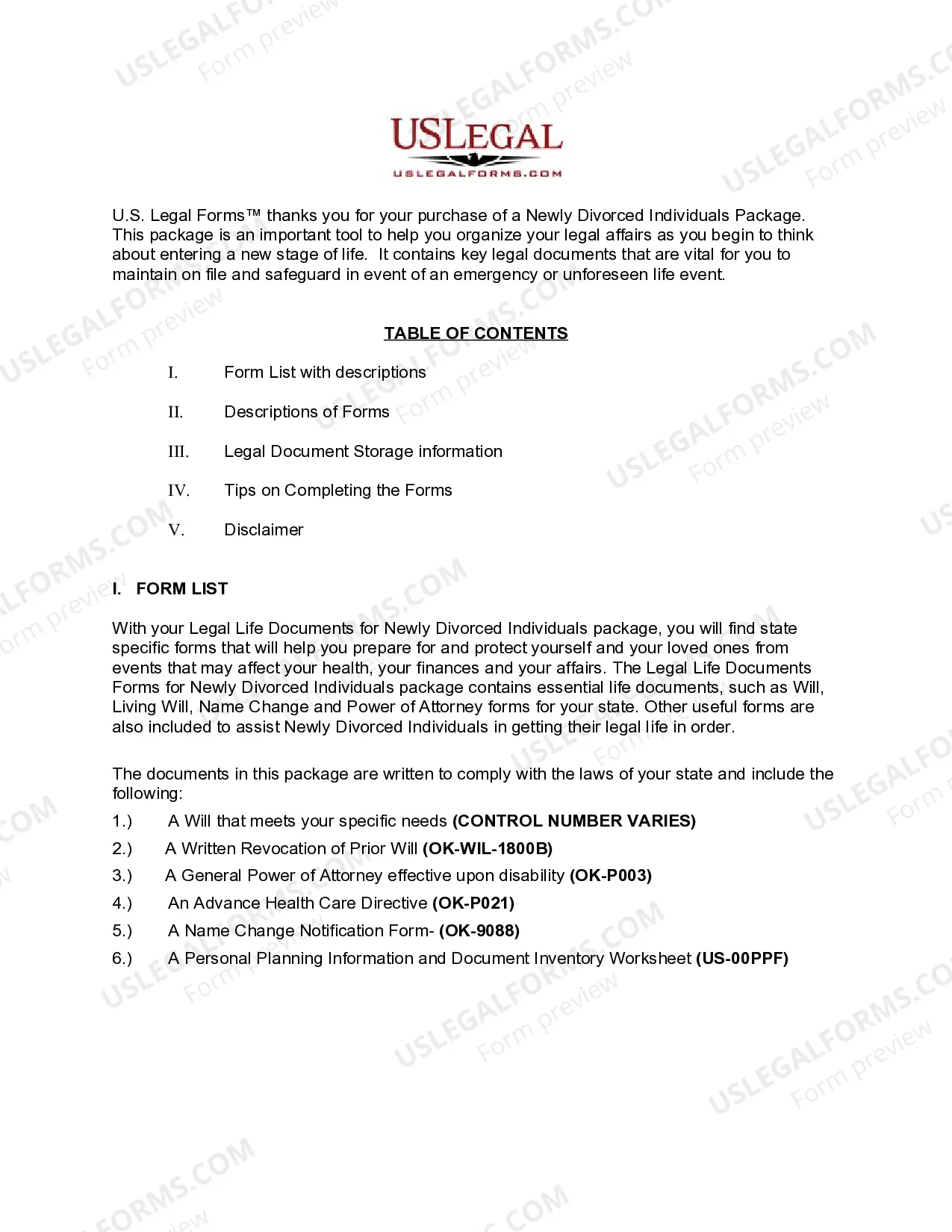
Forms you’ll find in this package
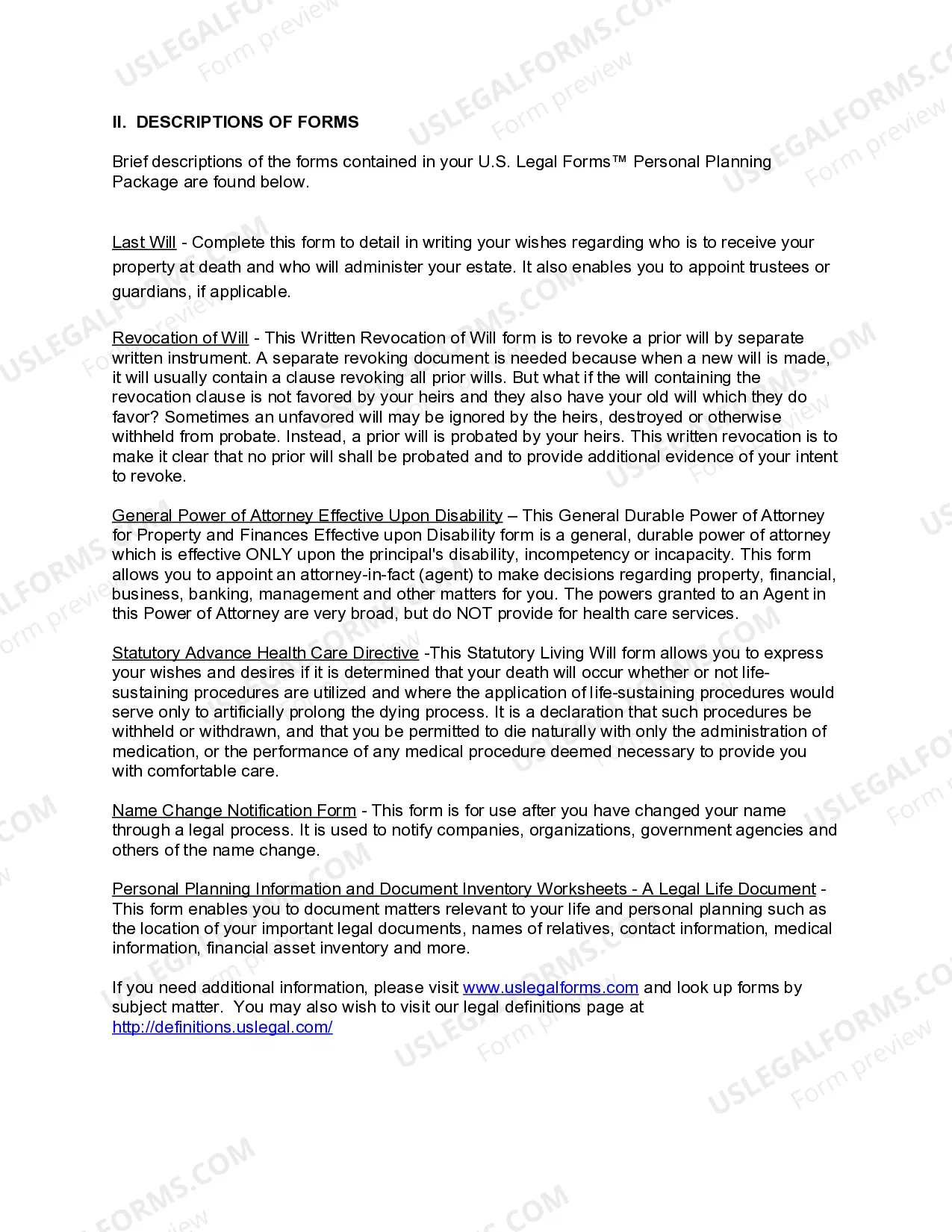
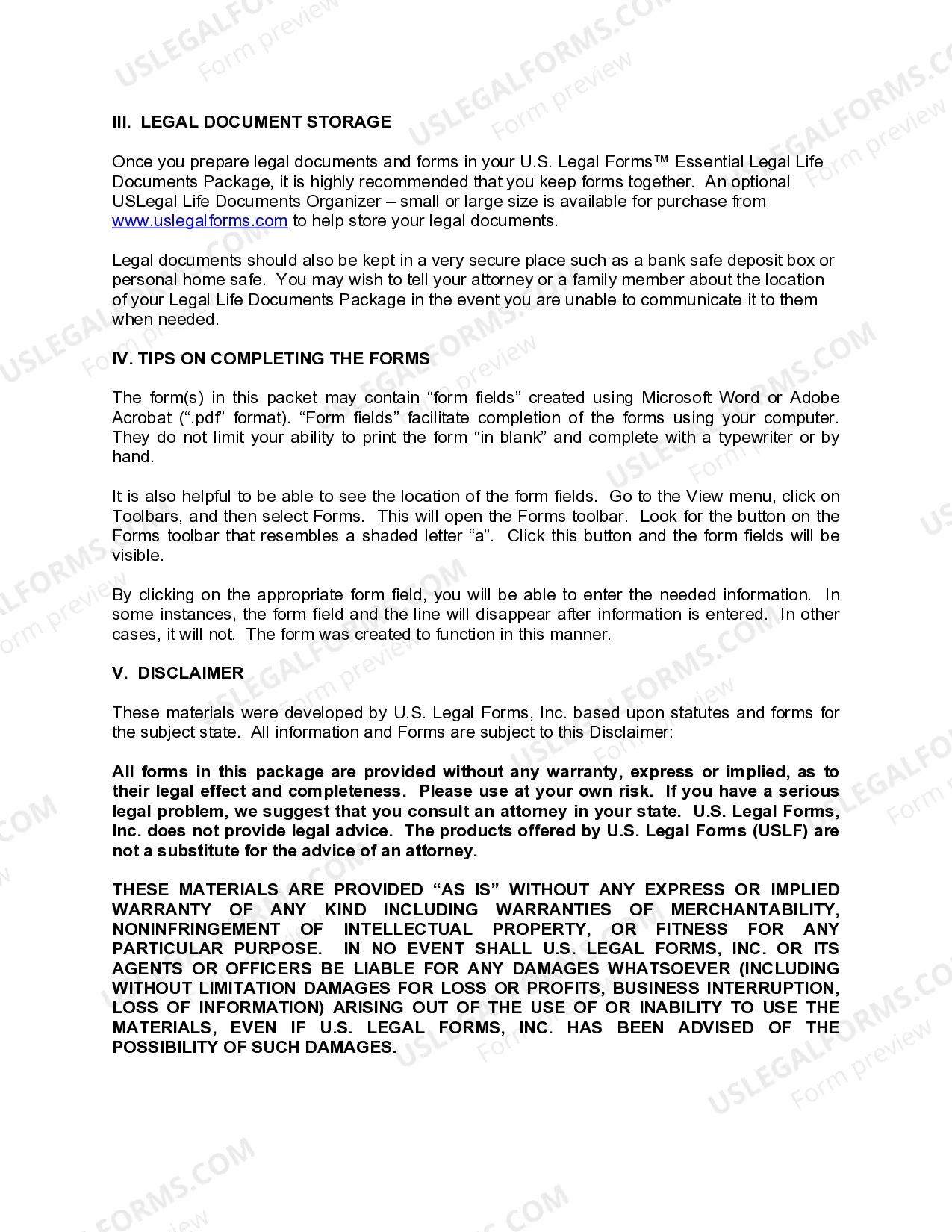
- Last Will and Testament
- Name Change Notification Form
- General Durable Power of Attorney for Property and Finances or Financial Effective upon Disability
- Health Care Directive - Statutory Form
- Written Revocation of Will
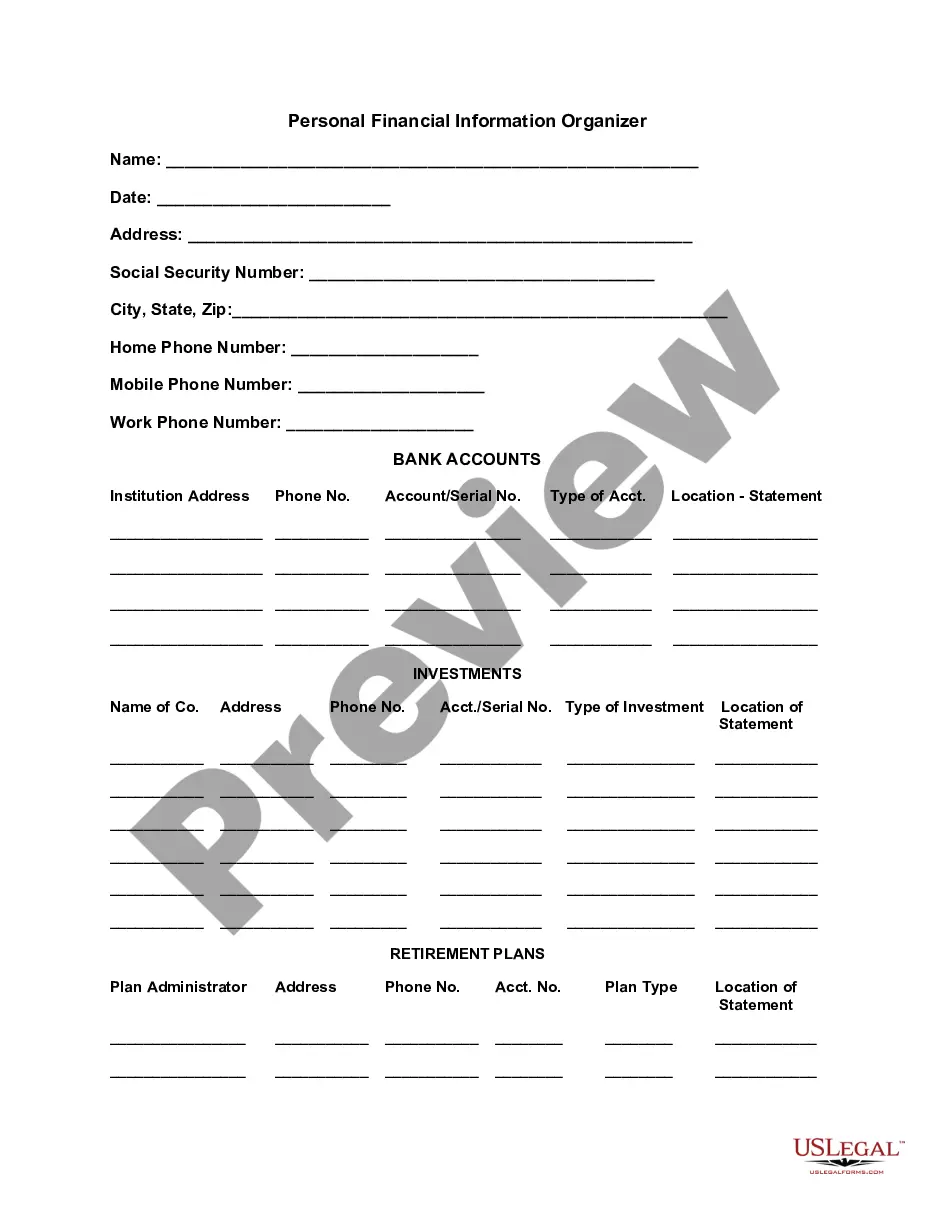
- Personal Planning Information and Document Inventory Worksheets - A Legal Life Document

When to use this form package
This form package is ideal for individuals who have recently gone through a divorce and need to update or establish legal documents to reflect their current situation. You should consider using this package if you have:
- Recently received a divorce decree and need to revoke your previous Will.
- Established new living arrangements and wish to declare your health care preferences.
- Changed your name and need to notify relevant parties of this change.
- Become more aware of your responsibilities towards your finances and medical decisions.
Who can use this document
- Recently divorced individuals seeking to update their legal documents.
- Individuals in Oklahoma needing state-specific legal forms.
- Those who are managing their estate planning for the first time since becoming single.
- Anyone wishing to designate a trusted person for financial decisions in the event of disability.
Completing these forms step by step
- Review the included forms to understand which documents pertain to your specific needs.
- Fill in the required information in each document accurately, using a computer or by hand.
- Sign the documents where indicated; ensure signatures are properly witnessed if necessary.
- Store the completed documents securely, such as in a safe deposit box or personal safe.
- Notify any relevant parties of changes, such as name changes or agents designated in your Power of Attorney.
Notarization requirements for forms in this package
Some forms in this package need notarization to be legally binding. Our online notarization service, powered by Notarize, lets you verify and sign documents remotely through an encrypted video session, available 24/7.
Get your form ready online
Our built-in tools help you complete, sign, share, and store your documents in one place.
Make edits, fill in missing information, and update formatting in US Legal Forms—just like you would in MS Word.
Download a copy, print it, send it by email, or mail it via USPS—whatever works best for your next step.
Sign and collect signatures with our SignNow integration. Send to multiple recipients, set reminders, and more. Go Premium to unlock E-Sign.
If this form requires notarization, complete it online through a secure video call—no need to meet a notary in person or wait for an appointment.
We protect your documents and personal data by following strict security and privacy standards.

Make edits, fill in missing information, and update formatting in US Legal Forms—just like you would in MS Word.

Download a copy, print it, send it by email, or mail it via USPS—whatever works best for your next step.

Sign and collect signatures with our SignNow integration. Send to multiple recipients, set reminders, and more. Go Premium to unlock E-Sign.

If this form requires notarization, complete it online through a secure video call—no need to meet a notary in person or wait for an appointment.

We protect your documents and personal data by following strict security and privacy standards.
Common mistakes to avoid
- Failing to sign or date the documents, rendering them invalid.
- Not revoking previous Wills properly, which can lead to legal disputes.
- Overlooking state-specific requirements that need to be satisfied for legal enforceability.
- Ignoring the need to store the documents in a secure and accessible location.
Benefits of completing this package online
- Convenience of downloading and printing documents at your own pace.
- Editability of forms allows you to fill in personal information using your computer.
- Assurance that all documents are drafted by licensed attorneys, reflecting current laws.
- Cost savings by purchasing the complete package instead of individual forms.
Legal use & context
- These documents are designed to be legally binding in the state of Oklahoma, complying with state laws.
- Using this package allows for the smooth transition of legal duties and responsibilities post-divorce.
- It is advisable to consult with a legal professional if you have questions about your specific circumstances.
What to keep in mind
- This package provides essential legal documents tailored for recently divorced individuals in Oklahoma.
- Updating your legal documents ensures your wishes are followed and protects your interests.
- All forms are developed to comply with Oklahoma state laws and regulations.
- Completing and storing your documents securely is vital to their effectiveness.
Looking for another form?


Form popularity
FAQ
If the alimony is being paid on a monthly basis, the Supreme Court of India has set 25% of the husband's net monthly salary as the benchmark amount that should be granted to the wife. There is no such benchmark for one-time settlement, but usually, the amount ranges between 1/5th to 1/3rd of the husband's net worth.
Typically, you can be divorced in Oklahoma if you have been a resident of Oklahoma for at least six consecutive months before filing a petition for divorce with the district court.
One of the main legal advantages that a person gains by filing the divorce petition before his or her spouse does is that the filer can request a Standing Order from the court when filing the petition.If the matter should go to a hearing, the person who files the petition usually presents his or her case first.
If the alimony is being paid on a monthly basis, the Supreme Court of India has set 25% of the husband's net monthly salary as the benchmark amount that should be granted to the wife. There is no such benchmark for one-time settlement, but usually, the amount ranges between 1/5th to 1/3rd of the husband's net worth.
Oklahoma, along with 40 other states, is classed as an Equitable Distribution state. That means that marital property (but not separate property) must be divided equitably, or fairly, either through a joint agreement by both spouses or, failing that, by the court.
While divorce laws vary by state, here are the basic steps that a person may have to follow to obtain a divorce: First, you or your spouse must meet the residency requirements of the state you want to file in. Second, you must have grounds (a legally acceptable reason) to end your marriage.
A divorce in Oklahoma may be granted on the basis of adultery, abandonment, fraud, cruelty, imprisonment, conviction of a felony, living apart, and others. However, the vast majority of divorces are granted on a no-fault basis, meaning that the marriage is beyond any reasonable hope of reconciliation.
If you post the divorce documents, your spouse must sign and return to you the Acknowledgement of Service (Divorce) as proof of service. You will need to file this document at the court. If you post the documents but do not get the Acknowledgement of Service (Divorce), you must try to serve your spouse in another way.
The name given to the spouse that files first for divorce is the Petitioner and the spouse that files second is called the Respondent. The clearest advantage to filing for divorce first is that at trial the Petitioner gets to present his/her evidence first.