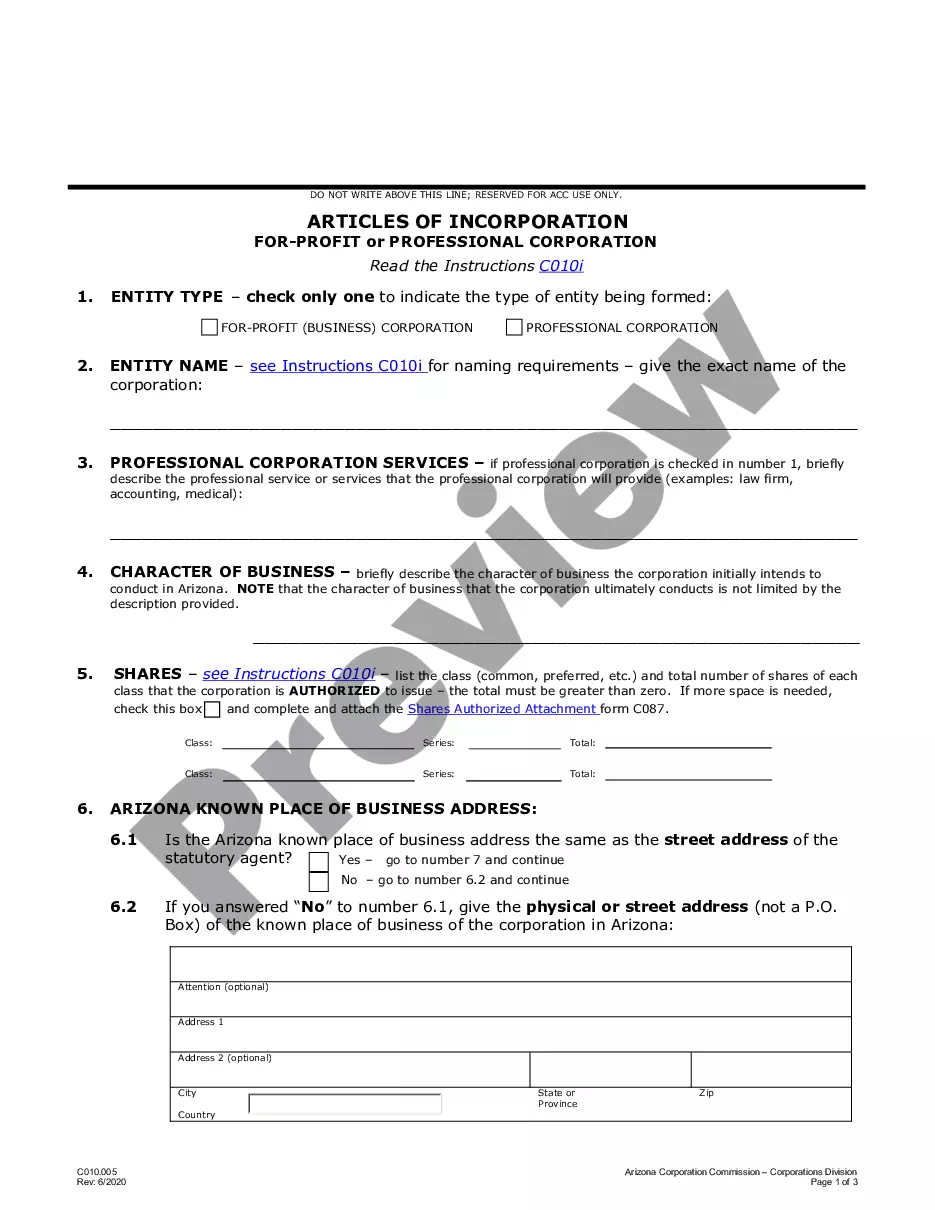
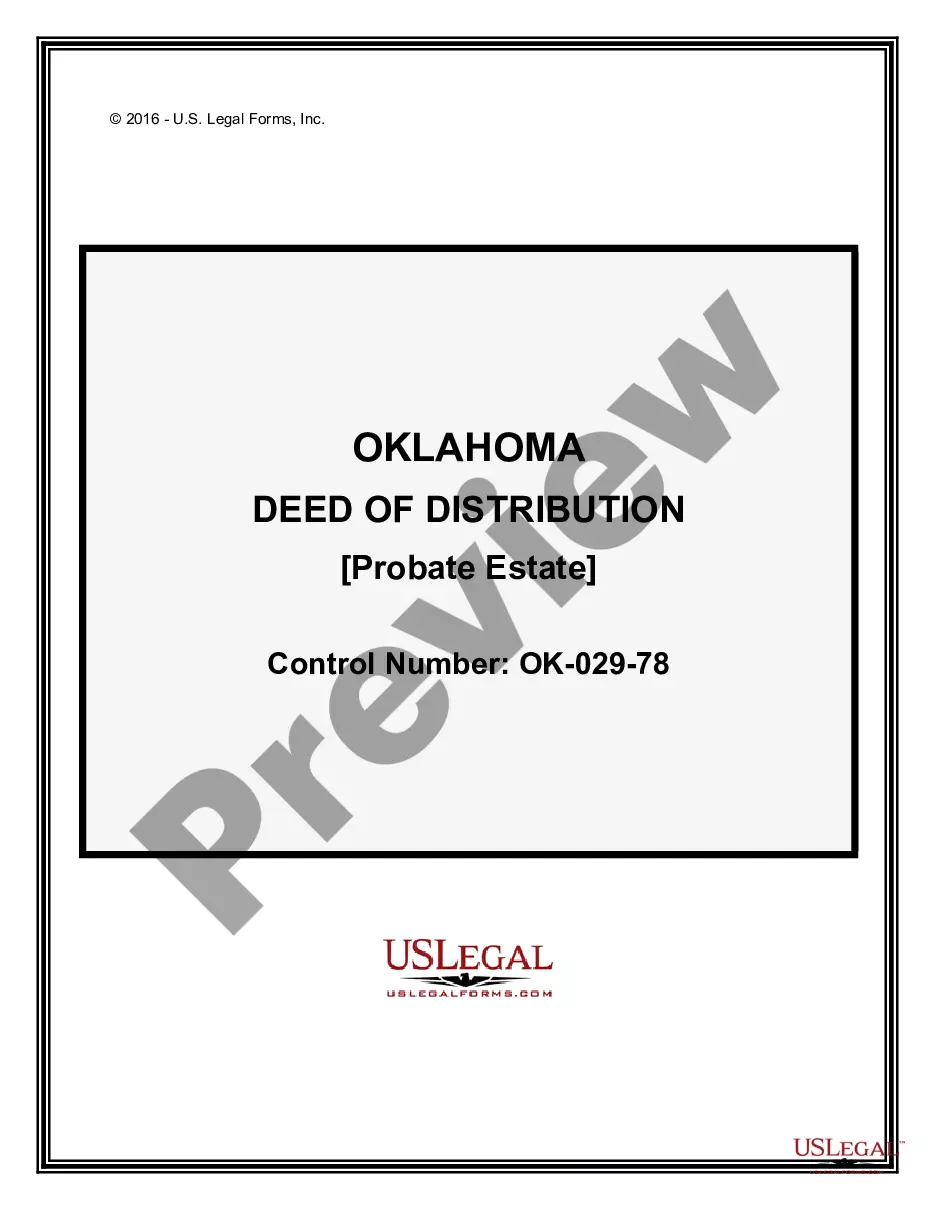
Oklahoma Deed of Distribution
What is this form?
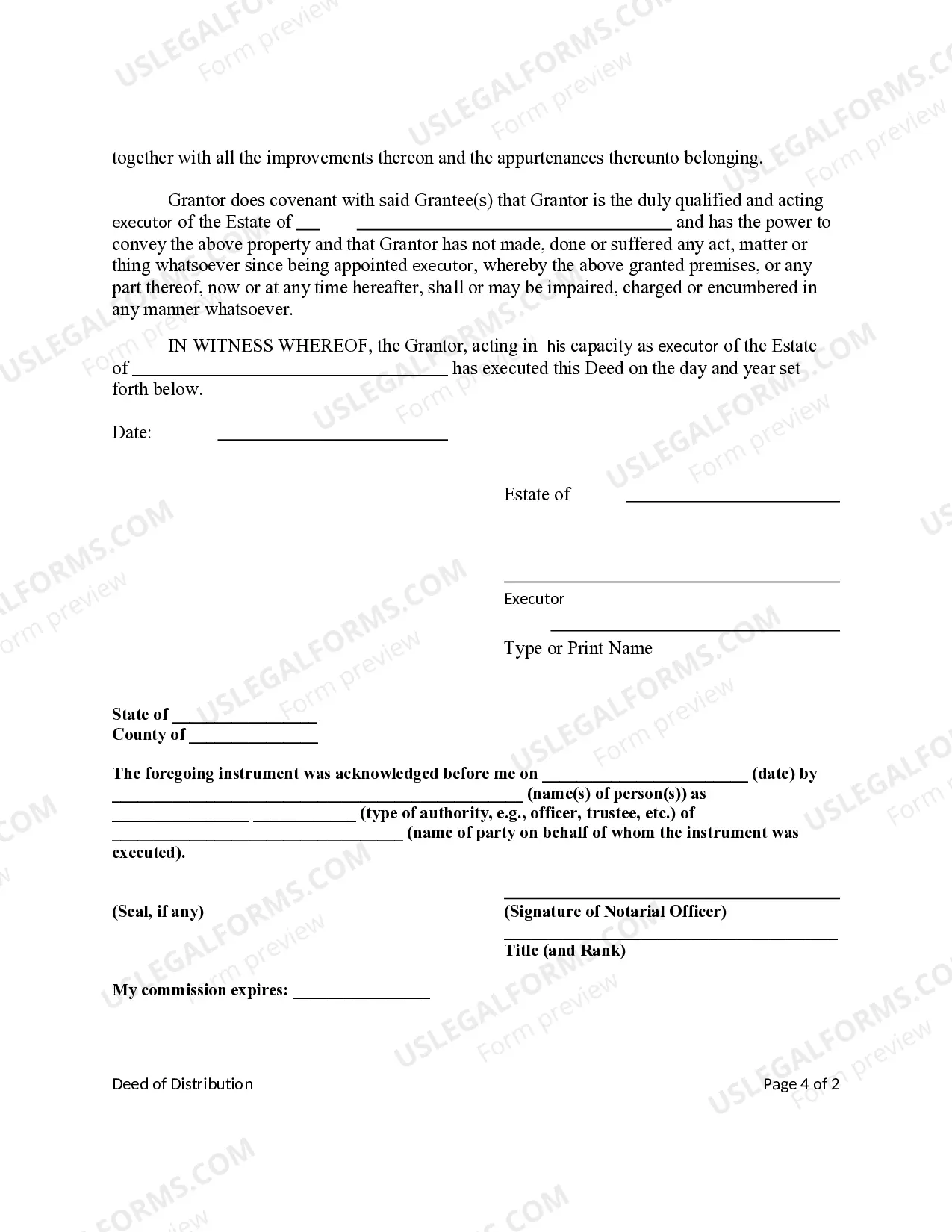
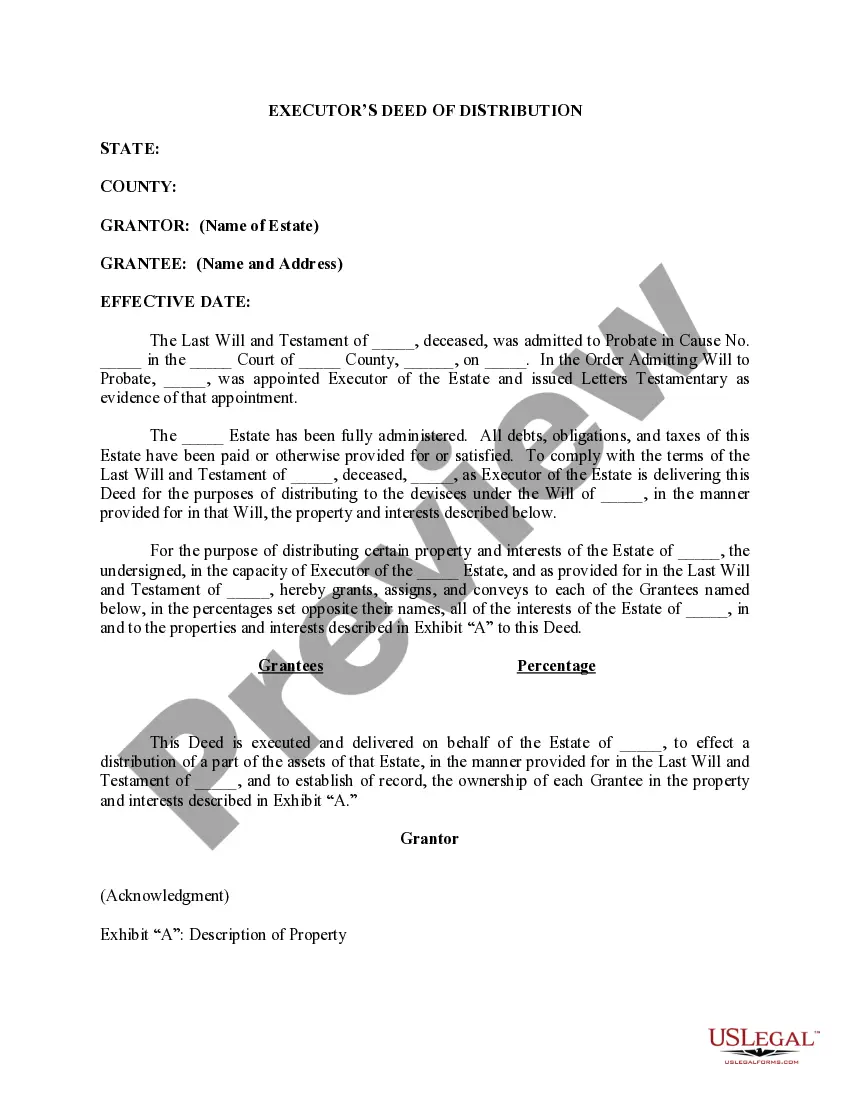
The Deed of Distribution is a legal document used to transfer property from an estate to its rightful heirs. This form is typically filled out by the administrator or executor of an estate, who is responsible for distributing the deceased's property. Unlike a traditional deed, the Deed of Distribution specifically validates that the transfer of property has been authorized by the court and that no actions have been taken by the grantor that would encumber the property. This makes it an essential document in estate management and property transfer after a person's death.
What’s included in this form
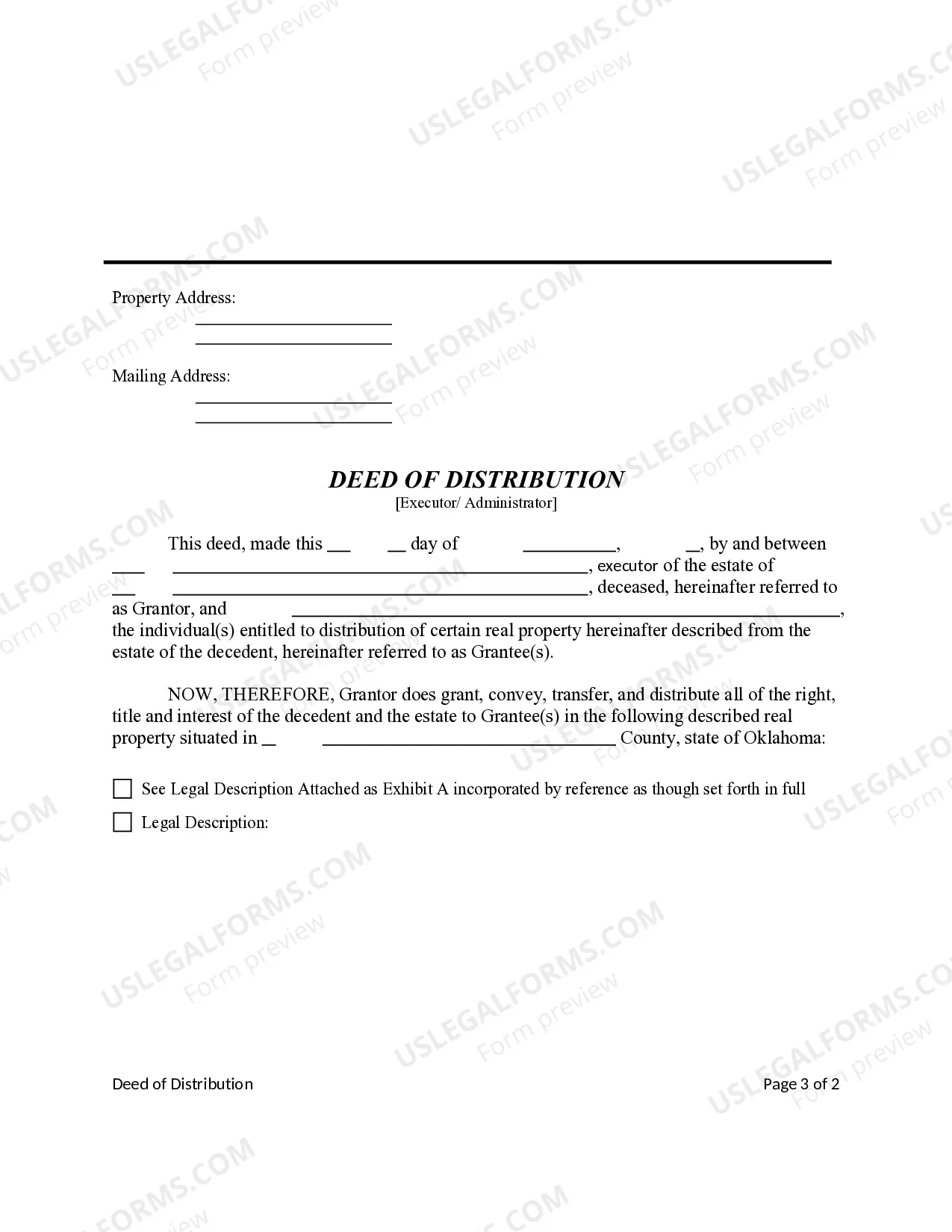
- Grantor Information: Details about the administrator or executor of the estate.
- Grantee Information: Names and details of the beneficiaries receiving the property.
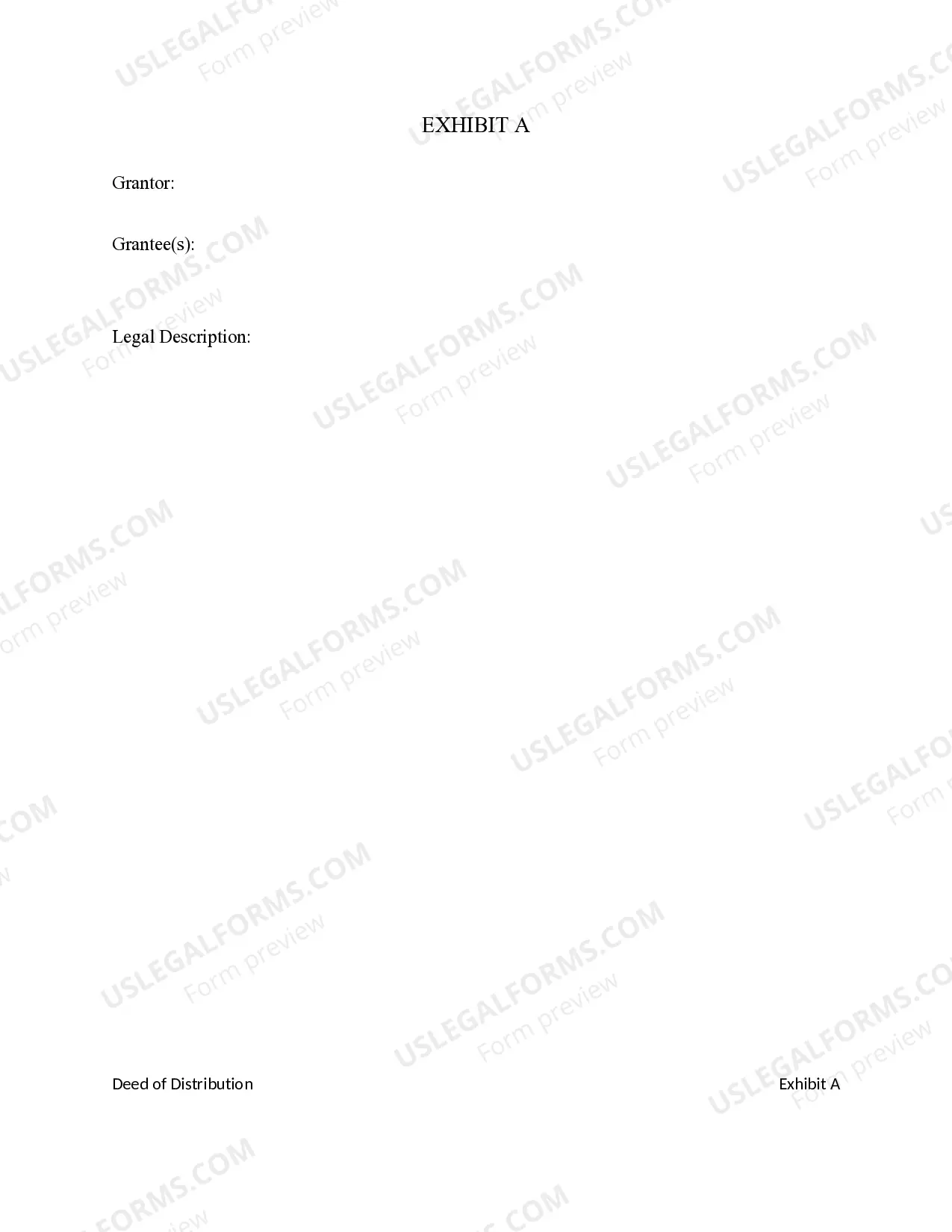
- Property Description: A clear description of the property being transferred.
- Court Authorization: Confirmation that the transfer is authorized by the court.
- Grantor's Covenants: Assurances that the grantor has not encumbered the property.


Situations where this form applies
This form is used during the estate settlement process, specifically when distributing assets to beneficiaries. It is necessary when the administrator or executor needs to officially transfer property ownership from the estate to individuals as designated in a will or by state law. If you're overseeing an estate's distribution and require court approval for the property transfer, this form will be essential.
Who needs this form
This form is intended for:
- Administrators or executors of estates.
- Beneficiaries entitled to receive property from an estate.
- Individuals managing the distribution of a deceased person's assets.
How to complete this form
- Identify the grantor: Enter the name of the administrator or executor.
- List the grantees: Include the names of all individuals receiving property.
- Specify the property: Clearly describe the property being distributed.
- Verify court authorization: Ensure that the necessary legal approvals are documented.
- Sign and date the form: The grantor should sign and date to validate the transfer.
Does this document require notarization?
This form does not typically require notarization unless specified by local law. However, having the Deed of Distribution notarized may strengthen its legal enforceability in some jurisdictions.
Get your form ready online
Our built-in tools help you complete, sign, share, and store your documents in one place.
Make edits, fill in missing information, and update formatting in US Legal Forms—just like you would in MS Word.
Download a copy, print it, send it by email, or mail it via USPS—whatever works best for your next step.
Sign and collect signatures with our SignNow integration. Send to multiple recipients, set reminders, and more. Go Premium to unlock E-Sign.
If this form requires notarization, complete it online through a secure video call—no need to meet a notary in person or wait for an appointment.
We protect your documents and personal data by following strict security and privacy standards.

Make edits, fill in missing information, and update formatting in US Legal Forms—just like you would in MS Word.

Download a copy, print it, send it by email, or mail it via USPS—whatever works best for your next step.

Sign and collect signatures with our SignNow integration. Send to multiple recipients, set reminders, and more. Go Premium to unlock E-Sign.

If this form requires notarization, complete it online through a secure video call—no need to meet a notary in person or wait for an appointment.

We protect your documents and personal data by following strict security and privacy standards.
Avoid these common issues
- Failing to include all grantee names can lead to distribution issues.
- Not providing adequate property descriptions may cause legal complications.
- Missing the required court authorization before completing the deed.
- Omitting date and signature from the grantor can invalidate the deed.
Why use this form online
- Convenient online access allows you to fill out the form anytime, anywhere.
- Editability enables you to make corrections easily without starting over.
- Legal reliability assures users that forms are drafted according to state laws.
Quick recap
- The Deed of Distribution is essential for transferring property from an estate to beneficiaries.
- All necessary details about the grantor, grantees, and property must be accurately completed.
- Ensure compliance with state-specific requirements to avoid legal issues.
Looking for another form?
Form popularity
FAQ
You can use the simplified small estate process in Oklahoma if the value of the estate is $200,000 or less, if the deceased person has been dead for more than five years, or if he or she resided in another state at the time of death.
A typical probate can be completed in around 4-6 months, but could last much longer depending on the size of the estate, creditor claims and whether there is a challenge to the will or to appointment of the Personal Representative. For small estates, Oklahoma has procedures called summary administration.
Personal representative's deeds are used to transfer real property from both testate (with a will) and intestate (without a will) estates. These documents provide essential information about the specific probate estate and related property transfer in one document.
But probate isn't always necessary, as certain estates are labeled small estates and therefore bypass these proceedings. To become part of this distinction, an estate must be worth less than $50,000 in total value, after debts and liabilities have been removed, according to Oklahoma inheritance laws.
Yes. If the cumulative value of a deceased person's probate personal property (not including real estate) that would otherwise go through probate court is less than $50,000, that probate property can be obtained by the deceased person's successors by the use of a Small Estates Affidavit and thus avoid probate.
If there is no will, the court will name a personal representative in accordance with the intestate laws for Oklahoma. In order to clear title to assets and finalize the decedent's affairs, probate is necessary.
Step 1 Fill in the county in which you are signing the document. Step 2 Write in your name as successor in interest of decedent. Step 3 Write in your relationship to decedent and decedent's name and date of death in Section 1. Make sure to attach a certified death certificate.
In Oklahoma, you can make a living trust to avoid probate for virtually any asset you ownreal estate, bank accounts, vehicles, and so on. You need to create a trust document (it's similar to a will), naming someone to take over as trustee after your death (called a successor trustee).