New Jersey Drainage Contractor Package
About this form package
The New Jersey Drainage Contractor Package is a comprehensive set of legal documents designed specifically for drainage contractors. This package includes essential forms that help contractors assert their legal rights and manage crucial legal matters throughout a construction project involving the installation of cesspools, septic tanks, storm drains, and related plumbing work. Unlike other packages, this one emphasizes compliance with New Jersey state law, which ensures that your drainage contract and related documents meet all necessary legal requirements.
Forms included in this package
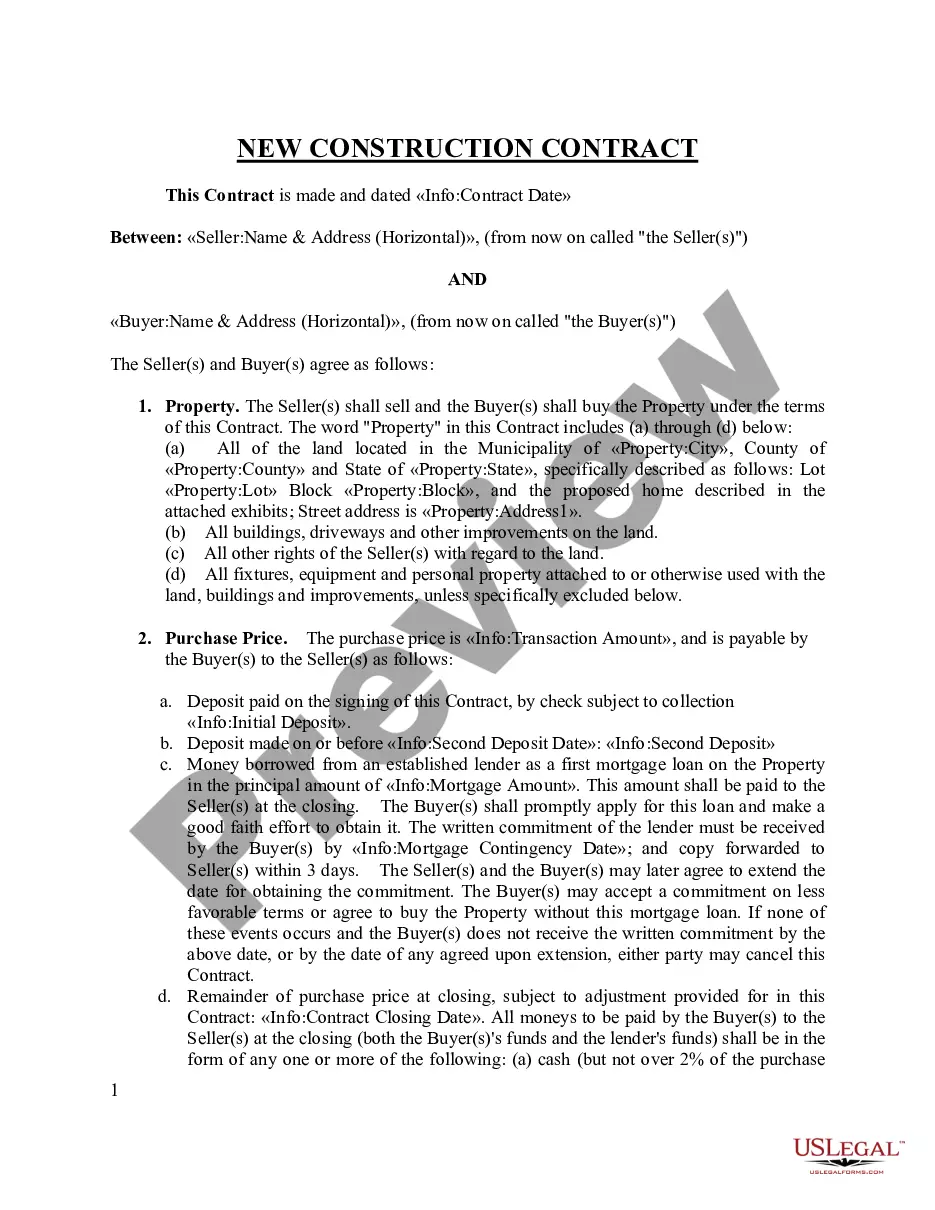
- Drainage Contract for Contractor
- Contractor's Weekly Equipment Summary
- Contractor's Bid Log
- Contractor's Bid Follow Up Letter
- Contractor's Summary of an Estimate
- Construction Safety and Health Plan
- Change Order for Construction or Repairs by Contractor
- Certification of Completion by Contractor
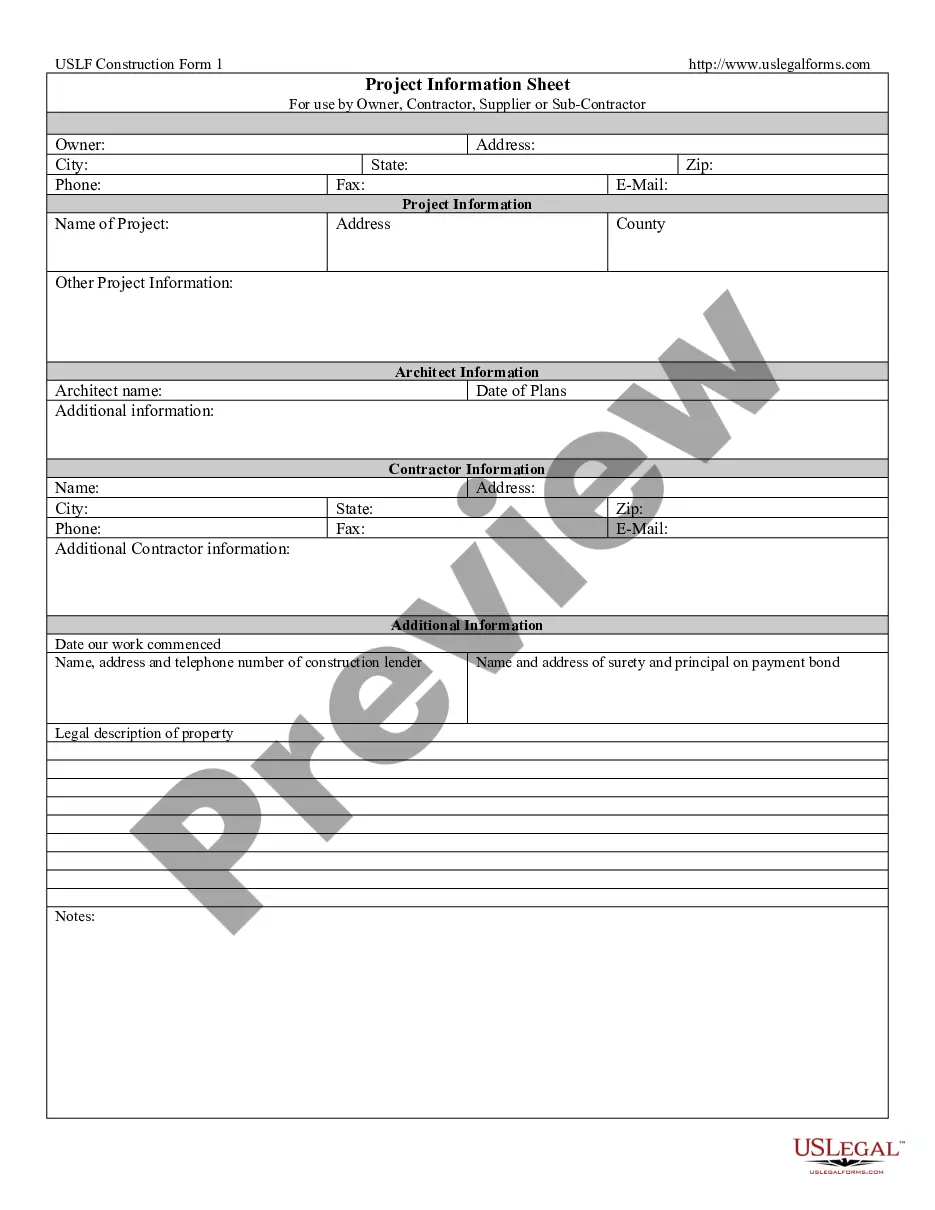
- Construction Project Information Sheet
Situations where these forms applies
This form package is particularly useful in various scenarios, such as:
- When starting a new drainage construction project.
- When needing to formalize agreements with clients or subcontractors.
- When preparing to submit bids for drainage work.
- When needing to document changes in a project through change orders.
- When requiring a structured approach to safety and health on the job site.
Who this form package is for
- Drainage contractors.
- Subcontractors involved in drainage projects.
- Suppliers of drainage materials.
- Homeowners seeking to engage drainage contractors.
- Construction project managers overseeing drainage work.
Completing these forms step by step
- Review all included forms to understand their purpose.
- Identify the parties involved, including contractors, owners, and subcontractors.
- Fill in relevant details such as project specifications, dates, and signatures.
- Ensure all forms are completed accurately before submission to clients or agencies.
- Keep copies of all completed forms for your records and compliance purposes.
Do forms in this package need to be notarized?
Notarization is generally not required for forms in this package. However, specific circumstances or local laws may require it. You can complete notarization remotely through US Legal Forms, powered by Notarize, with 24/7 availability.
Get your form ready online
Our built-in tools help you complete, sign, share, and store your documents in one place.
Make edits, fill in missing information, and update formatting in US Legal Forms—just like you would in MS Word.
Download a copy, print it, send it by email, or mail it via USPS—whatever works best for your next step.
Sign and collect signatures with our SignNow integration. Send to multiple recipients, set reminders, and more. Go Premium to unlock E-Sign.
If this form requires notarization, complete it online through a secure video call—no need to meet a notary in person or wait for an appointment.
We protect your documents and personal data by following strict security and privacy standards.

Make edits, fill in missing information, and update formatting in US Legal Forms—just like you would in MS Word.

Download a copy, print it, send it by email, or mail it via USPS—whatever works best for your next step.

Sign and collect signatures with our SignNow integration. Send to multiple recipients, set reminders, and more. Go Premium to unlock E-Sign.

If this form requires notarization, complete it online through a secure video call—no need to meet a notary in person or wait for an appointment.

We protect your documents and personal data by following strict security and privacy standards.
Typical mistakes to avoid
- Failing to include all necessary signatures on the contract.
- Not providing complete information about the project on forms.
- Neglecting to follow state-specific requirements in the documentation.
- Forgetting to keep copies of all forms for record-keeping.
- Not updating change orders in a timely manner.
Advantages of online completion
- Convenience of downloading and filling forms at your own pace.
- Editability allows you to tailor documents to your specific needs.
- Reliable legal documentation that complies with state laws.
- Immediate access to essential forms without the need for in-person visits.
Summary of main points
- This package provides essential legal forms for New Jersey drainage contractors.
- It includes a drainage contract, change orders, and safety plans, among other documents.
- Designed to help manage construction projects effectively and legally.
- Accurate completion of these forms is vital to ensure compliance and protect your rights.
Looking for another form?
Form popularity
FAQ
The average cost to repair a broken drain pipe is between $400 and $1,500, with most homeowners paying around $600 for a pipe repairing project.
The average cost to install a drainage system in yard is $8 to $15 per linear foot or between $1,200 and $8,000, depending on the lawn size. A sub-surface system of yard drainage pipes are connected to drop inlets or catch basins where water runoff is distributed by emitters.
Nearly every book or web site on container gardening recommends placing coarse material at the bottom of containers for drainage. The materials most often recommended for this practice are sand, gravel, pebbles, and pot shards.
Sand compacts and retains moisture, therefore it does not drain as well as gravel. Although sand is not the best choice for back-filling a French drain, it does work well for some other types of drainage systems.
The average cost to repair a main sewer line is $3,818 with most homeowners spending between $2,250 and $5,750. A full sewer line replacement ranges from $8,000 to $30,000, or $50 to $200 per linear foot, depending on the length and width of sewer pipe needed.
Material. Polyvinyl Chloride pipes are the most commonly used pipes for any drainage project. Due to the material's malleable properties, PVC pipes can come in almost any size. These types of pipes are great for drainage situations where the water and environment exert a great deal of pressure and weight.
New Drain Pipe Cost Per Linear Foot The price of new drain pipes runs $0.50 to $20 per linear foot. Plumbers usually markup materials by 25% to 50%, totaling a material price range of $0.75 to $30 per foot not including labor.
For the best drainage, look for coarse washed rock (gravel) that is screened, with a stone size of 1/2 to 3/4 inch. Smaller rock with fine particles could clog the holes of the drain pipe. Pea stone works, but the smooth stones settle together and don't move as much water as coarse rock.
Reduce Your Watering Schedule. Extend Your Downspout. Dig a Creek Bed or Swale. Construct a Rain Garden. Install a French Drain and/or Dry Well.