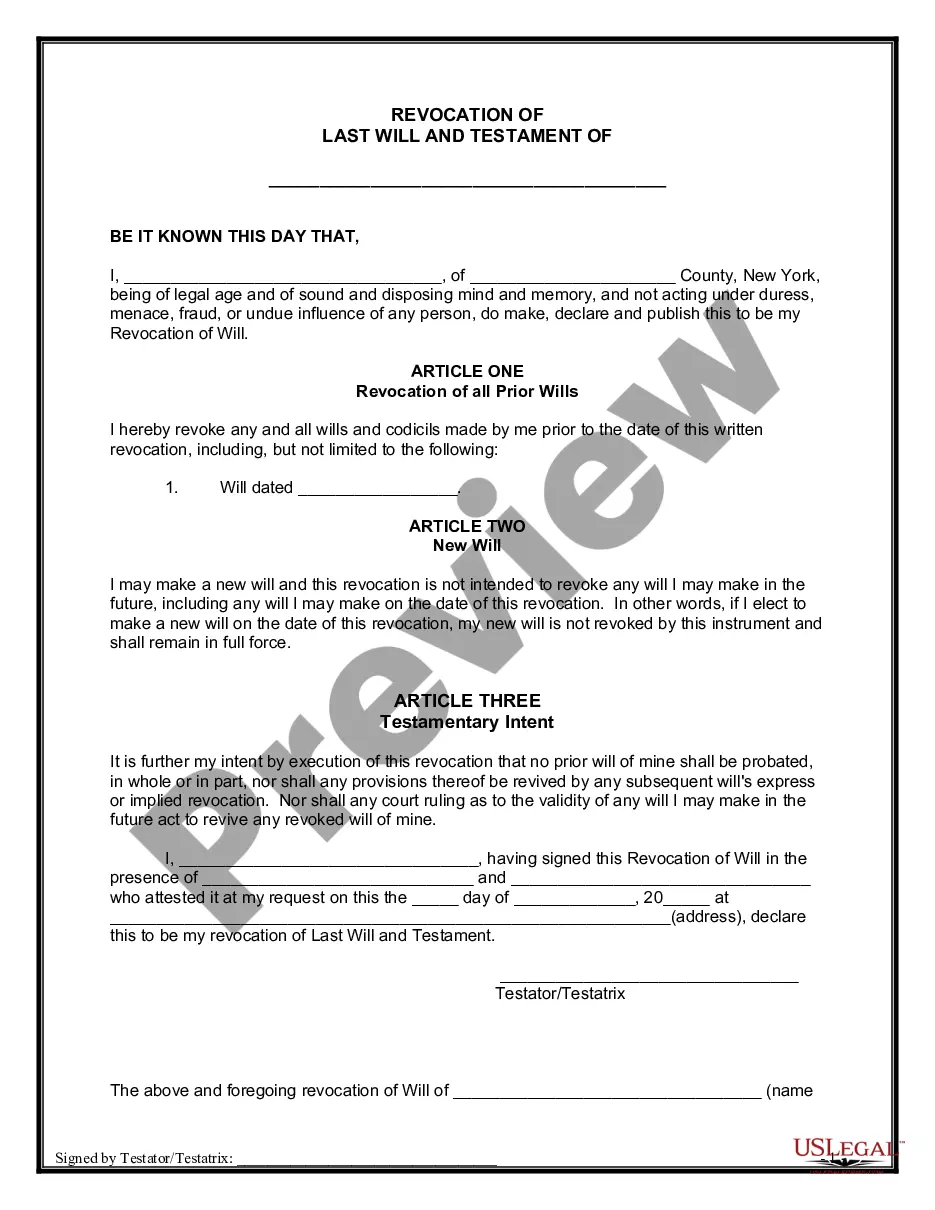
New Jersey Agreement to Install Solar Panels on Roof - Self-Employed
What is this form?
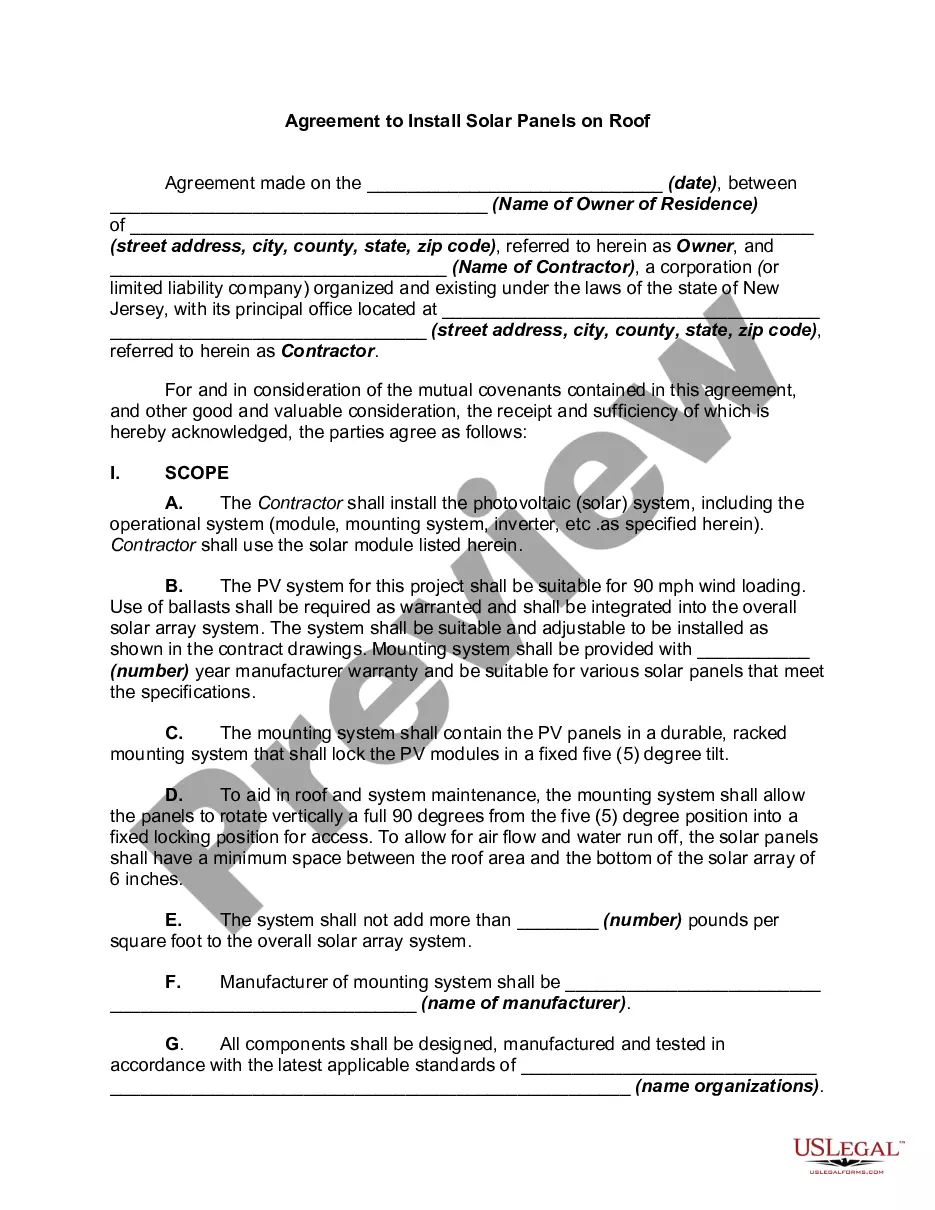
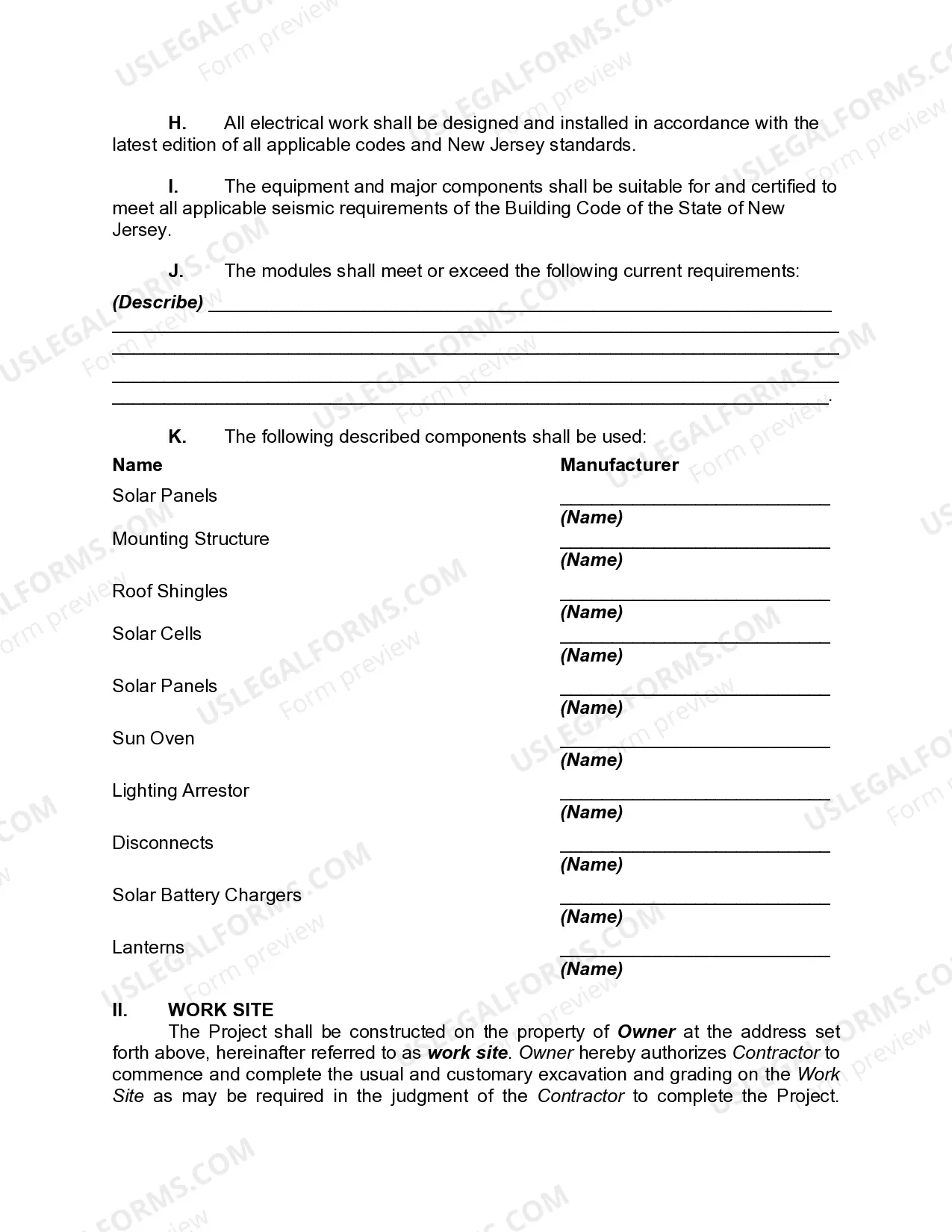
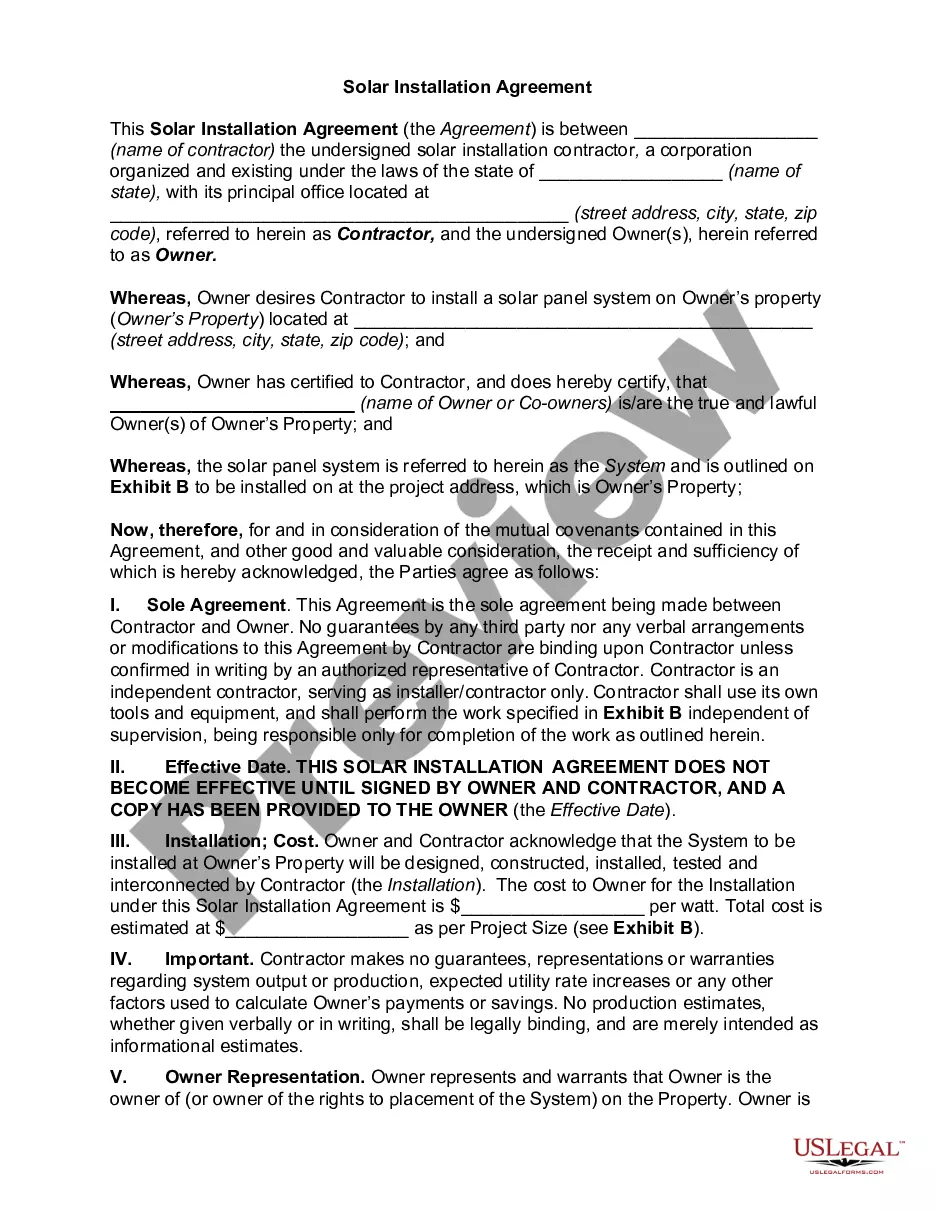
The Agreement to Install Solar Panels on Roof - Self-Employed is a legal document used to formalize the arrangement between a property owner and a contractor for the installation of a photovoltaic (solar) system on a residential roof. This agreement outlines the responsibilities, specifications, and terms of the installation process, ensuring both parties understand their obligations. Unlike generalized contracts, this agreement focuses specifically on solar panel installation, addressing unique aspects such as technical specifications and safety standards.
Key parts of this document
- Scope of Work: Details the contractor's responsibilities and the specifications of the solar system to be installed.
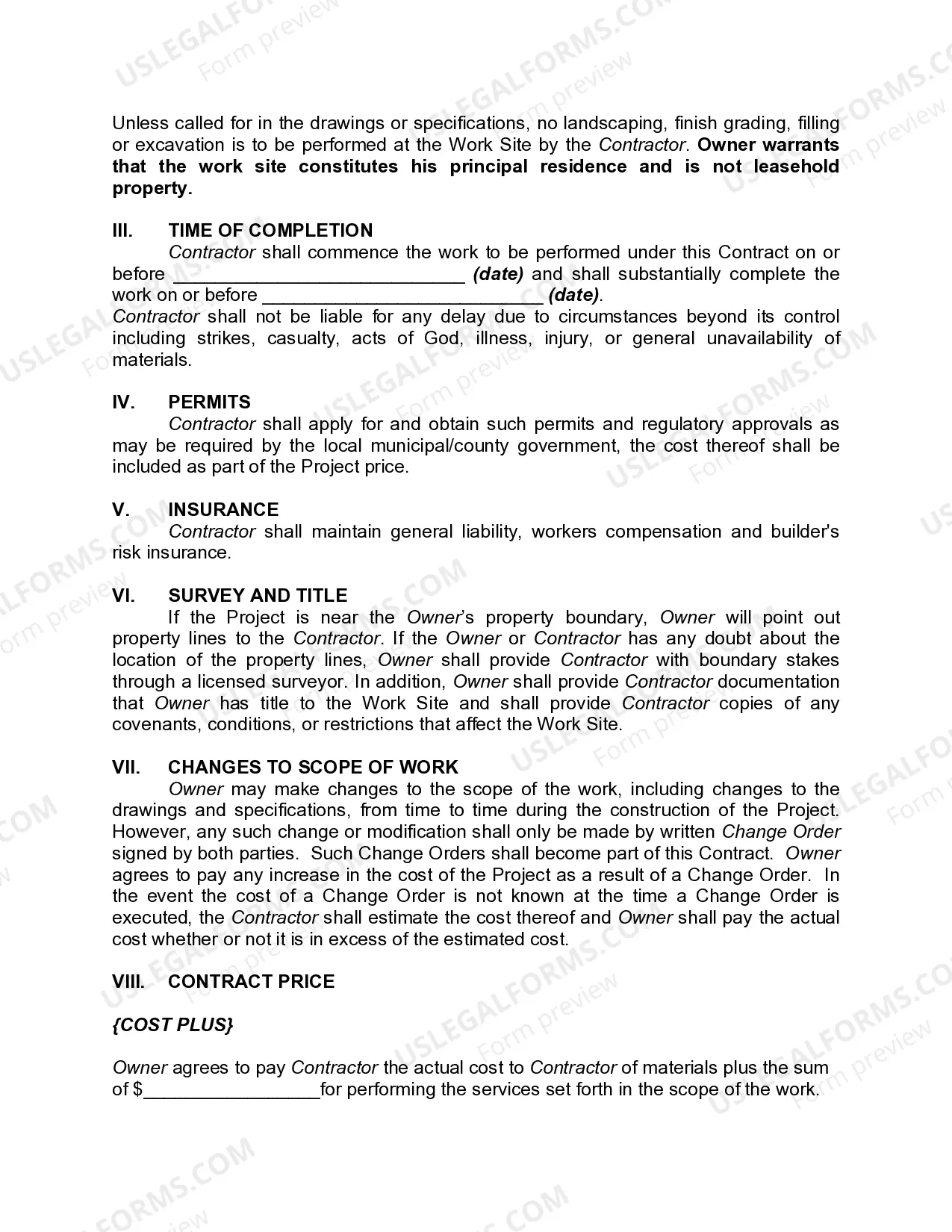
- Work Site: Identifies the location of the installation and grants access to the contractor.
- Time of Completion: Sets the schedule for project commencement and expected completion dates.
- Permits: Outlines the contractor's obligation to obtain necessary permits for the installation.
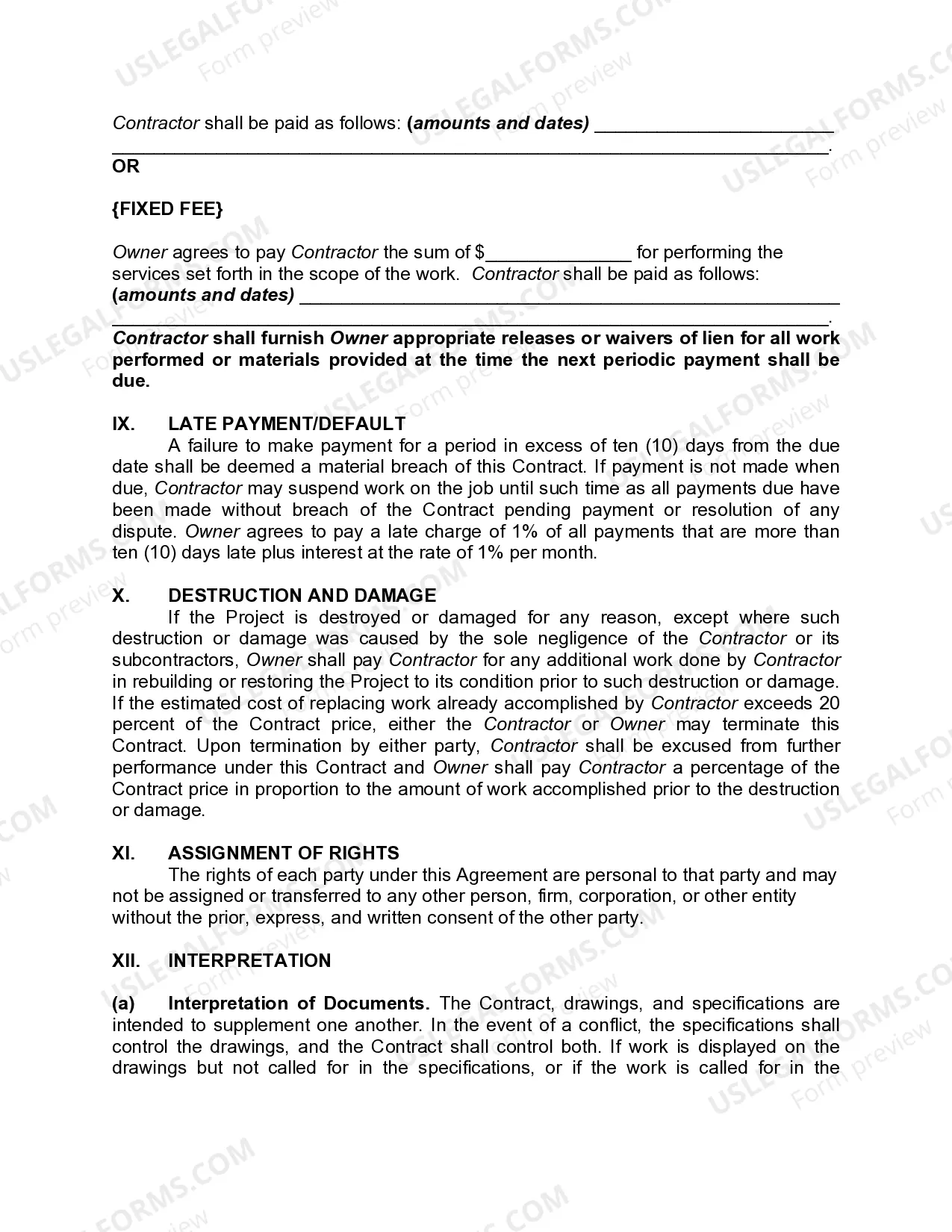
- Payment Terms: Specifies whether payment is based on cost-plus or fixed fee, including payment dates.
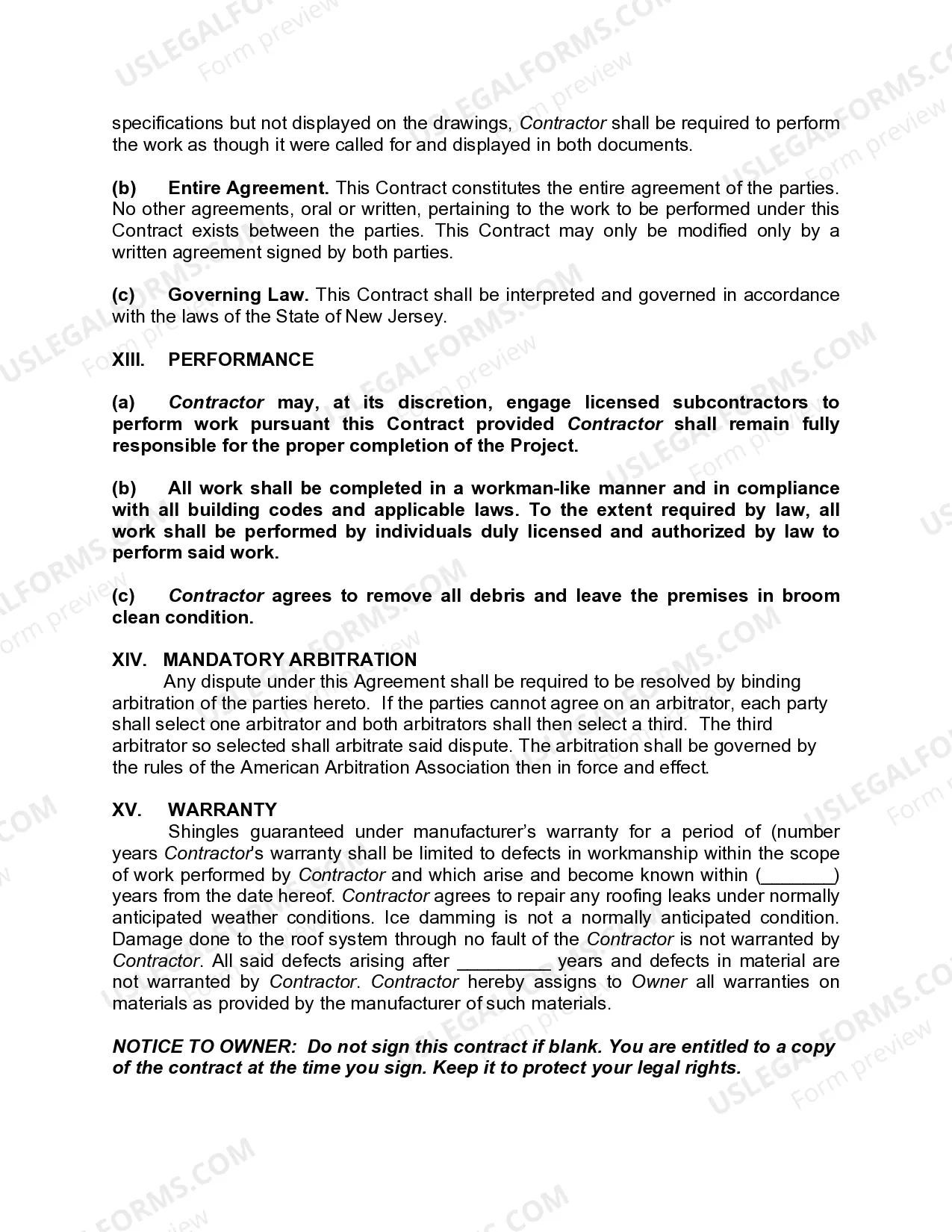
- Warranty: Describes the warranties on workmanship and materials, including conditions that may apply.
When to use this form
This agreement should be used when a homeowner wants to install solar panels on their roof and engage a contractor to perform the work. It is essential in situations where specific requirements for installation need to be met, including compliance with local building codes and regulations. This form is particularly useful when the owner wishes to document the terms of service, duration of the project, and warranty coverage for the solar system being installed.
Who can use this document
- Homeowners planning to install solar panels on their property.
- Contractors offering solar panel installation services who need a structured agreement.
- Self-employed individuals looking to formalize agreements with clients for solar installation projects.
- Any party requiring clarity on the terms of solar installation to protect their interests.
Completing this form step by step
- Identify the parties: Fill in the names and addresses of both the property owner and the contractor.
- Specify the work scope: Clearly indicate the type and specifications of the solar system to be installed.
- Enter the project timeline: Include starting and completion dates for the installation work.
- Detail the payment structure: Choose between a cost-plus pricing model or a fixed fee and specify the amounts and payment dates.
- Review warranty terms: Note the warranty details for materials and work provided, ensuring both parties understand the coverage.
Is notarization required?
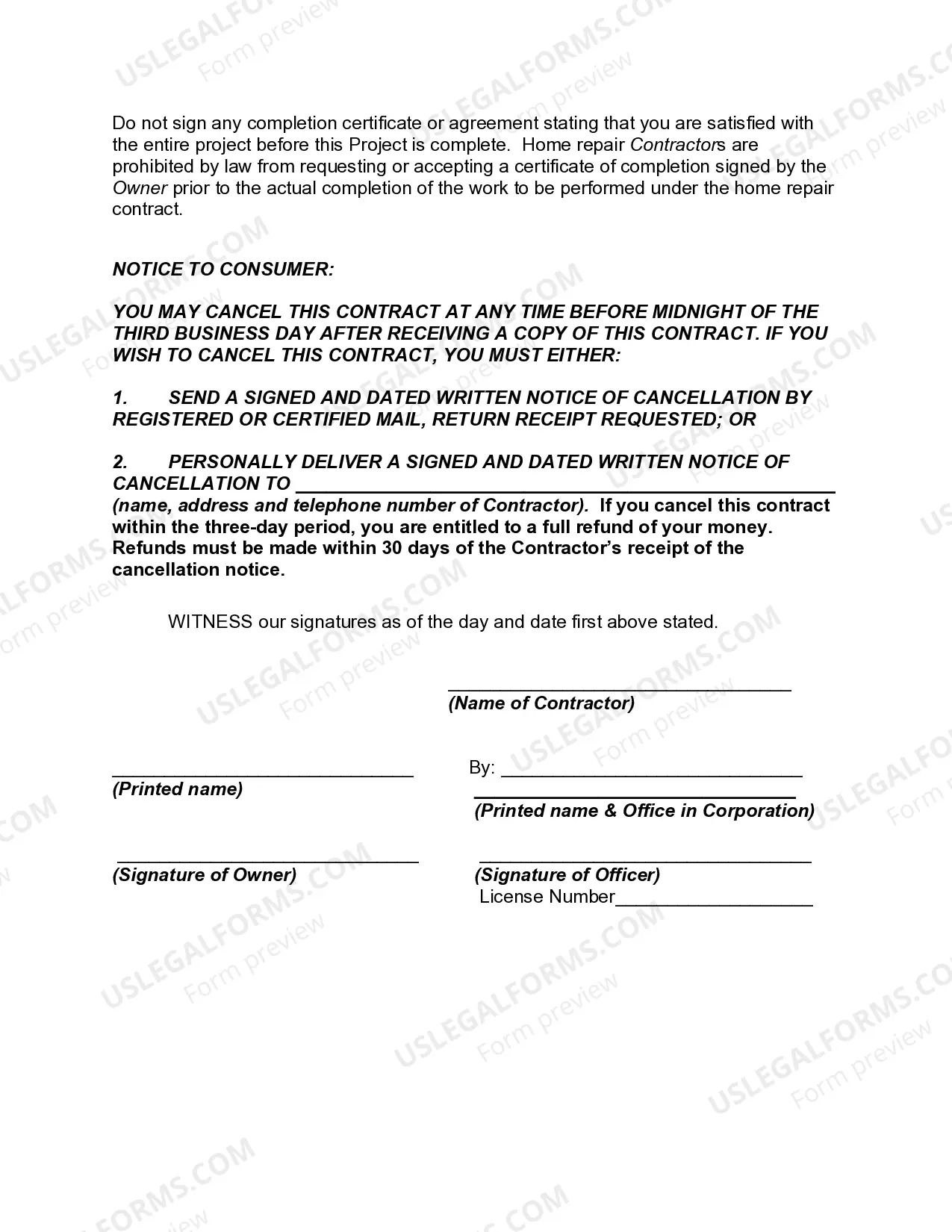
This form usually doesn’t need to be notarized. However, local laws or specific transactions may require it. Our online notarization service, powered by Notarize, lets you complete it remotely through a secure video session, available 24/7.
Get your form ready online
Our built-in tools help you complete, sign, share, and store your documents in one place.
Make edits, fill in missing information, and update formatting in US Legal Forms—just like you would in MS Word.
Download a copy, print it, send it by email, or mail it via USPS—whatever works best for your next step.
Sign and collect signatures with our SignNow integration. Send to multiple recipients, set reminders, and more. Go Premium to unlock E-Sign.
If this form requires notarization, complete it online through a secure video call—no need to meet a notary in person or wait for an appointment.
We protect your documents and personal data by following strict security and privacy standards.

Make edits, fill in missing information, and update formatting in US Legal Forms—just like you would in MS Word.

Download a copy, print it, send it by email, or mail it via USPS—whatever works best for your next step.

Sign and collect signatures with our SignNow integration. Send to multiple recipients, set reminders, and more. Go Premium to unlock E-Sign.

If this form requires notarization, complete it online through a secure video call—no need to meet a notary in person or wait for an appointment.

We protect your documents and personal data by following strict security and privacy standards.
Mistakes to watch out for
- Leaving sections blank, which can lead to misunderstandings later.
- Not providing clear specifications for the solar system, which can result in disputes over quality and compliance.
- Failing to include exact payment details, leading to payment delays or conflicts.
- Overlooking local permit requirements, which may delay the project.
Benefits of using this form online
- Convenience: Easily download and fill out the form from anywhere, saving time.
- Editability: Customize the agreement to fit specific project needs without hassle.
- Reliability: Use a form drafted by licensed attorneys, ensuring legal compliance and protection.
Looking for another form?
Form popularity
FAQ
A solar PV system must be installed before December 31, 2019, to claim a 30% credit. It will decrease to 26% for systems installed in 2020 and to 22% for systems installed in 2021. And the tax credit expires starting in 2022 unless Congress renews it. There is no maximum amount that can be claimed.
As of April 2021, the average solar panel cost in New Jersey is $2.80/W. Given a solar panel system size of 5 kilowatts (kW), an average solar installation in New Jersey ranges in cost from $11,900 to $16,100, with the average gross price for solar in New Jersey coming in at $14,000.
In New Jersey, homes with solar panels can sell for 9.9% more than homes without solar-energy systems. That is a profit of $32,281 for the median-valued home in that state. Here's the top 10 states with the highest solar premiums, according to Zillow's findings: New Jersey: 9.9% or $32,281 for the median-valued home.
Here's the deal: There is no such thing as a free lunch (or a free solar panel installation). Free solar panels' are not actually free; you will pay for the electricity that they produce, usually under a 20 to 25 year solar lease or power purchase agreement (PPA).
Federal Solar Investment Tax Credit (ITC) Buy and install new solar panels in New Jersey in 2021, with or without battery storage, and qualify for the 26% federal solar tax credit. The residential ITC drops to 22% in 2023 and ends in 2024.
Going solar is now FREE for homeowners in NJ.
Filing requirements for the solar tax credit To claim the credit, you must file IRS Form 5695 as part of your tax return. You'll calculate the credit on Part I of the form, and then enter the result on your 1040.
The investment tax credit (ITC), also known as the federal solar tax credit, allows you to deduct 26 percent of the cost of installing a solar energy system from your federal taxes. The ITC applies to both residential and commercial systems, and there is no cap on its value.