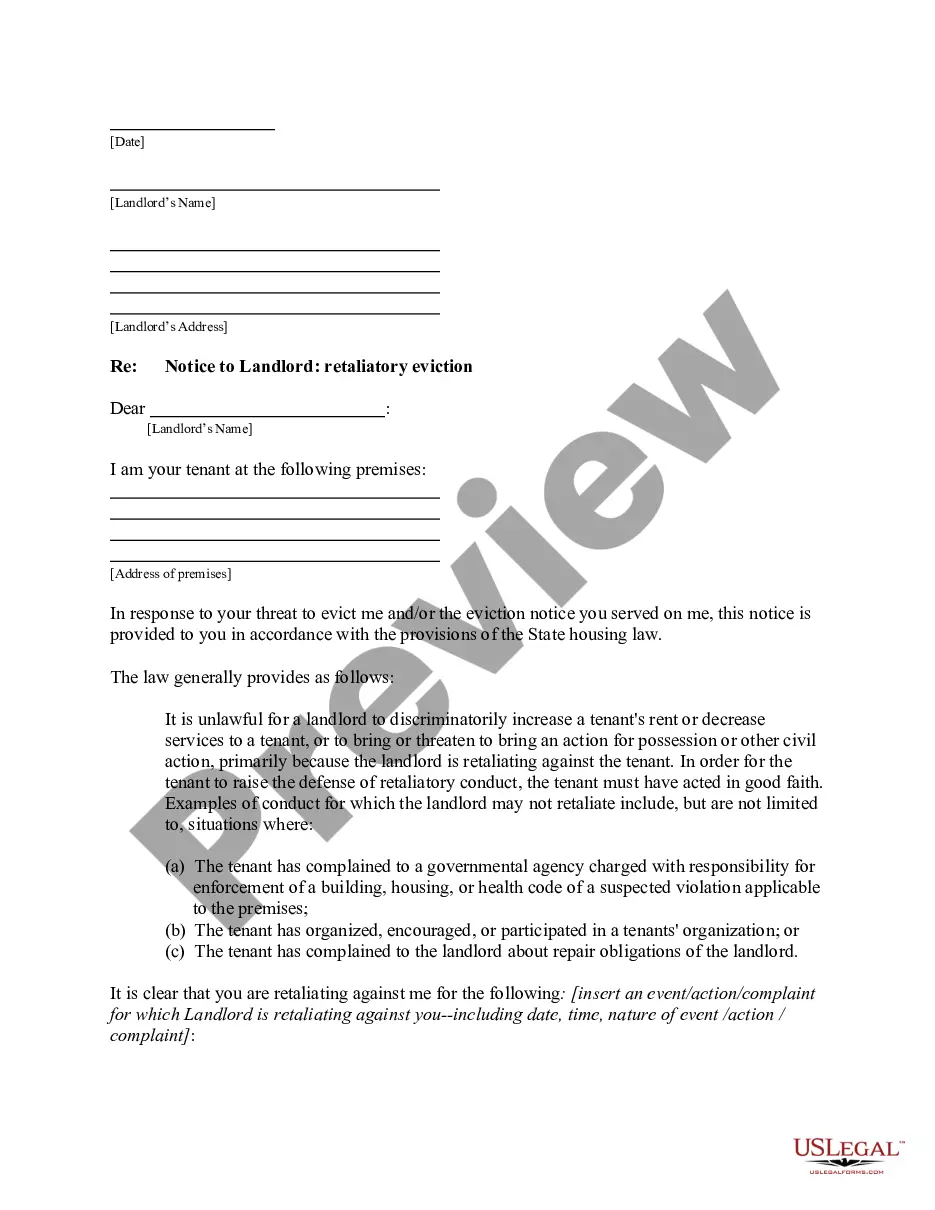
Self-Employed Roofing Services Agreement
Understanding this form
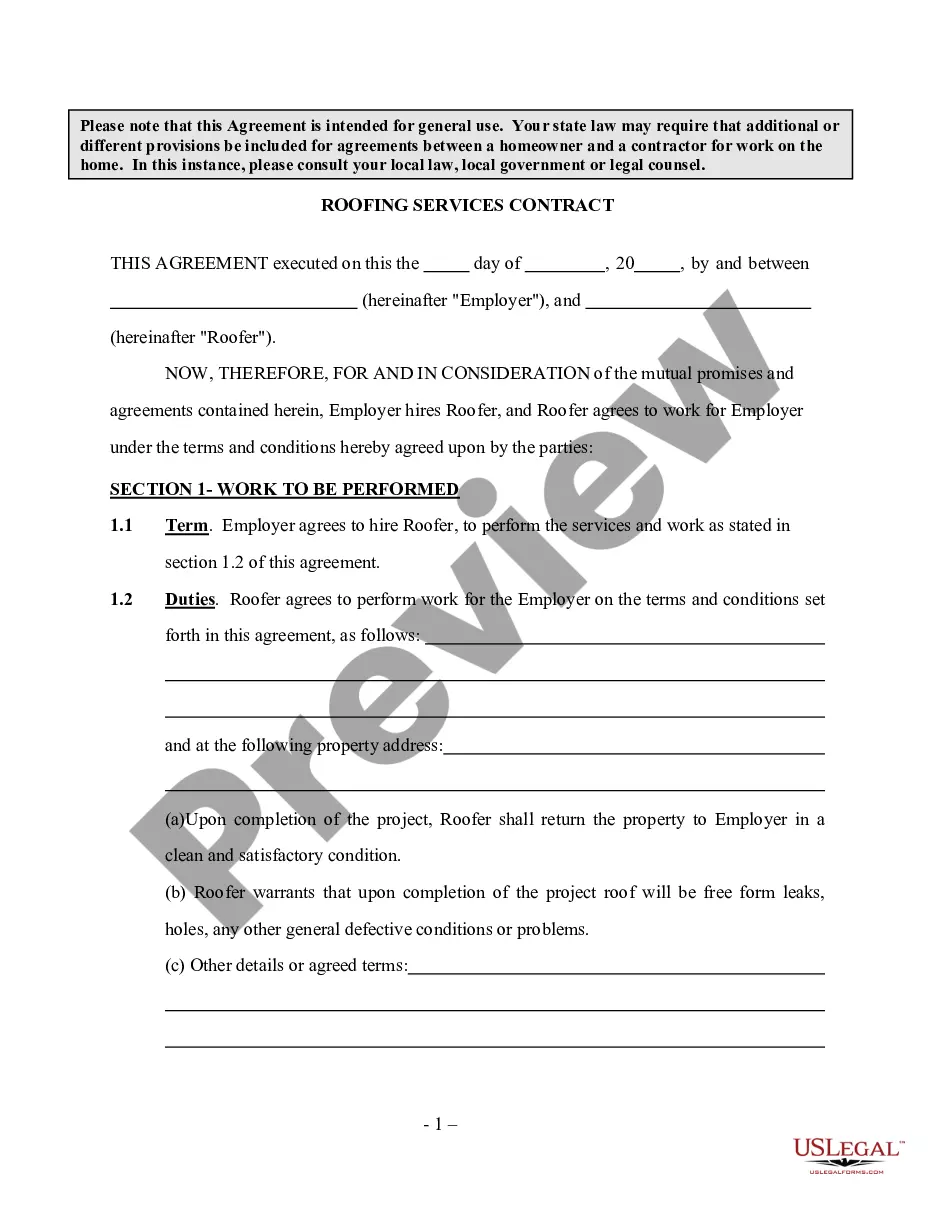
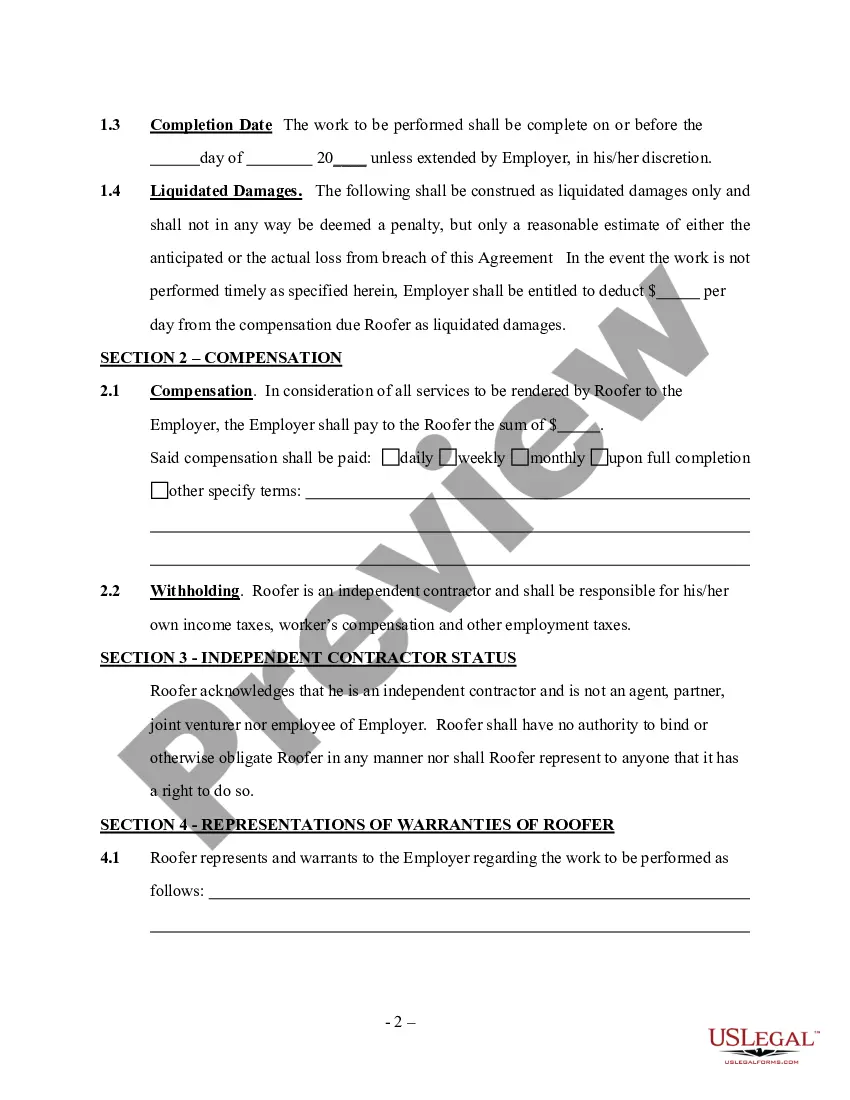
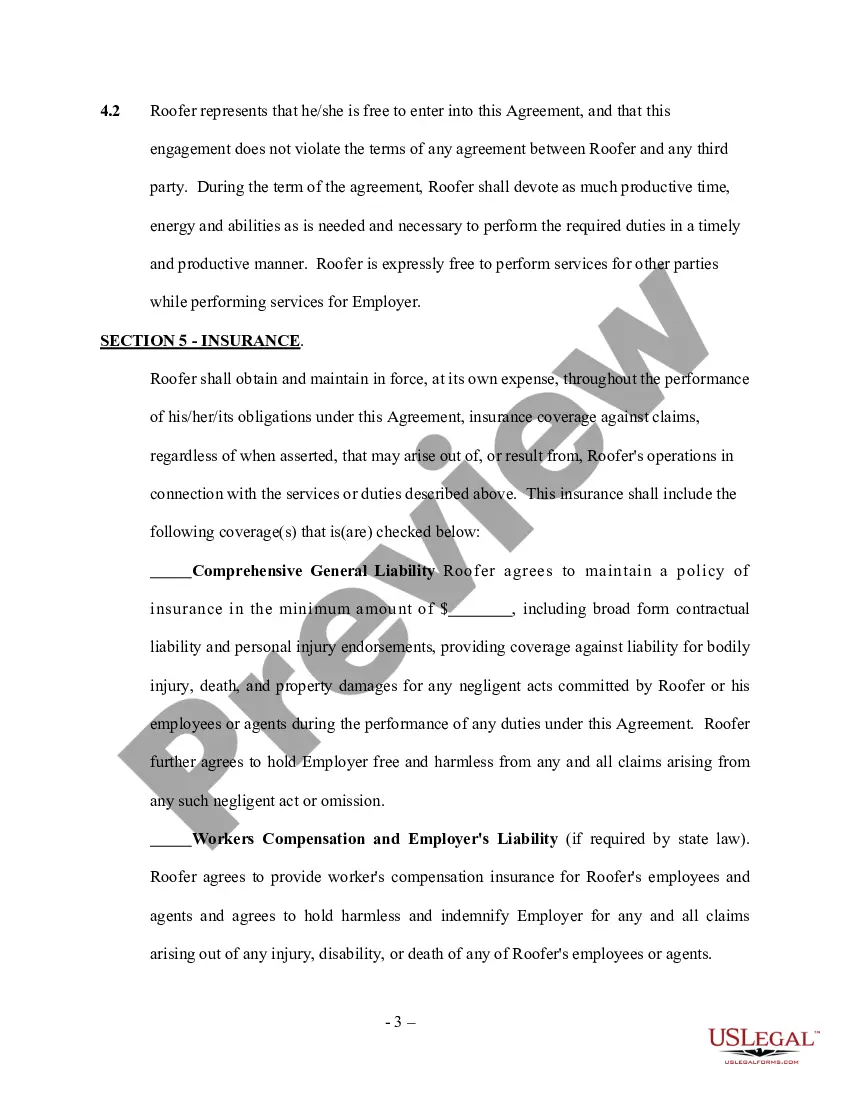
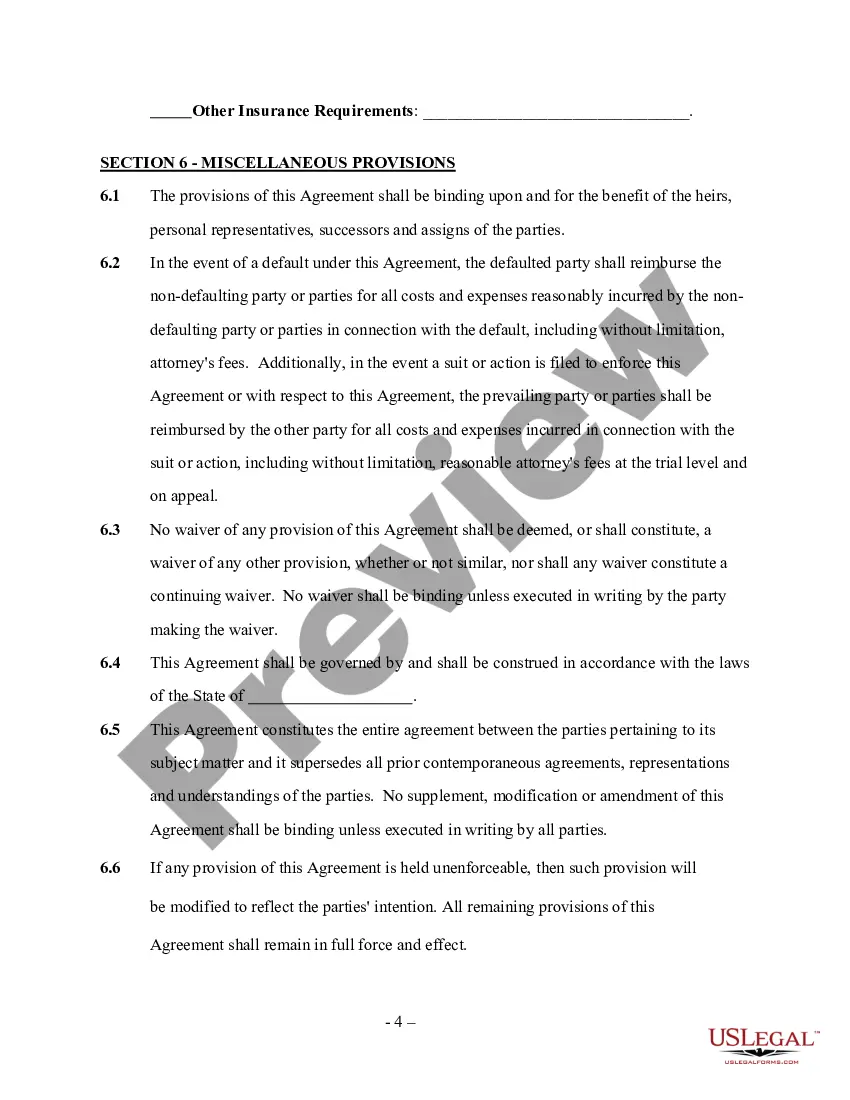
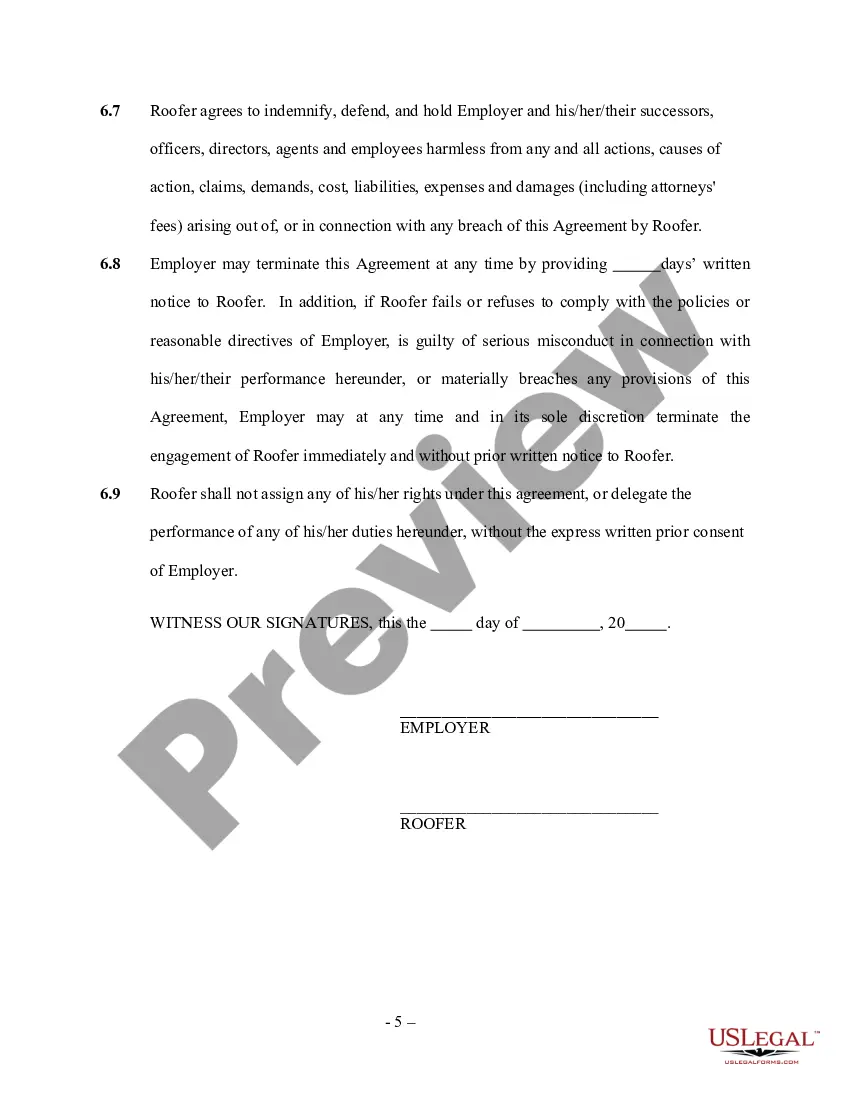
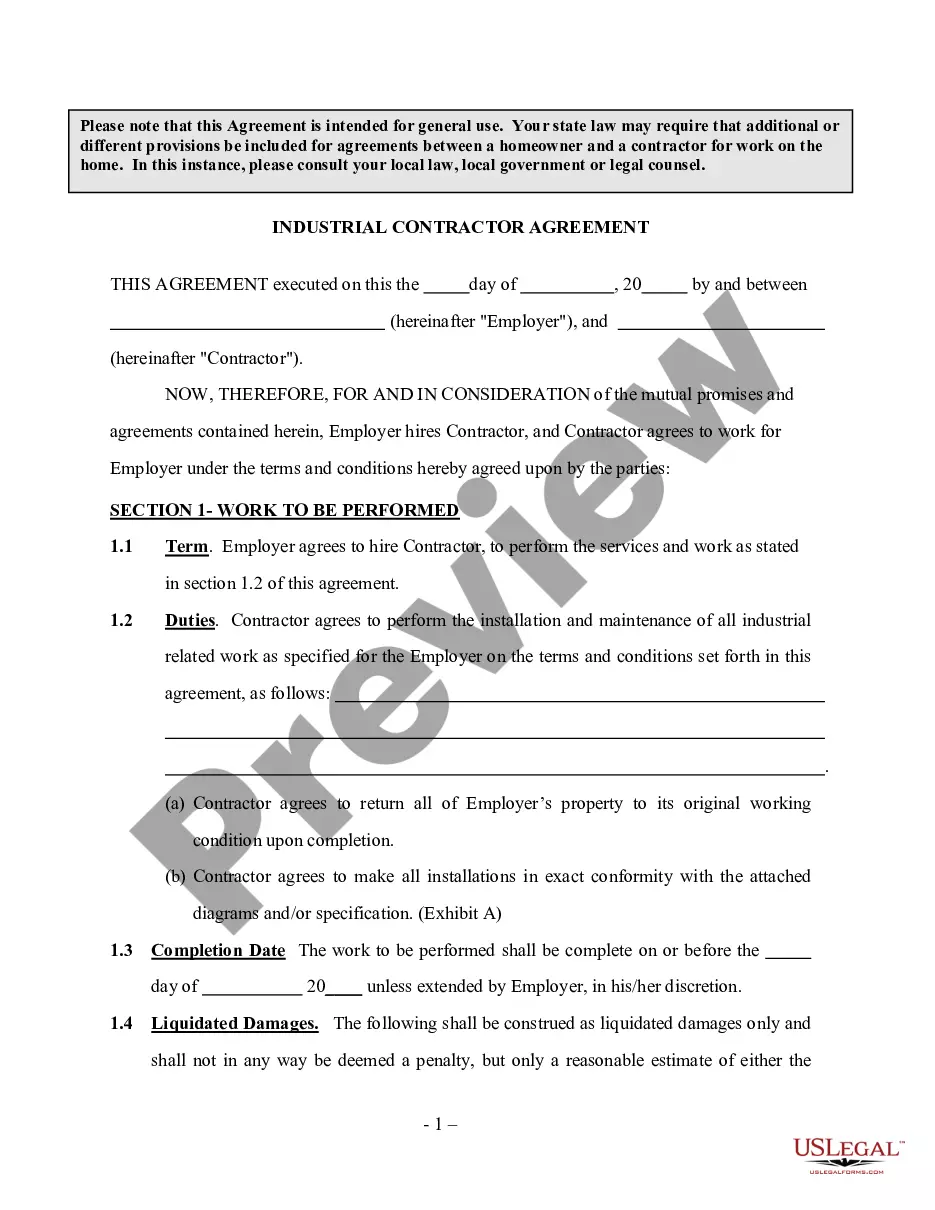
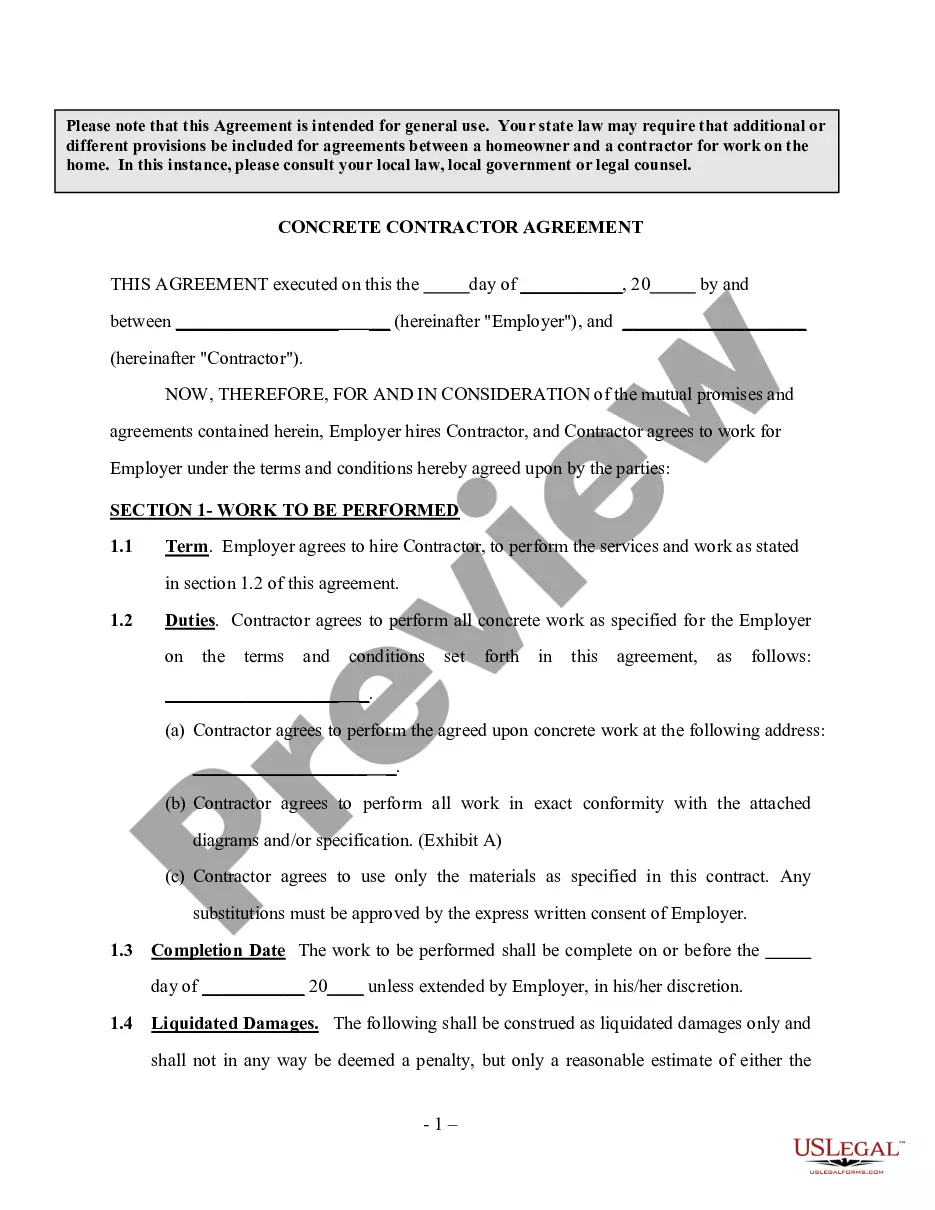
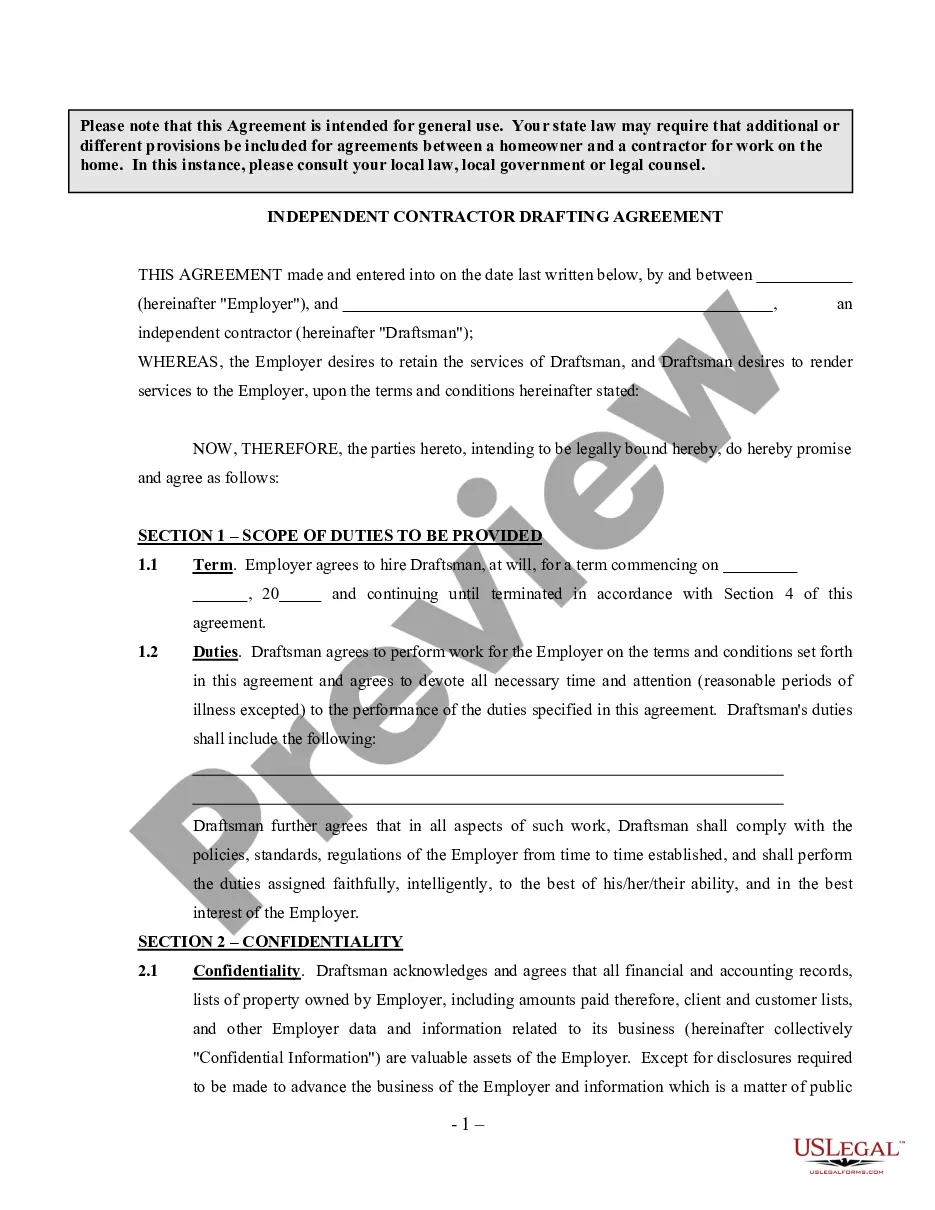
The Self-Employed Roofing Services Agreement is a legally binding document designed for individuals or companies hiring a roofer as an independent contractor. This agreement outlines the specific roofing services to be performed, establishes the independent contractor status of the roofer, and includes provisions related to insurance and warranties. It is important to note that while this agreement serves general purposes, state-specific laws may require additional or altered clauses to ensure compliance with local regulations.
Form components explained
- Section 1 describes the work to be performed and terms of service.
- Section 3 defines the independent contractor status of the roofer.
- Section 4 outlines the representations and warranties provided by the roofer.
- Section 5 details the insurance requirements that the roofer must maintain.
Common use cases
This form should be used when a homeowner or company wishes to hire a self-employed roofer for roofing services. It is ideal for situations where the roofer operates as an independent contractor rather than as an employee. This agreement clarifies the nature of the working relationship and outlines responsibilities, ensuring both parties understand their obligations.
Who can use this document
- Homeowners looking to hire a roofer for residential work.
- Businesses requiring roofing services from independent contractors.
- Roofers seeking to formalize their agreements with clients.
- Project managers coordinating roofing projects and contracts.
Completing this form step by step
- Identify the parties involved in the agreement, including the employer and the roofer.
- Specify the roofing services to be performed in detail.
- Include the duration of the agreement and any deadlines for completion.
- Review and add any necessary insurance requirements per state laws.
- Ensure both parties sign and date the agreement.
Notarization guidance
Notarization is generally not required for this form. However, certain states or situations might demand it. You can complete notarization online through US Legal Forms, powered by Notarize, using a verified video call available anytime.
Get your form ready online
Our built-in tools help you complete, sign, share, and store your documents in one place.
Make edits, fill in missing information, and update formatting in US Legal Forms—just like you would in MS Word.
Download a copy, print it, send it by email, or mail it via USPS—whatever works best for your next step.
Sign and collect signatures with our SignNow integration. Send to multiple recipients, set reminders, and more. Go Premium to unlock E-Sign.
If this form requires notarization, complete it online through a secure video call—no need to meet a notary in person or wait for an appointment.
We protect your documents and personal data by following strict security and privacy standards.

Make edits, fill in missing information, and update formatting in US Legal Forms—just like you would in MS Word.

Download a copy, print it, send it by email, or mail it via USPS—whatever works best for your next step.

Sign and collect signatures with our SignNow integration. Send to multiple recipients, set reminders, and more. Go Premium to unlock E-Sign.

If this form requires notarization, complete it online through a secure video call—no need to meet a notary in person or wait for an appointment.

We protect your documents and personal data by following strict security and privacy standards.
Typical mistakes to avoid
- Failing to specify detailed services to be performed.
- Omitting important insurance requirements.
- Not clearly defining the independent contractor status.
- Forgetting to include start and end dates of the agreement.
Advantages of online completion
- Convenient access to professional legal forms from anywhere.
- Edit and customize the agreement according to specific needs.
- Secure, instant downloads for immediate use.
Legal use & context
- This agreement establishes clear expectations and protects the rights of both parties.
- It is enforceable in a court of law if properly completed and signed.
- Both parties may need to retain copies for their records to reference the terms of the agreement.
Quick recap
- The Self-Employed Roofing Services Agreement is essential for formalizing the relationship between homeowners and roofing contractors.
- It emphasizes the contractor's independent status, clarifying roles and responsibilities.
- Ensure compliance with local laws for a valid agreement.
Looking for another form?
Form popularity
FAQ
California's Home Solicitation Sales Act allows the buyer in almost any consumer transaction involving $25 or more, which takes place in the buyer's home or away from the seller's place of business, to cancel the transaction within three business days after signing the contract.
Project Description The roofing contract should include the details of the project, such as the materials to be used, start and end date, removal of the old roof, and other details related to the roofing project. That way, you can have the agreed upon plan in writing in the event of any problems in the future.
An Independent Contractor Agreement should contain all of these basic terms: Description of the services to be provided.Explanation of what the hiring party will provide or not provide, such as equipment, for the independent contractor to use. Ownership of work product if that is relevant to the work being performed.
Name of contractor and contact information. Name of homeowner and contact information. Describe property in legal terms. List attachments to the contract. The cost. Failure of homeowner to obtain financing. Description of the work and the completion date. Right to stop the project.
Length of Contract. Each client contractor agreement should outline the length of the working relationship. Project Description. Payment Terms. Nondisclosure Terms. Rights and Responsibilities. Termination Clause. Disclaimers.
A roofing proposal sets the cost for a project that the contractor and building owner are bound to, like a contract. Most roofers will have set costs for materials and labor and will provide these costs in full, so you know exactly what to expect.
A signed proposal is just as legally valid as a signed contract. So there's no need of presenting both a proposal and contract to your client. In fact, it can actually hurt your chances at winning the business by getting lawyers involved and slowing down the acceptance process, or destroying it altogether.
In short, it is a legally binding contract in which you agree to work with a roofing company to do all of your insurance-approved work. Per the name, it's contingent on the insurance claim being approved for the contract to hold together.
Form W-9. The IRS requires contractors to fill out a Form W-9, request for Taxpayer Identification Number and Certification, which you should keep on file for at least four years after the hiring. This form is used to request the correct name and Taxpayer Identification Number, or TIN, of the worker or their entity.