New Hampshire General Partnership Package
What this form package covers
The New Hampshire General Partnership Package is designed to facilitate the formation, management, and dissolution of a general partnership. This comprehensive package includes essential forms drafted by licensed attorneys, ensuring both reliability and compliance with legal standards. Unlike generic templates, this package addresses specific partnership needs and provides flexibility to modify forms according to your unique circumstances.
Forms you’ll find in this package
- Application for Registration of a Trade Name
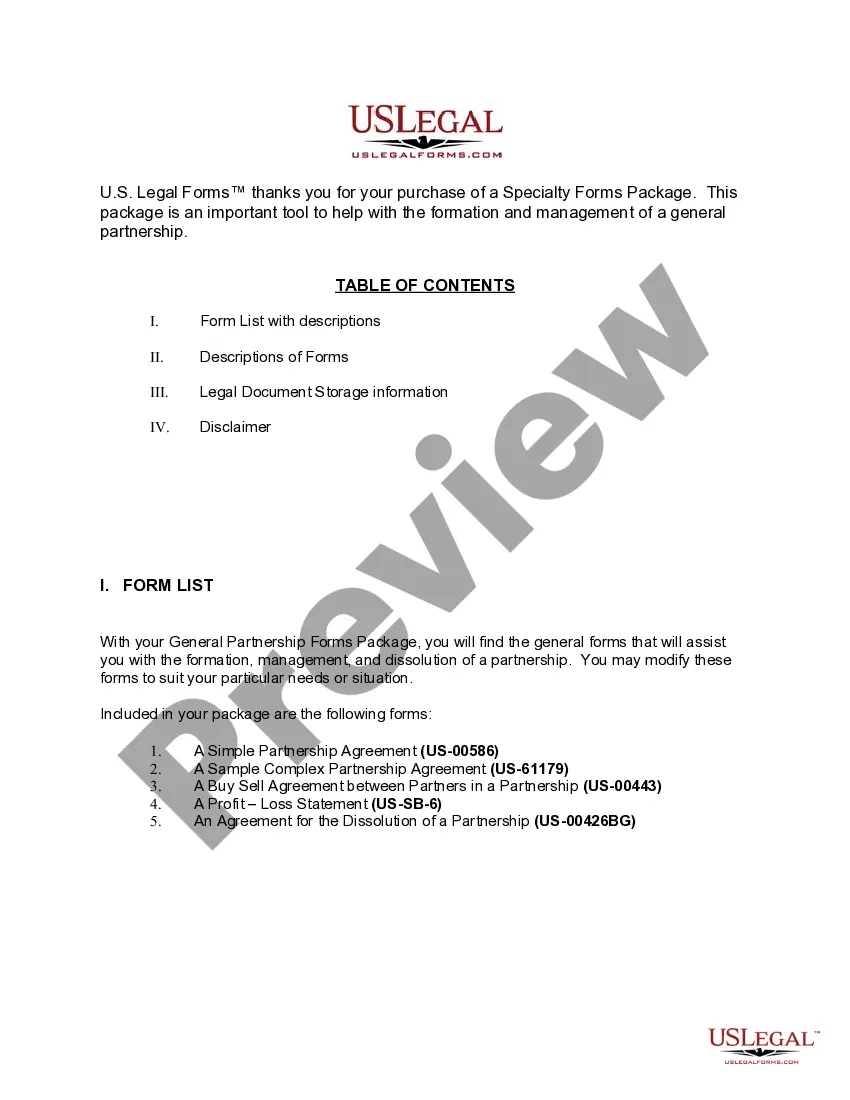
- Agreement for the Dissolution of a Partnership
- Buy Sell Agreement Between Partners of a Partnership
- I.R.S. Form SS-4 (to obtain your federal identification number)
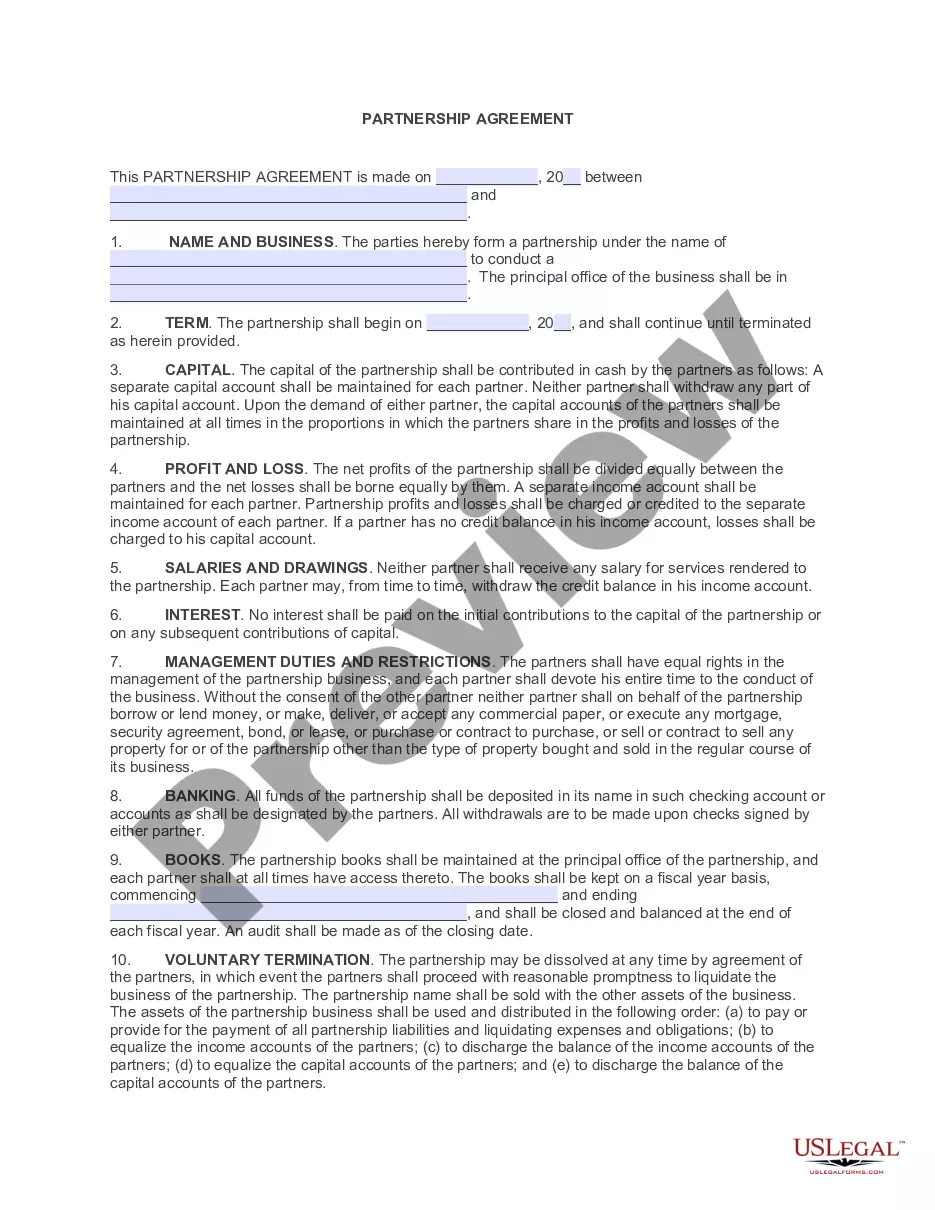
- Simple Partnership Agreement
- Sample Business Plan Template
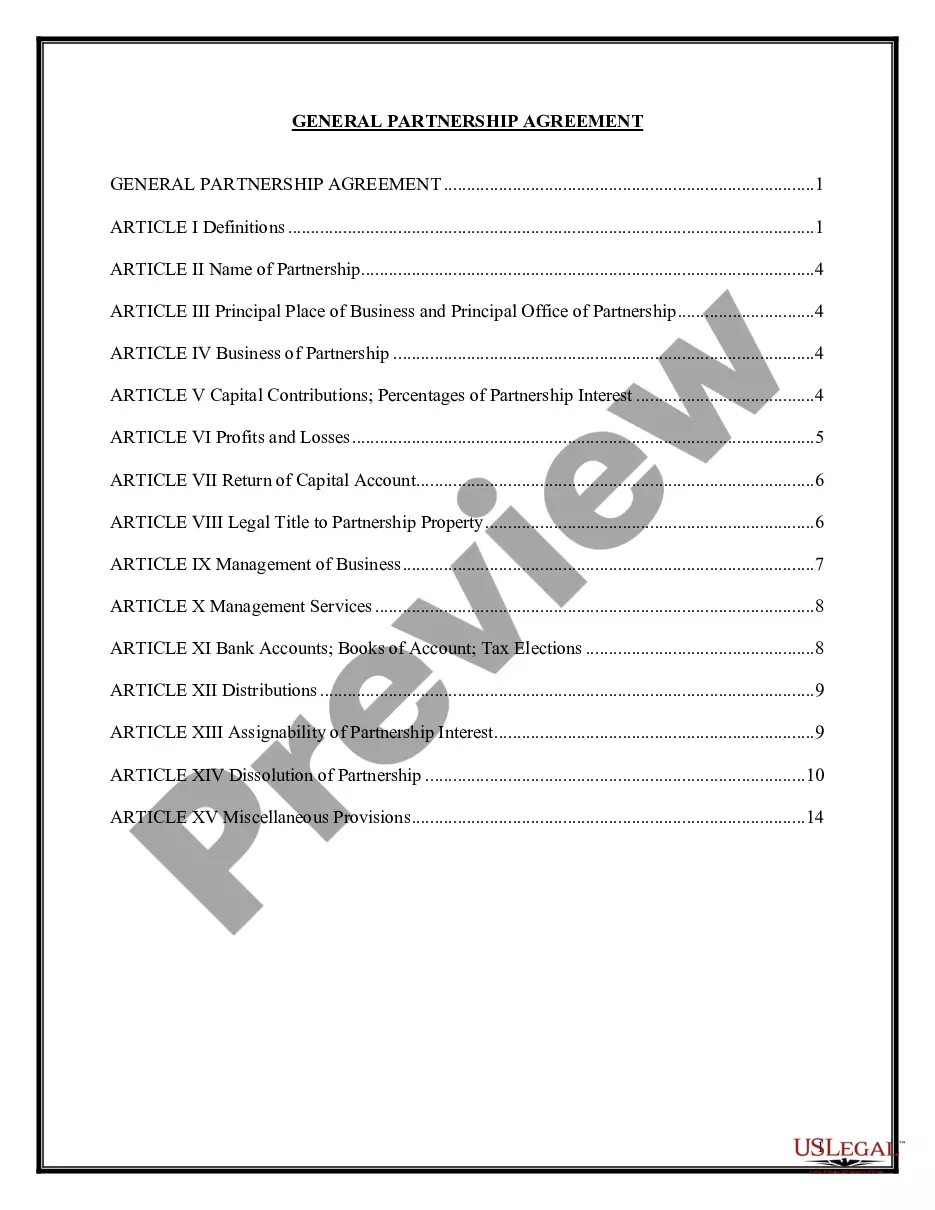
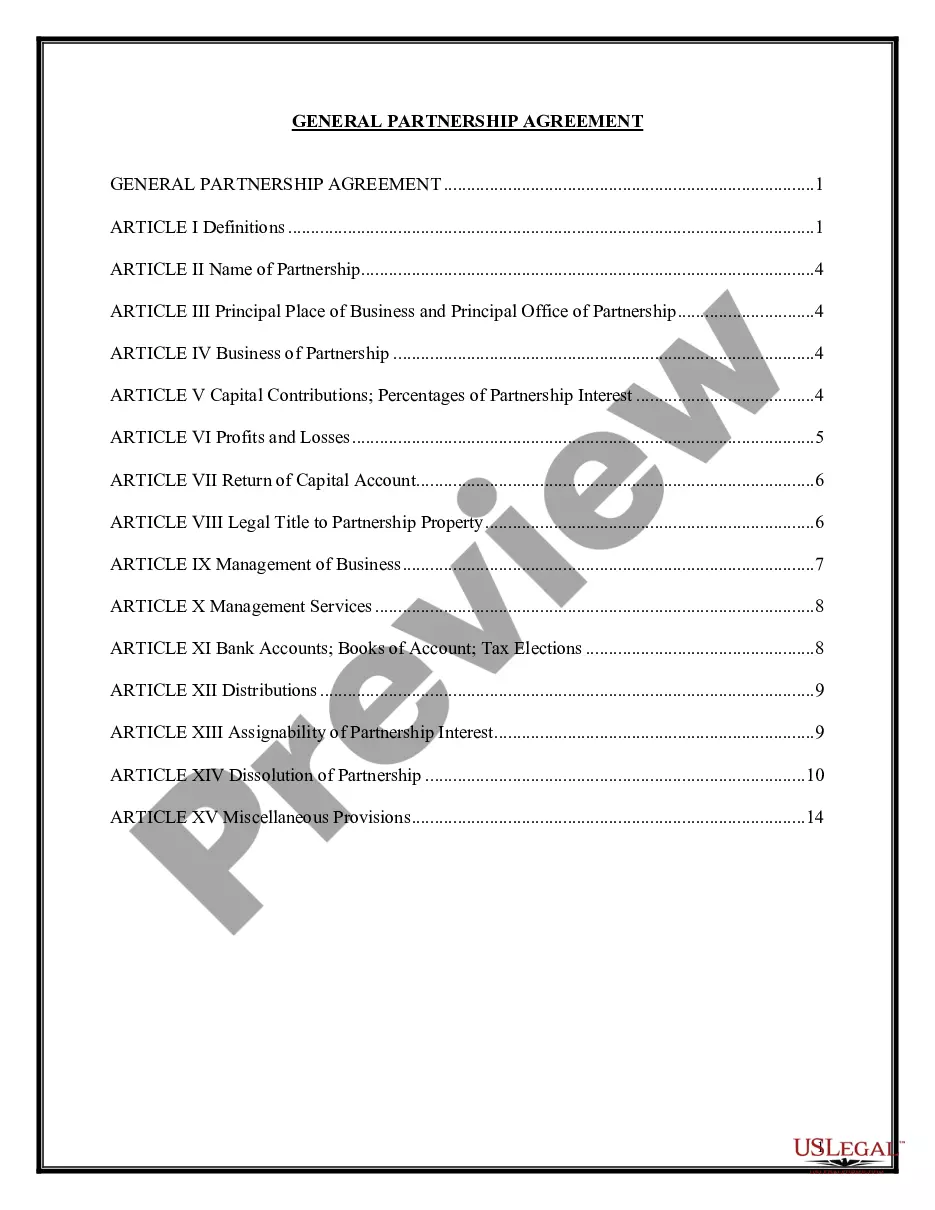
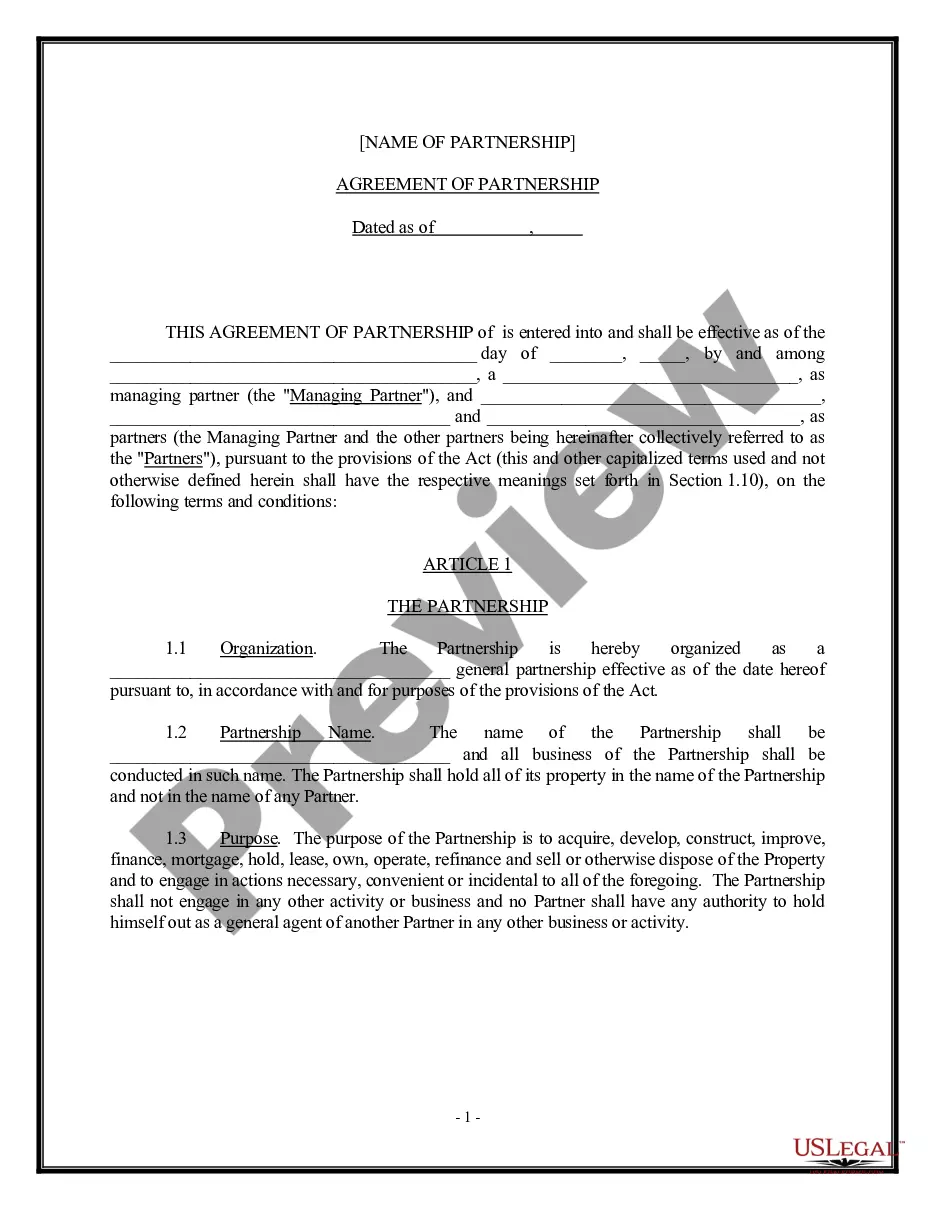
- General Partnership Agreement - Complex
- Checklist for Starting Up a New Business
- Profit and Loss Statement
- Business Startup Costs
- Employment or Work Application - General
- Stand Alone Confidentiality and Noncompetition Agreement with Employee
- Self-Employed Independent Contractor Employment Agreement - General
When this form package is needed
This package is particularly useful in several scenarios, including:
- Establishing a new general partnership to commence business operations.
- Adding or removing partners and navigating buy-sell agreements.
- Tracking financial performance through profit and loss statements.
- Ending a partnership and managing the dissolution process effectively.
Intended users of this form package
- Business partners looking to formalize their partnership agreements.
- Existing partnerships seeking to make changes in their structure.
- Partners who need to define profit-sharing and loss allocations.
- Entities that are planning to dissolve their partnership amicably.
How to complete these forms
- Review the included forms and understand the requirements of each.
- Identify the names and contributions of all partners involved in the agreement.
- Fill in the required details, such as business name, purpose, and profit-sharing terms.
- Sign and date each applicable document, ensuring all partners are present for signatures.
- Store completed forms securely, retaining copies for each partner.
Notarization guidance for this package
Forms in this package typically do not require notarization unless mandated by local law. Always verify the specific requirements for notarization applicable to your partnership in New Hampshire.
Get your form ready online
Our built-in tools help you complete, sign, share, and store your documents in one place.
Make edits, fill in missing information, and update formatting in US Legal Forms—just like you would in MS Word.
Download a copy, print it, send it by email, or mail it via USPS—whatever works best for your next step.
Sign and collect signatures with our SignNow integration. Send to multiple recipients, set reminders, and more. Go Premium to unlock E-Sign.
If this form requires notarization, complete it online through a secure video call—no need to meet a notary in person or wait for an appointment.
We protect your documents and personal data by following strict security and privacy standards.

Make edits, fill in missing information, and update formatting in US Legal Forms—just like you would in MS Word.

Download a copy, print it, send it by email, or mail it via USPS—whatever works best for your next step.

Sign and collect signatures with our SignNow integration. Send to multiple recipients, set reminders, and more. Go Premium to unlock E-Sign.

If this form requires notarization, complete it online through a secure video call—no need to meet a notary in person or wait for an appointment.

We protect your documents and personal data by following strict security and privacy standards.
Mistakes to watch out for
- Failing to include essential details like partner contributions or profit-sharing ratios.
- Not having all partners sign the documents, leading to disputes.
- Using outdated forms that do not comply with current New Hampshire laws.
Advantages of online completion
- Convenient access to all necessary forms in one package.
- Editable documents allow for customization according to specific partnership needs.
- Reliability of attorney-drafted forms that meet state legal requirements.
Legal use & context
- The forms in this package are designed to comply with New Hampshire state laws governing partnerships.
- Using these forms helps ensure that your partnership is formed legally and is enforceable in court.
- Properly completed and executed forms can aid in resolving disputes and clarifying partner roles.
Key takeaways
- The New Hampshire General Partnership Package provides essential legal forms for partnership management.
- Correctly completing and signing all forms is crucial for legal standing.
- Understanding the specific requirements for your partnership type in New Hampshire is important.
Looking for another form?
Form popularity
FAQ
A general partnership is the shared ownership of a business by two or more people.Forming a general partnership is as simple as filing a form with the Clerk of the Circuit Court in the county in which the business will be located and paying a relatively small fee.
For example, let's say that Fred and Melissa decide to open a baking store. The store is named F&M Bakery. By opening a store together, Fred and Melissa are both general partners in the business, F&M Bakery. It is important to note that each general partner must be involved in the business.
Determine the amount of the total investment required to get the business started. Divide your own contribution by that total to estimate a fair percentage of ownership. Use this as a starting point for negotiations with your proposed partners. Discuss your proposed role at the business with the other partners.
Share the same values. Choose a partner with complementary skills. Have a track record together. Clearly define each partner's role and responsibilities. Select the right business structure. Put it in writing. Be honest with each other.
A general partner is a part-owner of a business and shares in its profits. A general partner is often a doctor, lawyer, or another professional who has joined a partnership in order to remain independent while being part of a larger business.
Share the same values. Choose a partner with complementary skills. Have a track record together. Clearly define each partner's role and responsibilities. Select the right business structure. Put it in writing. Be honest with each other.
Types of Partnership General Partnership, Limited Partnership, Limited Liability Partnership and Public Private Partnership.
Similar to sole proprietorships, partnerships retain full, shared liability among the owners. Partners are not only liable for their own actions, but also for the business debts and decisions made by other partners. In addition, the personal assets of all partners can be used to satisfy the partnership's debt.
Decide How You'll Split Profits In a business partnership, you can split the profits any way you wantif everyone is in agreement. You could split the profits equally, or each partner could receive a different base salary and then split any remaining profits.