North Dakota New State Resident Package
Understanding this form package
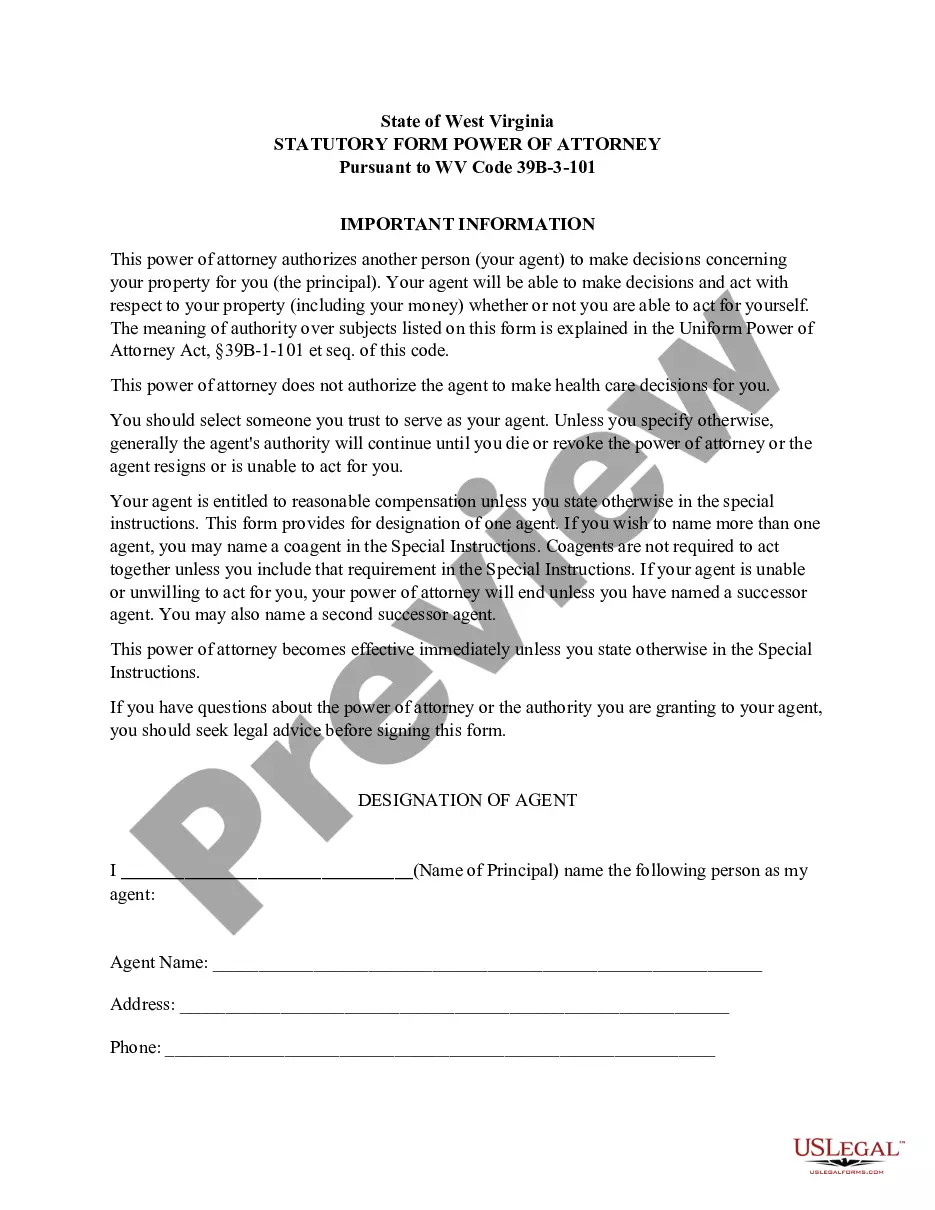
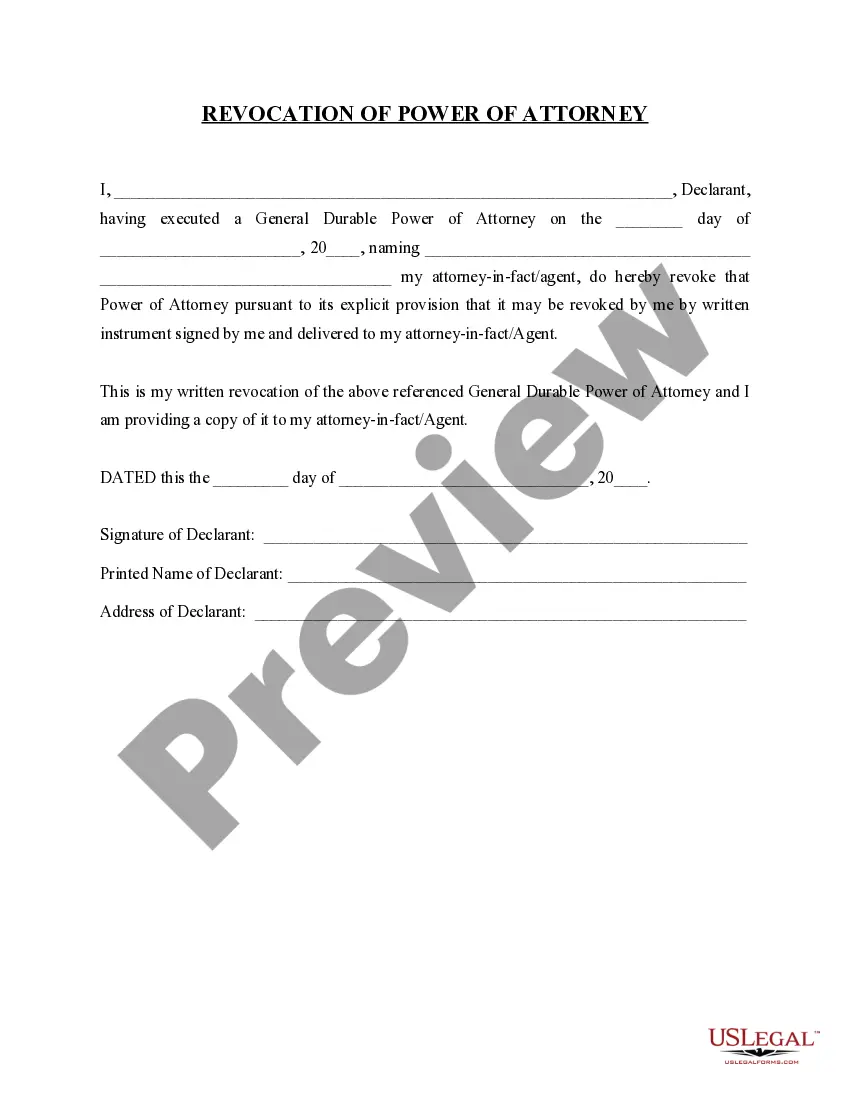
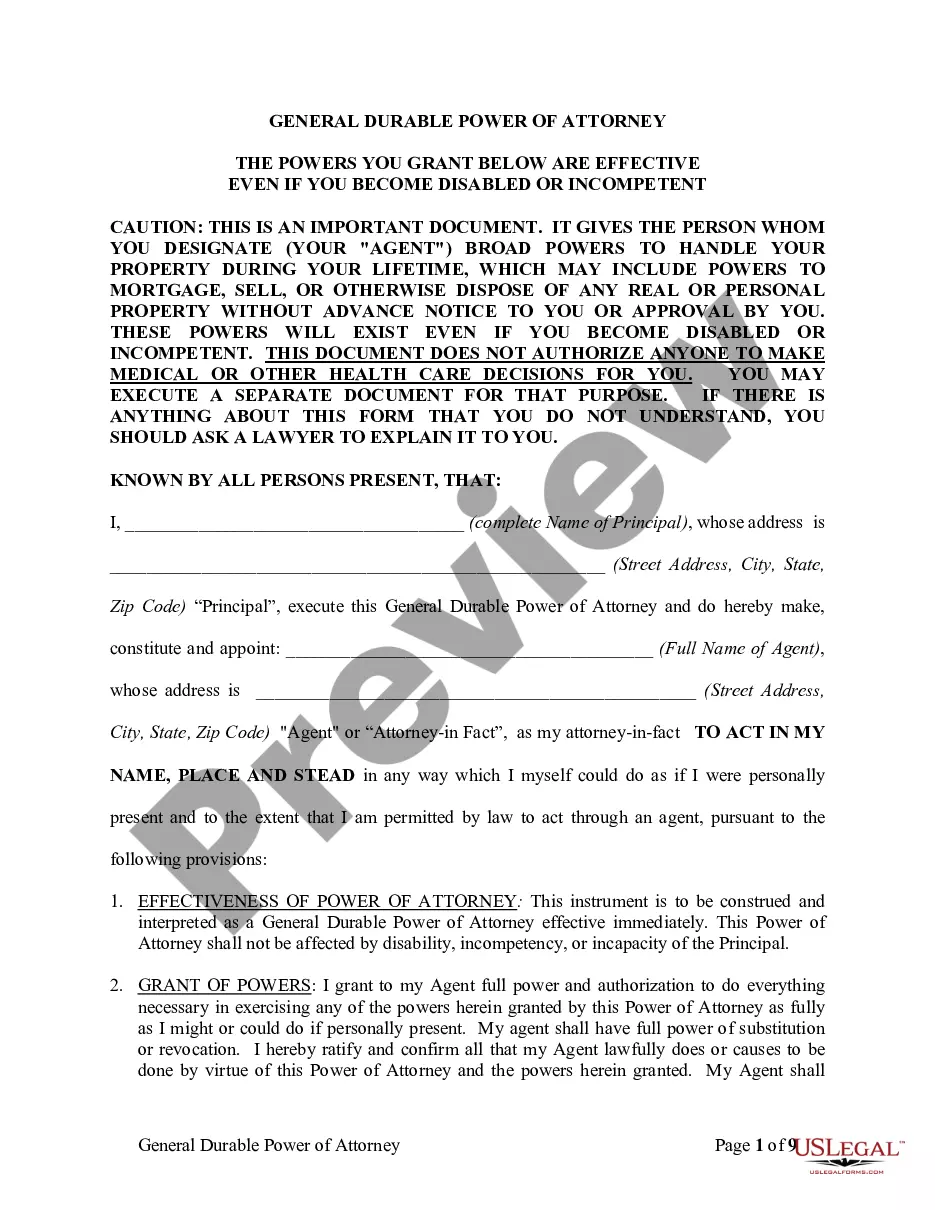
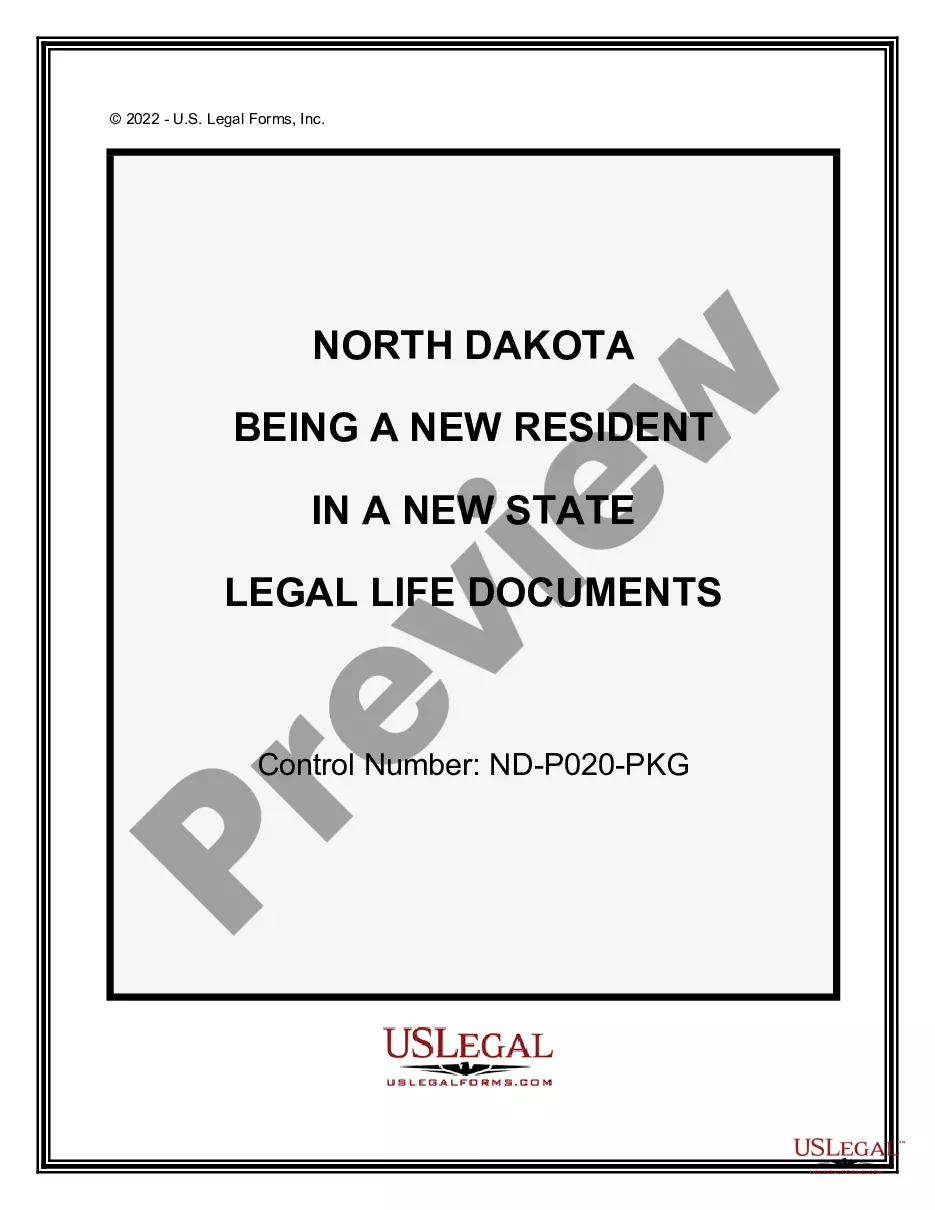
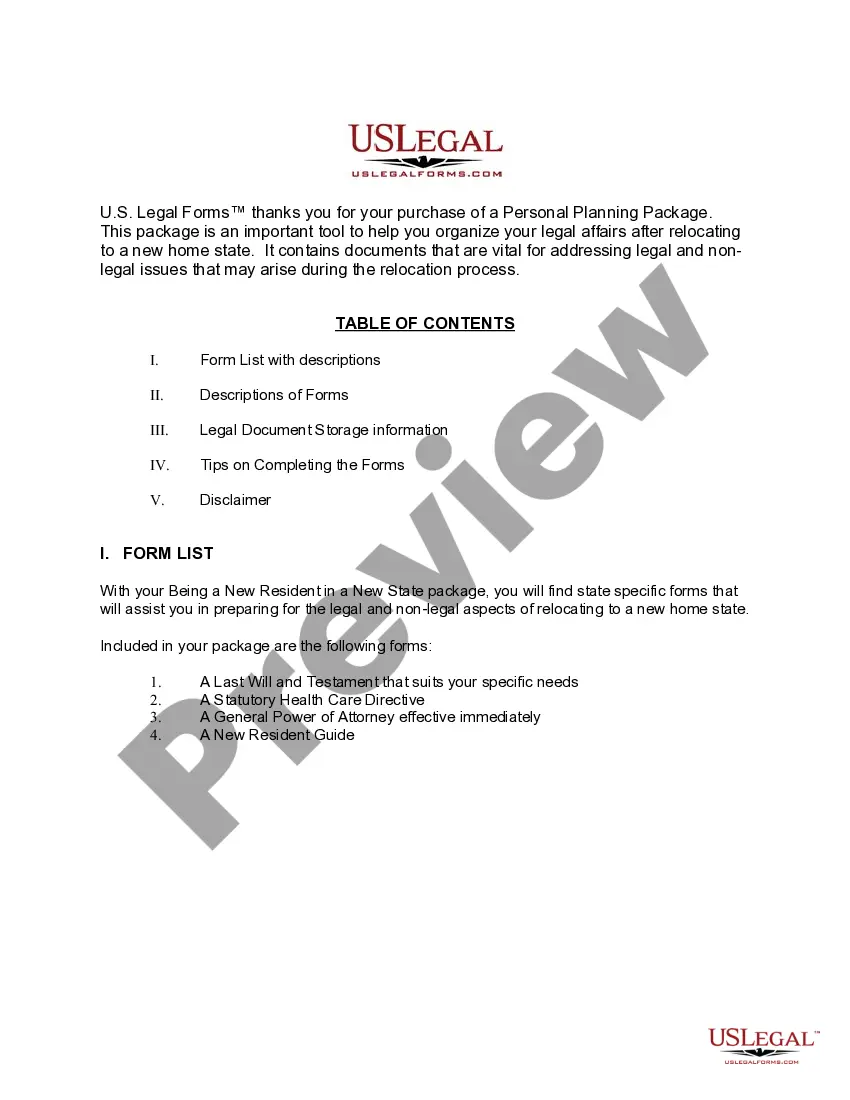
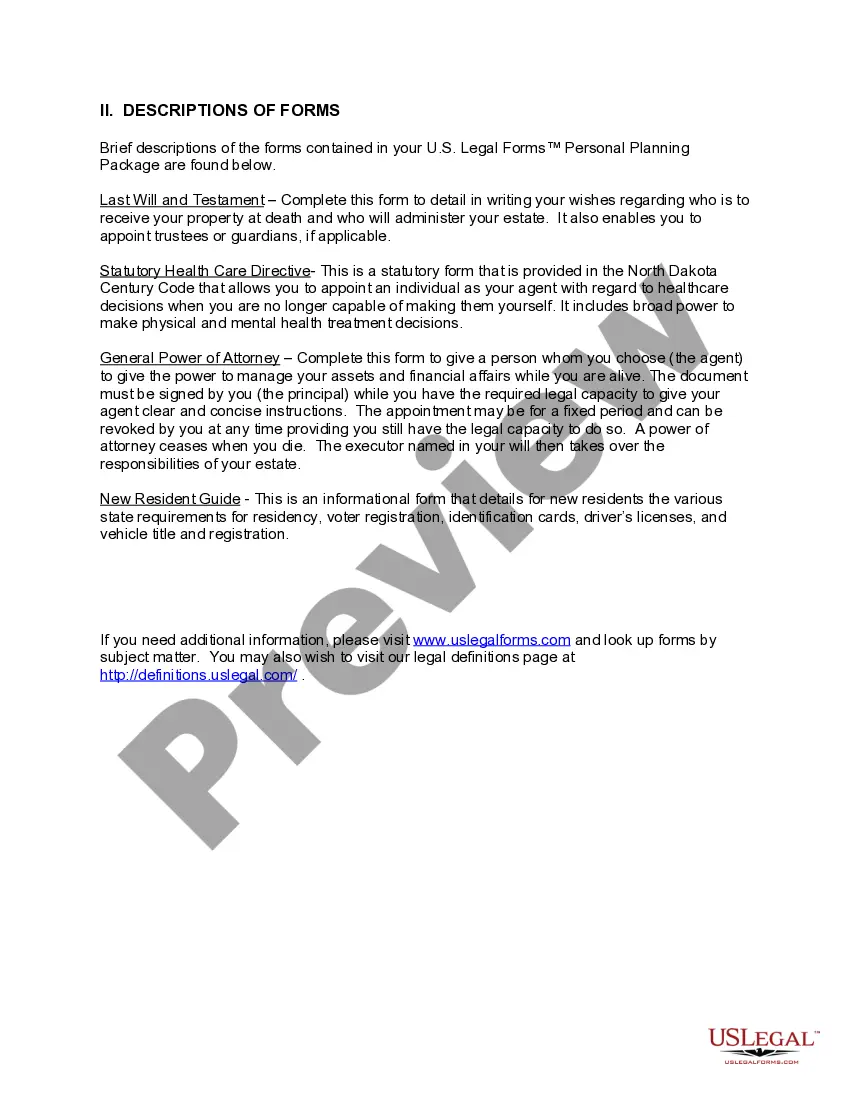
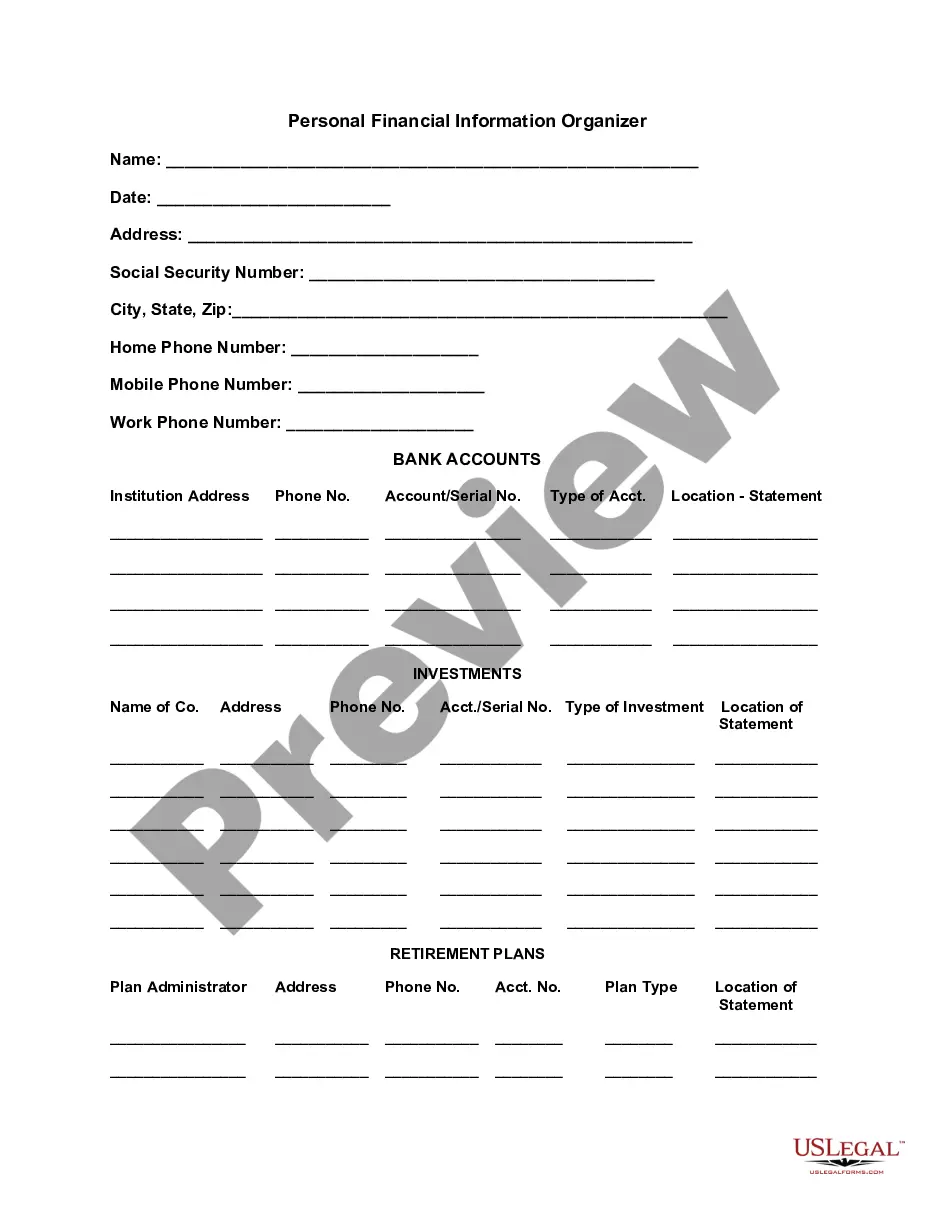
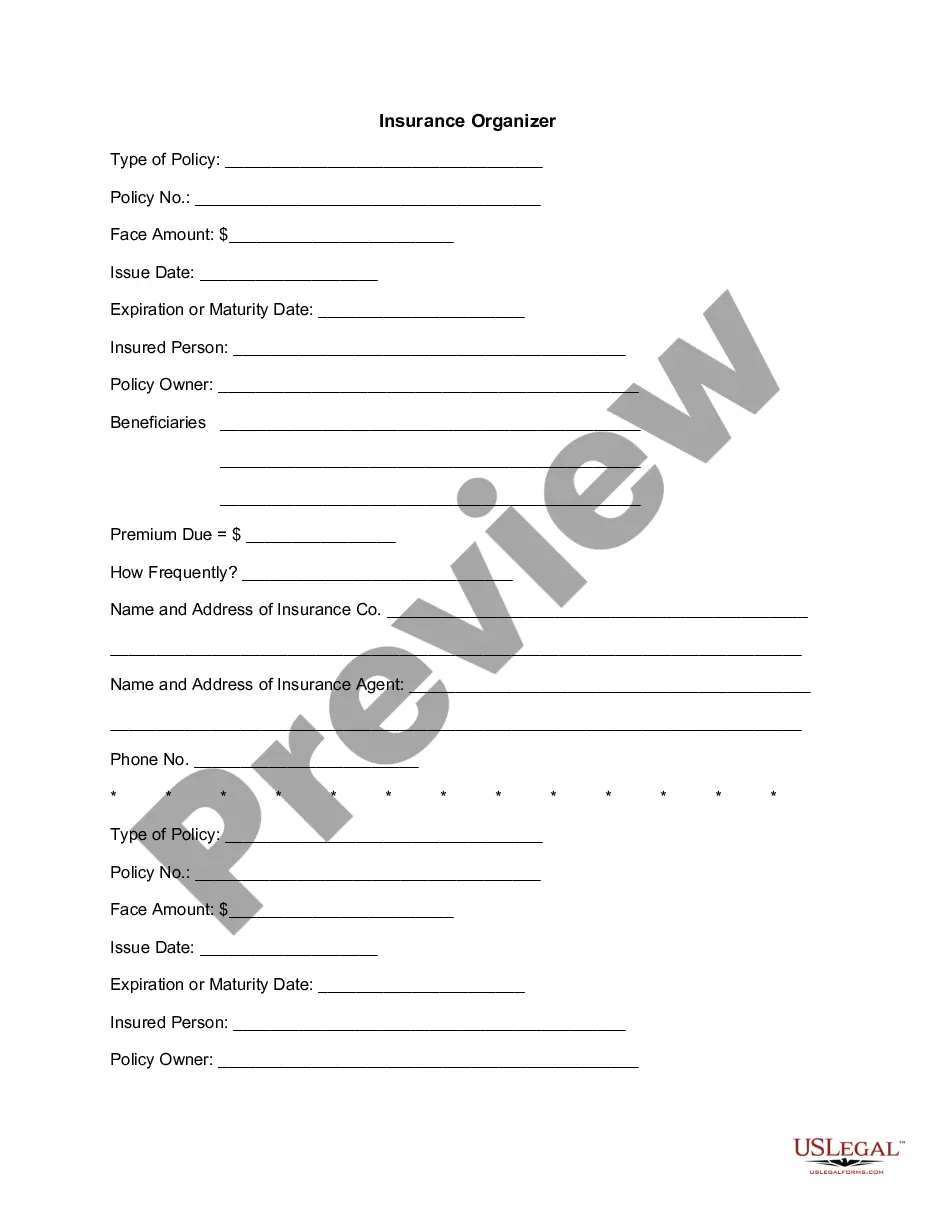
The North Dakota New State Resident Package includes essential legal documents designed for individuals who have relocated to North Dakota. This package simplifies the process of organizing your legal affairs by providing state-specific forms, ensuring you are prepared for both legal and non-legal matters arising from your move. It stands out from similar packages by focusing specifically on the unique requirements and considerations for new residents in North Dakota, including health care directives and powers of attorney.
Forms included in this package
Common use cases
This form package is useful during various scenarios, including:
- Following your move to North Dakota and wanting to establish essential legal documents.
- If you need to appoint someone to handle healthcare decisions in case of incapacity.
- When you require a trusted individual to manage your financial affairs.
- To familiarize yourself with North Dakota's residency requirements and legal obligations.
Who should use this form package
- New residents of North Dakota.
- Individuals looking to set up their legal affairs following a relocation.
- Anyone needing to establish healthcare and financial decision-making documents.
- People unfamiliar with North Dakota residency laws and requirements.
Instructions for completing these forms
- Review the included forms to understand their purpose and requirements.
- Identify the parties involved and enter their information where prompted.
- Complete the Last Will and Testament, ensuring all necessary details are included.
- Fill out the Statutory Health Care Directive and the General Power of Attorney, making sure to select your appointed agents.
- Consult the New Resident Guide for essential information on residency requirements in North Dakota.
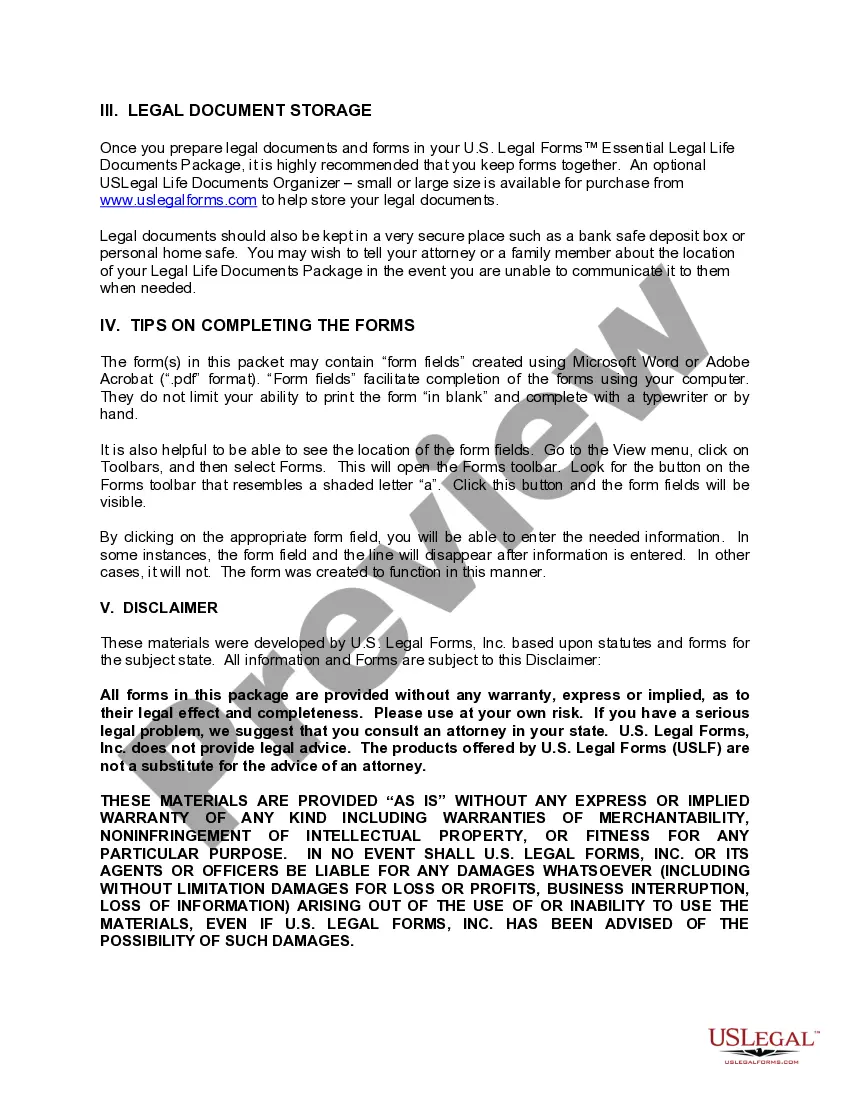
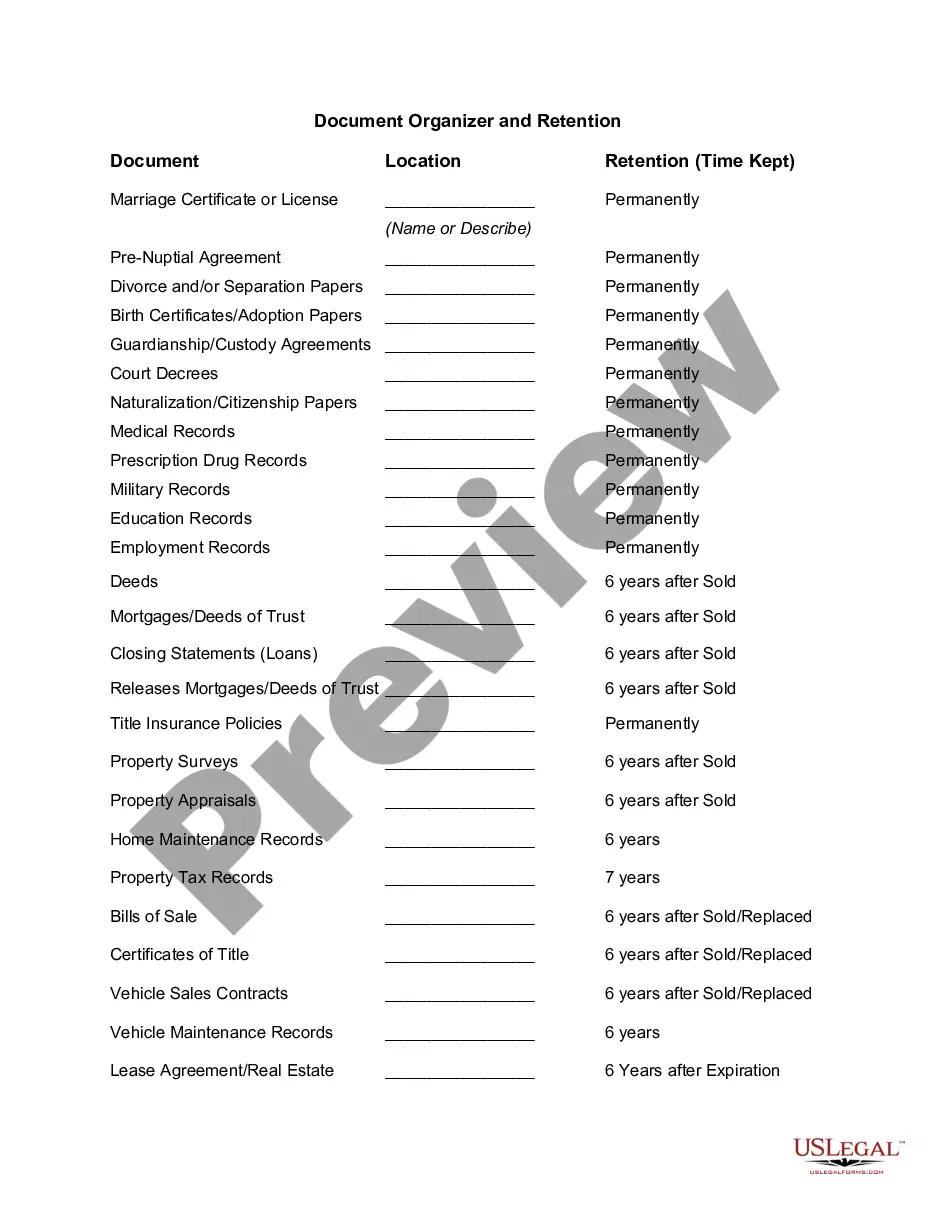
- Store completed forms securely in a safe place, such as a safe deposit box or home safe.
Notarization details for included forms
Some forms in this package need notarization to be legally binding. Our online notarization service, powered by Notarize, lets you verify and sign documents remotely through an encrypted video session, available 24/7.
Get your form ready online
Our built-in tools help you complete, sign, share, and store your documents in one place.
Make edits, fill in missing information, and update formatting in US Legal Forms—just like you would in MS Word.
Download a copy, print it, send it by email, or mail it via USPS—whatever works best for your next step.
Sign and collect signatures with our SignNow integration. Send to multiple recipients, set reminders, and more. Go Premium to unlock E-Sign.
If this form requires notarization, complete it online through a secure video call—no need to meet a notary in person or wait for an appointment.
We protect your documents and personal data by following strict security and privacy standards.

Make edits, fill in missing information, and update formatting in US Legal Forms—just like you would in MS Word.

Download a copy, print it, send it by email, or mail it via USPS—whatever works best for your next step.

Sign and collect signatures with our SignNow integration. Send to multiple recipients, set reminders, and more. Go Premium to unlock E-Sign.

If this form requires notarization, complete it online through a secure video call—no need to meet a notary in person or wait for an appointment.

We protect your documents and personal data by following strict security and privacy standards.
Mistakes to watch out for
- Failing to appoint a trusted individual for the General Power of Attorney.
- Not providing complete information in the Last Will and Testament.
- Overlooking the need to update documents after moving to a new state.
- Neglecting to sign and date the forms as required.
Benefits of completing this package online
- Convenience of downloading forms at any time.
- Editable forms that can be customized to fit your specific needs.
- Reliable materials developed by licensed attorneys based on North Dakota law.
Quick recap
- The North Dakota New State Resident Package is essential for new residents.
- It includes key documents like a Last Will and Testament and General Power of Attorney.
- Understanding and completing these forms can protect your legal interests in North Dakota.
Looking for another form?
Form popularity
FAQ
A completed Application for Certificate of Title and Registration of a vehicle. A valid driver's license. A signed copy of the vehicle's title. Proof of car insurance.
In simple situations where you own the vehicle outright and wish to transfer ownership to someone else, all you must do is complete a title certificate. Once you have filled out and signed the certificate, the buyer or recipient can take the title to a local DMV office and officially transfer ownership.
The fee for a REAL ID-compliant driver license is the same as the fee for a non-compliant license. If you are renewing and keeping a non-compliant credential, it is $15; if you are renewing and upgrading to a REAL ID-compliant credential, it is $15.
If you are planning to change your residency status, you must complete the North Dakota Residency Tuition Application and be approved for the residency change on or before the first class day of the semester.
On the front of the title, near the middle, the seller must write in the current odometer reading on the vehicle. Near the bottom, the seller must fill in the following information on the appropriate lines: Date the vehicle was sold, and their printed name and signed name (which should be written on the same line).
To determine if a North Dakota driver license is REAL ID-compliant, look for a small star inside a gold circle in the upper right-hand corner. The presence of the icon will indicate that the driver license is REAL ID-compliant. Congress passed The REAL ID Act in 2005.
U.S. birth certificate (state certified; Government issued) Valid, unexpired U.S. passport. Report of Birth Abroad issued by the U.S. Department of State. Certificate of Naturalization. Certificate of Citizenship. Valid, unexpired Permanent Resident Card.
U.S. birth certificate (state certified; Government issued) Valid, unexpired U.S. passport. Report of Birth Abroad issued by the U.S. Department of State. Certificate of Naturalization. Certificate of Citizenship. Valid, unexpired Permanent Resident Card.
You will be asked to bring two proofs of residency (utility bills, bank statements, etc.); proof of identity and legal residence in the United States (a birth certificate, U.S. passport or permanent resident card); and a Social Security card (not just the number).