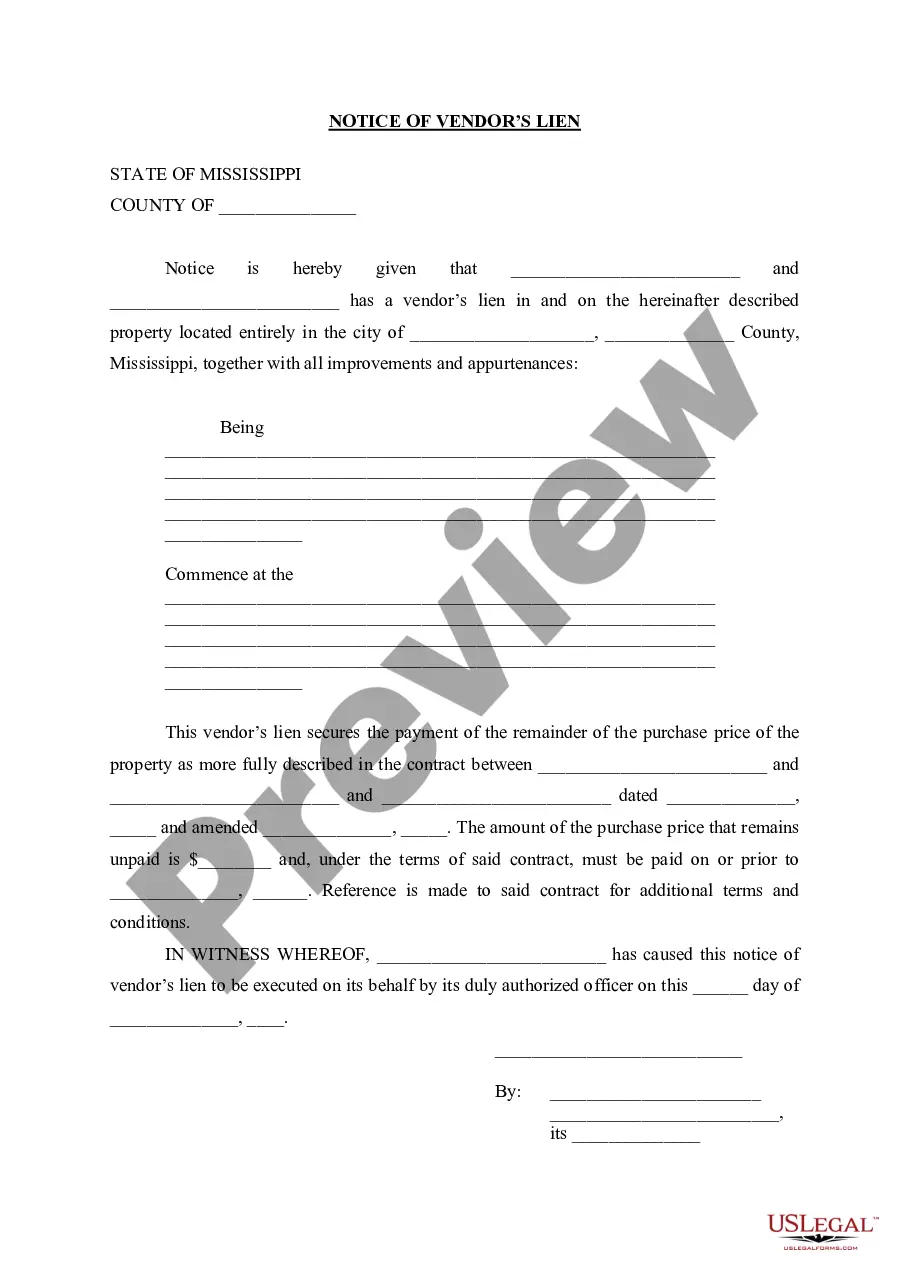
North Dakota Security Contract for Contractor
What is this form?
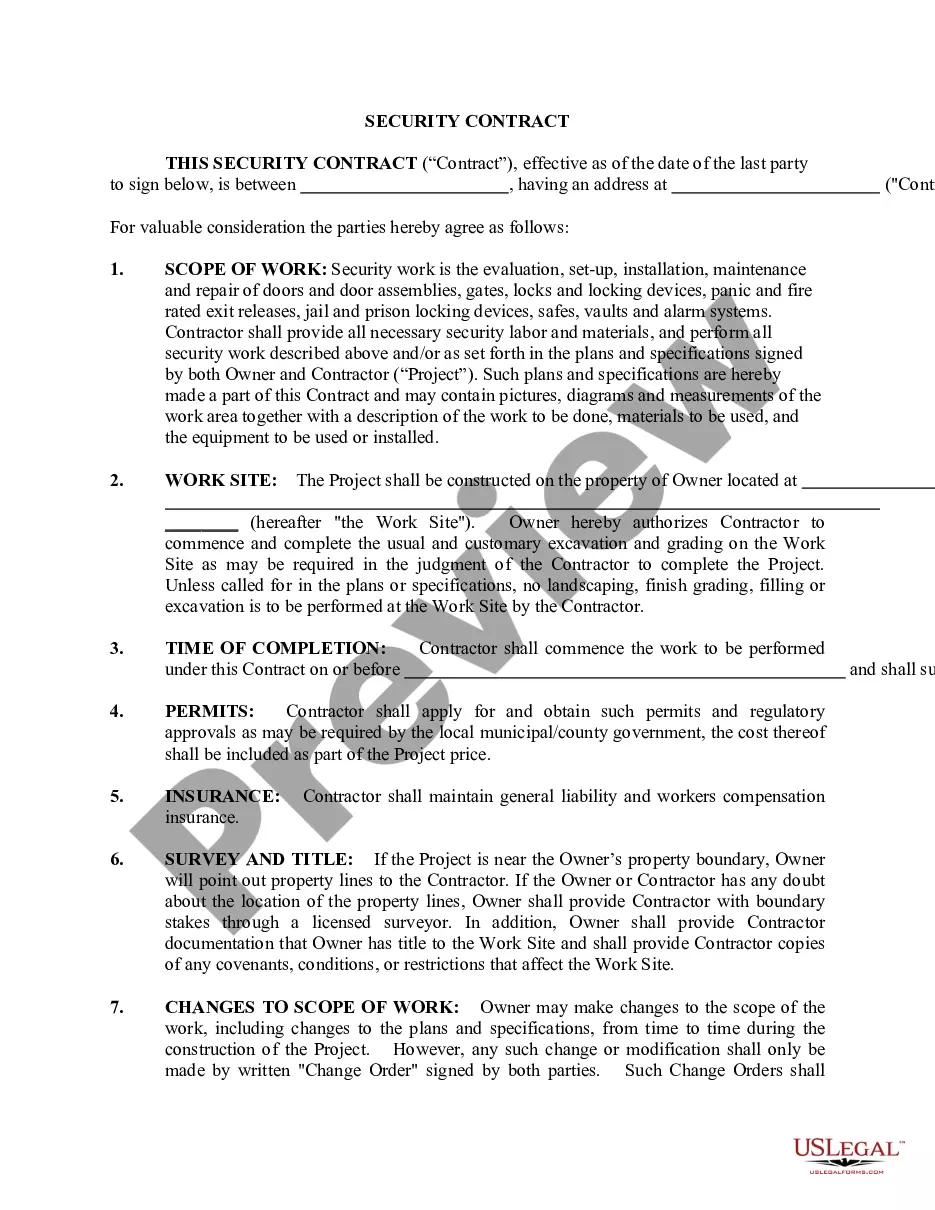
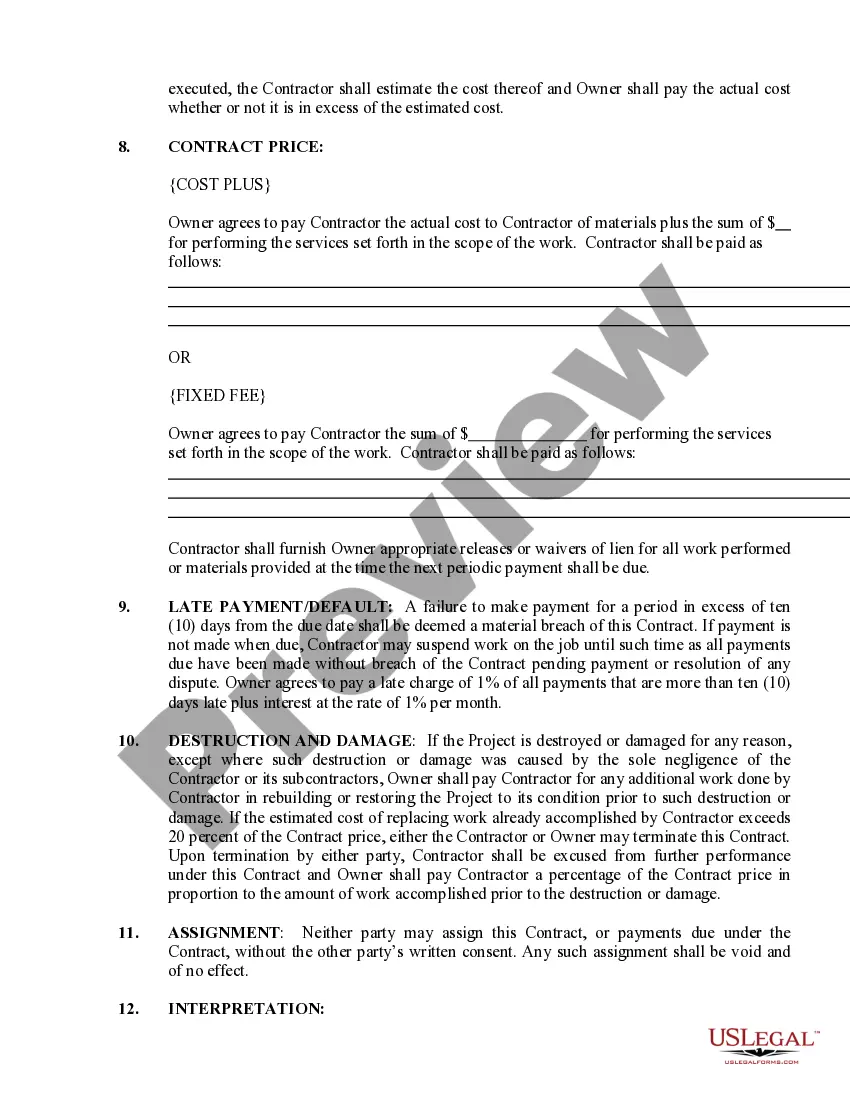
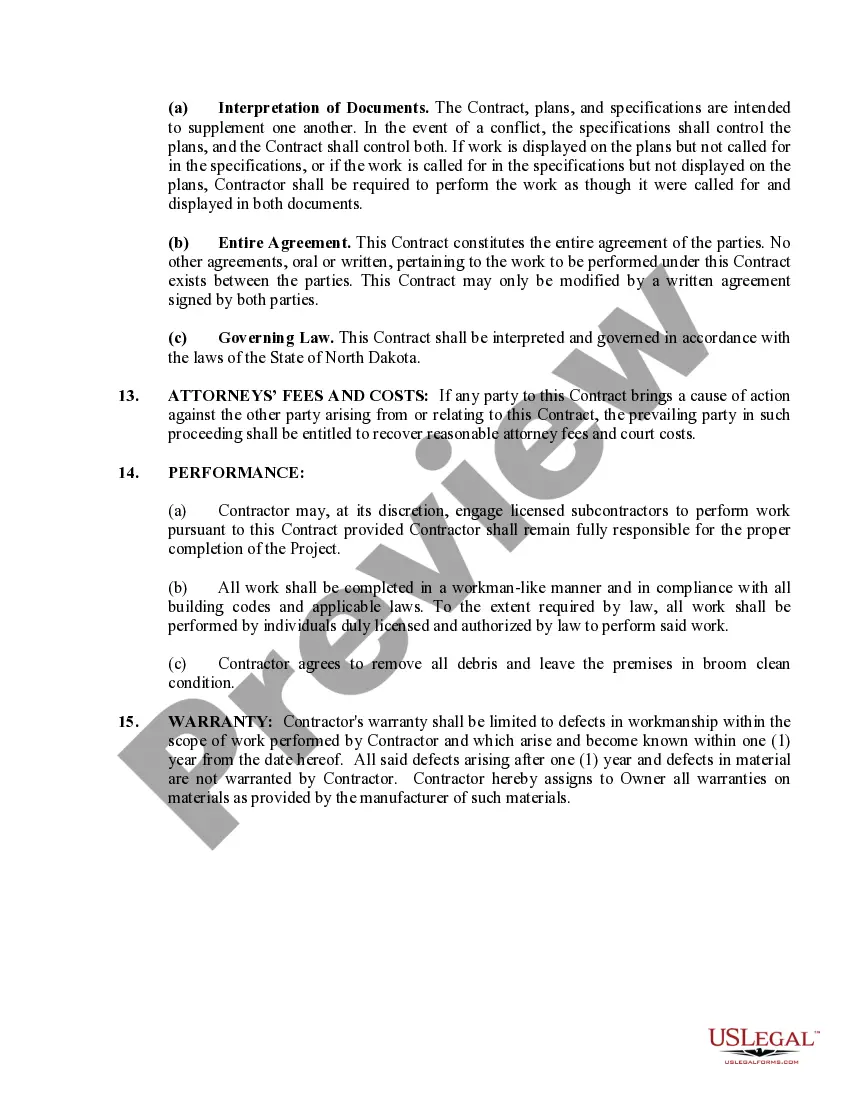
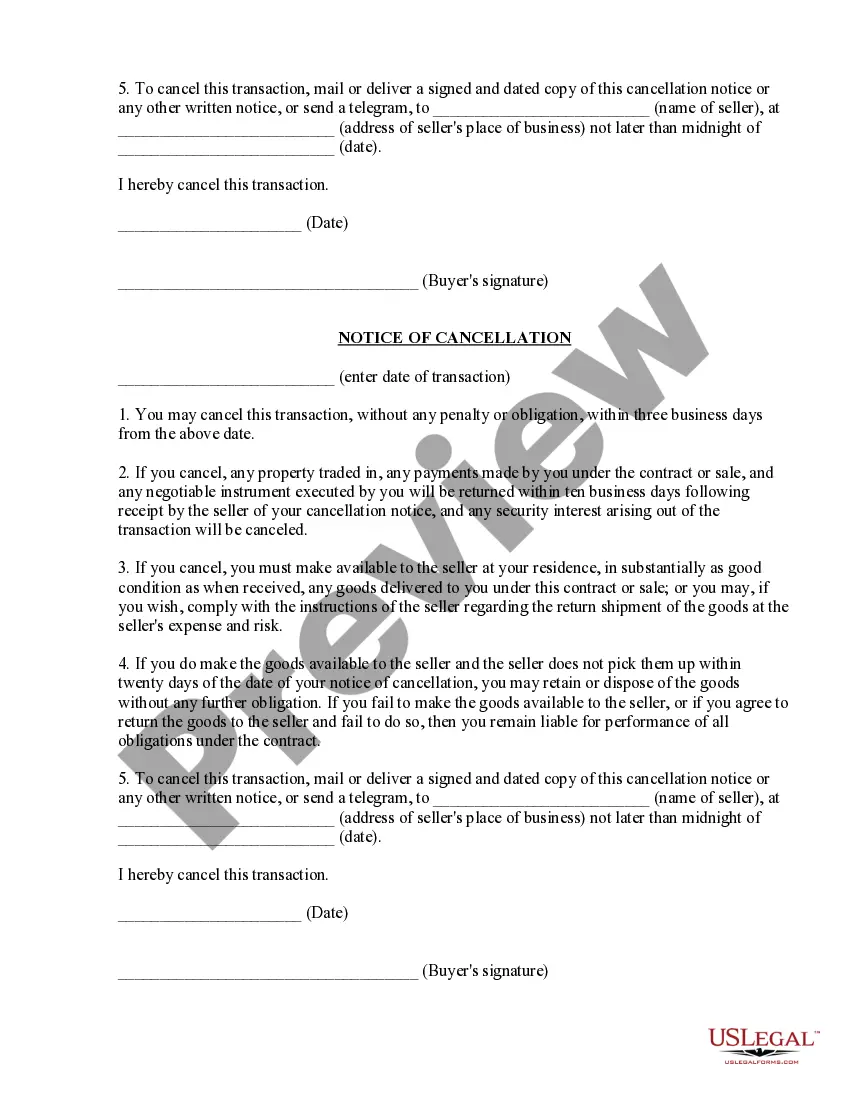
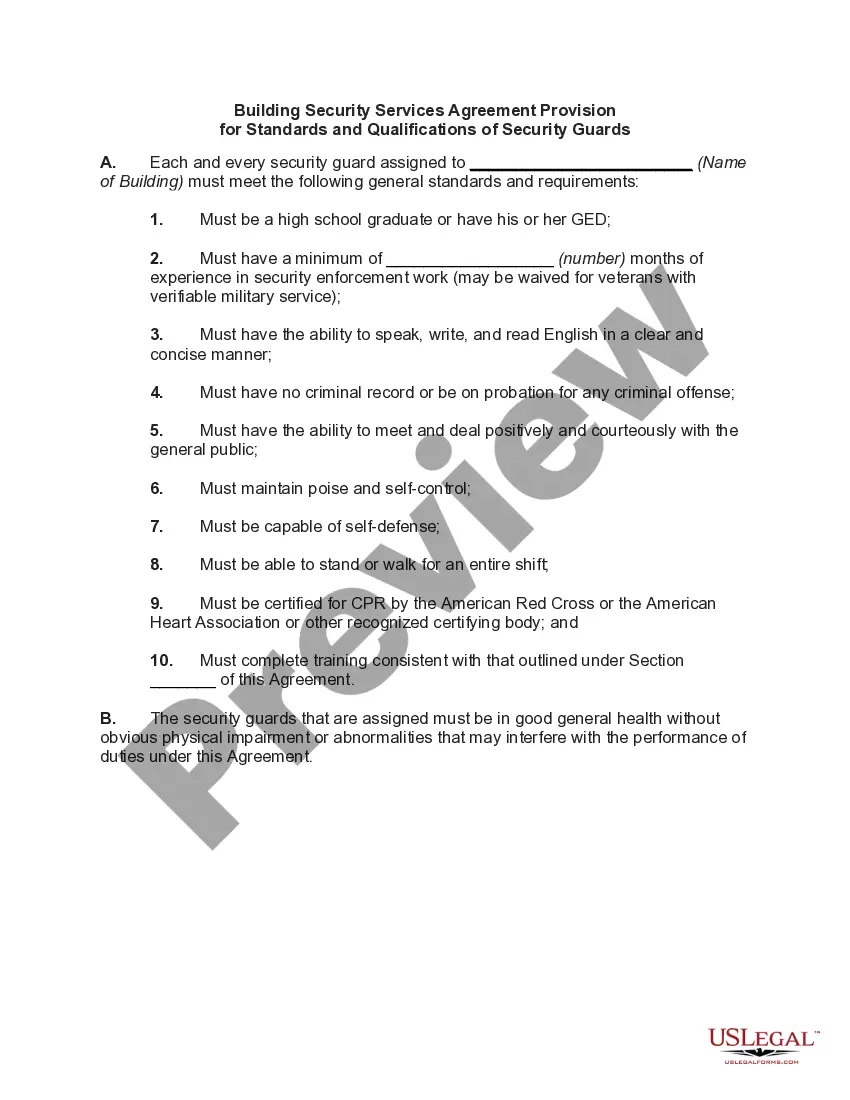
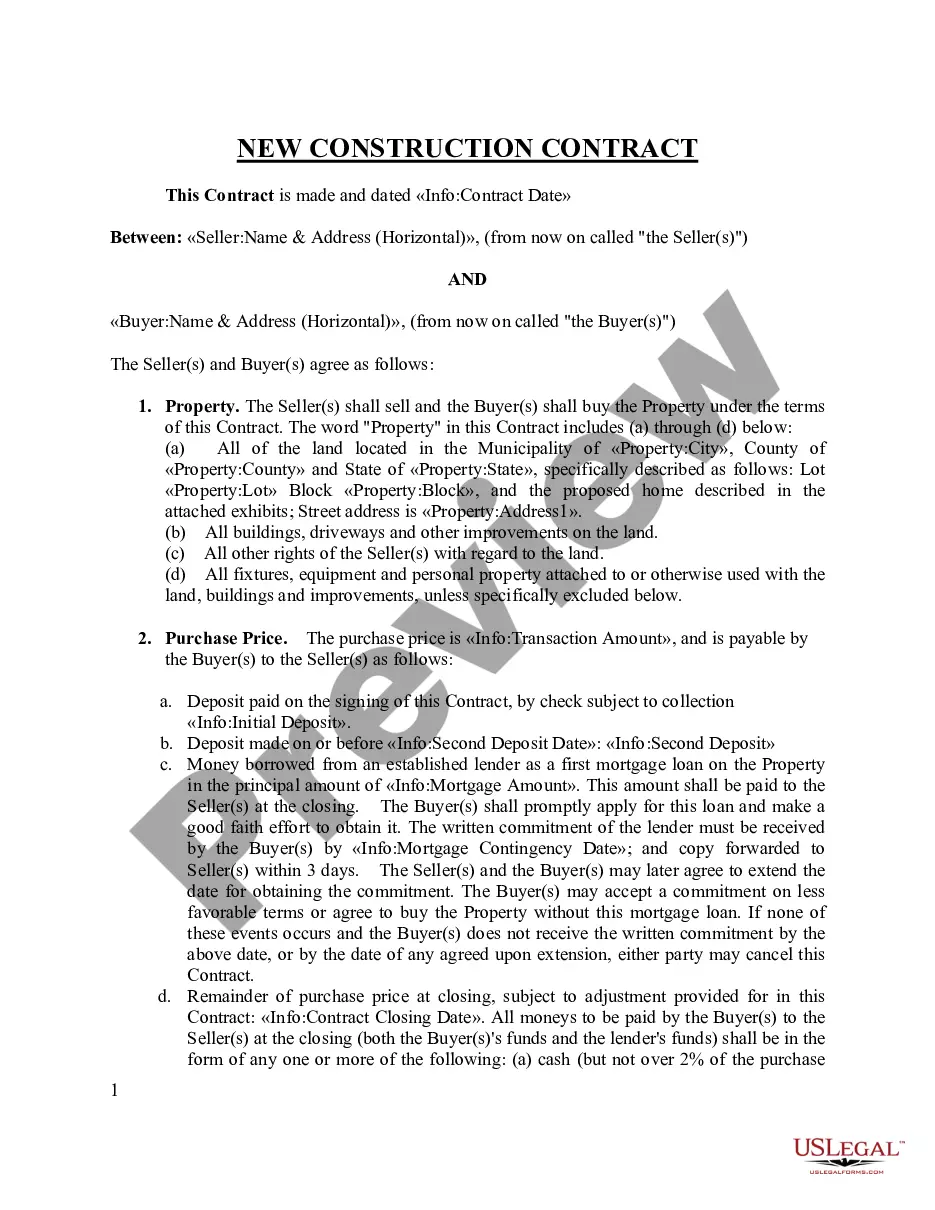
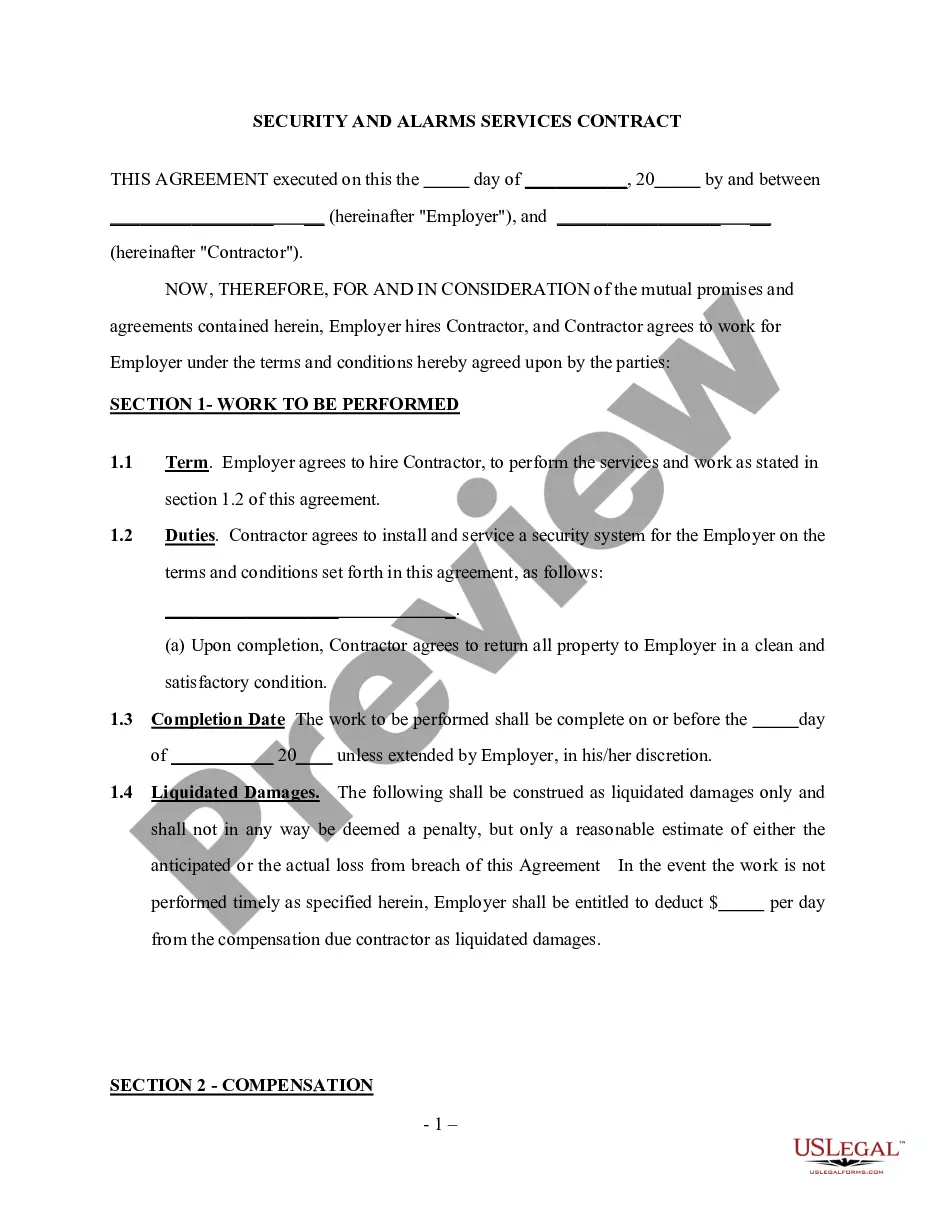
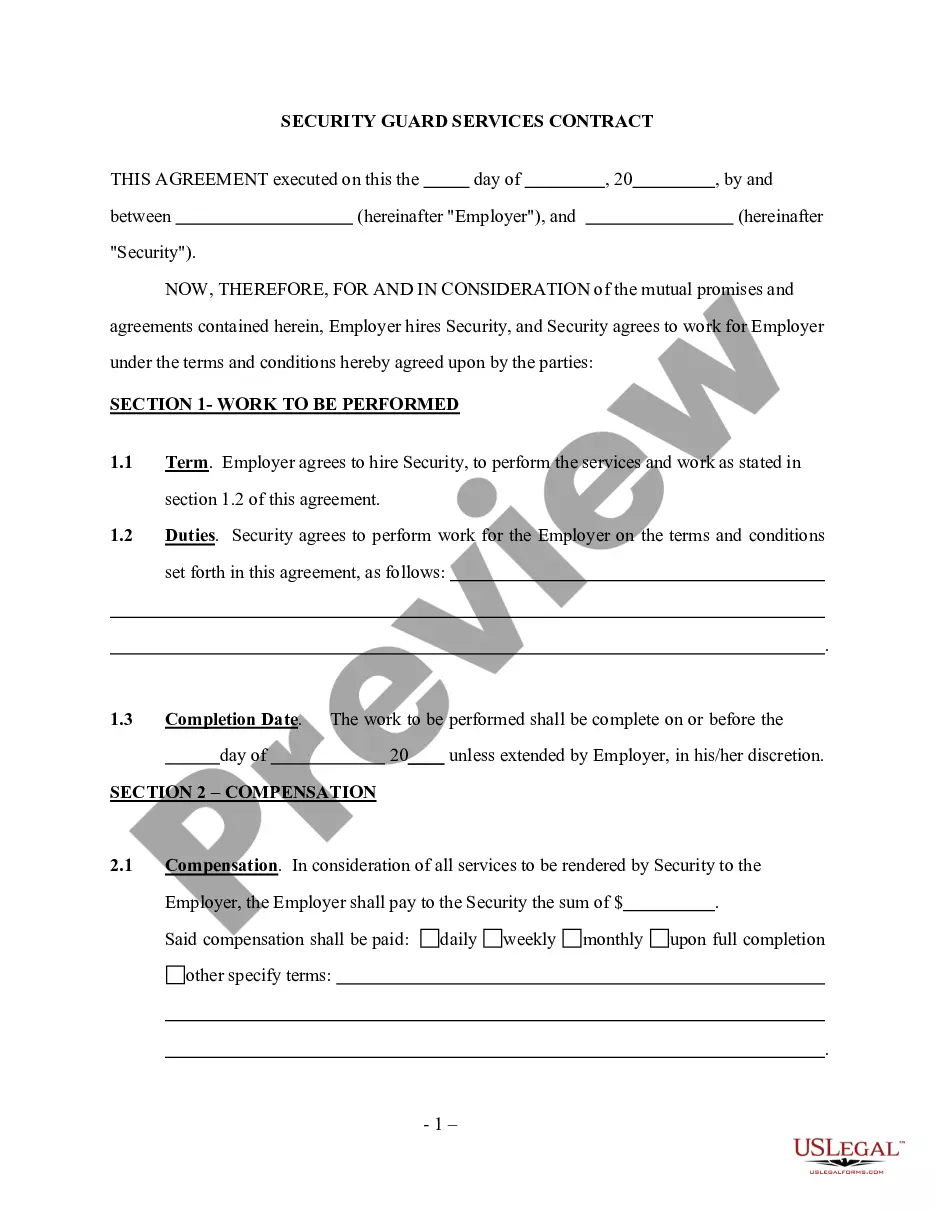
The Security Contract for Contractor is a legally binding document used between security contractors and property owners. This contract outlines the terms of engagement, including payment arrangements, responsibilities regarding permits, insurance requirements, and procedures for handling changes in the scope of work. It ensures that both parties are protected and understand their obligations, differing from similar forms by providing specific guidelines tailored for the laws of North Dakota.
What’s included in this form
- Permits: Details on the contractor's responsibility to obtain necessary permits.
- Insurance: Requires the contractor to maintain liability and workers compensation insurance.
- Change Orders: Procedures for making changes to the scope of work, including written agreements.
- Contract Price: Clarification on how changes affect the overall contract price.
- Destruction and Damage: Specifies the obligations of both parties in the event of project damage.
- Assignment: Restricts assignment of the contract without mutual consent.


Common use cases
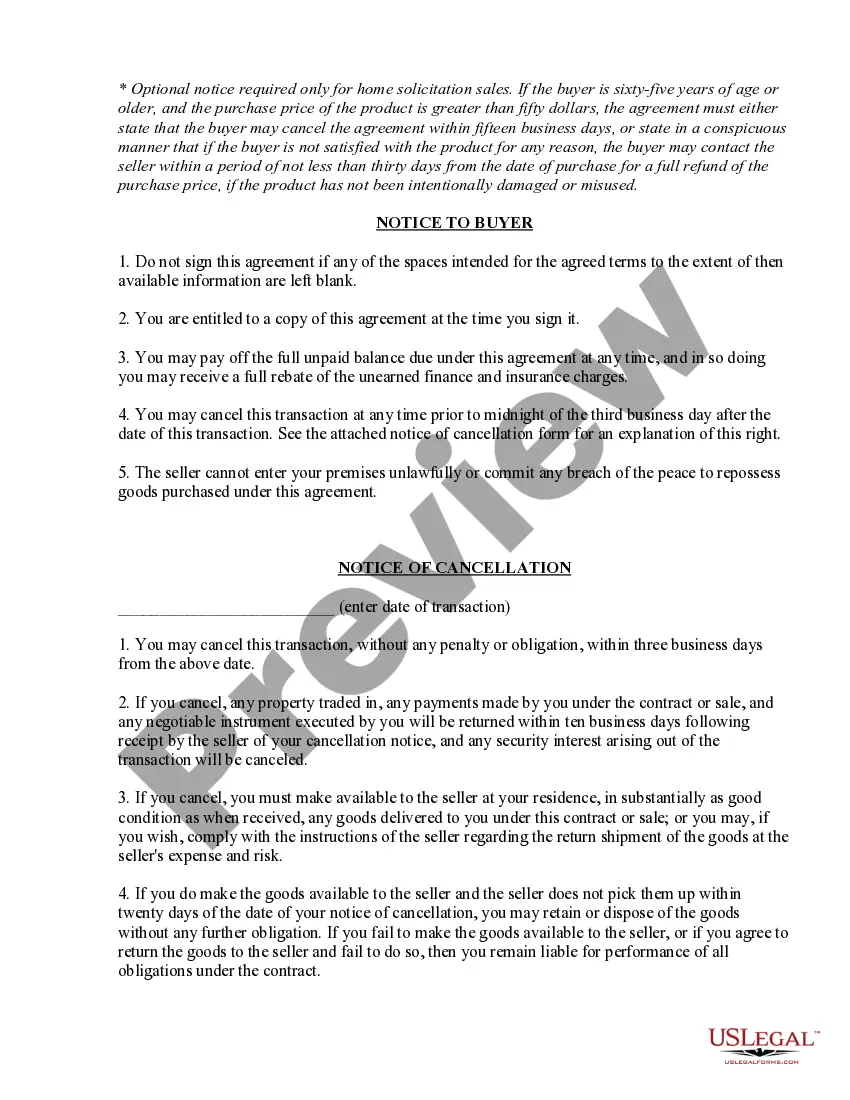
This form is essential when a property owner engages a security contractor to provide security services for a specific project. Utilize this contract when establishing clear financial terms, detailing expectations for work, and ensuring compliance with local regulations. It is particularly useful in projects where changes may be needed during the work, requiring formal documentation to track those changes.
Intended users of this form
- Property owners seeking security services for projects.
- Security contractors looking to outline their responsibilities and terms of payment.
- Individuals or organizations managing construction sites.
- Both parties looking to ensure legal compliance and protect their interests.
Instructions for completing this form
- Identify the parties involved: Complete the names and contact information of the contractor and the property owner.
- Specify the project details: Clearly outline the project scope and location.
- Enter payment terms: Indicate whether the payment will be cost plus or fixed fee.
- Include necessary permits: Ensure that the contractor acknowledges their duty to secure permits.
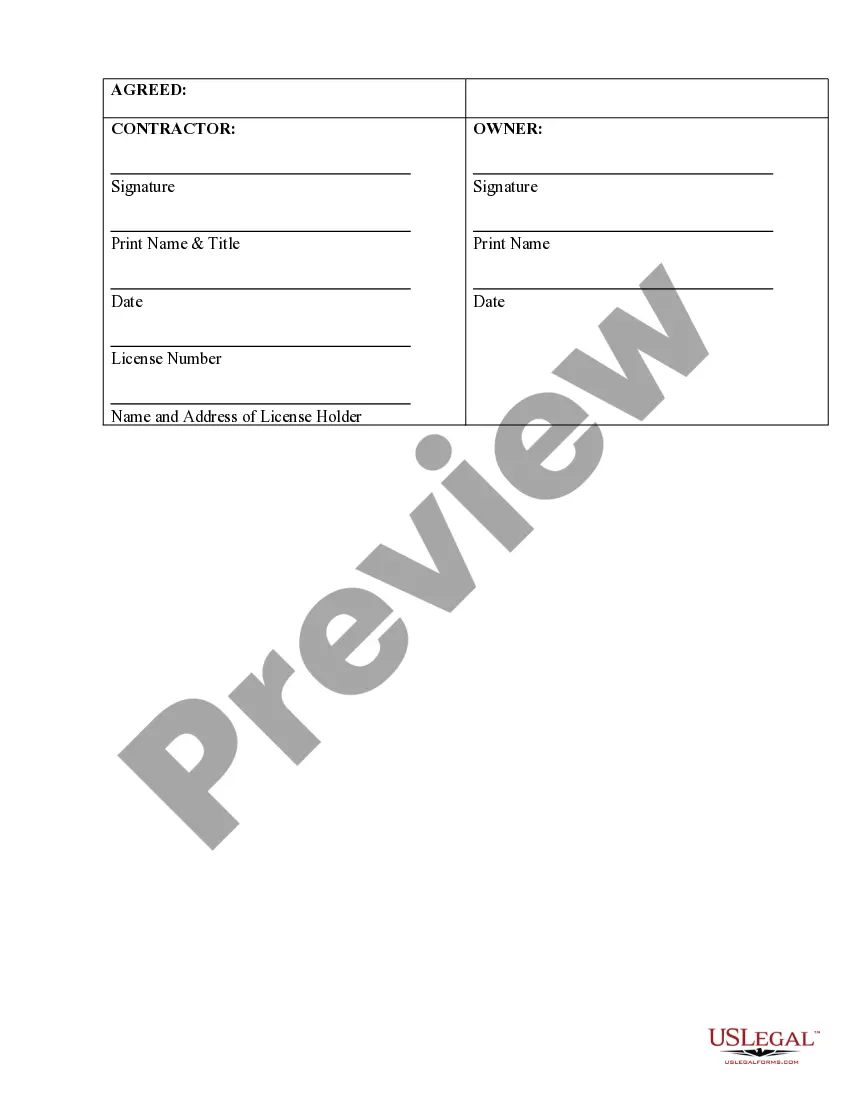
- Obtain signatures: Both parties should sign and date the contract to validate the agreement.
Does this document require notarization?
This form does not typically require notarization to be legally valid. However, some jurisdictions or document types may still require it. US Legal Forms provides secure online notarization powered by Notarize, available 24/7 for added convenience.
Get your form ready online
Our built-in tools help you complete, sign, share, and store your documents in one place.
Make edits, fill in missing information, and update formatting in US Legal Forms—just like you would in MS Word.
Download a copy, print it, send it by email, or mail it via USPS—whatever works best for your next step.
Sign and collect signatures with our SignNow integration. Send to multiple recipients, set reminders, and more. Go Premium to unlock E-Sign.
If this form requires notarization, complete it online through a secure video call—no need to meet a notary in person or wait for an appointment.
We protect your documents and personal data by following strict security and privacy standards.

Make edits, fill in missing information, and update formatting in US Legal Forms—just like you would in MS Word.

Download a copy, print it, send it by email, or mail it via USPS—whatever works best for your next step.

Sign and collect signatures with our SignNow integration. Send to multiple recipients, set reminders, and more. Go Premium to unlock E-Sign.

If this form requires notarization, complete it online through a secure video call—no need to meet a notary in person or wait for an appointment.

We protect your documents and personal data by following strict security and privacy standards.
Common mistakes
- Failing to specify all project details, which can lead to misunderstandings.
- Not obtaining necessary permits before commencing work.
- Leaving payment terms ambiguous, causing disputes later.
- Neglecting to document changes formally through signed amendments.
Benefits of using this form online
- Conveniency of access: Download and complete the form at your convenience.
- Editability: Easily modify the document to suit specific project needs.
- Reliability: Each form is drafted by licensed attorneys to ensure legal compliance.
Legal use & context
- Important for establishing clear legal obligations between parties.
- Helps avoid misunderstandings regarding project scope and responsibilities.
- Provides a legal framework that enhances enforceability in case of disputes.
Summary of main points
- The Security Contract for Contractor is essential for defining the relationship between security contractors and property owners.
- Important components include insurance requirements, project changes, and cost agreements.
- Always ensure this contract aligns with North Dakota laws to ensure legality and protection.
Looking for another form?
Form popularity
FAQ
Perlman When dealing with independent contractors, companies shouldn't discipline them the same way they would an employee. Instead, the remedy for an independent contractor not complying with company expectations is to terminate or consider terminating the contract.
Each contractor who works on a project and the price per job, value, contractor, or cost goes over $2,000 is required to obtain a Contractor License for North Dakota. There are four licensure classes that are based on price per job, value, or cost.
If your independent contractor agreement contains a provision that allows the parties to terminate the relationship at any time, revise the agreement to include a notice provision with at least some kind of a notice period required for termination of the contract.
4235 is called the Protecting Independent Contractors from Discrimination Act of 2019. If passed, the bill would allow independent contractors to sue employers for discrimination based on race, sex, religion, color, national origin, age, disability and genetic heredity as well as wage theft.
As an independent contractor, it really depends on the terms of the contract you signed. If the contract allows them to suspend you, they can suspend you. If it doesn't then they can't.
For most types of projects you hire an independent contractor (IC) to do, the law does not require you to put anything in writing. You can meet with the IC, agree on the terms of your arrangement, and have an oral contract or agreement that is legally binding. Just because you can doesn't mean you should, however.
Contract workers and freelancers have few legal rights, compared with those hired as employees. Under federal law, a contract worker lacks the right to sue for sexual harassment or gender discrimination, for example, because workplace civil rights laws do not apply.
For most types of projects you hire an independent contractor (IC) to do, the law does not require you to put anything in writing. You can meet with the IC, agree on the terms of your arrangement, and have an oral contract or agreement that is legally binding. Just because you can doesn't mean you should, however.
As an independent contractor, you have the right to market your services to other businesses and can work with more than one client at a time. Even if you have a long-term contract with a particular client, you can choose to work on additional projects as well.