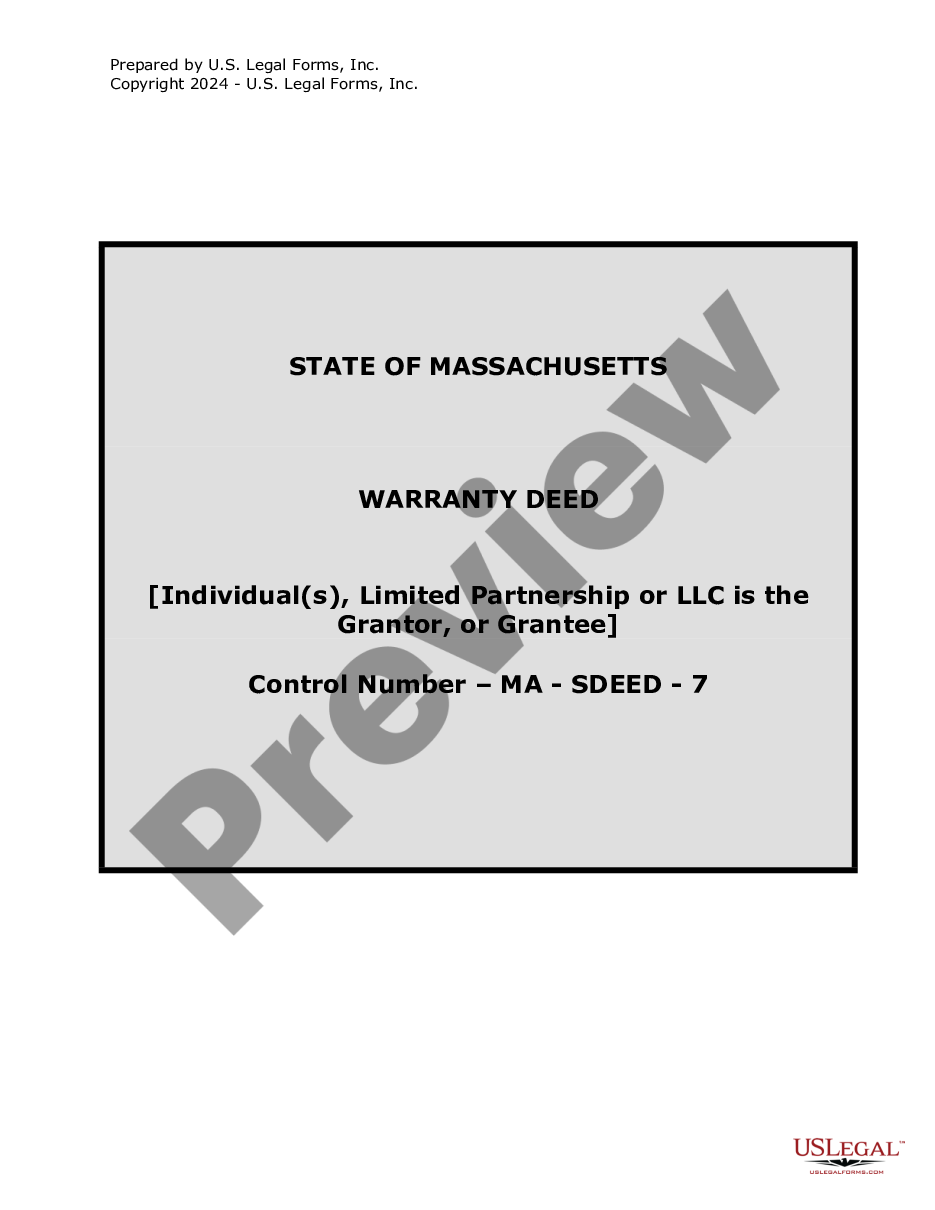
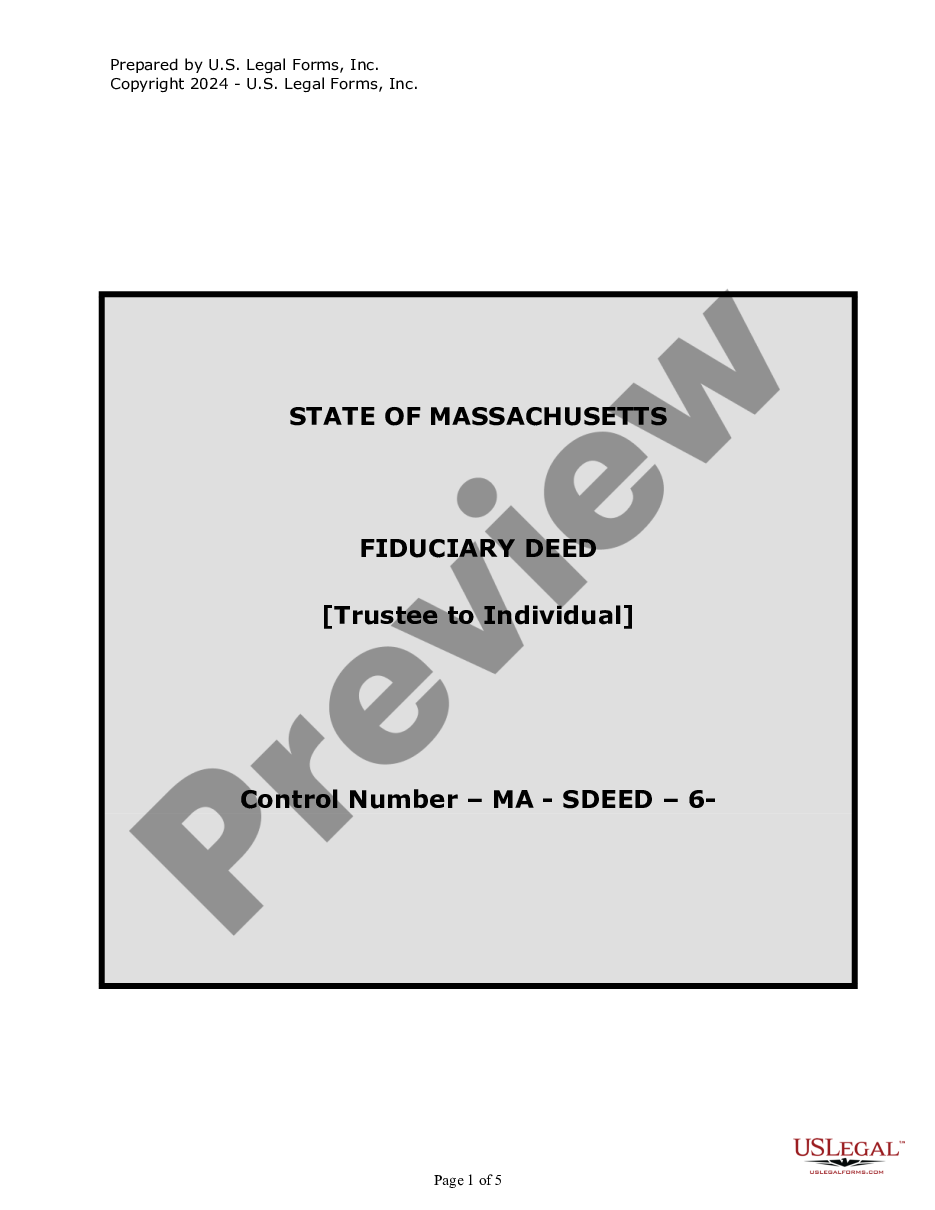
North Carolina Living Trust for Individual Who is Single, Divorced or Widow or Widower with Children
Description
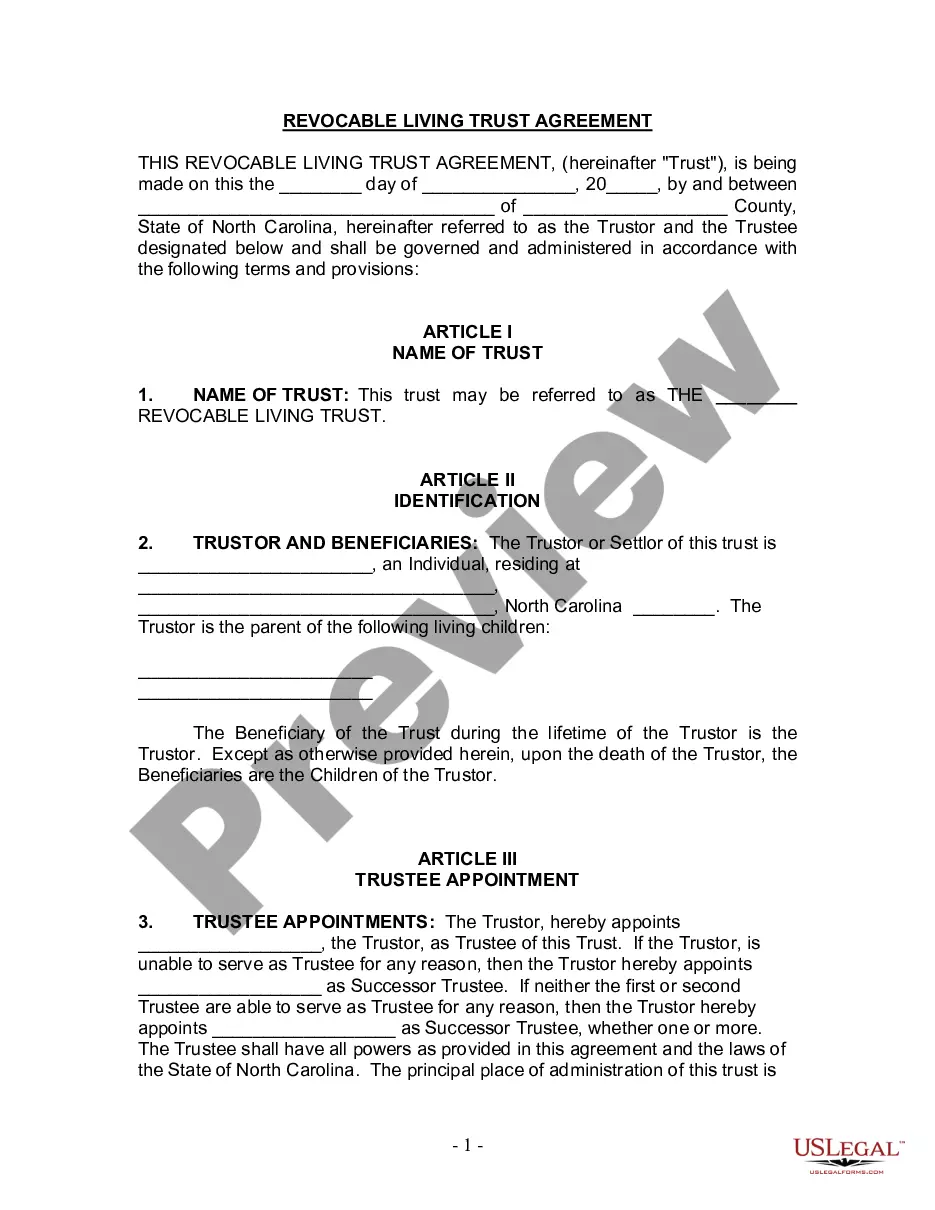
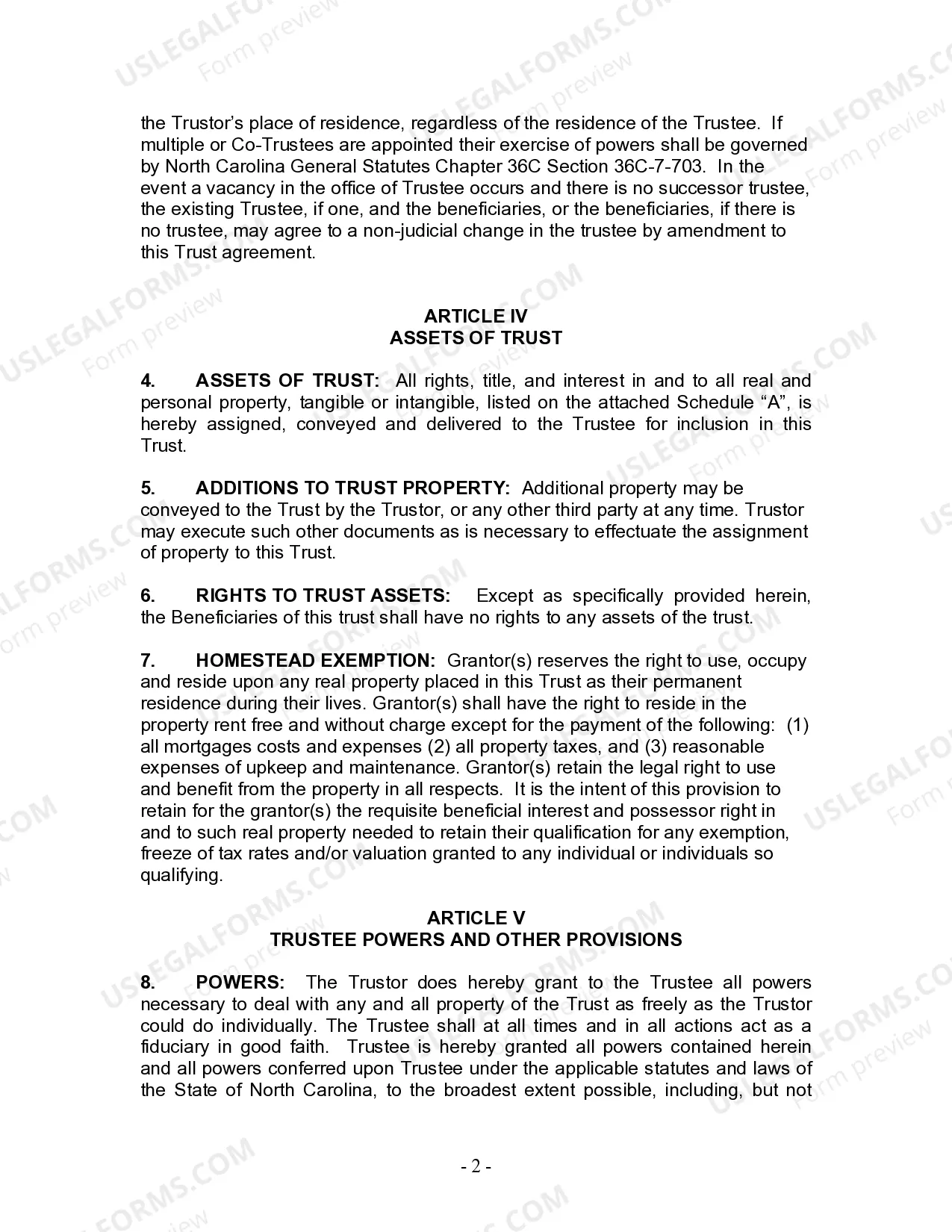
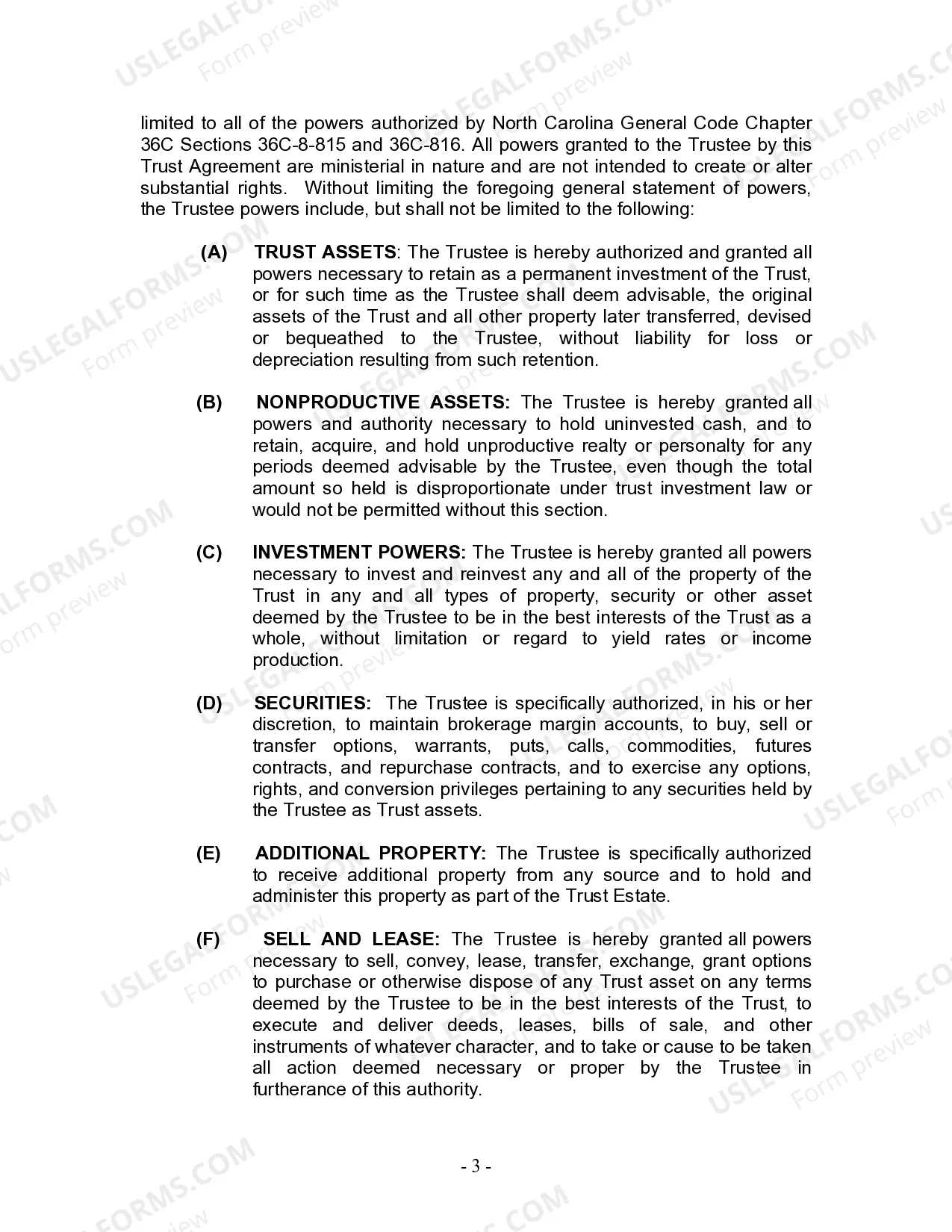
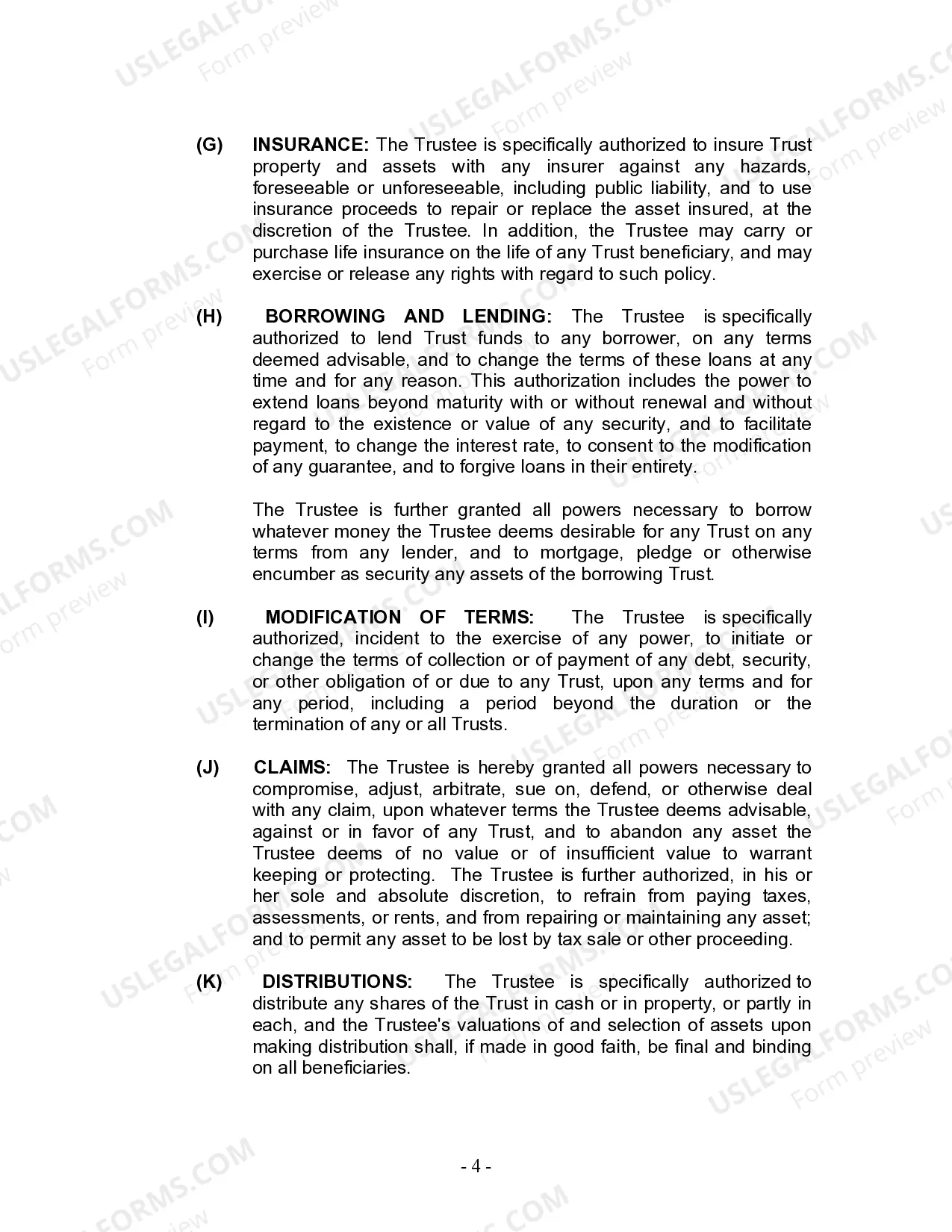
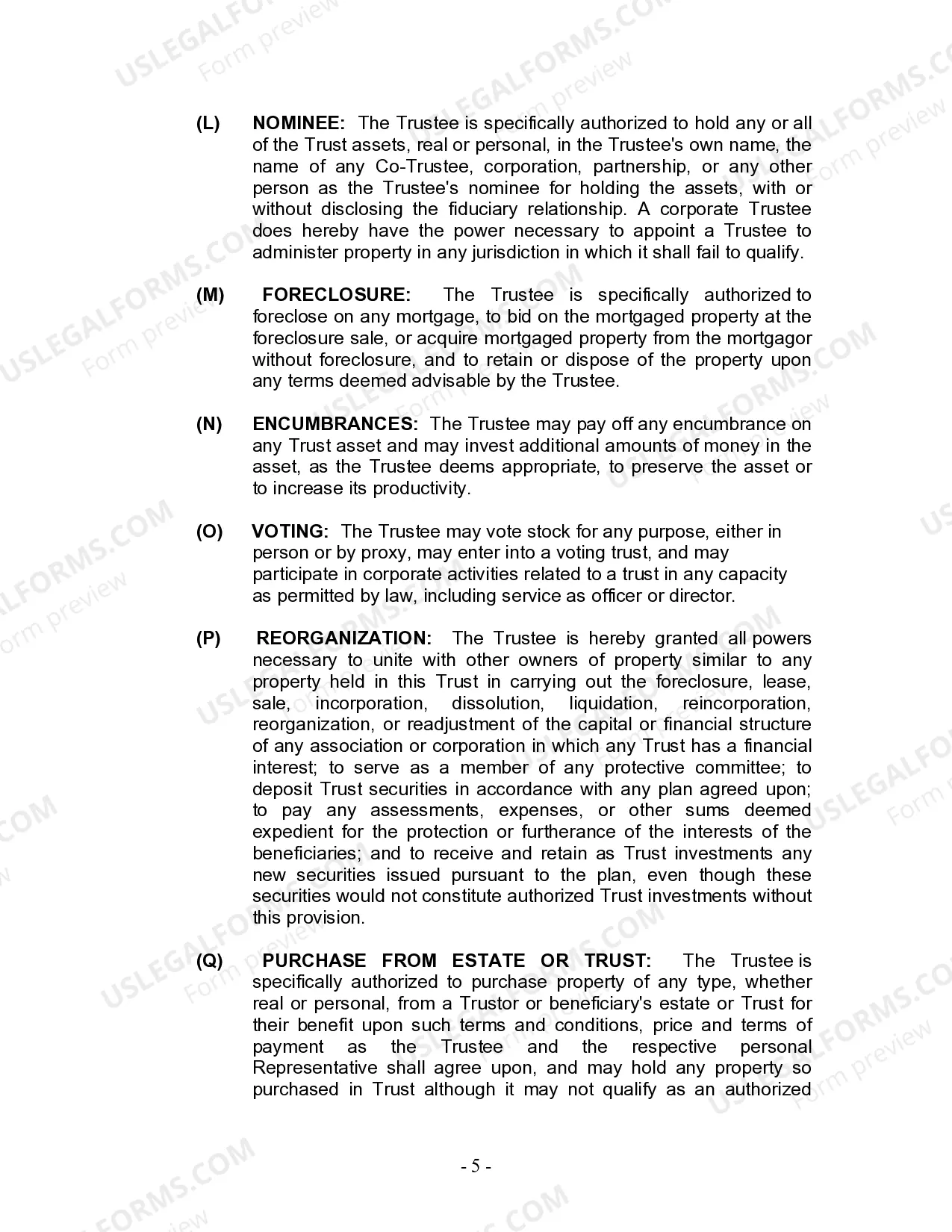
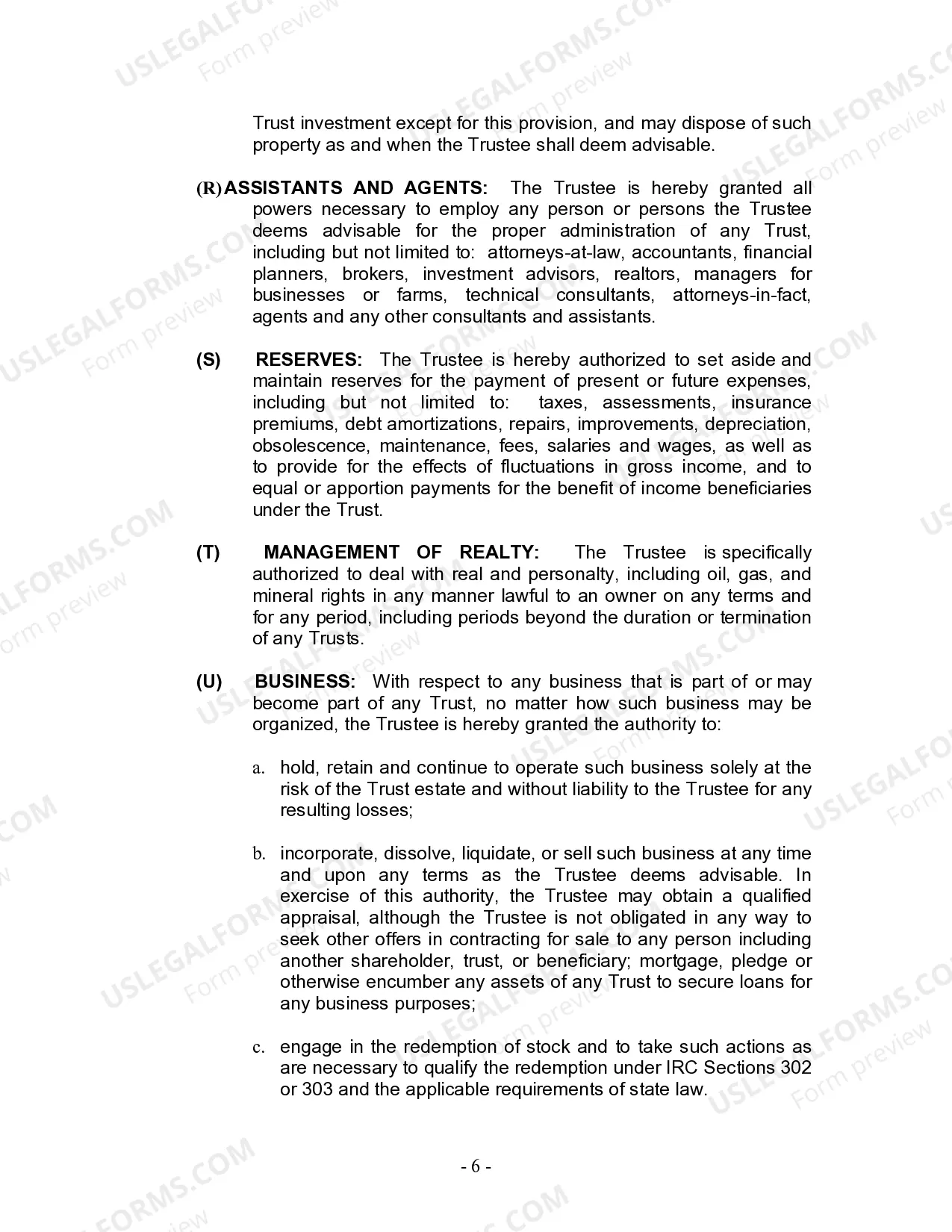
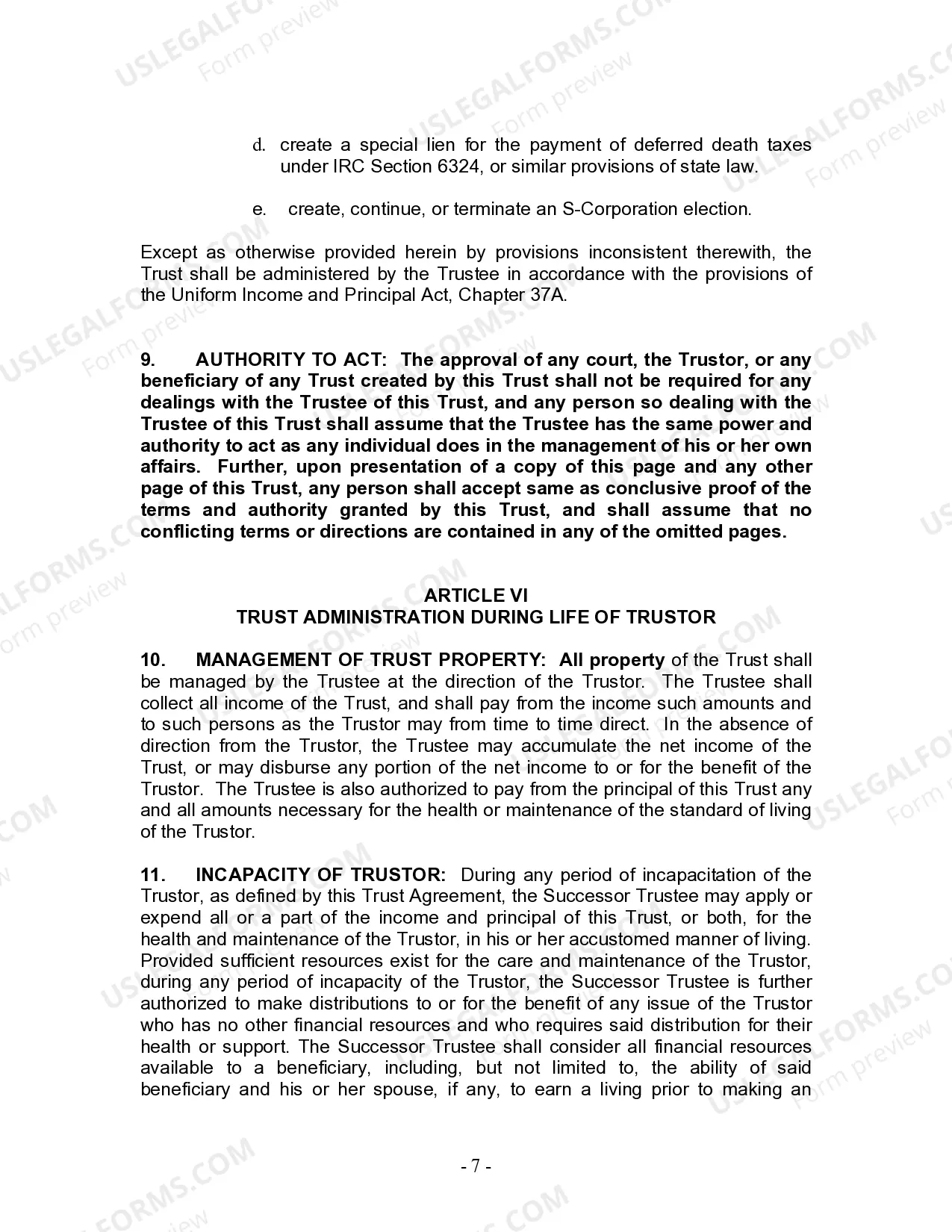
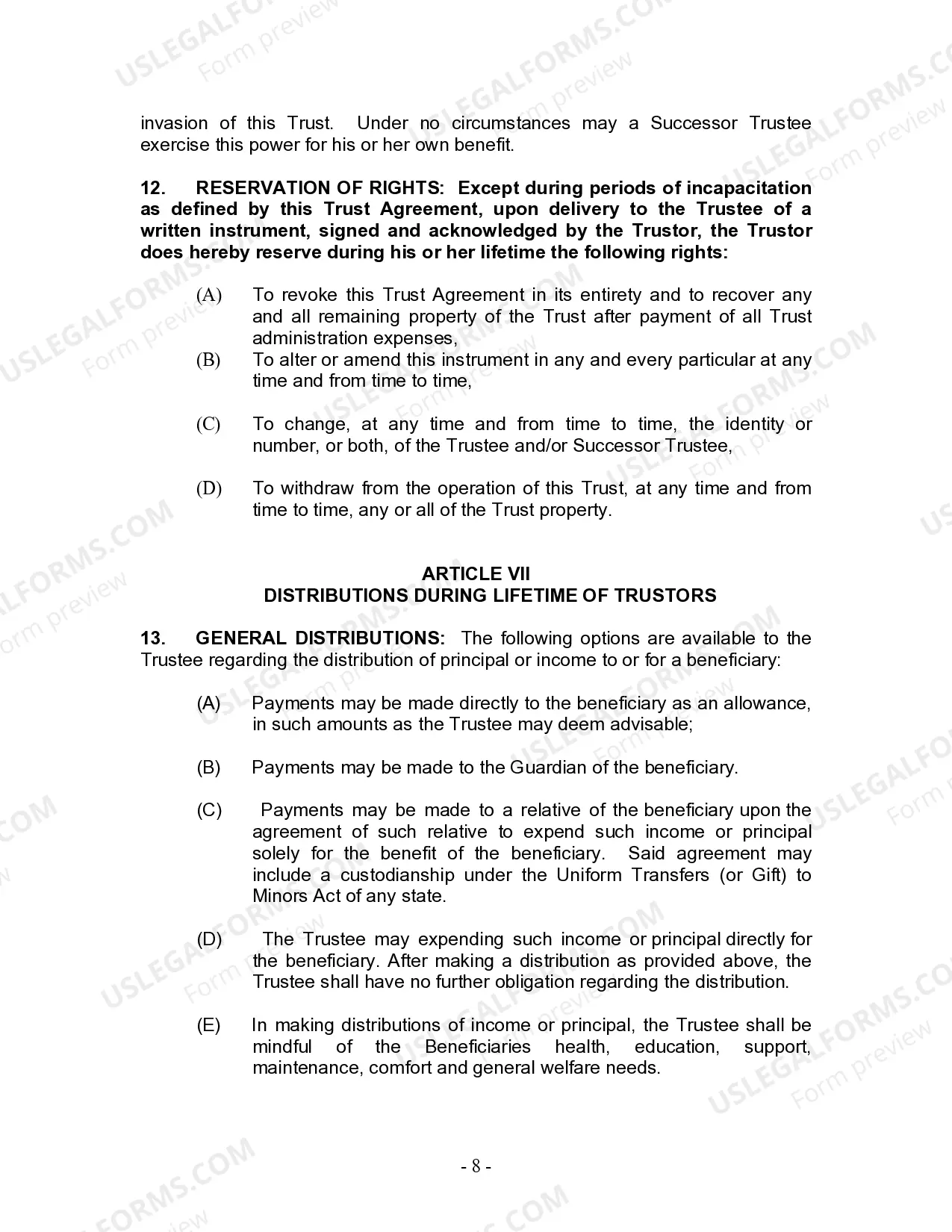
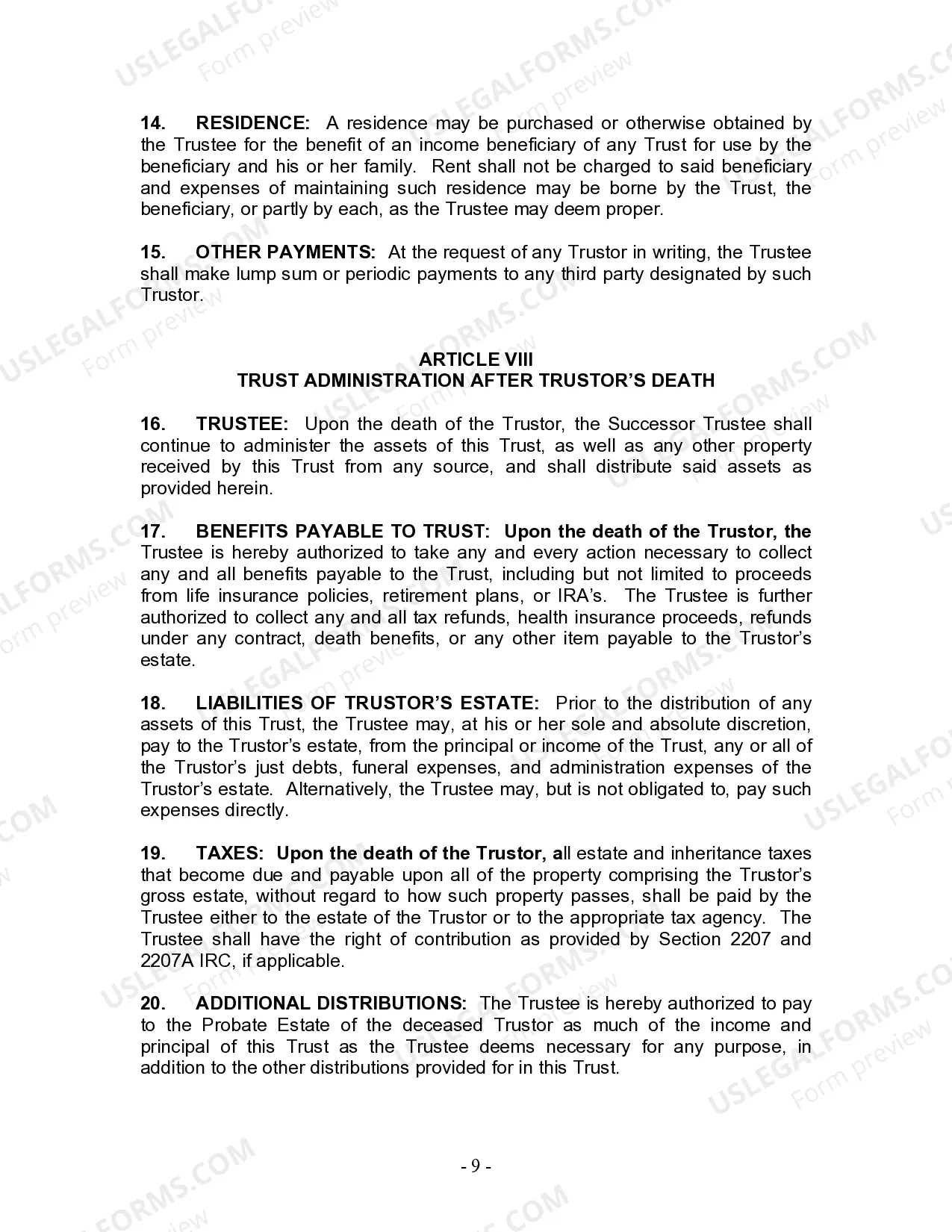
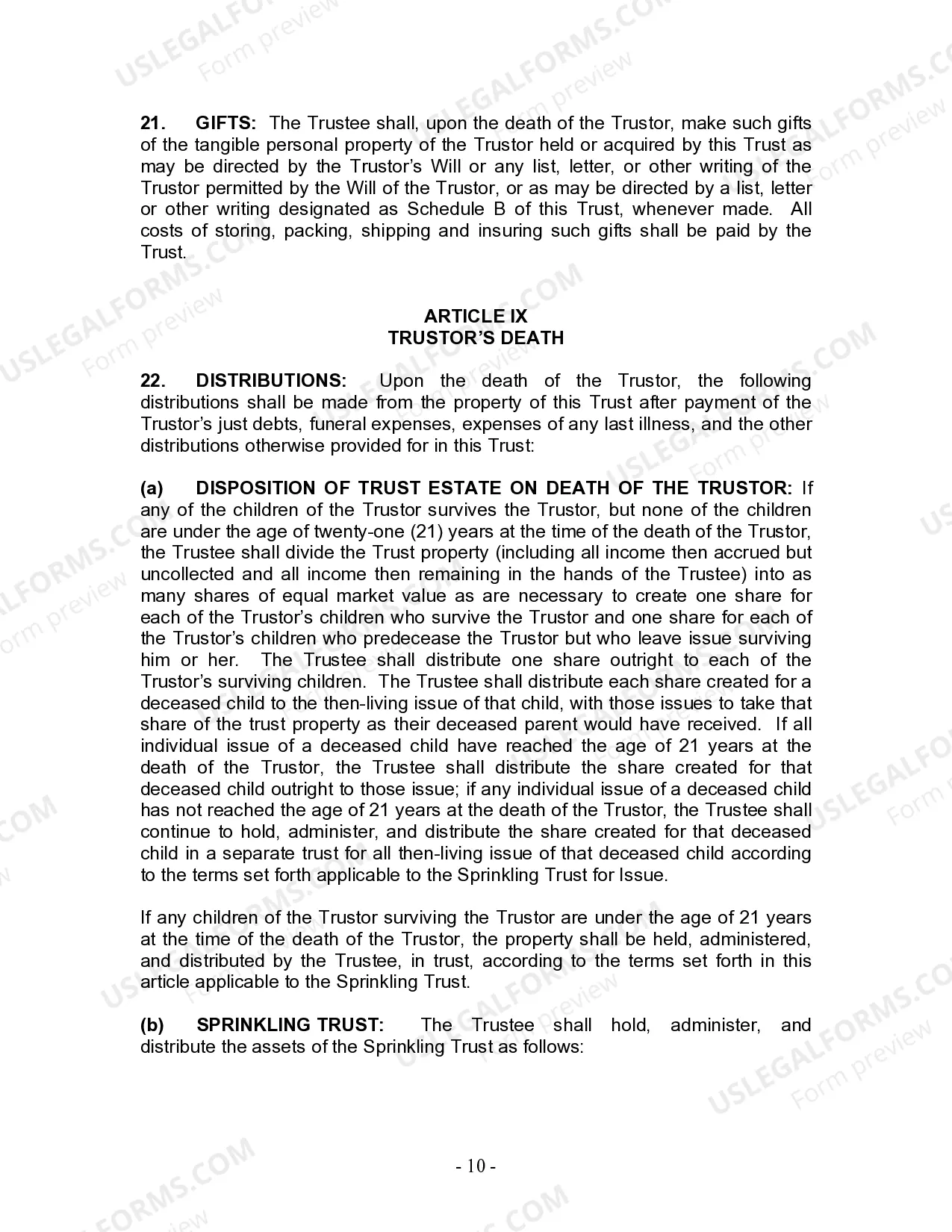


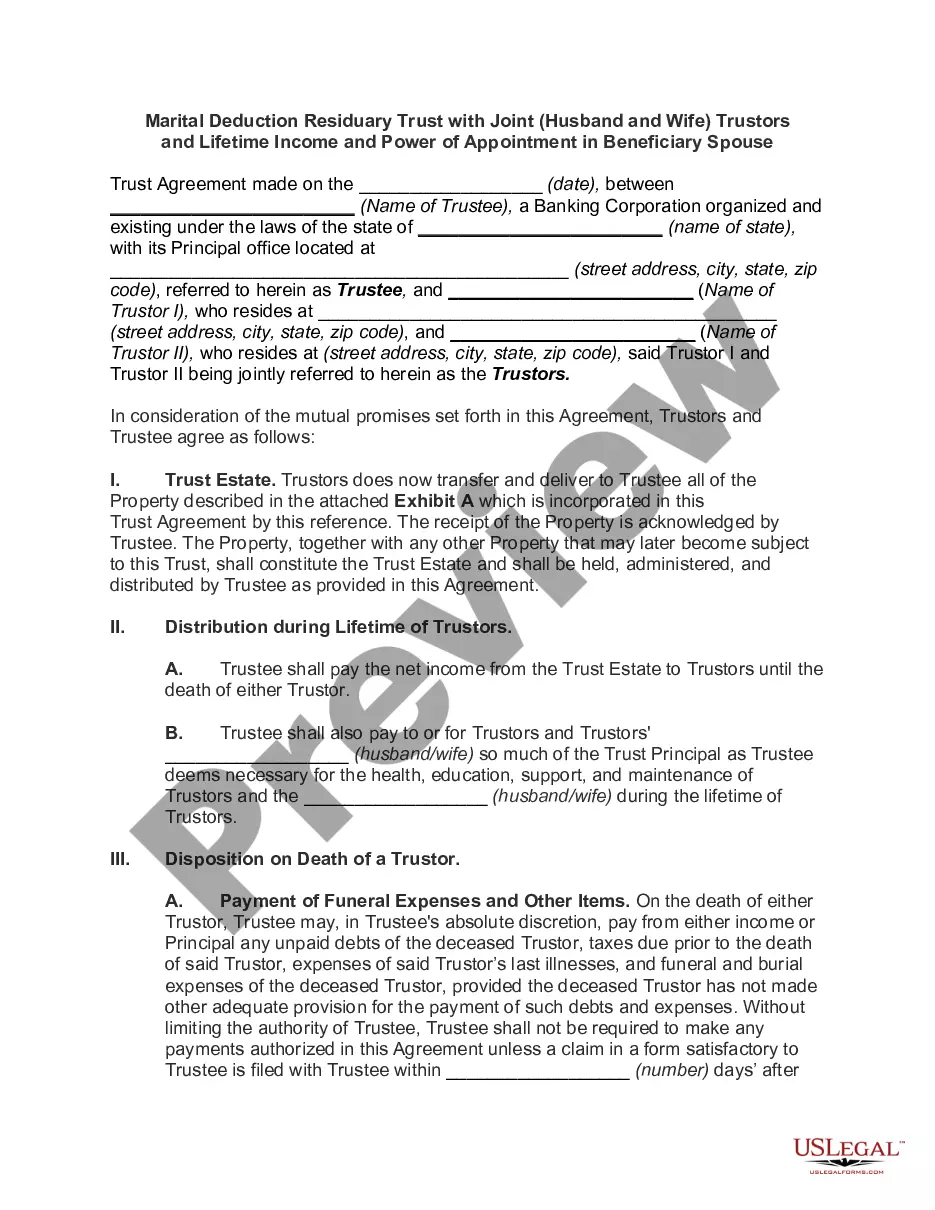
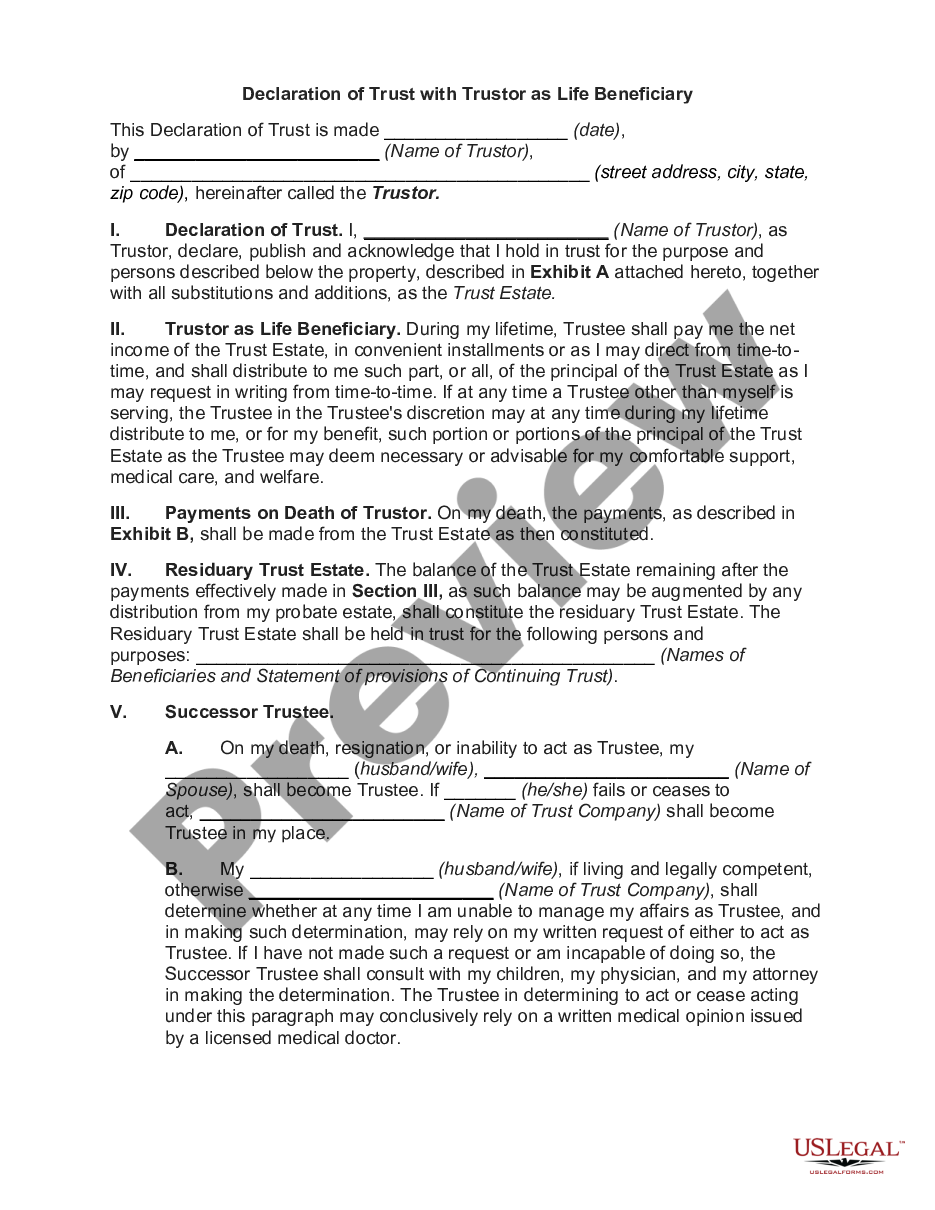


How to fill out North Carolina Living Trust For Individual Who Is Single, Divorced Or Widow Or Widower With Children?
Steer clear of expensive attorneys and discover the North Carolina Living Trust for Individuals Who are Single, Divorced, or Widowed with Children you desire at a budget-friendly cost on the US Legal Forms website.
Utilize our straightforward categories feature to search for and download legal and tax documents. Examine their descriptions and view them before downloading.
Select to receive the document in PDF or DOCX format. Click Download and locate your template in the My documents section. You can save the template to your device or print it out. After downloading, you can complete the North Carolina Living Trust for Individuals Who are Single, Divorced, or Widowed with Children either manually or with the assistance of editing software. Print it out and reuse the form multiple times. Achieve more for less with US Legal Forms!
- Additionally, US Legal Forms provides users with step-by-step guidance on how to acquire and complete each template.
- US Legal Forms users simply need to Log In and access the particular form they require from their My documents section.
- Those who have not yet purchased a subscription should adhere to the instructions listed below.
- Confirm that the North Carolina Living Trust for Individuals Who are Single, Divorced, or Widowed with Children is valid for use in your state.
- If available, read the description and utilize the Preview option before downloading the templates.
- If you’re certain the document fits your needs, click on Buy Now.
- If the form is incorrect, use the search bar to locate the appropriate one.
- Next, create your account and select a subscription plan.
- Make payment via credit card or PayPal.
Form popularity
FAQ
In divorces, states have two options for dividing property: community property division (where marital property belongs to both spouses equally, regardless of who bought it) or equitable division (where the court divides marital property equitably (justly.) North Carolina is not a community property state.
A decedent's natural children and adopted children are considered next of kin under North Carolina law. Under N.C. Gen. Stat. 29-17, legally adopted children will receive an intestate share of a decedent's estate just like biological children.
North Carolina Intestate Succession Laws Under the North Carolina statutes, if you are survived by: 1. No spouse or children, with parent(s) living: Your entire estate will pass to and be divided equally among your parents. If only one parent is still living, then everything will pass to the living parent.
Spouses in North Carolina Inheritance Law Descendants include children, grandchildren, and great-grandchildren. If you have no living parents or descendants, your spouse will inherit all of your intestate property.
Children - if there is no surviving married or civil partner If there is no surviving partner, the children of a person who has died without leaving a will inherit the whole estate. This applies however much the estate is worth. If there are two or more children, the estate will be divided equally between them.
If you die intestate, i.e., without a will, then North Carolina law specifies who gets your property. In some instances, the people receiving your assets will be the persons whom you would want. For instance, if you die unmarried, with living children, your estate will go to your children.
Dying without a will is known as having died intestate. It means the court will appoint an administrator to distribute your bank accounts, real estate, household goods, jewelry, and other assets according to the requirements of North Carolina probate law.
North Carolina Intestate Succession LawsNo spouse or children, with parent(s) living: Your entire estate will pass to and be divided equally among your parents. If only one parent is still living, then everything will pass to the living parent.