North Carolina Living Trust for Individual Who is Single, Divorced or Widow or Widower with Children
Understanding this form
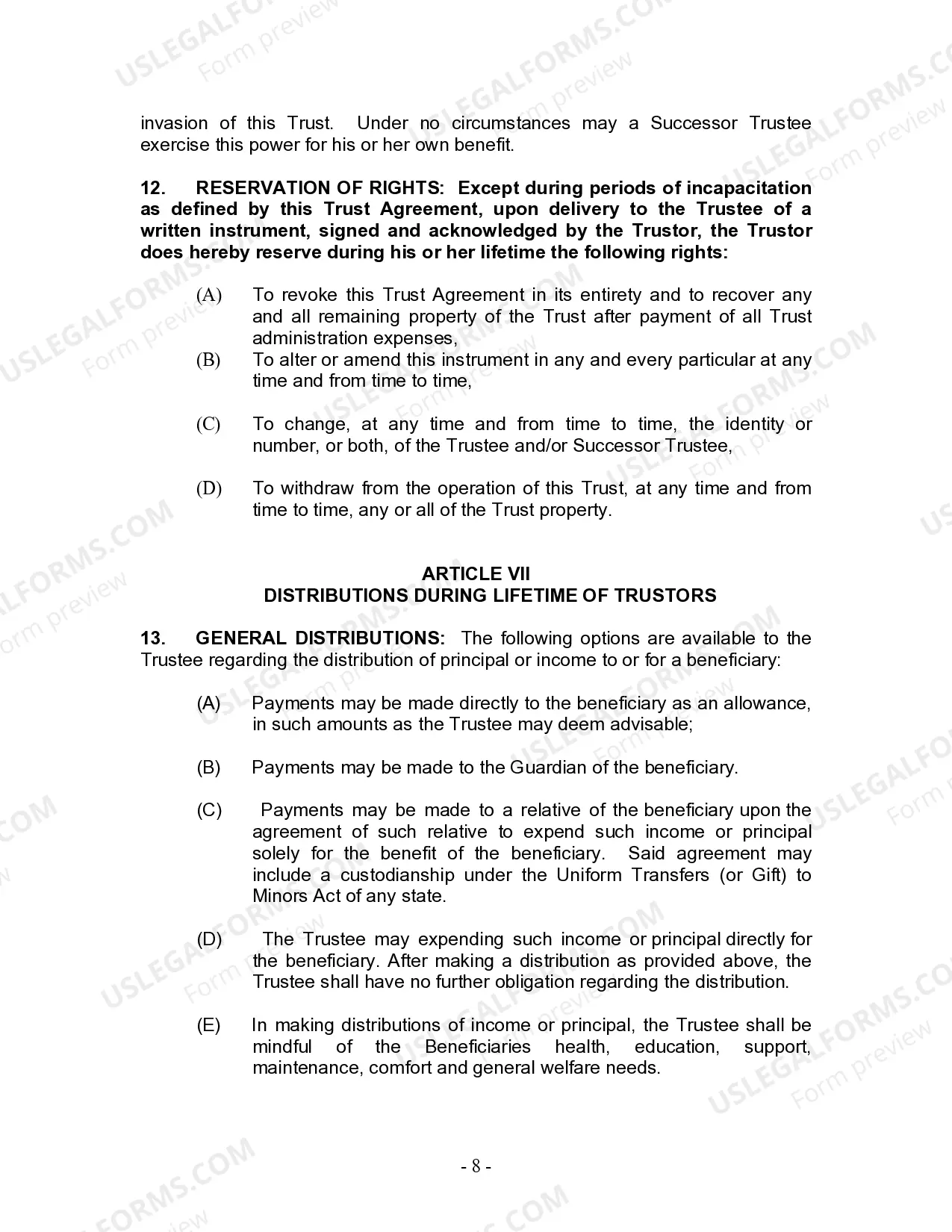
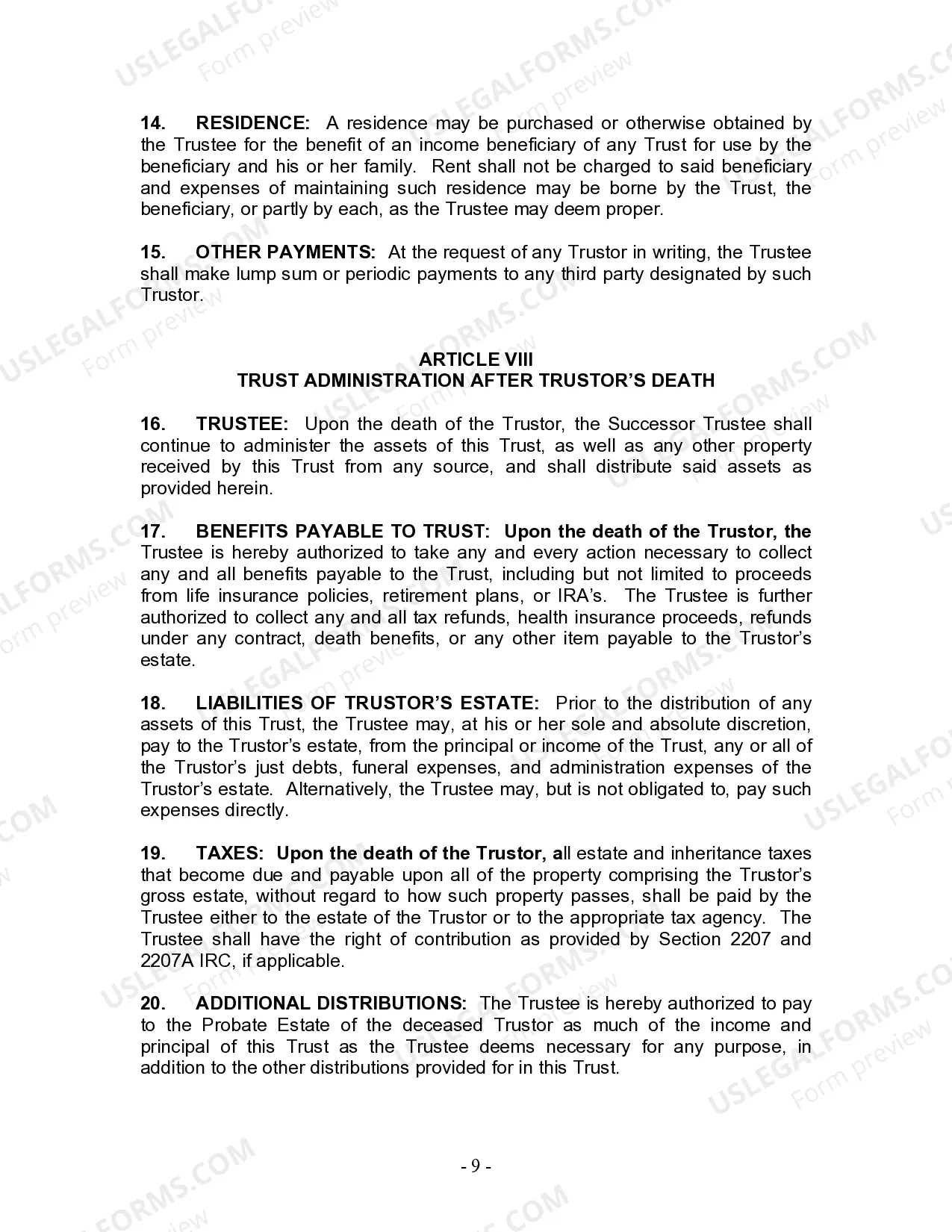
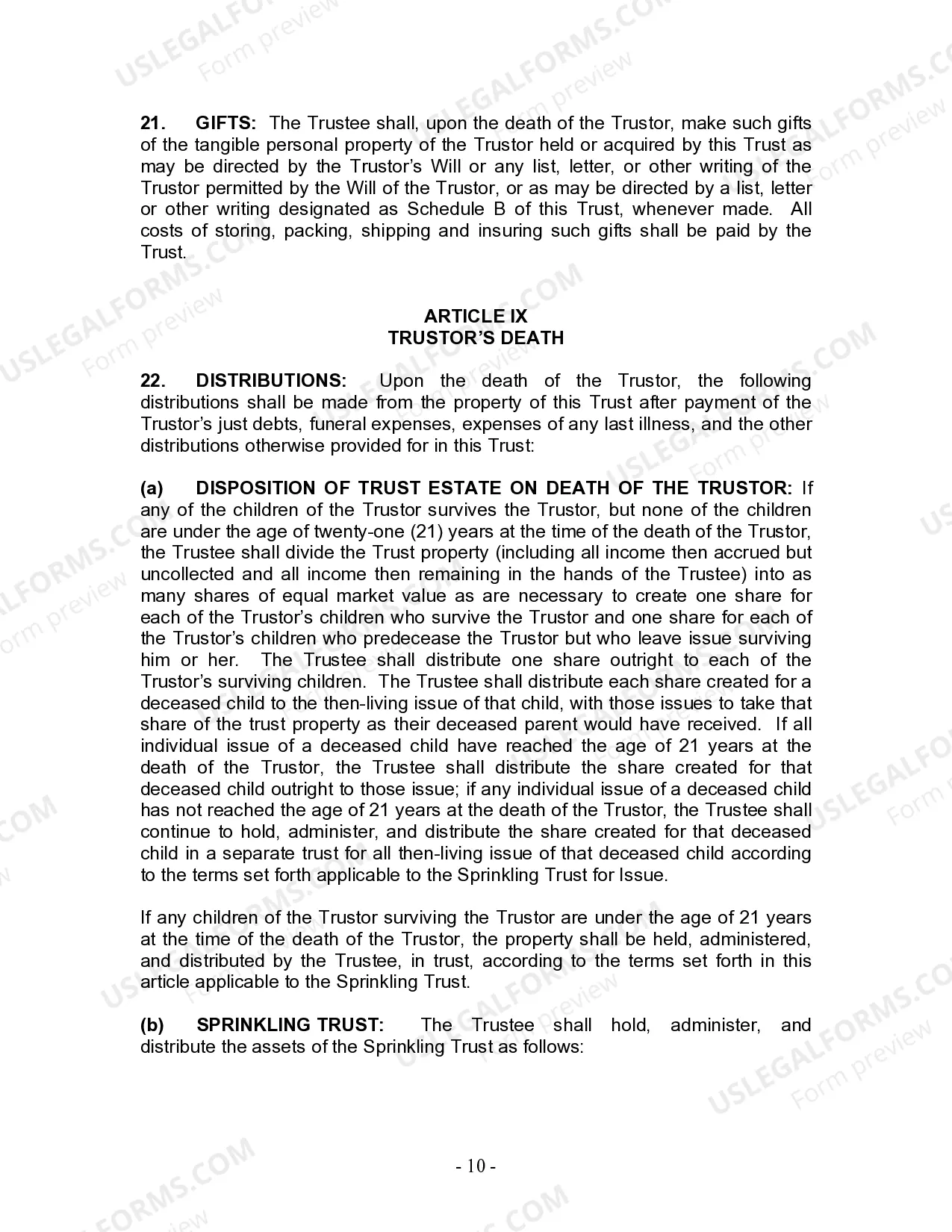
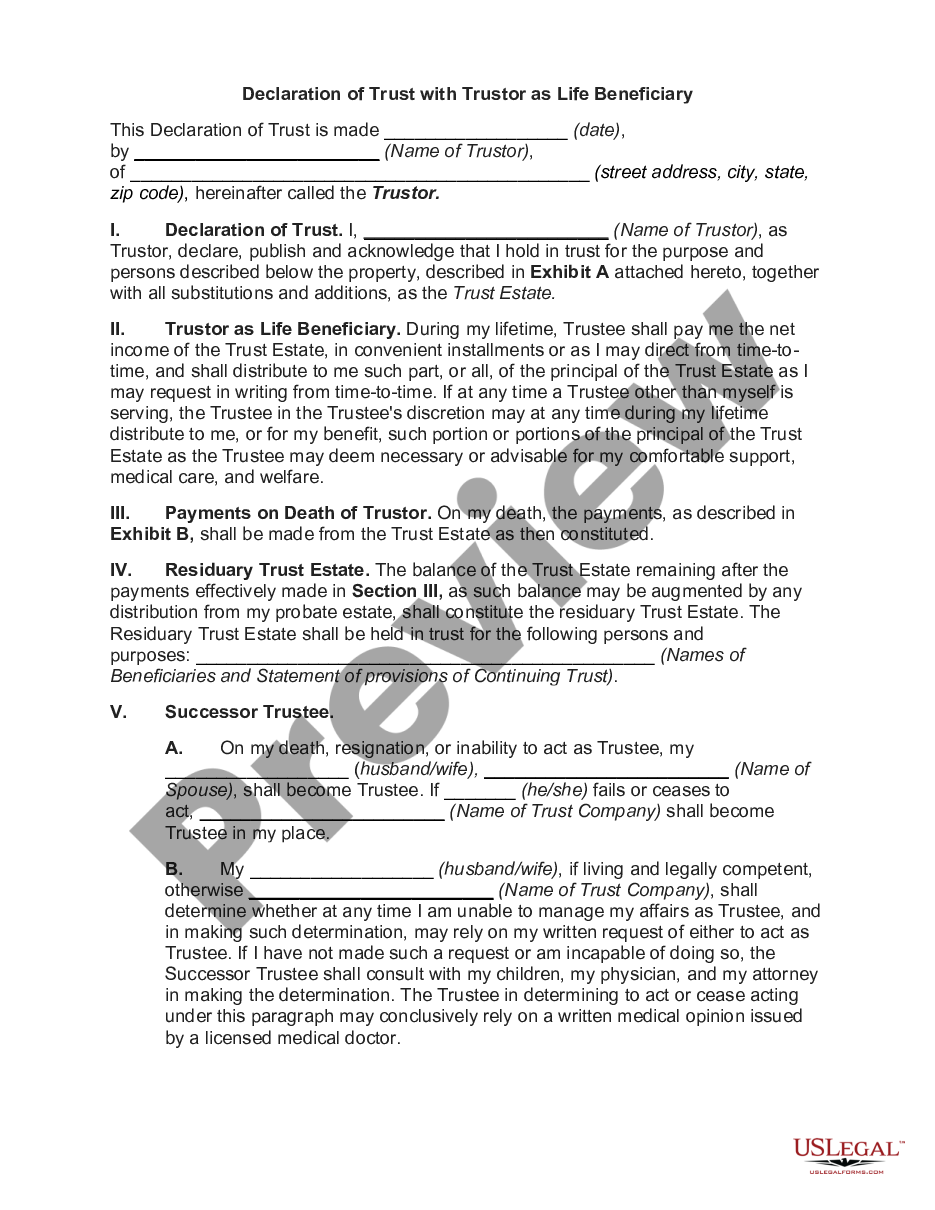
This Living Trust for an Individual Who is Single, Divorced, or Widowed with Children is a legal document that allows you to establish a trust during your lifetime. This trust manages your assets and property, ensuring they are distributed according to your wishes upon your death without going through probate. This differs from a will, which requires probate and can take longer to settle. A living trust offers more control and can streamline the distribution process for your heirs, making it especially beneficial for individuals in unique family situations such as being single, divorced, or widowed.
Form components explained
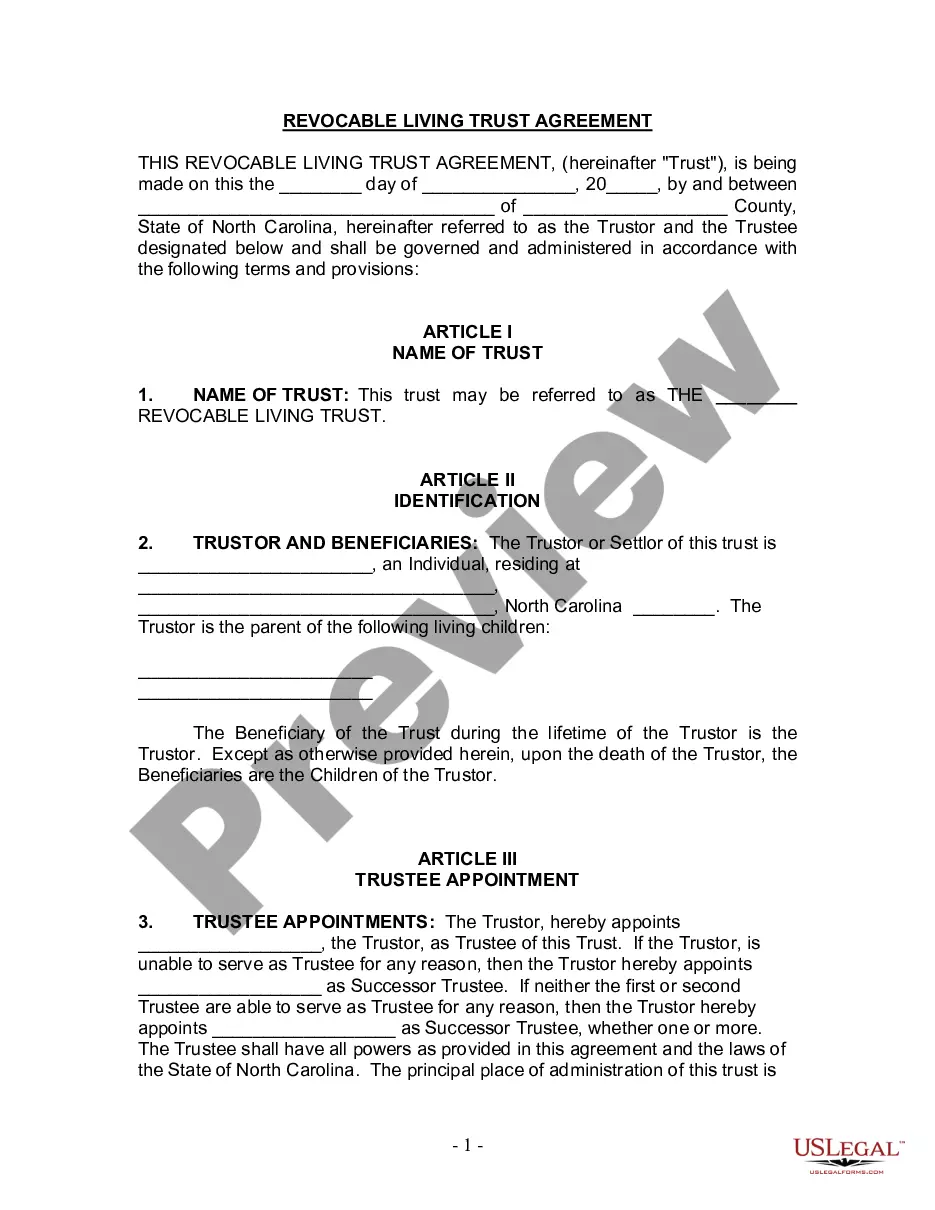
- Name of the Trust: Designates the formal title of the trust.
- Trustor Identification: States the creator of the trust and their residency.
- Beneficiary Designation: Lists the beneficiaries, typically the children of the Trustor.
- Trustee Appointment: Specifies the initial trustee(s) and any successors.
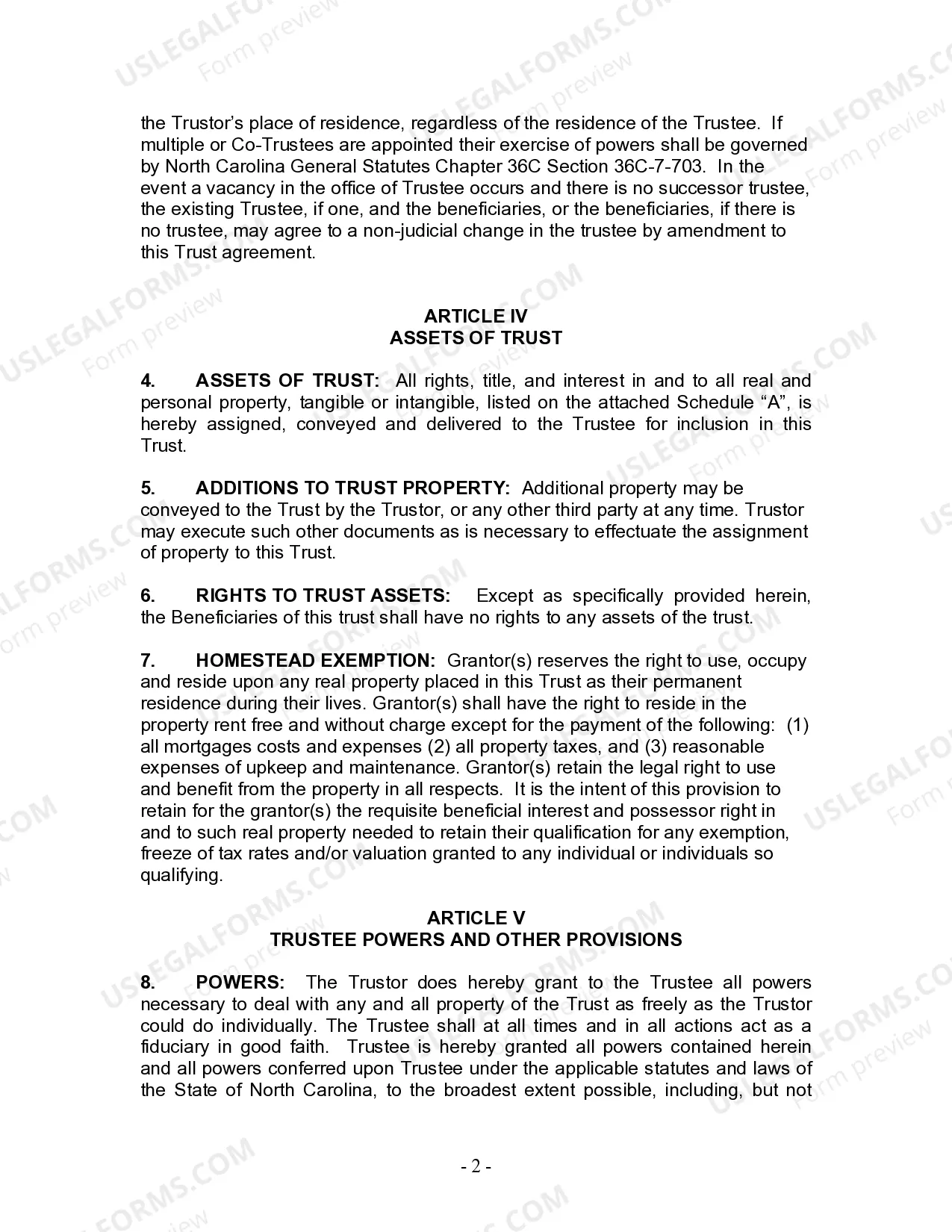
- Asset Assignment: Details the property and assets included in the trust.
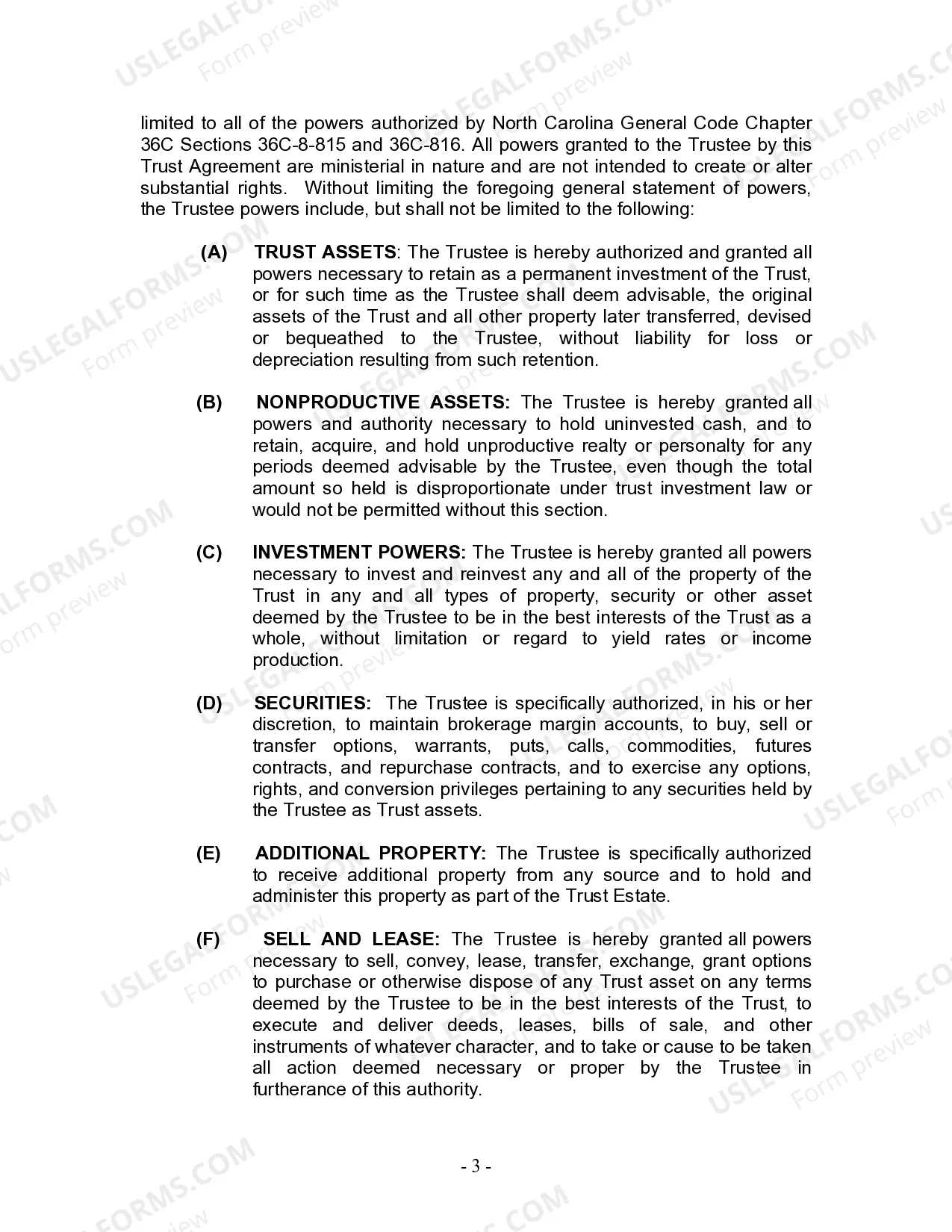
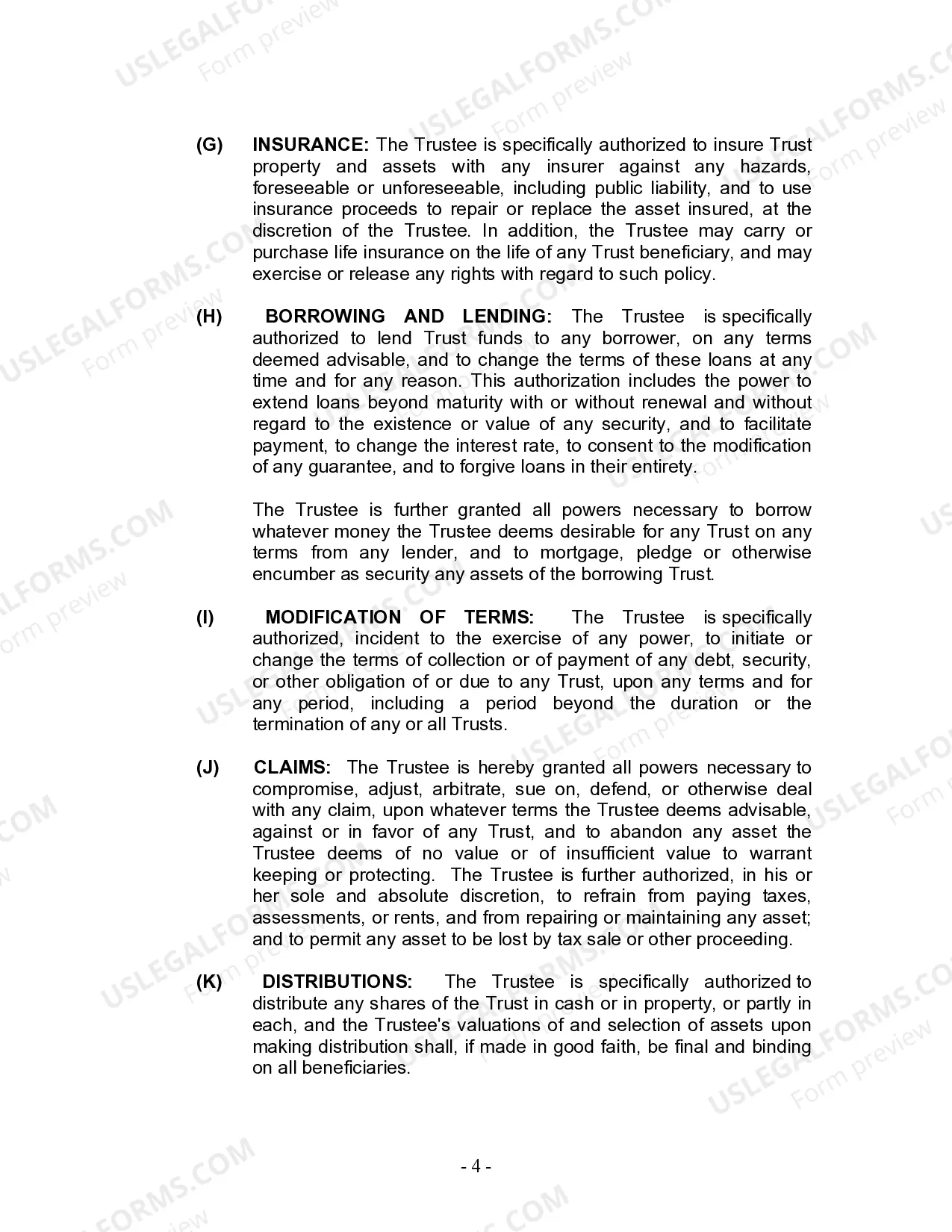
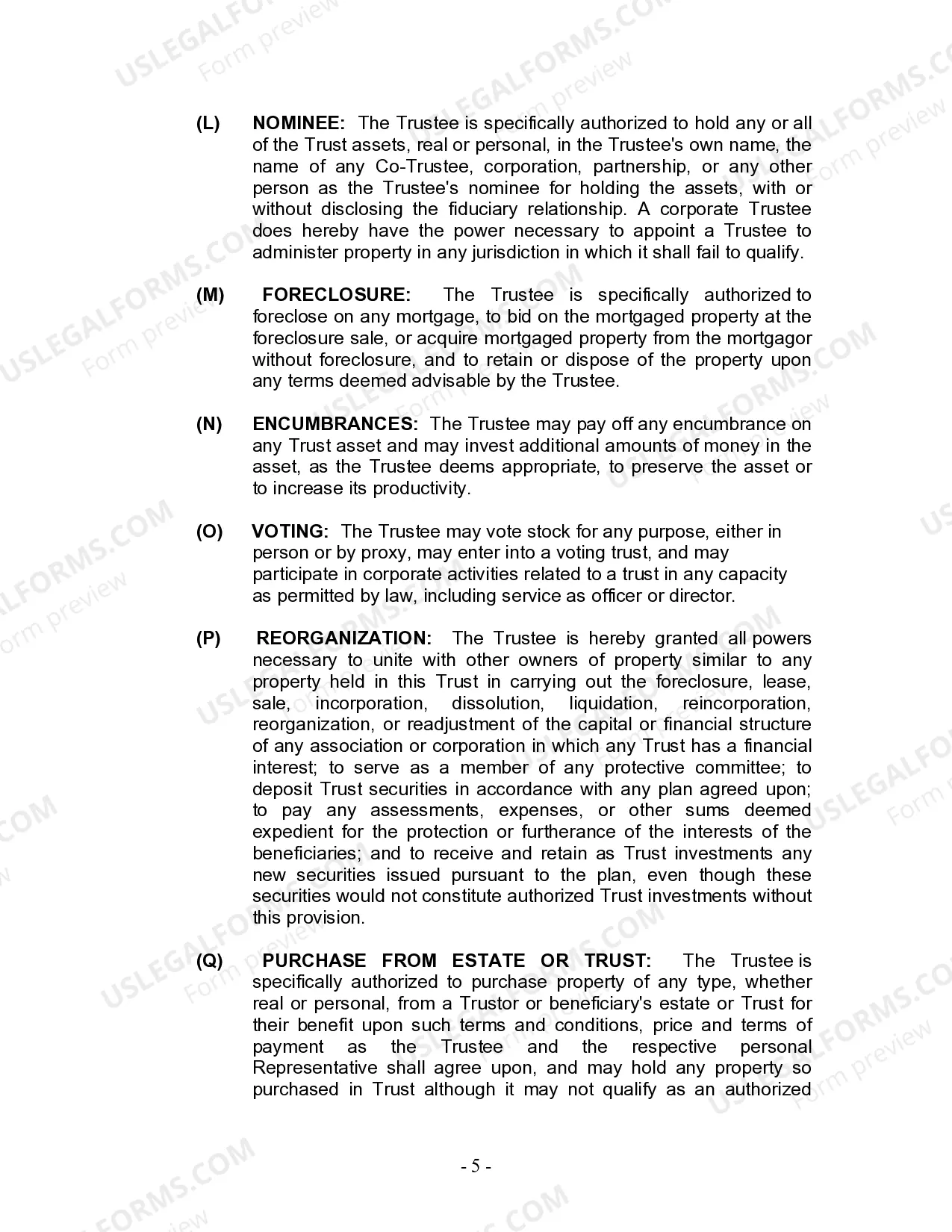
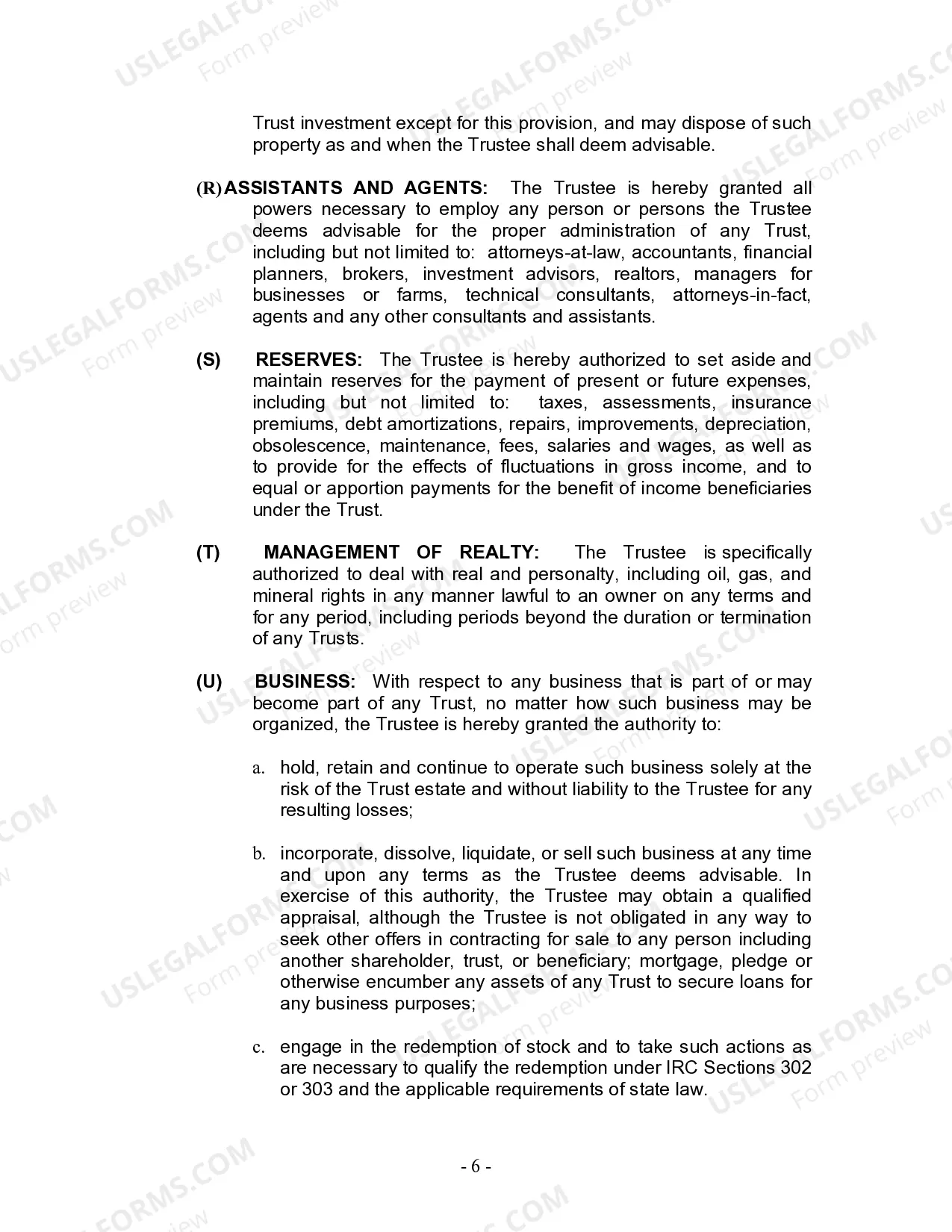
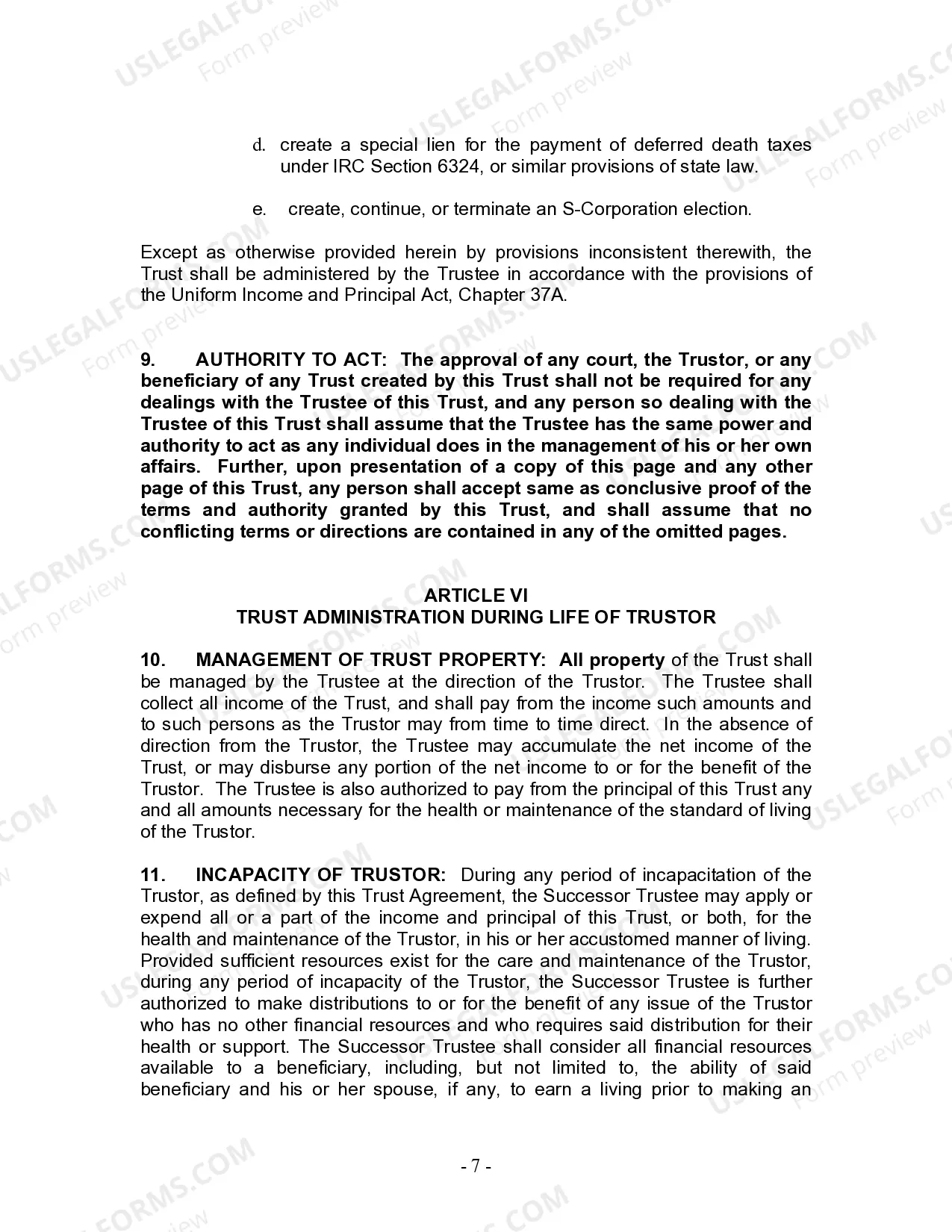
- Trustee Powers: Outlines the authorities granted to the trustee for managing the trust assets.




When to use this form
This form is especially useful when an individual who is single, divorced, or a widow or widower wishes to ensure that their children receive their assets directly and without delay after their passing. It is suitable for those looking to avoid the lengthy probate process and maintain control over the management of their property during their lifetime.
Intended users of this form
- Individuals who are single, divorced, or widowed with children.
- People wanting to manage their assets and distribution plans efficiently.
- Those seeking to avoid probate for a smoother transfer of assets.
- Anyone wishing to maintain control over asset management while alive.
Completing this form step by step
- Identify the parties: Fill in the names of the Trustor, Trustee(s), and Beneficiaries.
- Specify the name of the trust, which can reflect personal or family significance.
- List all assets to be included in Schedule A, ensuring accurate descriptions.
- Appoint a Trustee and any Successor Trustees to manage the trust.
- Review the rights and powers granted to the Trustee to ensure they align with your intentions.
- Sign the document in the presence of a Notary Public if required.
Notarization requirements for this form
This form does not typically require notarization unless specified by local law. However, it is advisable to consult with a legal professional to ensure compliance with all requirements.
Get your form ready online
Our built-in tools help you complete, sign, share, and store your documents in one place.
Make edits, fill in missing information, and update formatting in US Legal Forms—just like you would in MS Word.
Download a copy, print it, send it by email, or mail it via USPS—whatever works best for your next step.
Sign and collect signatures with our SignNow integration. Send to multiple recipients, set reminders, and more. Go Premium to unlock E-Sign.
If this form requires notarization, complete it online through a secure video call—no need to meet a notary in person or wait for an appointment.
We protect your documents and personal data by following strict security and privacy standards.

Make edits, fill in missing information, and update formatting in US Legal Forms—just like you would in MS Word.

Download a copy, print it, send it by email, or mail it via USPS—whatever works best for your next step.

Sign and collect signatures with our SignNow integration. Send to multiple recipients, set reminders, and more. Go Premium to unlock E-Sign.

If this form requires notarization, complete it online through a secure video call—no need to meet a notary in person or wait for an appointment.

We protect your documents and personal data by following strict security and privacy standards.
Common mistakes
- Failing to properly list all assets included in the trust.
- Not clearly designating beneficiaries or failing to update them as needed.
- Neglecting to appoint a Successor Trustee in case the primary Trustee is unable to serve.
- Incorrectly filling out the notarization section or failing to provide a Notary Public at signing.
Why complete this form online
- Convenient access to legal forms anytime and anywhere with internet connectivity.
- Editable templates that allow customization to fit individual situations.
- Reliable and compliant with current laws, reducing the risk of error.
- Cost-effective compared to hiring an attorney for similar documents.
Key takeaways
- A living trust avoids probate, providing a seamless transfer of assets upon death.
- This form is designed specifically for individuals who are single, divorced, or widowed with children.
- Using an online service ensures convenience and access to up-to-date legal documents tailored to state laws.
Looking for another form?
Form popularity
FAQ
It is a living trust you create during your lifetime to manage assets and designate how they are distributed after death. It helps avoid probate, keeps you in control while you’re alive, and is tailored for individuals who are single, divorced, or widowed with children.
When the trustor dies, assets held in the North Carolina Living Trust for Individual Who Is Single, Divorced, or Widow or Widower with Children are distributed to the named beneficiaries according to the trust terms, typically avoiding probate in North Carolina. The trust governs distributions, not a will.
Generally, a revocable living trust does not automatically shield assets from divorce. In North Carolina, assets placed in this trust are usually treated as the trustor’s property for division purposes, and any resulting changes follow state law and the trust terms. For state-specific guidance, consult a licensed attorney.
Divorce can affect how assets in the trust are treated and who ultimately benefits, depending on the trust terms and applicable laws. This form designates beneficiaries (typically the children) and provides trustee powers to manage assets, helping you preserve your plans for your children even through a marital change.
In general, divorce can influence ownership and control of assets placed in a trust. This North Carolina Living Trust form establishes asset assignment and trustee powers to help ensure your instructions for asset management and distribution to your children are followed, even if marital circumstances change.
This form explicitly names beneficiaries—typically the trustor’s children—and sets out asset assignment and trustee powers. A living trust with no children would use different beneficiary provisions and focus on different transfer goals, so this form is tailored to families who want direct, child-focused distributions.