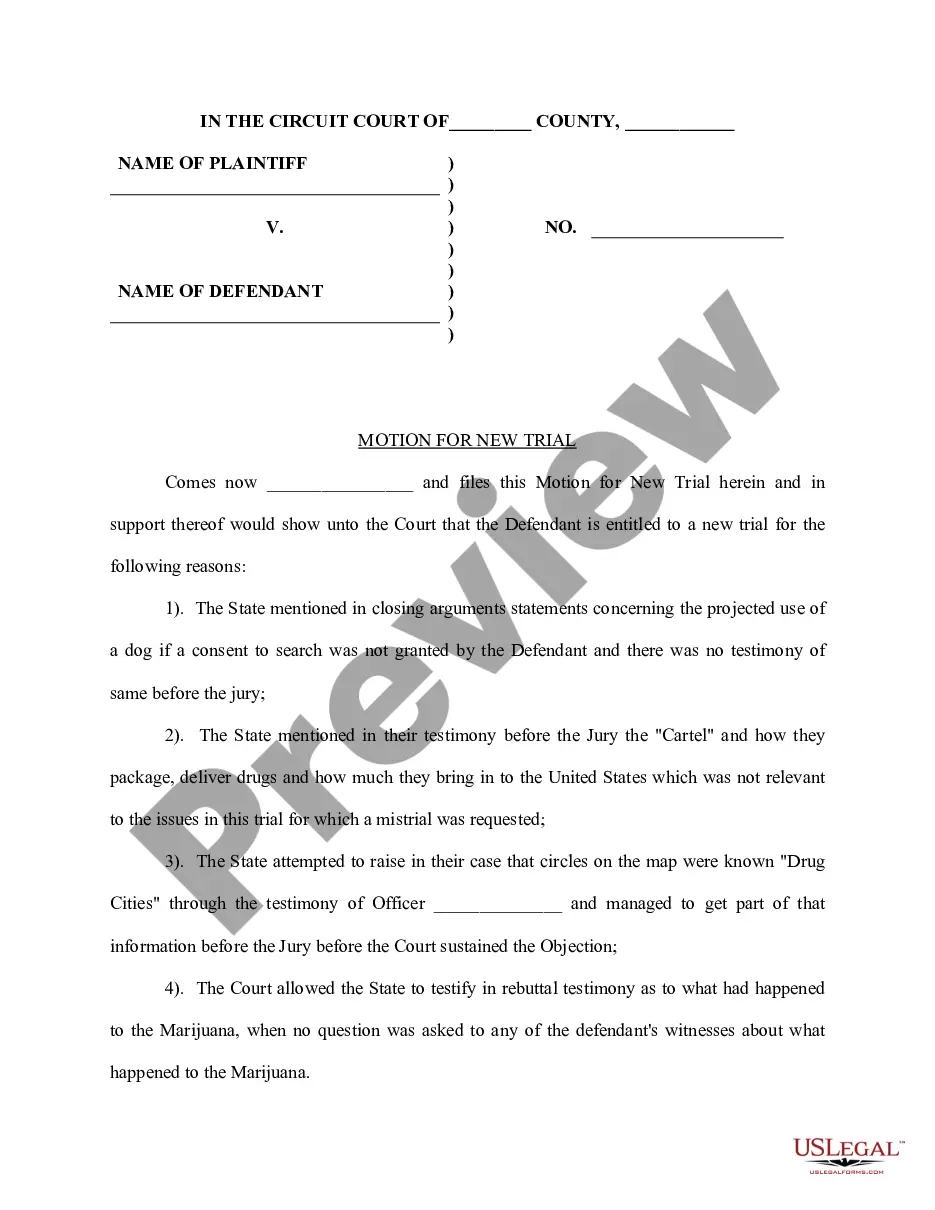
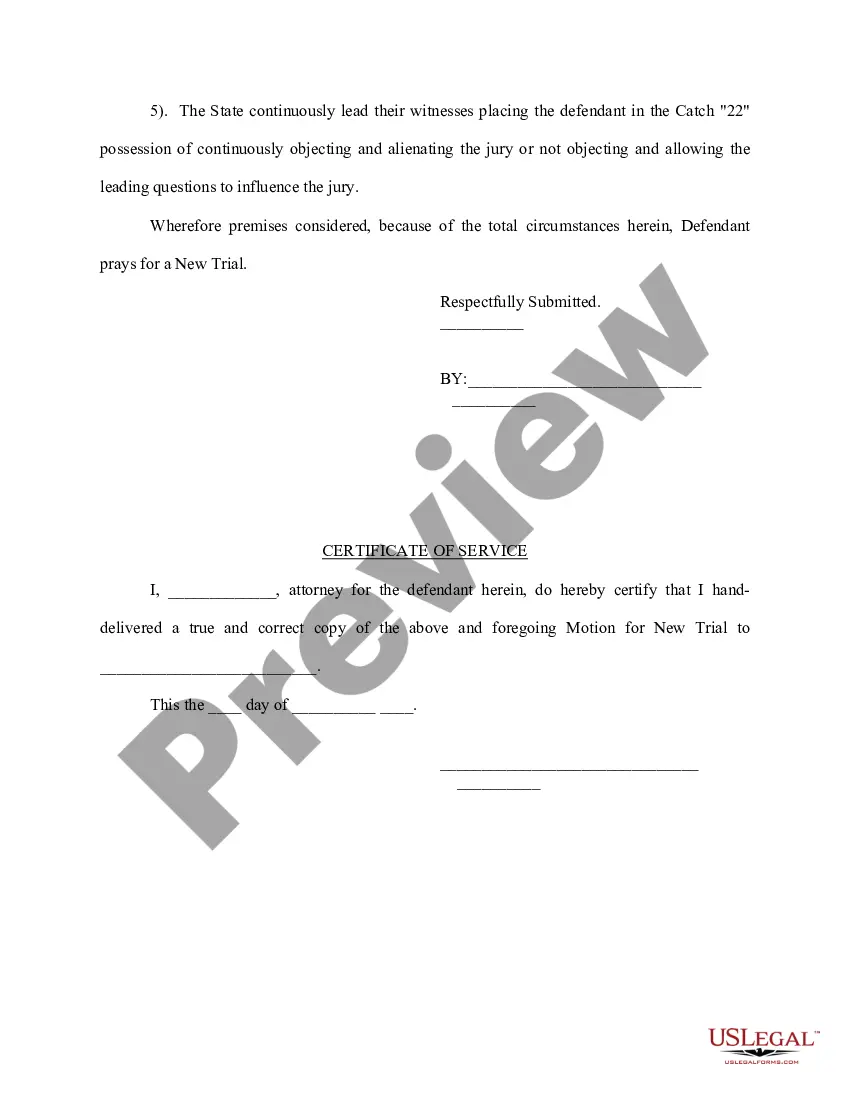
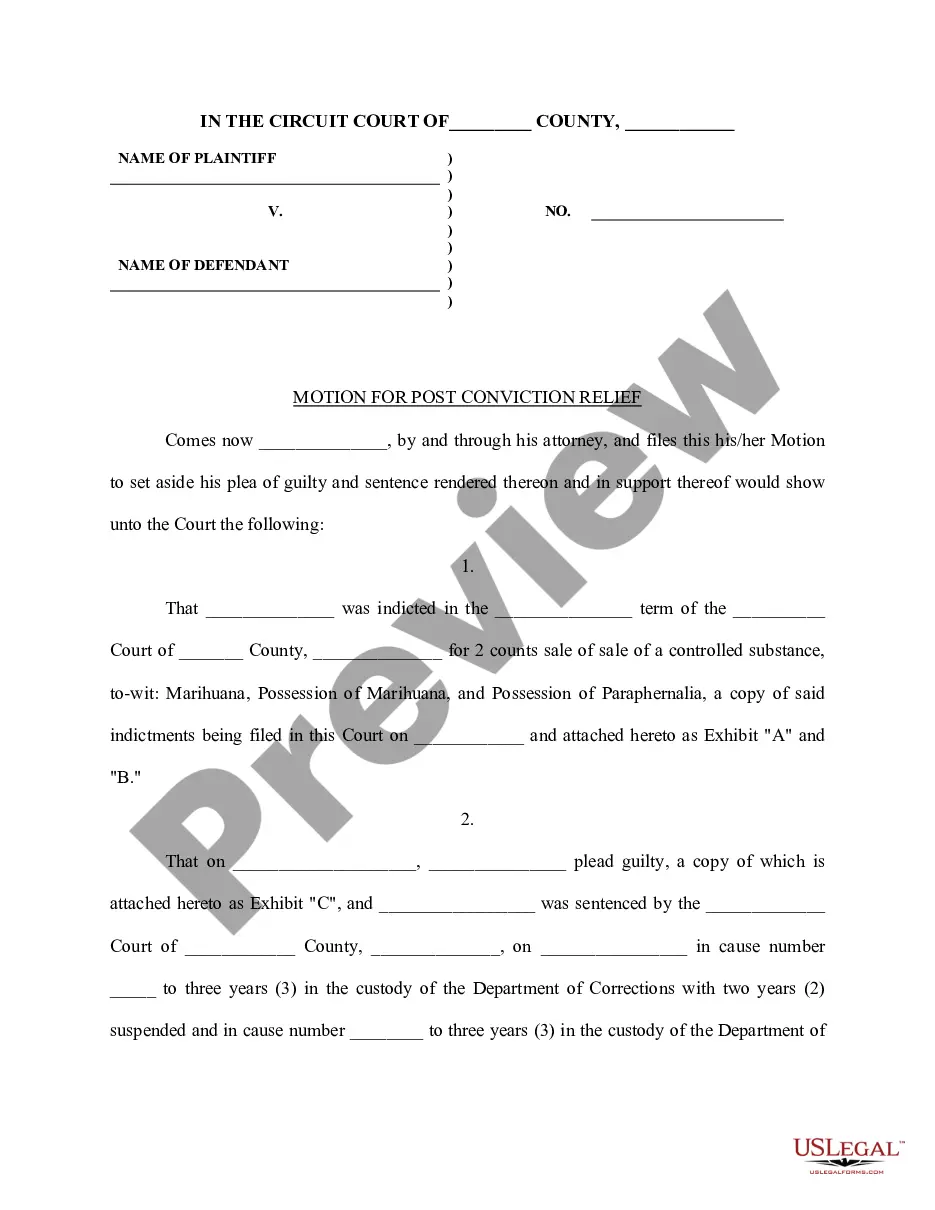
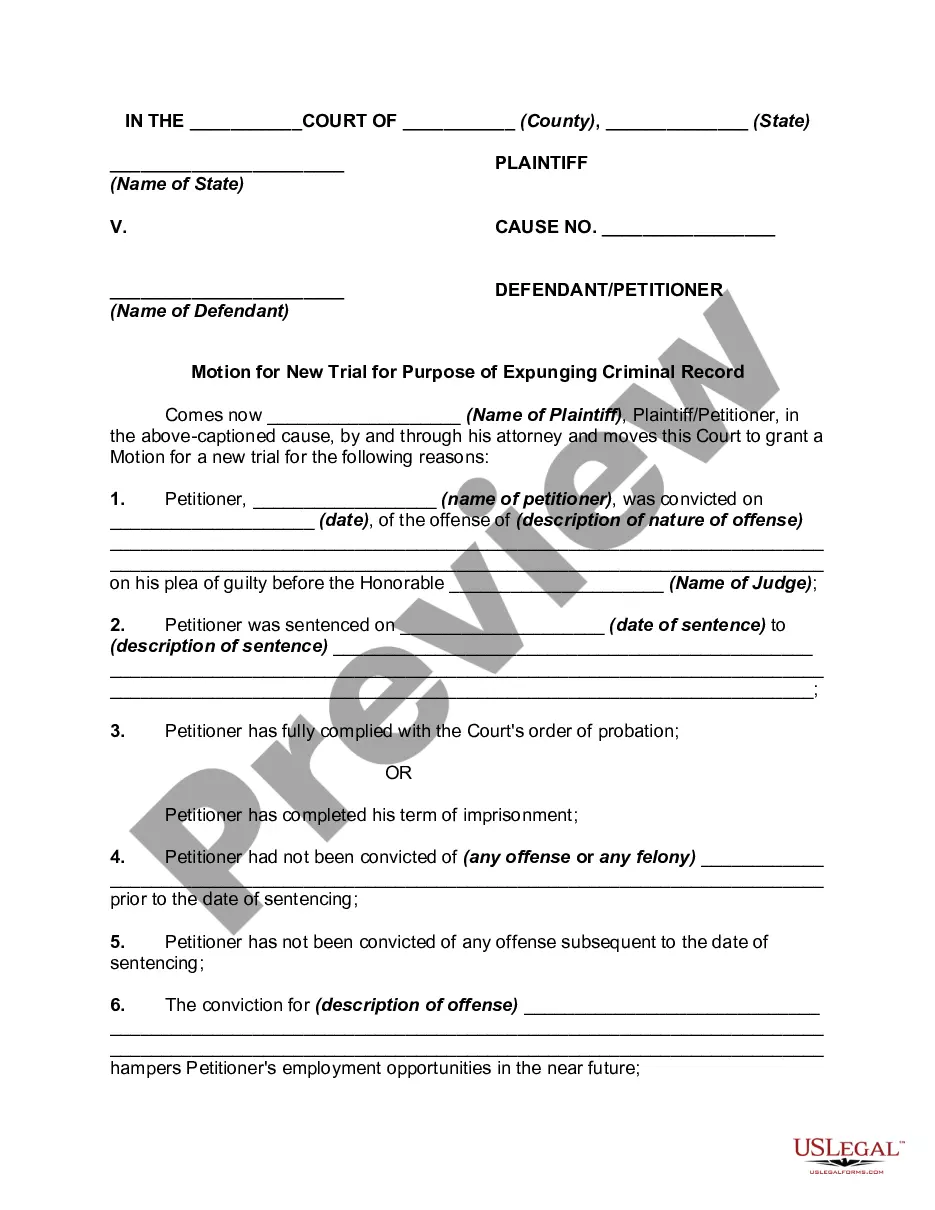
Montana Motion for New Trial
Description
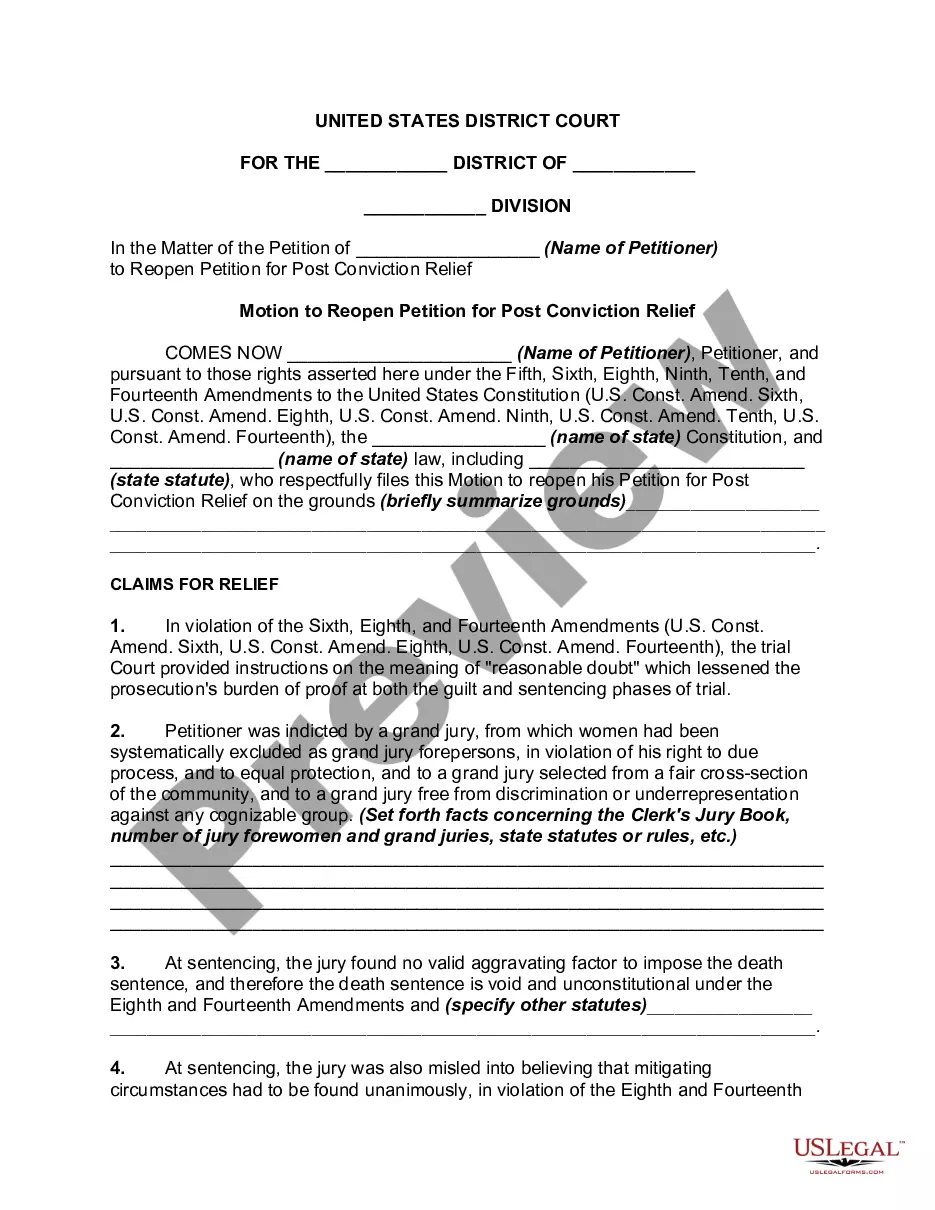
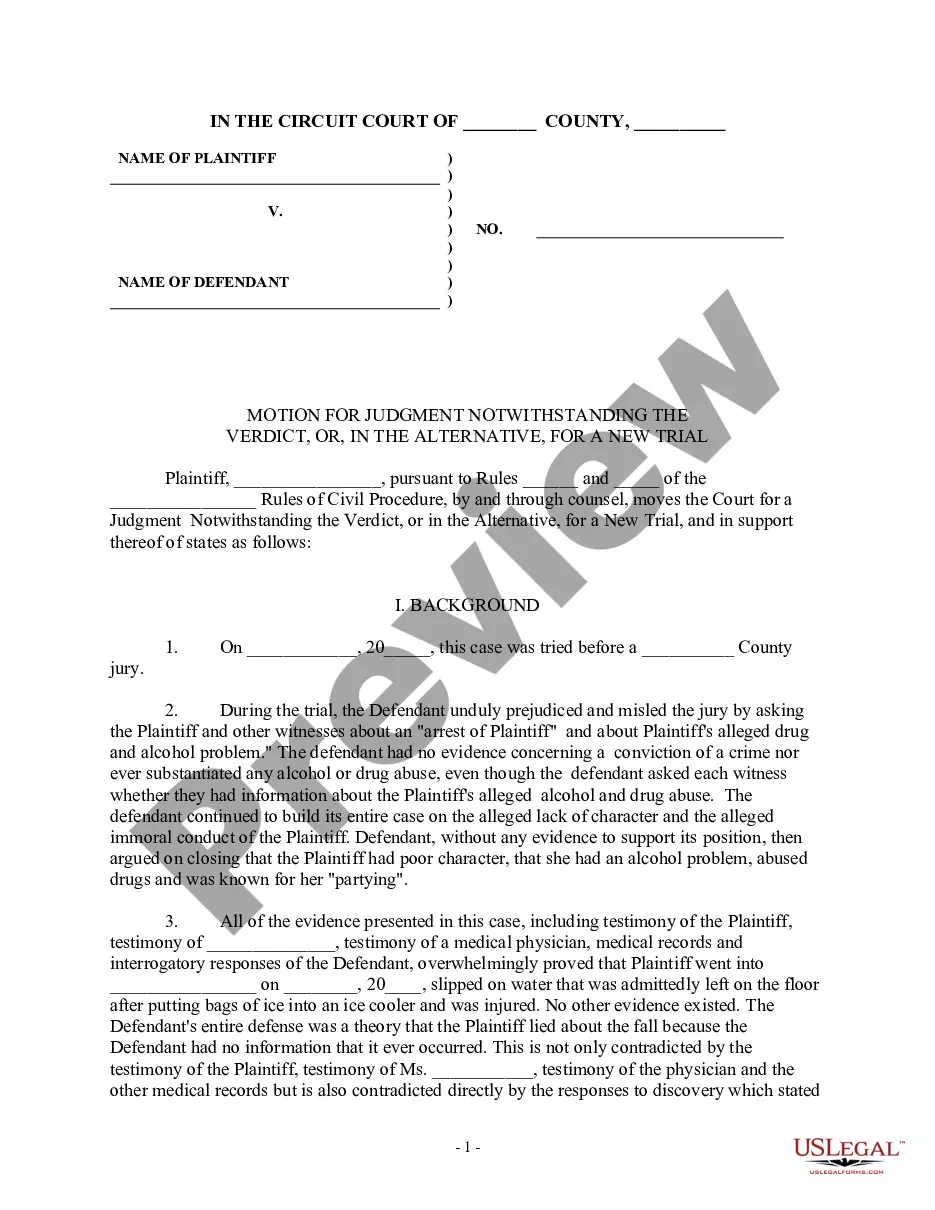
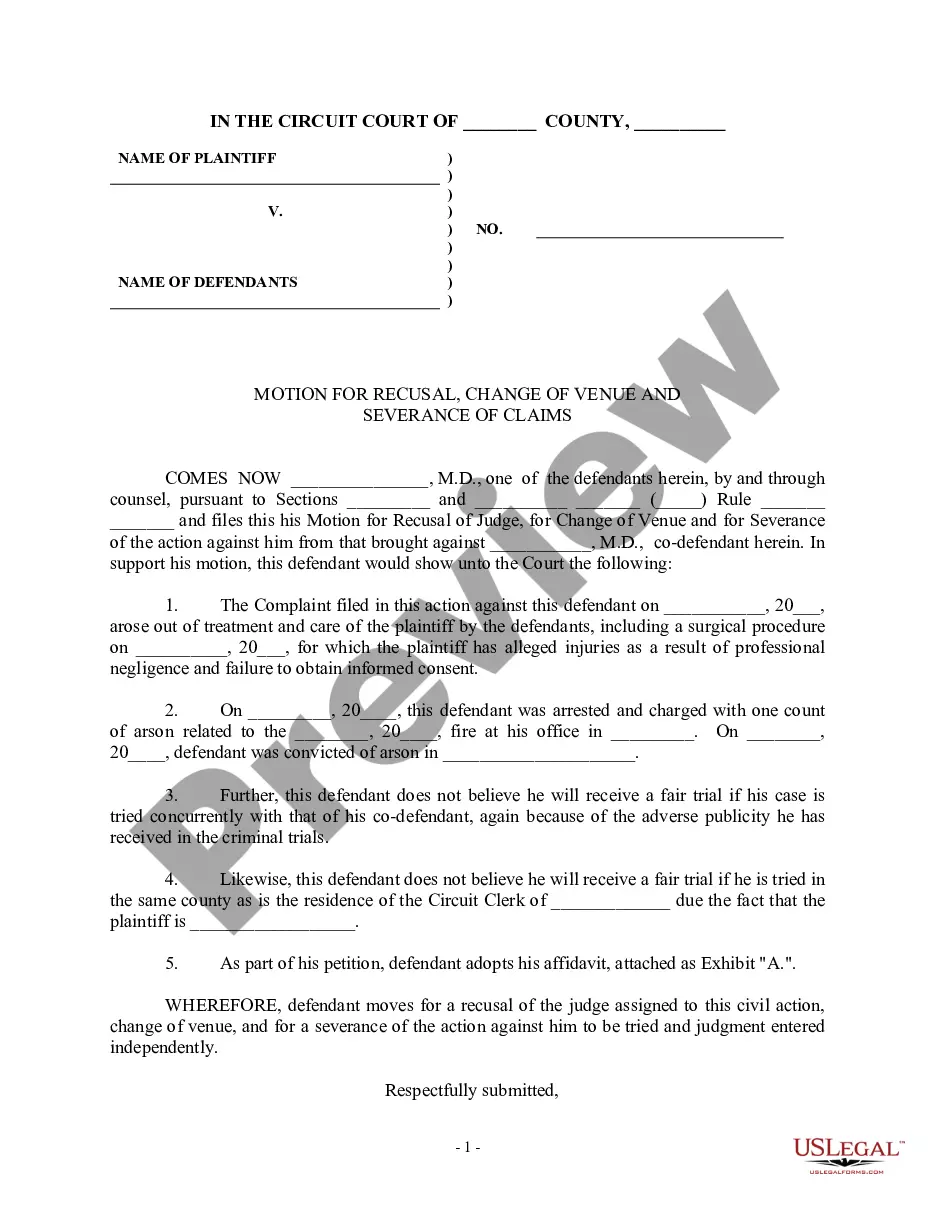
Get your form ready online
Our built-in tools help you complete, sign, share, and store your documents in one place.
Make edits, fill in missing information, and update formatting in US Legal Forms—just like you would in MS Word.
Download a copy, print it, send it by email, or mail it via USPS—whatever works best for your next step.
Sign and collect signatures with our SignNow integration. Send to multiple recipients, set reminders, and more. Go Premium to unlock E-Sign.
If this form requires notarization, complete it online through a secure video call—no need to meet a notary in person or wait for an appointment.
We protect your documents and personal data by following strict security and privacy standards.

Make edits, fill in missing information, and update formatting in US Legal Forms—just like you would in MS Word.

Download a copy, print it, send it by email, or mail it via USPS—whatever works best for your next step.

Sign and collect signatures with our SignNow integration. Send to multiple recipients, set reminders, and more. Go Premium to unlock E-Sign.

If this form requires notarization, complete it online through a secure video call—no need to meet a notary in person or wait for an appointment.

We protect your documents and personal data by following strict security and privacy standards.
Looking for another form?
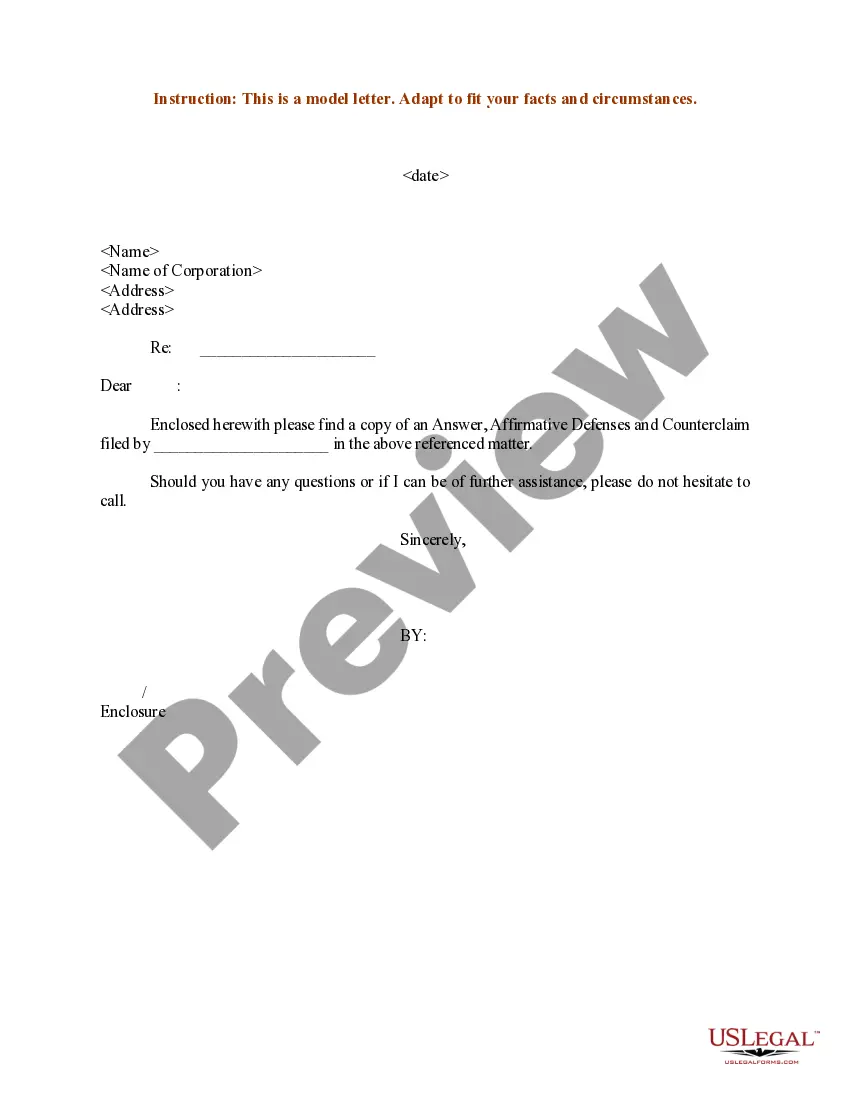


How to fill out Motion For New Trial?
Are you in a situation where you require documents for potential business or specific tasks almost daily.
There are numerous legal document templates accessible online, but finding ones you can trust isn’t easy.
US Legal Forms offers a vast array of form templates, such as the Montana Motion for New Trial, designed to comply with state and federal regulations.
Once you locate the appropriate form, click Get now.
Select the pricing plan you prefer, complete the necessary information to create your account, and process the payment using your PayPal or credit card.
- If you are already familiar with the US Legal Forms website and have your account, simply Log In.
- You can then download the Montana Motion for New Trial template.
- If you do not possess an account and wish to begin using US Legal Forms, follow these instructions.
- Obtain the form you require and confirm it is for your specific area/county.
- Utilize the Review feature to evaluate the form.
- Examine the description to ensure you have selected the correct form.
- If the form isn’t what you are looking for, use the Search box to find the form that meets your needs.
Form popularity
FAQ
A party files a motion for a new trial, and a court may grant a retrial if there was a significant error of law, a verdict going against the weight of the evidence, irregularity in the court proceeding, jury or prosecutorial misconduct, newly discovered material evidence, or improper damages.
A new trial may be granted on motion of the defendant if the defendant produces clear and convincing evidence not previously considered that undermines in a material way the State's theory of guilt, or that directly contradicts the evidence used to convict, and which produces a reasonable likelihood of a different ...
A party's post-trial request that the court vacates the judgment and orders a new trial to re-examine some or all of the matters from the concluded trial. The motion can be made by any party and following both jury trials and bench trials.
The most common post-trial motions include: Motion to set aside the verdict. Motion for a new trial. Motion to dismiss.
In law, a retrial is a new trial for a case that's already been tried, or that's had its trial halted because of a hung jury or another disqualifying reason.
Rule 50(a) provides for a motion for judgment as a matter of law (JMOL) which may be made at any time before submission of the case to the jury. This was previously known as a motion for a directed verdict.
1) In writing by filing a Motion or responding to a Motion; or 2) In person at a hearing scheduled by the Judge, with both sides present.
No later than 28 days after the entry of judgment, the court, on its own, may order a new trial for any reason that would justify granting one on a party's motion. After giving the parties notice and an opportunity to be heard, the court may grant a timely motion for a new trial for a reason not stated in the motion.