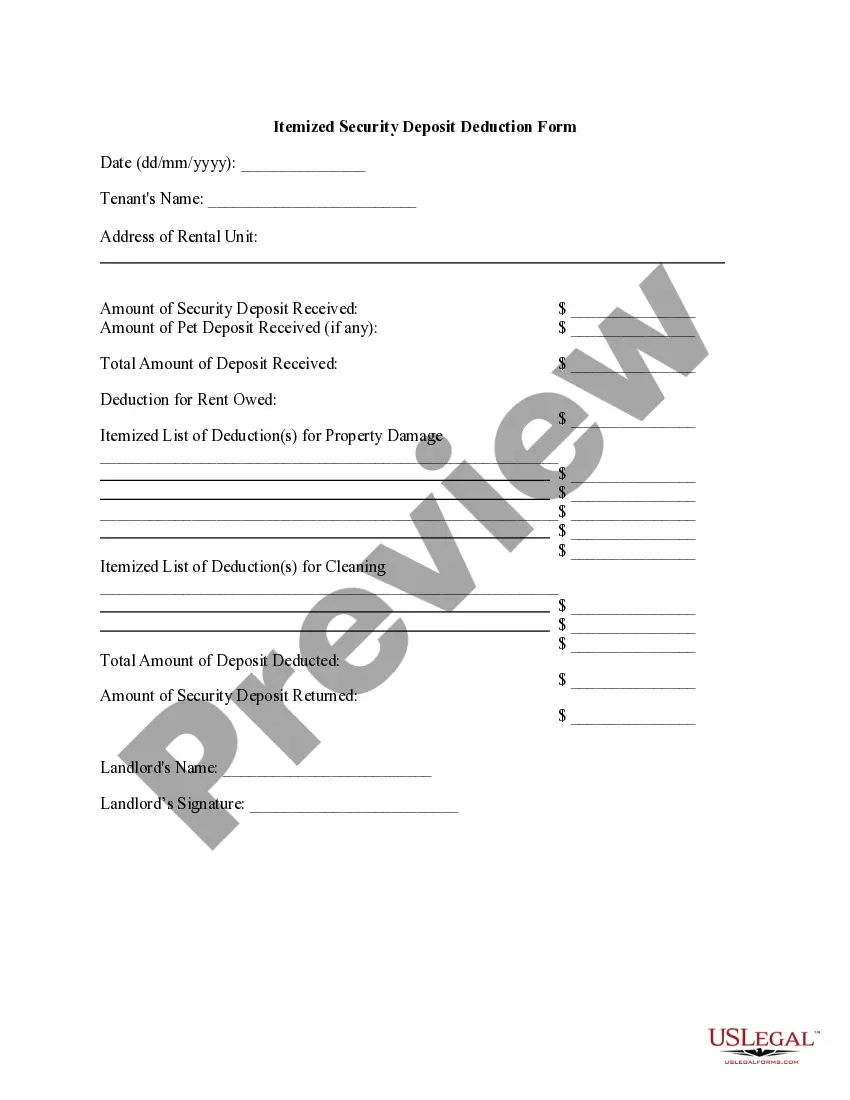
Itemized Security Deduction Form
About this form
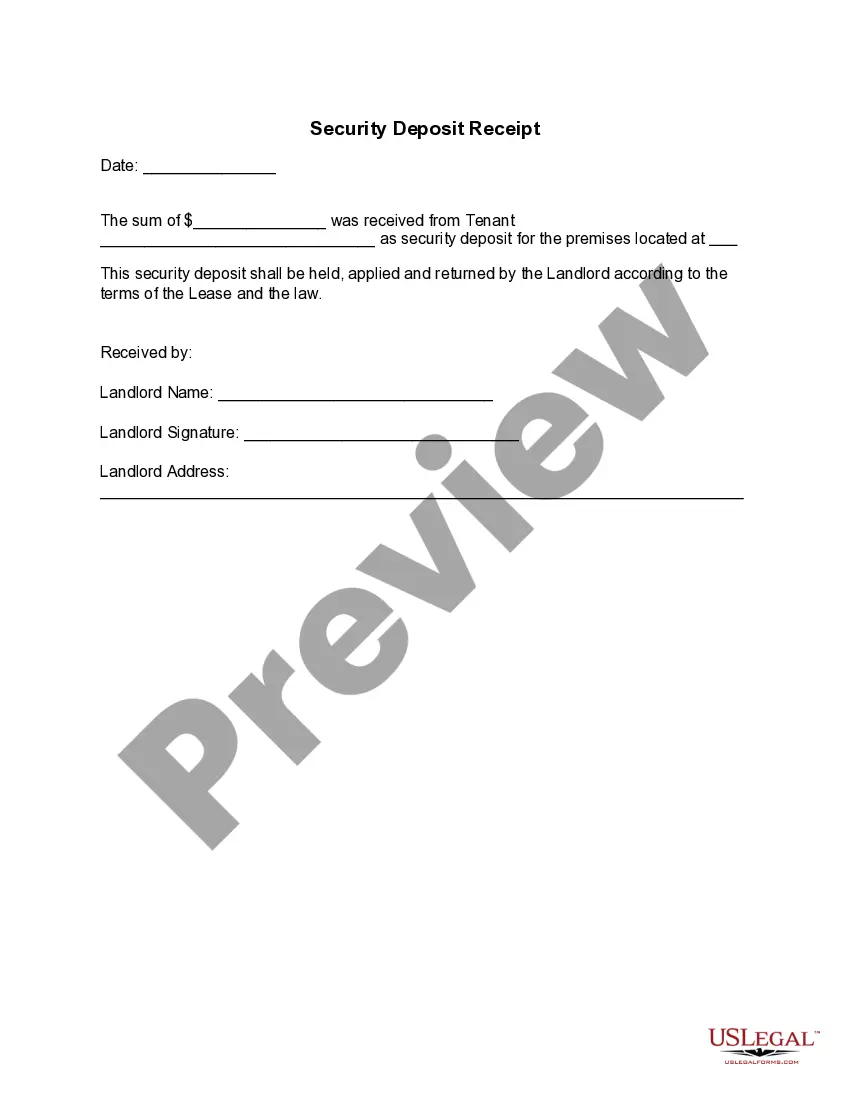
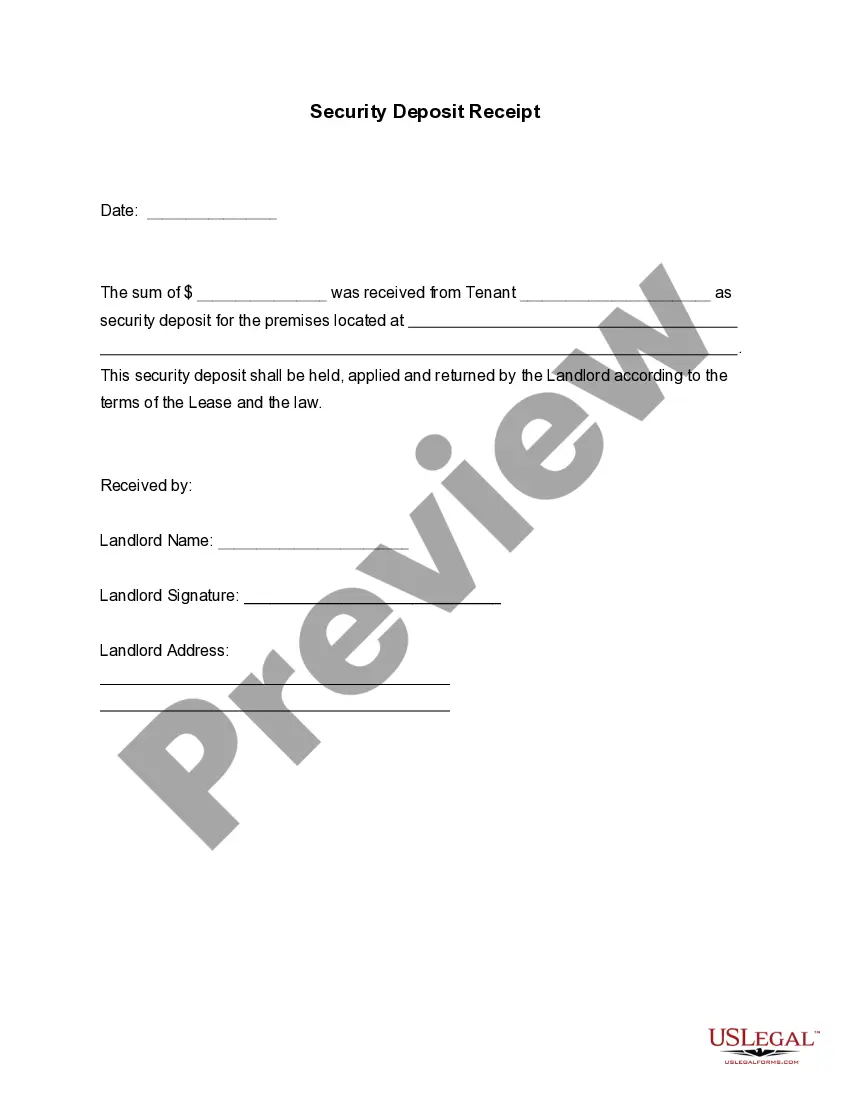
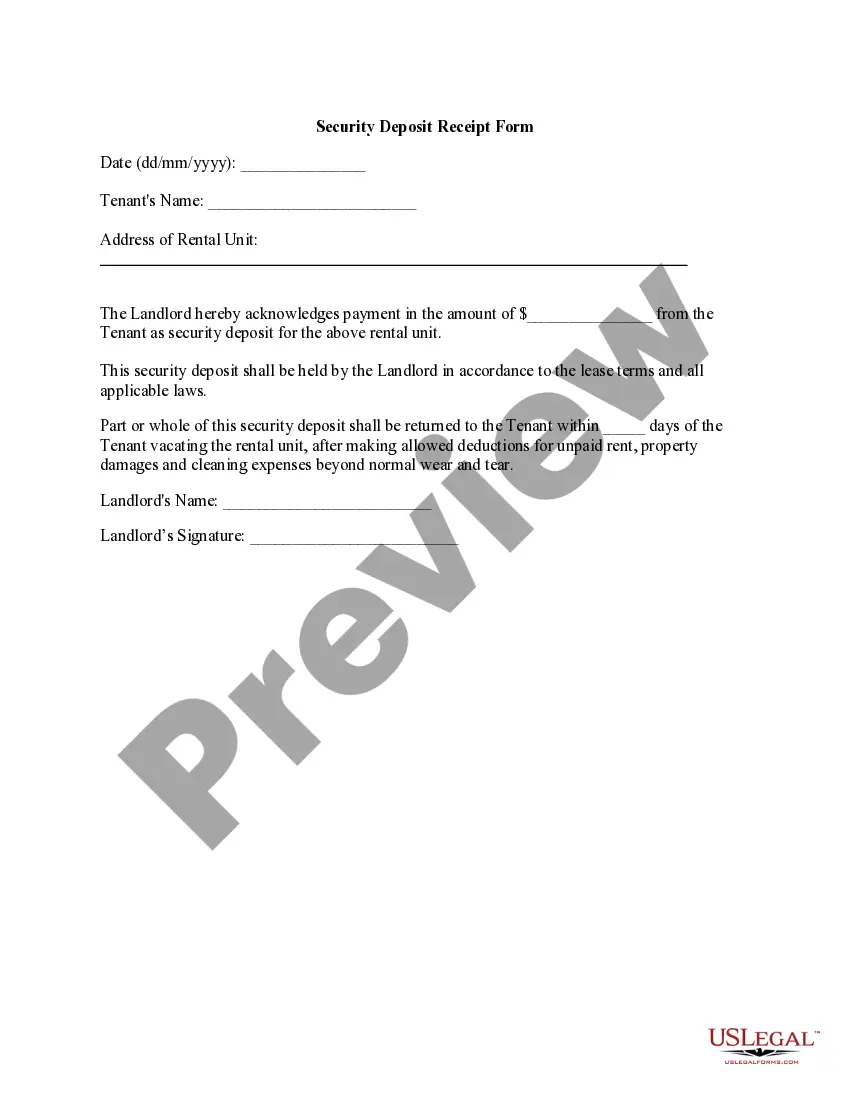
The Itemized Security Deduction Form is a legal document that landlords use to provide tenants with a detailed account of any deductions made from their security deposit. This form is required by law when a tenant vacates a rental property and helps ensure transparency and fairness in the deduction process. Unlike other forms, this one specifically outlines each charge against the deposit, making it easier for tenants to understand the costs incurred during their tenancy.
What’s included in this form
- Date of the form.
- Tenant's name and address of the rental unit.
- Amount of security and pet deposits received.
- Itemized deductions for rent owed and property damage.
- Total amount deducted from the security deposit.
- Amount of the security deposit returned to the tenant.
- Landlord's name and signature.
Situations where this form applies
This form should be used when a tenant vacates a rental property, and the landlord needs to outline any deductions taken from the security deposit. Common scenarios include instances of unpaid rent, damages to the property, or costs associated with cleaning beyond normal wear and tear. It serves as an official record that helps clarify the reasons for withholding part of the deposit.
Who can use this document
This form is intended for:
- Landlords managing rental properties.
- Property management companies handling tenant relationships.
- Tenants who want to understand the breakdown of their security deposit deductions.
Instructions for completing this form
- Enter the date of the form at the top.
- Fill in the tenantâs name and the address of the rental unit.
- Specify the total amount of security and pet deposits received.
- List any deductions for unpaid rent and detail property damage or cleaning costs.
- Calculate the total amount deducted and the remaining security deposit to be returned.
- Sign the form as the landlord to validate the document.
Notarization requirements for this form
This form does not typically require notarization unless specified by local law. However, having it notarized can add an additional layer of authenticity and may be beneficial in case of disputes.
Get your form ready online
Our built-in tools help you complete, sign, share, and store your documents in one place.
Make edits, fill in missing information, and update formatting in US Legal Forms—just like you would in MS Word.
Download a copy, print it, send it by email, or mail it via USPS—whatever works best for your next step.
Sign and collect signatures with our SignNow integration. Send to multiple recipients, set reminders, and more. Go Premium to unlock E-Sign.
If this form requires notarization, complete it online through a secure video call—no need to meet a notary in person or wait for an appointment.
We protect your documents and personal data by following strict security and privacy standards.

Make edits, fill in missing information, and update formatting in US Legal Forms—just like you would in MS Word.

Download a copy, print it, send it by email, or mail it via USPS—whatever works best for your next step.

Sign and collect signatures with our SignNow integration. Send to multiple recipients, set reminders, and more. Go Premium to unlock E-Sign.

If this form requires notarization, complete it online through a secure video call—no need to meet a notary in person or wait for an appointment.

We protect your documents and personal data by following strict security and privacy standards.
Common mistakes
- Failing to itemize all deductions clearly.
- Not providing the correct dates for charges.
- Forgetting to sign the form before returning it to the tenant.
- Leaving out essential contact information for the landlord.
Benefits of completing this form online
- Easy customization to meet specific needs.
- Immediate access to a downloadable, legally compliant template.
- Conveys professionalism and clarity to tenants.
- Helps prevent potential disputes over security deposit deductions.
What to keep in mind
- The Itemized Security Deduction Form is essential for landlords when returning security deposits.
- It helps ensure transparency regarding any deductions made from the deposit.
- All deductions must be clearly itemized and justified.
- Proper completion and communication of this form can help prevent disputes with tenants.
Looking for another form?
Form popularity
FAQ
Section 92.104 of the Texas Property Code describes what a landlord may deduct from a security deposit: Before returning a security deposit, the landlord may deduct from the deposit damages and charges for which the tenant is legally liable under the lease or as a result of breaching the lease.
Primary tabs. Reasonable wear and tear is the damage to property resulting from ordinary use and exposure over time. Also referred to as ordinary wear and tear or natural wear and tear. The term is commonly used in landlord-tenant law to limit the tenant's liability for damage to the property.
Today's date is date, and I have received no word from you. Therefore, I will expect my full deposit in the amount of $ by date of your choice. If I do not receive my deposit by date, I have the right to ask for twice my deposit amount in small claims court.
Stained carpet, holes in the yard, and scratched or chewed floors, walls, or doors are not generally considered normal wear and tear and can all come out of the tenant's security deposit.
Normal wear and tear generally refers to the expected deterioration of a unit caused by a tenant's everyday use. This could include things like wobbly doorknobs, worn carpet, or small scratches on walls and flooring.
Usually, there isn't a legal upper limit on damage-related fees, as the cost is largely determined by the kind of repair that's needed to bring the unit back into the same state it was in before the tenant moved into the unit.
Some examples of fair wear and tear are worn carpets, faded curtains, minor scuffs and scrapes on walls, worn keys and dirty windows.
What to Include in a Security Deposit Demand Letter the address of your rental and the dates you rented from. how much you paid for a security deposit. why you are entitled to a return of a portion or all of the deposit. the state laws that require a return of the deposit in a timely manner.