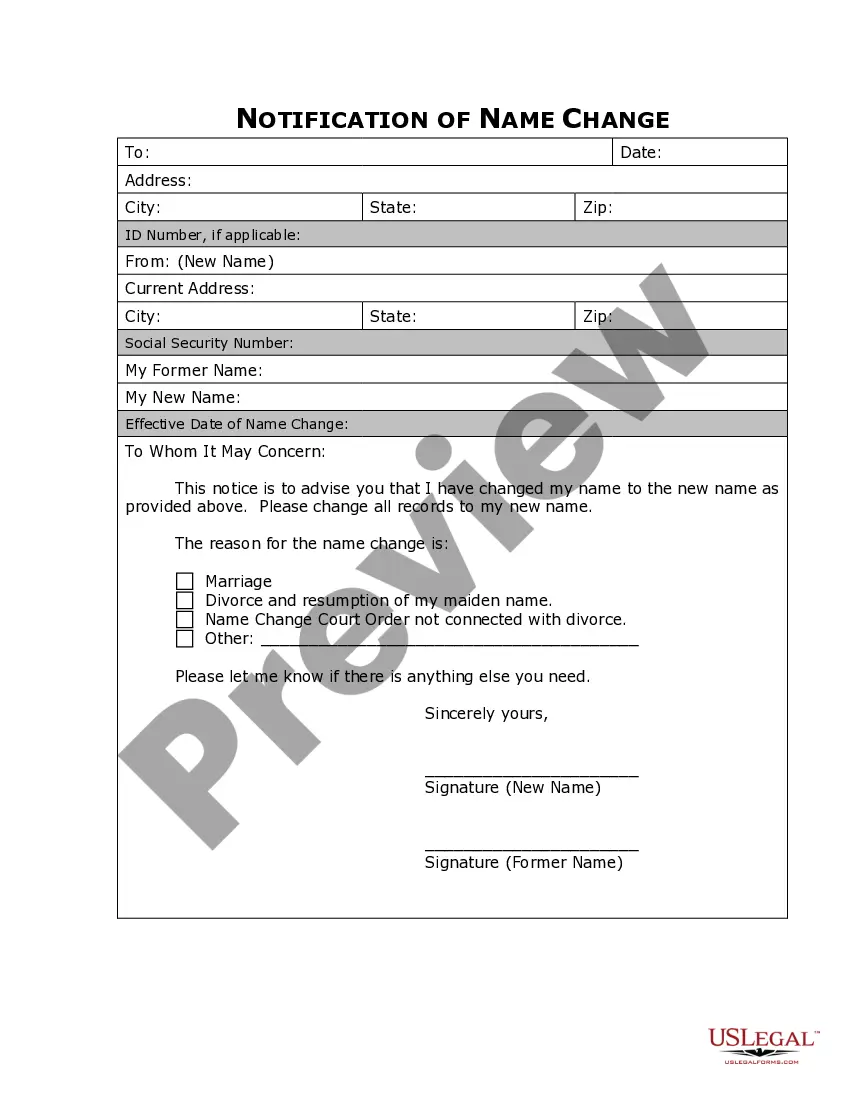
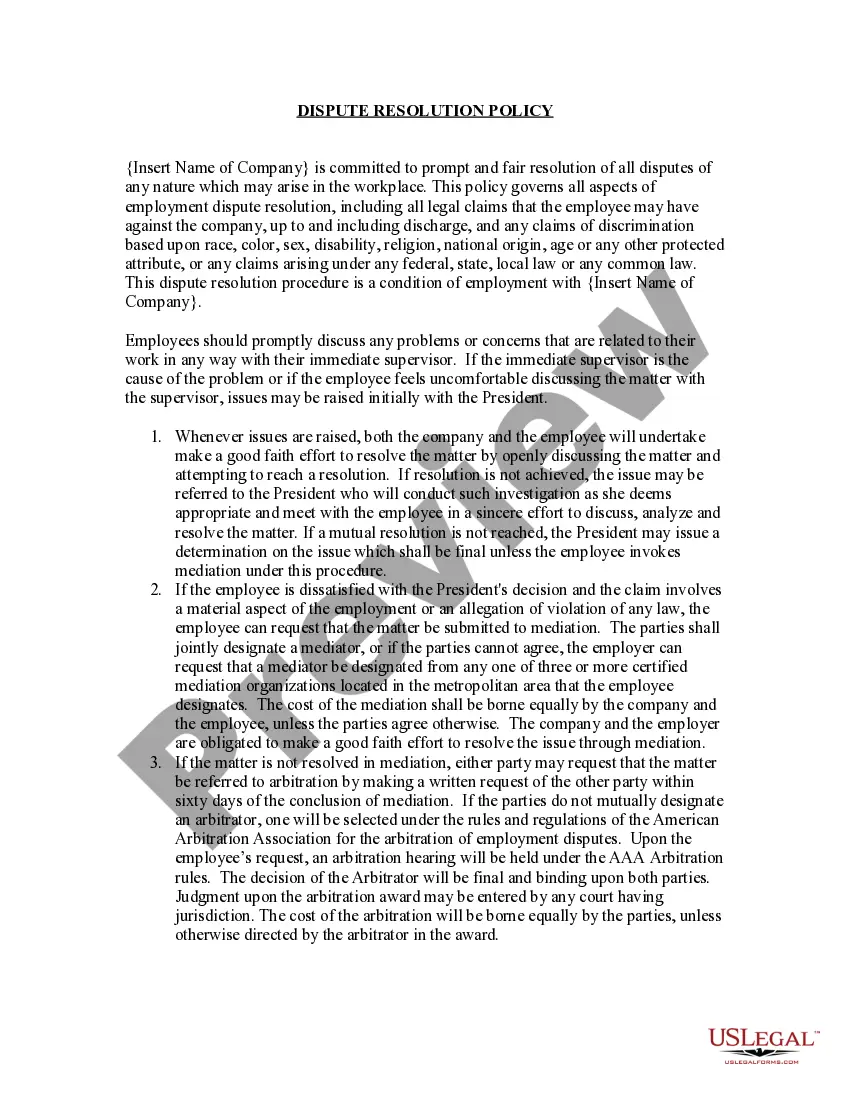
Dispute Resolution Policy
What this document covers
The Dispute Resolution Policy is a structured document that outlines the procedures for resolving workplace disputes in a fair and timely manner. This policy is crucial for both employers and employees, as it sets forth the steps to address conflicts or claims arising during employment. Unlike general complaint procedures, this policy specifically details the process from initial discussions to arbitration, ensuring a clear pathway for resolution.
What’s included in this form
- Commitment to fair dispute resolution by the company.
- Procedures for raising workplace issues with supervisors or management.
- Steps to mediation and arbitration if initial resolutions fail.
- Responsibilities of both the employee and employer during dispute resolution.
- Finality of the arbitrator's decision and costs associated with mediation and arbitration.
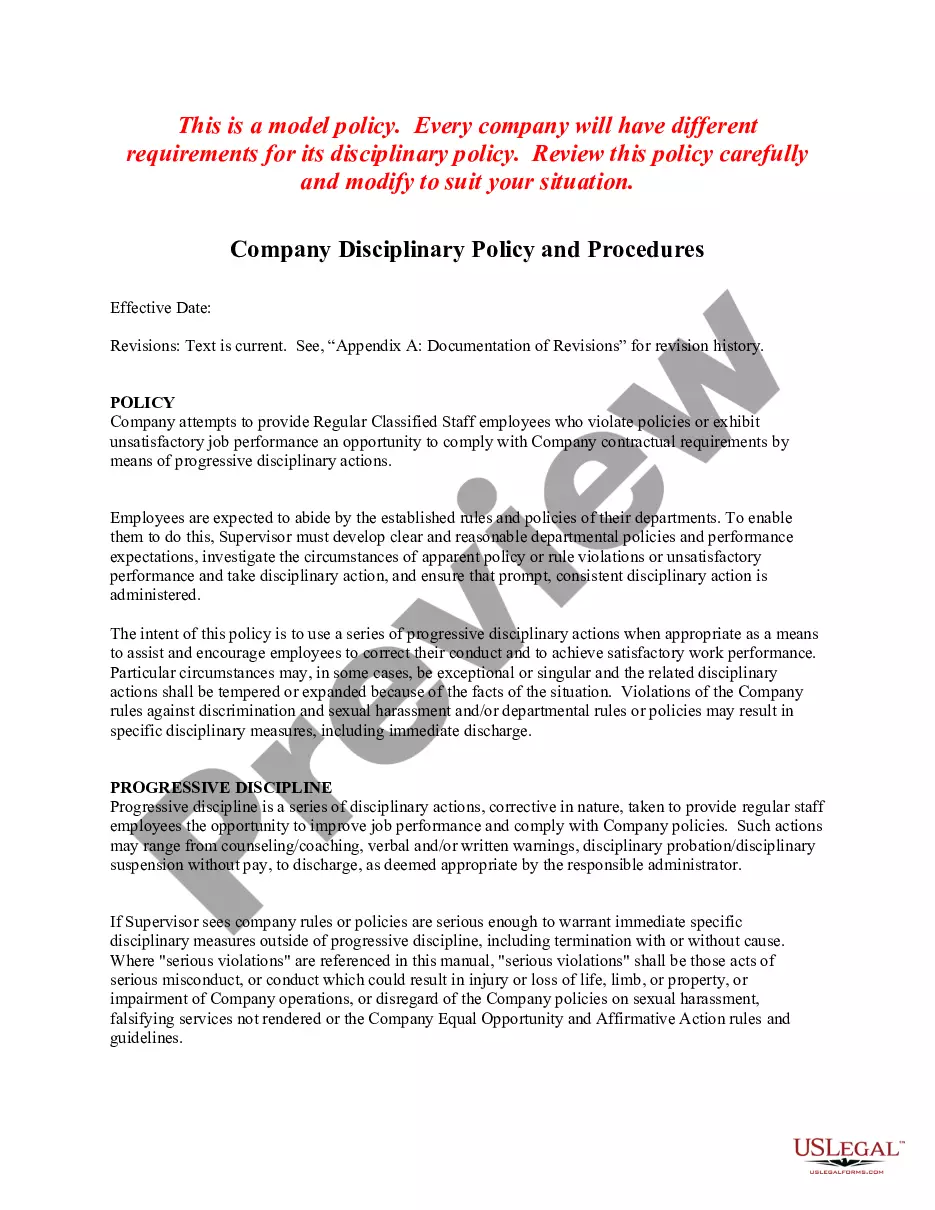
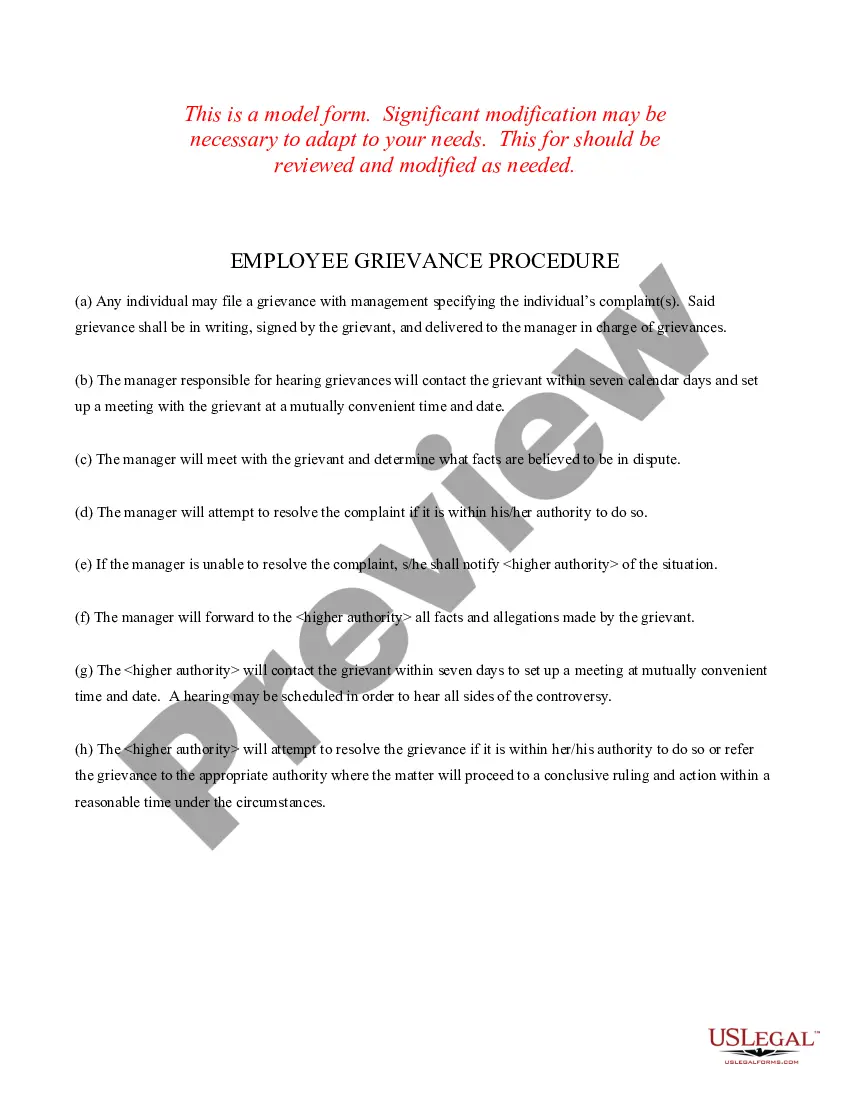
When this form is needed
This form should be used when employees at a company wish to understand their rights and the procedures in place for resolving any workplace disputes. It is particularly relevant in cases of discrimination allegations, other legal claims against the company, or general workplace conflicts. Employing this policy can help prevent misunderstandings and ensure that all parties are aware of their options for resolution.
Who needs this form
- Employees experiencing workplace disputes or legal claims against their employer.
- Managers and supervisors who need guidance on dispute resolution procedures.
- HR personnel responsible for implementing and communicating the company's dispute resolution policy.
- Companies looking to establish a fair and transparent dispute resolution process.
How to prepare this document
- Enter the company name in the designated field at the beginning of the document.
- Outline any specific workplace issues or disputes that may require resolution.
- Identify the relevant parties involved in the dispute, including supervisors and management.
- Document any attempts at resolution and discussions held regarding the issue.
- Follow the established steps for raising concerns and seeking mediation or arbitration as needed.
Notarization guidance
Notarization is generally not required for this form. However, certain states or situations might demand it. You can complete notarization online through US Legal Forms, powered by Notarize, using a verified video call available anytime.
Get your form ready online
Our built-in tools help you complete, sign, share, and store your documents in one place.
Make edits, fill in missing information, and update formatting in US Legal Forms—just like you would in MS Word.
Download a copy, print it, send it by email, or mail it via USPS—whatever works best for your next step.
Sign and collect signatures with our SignNow integration. Send to multiple recipients, set reminders, and more. Go Premium to unlock E-Sign.
If this form requires notarization, complete it online through a secure video call—no need to meet a notary in person or wait for an appointment.
We protect your documents and personal data by following strict security and privacy standards.

Make edits, fill in missing information, and update formatting in US Legal Forms—just like you would in MS Word.

Download a copy, print it, send it by email, or mail it via USPS—whatever works best for your next step.

Sign and collect signatures with our SignNow integration. Send to multiple recipients, set reminders, and more. Go Premium to unlock E-Sign.

If this form requires notarization, complete it online through a secure video call—no need to meet a notary in person or wait for an appointment.

We protect your documents and personal data by following strict security and privacy standards.
Typical mistakes to avoid
- Not addressing issues promptly, leading to exacerbation of disputes.
- Failing to follow the outlined dispute resolution steps, which can hinder the process.
- Lack of documentation regarding conversations or steps taken to resolve issues.
Benefits of using this form online
- Easy access to customizable dispute resolution policy templates.
- Reduce time spent on drafting by using professionally drafted forms.
- Ability to download and store the form for quick reference and updates.
Quick recap
- The Dispute Resolution Policy is essential for managing workplace conflicts effectively.
- Clear steps are provided within the policy for resolving disputes, from discussion to arbitration.
- Understanding the policy can help employees and employers prevent and address disputes efficiently.
Looking for another form?

Form popularity
FAQ
Methods of Dispute Resolution. Many ways exist to resolve legal conflicts, including going to court. Methods of Dispute Resolution Judicial Trial. A trial is a judicial proceeding that takes place in court. Administrative Agency Hearings. Negotiation. Arbitration. Mediation. Summary Jury Trial. Mini Trial.
The most common forms of ADR are arbitration, mediation, the rent-a-judge program, summary jury trial, and minitrial, although techniques can be combined to form hybrids suited to a particular dispute or legal jurisdiction.
Lawsuits (litigation)(judicial) arbitration. collaborative law. mediation. conciliation. negotiation. facilitation. avoidance.
Dispute resolution is a term that refers to a number of processes that can be used to resolve a conflict, dispute or claim.Dispute resolution processes are alternatives to having a court (state or federal judge or jury) decide the dispute in a trial or other institutions decide the resolution of the case or contract.
NegotiationDirect bargaining between disputing parties with the parties attempting to resolve the dispute without the involvement of a neutral third party. MediationIn mediation, a neutral third party assists the disputants in negotiating a mutually acceptable settlement.
Avoiding the Conflict. Avoiding or withdrawing from a conflict requires no courage or consideration for the other party. Giving In. Giving in or accommodating the other party requires a lot of cooperation and little courage. Standing your Ground. Compromising. Collaborating.
Resolution Aim to resolve each complaint within its internal complaints handling procedures, and to facilitate external review of complaints which it is unable to resolve.
Arbitration. Arbitration involves hearing both sides by a neutral third party called an arbitrator who will come to decision which may or may not bind the parties. Early Neutral Evaluation. Mediation. Mini-trial. Med-Arb. Negotiation. Summary Jury Trial.
Mediation; conciliation; early neutral evaluation; mini trial; or. any combination thereof.