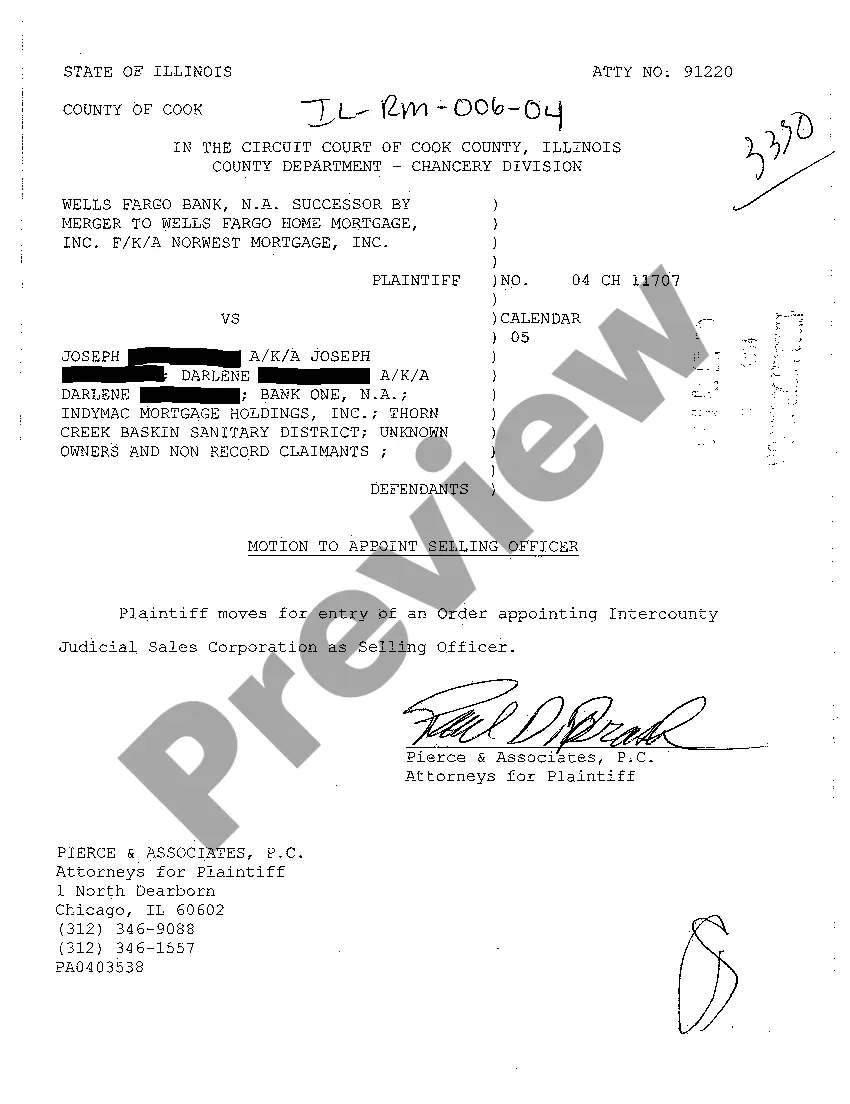
Montana Plaintiff's Motion for Judgment
Description
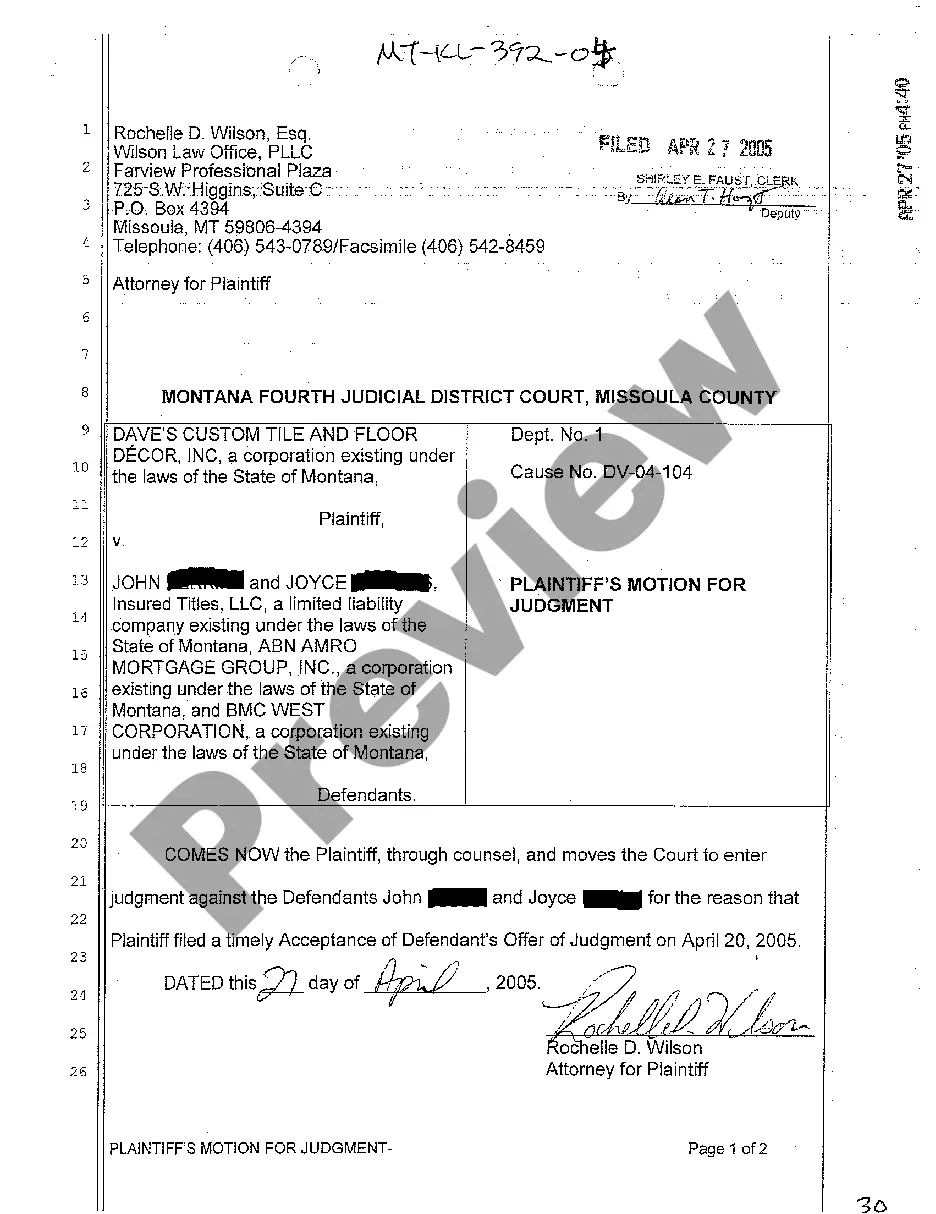
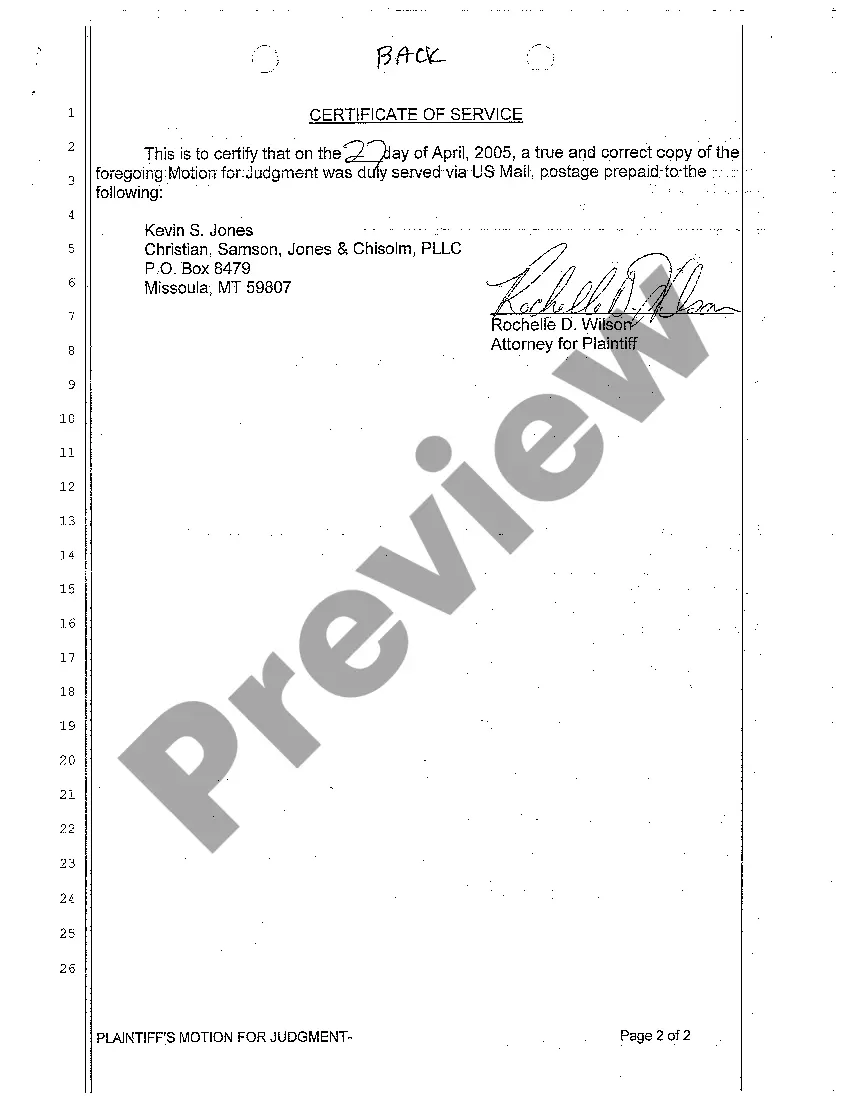
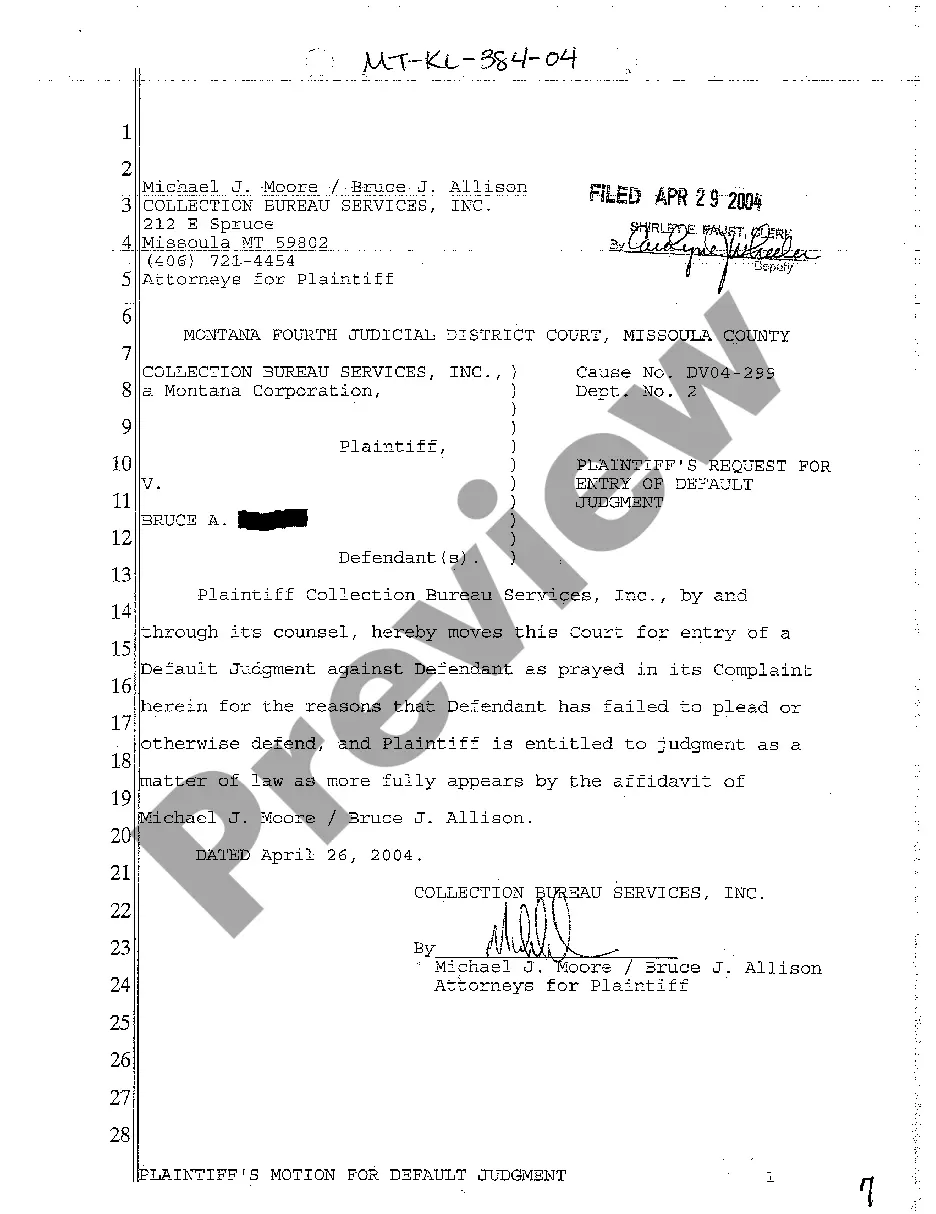
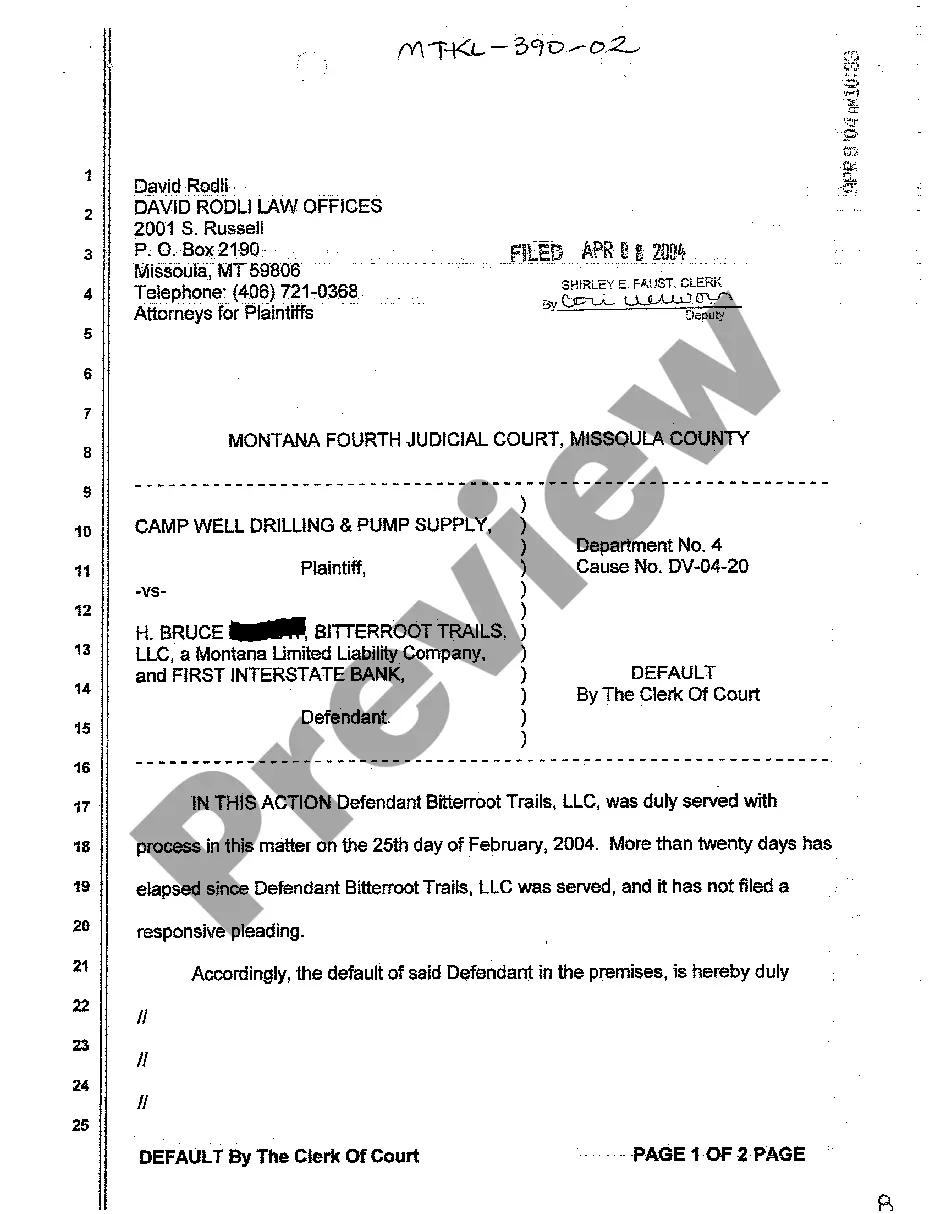
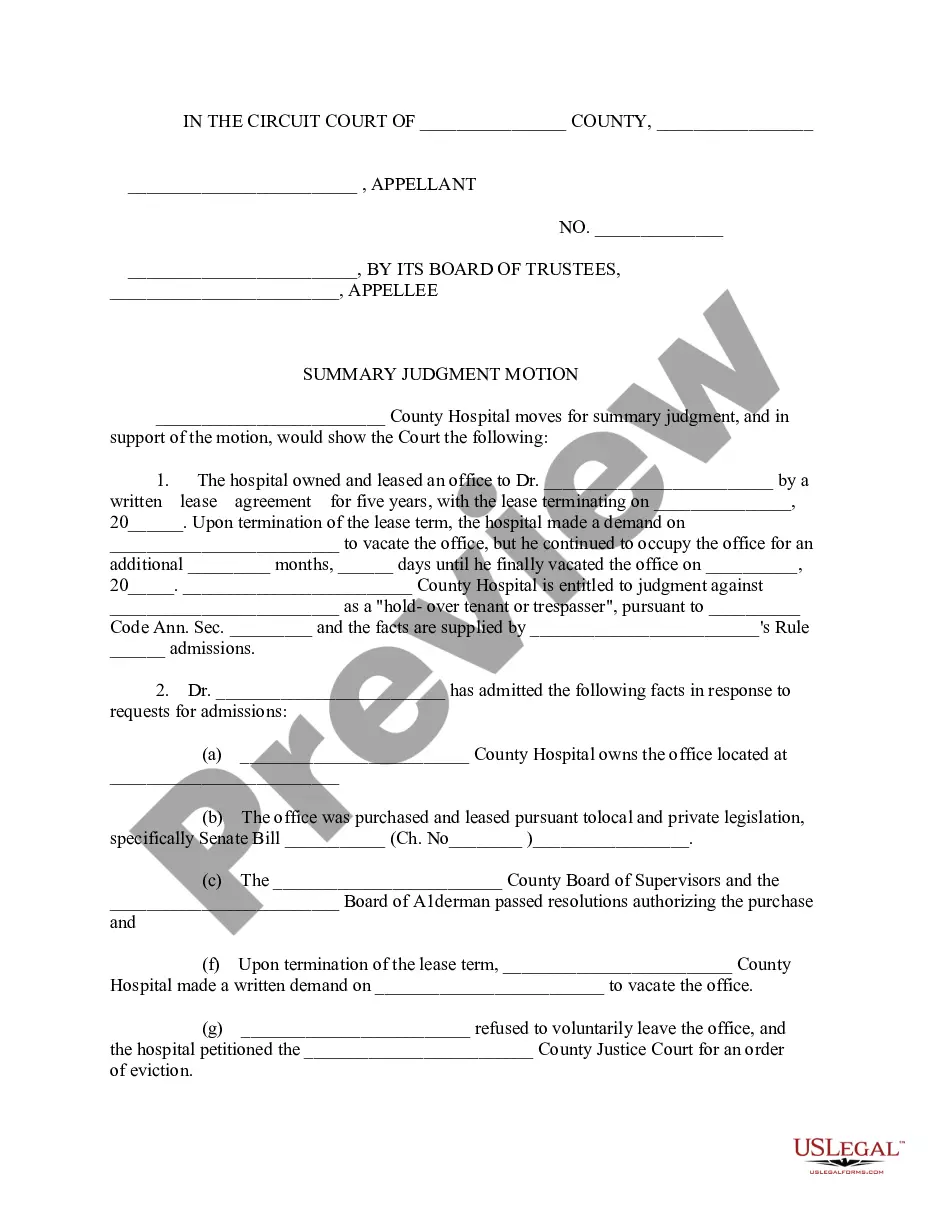
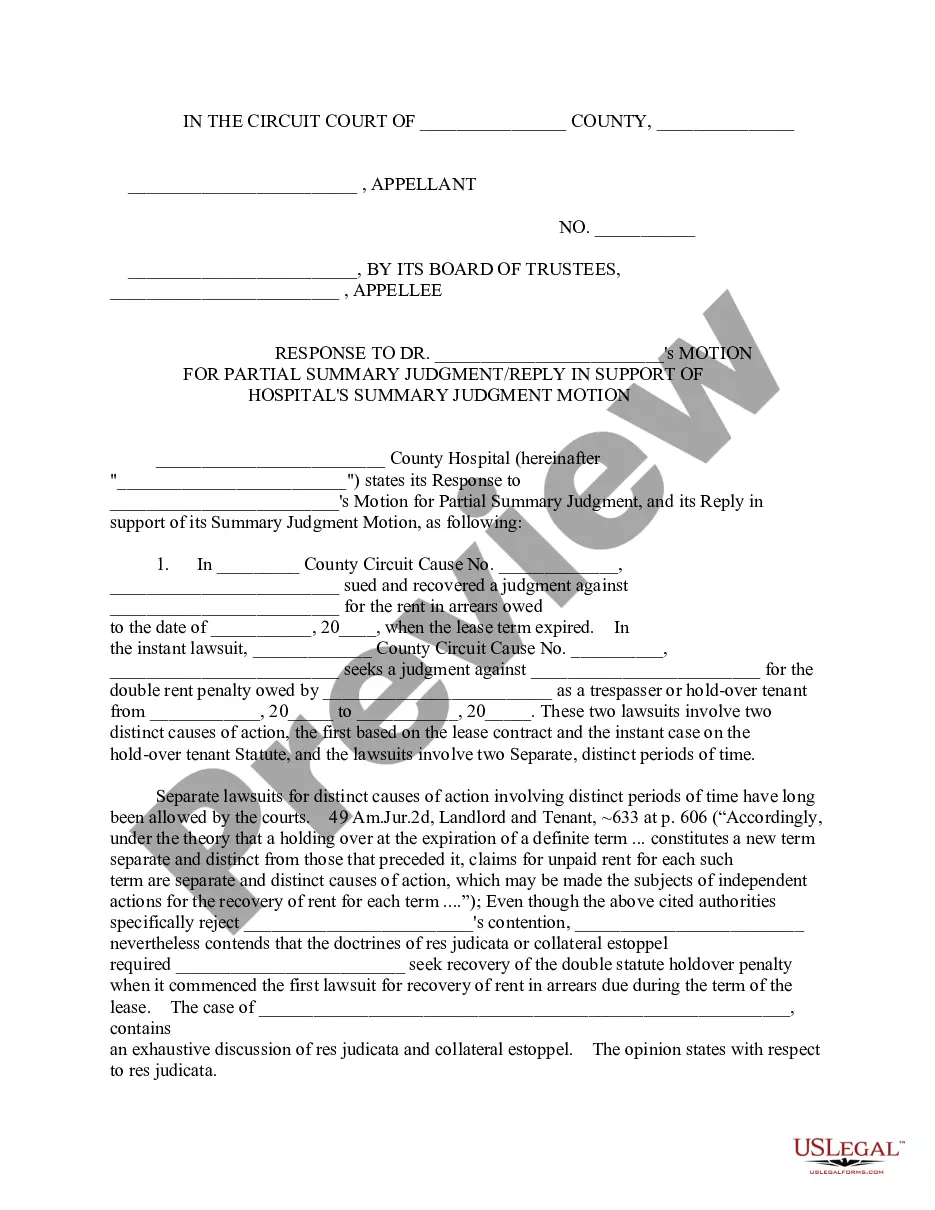
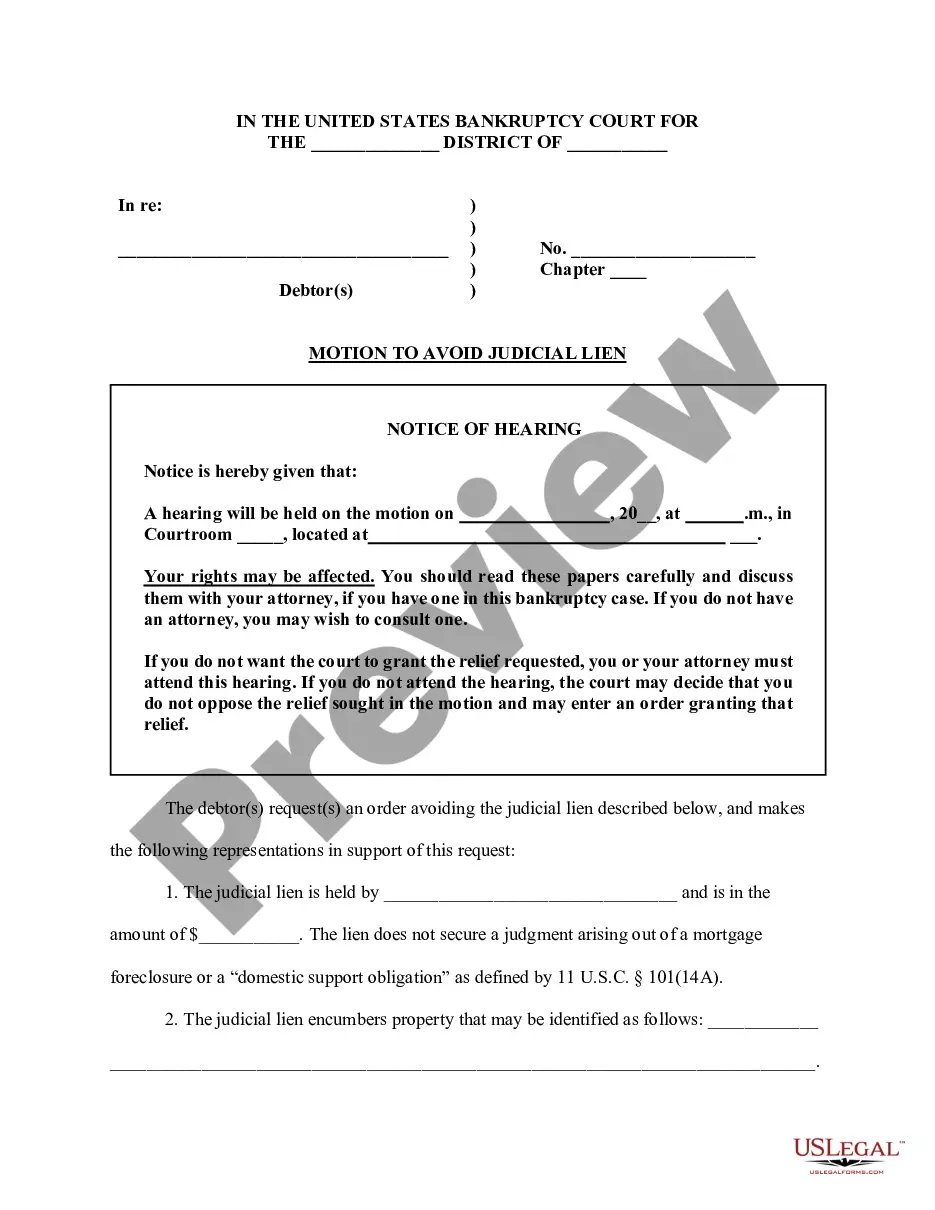

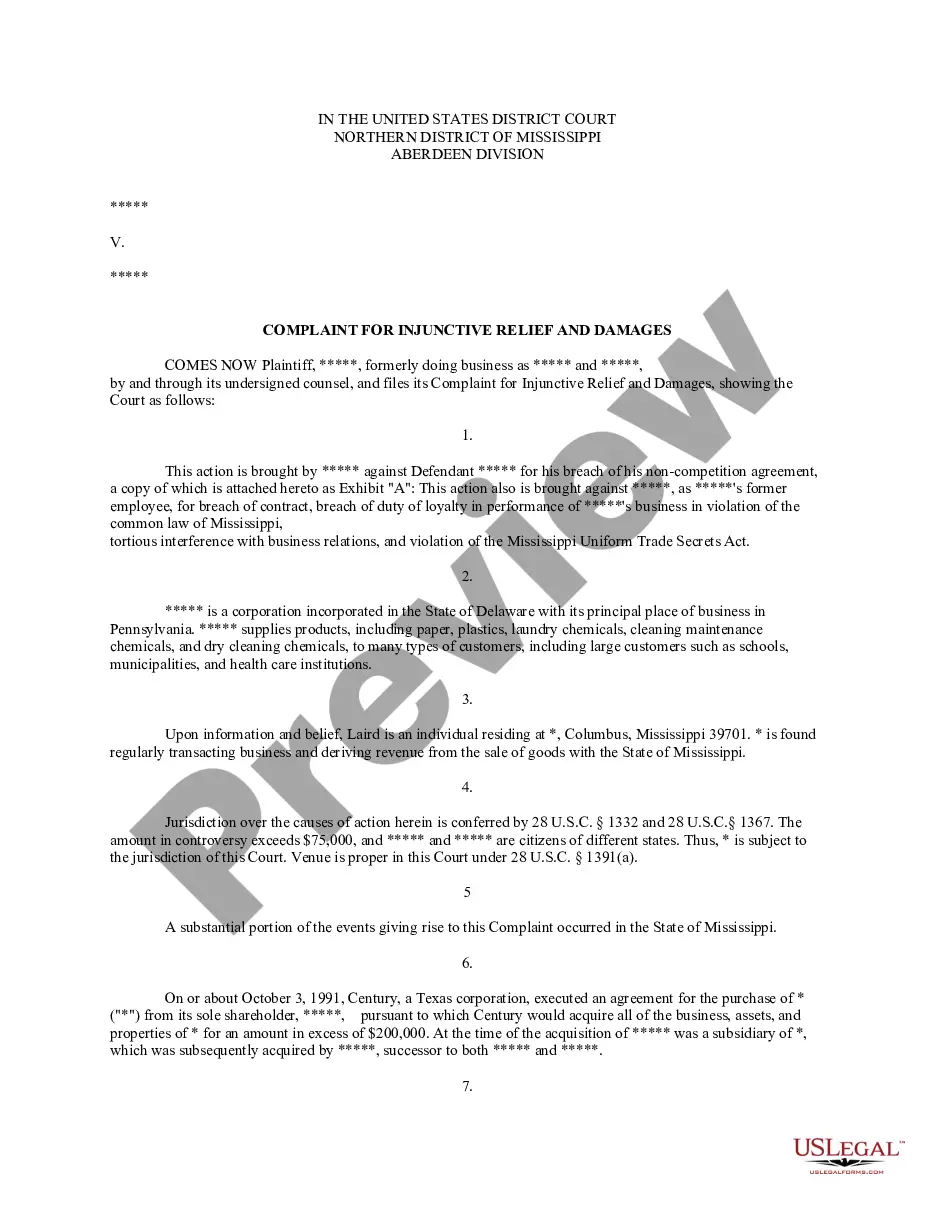
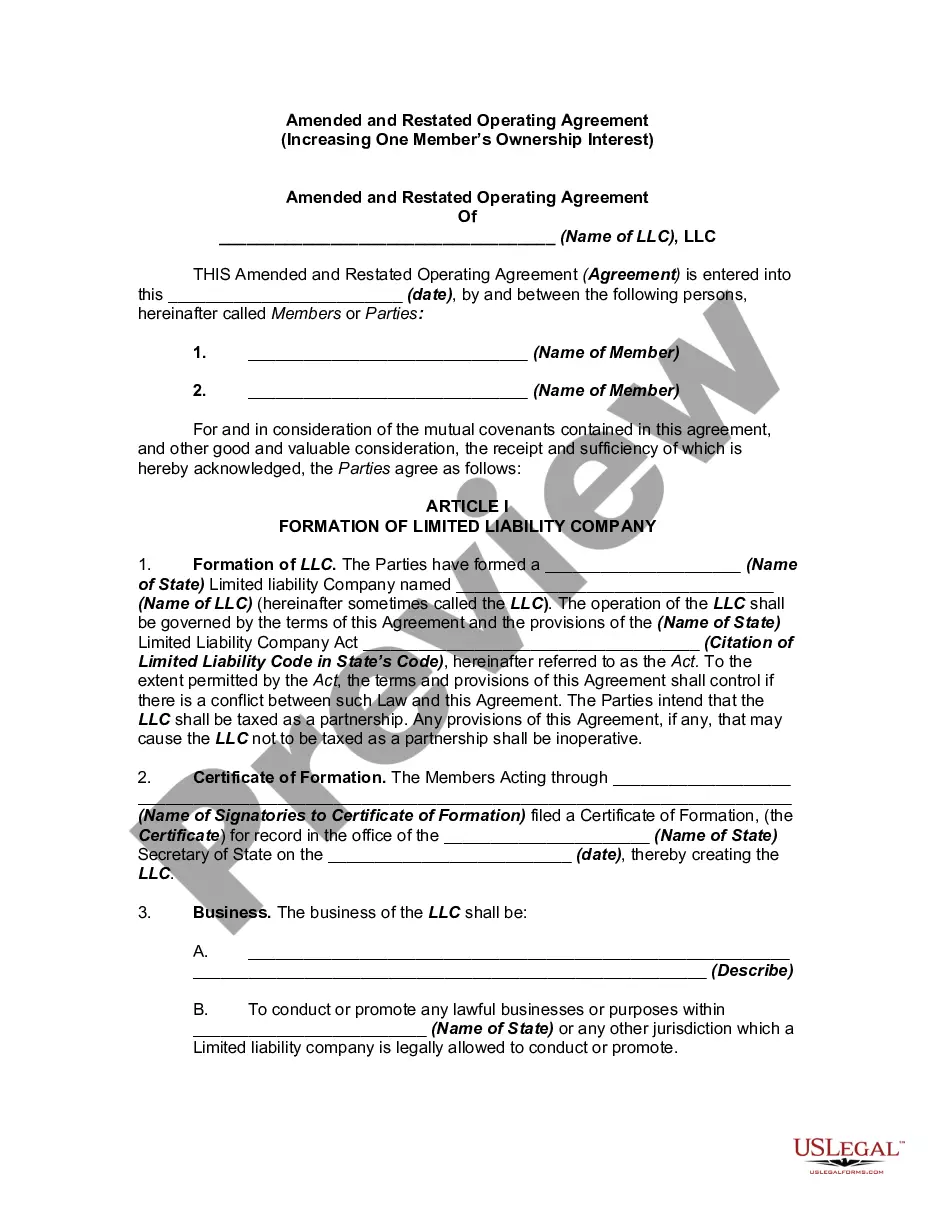
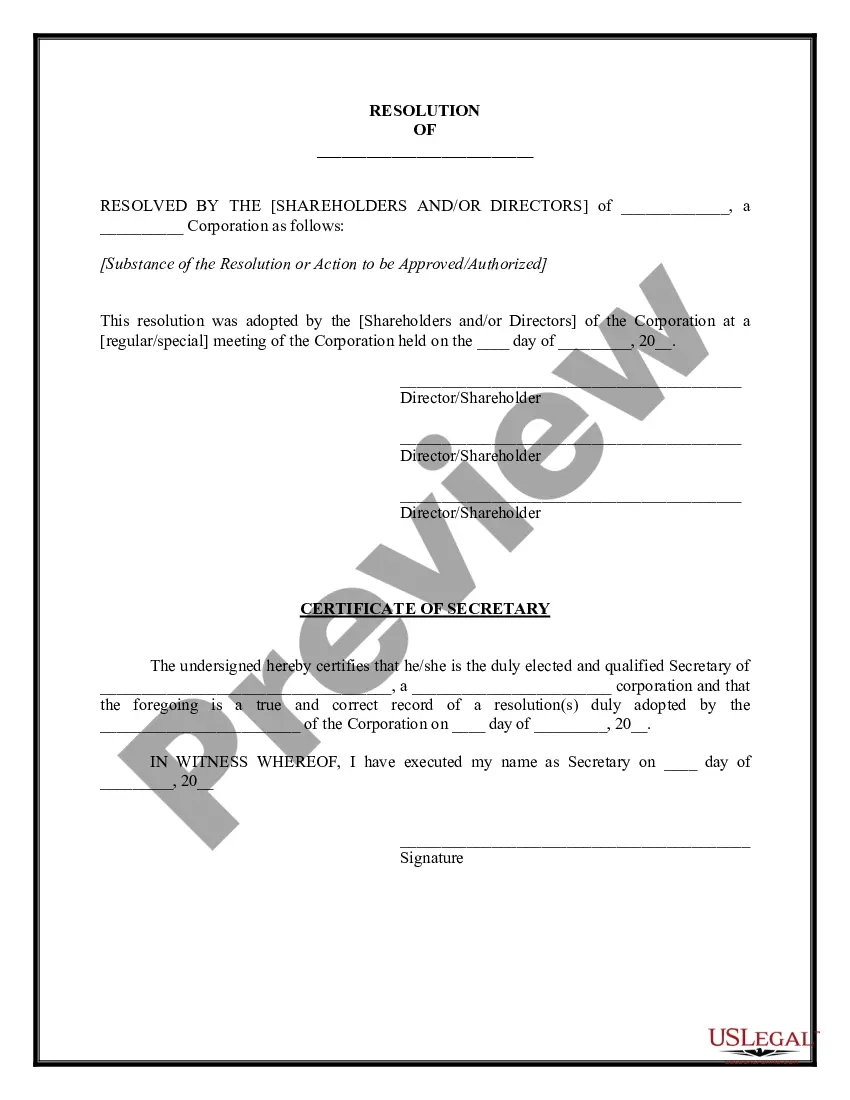
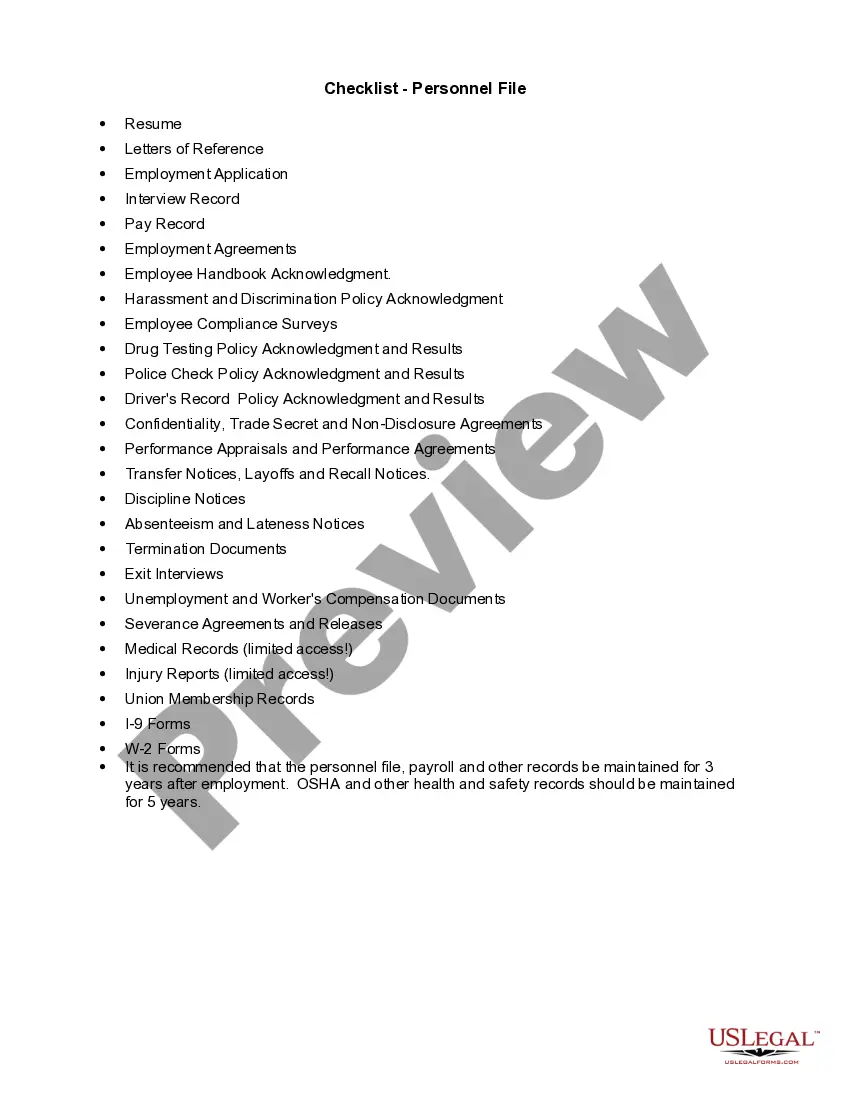

How to fill out Montana Plaintiff's Motion For Judgment?
Obtain a printable Montana Plaintiff's Motion for Judgment with just a few clicks from the largest collection of legal e-forms.
Discover, download, and print professionally prepared and certified templates on the US Legal Forms website. US Legal Forms has been the top source of economical legal and tax forms for US citizens and residents online since 1997.
After downloading your Montana Plaintiff's Motion for Judgment, you can complete it in any online editor or print it out to fill it in by hand. Utilize US Legal Forms to gain access to 85,000 expertly-drafted, state-specific documents.
- Users who already possess a subscription need to Log In directly into their US Legal Forms account to get the Montana Plaintiff's Motion for Judgment and find it saved in the My documents section.
- Users without a subscription should follow the steps below.
- Ensure your form complies with your state’s regulations.
- If available, review the form’s description to gain more insights.
- If accessible, preview the document to see additional content.
- Once you are certain the form suits your needs, simply click Buy Now.
- Set up a personal account.
- Select a plan.
- Make payment via PayPal or credit card.
- Download the form in Word or PDF format.
Form popularity
FAQ
Most often, it is a judgment in favor of a plaintiff when the defendant has not responded to a summons or has failed to appear before a court of law.A party can have a default judgment vacated, or set aside, by filing a motion, after the judgment is entered, by showing of a proper excuse.
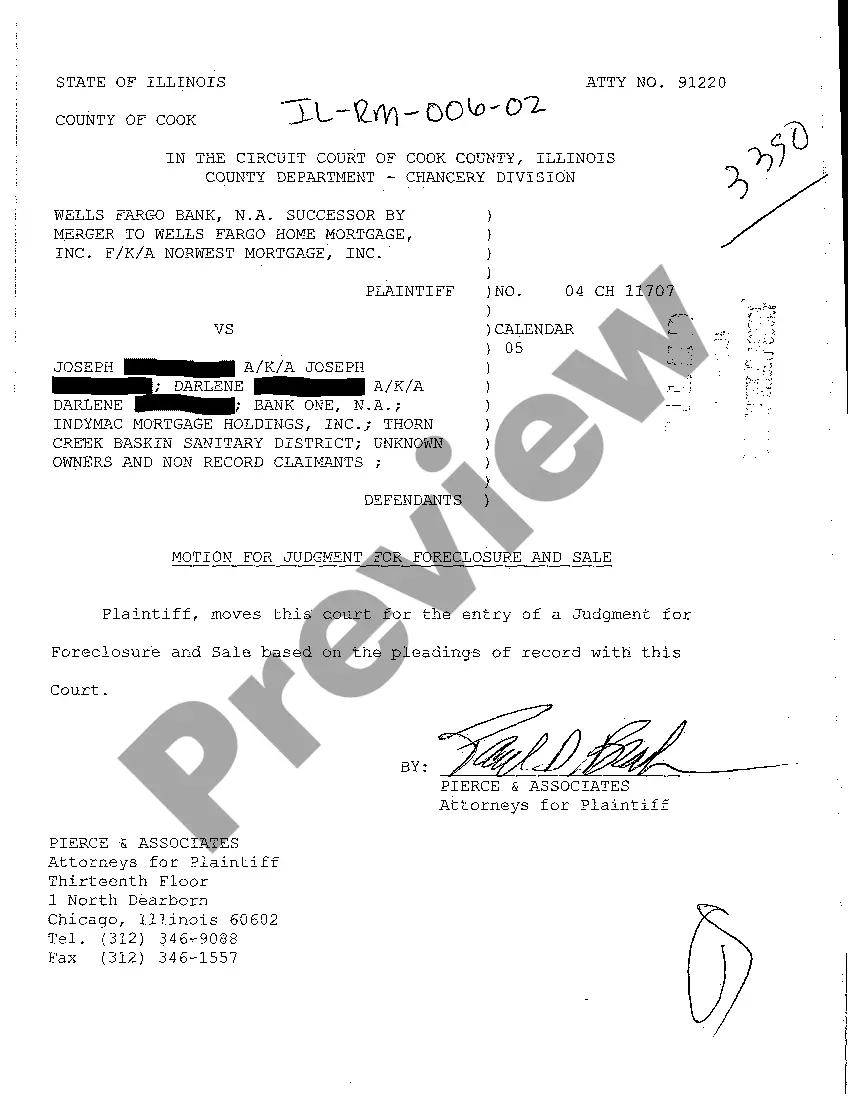
A party may file a motion for judgment on the pleadings on the basis that no answer has been filed, or that the pleadings disclose that there are no material issues of fact to be resolved and that party is entitled to judgment as a matter of law.
Motion for judgment on the pleadings is a party's request to the court to rule in his/her favor based on the pleadings on file, without accepting evidence, as when the outcome of the case rests on the court's interpretation of the law.
In other words, she has ruled in favour of the plaintiff/against the defendant.
A motion asking the court to issue summary judgment on at least one claim.Typically, the motion must show that no genuine issue of material fact exists, and that the opposing party loses on that claim even if all its allegations are accepted as true.
Judgment on the pleadings is a motion made after pleading and before discovery; summary judgment happens after discovery and before trial; JMOL occurs during trial.Timing is very important in making a motion for JMOL; the motion can be made only after the opposing party has presented its case.
When it comes to summary judgment, plaintiff lawyers are often guilty of forgetting the fact that either party can file one. If you have solid evidence that can't be disputed, you may very well be able to prove your claim without going to trial.
(b) (1) A party may move for judgment on the pleadings.(A) If the moving party is a plaintiff, that the complaint states facts sufficient to constitute a cause or causes of action against the defendant and the answer does not state facts sufficient to constitute a defense to the complaint.