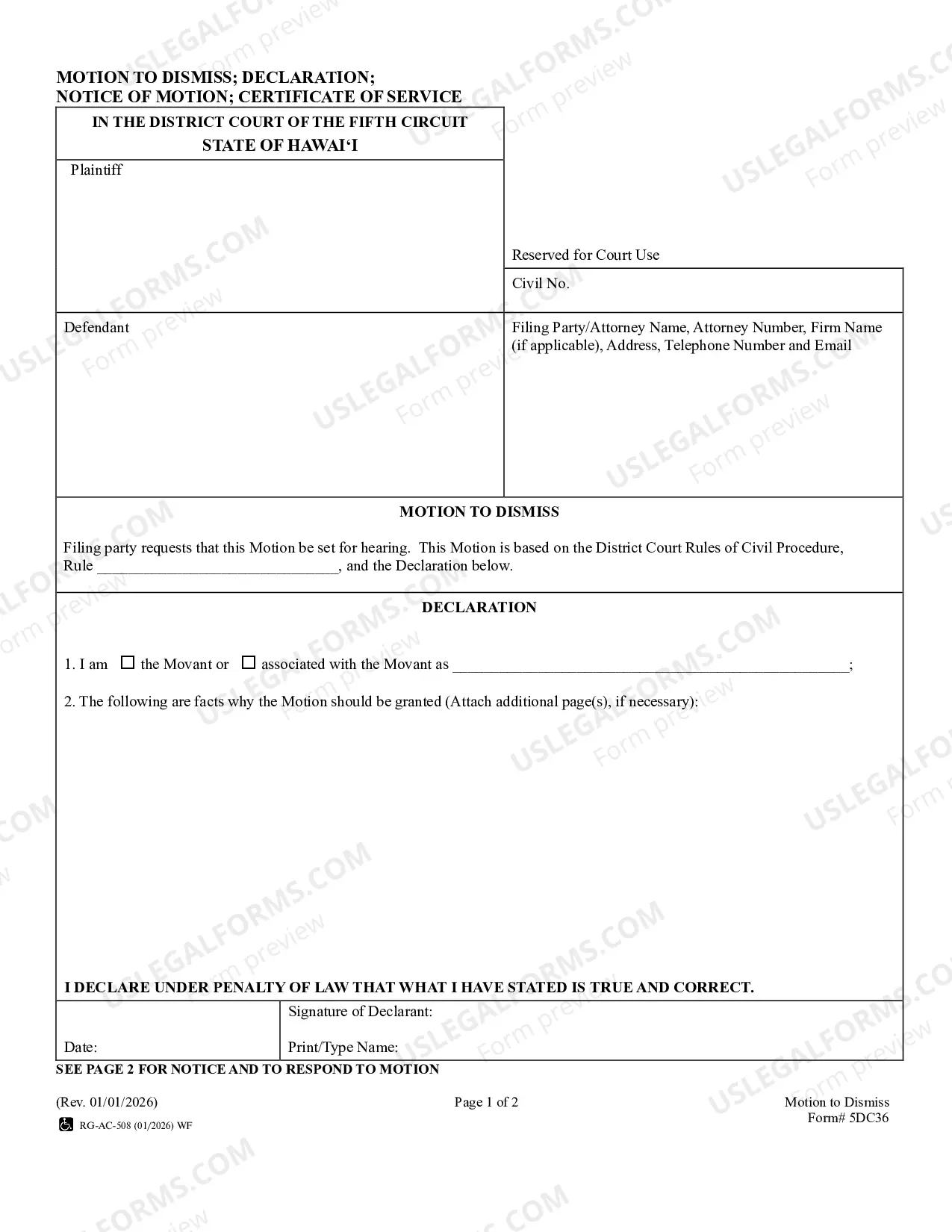
Mississippi Last Will and Testament with Special Needs Trust Distribution
About this form
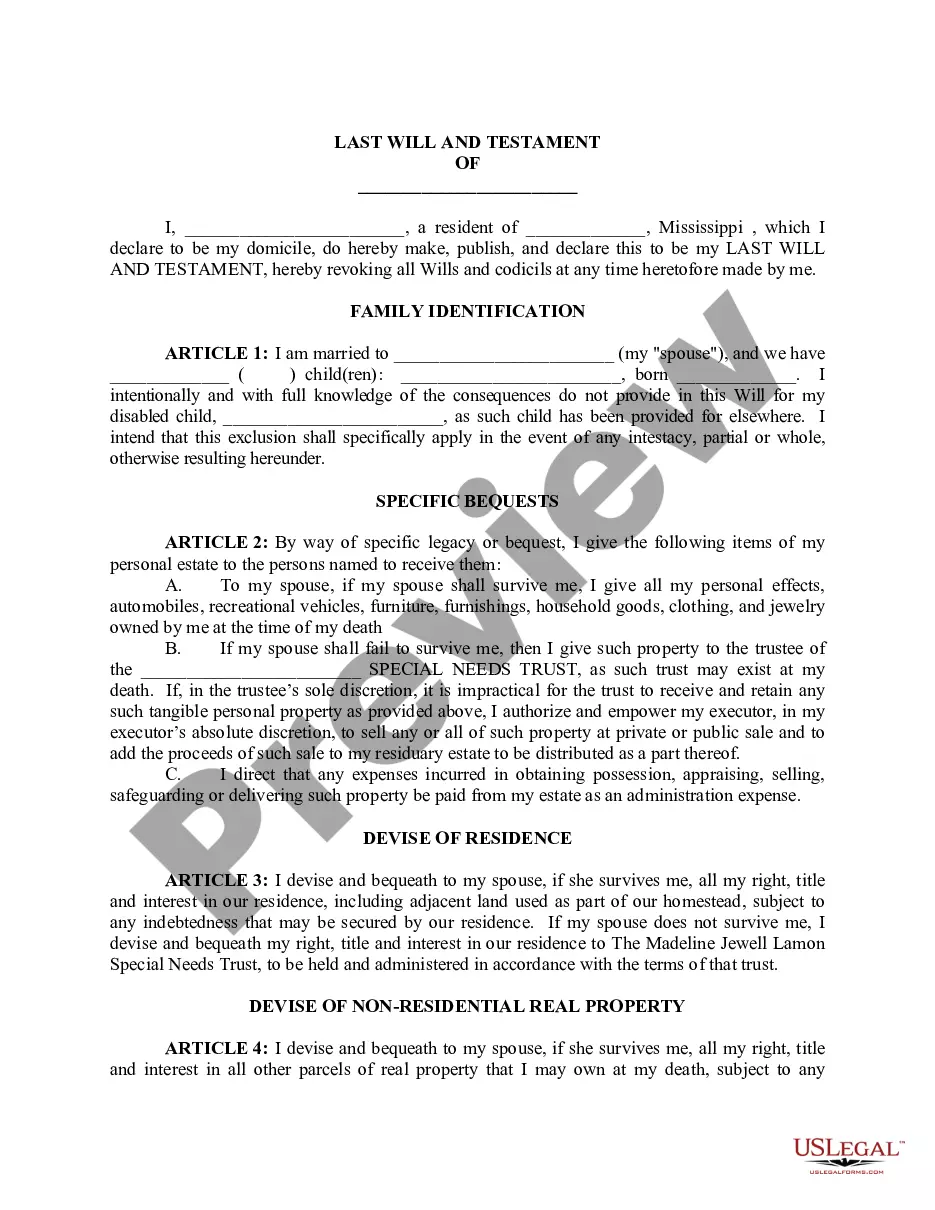
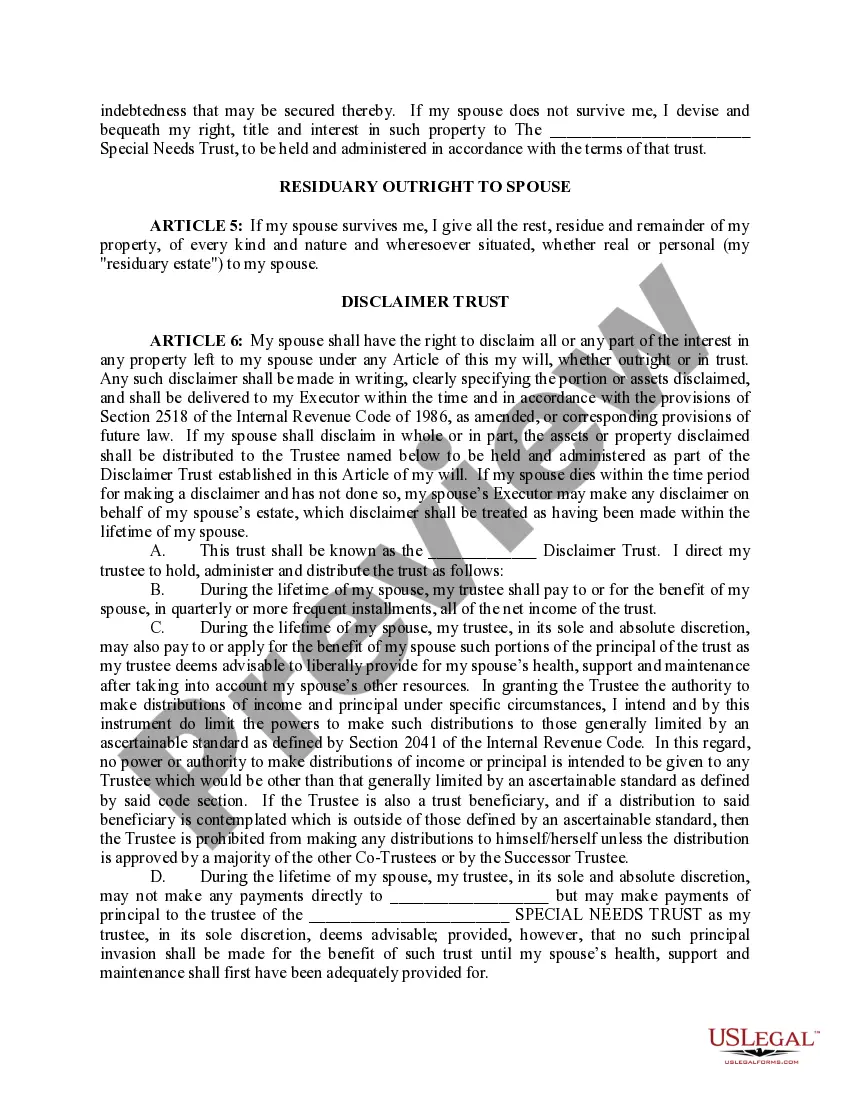
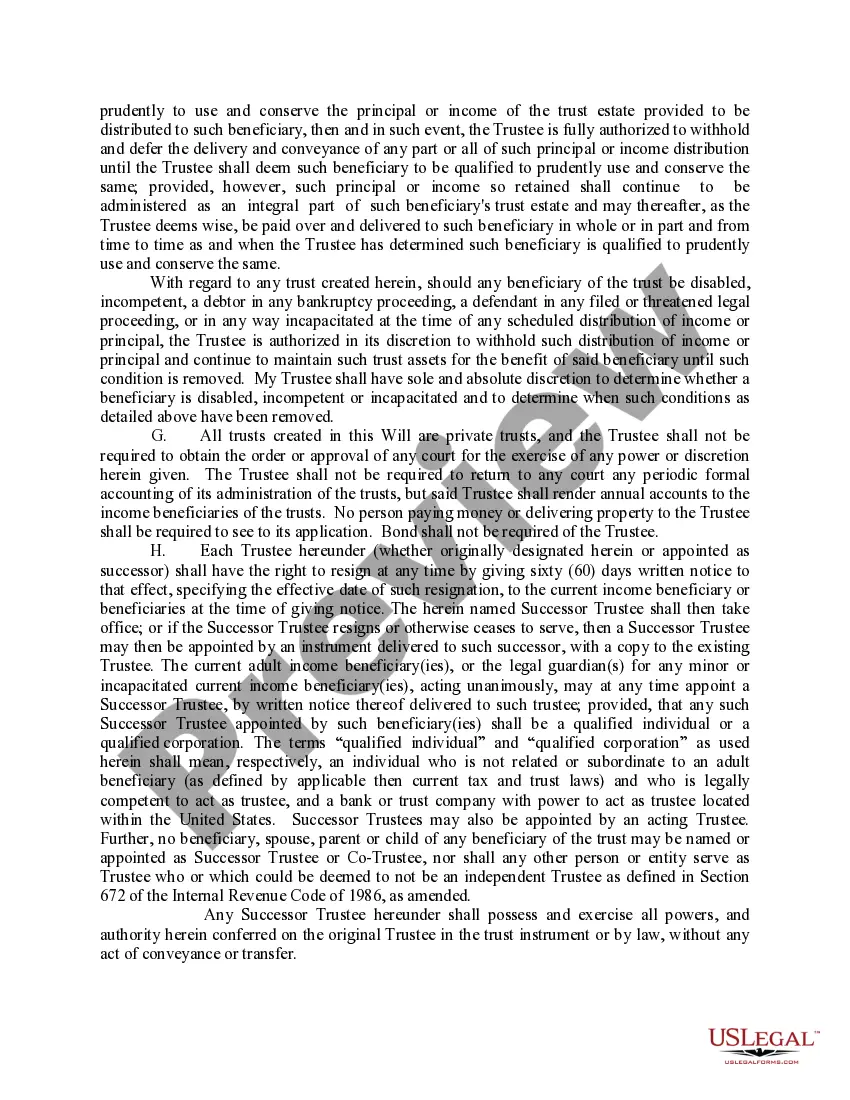
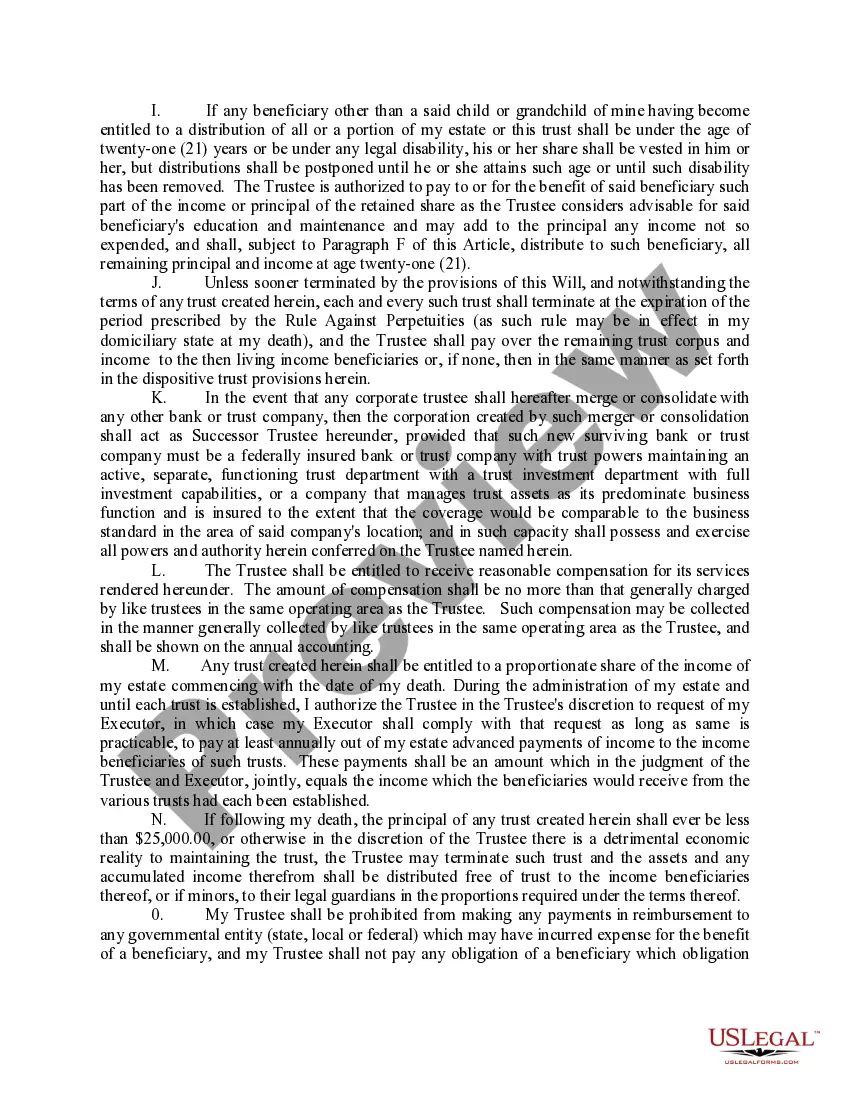
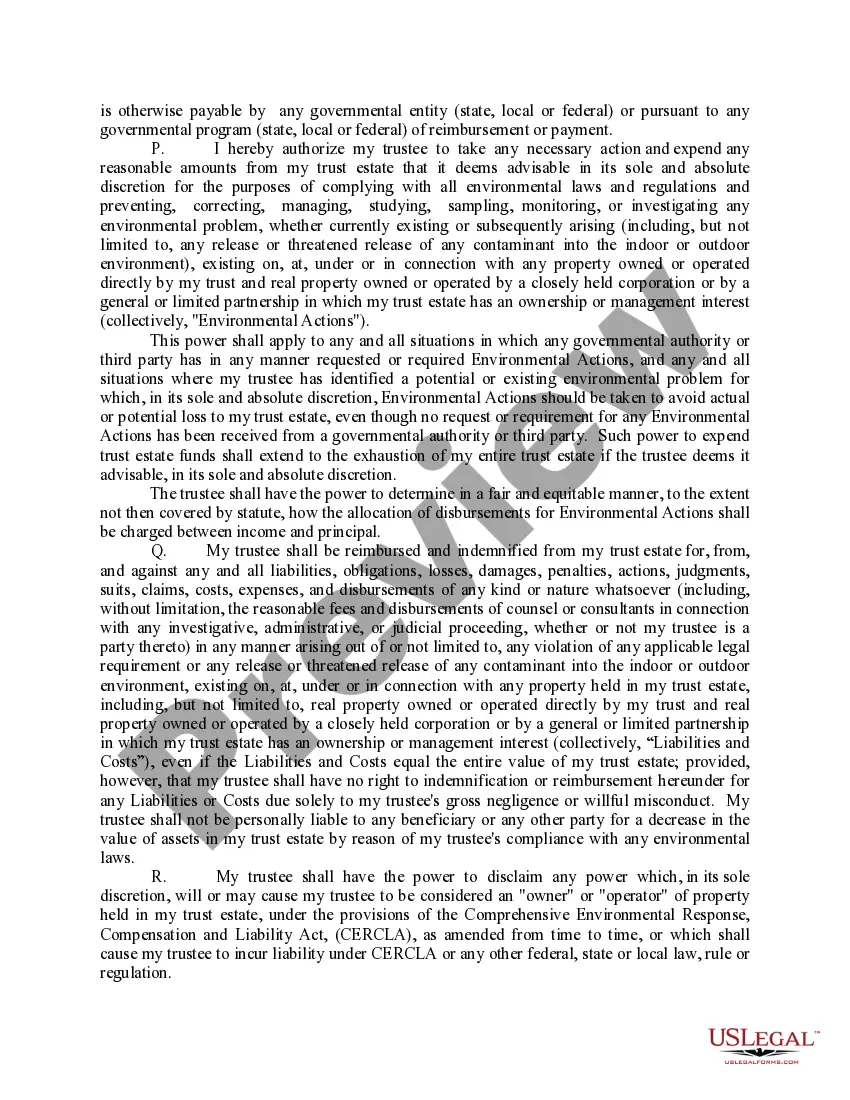
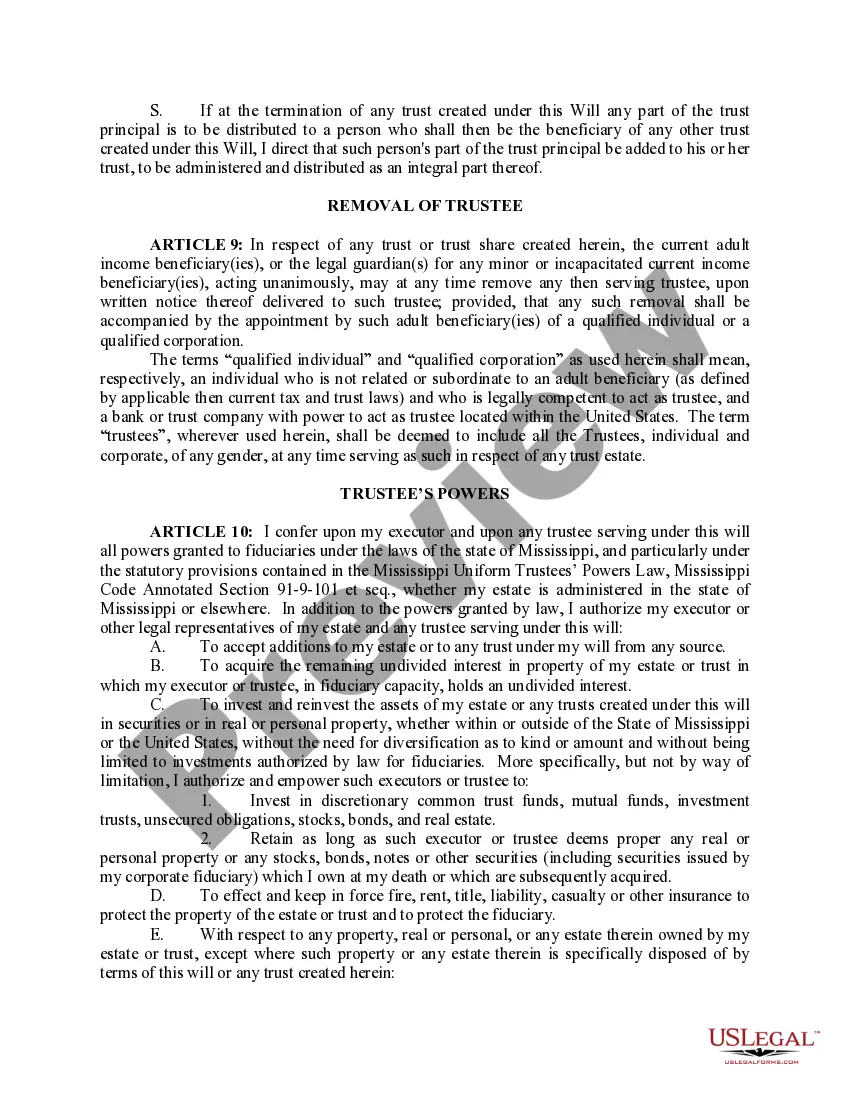
This Last Will and Testament with Special Needs Trust Distribution is a legal document that outlines how a married person wishes to distribute their assets upon death, specifically addressing the needs of a disabled child through a Special Needs Trust. This form differs from standard wills by including provisions that ensure a disabled beneficiary receives support without jeopardizing government benefits. Additionally, it incorporates a Disclaimer Trust for the surviving spouse, allowing for flexibility in estate management.
Key components of this form
- Family identification and revocation of prior wills.
- Specific bequests to a spouse or a Special Needs Trust in the event of the spouse's death.
- Provision for residence and non-residential real property distribution.
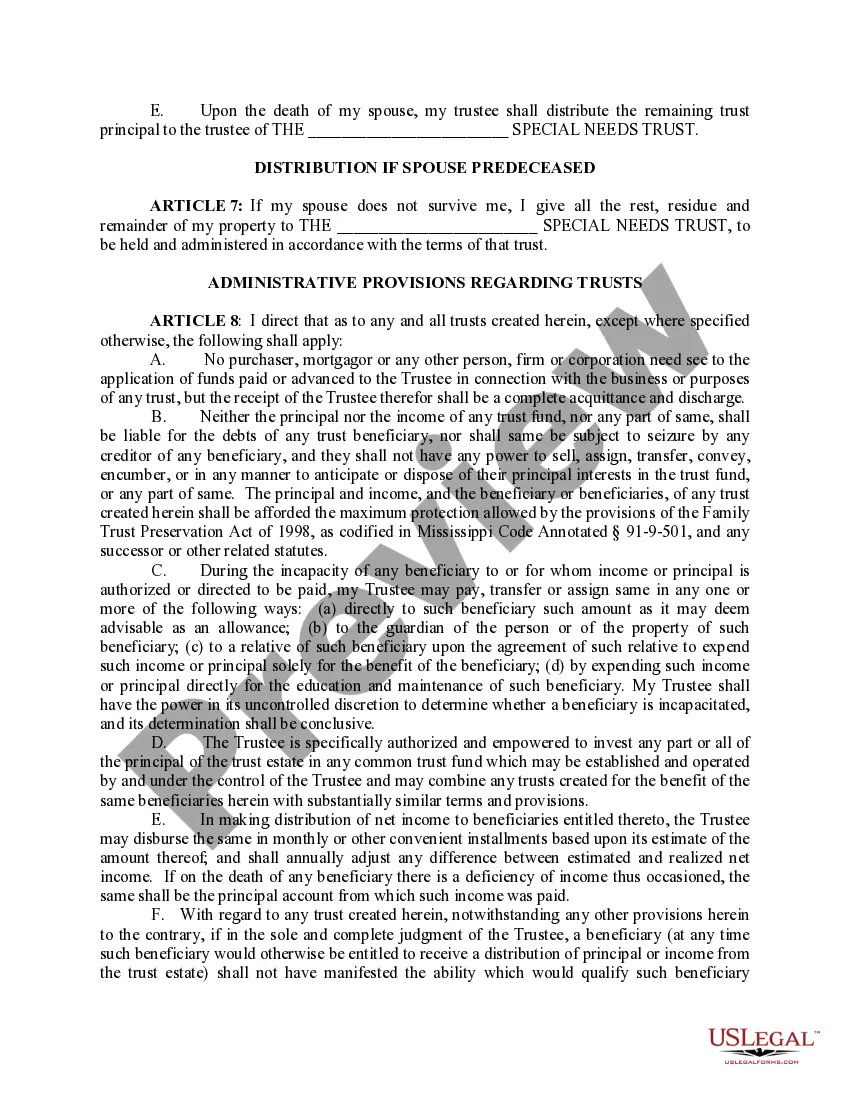
- Residue distribution to spouse or Special Needs Trust based on survival.
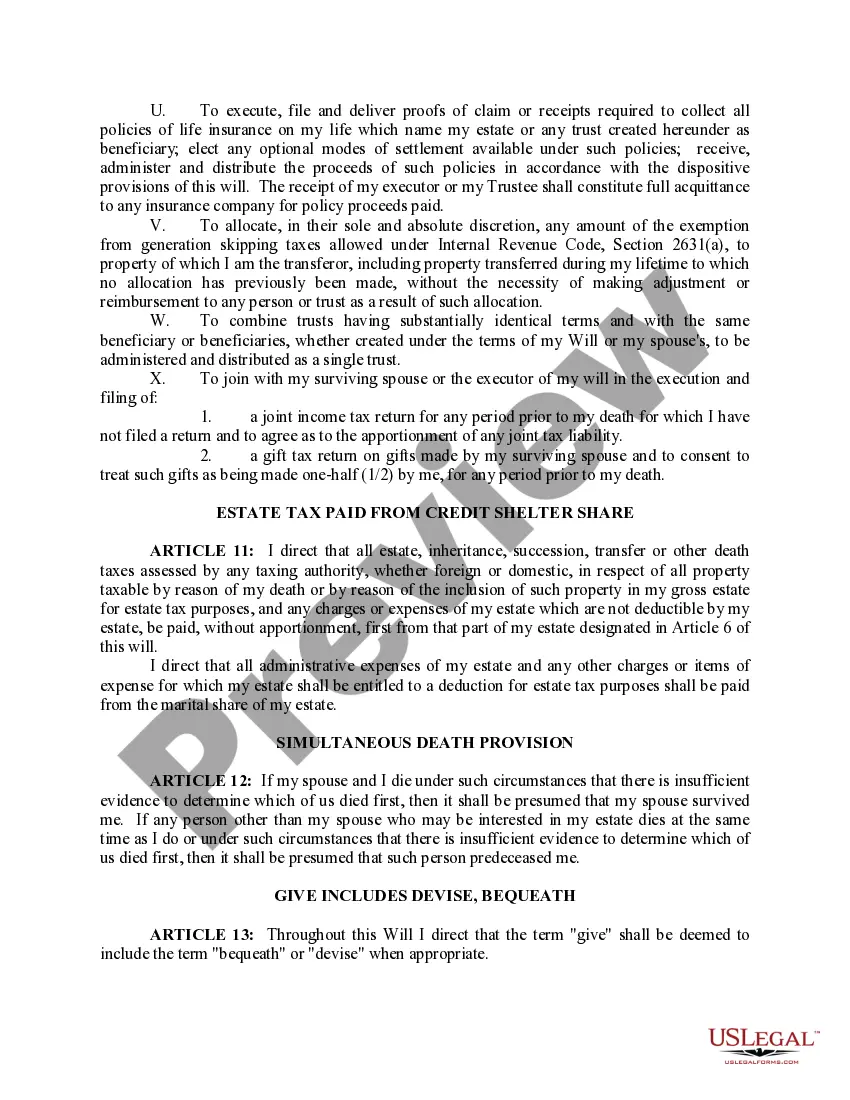
- Disclaimer trust allowing the spouse to disclaim parts of the inheritance.
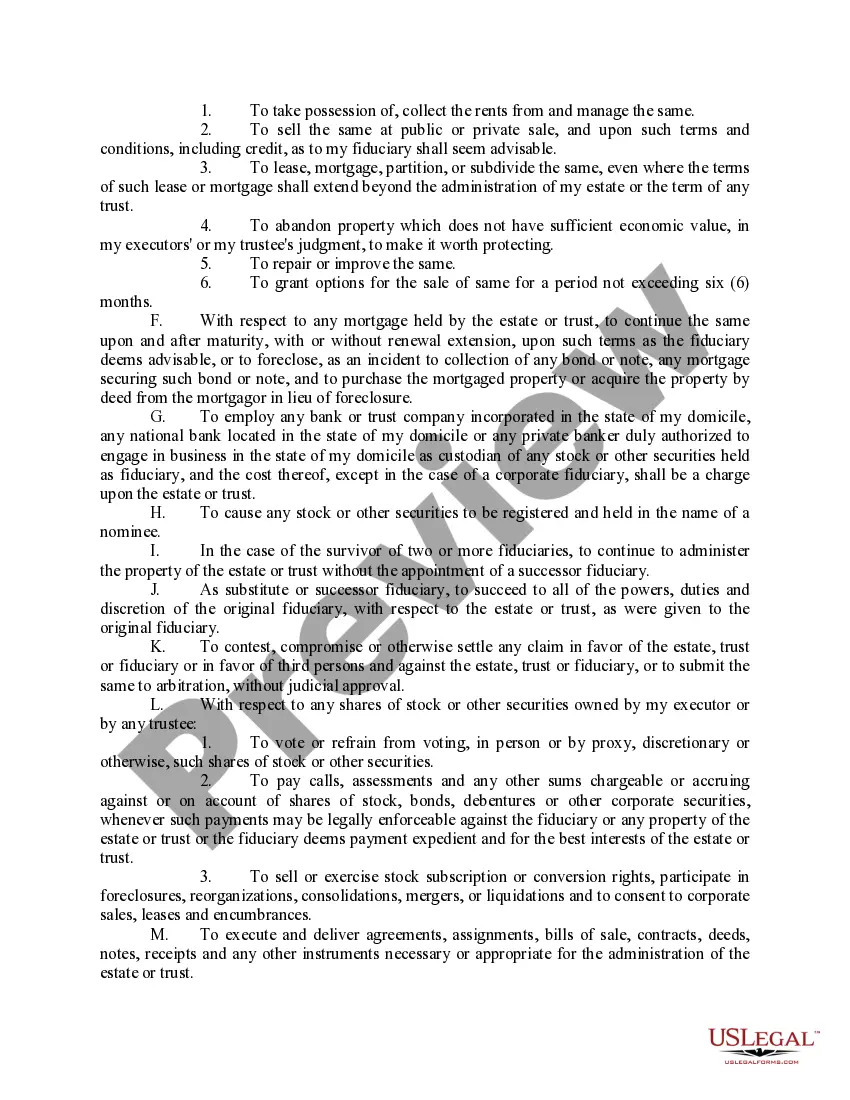
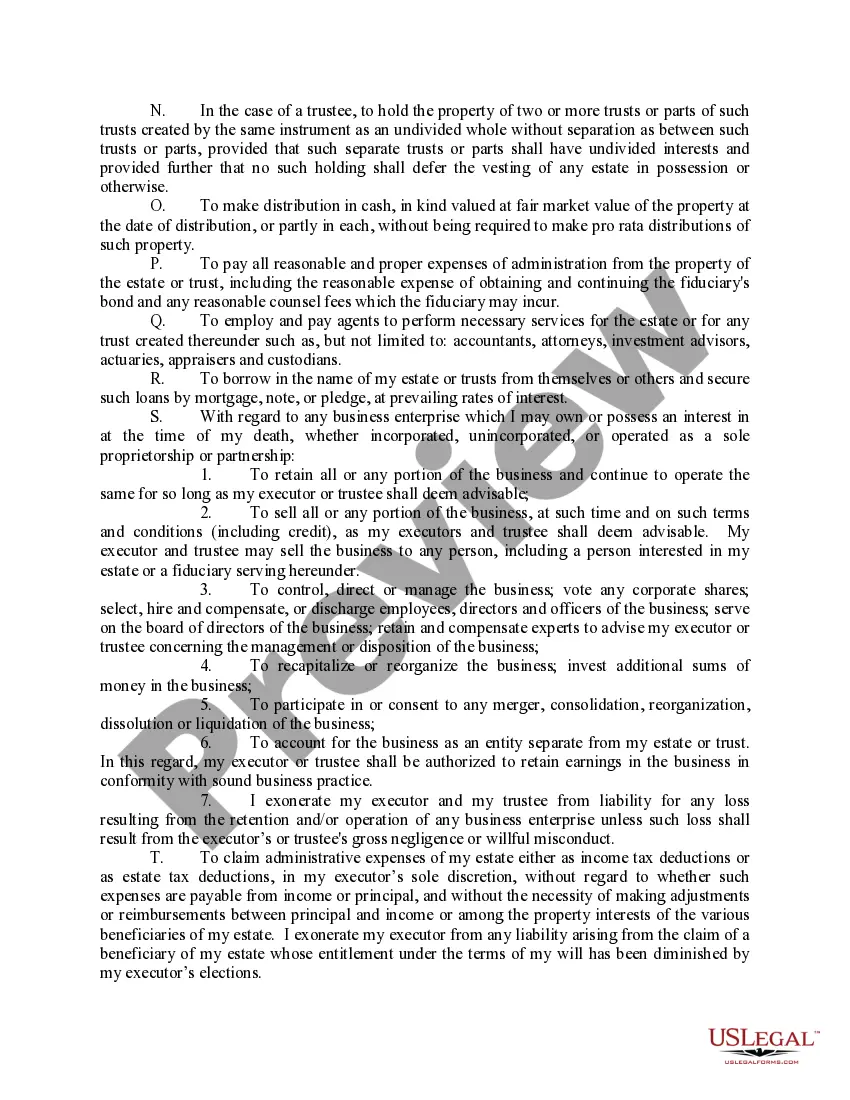
- Administrative provisions regarding trusts and trustee powers.





Situations where this form applies
This form should be utilized when an individual wishes to ensure their estate is distributed according to specific wishes, particularly when there are children, including a disabled child. It is particularly important when the individual wants to protect a disabled childâs ability to receive government benefits while also providing for their needs through a trust.
Who this form is for
- Married individuals with children, including a disabled child.
- Those who want to create a Special Needs Trust as part of their estate planning.
- Individuals concerned about the impact of inheritance on government benefits for a disabled child.
Completing this form step by step
- Identify yourself and declare your domicile in Mississippi.
- List your family members, including any children and their disabilities.
- Specify your specific bequests and to whom they will go, including any conditions related to trusts.
- Appoint a guardian for your disabled child if your spouse does not survive you.
- Sign the will in the presence of witnesses and have them sign as well to validate the document.
Does this form need to be notarized?
This form does not typically require notarization unless specified by local law. However, having the document notarized can enhance its validity and reduce the chances of disputes after your passing.
Get your form ready online
Our built-in tools help you complete, sign, share, and store your documents in one place.
Make edits, fill in missing information, and update formatting in US Legal Forms—just like you would in MS Word.
Download a copy, print it, send it by email, or mail it via USPS—whatever works best for your next step.
Sign and collect signatures with our SignNow integration. Send to multiple recipients, set reminders, and more. Go Premium to unlock E-Sign.
If this form requires notarization, complete it online through a secure video call—no need to meet a notary in person or wait for an appointment.
We protect your documents and personal data by following strict security and privacy standards.

Make edits, fill in missing information, and update formatting in US Legal Forms—just like you would in MS Word.

Download a copy, print it, send it by email, or mail it via USPS—whatever works best for your next step.

Sign and collect signatures with our SignNow integration. Send to multiple recipients, set reminders, and more. Go Premium to unlock E-Sign.

If this form requires notarization, complete it online through a secure video call—no need to meet a notary in person or wait for an appointment.

We protect your documents and personal data by following strict security and privacy standards.
Common mistakes
- Failing to update the will after major life changes, such as the birth of a child.
- Not signing the will in the presence of appropriate witnesses.
- Overlooking state-specific requirements for trusts and powers granted to executors and trustees.
- Neglecting to clearly define terms and conditions for the Special Needs Trust.
Benefits of using this form online
- Convenient access to downloadable templates saving time and effort.
- Edit and customize the form to fit your specific estate planning needs.
- Receive guidance from licensed attorneys in the preparation of your document.
What to keep in mind
- This will is ideal for married individuals with children, particularly those with special needs.
- It includes provisions for a Special Needs Trust to protect benefits for disabled children.
- Proper execution and adherence to Mississippi law are essential for validity.
Looking for another form?
Form popularity
FAQ
A Trust that does not require distribution of all its income by the terms of the trust agreement is called a ?Complex? Trust, and is allowed an exemption of $100. A ?Qualified Disability Trust? or ?QDT? is allowed the same exemption as an individual under IRS Code §642(b)(2)(C).
A Special Disability Trust can be set up while the parents are alive, or specific instructions can be laid out in their Wills. The legislation requires that the Special Disability Trust is set up by a trust deed or Will, using a Model Special Disability Trust (prescribed by social security rules).
The trust beneficiary is the party for whose benefit the trustee holds the title to the trust property.
A Trust can protect a disabled person who could otherwise be vulnerable to financial abuse or exploitation from others. The Trust offers a means of managing money or other assets for a disabled person, which is invaluable if they are unable to do this themselves.
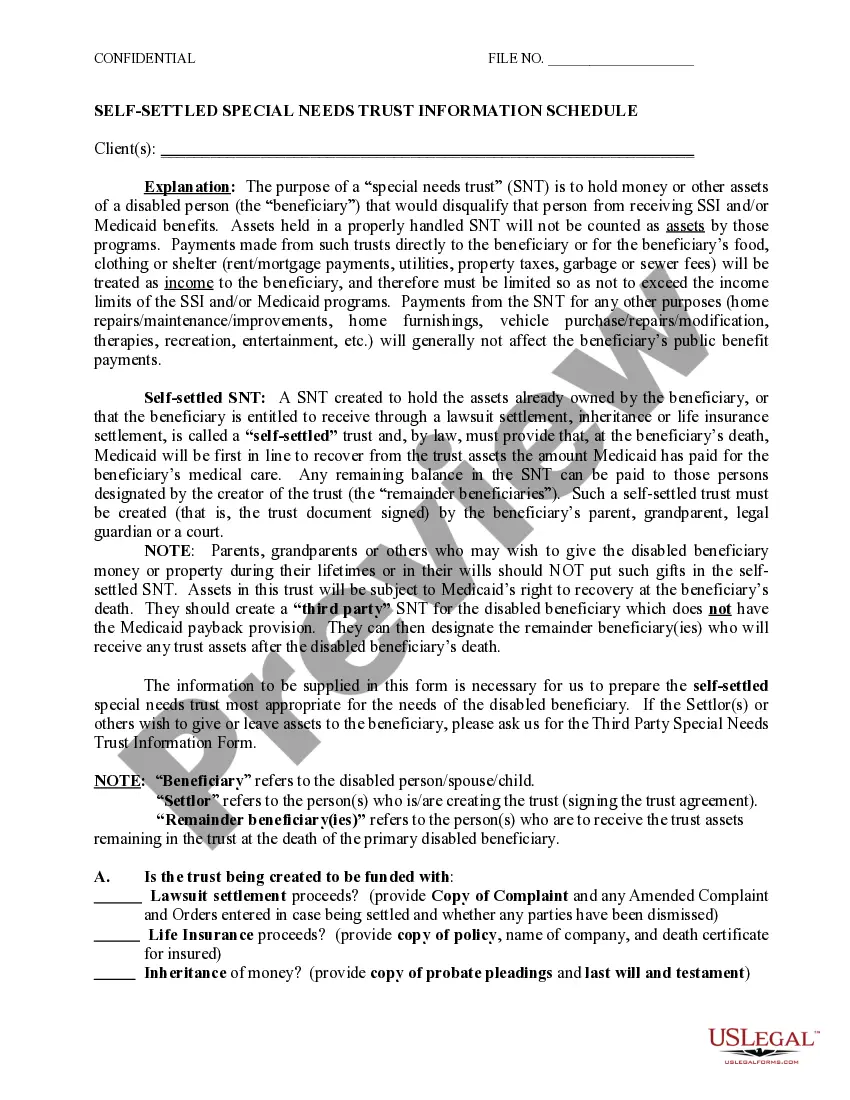
A Special Needs Trust (SNT) allows for a disabled person to maintain his or her eligibility for public assistance benefits, despite having assets that would otherwise make the person ineligible for those benefits. There are two types of SNTs: First Party and Third Party funded.
A trust containing the assets of an individual under age 65 who is disabled (as defined by the SSI program) and which is established for the sole benefit of the disabled individual by a parent, grandparent, legal guardian of the individual, or a court is often referred to as a Special Needs Trust.
Pooled special needs trust These types of funds ? also called community trusts ? are usually administered by nonprofit organizations. Pooled special needs trusts gather funds from multiple families, as well as other donors and community members, and use that money to serve each family.
Funds held in a properly drafted special needs trust (SNT) will not affect a Supplemental Security Income (SSI) or Medicaid recipient's benefits. However, funds disbursed in a manner that violates SSI or Medicaid rules can impact these benefits.