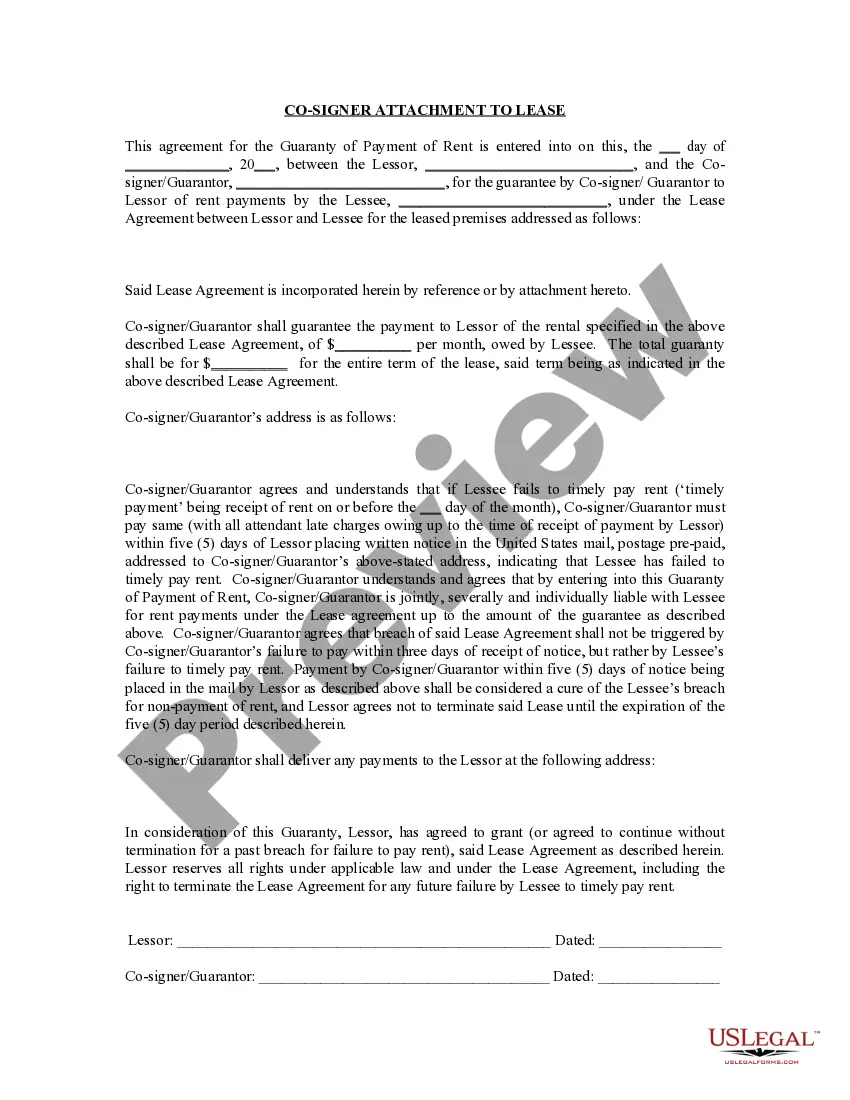
Mississippi Guaranty Attachment to Lease for Guarantor or Cosigner
What is this form?
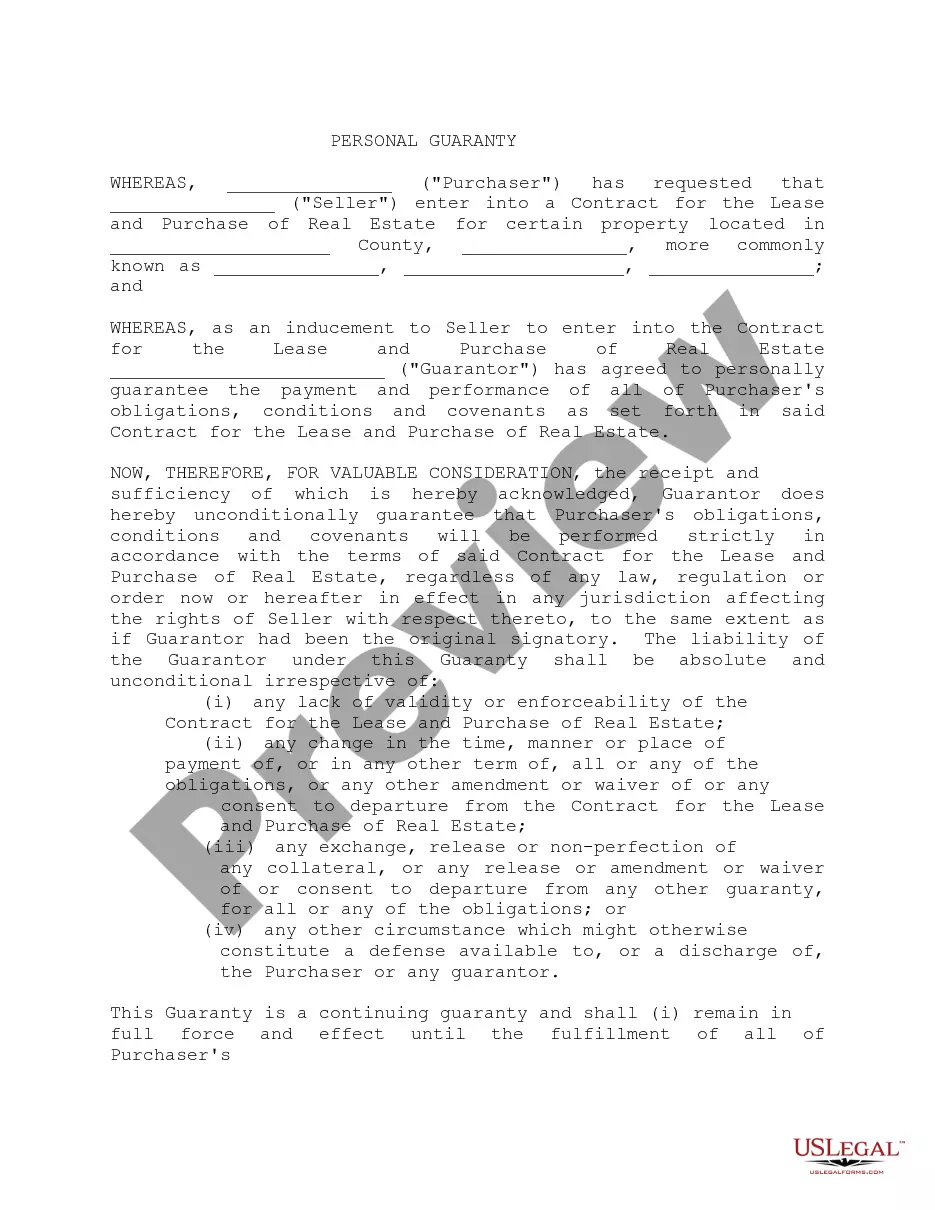
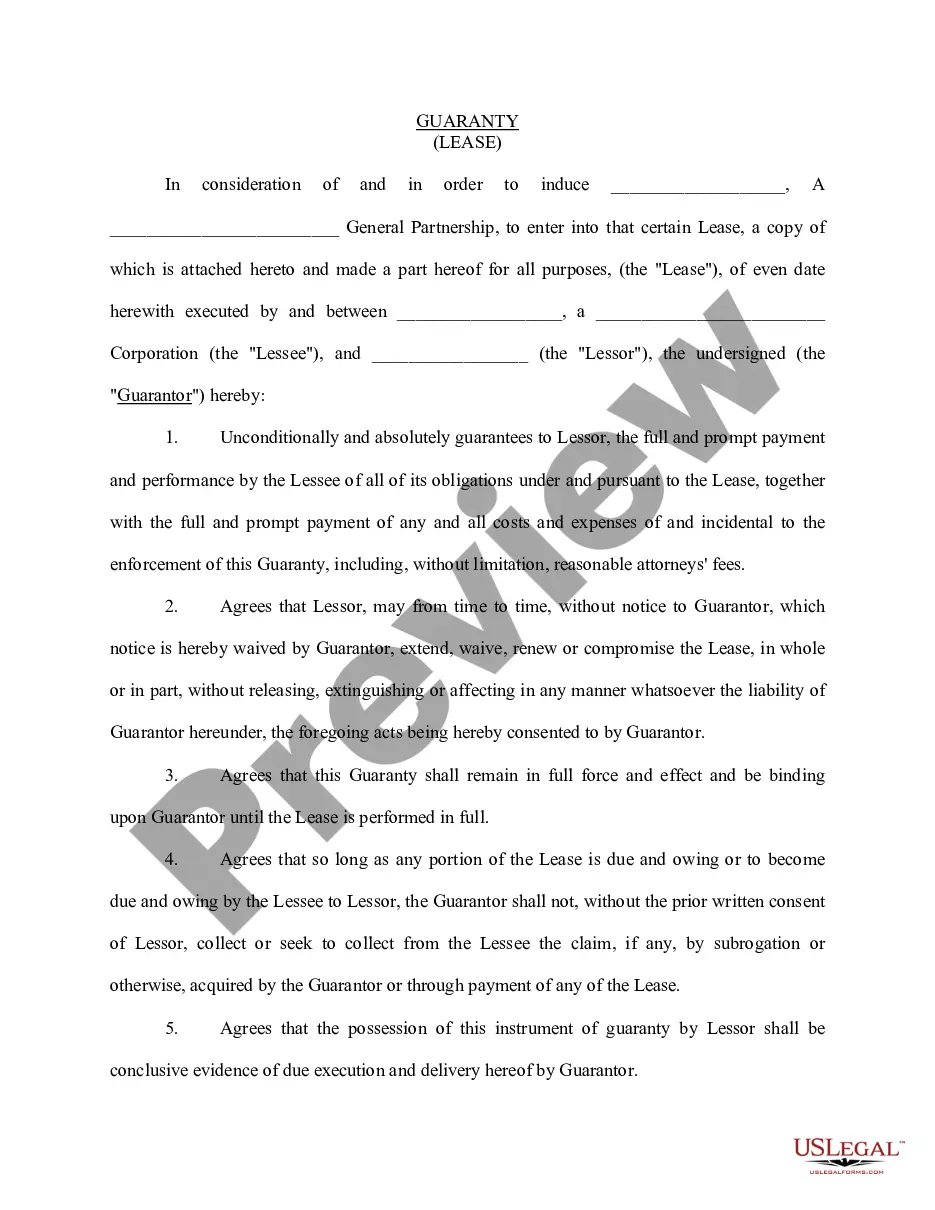
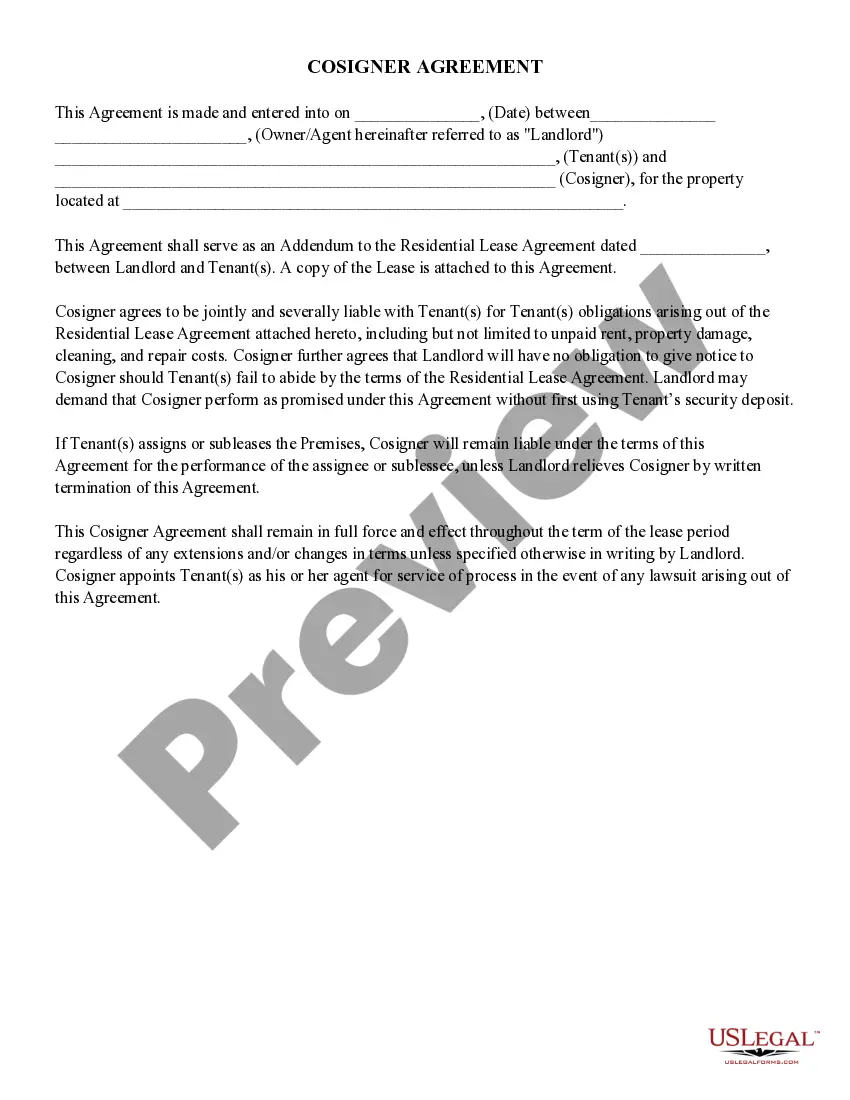
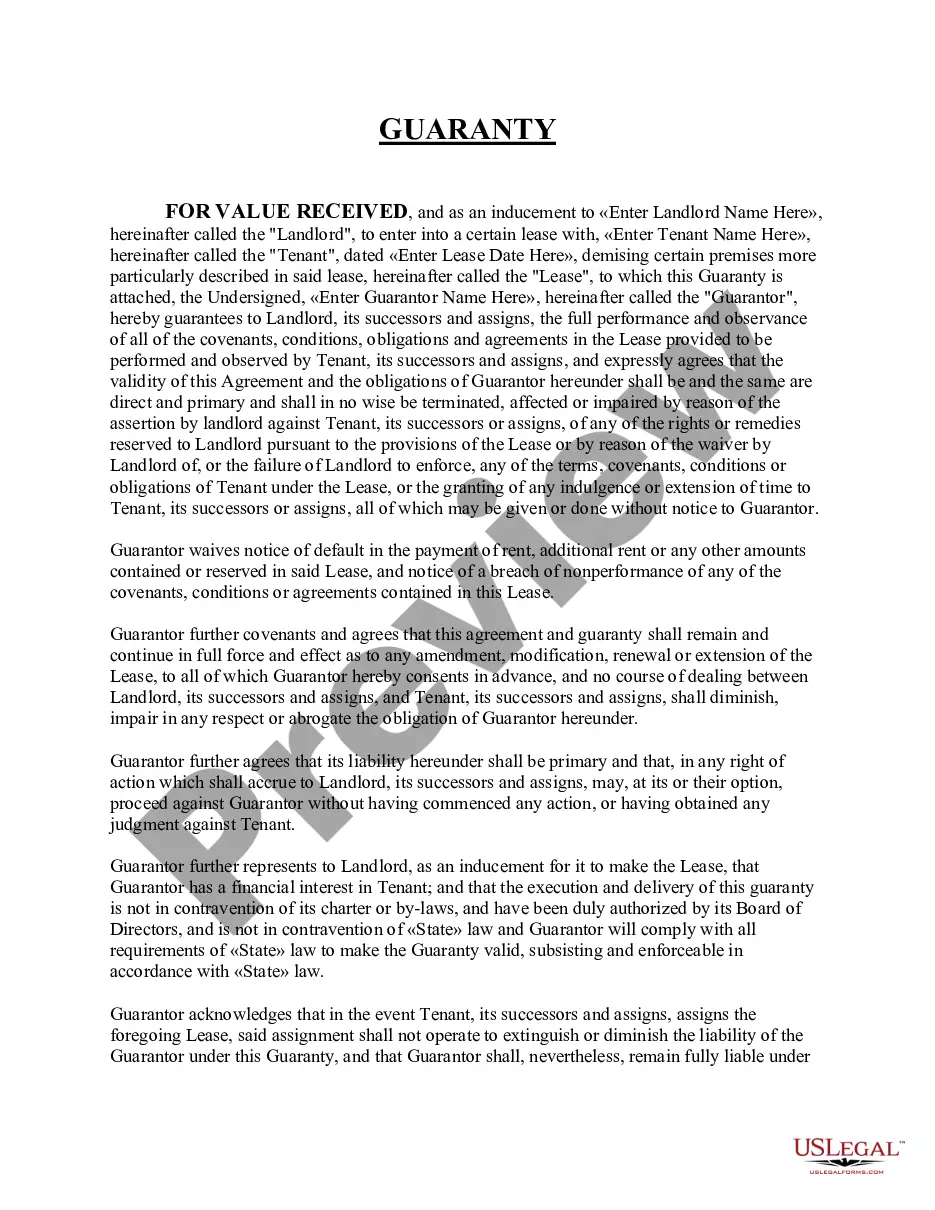
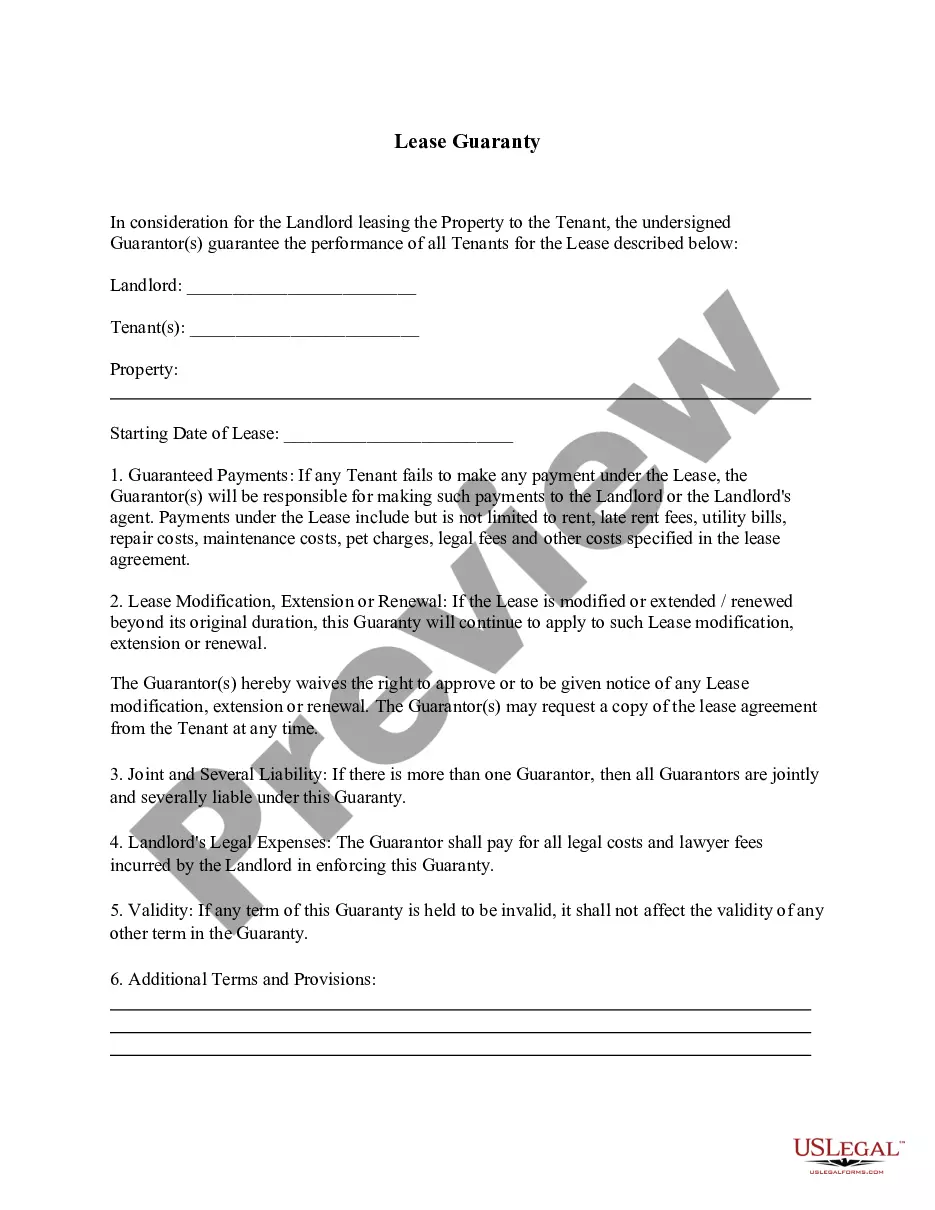
The Guaranty Attachment to Lease for Guarantor or Cosigner is a legal document that allows a third party to co-sign a lease agreement. This individual agrees to be responsible for the payment of rent if the primary tenant fails to make payments. Unlike a standard lease, where only the tenant is liable, this form adds an additional layer of security for landlords by holding a guarantor accountable for any unpaid rent.
What’s included in this form
- Parties involved: Details of the lessor and co-signer/guarantor.
- Property description: Information about the rental property.
- Payment obligations: Terms under which the guarantor is liable for rent.
- Dates: Important dates for the lease agreement and signatures.
Situations where this form applies
This form is essential when a tenant has insufficient credit history or income to qualify for a lease independently. Landlords may require a guarantor to ensure payment of rent. If you are a parent or relative willing to support a tenant by co-signing their lease, this document is necessary to formalize your obligations as a guarantor.
Who this form is for
- Landlords seeking additional security for lease agreements.
- Tenants who need a co-signer to qualify for a lease.
- Family members or friends willing to act as guarantors for tenants.
Completing this form step by step
- Identify the parties: Fill in the names and addresses of both the lessor and the co-signer/guarantor.
- Specify the property: Clearly describe the rental property involved in the lease agreement.
- Enter the dates: Include the effective date of the lease and the dates for signatures.
- Signatures: Ensure all parties sign and date the document to validate it.
Notarization requirements for this form
This form does not typically require notarization unless specified by local law. Always check with your jurisdiction to ensure compliance with any specific requirements.
Get your form ready online
Our built-in tools help you complete, sign, share, and store your documents in one place.
Make edits, fill in missing information, and update formatting in US Legal Forms—just like you would in MS Word.
Download a copy, print it, send it by email, or mail it via USPS—whatever works best for your next step.
Sign and collect signatures with our SignNow integration. Send to multiple recipients, set reminders, and more. Go Premium to unlock E-Sign.
If this form requires notarization, complete it online through a secure video call—no need to meet a notary in person or wait for an appointment.
We protect your documents and personal data by following strict security and privacy standards.

Make edits, fill in missing information, and update formatting in US Legal Forms—just like you would in MS Word.

Download a copy, print it, send it by email, or mail it via USPS—whatever works best for your next step.

Sign and collect signatures with our SignNow integration. Send to multiple recipients, set reminders, and more. Go Premium to unlock E-Sign.

If this form requires notarization, complete it online through a secure video call—no need to meet a notary in person or wait for an appointment.

We protect your documents and personal data by following strict security and privacy standards.
Typical mistakes to avoid
- Not including accurate property details, which may lead to disputes.
- Forgetting to obtain signatures from all parties involved.
- Failing to specify the exact obligations of the guarantor clearly.
Why complete this form online
- Convenience of downloading and printing the form at any time.
- Editability to input specific details relevant to your lease.
- Reliability, as all forms are drafted by licensed attorneys.
Looking for another form?
Form popularity
FAQ
The guarantor covenanted under the lease that the tenant would pay the rent and sums due under the lease and will observe the tenant's covenants. In the event of tenant default, the guarantor covenanted to make good to the landlord on demand all loss, damage, costs and expenses arising or incurred by the landlord.
A guarantor is another word for cosigner, and by definition, a guarantor is someone who guarantees to be legally responsible for paying the rent as stipulated by the lease, but only if the tenant cannot pay for one reason or another.
One reason could be the need to take a loan yourself. However, a bank may not allow a guarantor to withdraw from the role unless the borrower gets another guarantor or brings in additional collateral. Even if you get another guarantor, the bank has the discretion to disallow the switch.
It's very common for a guarantee to last as long as the tenancy lasts. So, if the tenant remains in the property for four years, you will continue to be responsible for any arrears or damages during that entire period. Most tenancies will run for a fixed term and will then continue on a month-by-month basis.
Does being a guarantor affect my credit rating? Providing the borrower keeps up with their repayments your credit score won't be affected. However, should they fail to make their payments and the loan/mortgage falls into default, it will be added to your credit report.
In a personal guarantee, the guarantor (usually the business owner) agrees to be responsible for the lease payments owed by the business under the terms of a commercial lease if the business fails to pay rent or fails to pay rent after vacating the leased space before the end of the lease term.
Almost anyone can act as your Guarantor; it can be a family member, a friend or a work colleague, but not your wife/husband. They will need to be at least 21 years old, and under 80 years old by the end of the loan term and have a good credit history.
When The Lease Is Up When having a guarantor on the lease, the best way to be able to have him removed as soon as possible is to set a good payment record with the landlord.
The most simple way to get out of being someone's guarantor is for the main borrower to pay off their loan and essentially, terminate the agreement.