Mississippi Joint Complaint for Divorce - Minor Children
About this form
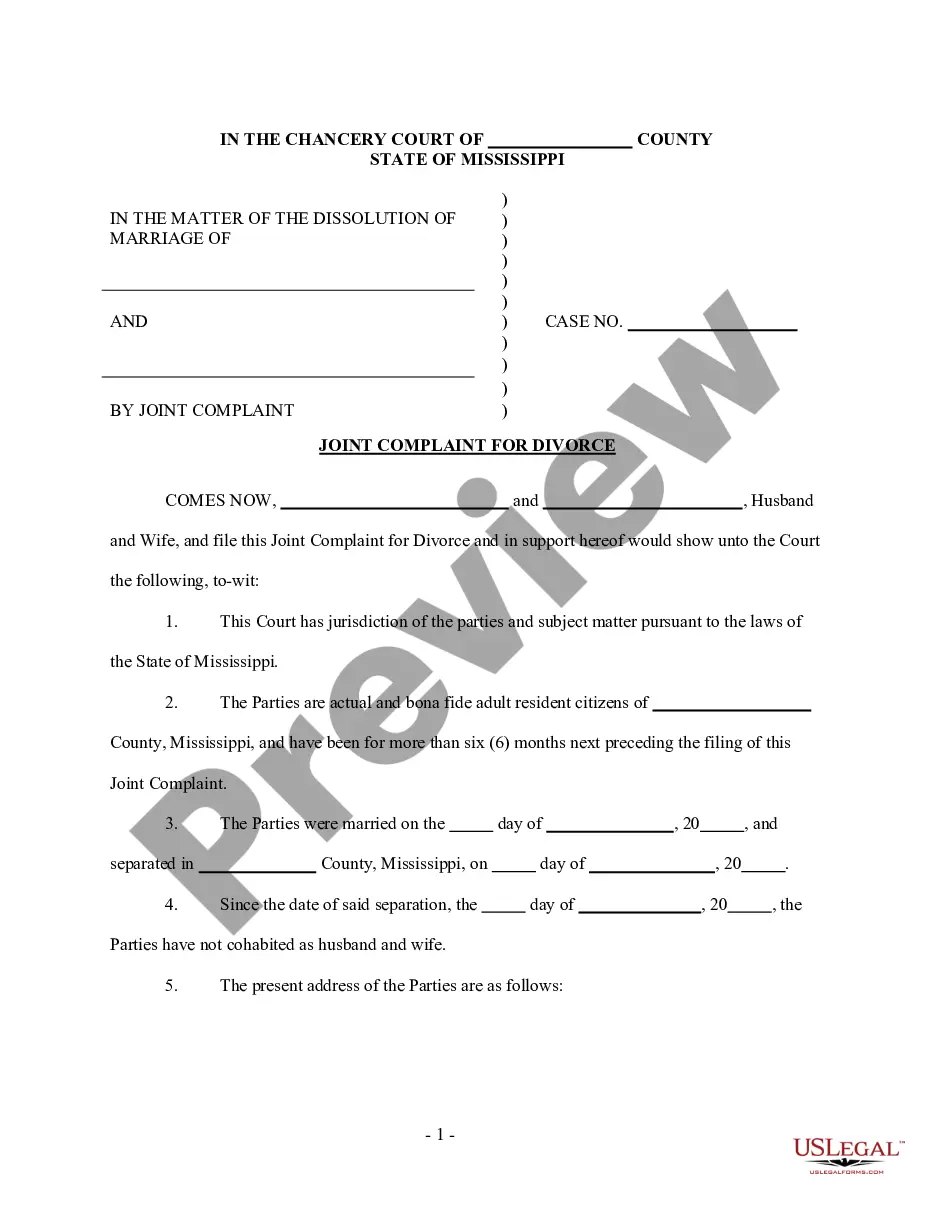
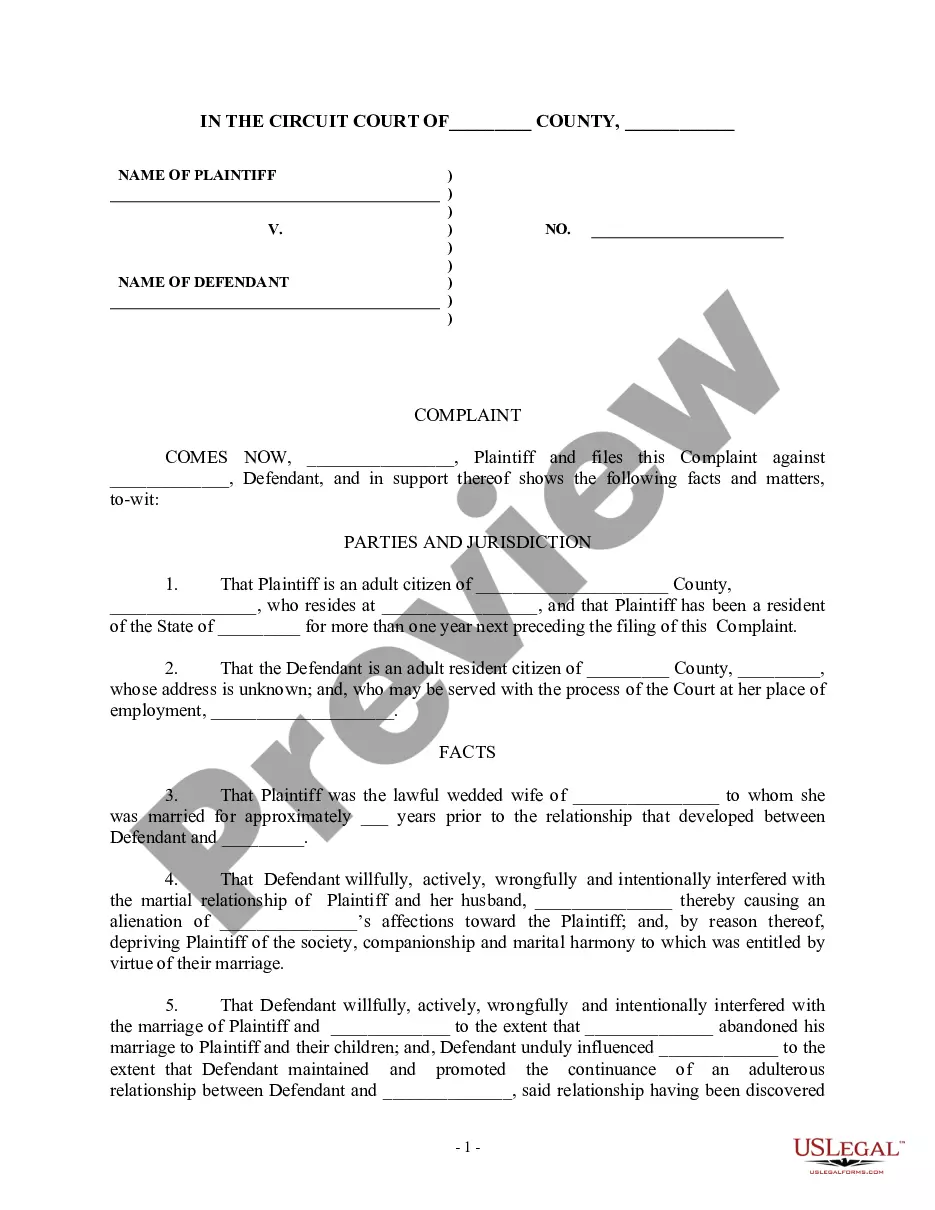
The Joint Complaint for Divorce - Minor Children is a legal document that initiates the divorce process for couples with minor children. This form serves as a formal request to the court to dissolve the marriage and outlines arrangements regarding spousal support and child custody. Unlike other divorce forms, this specific complaint addresses the needs of couples with children, ensuring that all parenting issues are settled as part of the divorce proceedings.
What’s included in this form
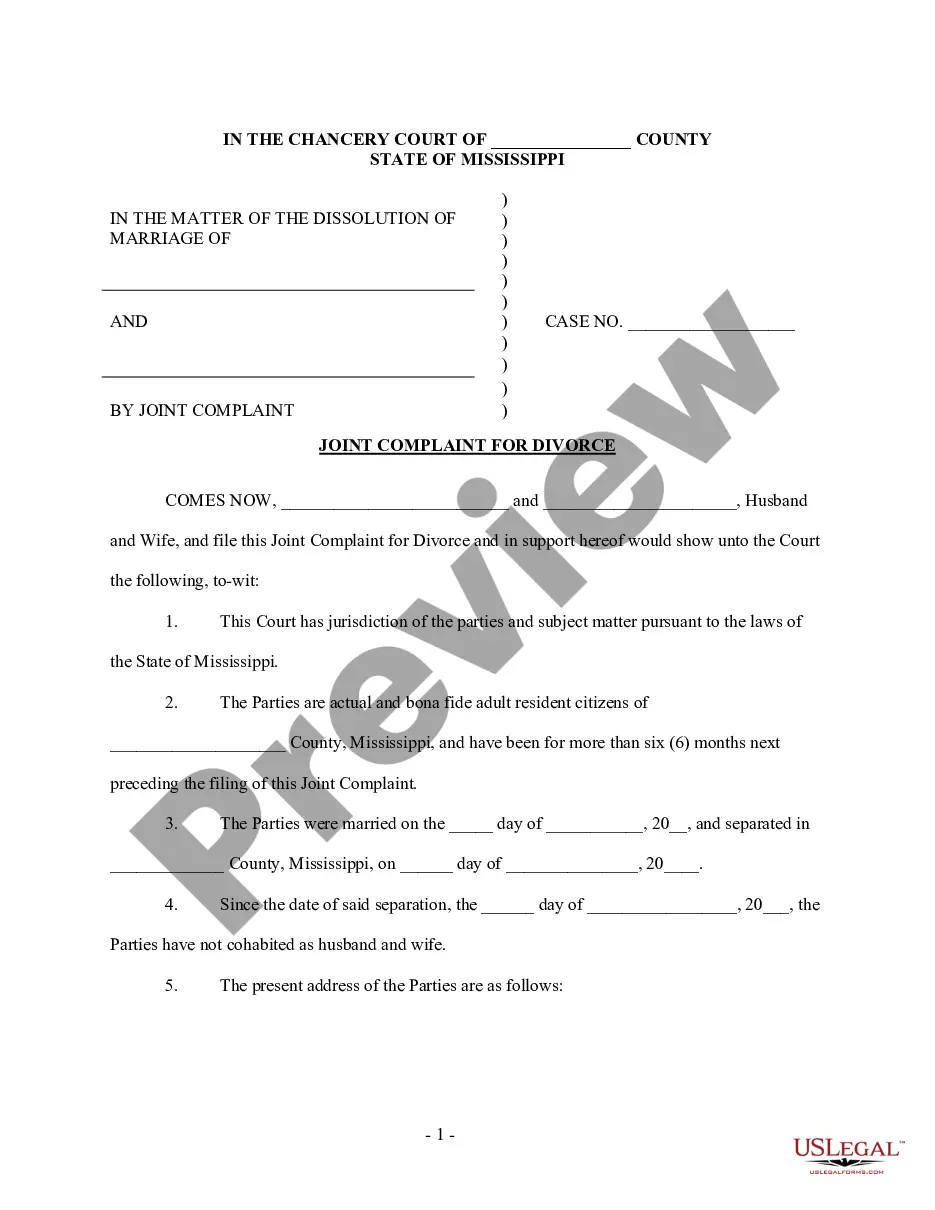
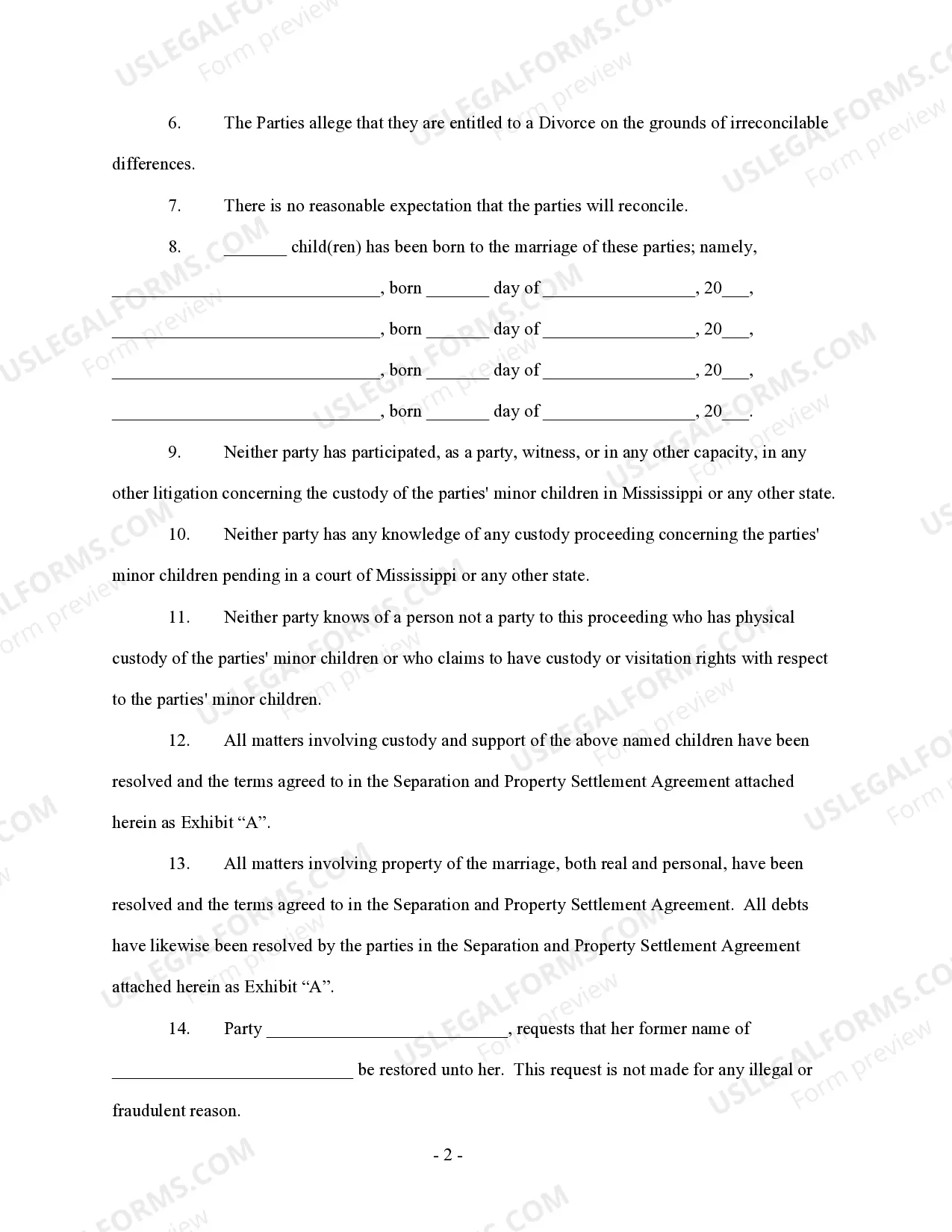
- Parties' names and address: Information about both spouses who are filing the complaint.
- Marriage details: Date of marriage and separation for legal context.
- Children's information: Names and birth dates of minor children from the marriage.
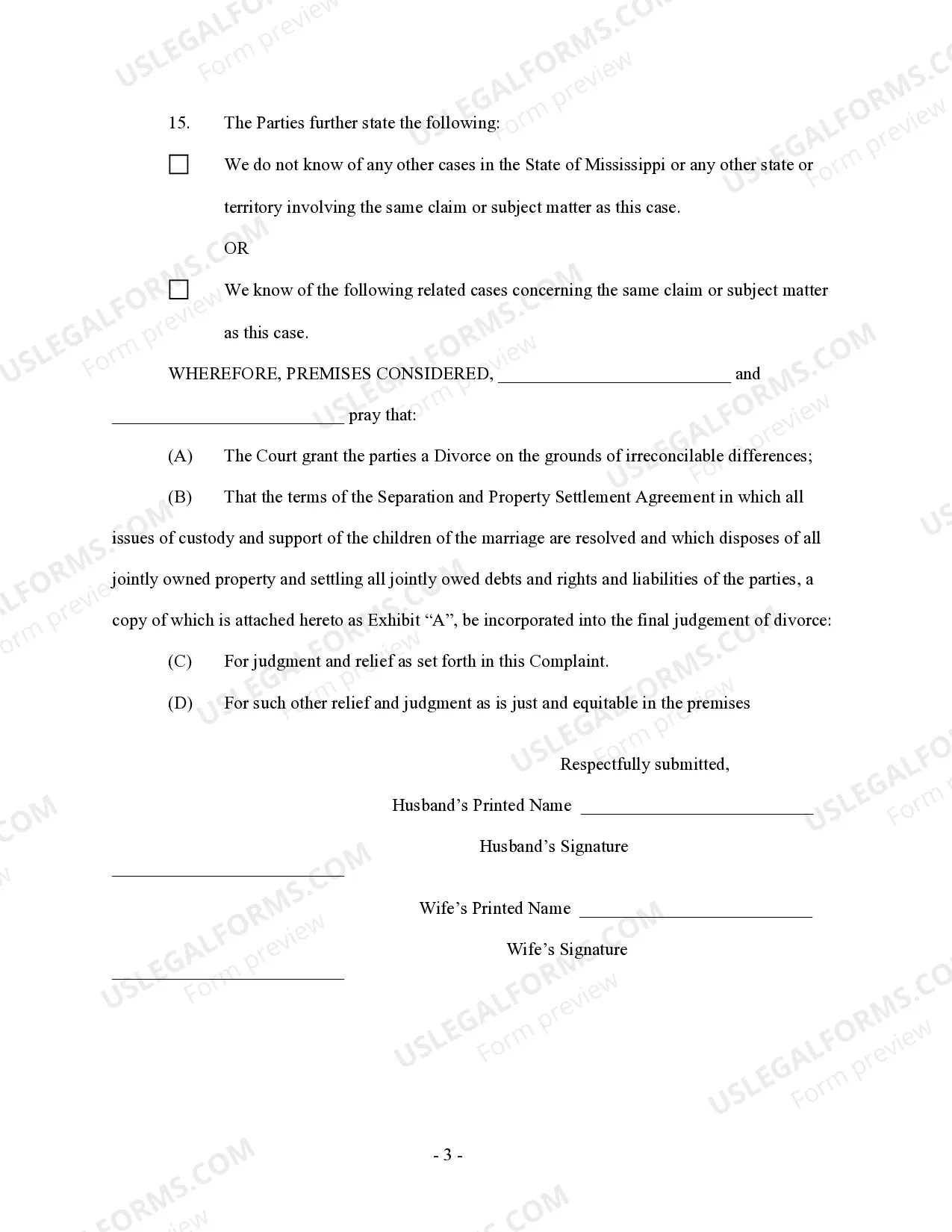
- Claims for relief: Specific requests regarding dissolution of marriage, child custody, and financial matters.
- Separation and property settlement agreement: Attached document outlining the agreements made by both parties regarding property and custody.
- Restoration of former names: Option for a spouse to restore their maiden name.

Common use cases
This form should be used when both spouses mutually agree to file for divorce and have minor children together. It is applicable when the couple wishes to resolve issues such as child custody, support, and division of property amicably. If both parties have reached a separation agreement that settles these matters, this form is suitable for starting the divorce process in court.
Who should use this form
- Couples residing in Mississippi who have minor children born of their marriage.
- Spouses who are seeking an amicable divorce and have reached agreements on custody and financial issues.
- Individuals looking to restore their former name as part of the divorce process.
Instructions for completing this form
- Identify the parties: Enter the full names and addresses of both spouses at the top of the form.
- Provide marriage details: Fill in the date of marriage and separation accurately.
- List minor children: Include the names and birth dates of all children from the marriage.
- Attach the separation agreement: Ensure that the Separation and Property Settlement Agreement is included as Exhibit A.
- Sign the document: Both parties must sign the form in the designated areas, and ensure the signatures match the printed names.
Notarization requirements for this form
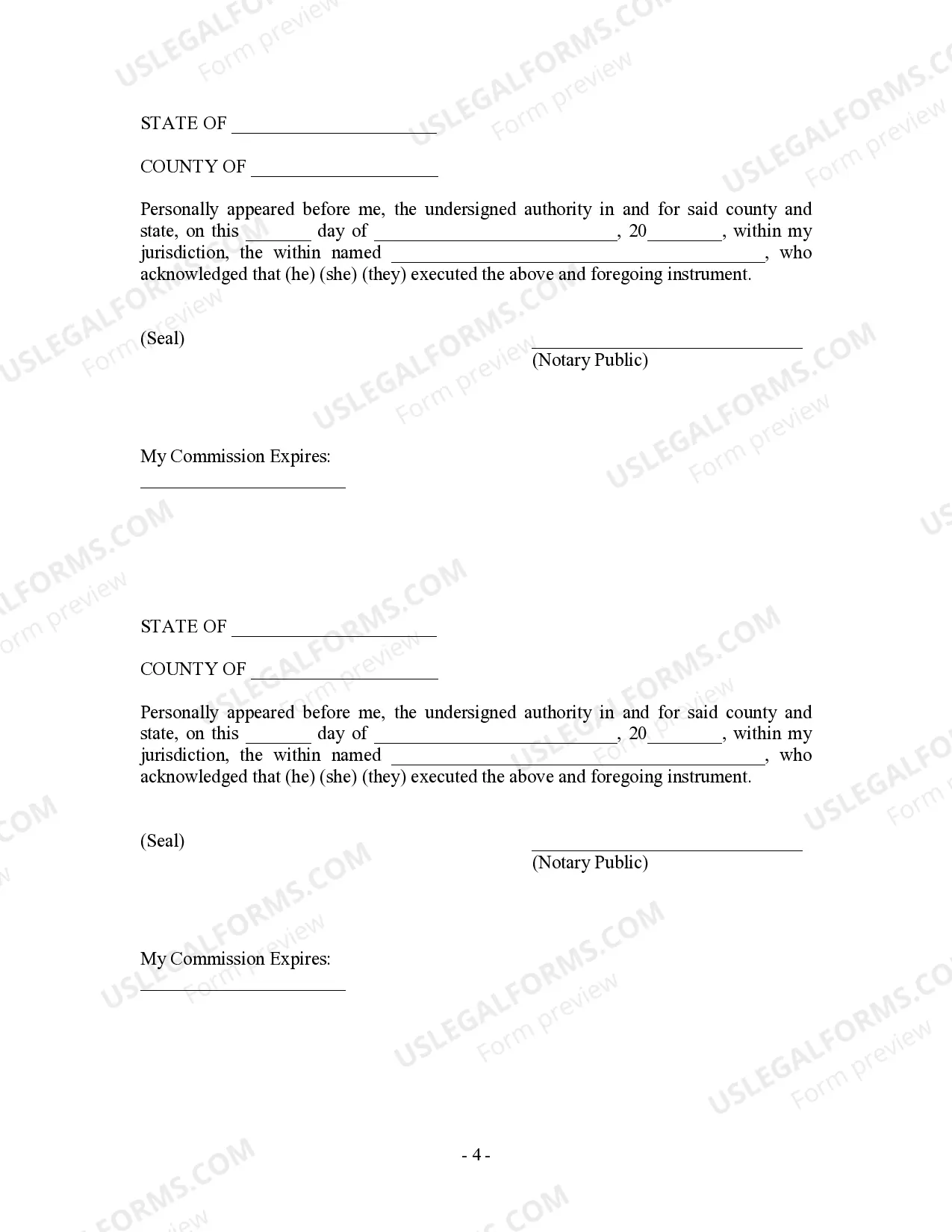
This document requires notarization to meet legal standards. US Legal Forms provides secure online notarization powered by Notarize, allowing you to complete the process through a verified video call, available 24/7.
Get your form ready online
Our built-in tools help you complete, sign, share, and store your documents in one place.
Make edits, fill in missing information, and update formatting in US Legal Forms—just like you would in MS Word.
Download a copy, print it, send it by email, or mail it via USPS—whatever works best for your next step.
Sign and collect signatures with our SignNow integration. Send to multiple recipients, set reminders, and more. Go Premium to unlock E-Sign.
If this form requires notarization, complete it online through a secure video call—no need to meet a notary in person or wait for an appointment.
We protect your documents and personal data by following strict security and privacy standards.

Make edits, fill in missing information, and update formatting in US Legal Forms—just like you would in MS Word.

Download a copy, print it, send it by email, or mail it via USPS—whatever works best for your next step.

Sign and collect signatures with our SignNow integration. Send to multiple recipients, set reminders, and more. Go Premium to unlock E-Sign.

If this form requires notarization, complete it online through a secure video call—no need to meet a notary in person or wait for an appointment.

We protect your documents and personal data by following strict security and privacy standards.
Typical mistakes to avoid
- Failing to include all required information about minor children.
- Inaccurate dates regarding marriage or separation.
- Not signing the document or forgetting to include both spouses' signatures.
- Neglecting to attach the Separation and Property Settlement Agreement.
Why use this form online
- Convenience: Download the form from anywhere at any time.
- Editability: Easily fill in the required information and make changes before finalizing.
- Reliability: Access professionally drafted forms that ensure legal compliance.
Key takeaways
- The Joint Complaint for Divorce is for couples with minor children looking to divorce amicably.
- Complete all relevant sections, including child information and agreements on custody and property.
- Ensure the form is notarized to meet legal requirements in Mississippi.
Looking for another form?
Form popularity
FAQ
The fact is that California is a no fault state and you do not need your spouse's signature in order to get a divorce.If your spouse fails to file and serve you with a response, you can file a request for default against your spouse after 30 days. You can also file a proposed judgment for the court to approve.
It is commonly asked by clients, Can I date others? The short answer is NO. In Mississippi divorce there is no such thing as legal separation. You are married until you are divorced. That means either party could get fault grounds against the other at any time prior to the divorce being granted.
To file for divorce in Mississippi, you must be a resident of the state for at least six months. An irreconcilable differences divorce requires a 60-day waiting period, assuming the spouses resolve all issues within that time and the court has approved the property settlement agreement.
Mississippi is the only state that awards property to the person whose name is on the title. If only one person's name is on the title to a car or the house, it goes to that person. However, the court does have the flexibility to divide assets fairly and equitably.
Generally speaking, even if the consent of only one parent is required, it is clinically appropriate to obtain the consent of both parents. Therapists can inadvertently alienate a parent by failing to seek the consent of that parent prior to the commencement of treatment.
Since Mississippi recognizes "no-fault" grounds for divorce, you can end your marriage on the basis of "irreconcilable differences," which is just a fancy way of saying you and your spouse can't get along anymore, the marriage is over, and there is no reasonable chance of getting back together.
Mississippi law defines two types of alimony, lump sum and periodic payment. Lump sum alimony is a fixed and final dollar amount paid either in a single payment or over a period of time. The court cannot later modify the amount, nor does the death or remarriage of either spouse affect it.
Natural impotency. adultery. criminal conviction and sentenced to jail time. willful and continuous desertion for at least one year. habitual drunkenness. habitual and excessive use of opium, morphine, or other similar drug.
For example, in Maine, Mississippi, and Tennessee, judges will only award alimony in marriages lasting longer than 10 years. In these states, alimony payments can't last longer than half the length of the marriage unless there are extenuating circumstances, like a physical or mental disability.