Non-Disclosure Agreement
What is this form?
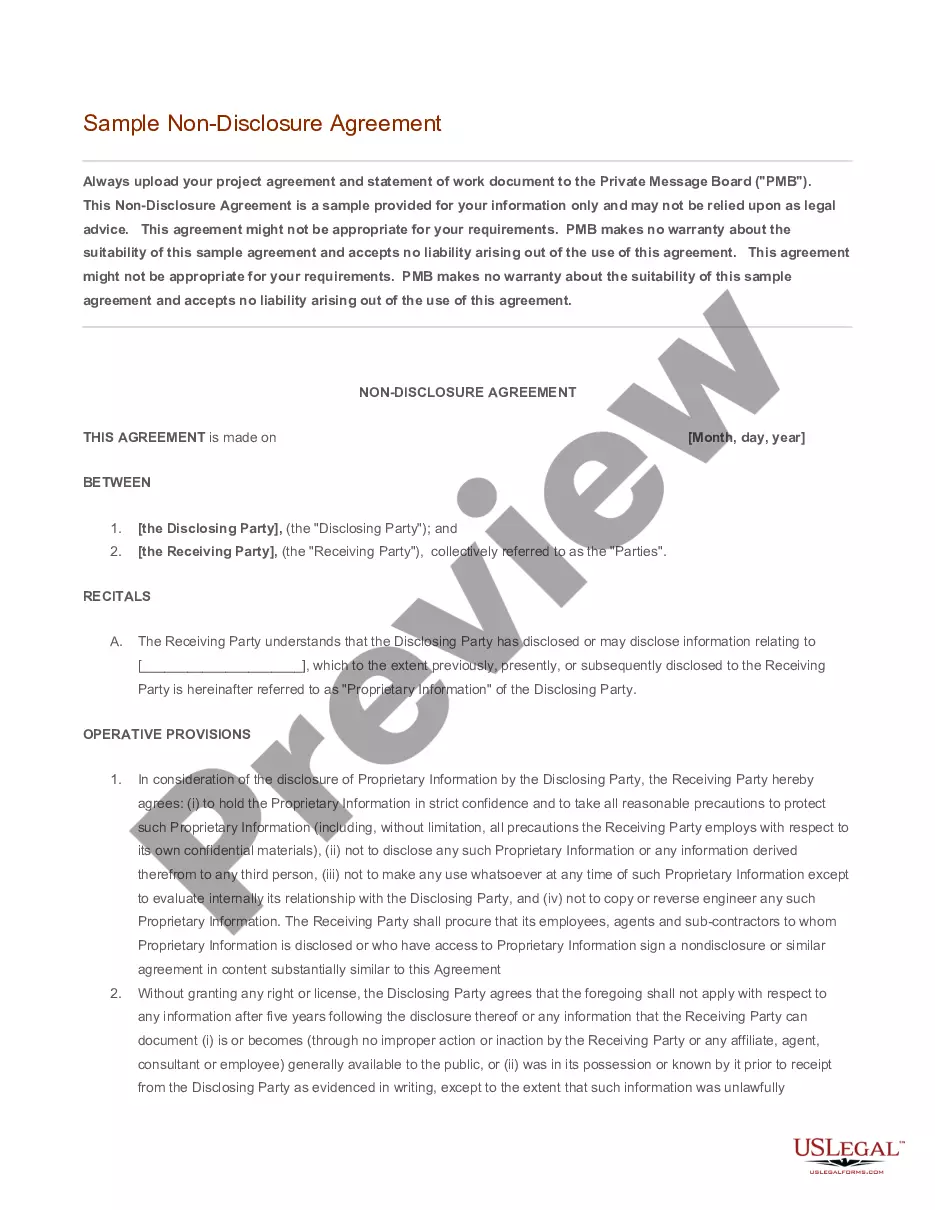
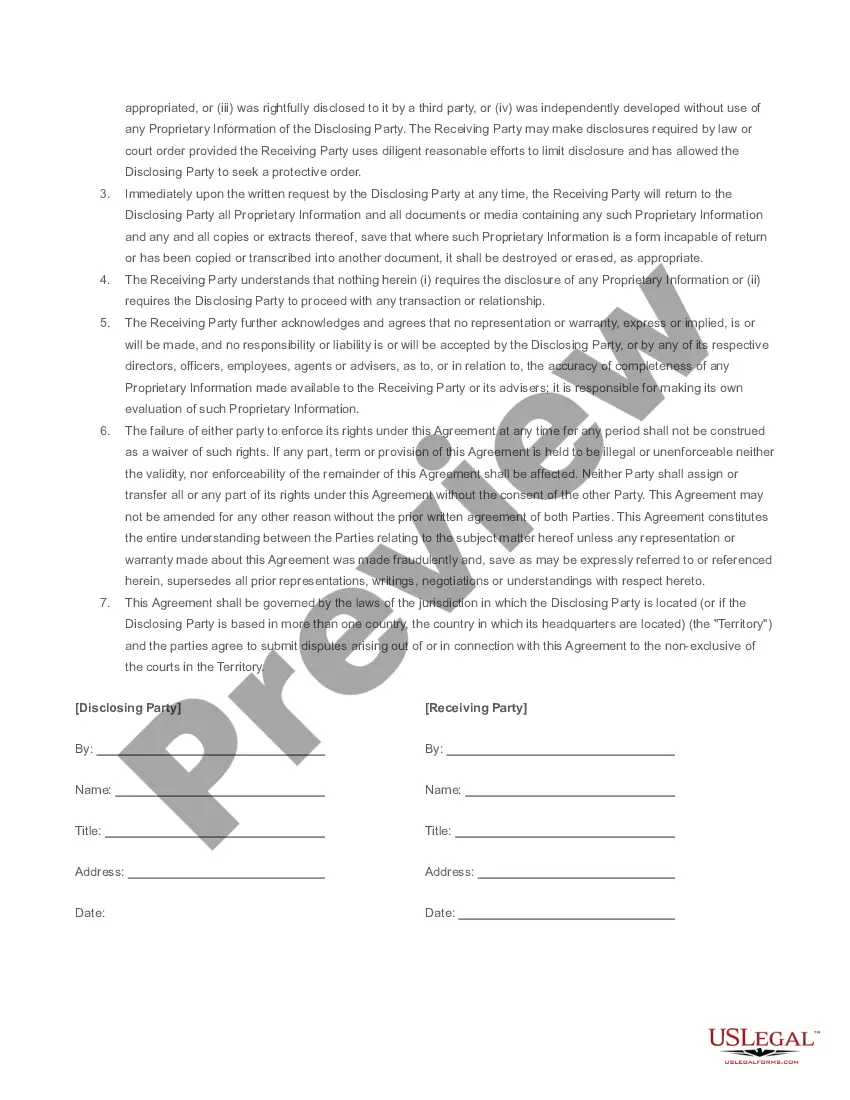
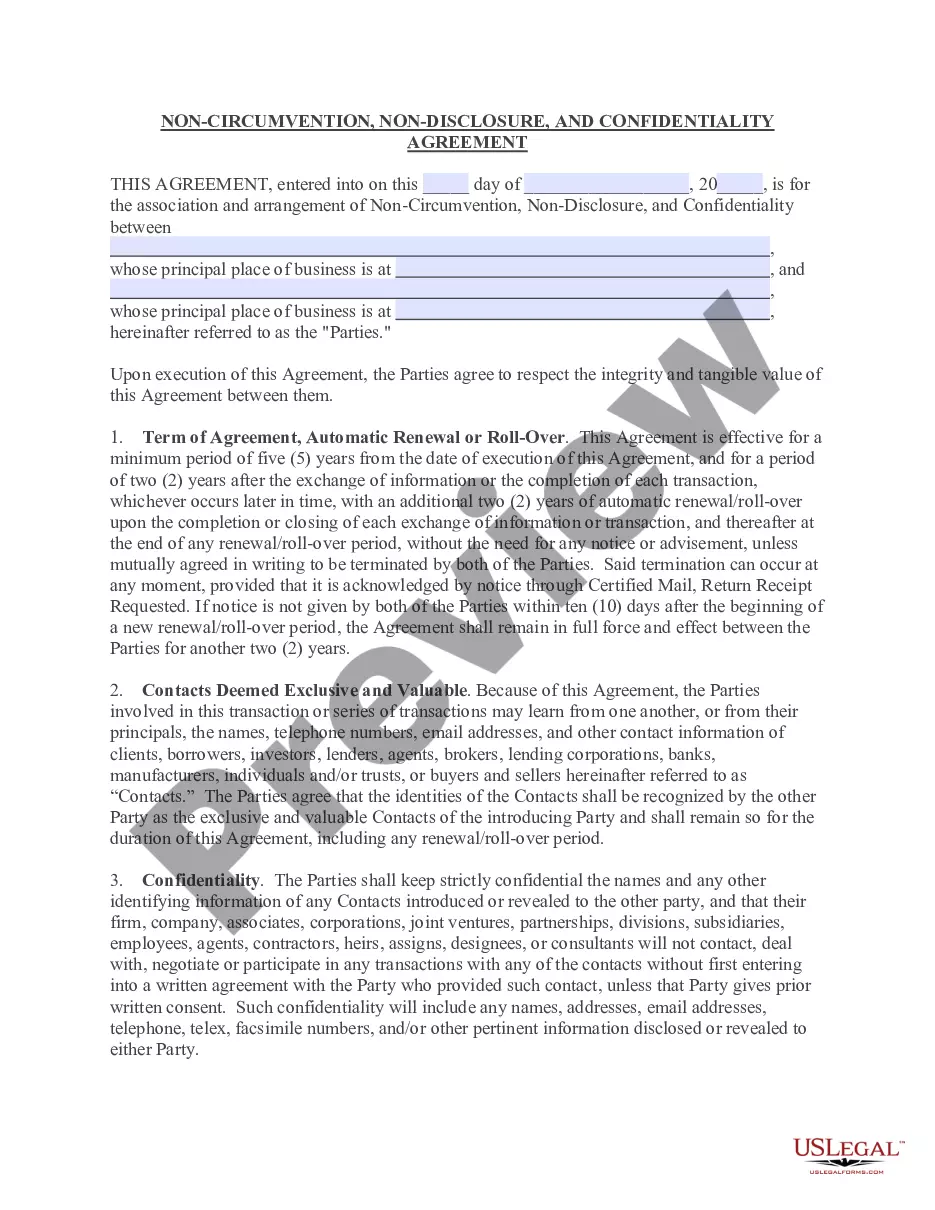
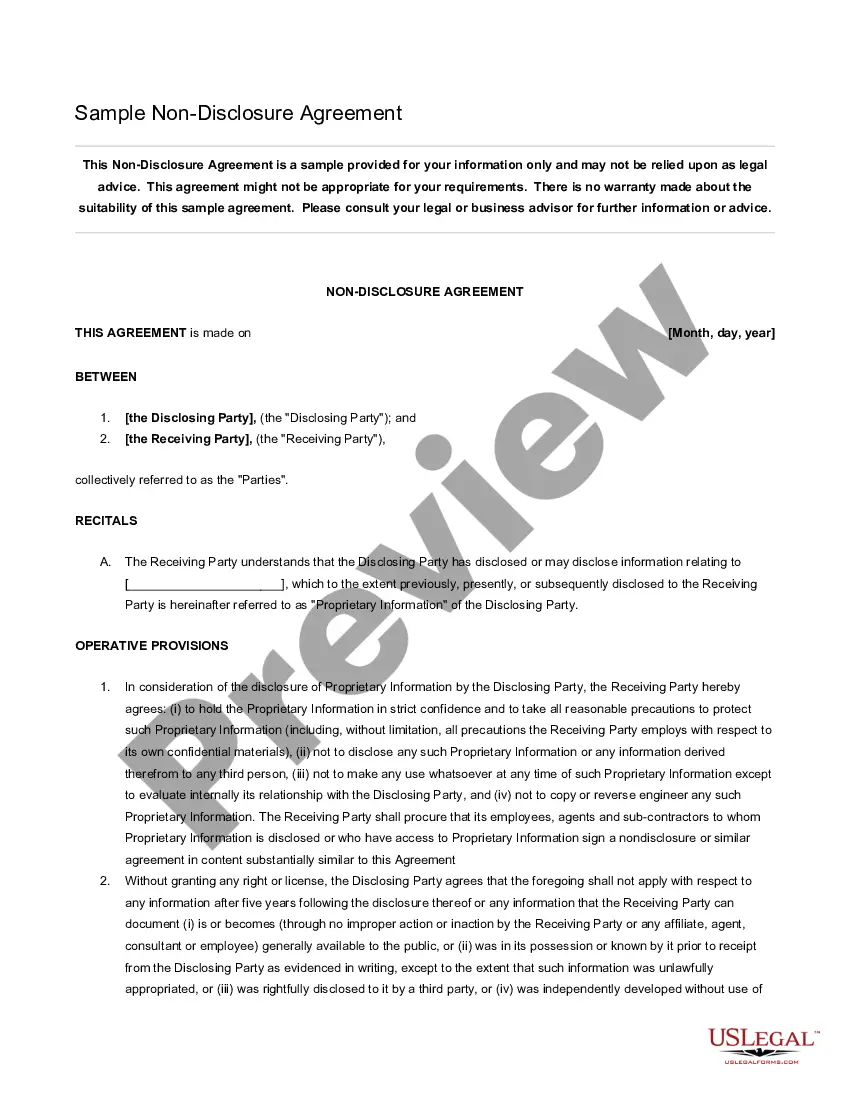
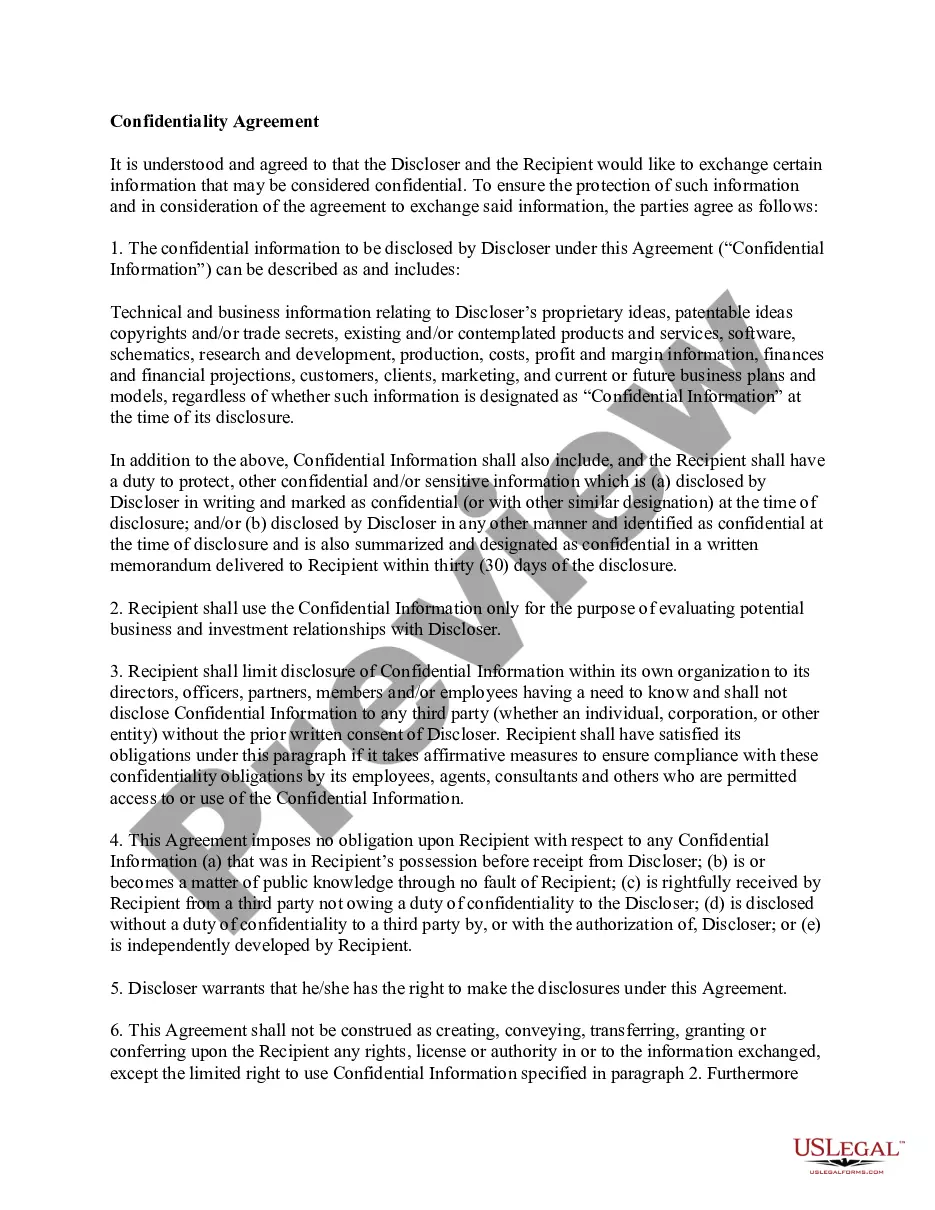
A Non-Disclosure Agreement (NDA) is a legally binding contract that protects sensitive information shared between parties. This form establishes a confidential relationship, ensuring that the receiving party does not disclose or misuse proprietary information. Often referred to as a confidentiality agreement, an NDA is essential for businesses and individuals who need to safeguard their confidential data during negotiations or projects.
Key components of this form
- Details about the Disclosing and Receiving Party
- Definition of Proprietary Information
- Obligations of the Receiving Party regarding confidentiality
- Exceptions to confidentiality terms
- Terms for returning or destroying proprietary information
- Governing law and jurisdiction for disputes
When this form is needed
This Non-Disclosure Agreement is commonly used when businesses or individuals engage in discussions or collaborations involving sensitive information. You may need to use this form when:
- Sharing business plans or strategies with potential partners
- Discussing proprietary technology with investors or developers
- Engaging in employee training that involves confidential material
- Creating joint ventures that require the exchange of sensitive data
Who needs this form
This Non-Disclosure Agreement is suitable for:
- Businesses seeking to protect their proprietary information
- Individuals entering into partnerships or collaborations
- Consultants and freelancers working with sensitive client data
- Employees privy to confidential company information
How to prepare this document
- Identify the parties involved: clearly state the names and addresses of both the Disclosing and Receiving Party.
- Define Proprietary Information: specify what information is to be kept confidential.
- Outline the obligations of the Receiving Party: ensure they agree to maintain confidentiality under specified terms.
- Specify the duration of the confidentiality obligation: indicate how long the agreement will last.
- Include signature lines: both parties should sign and date the agreement to acknowledge their consent.
Does this form need to be notarized?
This form does not typically require notarization unless specified by local law. Ensure to check any state-specific regulations that might apply to the use of Non-Disclosure Agreements.
Get your form ready online
Our built-in tools help you complete, sign, share, and store your documents in one place.
Make edits, fill in missing information, and update formatting in US Legal Forms—just like you would in MS Word.
Download a copy, print it, send it by email, or mail it via USPS—whatever works best for your next step.
Sign and collect signatures with our SignNow integration. Send to multiple recipients, set reminders, and more. Go Premium to unlock E-Sign.
If this form requires notarization, complete it online through a secure video call—no need to meet a notary in person or wait for an appointment.
We protect your documents and personal data by following strict security and privacy standards.

Make edits, fill in missing information, and update formatting in US Legal Forms—just like you would in MS Word.

Download a copy, print it, send it by email, or mail it via USPS—whatever works best for your next step.

Sign and collect signatures with our SignNow integration. Send to multiple recipients, set reminders, and more. Go Premium to unlock E-Sign.

If this form requires notarization, complete it online through a secure video call—no need to meet a notary in person or wait for an appointment.

We protect your documents and personal data by following strict security and privacy standards.
Common mistakes
- Failing to clearly define what constitutes Proprietary Information.
- Not specifying the duration of confidentiality obligations.
- Omitting the signatures of both parties.
- Neglecting to address exceptions to confidentiality.
- Using a template without customizing it to fit specific needs.
Why use this form online
- Convenience: download the NDA anytime, anywhere.
- Editability: easily customize the document to suit your specific situation.
- Reliability: forms are prepared by licensed attorneys to ensure legal compliance.
- Time-saving: complete the form quickly without the need for in-person consultations.
Looking for another form?
Form popularity
FAQ
Non-disclosure agreements, or NDAs as they are sometimes called, are legally enforceable agreements between parties that are used to ensure that certain information will remain confidential.
If one party violates an NDA, the other party can pursue legal action. First, they can file a court order instructing the party to cease disclosing or using confidential information or trade secrets. Next, the party can seek damages for the harm caused by the release of this confidential information.
You can identify a non-disclosure agreement by other names like: Confidential Agreement (CA) Confidential Disclosure Agreement (CDA) Secrecy Agreement (SA) Proprietary Information Agreement (PIA)
In general, non-disclosure agreements are lawful, but they cannot include any provisions that prohibit the discussion of pay. Salary discussions are protected and will trump any non-disclosure agreement (even if the other portions of the NDA are perfectly lawful). Can You Tell Employees Not to Discuss Their Pay? - EmPower HR empowerhr.com ? can-you-tell-employees-not-to-... empowerhr.com ? can-you-tell-employees-not-to-...
Starting at $1,500.00 for basic Non Disclosure Agreement. More complex matters may range from $5,000.00-$10,000.00. An NDA is a contract by which one or more parties agree not to disclose confidential information that they have shared with each other as a necessary part of doing business together. Non-Disclosure Agreement (NDA) - Personal Injury and Business Law thesterlingfirm.com ? product ? non-disclosure-ag... thesterlingfirm.com ? product ? non-disclosure-ag...
How to Get Out of an NDA. One way to get out of an NDA is when the set term of the contract expires. Another way is if the contract is ended in ance with its termination clause. In some cases, however, your legal obligations to maintain confidentiality can continue for many years. How to Terminate a Non-Disclosure Agreement - LawDistrict lawdistrict.com ? articles ? how-to-terminate... lawdistrict.com ? articles ? how-to-terminate...
When drafting an NDA, it is critical to be as specific as possible. A contract can be declared null and void if the language is unduly broad, irrational, or onerous. Agreements that are overly broad, oppressive, or attempt to contain non-confidential information will also be challenged or invalidated by the courts.
Depending on your needs, you can choose from three types of NDAs: unilateral, bilateral, and unilateral. Unilateral NDAs only require one party to disclose confidential information, while bilateral NDAs require two parties to disclose private information.
Non-disclosure agreements are an important legal framework used to protect sensitive and confidential information from being made available by the recipient of that information. Companies and startups use these documents to ensure that their good ideas won't be stolen by people they are negotiating with. How NDAs Work and Why They're Important - Investopedia investopedia.com ? articles ? investing ? ho... investopedia.com ? articles ? investing ? ho...