Non-Circumvention, Non-Disclosure and Confidentiality Agreement
Overview of this form
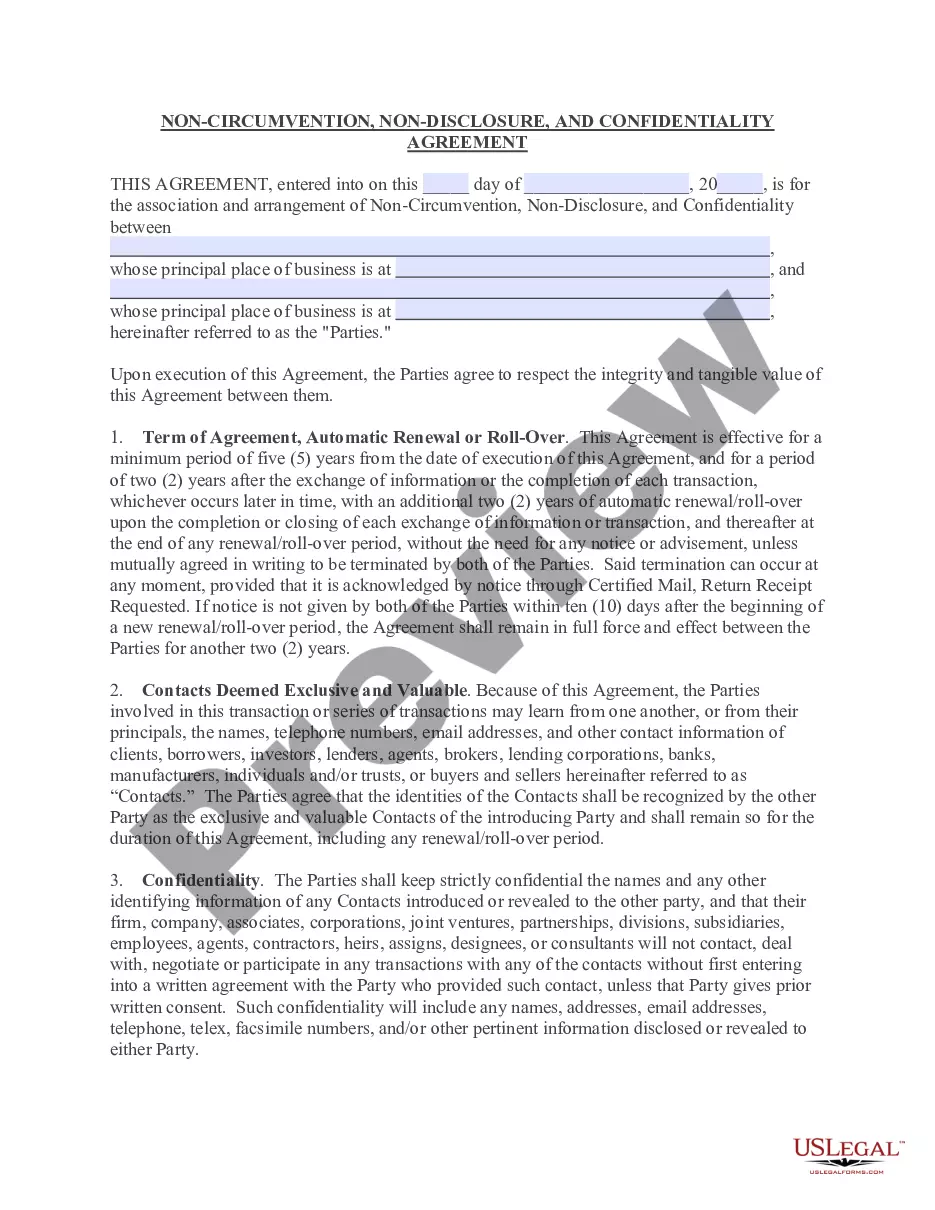
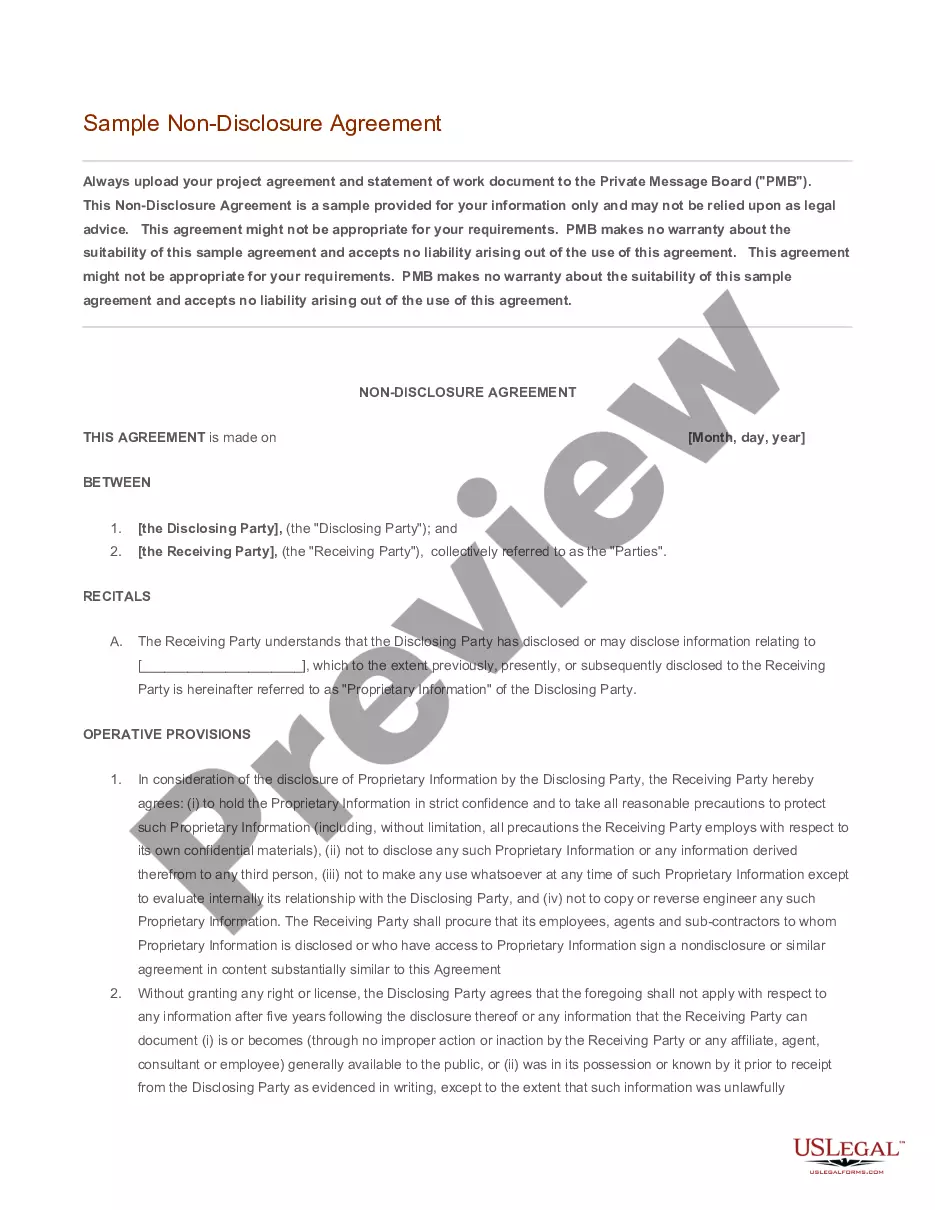
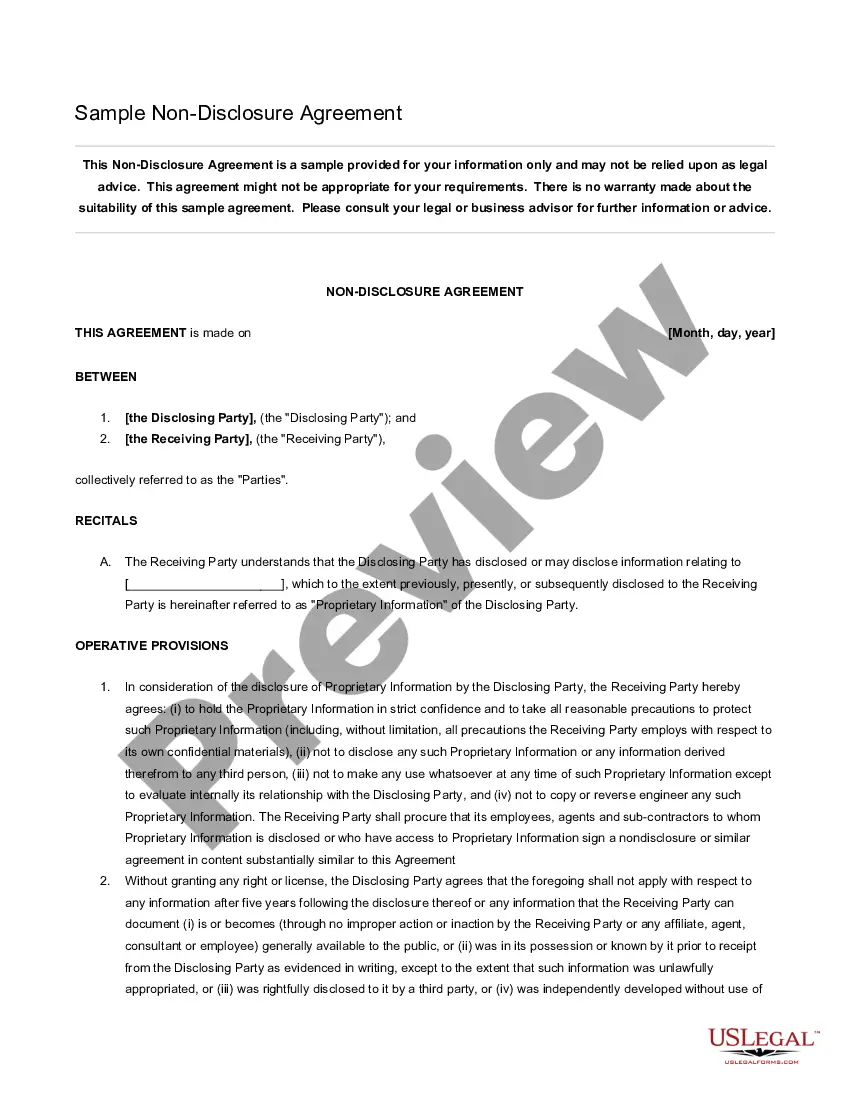
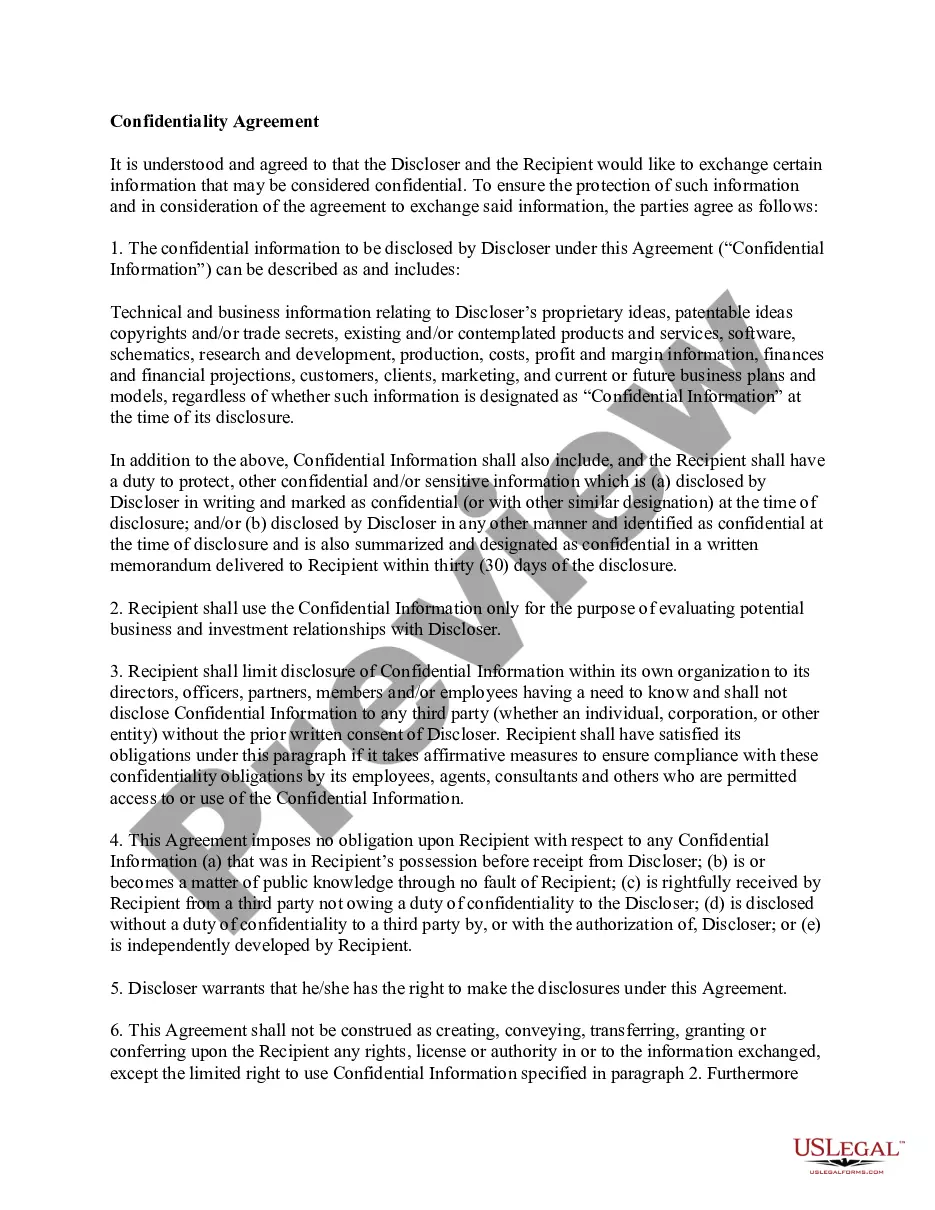
The Non-Circumvention, Non-Disclosure and Confidentiality Agreement is a legally binding document designed to protect sensitive information shared between parties in a business negotiation. This form combines elements of a non-disclosure agreement (NDA) and a non-circumvention agreement, ensuring that neither party can bypass the other during transactions or disclose confidential information without consent. It is crucial in maintaining trust and safeguarding proprietary data during collaborations.
Form components explained
- Term of agreement: Specifies the duration and renewal terms of the contract.
- Exclusive contacts: Identifies the parties' exclusive contacts and their value.
- Confidentiality: Obligates parties to keep shared information confidential.
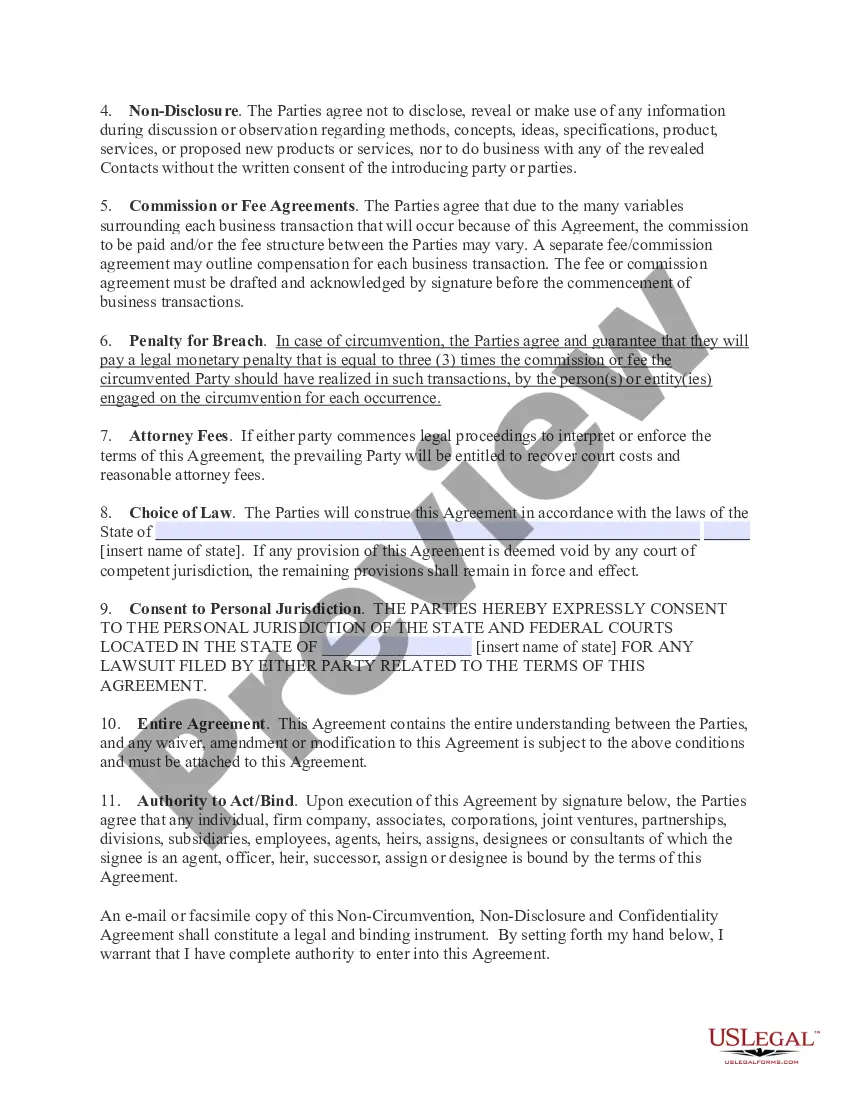
- Non-disclosure: Prohibits any use or disclosure of specific information without prior consent.
- Commission agreements: Allows for separate agreements on fees or commissions for transactions.
- Penalty for breach: Defines monetary penalties in case of circumvention.

Common use cases
This agreement should be used when two or more parties engage in discussions that involve sharing confidential information, such as business plans, trade secrets, partnership opportunities, or customer lists. It is particularly important when the parties aim to protect sensitive information and maintain the integrity of their business relationships. Scenarios include negotiating joint ventures, strategic partnerships, or sales agreements where confidentiality is vital.
Who should use this form
- Business owners and entrepreneurs looking to protect sensitive information.
- Individuals or companies entering negotiations with potential partners or clients.
- Investors seeking to safeguard proprietary business strategies.
- Consultants or professionals sharing innovative ideas within business dealings.
How to complete this form
- Identify the parties: Enter the names and principal places of business of each party involved.
- Specify the term: Indicate the start date and the duration of the agreement.
- Outline confidential contacts: Clearly list any contacts whose identities and information need protection.
- Detail commission agreements: If applicable, include terms related to compensation for transactions.
- Sign the agreement: Ensure both parties sign to validate the document.
Notarization requirements for this form
This form does not typically require notarization unless specified by local law. However, having the document notarized can provide an additional layer of validation and security for both parties involved.
Get your form ready online
Our built-in tools help you complete, sign, share, and store your documents in one place.
Make edits, fill in missing information, and update formatting in US Legal Forms—just like you would in MS Word.
Download a copy, print it, send it by email, or mail it via USPS—whatever works best for your next step.
Sign and collect signatures with our SignNow integration. Send to multiple recipients, set reminders, and more. Go Premium to unlock E-Sign.
If this form requires notarization, complete it online through a secure video call—no need to meet a notary in person or wait for an appointment.
We protect your documents and personal data by following strict security and privacy standards.

Make edits, fill in missing information, and update formatting in US Legal Forms—just like you would in MS Word.

Download a copy, print it, send it by email, or mail it via USPS—whatever works best for your next step.

Sign and collect signatures with our SignNow integration. Send to multiple recipients, set reminders, and more. Go Premium to unlock E-Sign.

If this form requires notarization, complete it online through a secure video call—no need to meet a notary in person or wait for an appointment.

We protect your documents and personal data by following strict security and privacy standards.
Avoid these common issues
- Failing to specify the duration of confidentiality commitments.
- Not clearly defining which information is considered confidential.
- Neglecting to have all parties sign and date the agreement.
- Overlooking local laws that might affect the agreement's terms.
Benefits of completing this form online
- Convenience: Easily download and complete the form at your convenience.
- Customizability: Tailor the agreement to suit specific business needs.
- Reliability: Trusted templates drafted by licensed attorneys ensure legal compliance.
Looking for another form?
Form popularity
FAQ
A Confidential Disclosure Agreement (CDA), also referred to as non-disclosure agreement (NDA) or secrecy agreement, is a legal agreement between a minimum of two parties which outlines information the parties wish to share with one another for certain evaluation purposes, but wish to restrict from wider use and
NDA vs confidentiality agreement: What is the difference? A confidentiality agreement binds all parties to keep secret information confidential, while an NDA upholds secrecy by creating a confidential relationship between the parties who sign it.
circumvention agreement ensures that the intermediaries who brought the buyer and seller together are not excluded from future negotiations, whilst a nondisclosure agreement is a contract by which a party receiving information from another party agrees to keep such information confidential.
Here are the two types of NDAs to choose from: Unilateral (NDA) Unilateral nondisclosure agreements are the most common NDAs available.Mutual (MNDA) Mutual nondisclosure agreements (MNDA), also known as bilateral agreements, are used when two parties disclose confidential information to each other.
The Company hereby agrees not to circumvent, avoid, bypass, or obviate, directly or indirectly, the intent of this Agreement through any transaction, transfer, pledge, agreement, recapitalization, loan, lease, assignment, or otherwise.
And while NDAs are known by many names ? including confidentiality agreements (CAs), confidential disclosure agreements (CDAs), and proprietary information agreements (PIAs) ? they typically have one very important thing in common: once an individual signs an NDA, they cannot discuss any information protected by the
The non-circumvention clause blocks the recipient of the confidential information from passing over the disclosing party and contracting directly with the disclosing party's suppliers or clients, once the recipient has learnt their names, thereby damaging the disclosing party.
There are three types of NDAs: unilateral, bilateral, and multilateral.