General Non-Disclosure Agreement
What this document covers
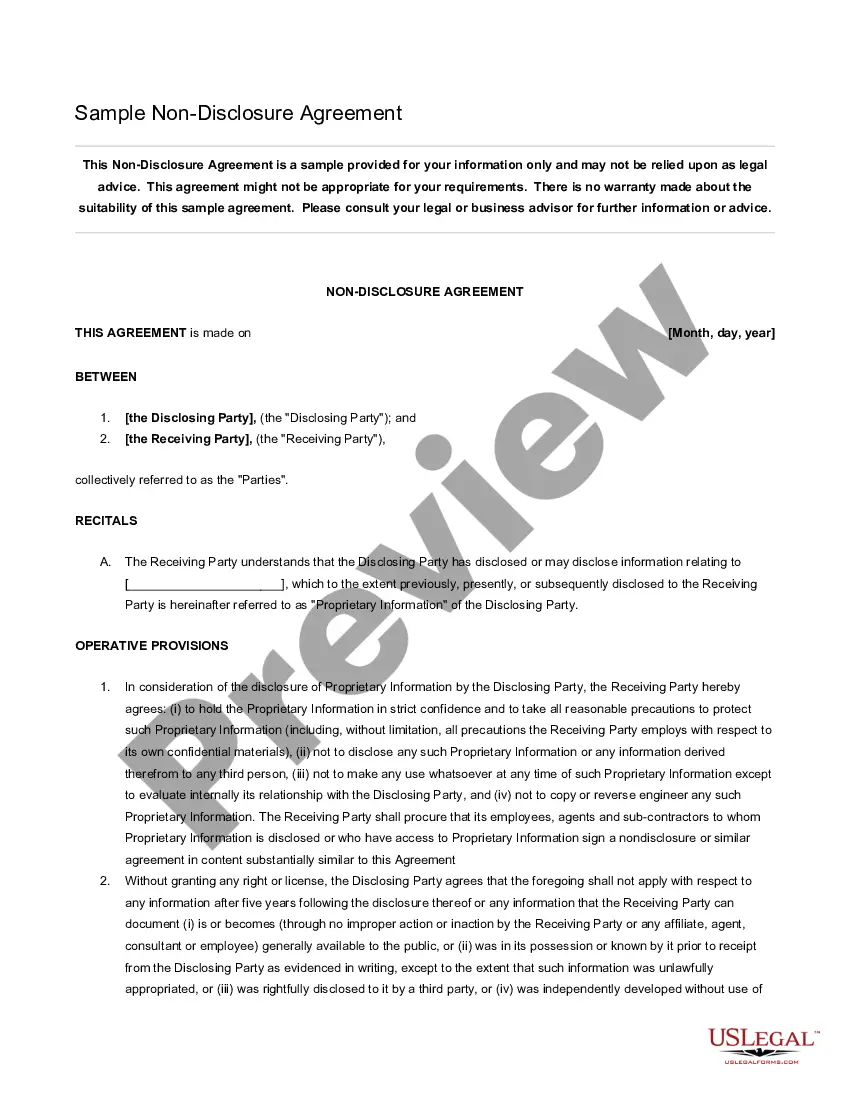
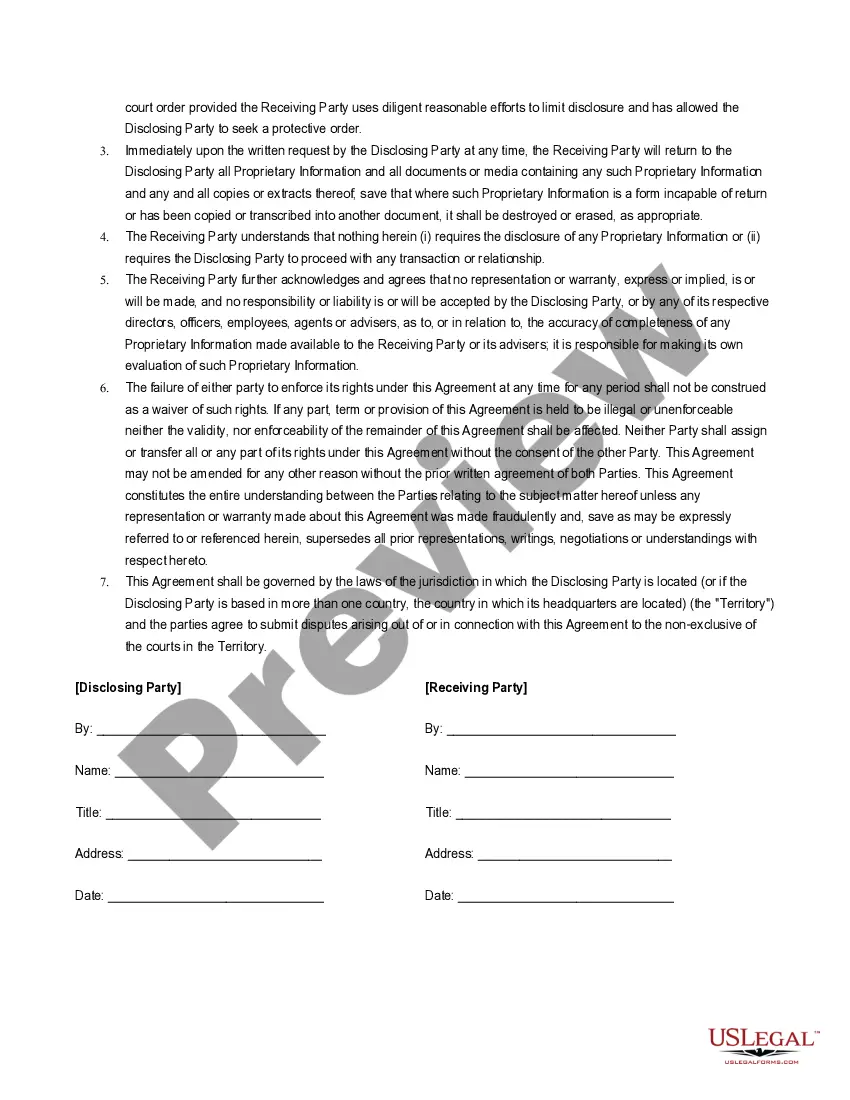
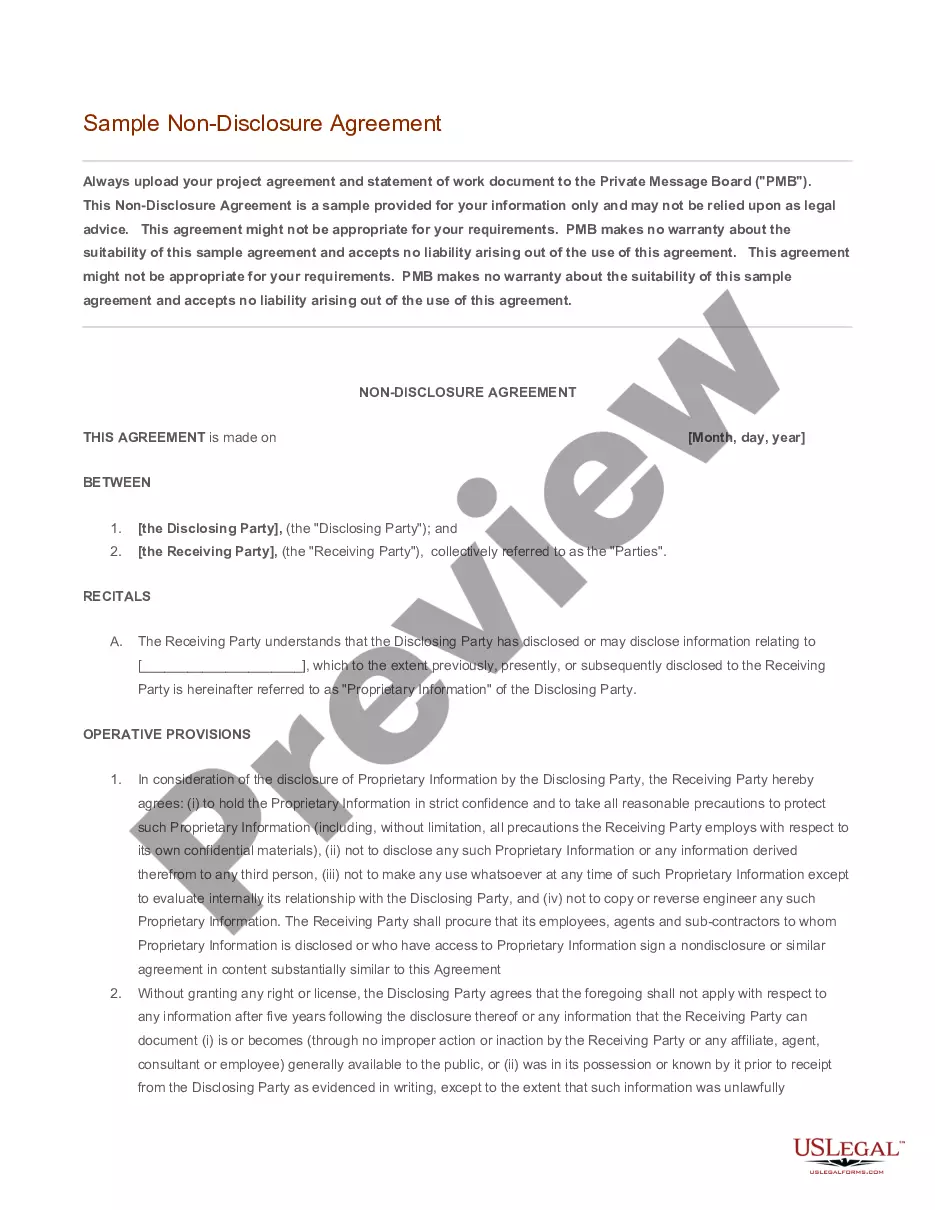
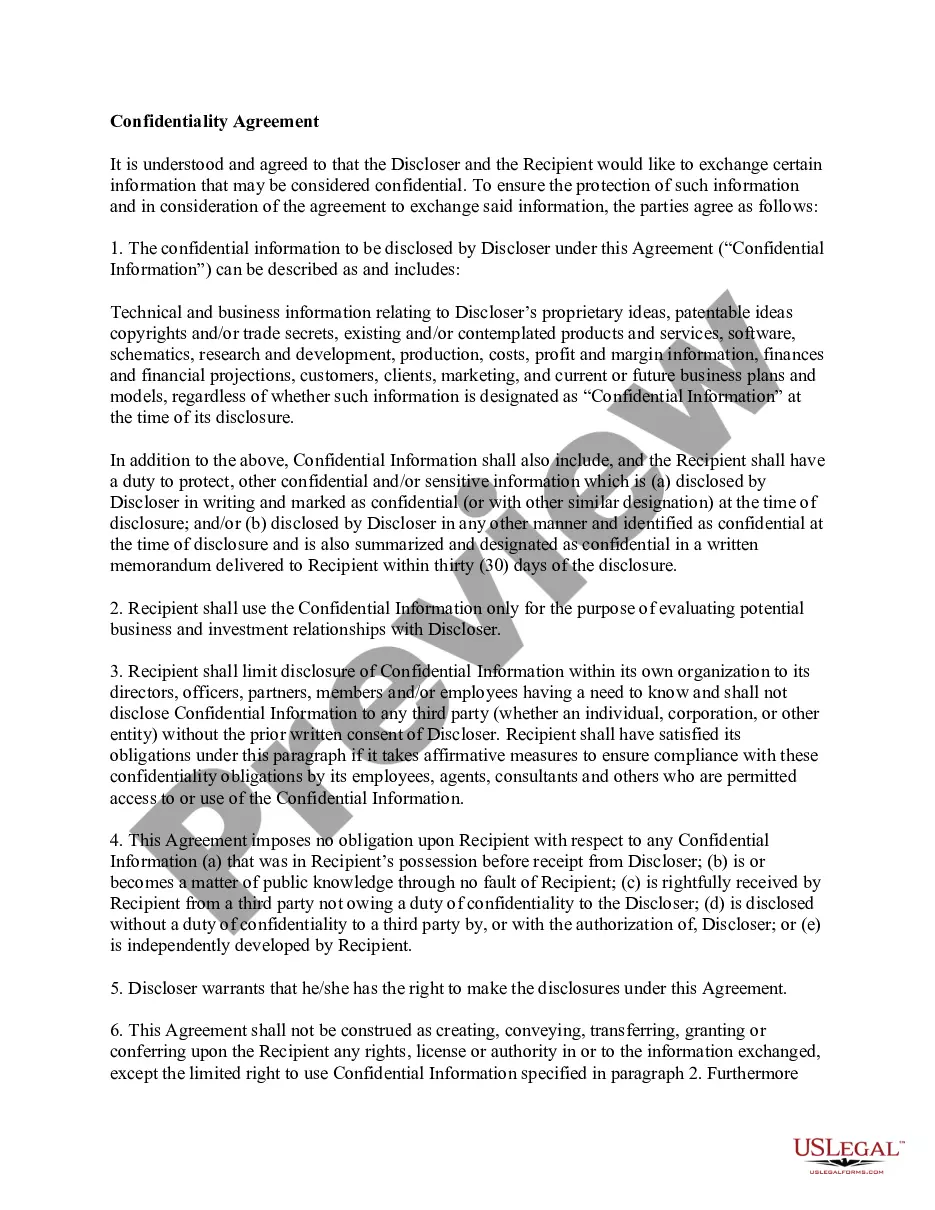
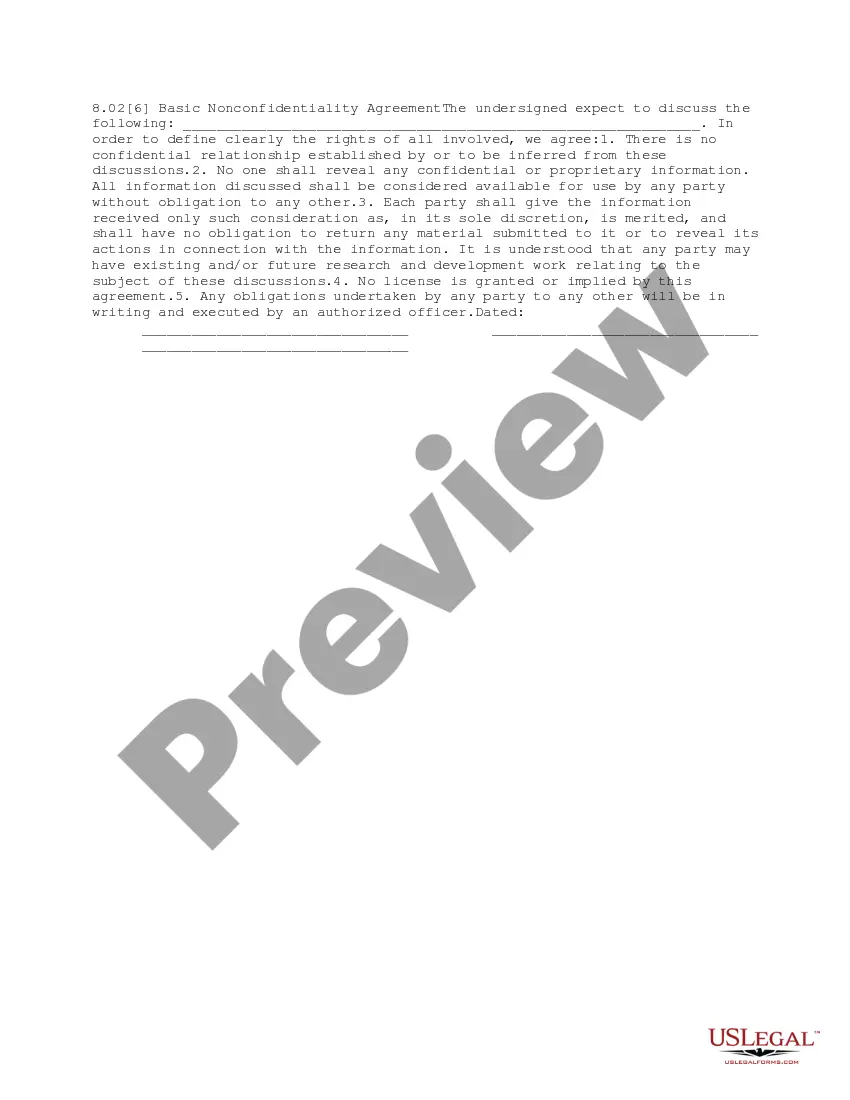
The General Non-Disclosure Agreement (NDA) is a legal document that establishes a confidential relationship between two parties. It ensures that sensitive information shared during business interactions remains private and is not disclosed to third parties. This NDA is essential for protecting proprietary information, distinguishing it from other confidentiality agreements by its broad application across various industries and business situations.
Key components of this form
- Parties involved: Identifies the Disclosing Party and Receiving Party.
- Definition of Proprietary Information: Specifies what constitutes confidential information to be protected.
- Confidentiality obligations: Details the Receiving Party's responsibilities regarding the handling of proprietary information.
- Exceptions to confidentiality: Outlines circumstances under which the NDA does not apply to certain information.
- Return of information: Requires the Returning Party to return or destroy proprietary information upon request.
- Governing law: States the jurisdiction governing the agreement.
Situations where this form applies
This General Non-Disclosure Agreement should be used when one party needs to share confidential information with another party. Common scenarios include business partnerships, joint ventures, hiring employees or contractors, and discussing new ideas or products. It is particularly beneficial when you want to protect sensitive business data, trade secrets, or any information your company considers proprietary.
Who this form is for
- Business owners wishing to protect confidential information when sharing it with partners or vendors.
- Employers requiring employees to sign a confidentiality agreement to safeguard company secrets.
- Individuals or companies entering negotiations that involve sensitive information.
- Freelancers and contractors who will access private information while working with clients.
Completing this form step by step
- Identify the parties: Enter the names of the Disclosing Party and Receiving Party.
- Define proprietary information: Clearly specify what information is to be kept confidential.
- Outline obligations: Review and ensure all confidentiality obligations are included.
- Set the duration: Determine the length of time the confidentiality applies, typically five years.
- Sign and date: Ensure both parties sign and date the agreement to make it legally binding.
Notarization requirements for this form
This form does not typically require notarization unless specified by local law. It is recommended to check local regulations to ensure compliance.
Get your form ready online
Our built-in tools help you complete, sign, share, and store your documents in one place.
Make edits, fill in missing information, and update formatting in US Legal Forms—just like you would in MS Word.
Download a copy, print it, send it by email, or mail it via USPS—whatever works best for your next step.
Sign and collect signatures with our SignNow integration. Send to multiple recipients, set reminders, and more. Go Premium to unlock E-Sign.
If this form requires notarization, complete it online through a secure video call—no need to meet a notary in person or wait for an appointment.
We protect your documents and personal data by following strict security and privacy standards.

Make edits, fill in missing information, and update formatting in US Legal Forms—just like you would in MS Word.

Download a copy, print it, send it by email, or mail it via USPS—whatever works best for your next step.

Sign and collect signatures with our SignNow integration. Send to multiple recipients, set reminders, and more. Go Premium to unlock E-Sign.

If this form requires notarization, complete it online through a secure video call—no need to meet a notary in person or wait for an appointment.

We protect your documents and personal data by following strict security and privacy standards.
Typical mistakes to avoid
- Failing to clearly define what constitutes proprietary information.
- Not outlining specific obligations of the Receiving Party.
- Neglecting to include a time frame for confidentiality.
- Leaving out signatures or dates, making the agreement invalid.
Benefits of completing this form online
- Convenience of immediate access and downloading the form.
- Editability allows users to customize the NDAs to suit specific situations.
- Reliable templates drafted by licensed attorneys ensure compliance with legal standards.
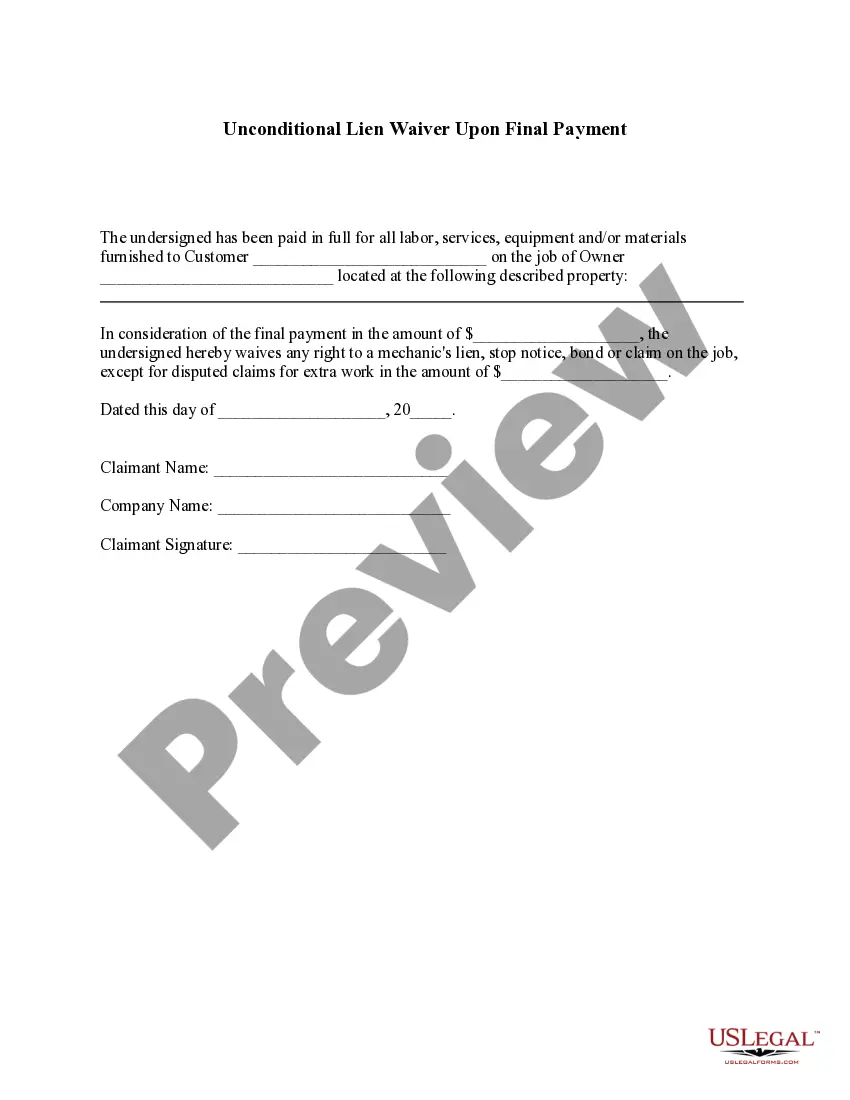
Looking for another form?


Form popularity
FAQ
As a sole proprietor or individual As mentioned earlier, if you were to sign the NDA as an individual (ie. operating as a sole proprietor), you'll be personally liable for any potential lawsuits that arise from the agreement being breached.
To be valid, a Non-Disclosure Agreement only needs two signatures ? the disclosing party and the receiving party. It doesn't need to be notarized or filed with any state or local administrative office.
An NDA template is a template of a non-disclosure agreement that an individual or company can follow to create their own NDA. The template will have the general legal information and blanks that can be filled in to create a unique NDA between two or more parties that is applicable to their relationship.
The Purpose of a Non-Disclosure Agreement An NDA creates the legal framework to protect ideas and information from being stolen or shared with competitors or third parties. Breaking an NDA agreement triggers a host of legal ramifications, including lawsuits, financial penalties, and even criminal charges.
Here are the two types of NDAs to choose from: Unilateral (NDA) Unilateral nondisclosure agreements are the most common NDAs available.Mutual (MNDA) Mutual nondisclosure agreements (MNDA), also known as bilateral agreements, are used when two parties disclose confidential information to each other.
You do not need a lawyer to create and sign a non-disclosure agreement. However, if the information you are trying to protect is important enough to warrant an NDA, you may want to have the document reviewed by someone with legal expertise.
Starting at $1,500.00 for basic Non Disclosure Agreement. More complex matters may range from $5,000.00-$10,000.00. An NDA is a contract by which one or more parties agree not to disclose confidential information that they have shared with each other as a necessary part of doing business together.
I hereby agree that I will not discuss with or reveal to any representative of any governmental entity, business organization, other entity, or any individual person (except persons specifically authorized by the Procuring Contracting Officer (PCO)), either within or outside the U.S. Government, any aspect of the