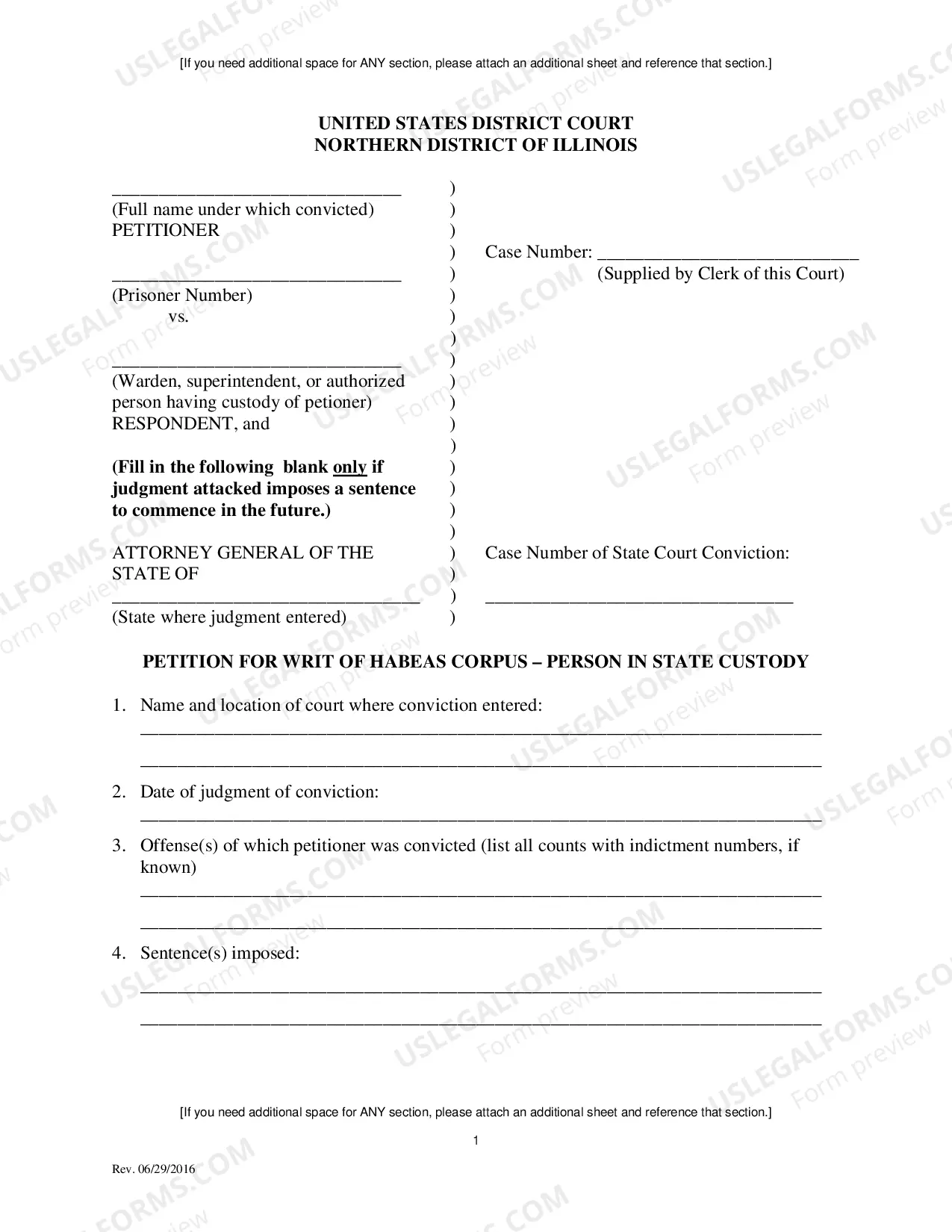
Montana Entry of Default
Description
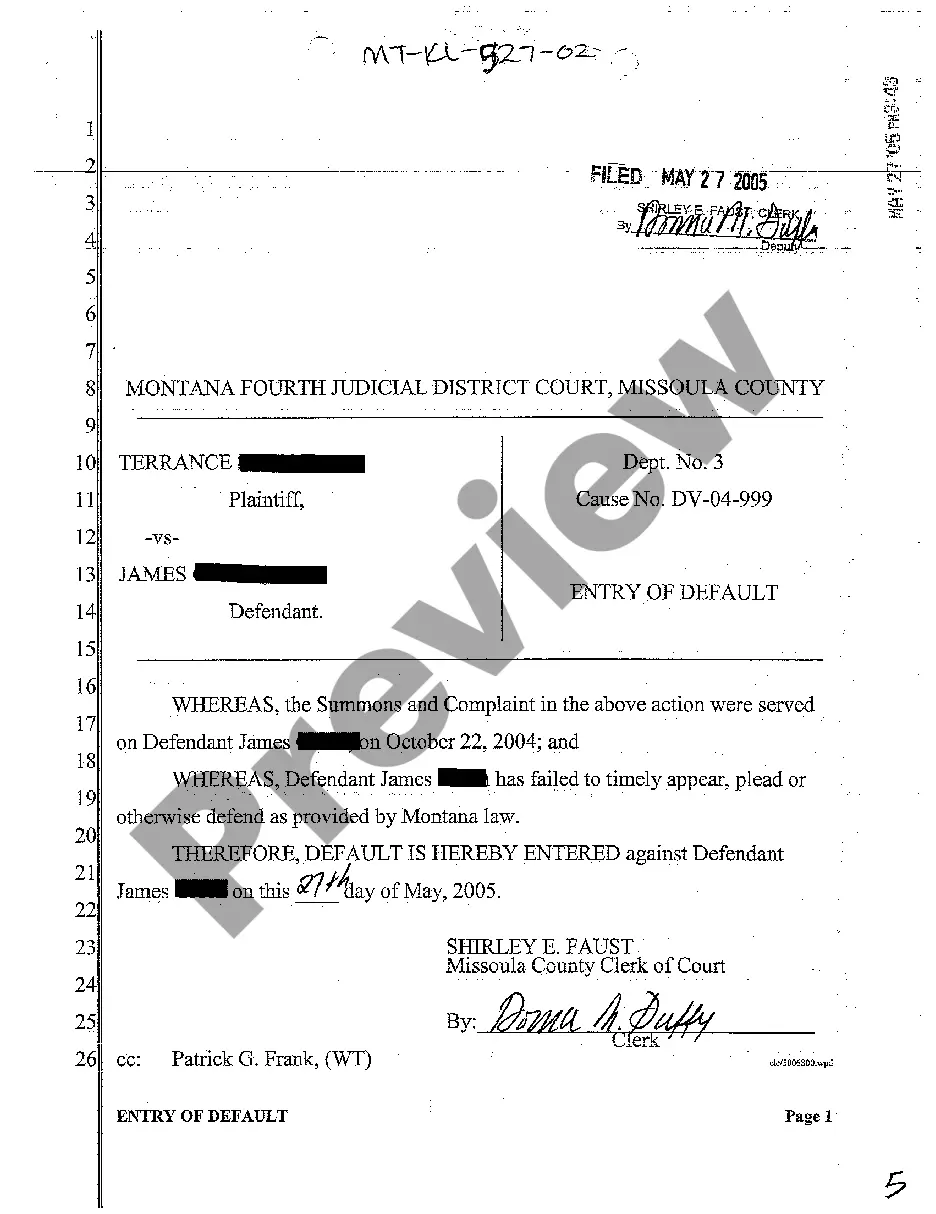
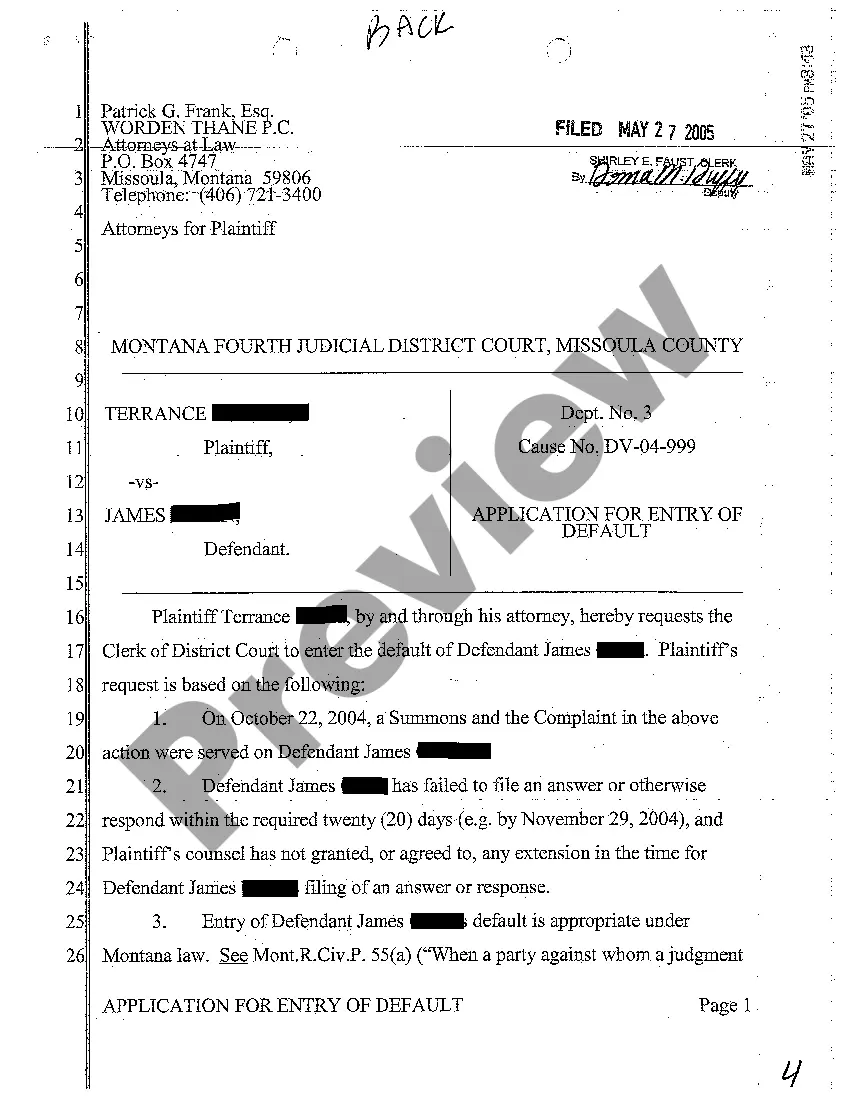
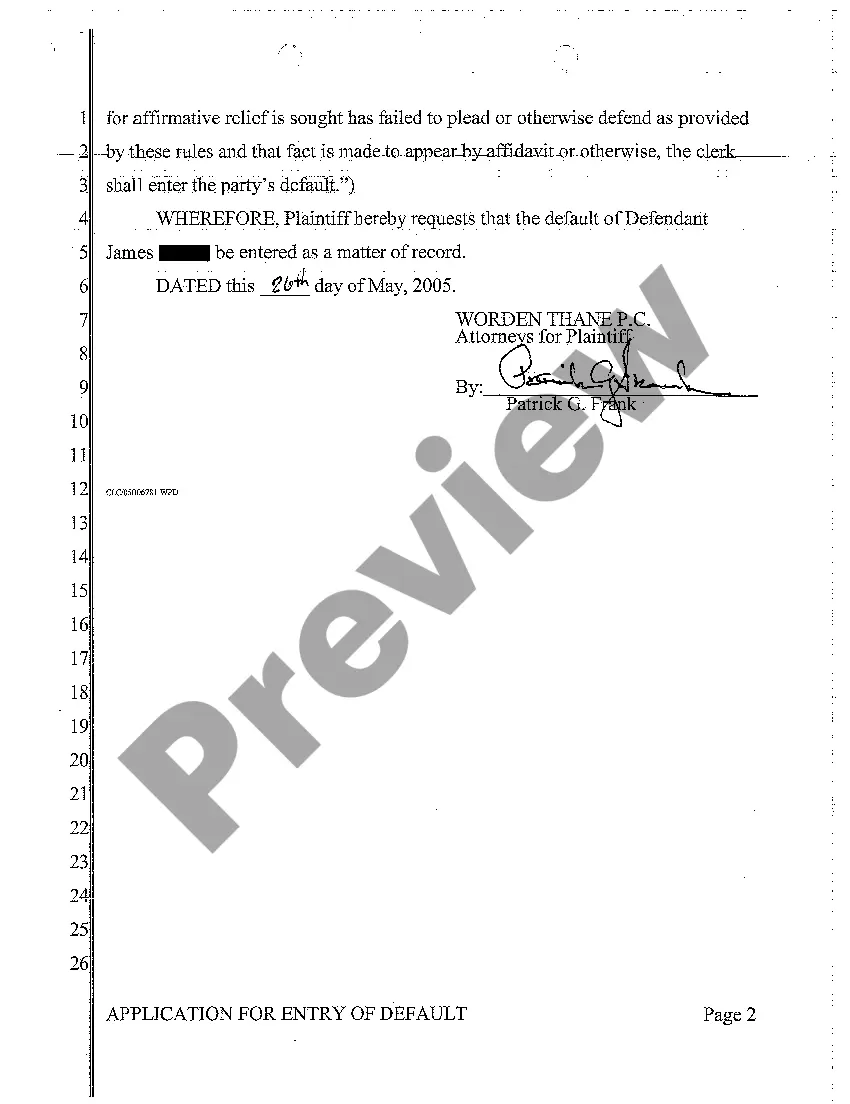



How to fill out Montana Entry Of Default?
Obtain a printable Montana Entry of Default in just a few clicks from the most extensive collection of legal e-forms.
Discover, download, and print expertly prepared and certified samples on the US Legal Forms website. US Legal Forms has been the leading provider of economical legal and tax forms for US citizens and residents online since 1997.
After you have downloaded your Montana Entry of Default, you may fill it out in any online editor or print it and complete it by hand. Utilize US Legal Forms to access 85,000 expertly drafted, state-specific documents.
- Clients with a subscription must Log In to their US Legal Forms account, retrieve the Montana Entry of Default, and find it stored in the My documents section.
- Clients without a subscription need to adhere to the following instructions.
- Ensure your template complies with your state’s requirements.
- If available, review the form’s description for additional information.
- If possible, preview the form to view more details.
- Once you're assured the template is suitable for you, click Buy Now.
- Create a personal account.
- Choose a subscription plan.
- Complete payment via PayPal or credit card.
- Download the form in Word or PDF format.
Form popularity
FAQ
After you notify the defendant of the judgment, you can begin to enforce the judgment. Your judgment might be for money, repossession, eviction, foreclosure, or any number of things. In any case, your rights at this point would be the same as if you had gone to trial and won.
When a default is entered, the party who requested the entry of default must obtain a default judgment against the defaulting party within 45 days after the default was entered, unless the court has granted an extension of time.
Generally, if a defendant fails to respond to a complaint you can get a default judgment after 45 days. However, the court system is very slow these days and it can take several months to get the court to issue the default judgment.
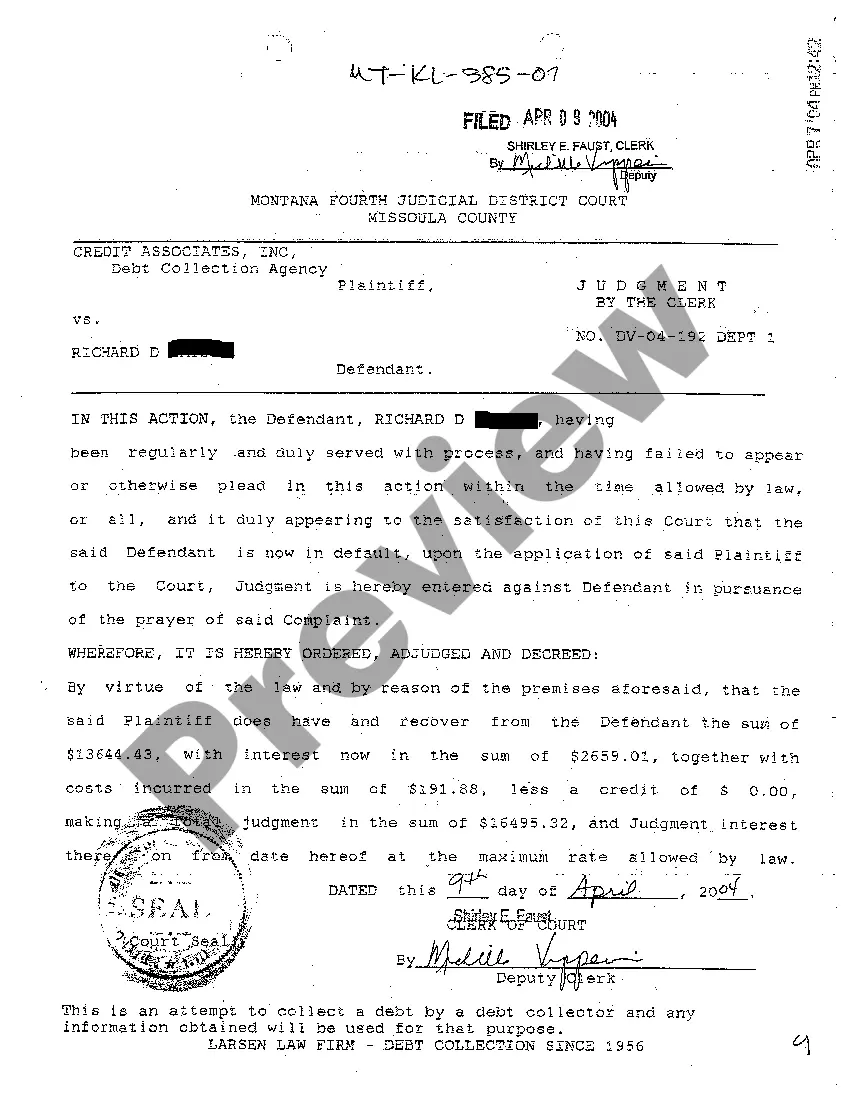
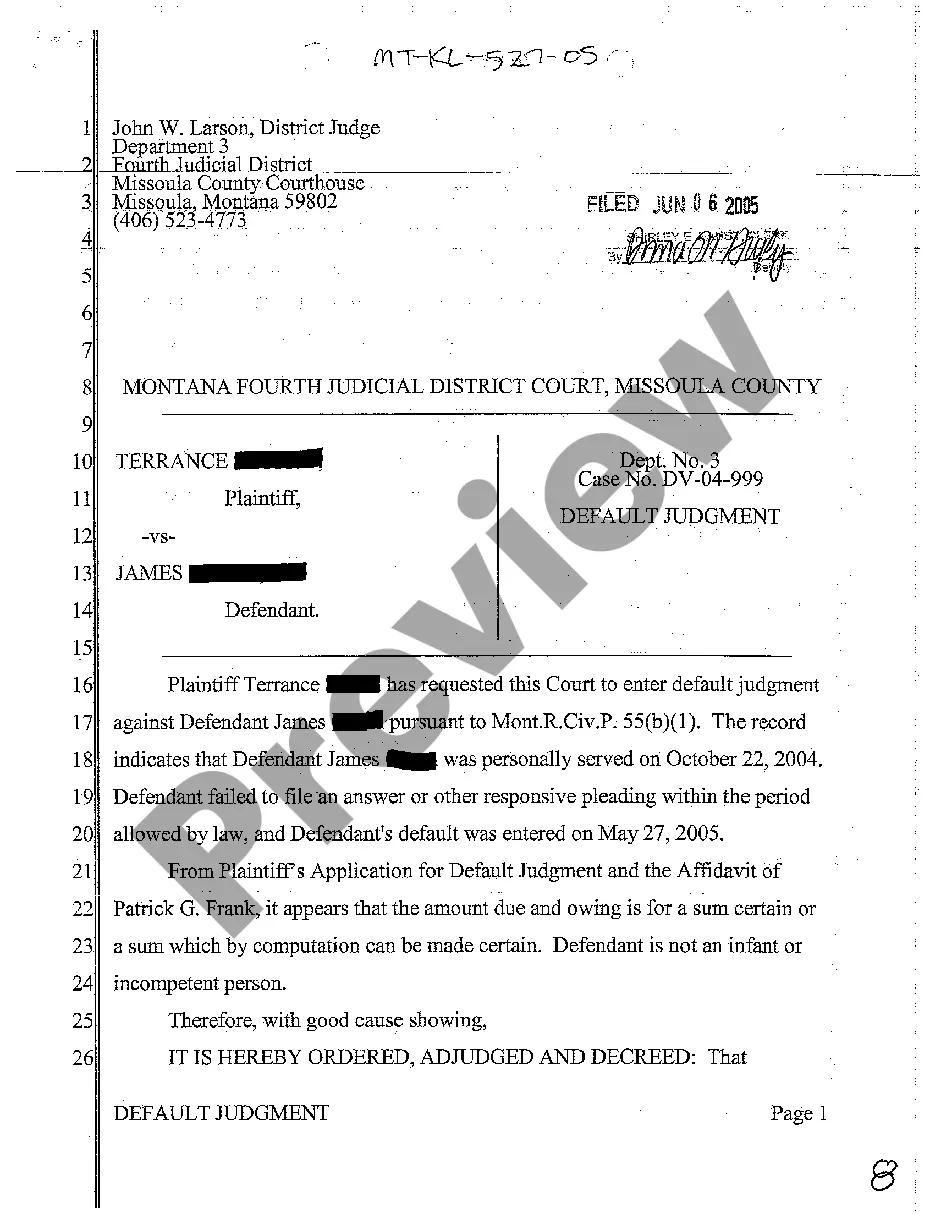
A default judgment occurs when the defendant in a legal case fails to respond to a court summons or does not appear in court. If this occurs, a court may rule in favor of the plaintiff by default.
A default judgment means that the court has decided that you owe money. This a result of the person suing you in small claims court and you failed to appear at the hearing.
The danger of allowing a default judgment against you is once this occurs the debt buyer can garnish your wages and your bank accounts.If you don't submit a written answer to the lawsuit the court can enter a default judgment giving the debt buyer everything they are asking for.
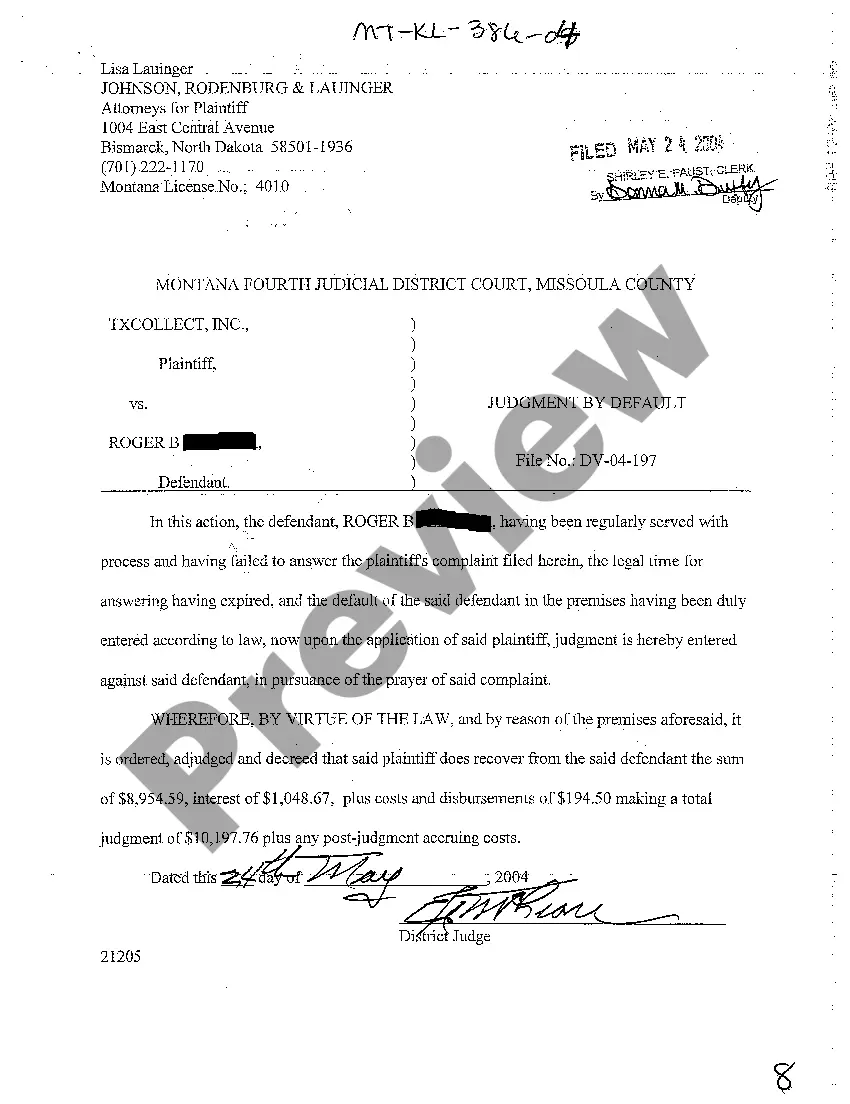
A simple default doesn't mean you legally owe a certain amount of money. A default judgment identifies the amount you owe the plaintiff. You don't want this to happen because a default judgment makes you a judgment debtor. Plaintiff may use all sorts of legal procedures to legally take your money and property.
If you do not think the default judgment was appropriately entered against you, you must file a motion with the court asking the judge to set aside (void or nullify) the judgment. If the judge grants your motion, the case starts back up again.
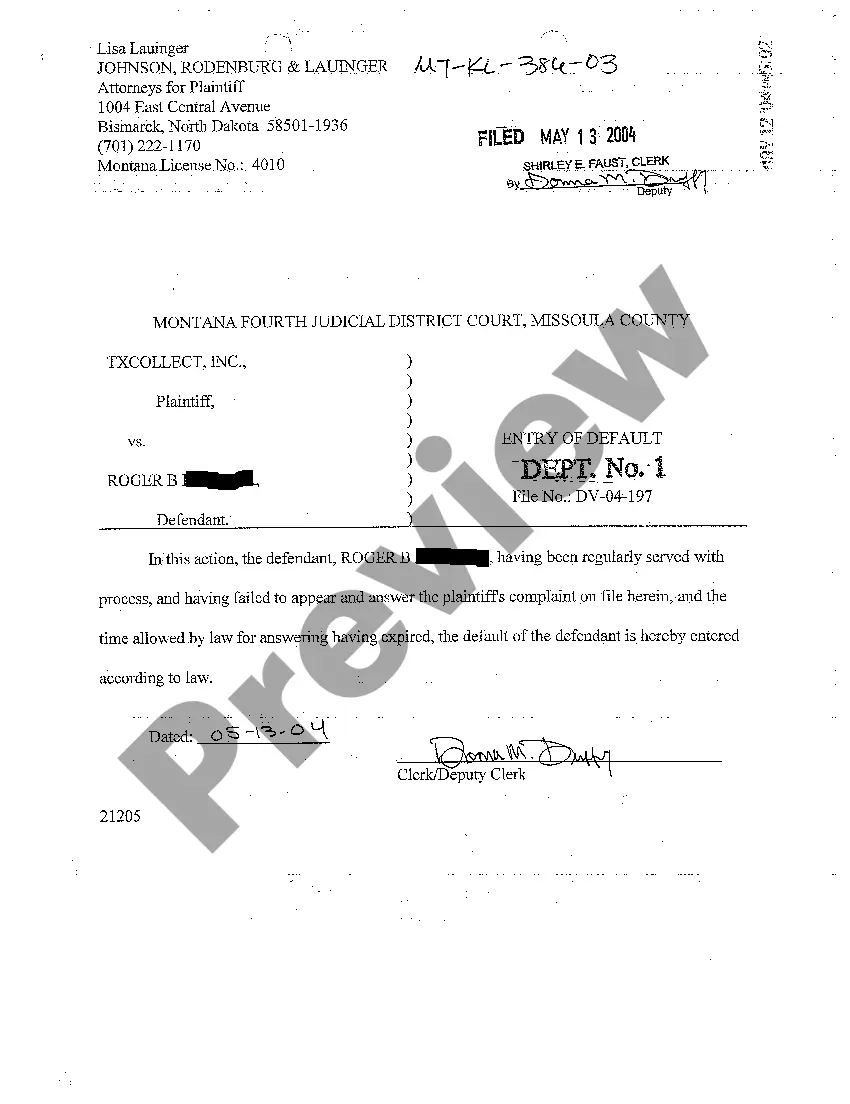
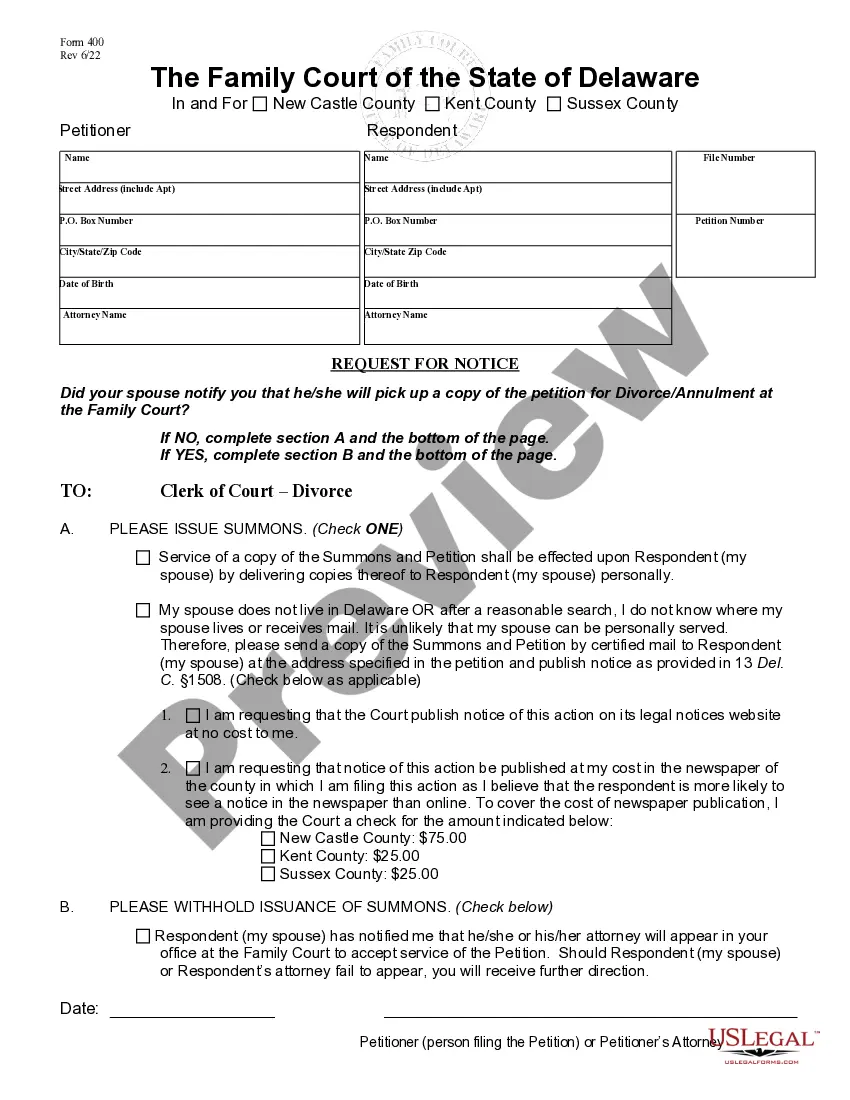
Entry of default refers to the process where the person making a claim in a case makes a request before a court of law stating that the party against whom they have made a claim have failed to furnish any meaningful response to the claimant's pleadings within the time allowed for that.
A very important fact you should keep in mind is that California courts do impose a timeline for seeking entry of a default judgment. Specifically, a request for entry of default must be filed within 10 days following a defendant's failure to timely file and serve a responsive pleading.