Forbearance Agreement - With Release Provision
About this form
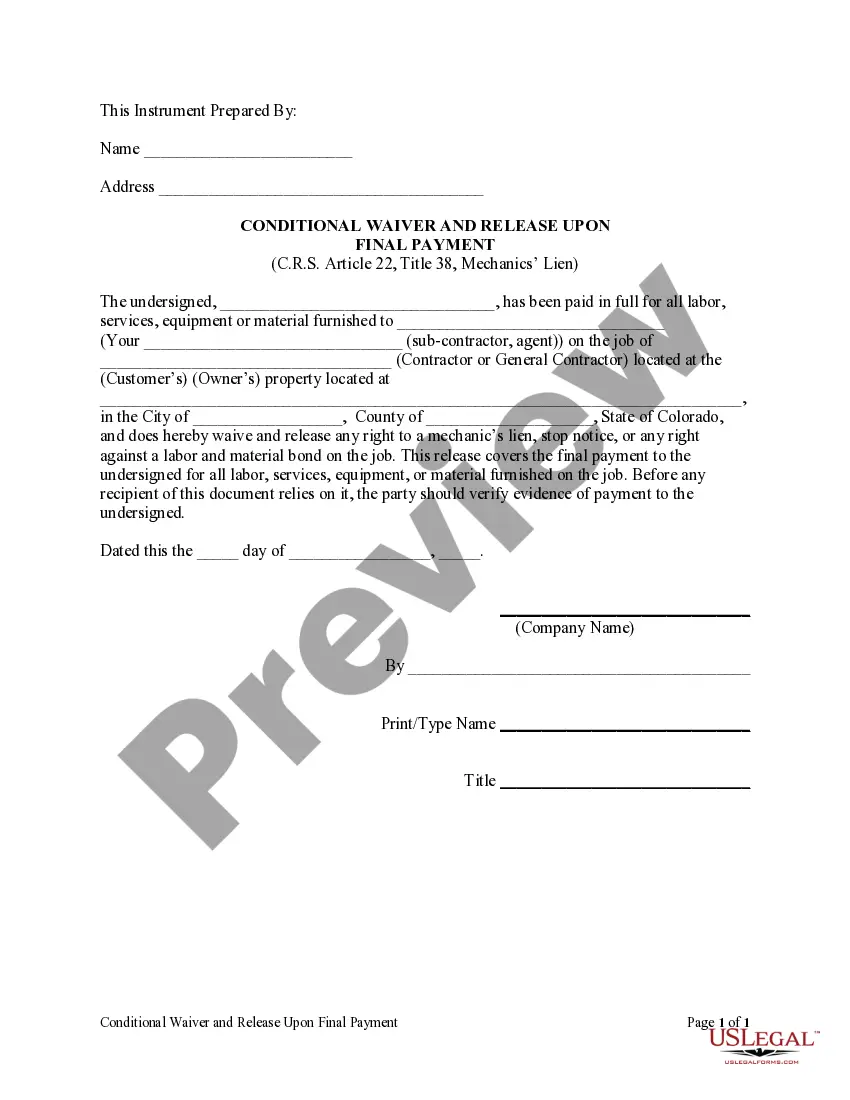
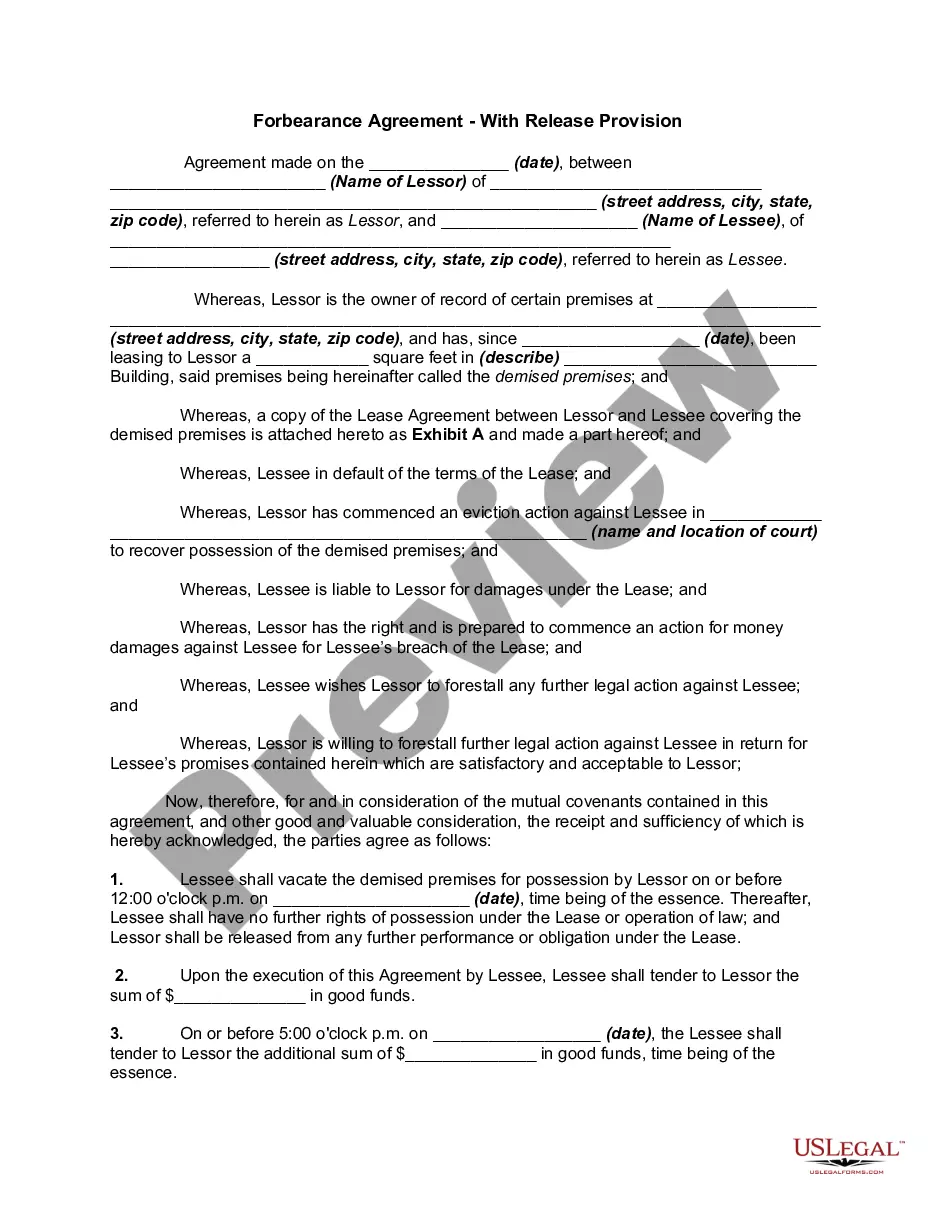
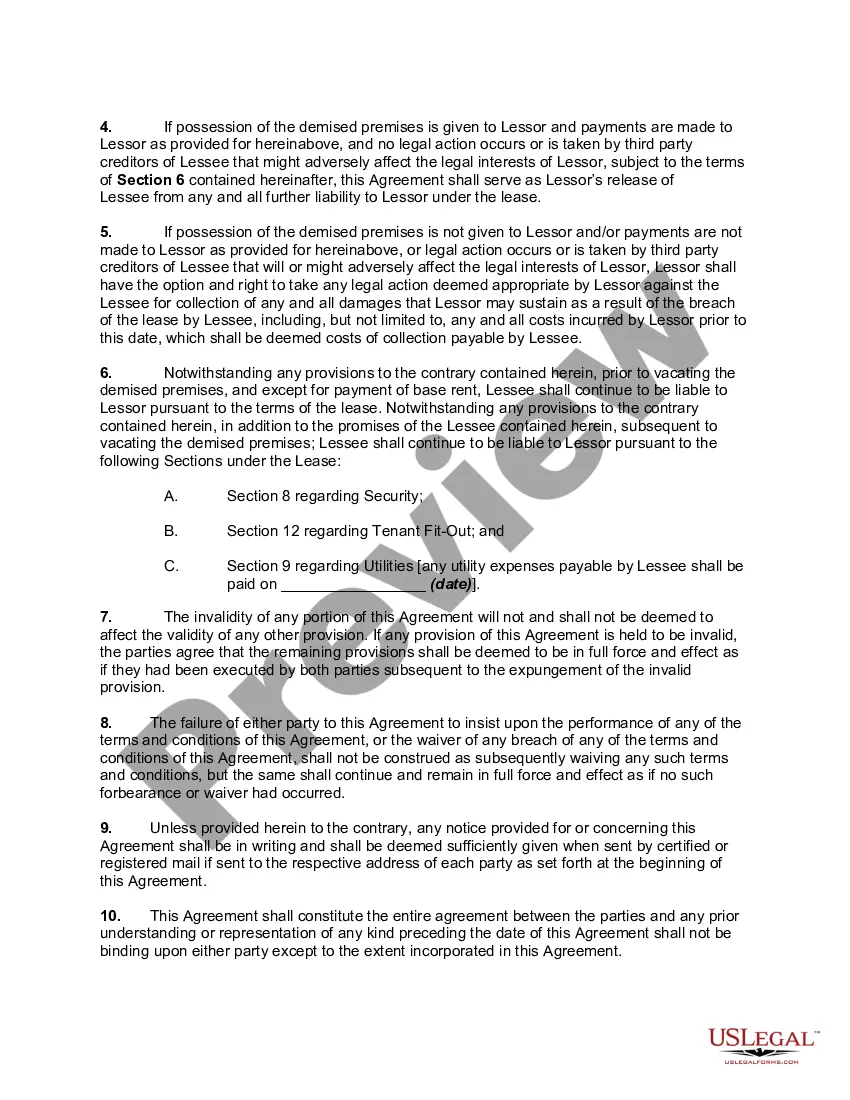
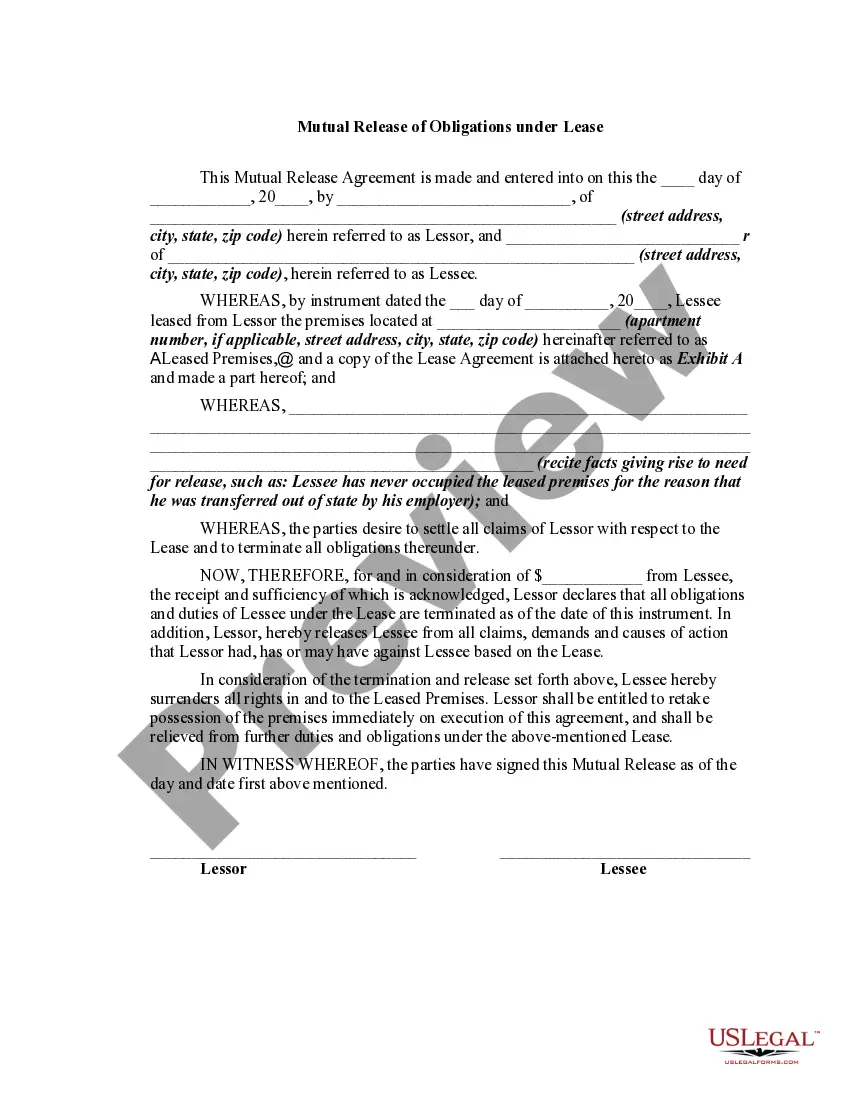
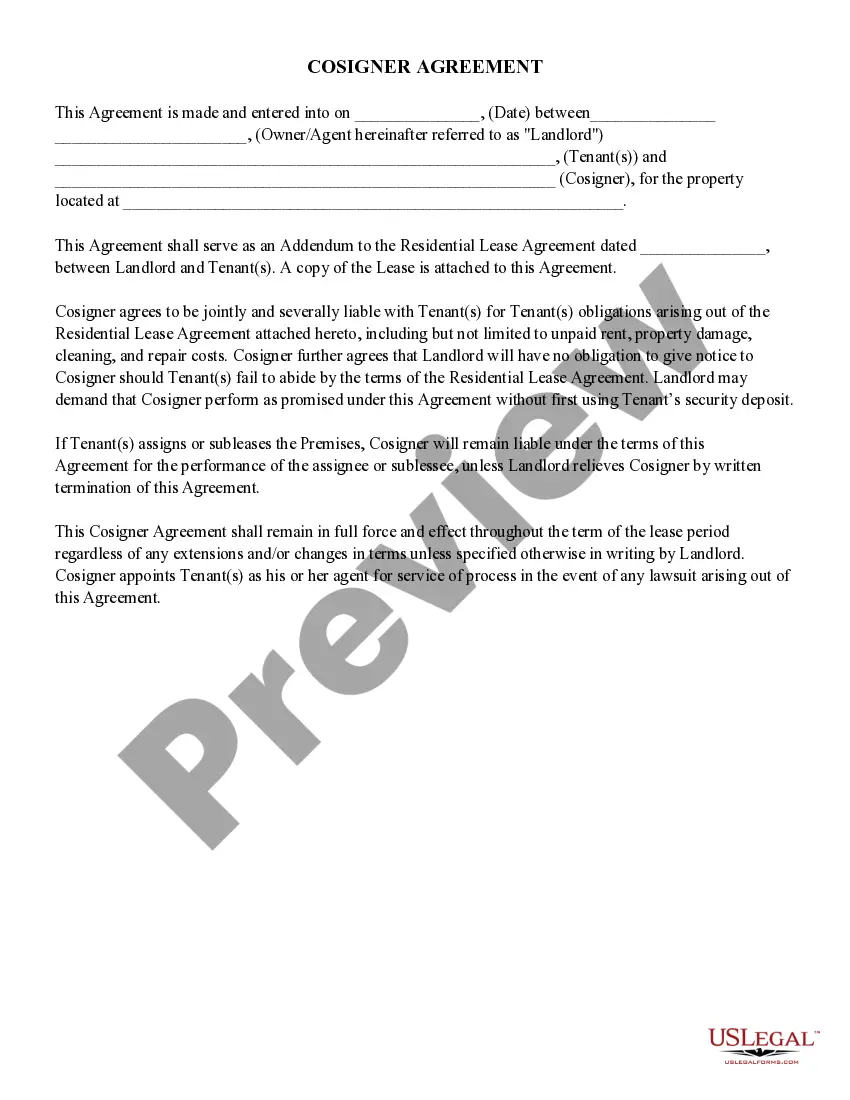
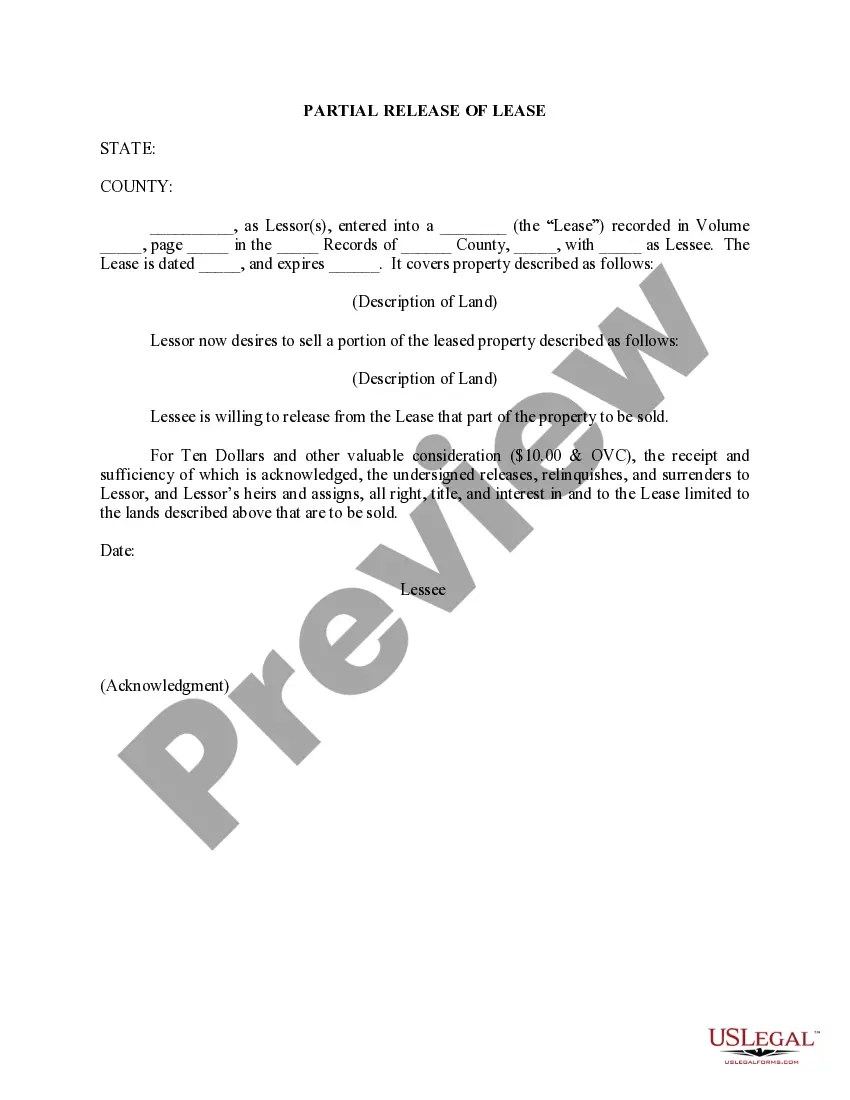
The Forbearance Agreement - With Release Provision is a legal document used when a lessee is in default of their lease agreement, and the lessor has initiated an eviction action. This agreement allows the lessor to accept cash payments from the lessee in exchange for halting eviction proceedings and releasing the lessee from further lease obligations, with certain exceptions. It serves as a crucial tool for both parties to outline terms for avoiding eviction and resolving outstanding lease liabilities.
Form components explained
- Identification of the lessor and lessee, including names and addresses.
- Details of the leased premises, including the address and description.
- Conditions under which the lessee will vacate the premises.
- Payment terms agreed upon by both parties.
- Release clauses detailing the extent of liability post-agreement.

Situations where this form applies
This forbearance agreement is typically used in situations where a lessee has fallen behind on rent payments and the lessor has filed for eviction. It is beneficial for both parties who seek to avoid the cost and consequences of legal proceedings, allowing the lessee to settle their debt and the lessor to regain possession of the property without further disputes.
Intended users of this form
- Lessees facing eviction due to non-payment or lease default.
- Lessees who wish to negotiate terms for staying in the property while resolving outstanding debts.
- Lessors who want to avoid lengthy eviction processes and prefer a negotiated settlement.
How to complete this form
- Identify and fill in the names and addresses of the lessor and lessee at the beginning of the agreement.
- Specify the property details, including the address and type of premises being leased.
- Clearly state the dates by which the lessee must vacate the property and the amounts due as cash payments.
- Include any clauses regarding release from further liability and ensure both parties understand their obligations.
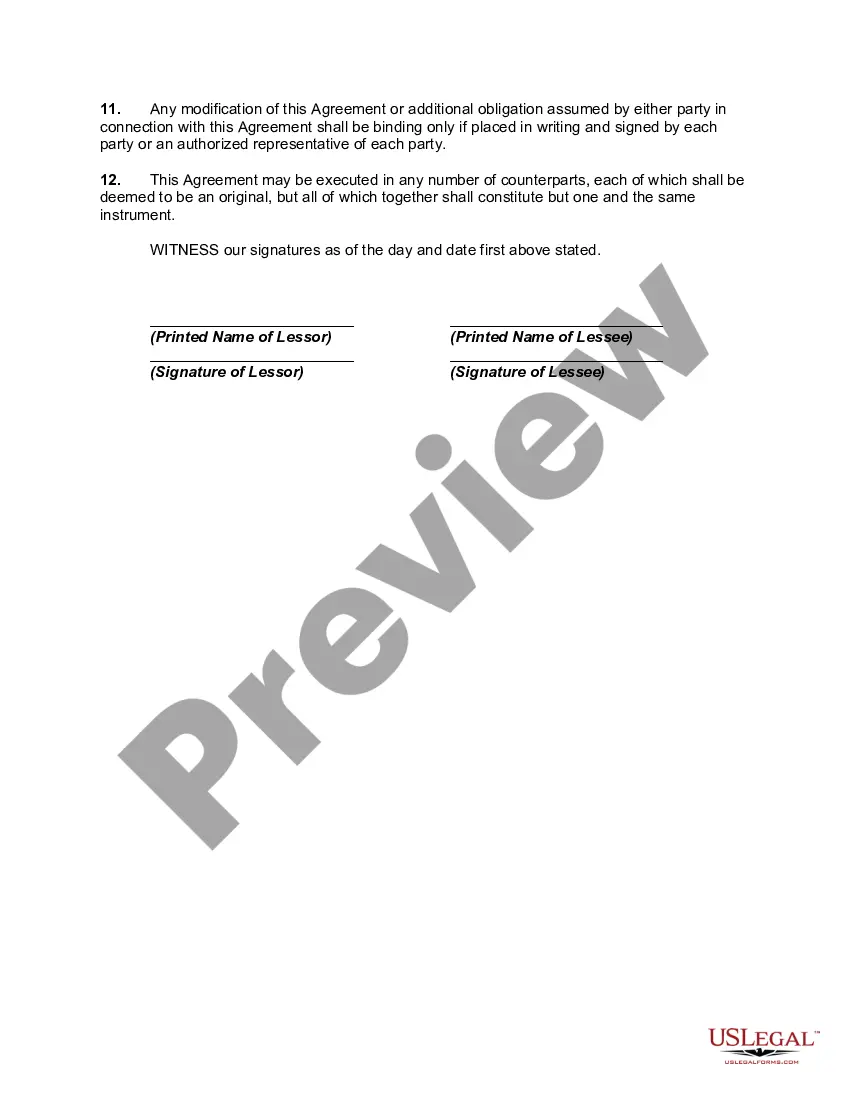
- Both parties should sign and date the agreement to make it legally binding.
Notarization guidance
This form does not typically require notarization to be legally valid. However, some jurisdictions or document types may still require it. US Legal Forms provides secure online notarization powered by Notarize, available 24/7 for added convenience.
Get your form ready online
Our built-in tools help you complete, sign, share, and store your documents in one place.
Make edits, fill in missing information, and update formatting in US Legal Forms—just like you would in MS Word.
Download a copy, print it, send it by email, or mail it via USPS—whatever works best for your next step.
Sign and collect signatures with our SignNow integration. Send to multiple recipients, set reminders, and more. Go Premium to unlock E-Sign.
If this form requires notarization, complete it online through a secure video call—no need to meet a notary in person or wait for an appointment.
We protect your documents and personal data by following strict security and privacy standards.

Make edits, fill in missing information, and update formatting in US Legal Forms—just like you would in MS Word.

Download a copy, print it, send it by email, or mail it via USPS—whatever works best for your next step.

Sign and collect signatures with our SignNow integration. Send to multiple recipients, set reminders, and more. Go Premium to unlock E-Sign.

If this form requires notarization, complete it online through a secure video call—no need to meet a notary in person or wait for an appointment.

We protect your documents and personal data by following strict security and privacy standards.
Typical mistakes to avoid
- Failing to include accurate dates for payment and vacating the premises.
- Not clearly defining the terms of the release from liability.
- Incorrectly identifying the parties involved in the agreement.
Benefits of completing this form online
- Convenience of accessing and downloading the form anytime.
- Ability to customize the agreement according to specific needs and circumstances.
- A legally valid document created by licensed attorneys, ensuring reliable standards.
Looking for another form?
Form popularity
FAQ
Lenders covered by federal forbearance rules cannot require a lump-sum repayment. However, you can if you elect repay the entire missed amount as a lump sum. Payment Plans. You repay the lender by making larger monthly payments once the forbearance period ends.
In a forbearance agreement, the loan owner ("lender") agrees to reduce or suspend your payments for a set amount of time. With a repayment plan, the lender temporarily increases your monthly payment by adding part of the overdue amount to your current payments so that you can get caught up on the loan.
Review your options with your current lender. Your loan servicer can help you determine whether refinancing makes the most sense for you, especially given closing costs and other fees. Compare refinance offers. Make sure you can afford the new loan. Apply for a refinance.
Forbearance Agreements Must Be In Writing and Signed By Forbearing Party.Based on such conversations, the borrower had crossed out certain amounts within the forbearance agreement, executed and returned the forbearance agreement to the lender and paid the initial payment required under the forbearance agreement.
Forbearance lets you skip some or all of your monthly mortgage payments for as much as a year. But forbearance should be a last resort, something to avoid if at all possible. While it can be a lifeline in the short-term, forbearance will undoubtedly lead to credit issues for many down the road.
If you're ready to resume payments at the end of the forbearance period, be prepared for what happens next.You will typically have several options for repayment once forbearance expires: Full repayment, which is a one-time lump sum payment. It's possible to pay back all the missed payments at once.
What is a Forbearance? With this option, you and your mortgage company agree to temporarily suspend or reduce your monthly mortgage payments for a specific period of time. This option lets you deal with your short-term financial problems by giving you time to get back on your feet and bring your mortgage current.
If I entered a forbearance program, can I still refinance my loan or get a loan to buy another house? Yes, but there are restrictions, and those rules are based on the type of new loan you are getting, not your current loan.
Option 1: Reinstatement. A reinstatement means that you pay the total forbearance amount all at once. Option 2: Repayment Plan. Option 3: COVID-19 Payment Deferral. Option 4: Loan Modification. Option 5: Refinance.