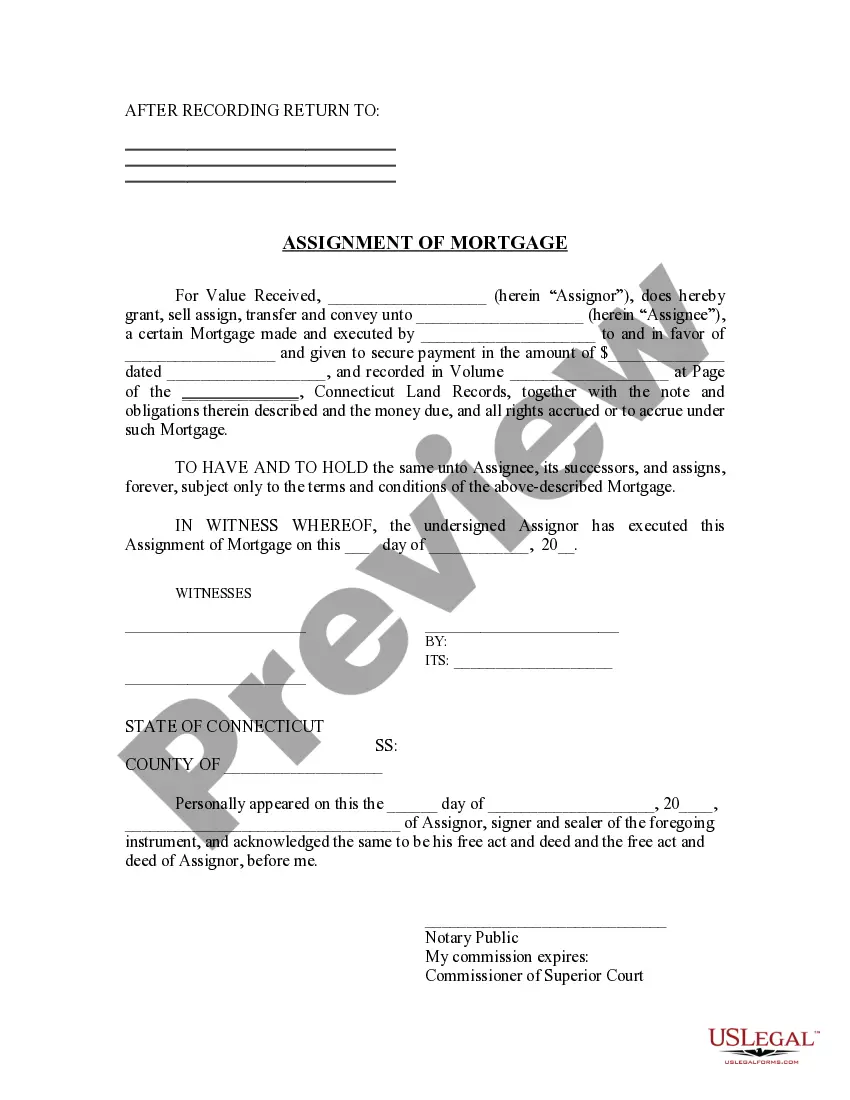
Mississippi Response to Motion for Summary Judgment
What this document covers
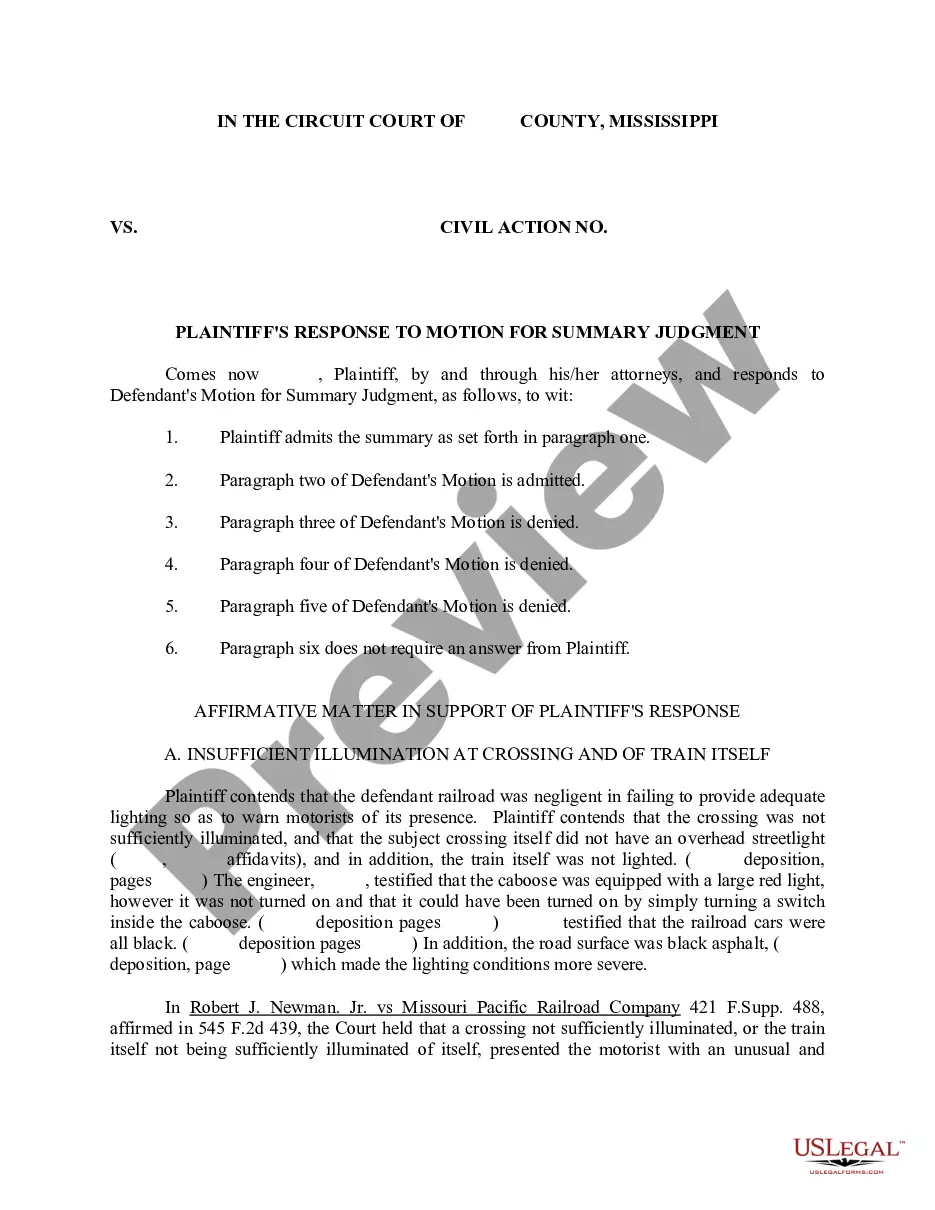
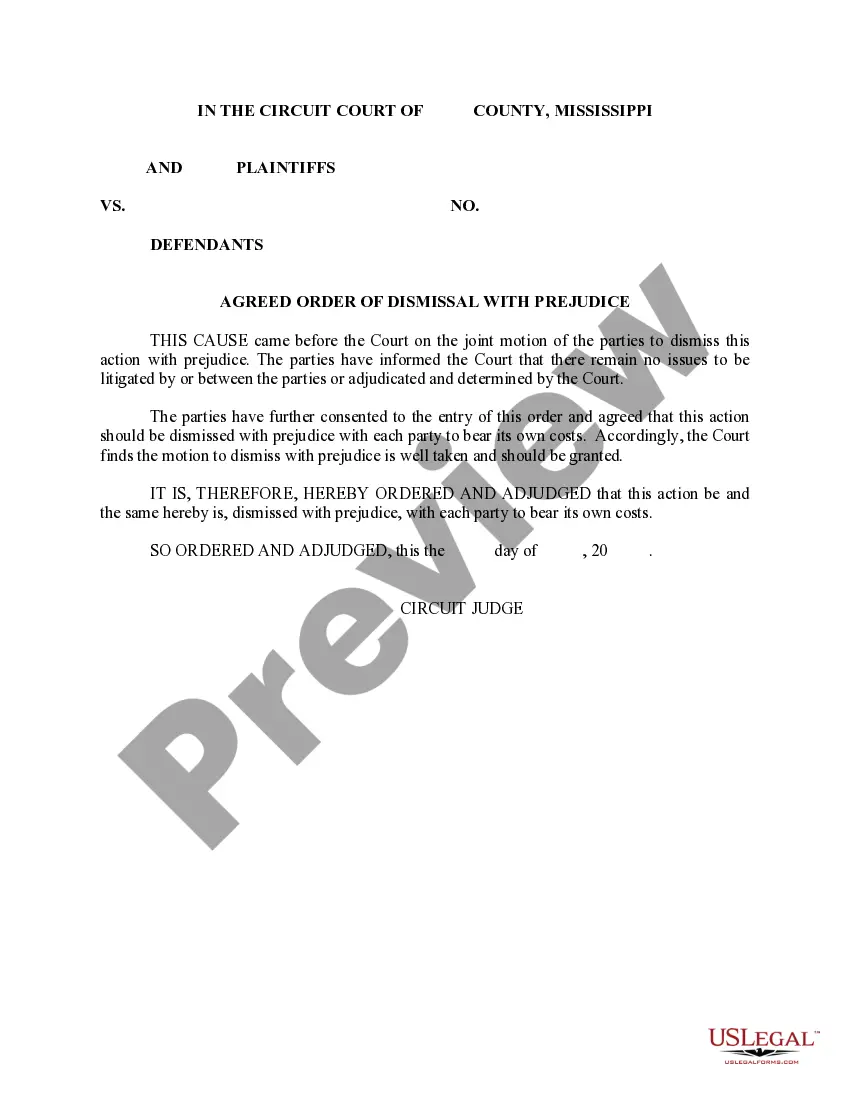
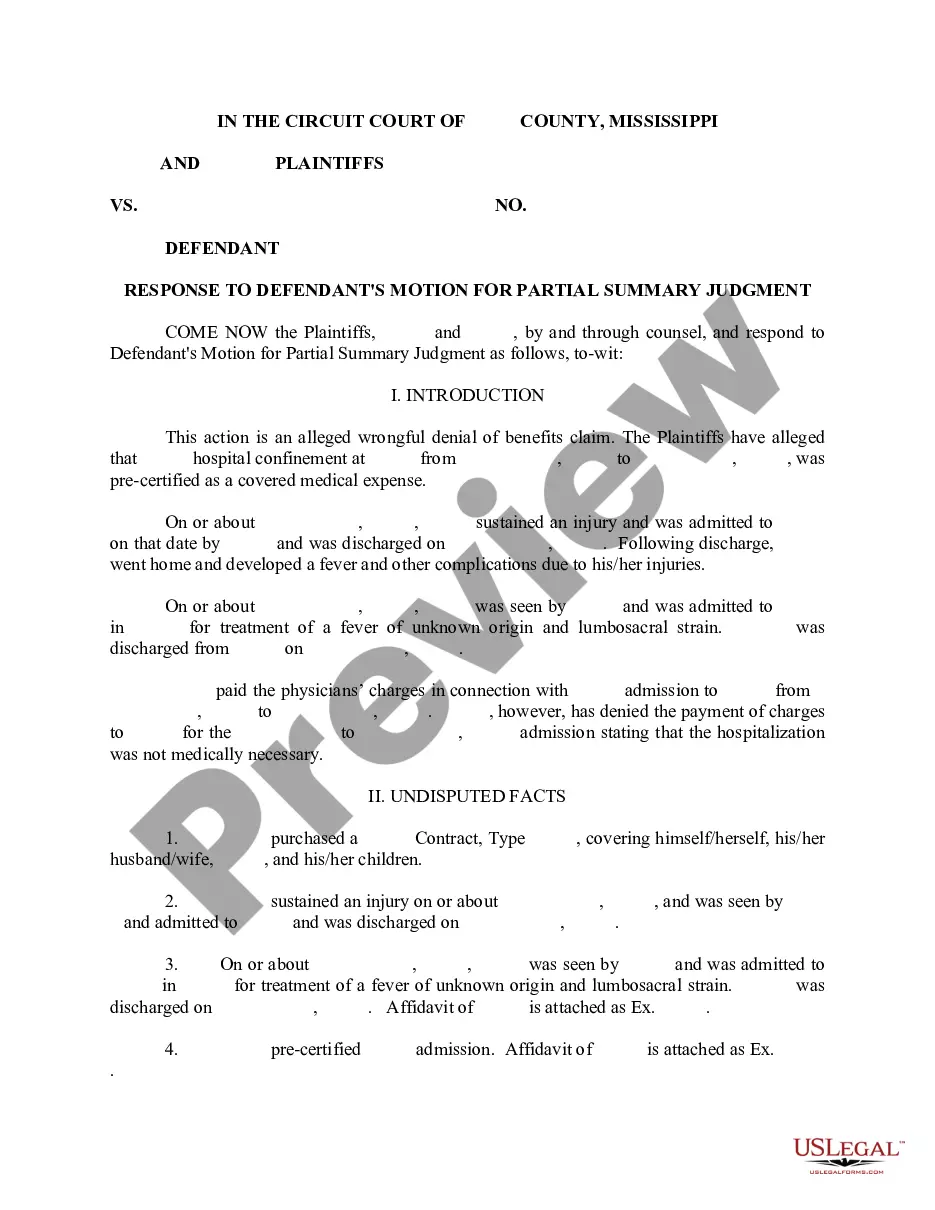
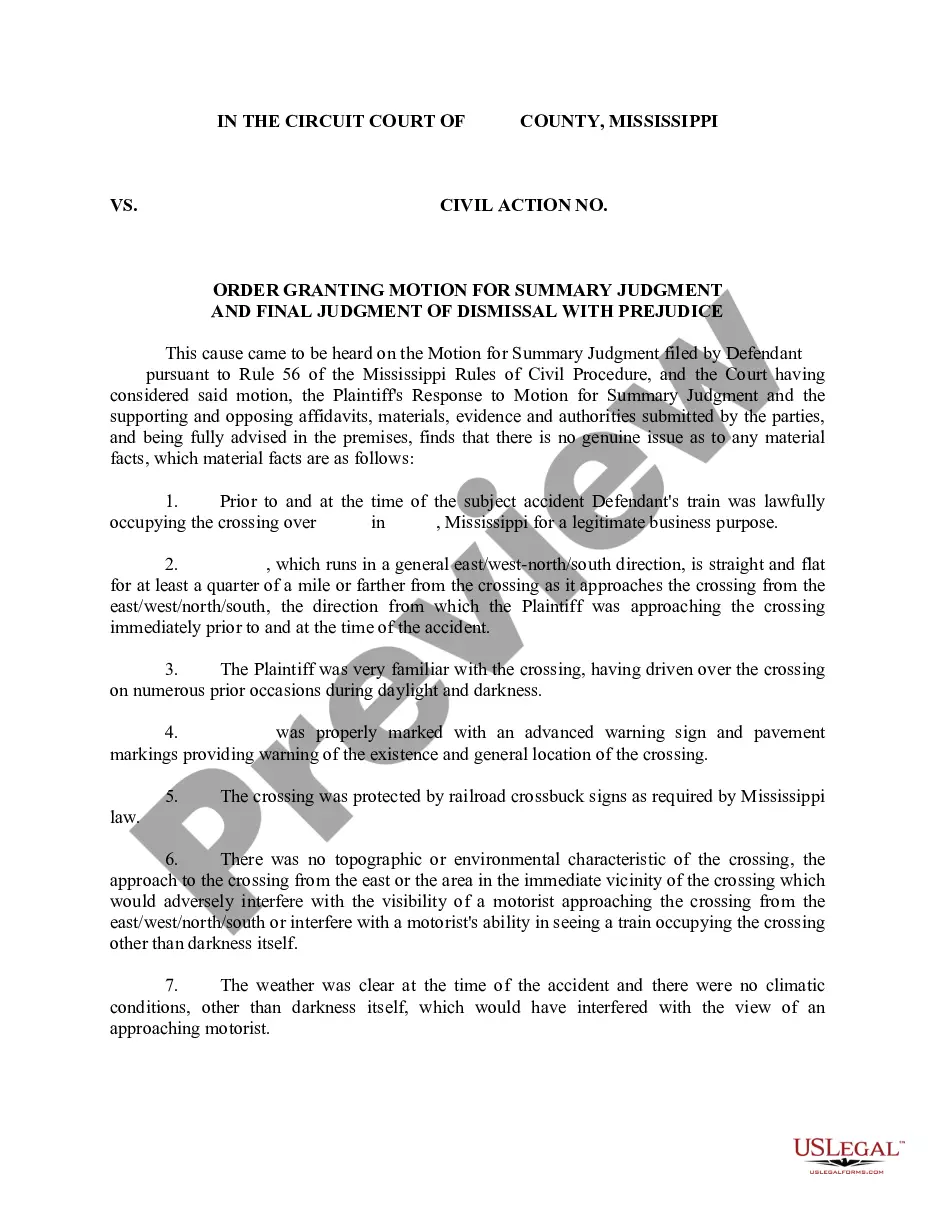
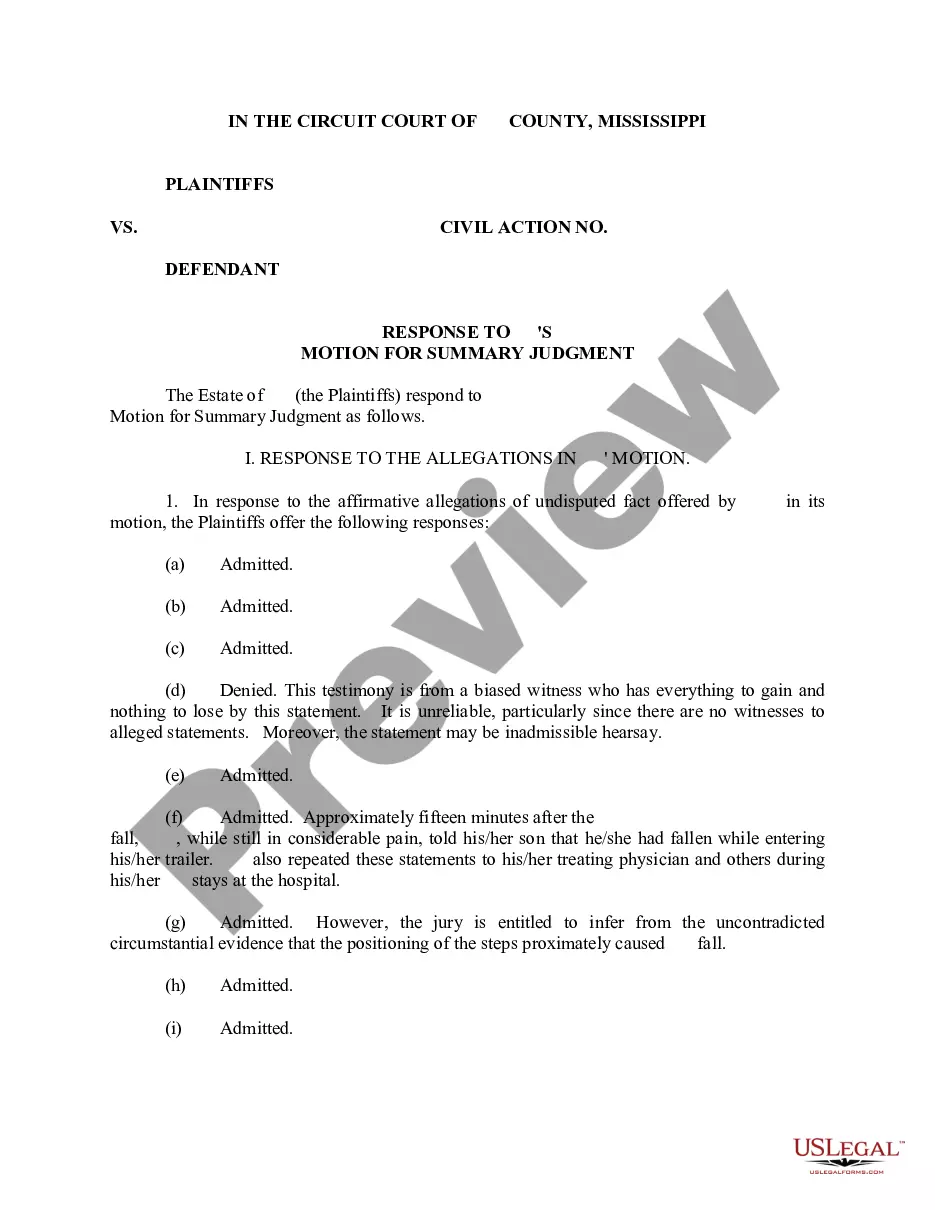
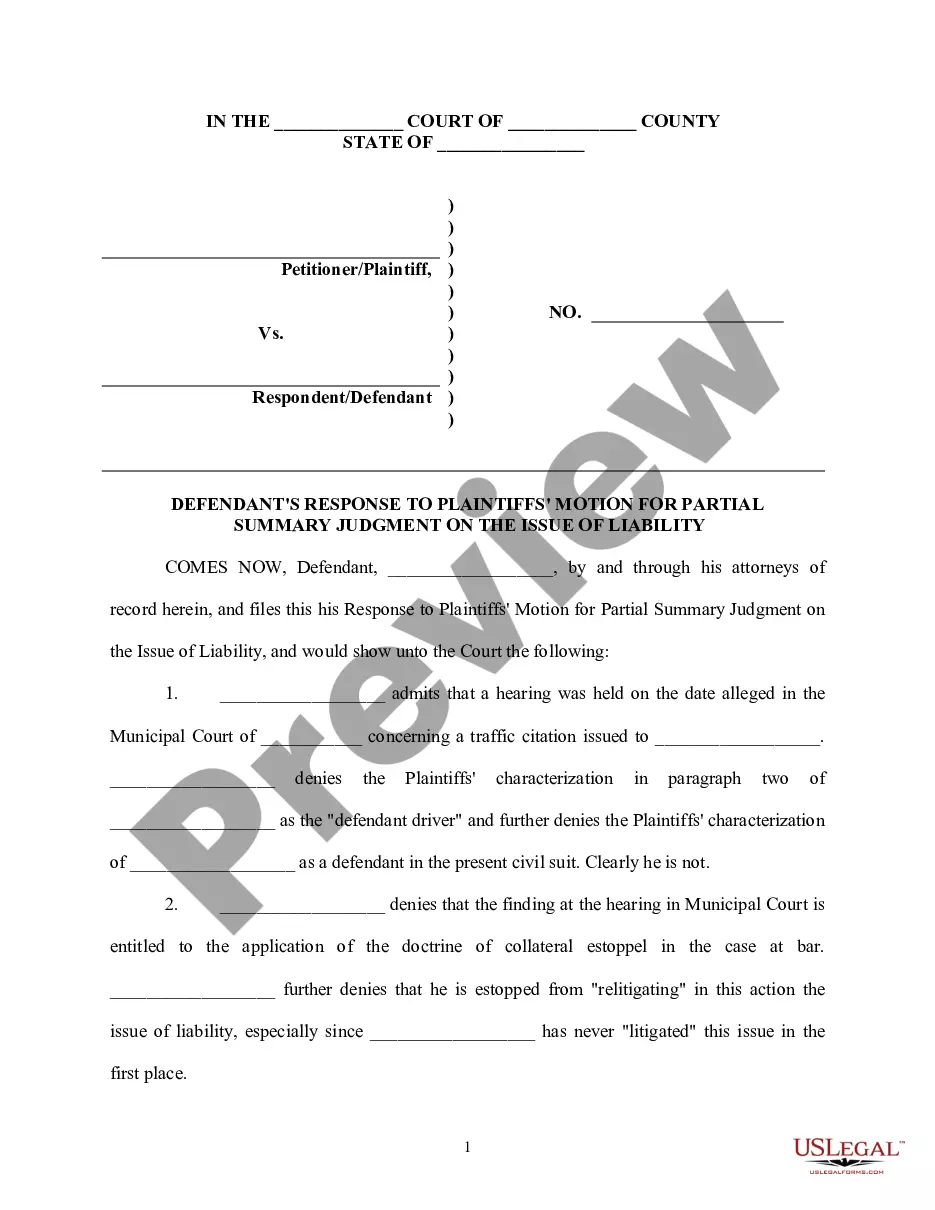
The Response to Motion for Summary Judgment is a legal document used to reply to a motion requesting a court to rule in favor of one party without a full trial. This form allows the plaintiff to admit or deny statements made in the defendant's motion and present affirmative matters in support of their response. Unlike other responses, this form is specifically tailored for summary judgment situations, where facts are undisputed, and the legal context requires a quick resolution.
Main sections of this form
- Sections for admitting or denying factual statements made in the motion.
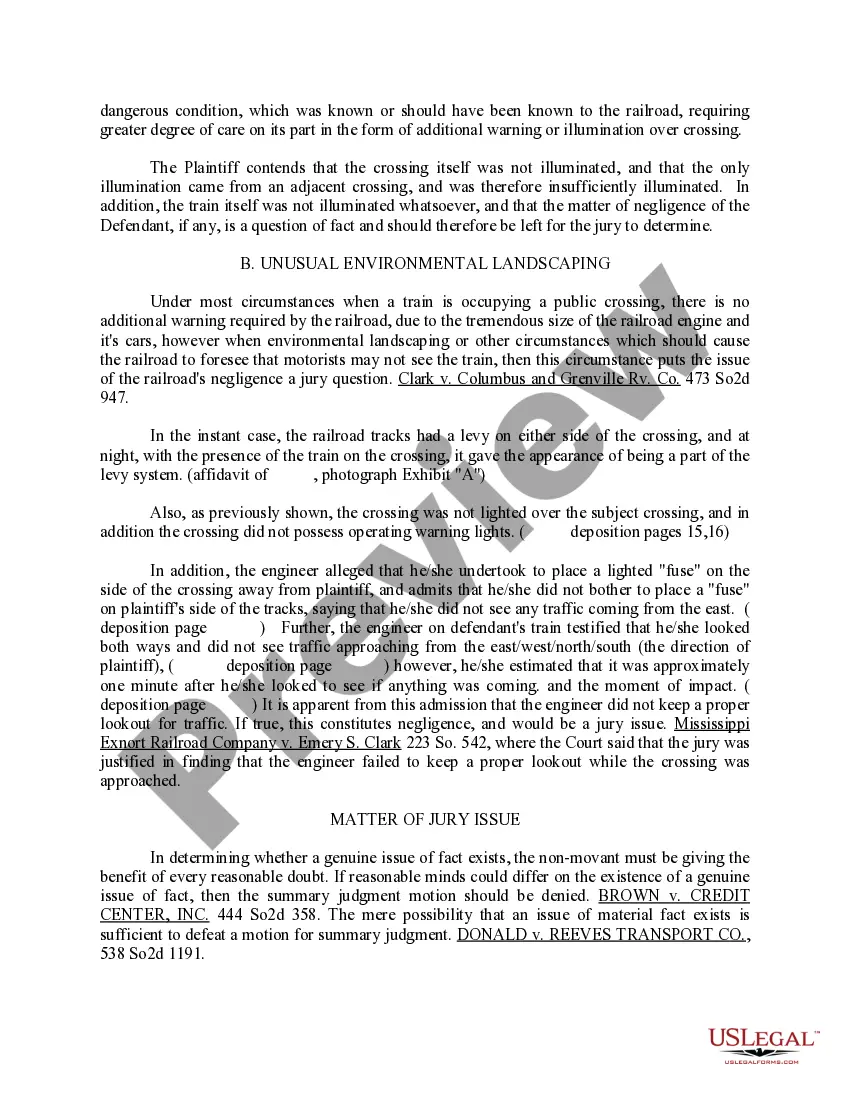
- Affirmative matters that support the plaintiff's response.
- Legal arguments citing relevant case law to challenge the motion.
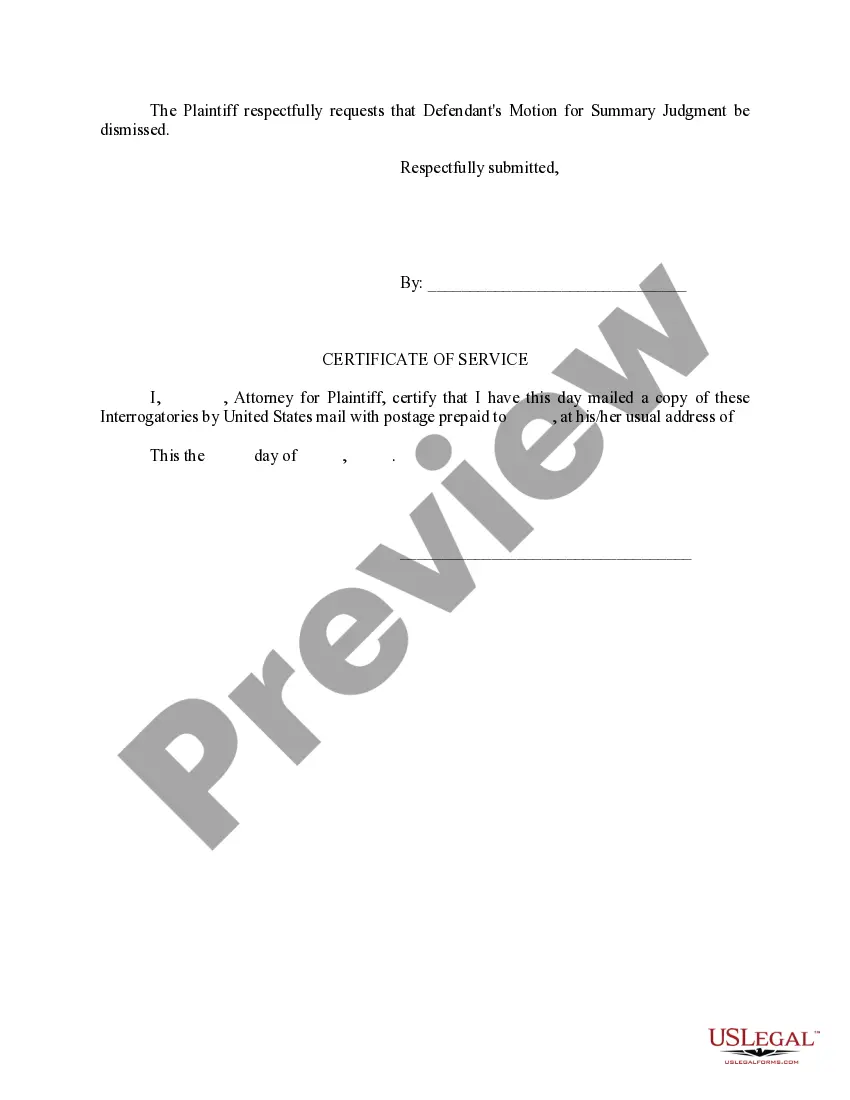
- A respectful request for the court to dismiss the defendant's motion.
- Signature block for the plaintiff or their attorney.
When to use this form
This form should be used when a defendant files a motion for summary judgment in a case. If you, as the plaintiff, disagree with the motion and have grounds to refute it, this form allows you to formally respond. It is essential in instances where you believe there are genuine issues of material fact that require trial, or if you wish to present affirmative defenses related to the case.
Intended users of this form
This form is intended for:
- Individuals acting as plaintiffs in a civil lawsuit.
- Attorneys representing clients in cases where a motion for summary judgment has been filed.
- Parties in litigation who need to formally address allegations made by the opposing side.
How to prepare this document
- Identify the parties and their roles in the case.
- Carefully read the defendant's motion and note which paragraphs you admit or deny.
- Provide any affirmative matters or evidence that support your arguments against the motion.
- Cite relevant case law that supports your position.
- Sign the form and include the date, ensuring that it is timely filed with the court.
Notarization requirements for this form
This form usually doesn’t need to be notarized. However, local laws or specific transactions may require it. Our online notarization service, powered by Notarize, lets you complete it remotely through a secure video session, available 24/7.
Get your form ready online
Our built-in tools help you complete, sign, share, and store your documents in one place.
Make edits, fill in missing information, and update formatting in US Legal Forms—just like you would in MS Word.
Download a copy, print it, send it by email, or mail it via USPS—whatever works best for your next step.
Sign and collect signatures with our SignNow integration. Send to multiple recipients, set reminders, and more. Go Premium to unlock E-Sign.
If this form requires notarization, complete it online through a secure video call—no need to meet a notary in person or wait for an appointment.
We protect your documents and personal data by following strict security and privacy standards.

Make edits, fill in missing information, and update formatting in US Legal Forms—just like you would in MS Word.

Download a copy, print it, send it by email, or mail it via USPS—whatever works best for your next step.

Sign and collect signatures with our SignNow integration. Send to multiple recipients, set reminders, and more. Go Premium to unlock E-Sign.

If this form requires notarization, complete it online through a secure video call—no need to meet a notary in person or wait for an appointment.

We protect your documents and personal data by following strict security and privacy standards.
Avoid these common issues
- Failing to respond to every paragraph in the defendant's motion.
- Missing deadlines for filing the response.
- Not providing sufficient evidence or legal citations to support the opposition to the motion.
- Inadvertently admitting to statements that should have been denied.
Benefits of completing this form online
- Immediate access to a professionally drafted template, ensuring accuracy.
- Editing capabilities allow customization to fit specific circumstances.
- Easy download options in multiple formats for convenience.
- Time-saving efficiency, enabling quick preparation and filing.
Legal use & context
- The Response to Motion for Summary Judgment serves as a critical legal document in litigation.
- It allows the plaintiff to contest the motion and assert that factual disputes exist, necessitating a trial.
- Understanding the importance and implications of this response can influence the outcome of the motion.
Summary of main points
- The Response to Motion for Summary Judgment is a key document for plaintiffs responding to a defendant's motion.
- Properly completing the form can help prevent a default judgment in your case.
- Ensure adherence to local rules and timelines for submission.
Looking for another form?
Form popularity
FAQ
A response must be in writing and include the same supporting documents as a motion for summary judgment. The opposition to the motion for summary judgment should also include a statement of facts showing the dispute and supporting documents.
If the motion is granted, the judgment on the issue or case is deemed to be a final judgment from which a party may seek an appeal. The court of appeal can reverse the grant of summary judgment and reinstate the claim in the lower court. However, this is rarely done and most summary judgments are upheld on appeal.
If a defendant refuses to produce documents or witnesses for depositions, you can oppose the summary-judgment motion by submitting your declaration and showing that facts essential to justify your opposition may exist but cannot for reasons stated be presented to the court.
19, 2008) (motions to dismiss or for summary judgment are not responsive pleadings, and therefore do not cut off a plaintiff's right to amend his pleadings once at any time).