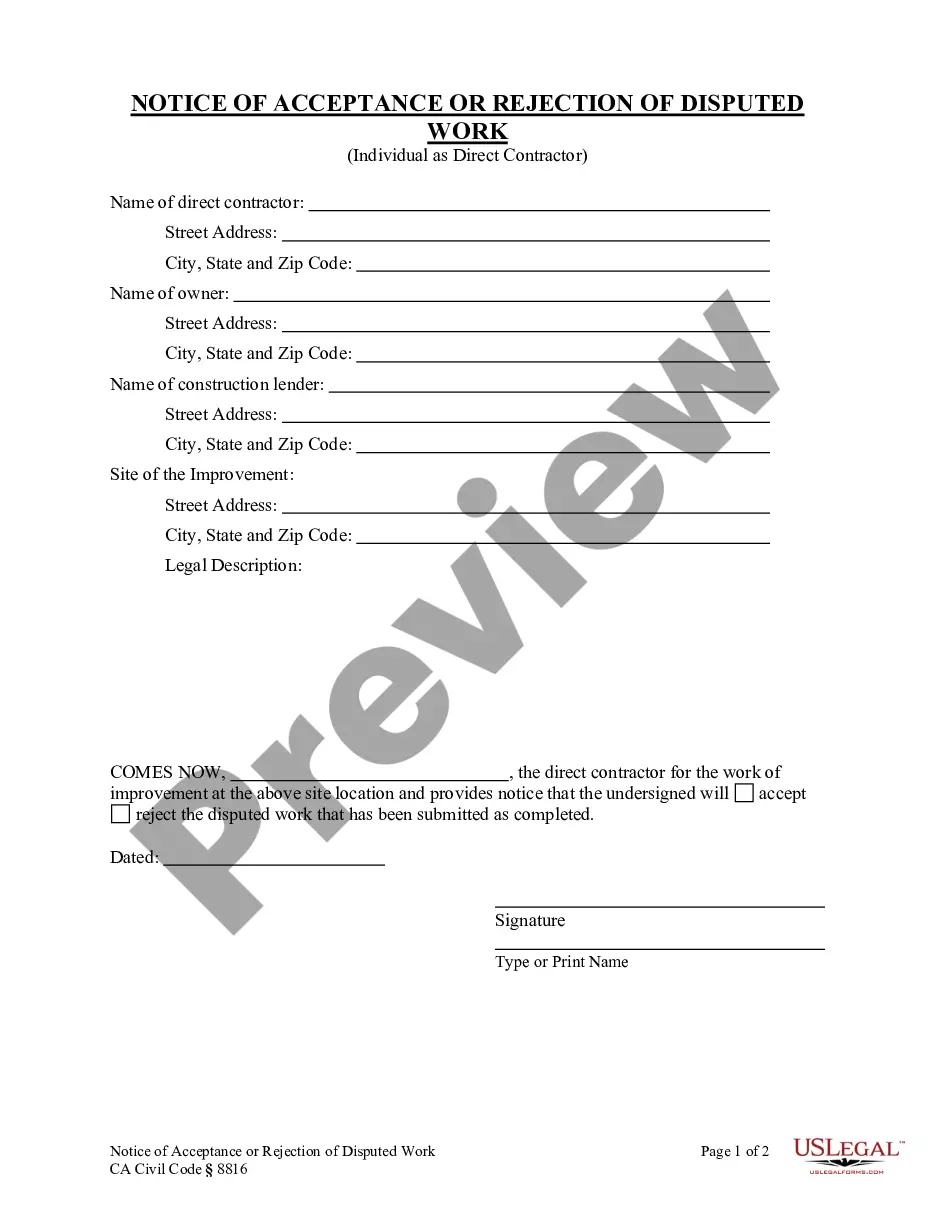
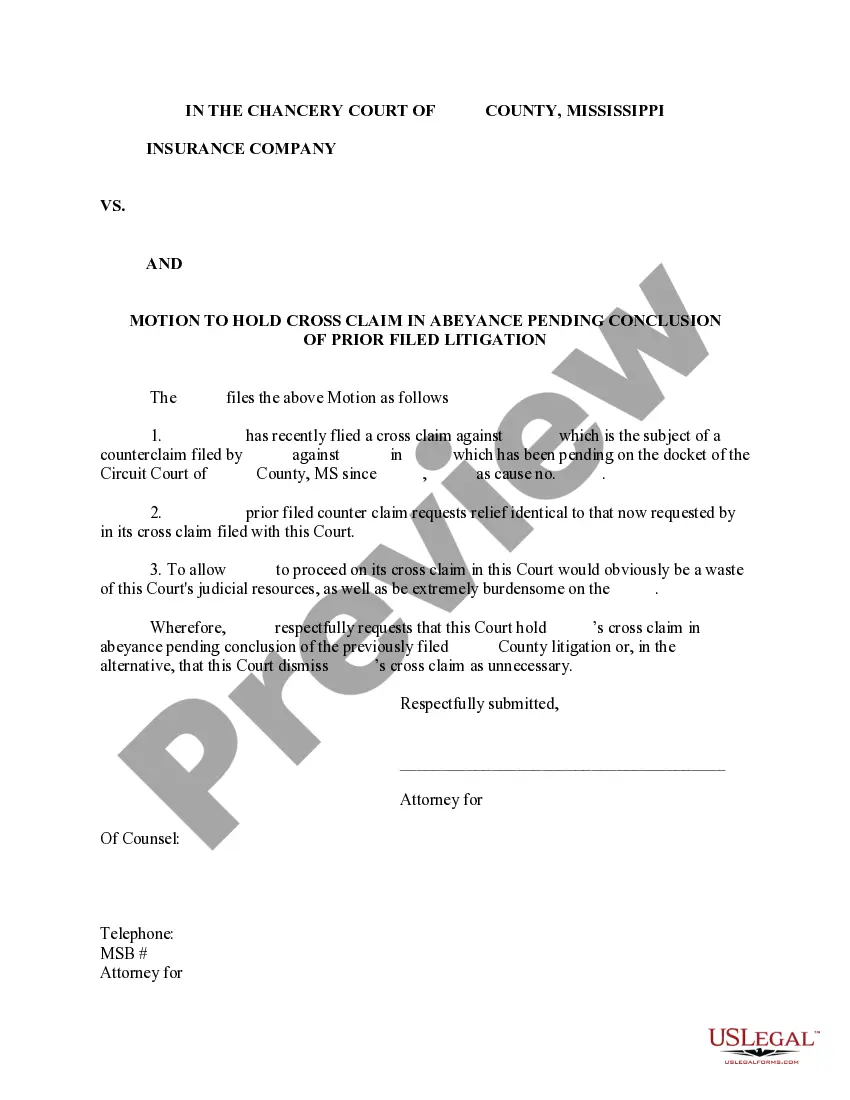
Mississippi Motion to Hold Cross Claim in Abeyance Pending Conclusion of Prior Filed Litigation
Overview of this form
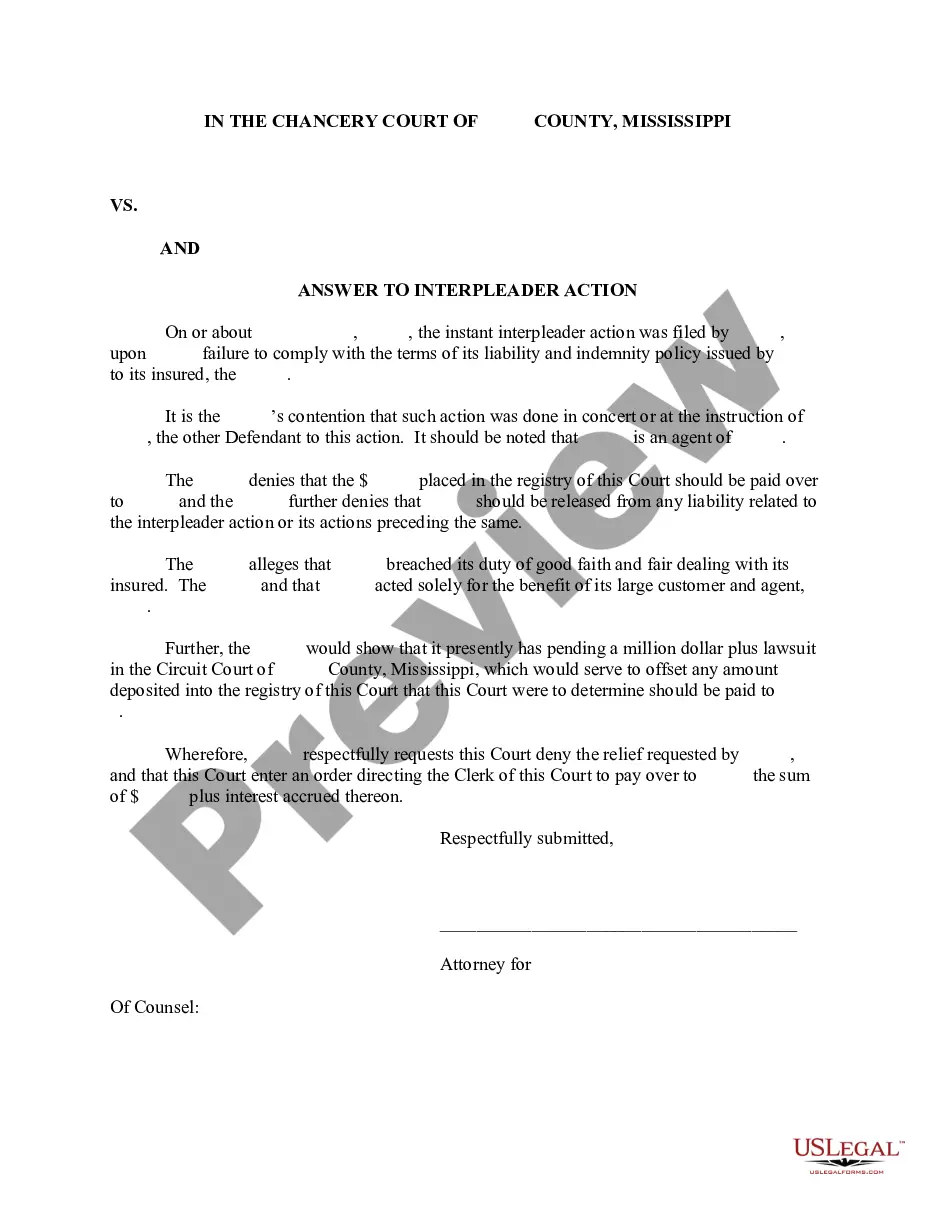
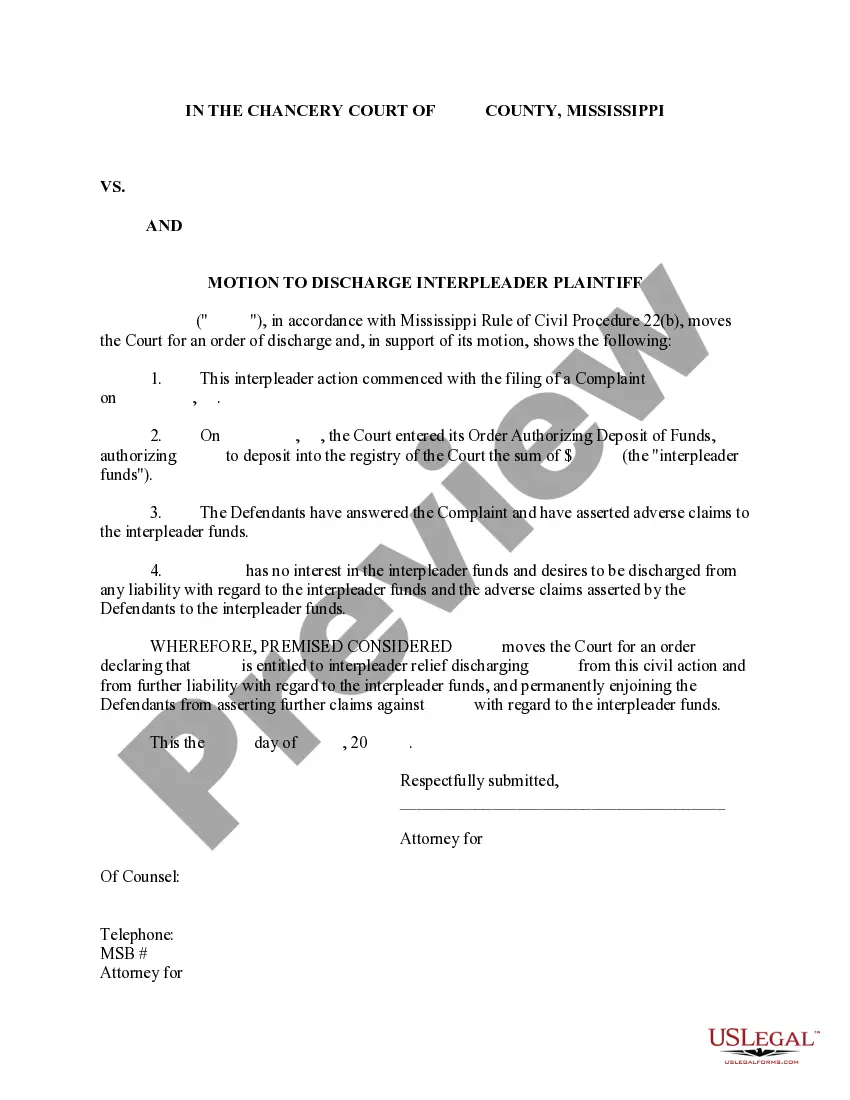
The Motion to Hold Cross Claim in Abeyance Pending Conclusion of Prior Filed Litigation is a legal document that requests the court to temporarily suspend proceedings on a cross-claim. This motion allows the involved parties to await the outcome of an earlier filed litigation before moving forward with the cross-claim. It is a strategic tool to streamline court proceedings and avoid conflicting judgments. This form can be used as a model or general motion form, depending on your specific needs.
Key components of this form
- Title of the motion, identifying its purpose.
- Case caption, including the names of the parties involved.
- Statement of grounds, outlining the reasons for requesting abeyance.
- Request for relief, specifying what the party seeks from the court.
- Signature block for the party or attorney submitting the motion.
When to use this form
This motion is useful when you have filed a cross-claim against another party, but there is ongoing litigation that needs to be resolved first. If you anticipate that the outcome of the earlier case could significantly impact the claims involved in your cross-claim, submitting this motion will help ensure that court resources are utilized efficiently and that any potential conflicts in judgments are avoided.
Intended users of this form
This form is designed for:
- Individuals or entities involved in litigation who have filed a cross-claim.
- Attorneys representing clients in civil litigation needing to request a hold on a cross-claim.
- Parties seeking to avoid conflicting rulings in ongoing related legal matters.
Completing this form step by step
- Identify the case by providing the case number and relevant party names.
- Outline the grounds for the motion, explaining why the cross claim should be held in abeyance.
- Clearly specify what relief you are requesting from the court.
- Include your signature and, if applicable, your attorney's details at the end of the document.
Notarization guidance
This form does not typically require notarization unless specified by local law. Always check your local court requirements to ensure compliance.
Get your form ready online
Our built-in tools help you complete, sign, share, and store your documents in one place.
Make edits, fill in missing information, and update formatting in US Legal Forms—just like you would in MS Word.
Download a copy, print it, send it by email, or mail it via USPS—whatever works best for your next step.
Sign and collect signatures with our SignNow integration. Send to multiple recipients, set reminders, and more. Go Premium to unlock E-Sign.
If this form requires notarization, complete it online through a secure video call—no need to meet a notary in person or wait for an appointment.
We protect your documents and personal data by following strict security and privacy standards.

Make edits, fill in missing information, and update formatting in US Legal Forms—just like you would in MS Word.

Download a copy, print it, send it by email, or mail it via USPS—whatever works best for your next step.

Sign and collect signatures with our SignNow integration. Send to multiple recipients, set reminders, and more. Go Premium to unlock E-Sign.

If this form requires notarization, complete it online through a secure video call—no need to meet a notary in person or wait for an appointment.

We protect your documents and personal data by following strict security and privacy standards.
Avoid these common issues
- Failing to provide adequate justification for holding the cross-claim in abeyance.
- Not including all relevant parties in the motion.
- Submitting the form without proper signatures or dates.
- Using outdated or incorrect formatting as per local rules.
Benefits of completing this form online
- Convenient access: Download and complete the form from anywhere.
- Editability: Fill in the form digitally to ensure accuracy.
- Reliability: The forms are drafted by licensed attorneys to meet legal standards.
Looking for another form?

Form popularity
FAQ
Your conclusions summarize how your results support or contradict your original hypothesis: Summarize your science fair project results in a few sentences and use this summary to support your conclusion. Include key facts from your background research to help explain your results as needed.
The First Law states, "A body at rest will remain at rest, and a body in motion will remain in motion unless it is acted upon by an external force." This simply means that things cannot start, stop or change direction all by themselves. It requires some force acting on them from the outside to cause such a change.
Motion requires force to cause that change. The time you take to travel the distance depends upon speed; the distance travelled is measured as the length of a line between the start and end of a motion. It is an important aspect in physics. In our lives motion is important and impacts so many things that we do.
All object continues to be in its state of rest or uniform motion unless acted upon by an external unbalanced force.the rate of change of momentum of an object is proportional to the unbalanced force in the direction of the force. 3. every action has an equal and opposite reaction.
In physics, motion is a change in position of an object with respect to time. Motion is typically described in terms of displacement, distance (scalar), velocity, acceleration, time and speed.
A conclusion is the last part of something, its end or result.The phrase in conclusion means "finally, to sum up," and is used to introduce some final comments at the end of a speech or piece of writing.
1 A force can cause an object with mass to change its velocity (which includes to begin moving from a state of rest), i.e., to accelerate. Force can also be described intuitively as a push or a pull. A force has both magnitude and direction, making it a vectorquantity.