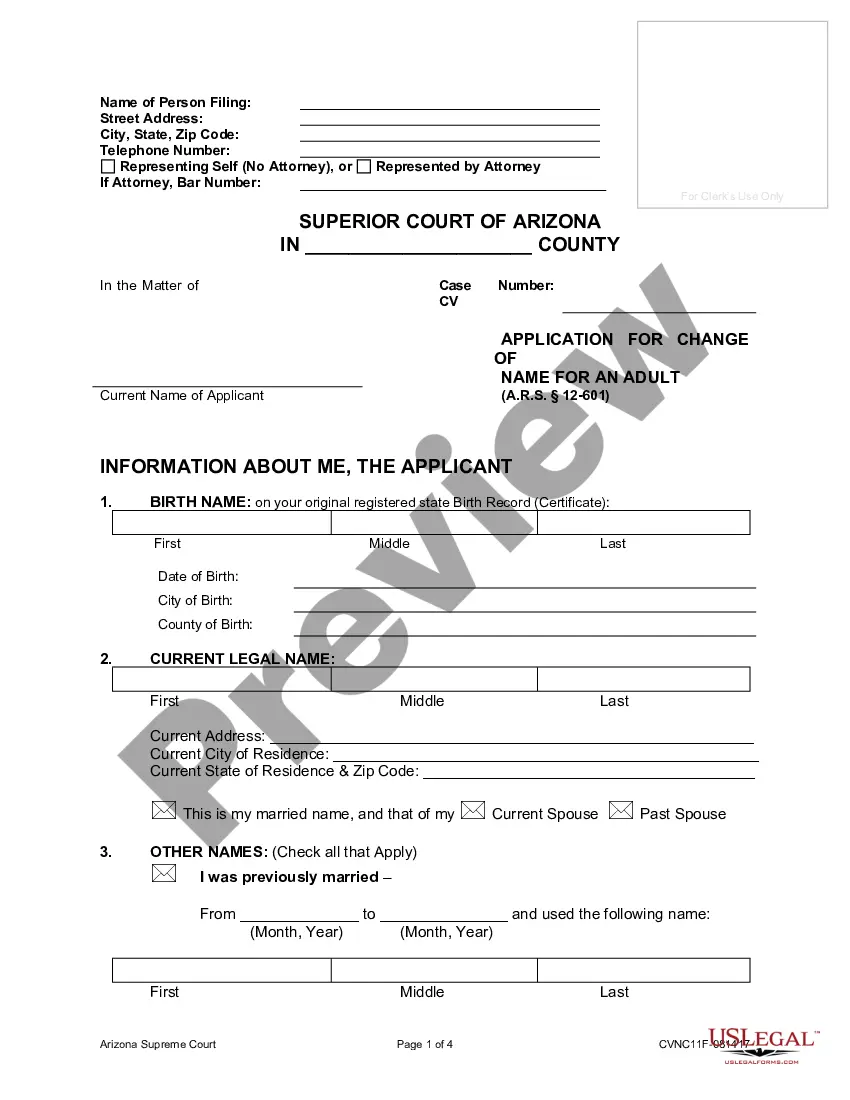
Mississippi Dedication for Public Streets, and Utility Easements and Other Improvements
Understanding this form
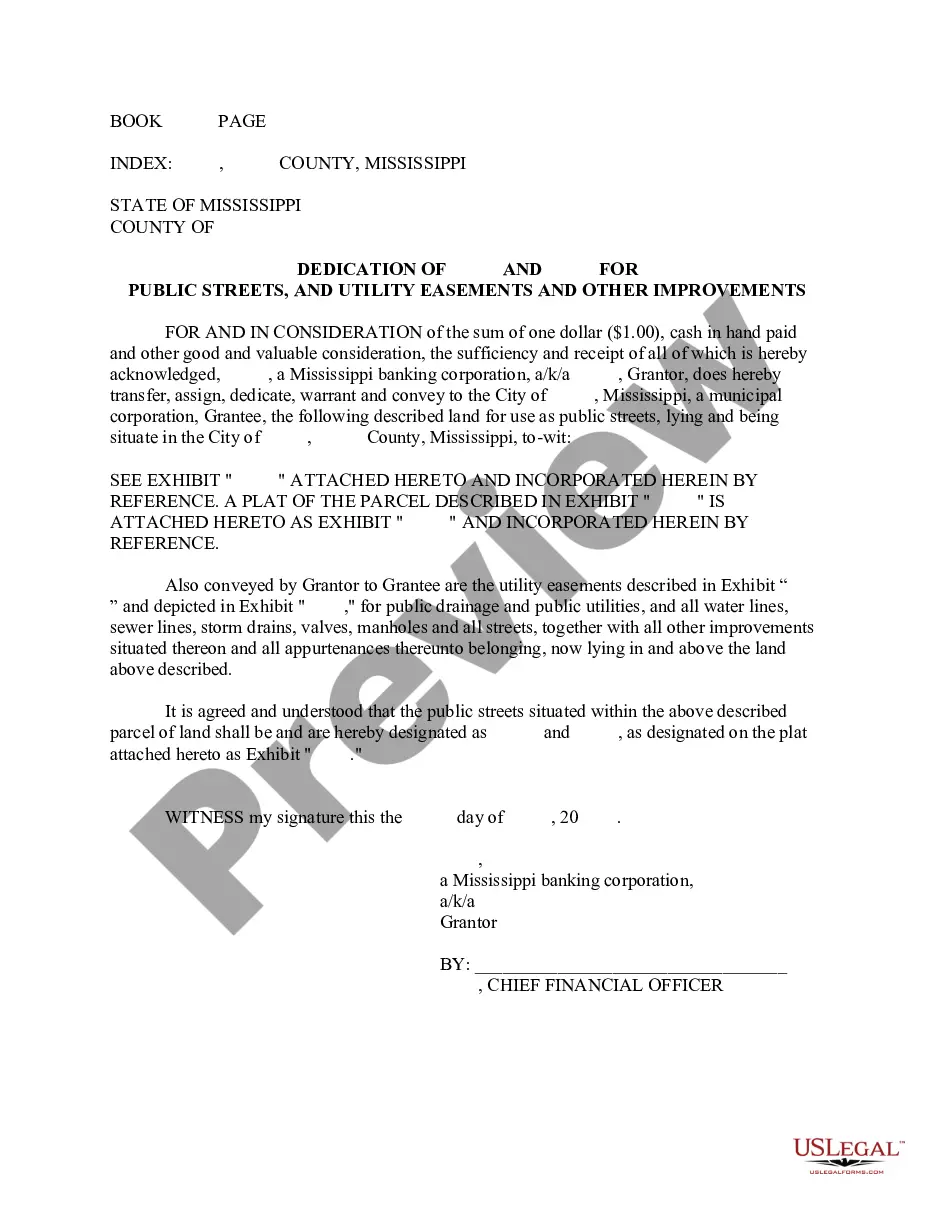
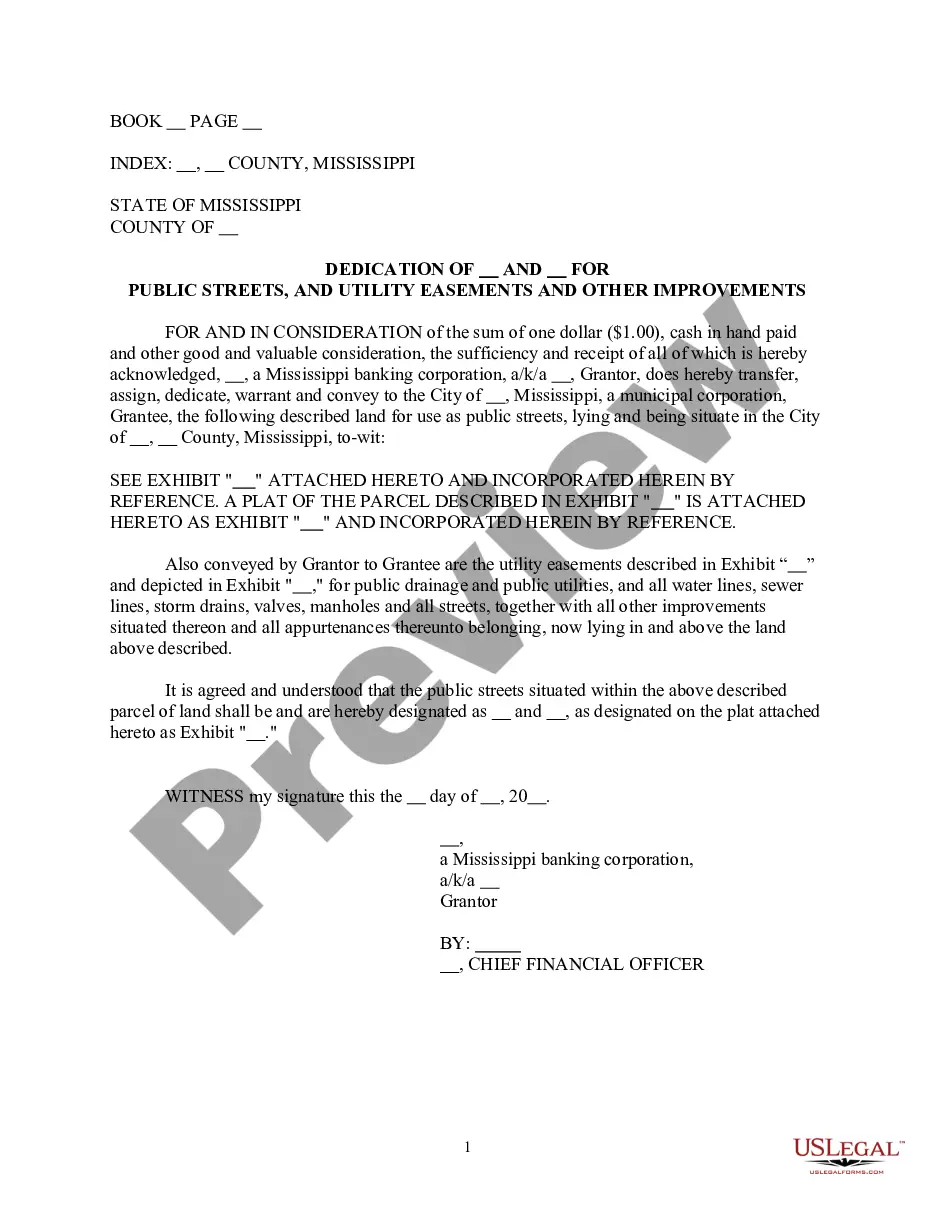
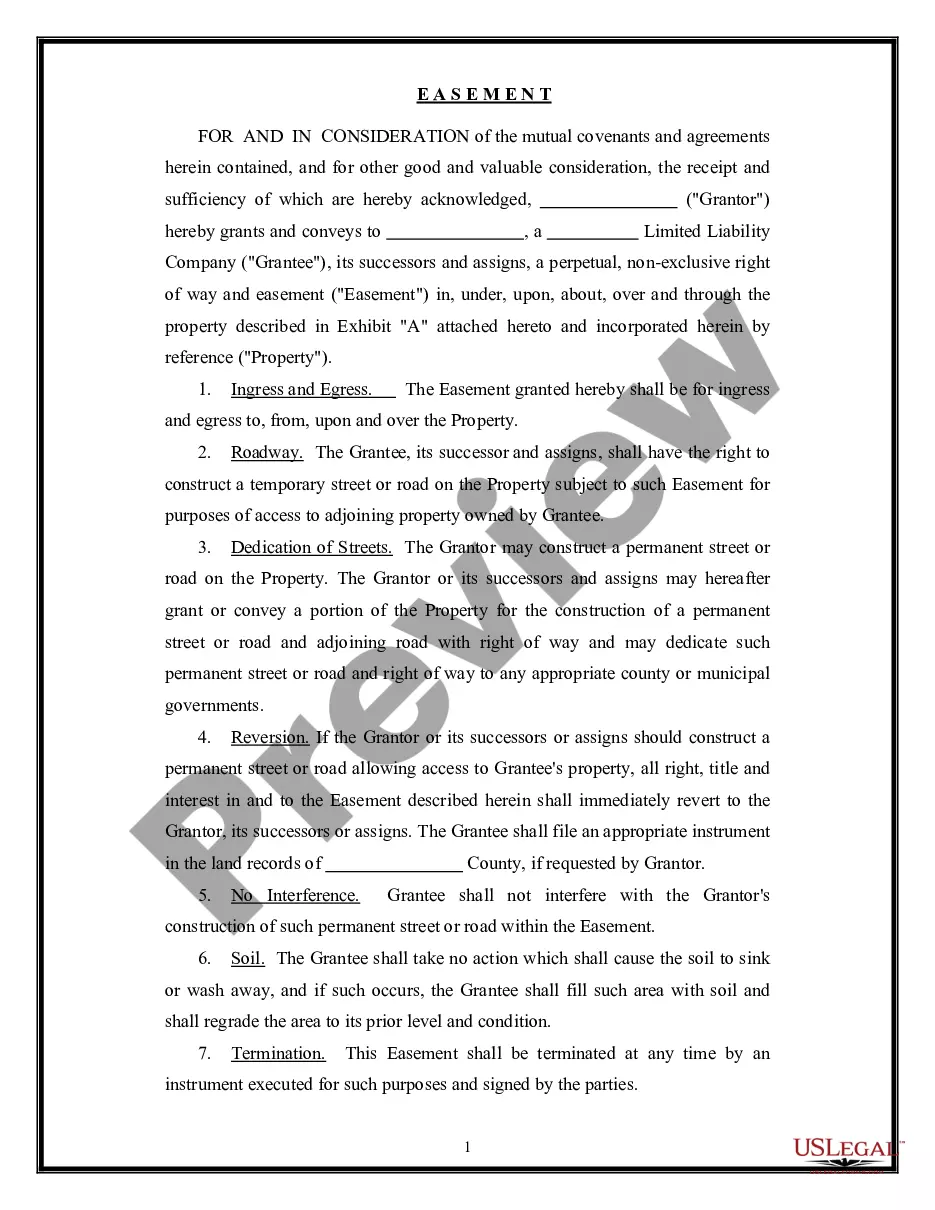
The Dedication for Public Streets, and Utility Easements and Other Improvements is a legal document that facilitates the transfer of a parcel of land from a Grantor, typically a Mississippi banking institution, to a city in Mississippi. This form establishes public access to the streets and utility easements on the property, allowing for essential services like drainage and utilities. It differs from other easement forms by specifically focusing on the dedication of land for public use and utility access.
Key parts of this document
- The Grantor and Grantee, along with their legal designations.
- A description of the land being dedicated, including its location and boundaries.
- Details of public streets and utility easements included in the dedication.
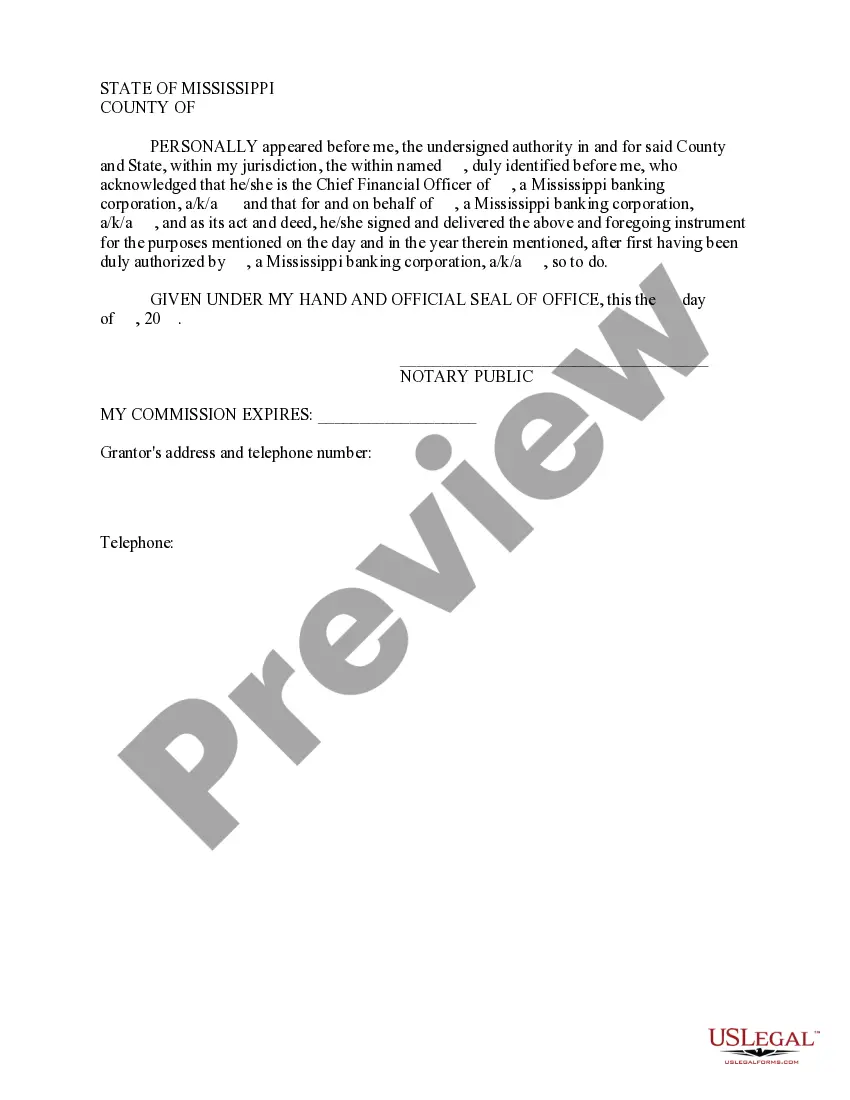
- Signatures of the Grantor and a notary public to validate the document.
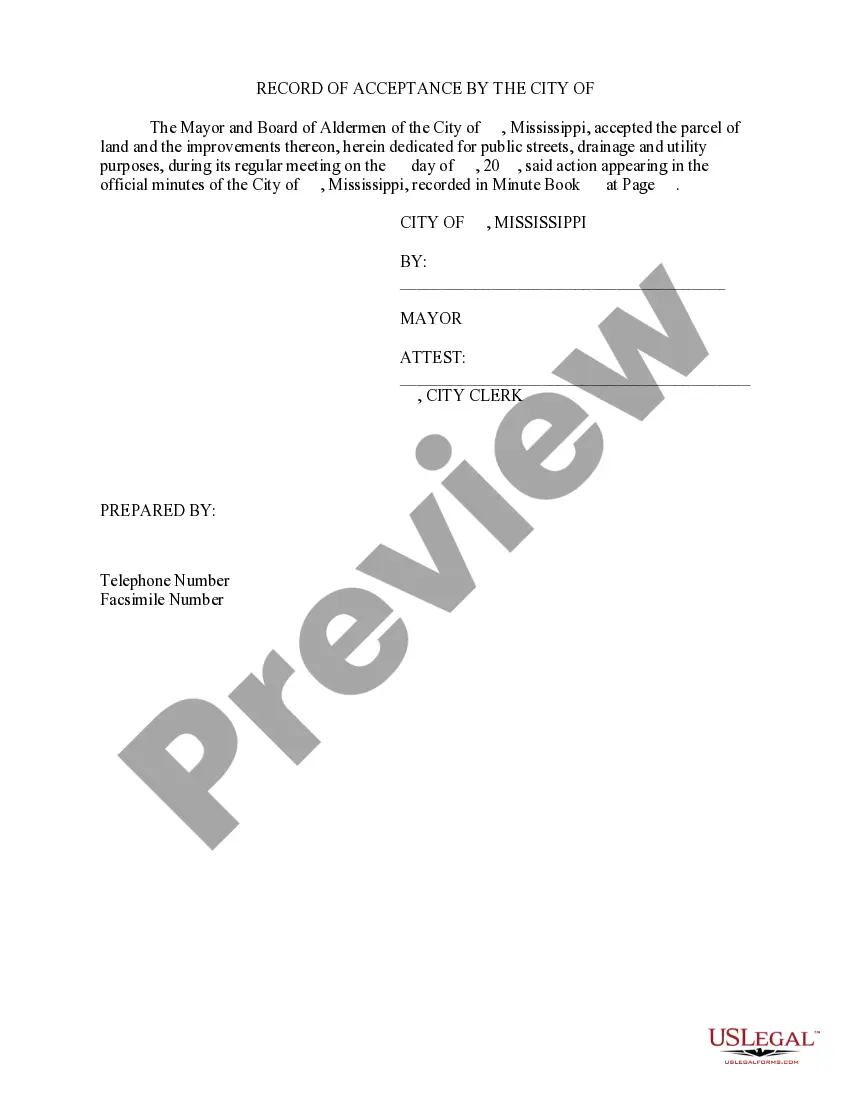
- Record of acceptance by the city, including details of the meeting where the dedication was approved.
When to use this document
This form is necessary when a banking institution in Mississippi seeks to dedicate land for public streets and utilities to a city. It is particularly useful in situations where a developer or landowner wants to ensure that streets and utility services can be established and maintained on their property for public benefit.
Who should use this form
- Banking institutions acting as Grantors in Mississippi.
- Cities or municipal corporations receiving the land dedication.
- Developers or property owners involved in public infrastructure projects.
- Legal representatives assisting with property transactions.
Steps to complete this form
- Identify the parties involved, noting the Grantor and Grantee.
- Specify the parcel of land by completing the description field and attaching any necessary exhibits.
- Document the terms of the dedication, including access to utilities and street designations.
- Ensure that the document is signed by the Chief Financial Officer of the Grantor and the notary public.
- Submit the completed form to the city for formal acceptance and recording.
Is notarization required?
Yes, this form must be notarized to be legally valid. The signatures of the Grantor and the Chief Financial Officer need to be acknowledged by a notary public to ensure the document's authenticity and enforceability.
Get your form ready online
Our built-in tools help you complete, sign, share, and store your documents in one place.
Make edits, fill in missing information, and update formatting in US Legal Forms—just like you would in MS Word.
Download a copy, print it, send it by email, or mail it via USPS—whatever works best for your next step.
Sign and collect signatures with our SignNow integration. Send to multiple recipients, set reminders, and more. Go Premium to unlock E-Sign.
If this form requires notarization, complete it online through a secure video call—no need to meet a notary in person or wait for an appointment.
We protect your documents and personal data by following strict security and privacy standards.

Make edits, fill in missing information, and update formatting in US Legal Forms—just like you would in MS Word.

Download a copy, print it, send it by email, or mail it via USPS—whatever works best for your next step.

Sign and collect signatures with our SignNow integration. Send to multiple recipients, set reminders, and more. Go Premium to unlock E-Sign.

If this form requires notarization, complete it online through a secure video call—no need to meet a notary in person or wait for an appointment.

We protect your documents and personal data by following strict security and privacy standards.
Common mistakes
- Failing to accurately describe the property or attach the necessary exhibits.
- Not obtaining the required signatures, particularly from the notary public.
- Leaving out essential details about the utilities and improvements included in the dedication.
- Not recording the document with the appropriate city authorities.
Why use this form online
- Convenient access allows for quick downloading and completion.
- Easily editable templates let users customize the form to their specific needs.
- Documents can be securely stored and retrieved as needed.
- No need for in-person visits to legal offices, saving time and travel costs.
Key takeaways
- This form facilitates the dedication of land for public streets and utilities in Mississippi.
- It requires precise details about the property and the parties involved.
- Notarization is essential for legal validation of the document.
- Using the form online streamlines the process and provides flexibility in editing.
Looking for another form?

Form popularity
FAQ
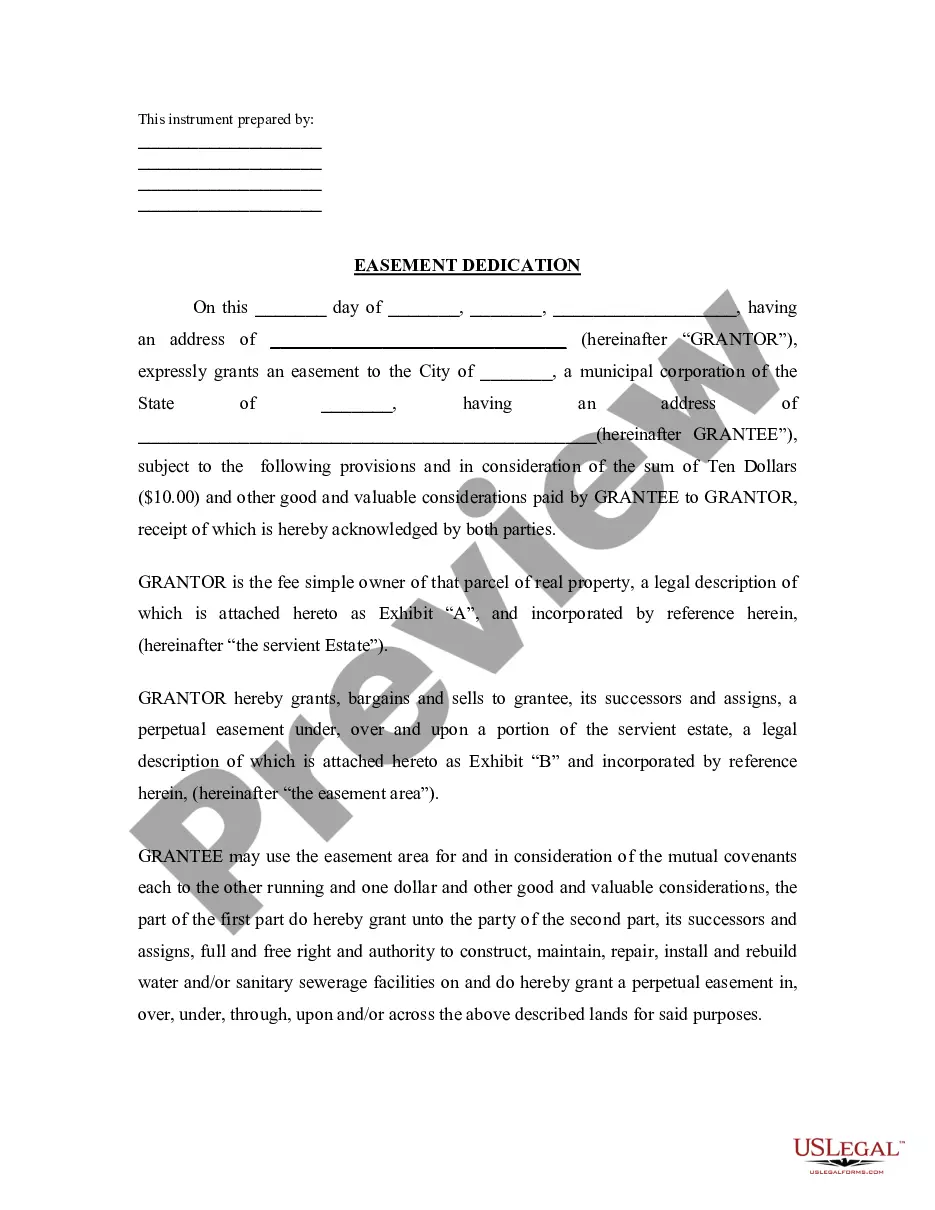
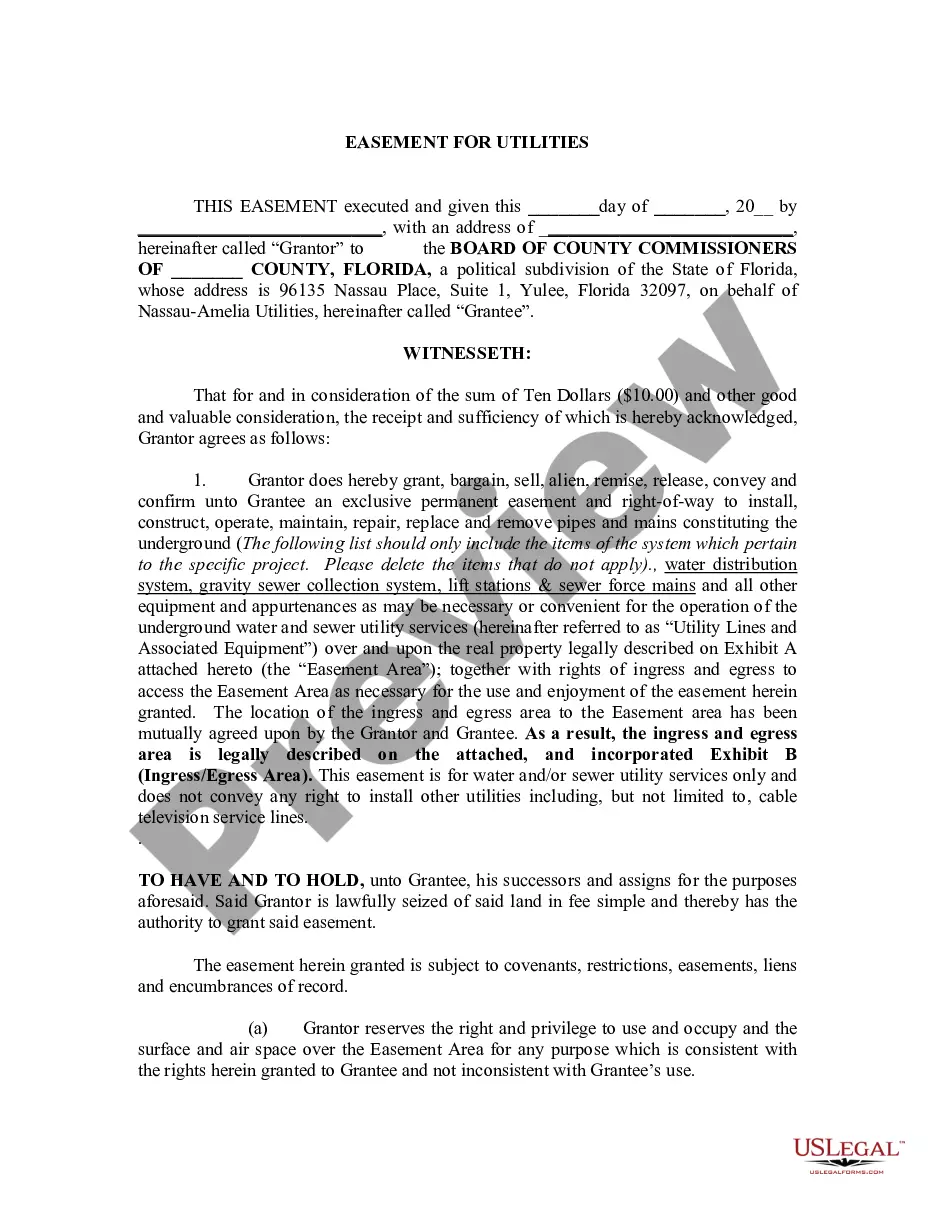
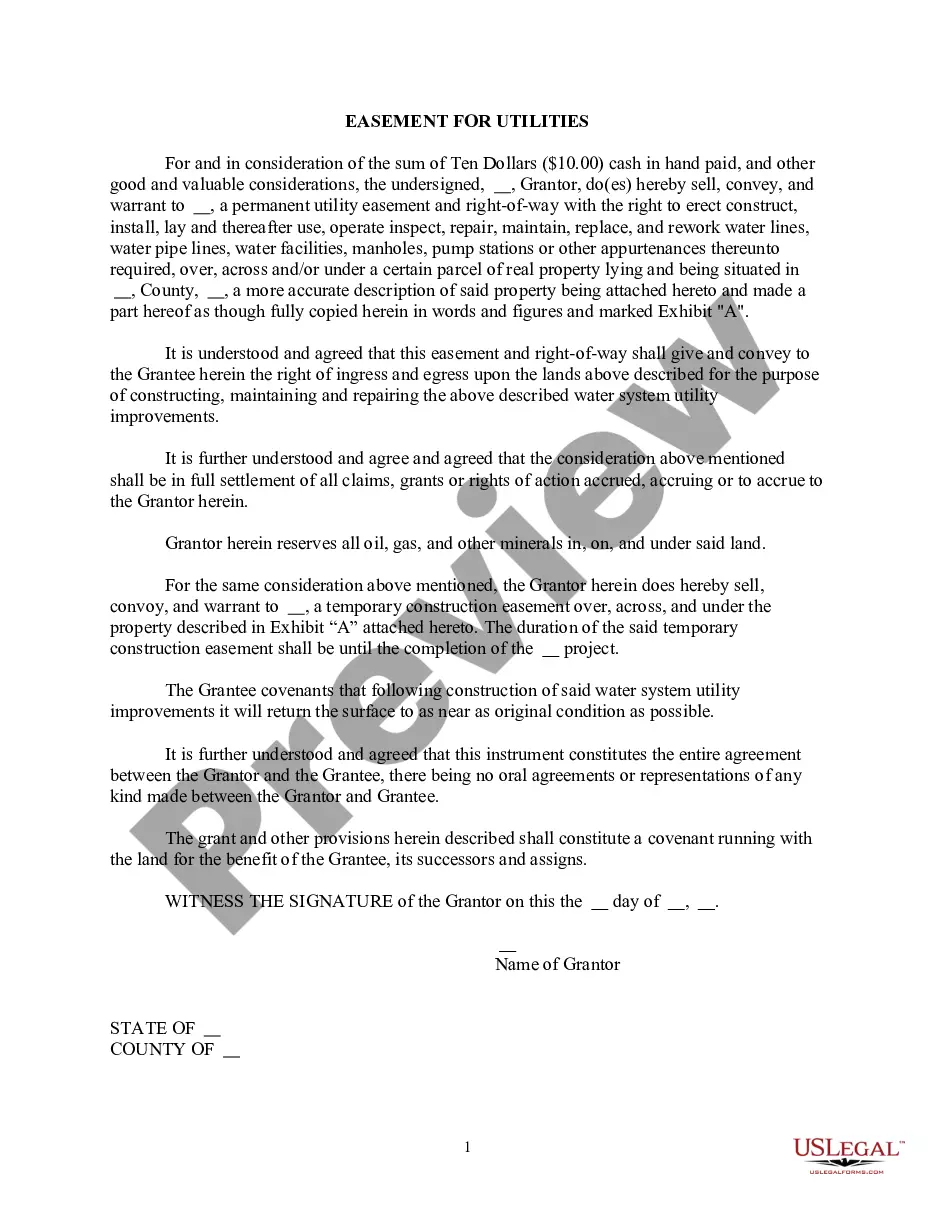
An easement is the grant of a nonpossessory property interest that grants the easement holder permission to use another person's land.An affirmative easement gives the easement holder the right to do something on the grantor of the easement's land, such as travel on a road through the grantor's land.
An easement can decrease the value of a real estate, increase the value of the real estate or it can have no impact on the value of the real estate at all. The most important fact is that each property and situation should be evaluated on individual basis, taking into account all the circumstances.
An easement is a limited right to use another person's land for a stated purpose. Examples of easements include the use of private roads and paths, or the use of a landowner's property to lay railroad tracks or electrical wires.
An easement is a property right that provides its holder with a non-possessory interest on another person's land.If there are only personal individual benefits from an easement the term used is in gross. The majority of easements are affirmative, this means that they authorise the use of another person's land.
A property easement is a legal situation in which the title to a specific piece land remains with the landowner, but another person or organization is given the right to use that land for a distinct purpose.
An easement is a "nonpossessory" property interest that allows the holder of the easement to have a right of way or use property that they do not own or possess. An easement doesn't allow the easement holder to occupy the land or to exclude others from the land unless they interfere with the easement holder's use.
So, having an easement on a property may have a permanent outcome on the property with rights of the home owner. But not all easements are bad.If you live in a rural area, you run into bad easement issues more often, typically where the easement was created by a parcel owner next to your land.